
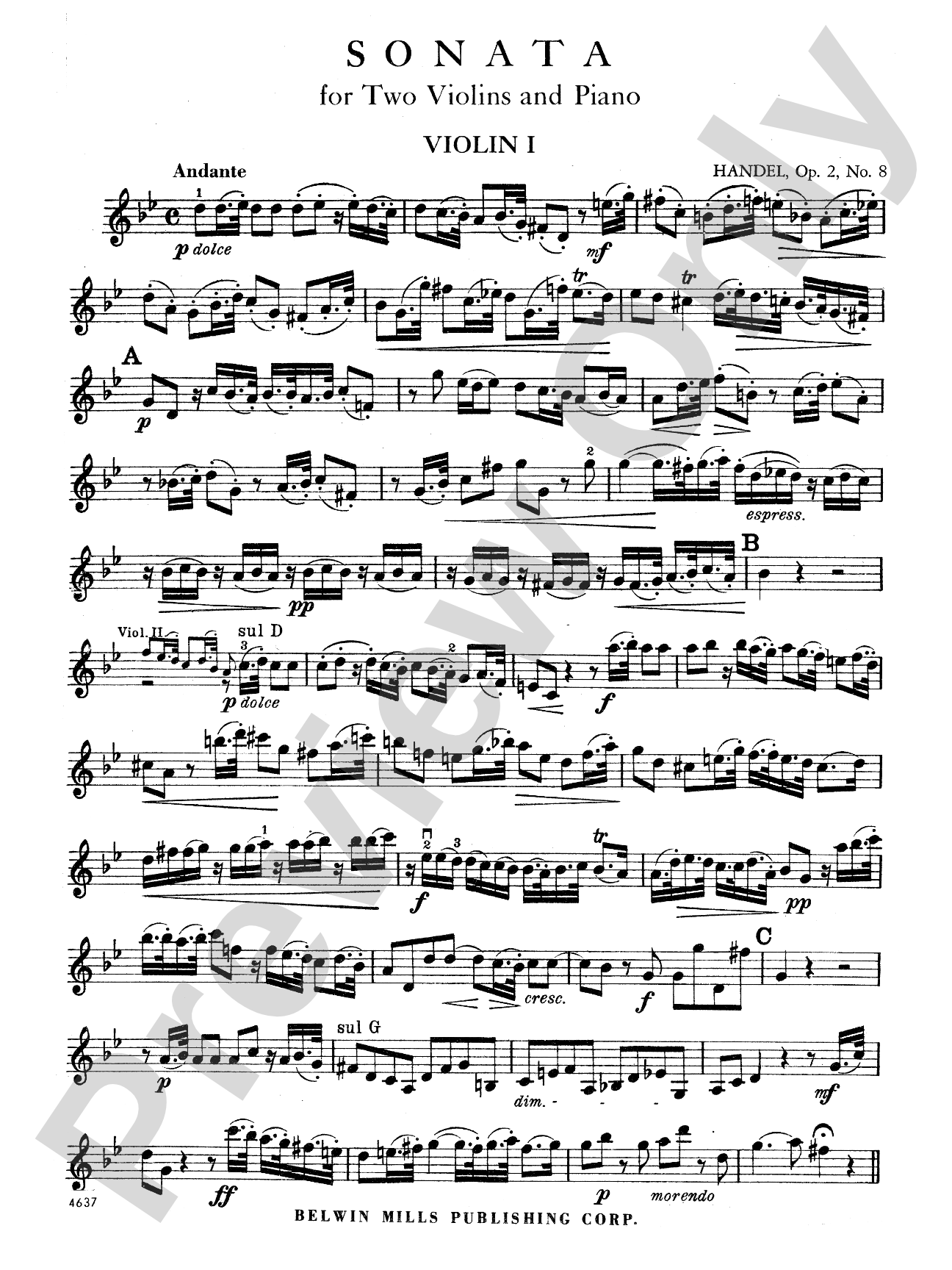
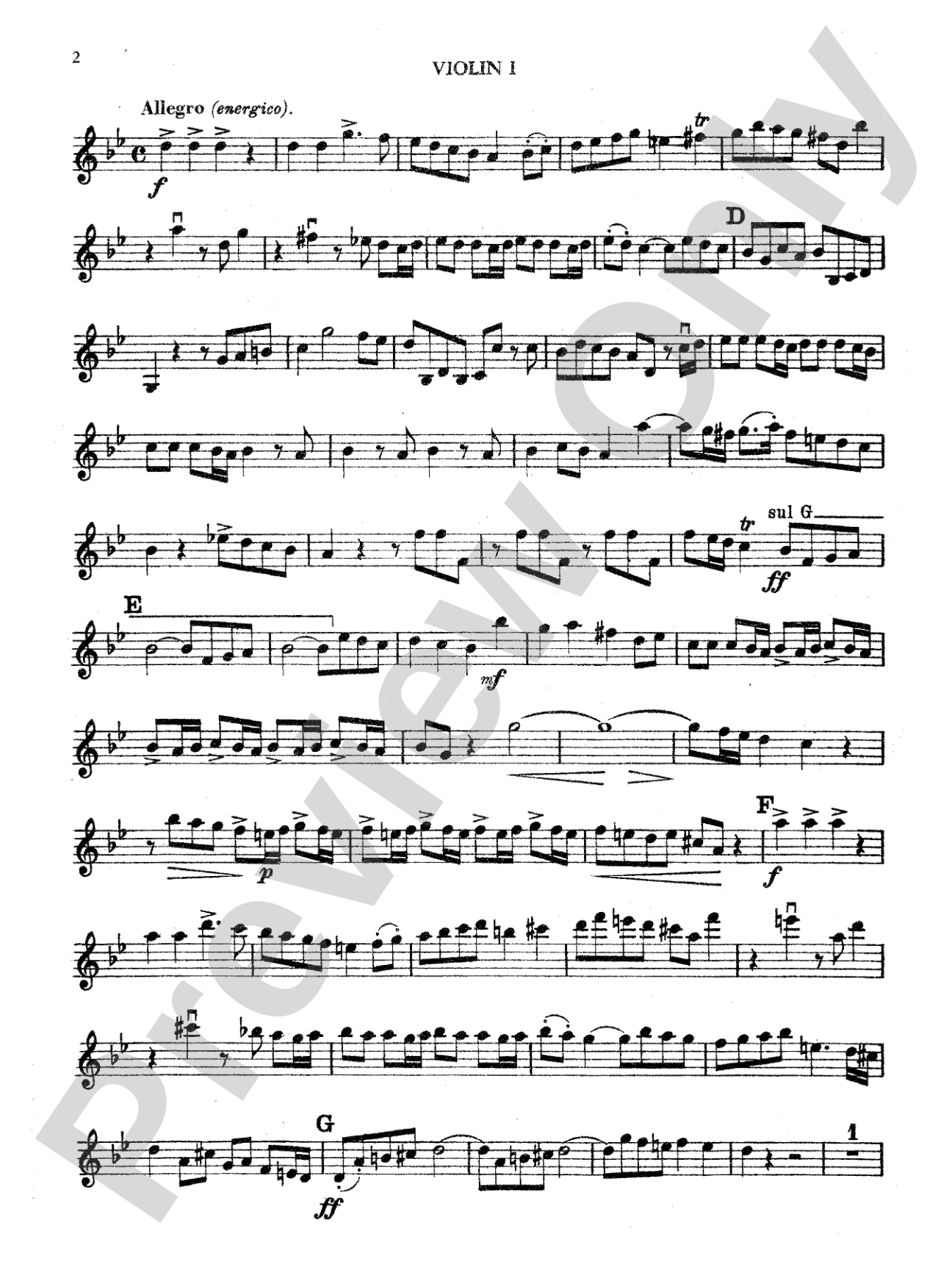
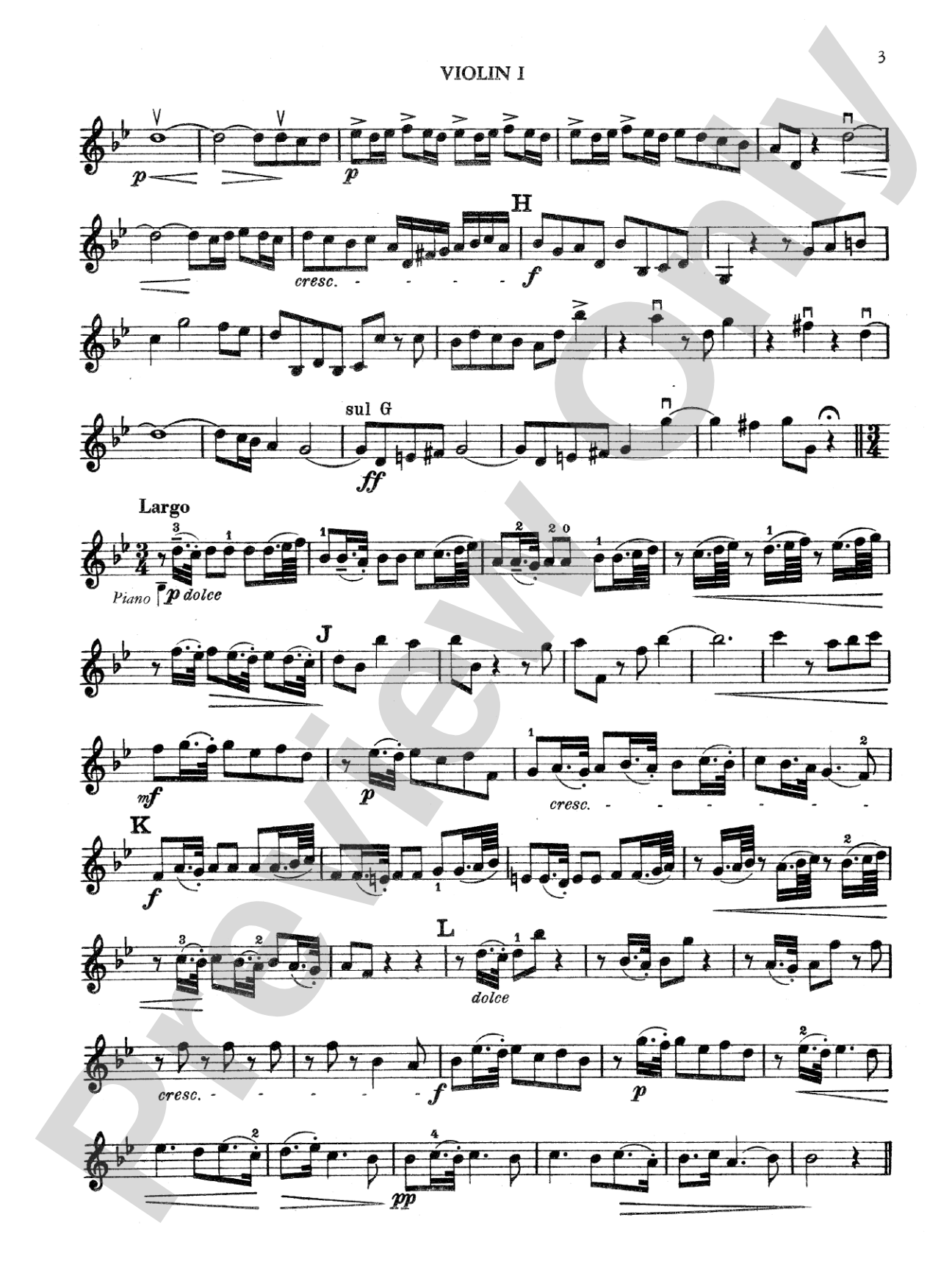
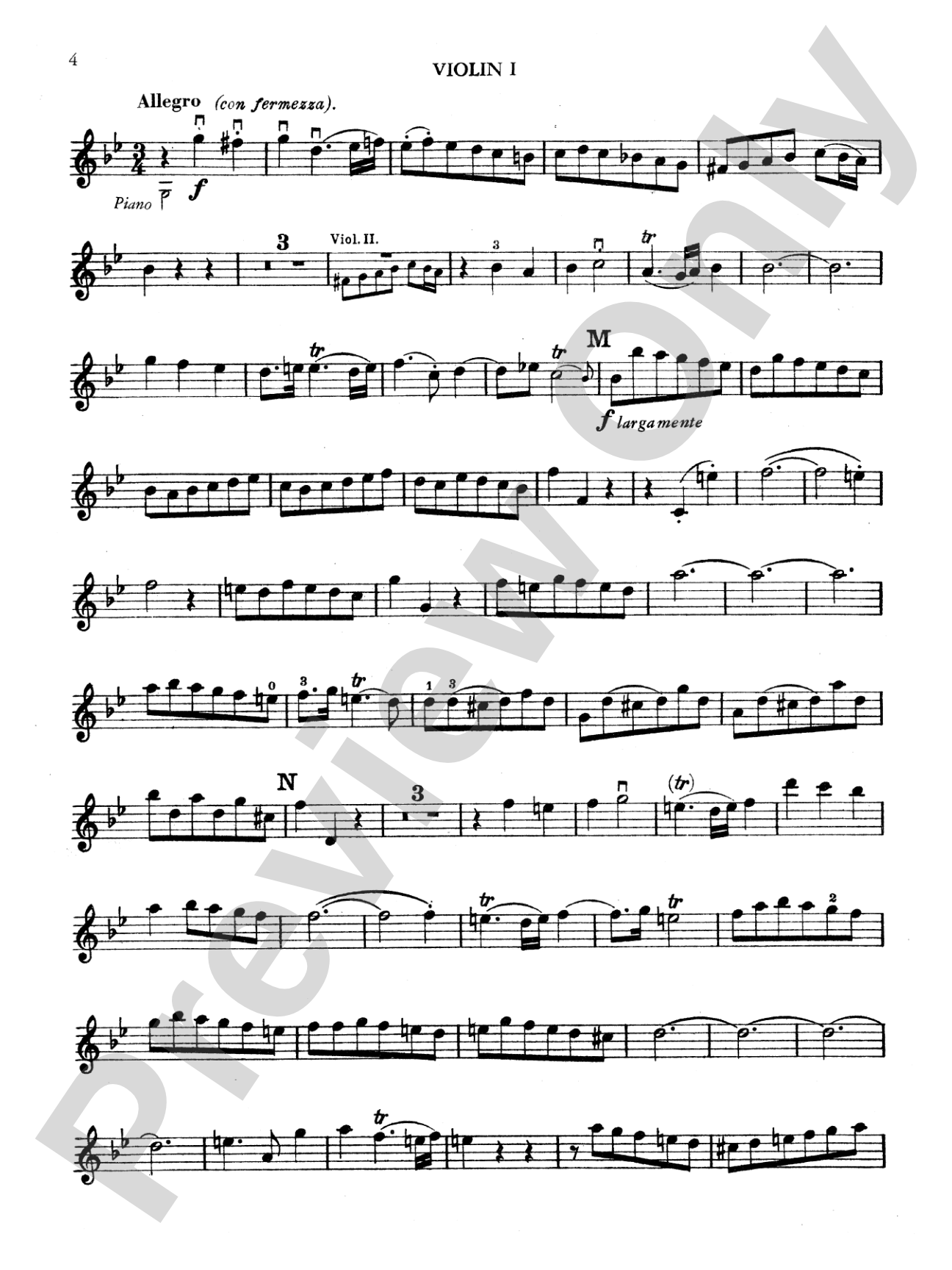
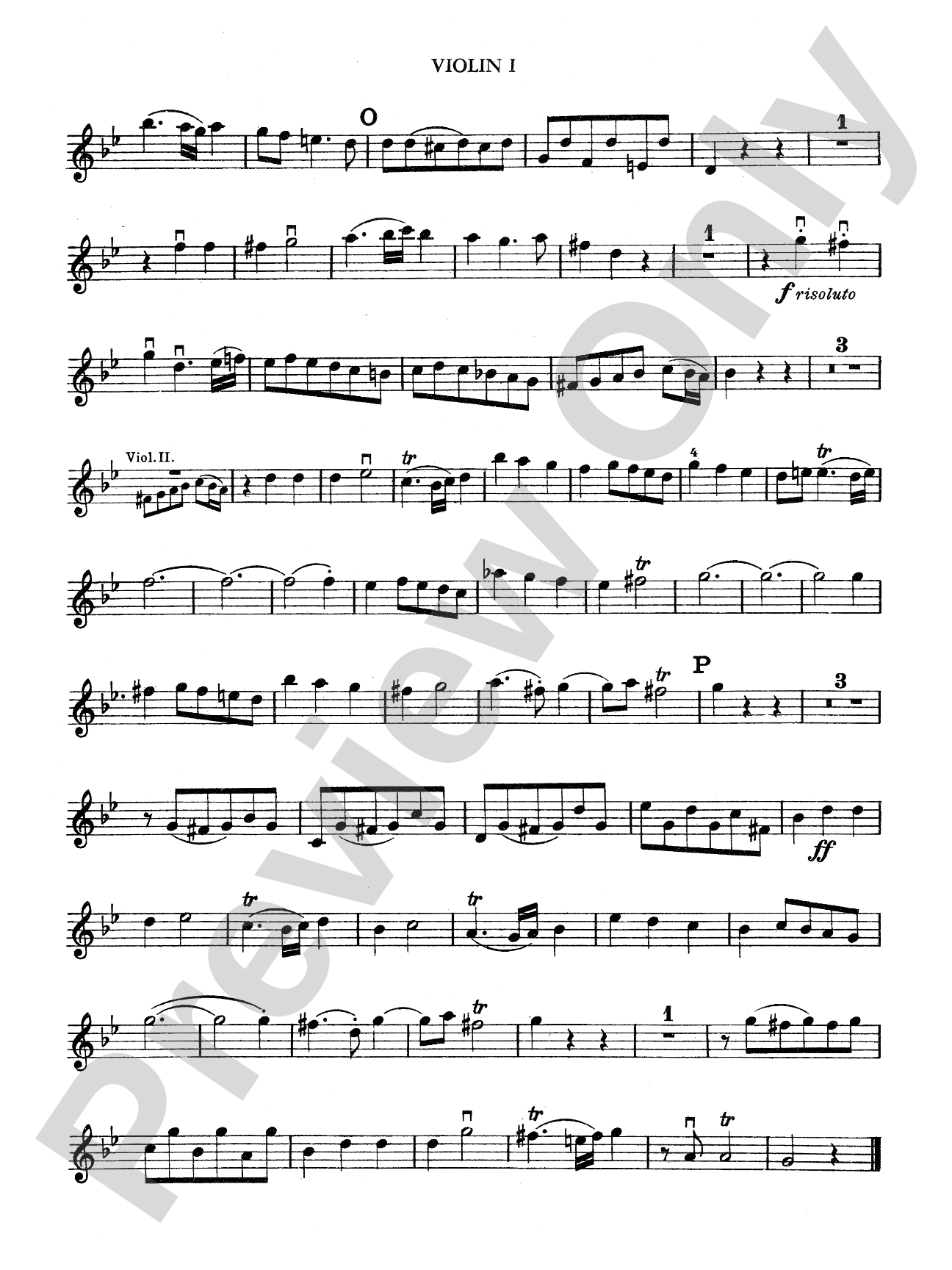




Handel: Sonata in G Minor, Op. 2, No. 8: Violin Book
By George Frideric Handel
Item: 00-PK-0003577

$9.99
Pickup currently not available
Buy Extra Parts (Digital PDF Download)
| Product | Price | Quantity |
|---|---|---|
| Handel: Sonata in G Minor, Op. 2, No. 8 | $2.99 | |
| Handel: Sonata in G Minor, Op. 2, No. 8 | $2.99 | |
| Handel: Sonata in G Minor, Op. 2, No. 8 | $2.99 |
Parts Added to Cart!
Related Items
Sonata in G Minor, Opus 2, No. 8: Violin Book |
$9.99
|
View |
Description
A Violin solo for 2 Violins with Piano Accompaniment composed by George Frideric Handel.


Don't just read it, hear it, play along with it, and watch your students grow with it. In MakeMusic Cloud, Handel: Sonata in G Minor, Op. 2, No. 8: Violin Book comes alive with professional accompaniment, adjustable tempo, and built-in practice tools that turn solo practice into real progress.
Open in the Player
Jump straight in and assign it today.
Start Your Free Trial
Open this title and explore the full library in minutes.
Sample Audio
No sample audio found.
Sample Video
No sample videos found.
Additional Details
Series:
Kalmus Edition
Publisher:
Alfred Music
Page Count:
36
SKU:
00-PK-0003577
More about this title
About the Composer: George Frideric Handel
George Frideric Handel (1685–1759) was a German-born composer who spent much of his career in England, where he became a dominant figure in Baroque music. His output spanned opera, oratorio, instrumental concertos, and chamber works; he composed with remarkable fluency and understood the capacities of every instrument he wrote for. Handel's violin sonatas, published in multiple opus numbers, remain staples of the string repertoire and showcase his gift for writing idiomatically grateful music that challenges without overwhelming.
Handel's sonatas balance formal structure with improvisatory passages, a hallmark of his style. These works were composed for professional musicians and remain vehicles for developing both technical command and interpretive sophistication. Teachers value them for their clear architectural sense and their demand for expressive, stylistically informed playing.
Why we love this
This sonata pairs two violins in genuine dialogue rather than doubling one part redundantly, creating real collaborative challenges for your students. The Baroque formal clarity and harmonic language sit firmly in students' reach while demanding authentic ornamentation and stylistic awareness that elevates their musicianship in ways simpler duets cannot.
What to expect
Handel's writing in this sonata flows between moments of intimate dialogue and passages of rhythmic drive. The idiom is direct and elegant, moving between contrapuntal passages where both violins are equals and sections where one voice soars above the other. The overall character is graceful without being ornamental, serious without excess.
Who it's for
This sonata is ideal for intermediate to advanced violin duos preparing for contests, festivals, or recitals. Violinists working on Baroque style and ensemble listening will find this a rewarding challenge that sits between lighter student repertoire and professional solo cycles.
How to get the most out of it
- Establish clear leadership between the two violin parts before rehearsal; Handel's writing often gives the upper voice the principal melodic line, but both players must listen actively and adjust their sound to maintain textural balance.
- Practice the figured bass accompaniment separately if your pianist is less experienced with Baroque convention; knowledge of the implied harmony will help the violinists shape phrases with purpose.
- Shape phrases using articulation and vibrato as Baroque tools, not as constant effects; restrained vibrato on longer notes and incisive articulation on scalar passages will bring clarity to Handel's counterpoint.
- Address cadential figures explicitly; Handel's cadences often contain subtle rhythmic or harmonic pivots that require rhythmic precision and tonal control from both violins together.
How to use it
This sonata works well on a recital program with other Baroque chamber music or as a centerpiece for a young artists' showcase. Its 36-page length suggests a substantial offering; consider pairing it with a shorter contemporary work to create diverse programming that holds audience interest.
Skills your students will build
- Baroque articulation and phrasing conventions
- Violin-to-violin balance and independent voice control in ensemble
- Reading and interpreting figured bass notation
- Stylistically appropriate vibrato management
- Cadential punctuation and harmonic shape awareness