Handel: Lecons and Pieces Sheet Music Preview

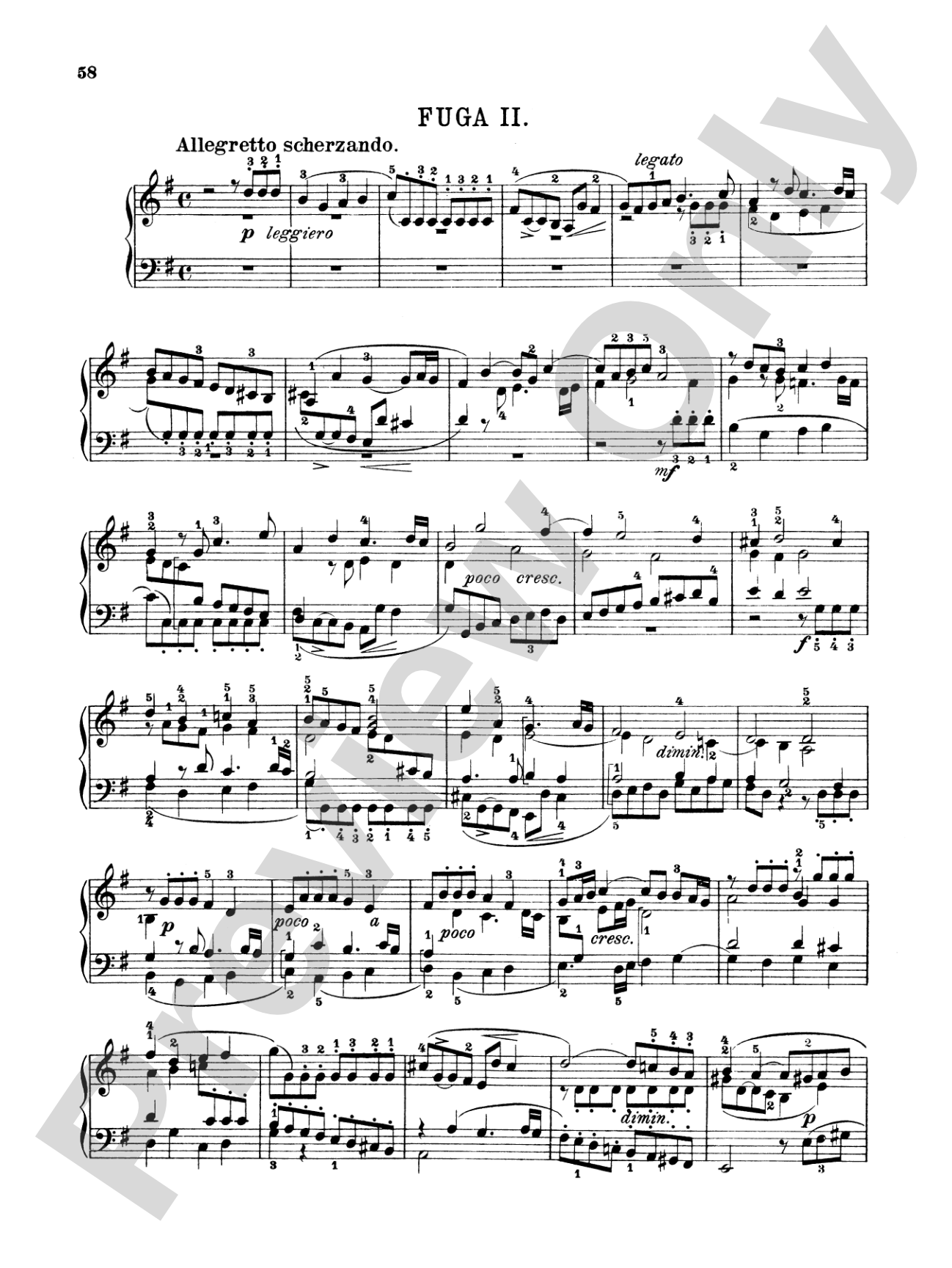
Handel: Lecons and Pieces

By George Frideric Handel

Item: 00-PC-0007648

Digital Download
$0.99
Description
A collection of piano solos composed by George Frideric Handel.

Don't just read it, hear it, play along with it, and watch your students grow with it. In MakeMusic Cloud, Handel: Lecons and Pieces comes alive with professional accompaniment, adjustable tempo, and built-in practice tools that turn solo practice into real progress.

Sample Audio
No sample audio found.
Sample Video
Additional Details
Series: Kalmus Edition
Publisher: Alfred Music
Page Count: 76
SKU: 00-PC-0007648

More about this title

About the Composer: George Frideric Handel

George Frideric Handel (1685–1759) shaped the Baroque era as a composer of uncompromising musical intelligence and theatrical brilliance. Born in Halle, Germany, he spent much of his career in Italy and England, where he mastered opera, oratorio, concertos, and keyboard music with equal command. His keyboard works reveal the same dramatic instinct and harmonic sophistication that made his operas legendary, distilled into forms that reward both performer and listener.

Handel's piano and harpsichord pieces span his entire career and showcase his gift for memorable melody, clear structural design, and idiomatic writing for the keyboard. These works have remained central to piano repertoire since his time, valued for their blend of technical clarity and expressive depth. Teachers and students turn to Handel's keyboard music to develop musicianship rooted in one of music history's greatest compositional minds.

Why we love this

Handel's keyboard writing is direct and musical without unnecessary complication. This collection gives pianists access to authentic Baroque material that builds solid technique while sounding genuinely rewarding to perform, which keeps students motivated through practice. The pieces sit at a level where technical challenges feel manageable but never trivial, making them ideal for intermediate pianists ready to explore early music with confidence.

What to expect

These pieces embody the clarity and elegance of the Baroque, with graceful melodies that sit naturally under the hands and harmonic language that feels both familiar and gently unfamiliar. There's a sense of purposeful design in every phrase; nothing wanders, and ornament always serves the musical idea. Playing through this collection feels like stepping into a world of refinement and architectural beauty.

Who it's for

Intermediate pianists with solid technique who are ready to engage with Baroque harpsichord and keyboard writing in an accessible yet artistically substantial collection. This book suits students preparing for exams or recitals where historical depth and authentic repertoire matter, as well as those building a well-rounded musical foundation.

How to get the most out of it

  • Observe the harmonic rhythm carefully; Baroque music often moves in longer harmonic units than students expect, so shape phrases around chord changes rather than surface figuration alone.
  • Approach ornamentation with style awareness: some pieces may include added trills or turns that reflect Baroque convention, so research the specific source edition to determine what belongs to Handel's original notation.
  • Balance clarity of part-writing with legato phrasing; these pieces benefit from singing tone and connected lines, yet the independence of voices must remain audible.
  • Use a consistent touch across scales and passagework to maintain rhythmic flow without rushing or uneven rhythm.

How to use it

Feature individual pieces on student recitals to showcase early music literacy and stylistic awareness, or pair a selection with Classical or Romantic works to illustrate historical continuity and contrast. This collection also works well as a resource for enrichment study alongside method book progress, allowing students to apply newly developed technique to genuine historical repertoire.

Skills your students will build

  • Baroque ornamentation and articulation in keyboard context
  • Reading and executing figured bass implied harmonies
  • Maintaining independence of melodic lines within homophonic textures
  • Balanced voicing and clarity of part-writing across the keyboard
  • Stylistically appropriate phrasing and tempo flexibility (rubato in service of harmonic structure)
  • Recognition of Baroque formal structures (binary, rondo, suite forms)

You May Also Like