
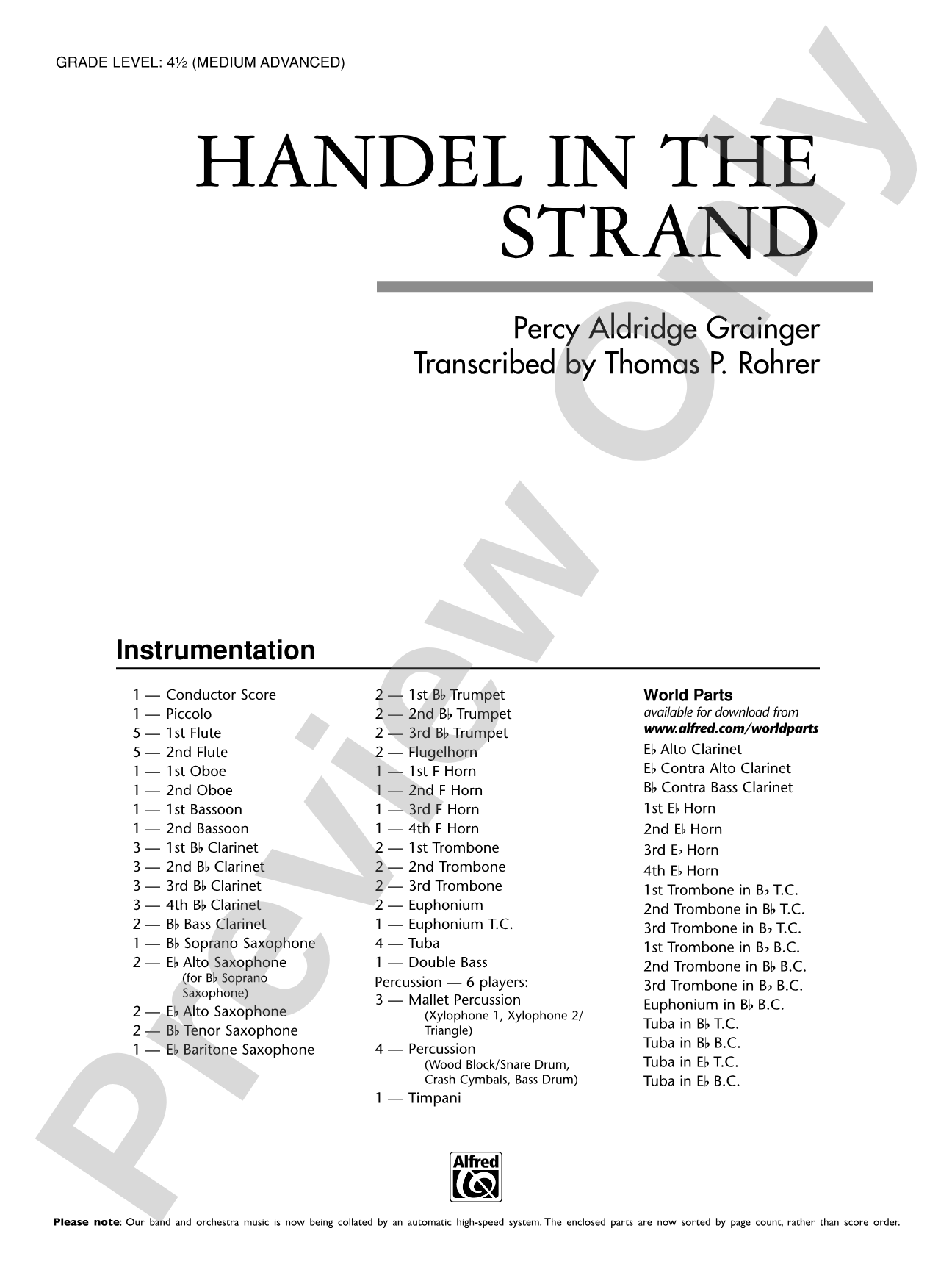
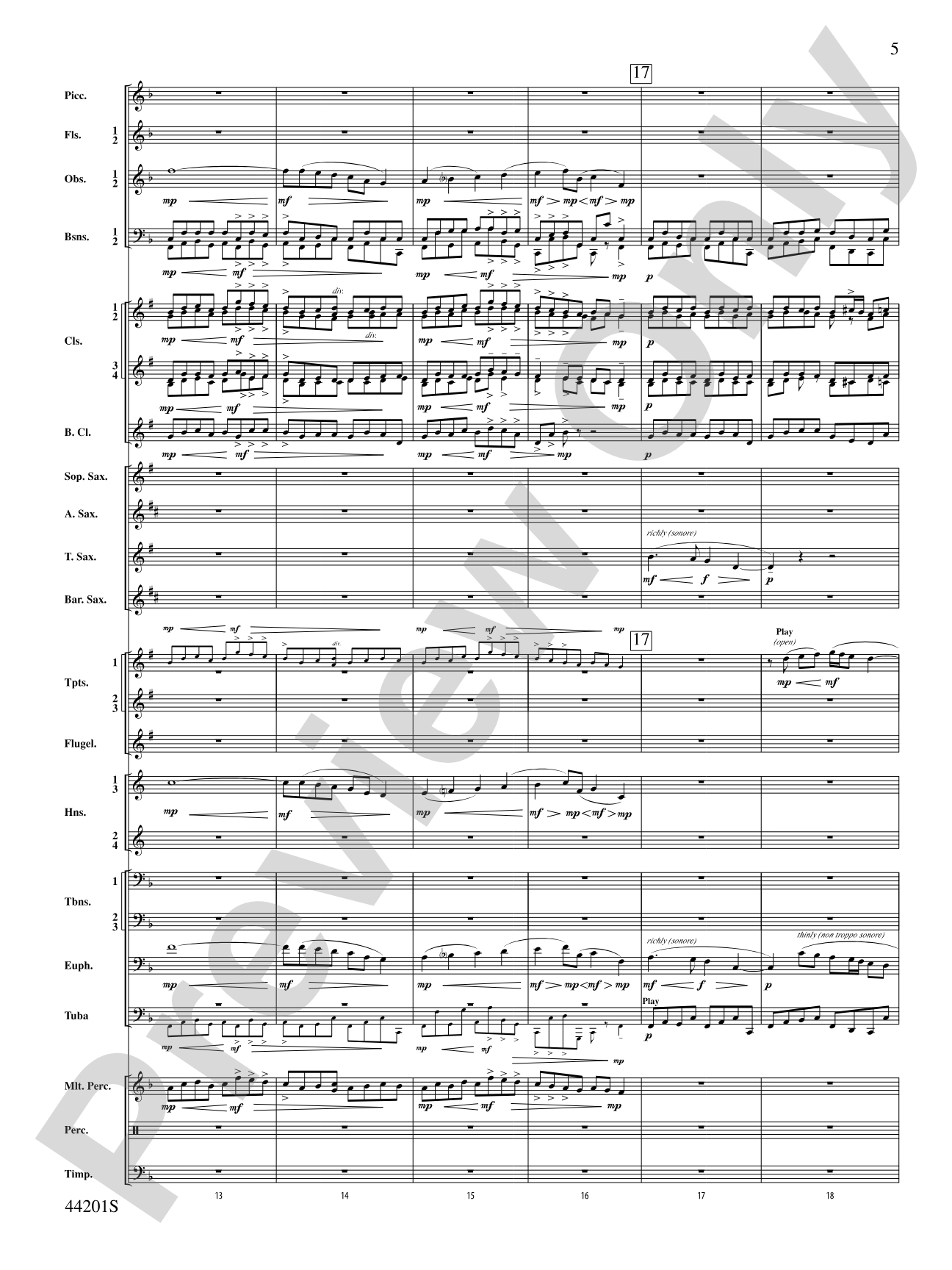
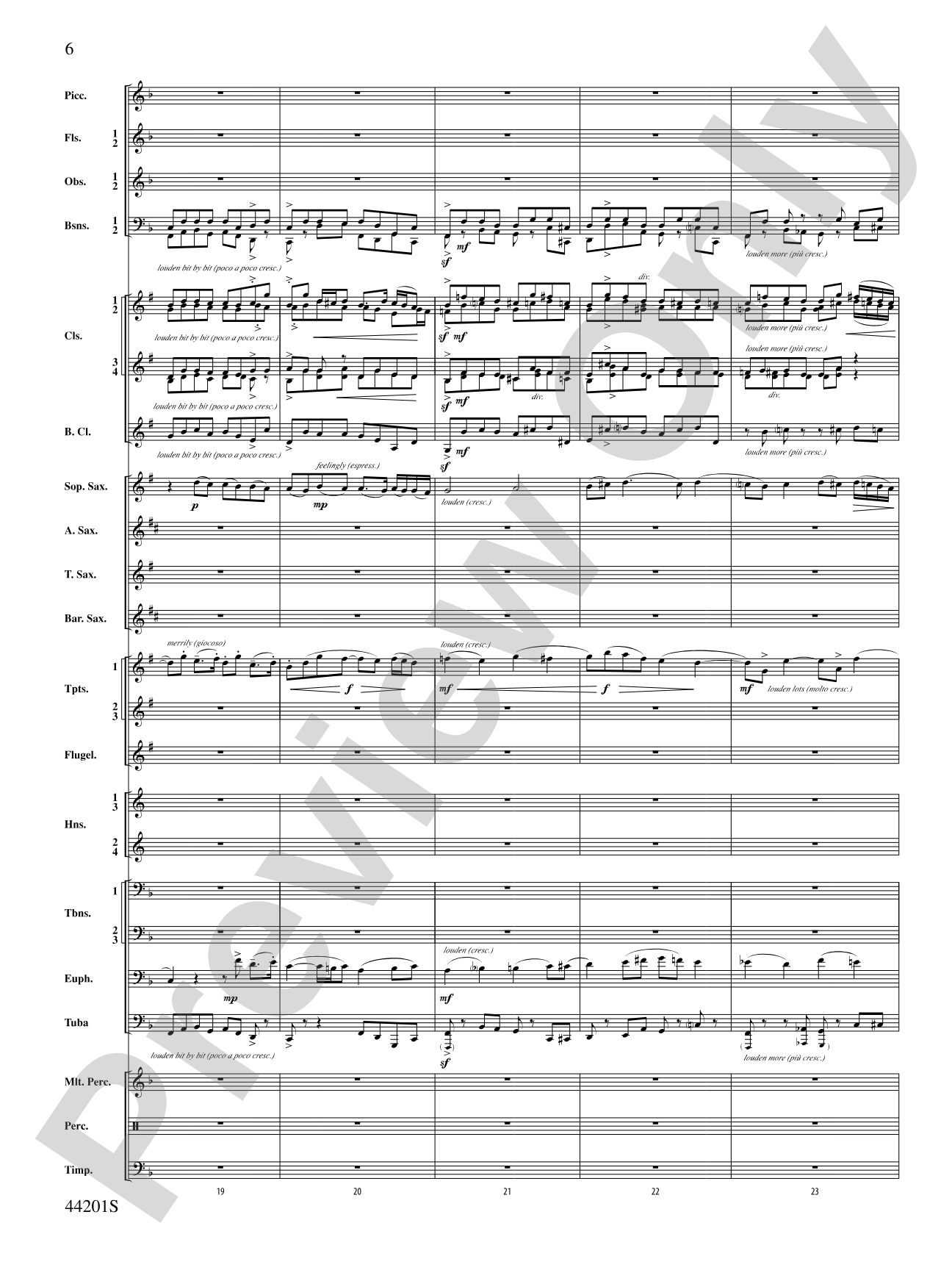
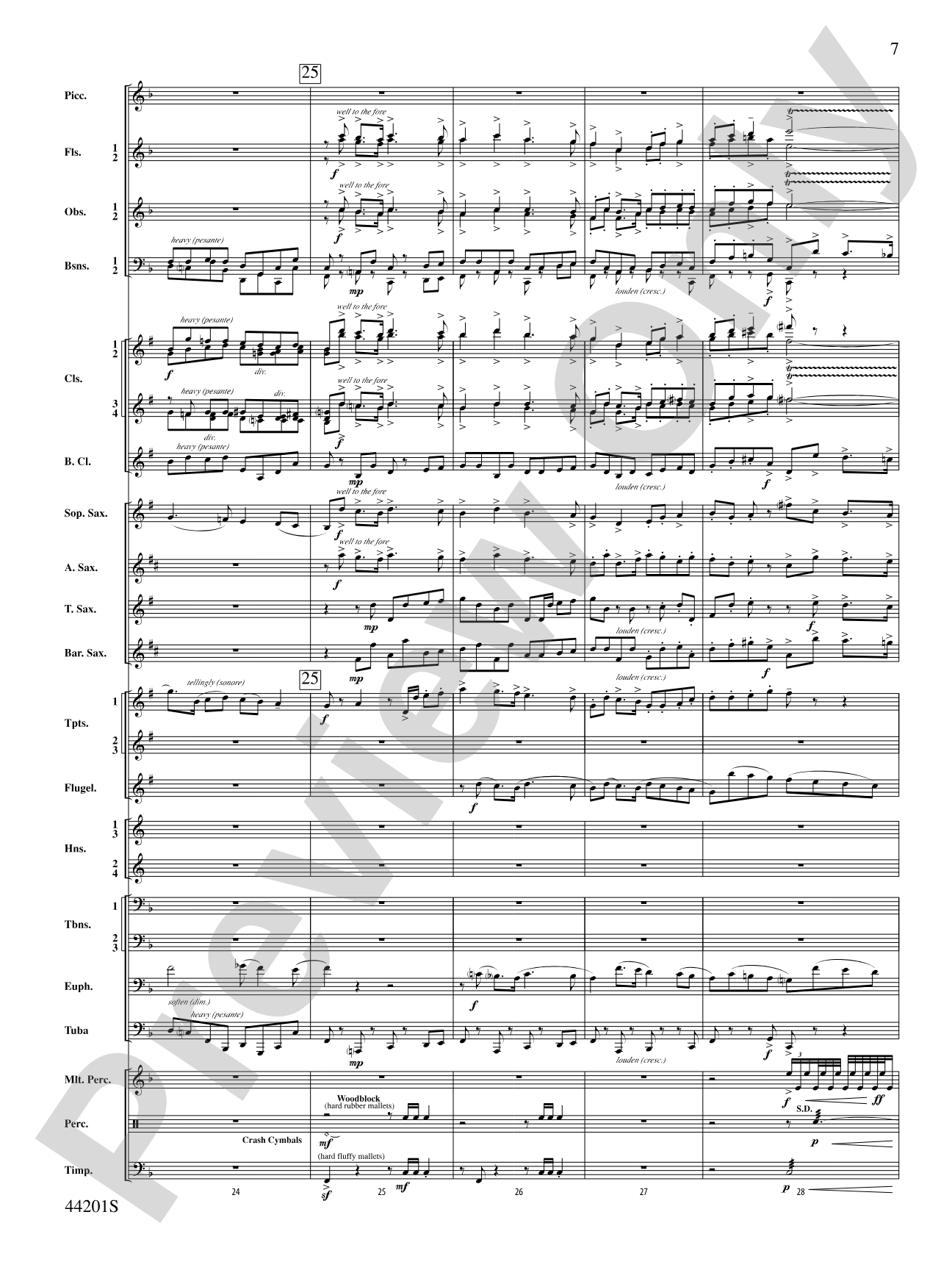
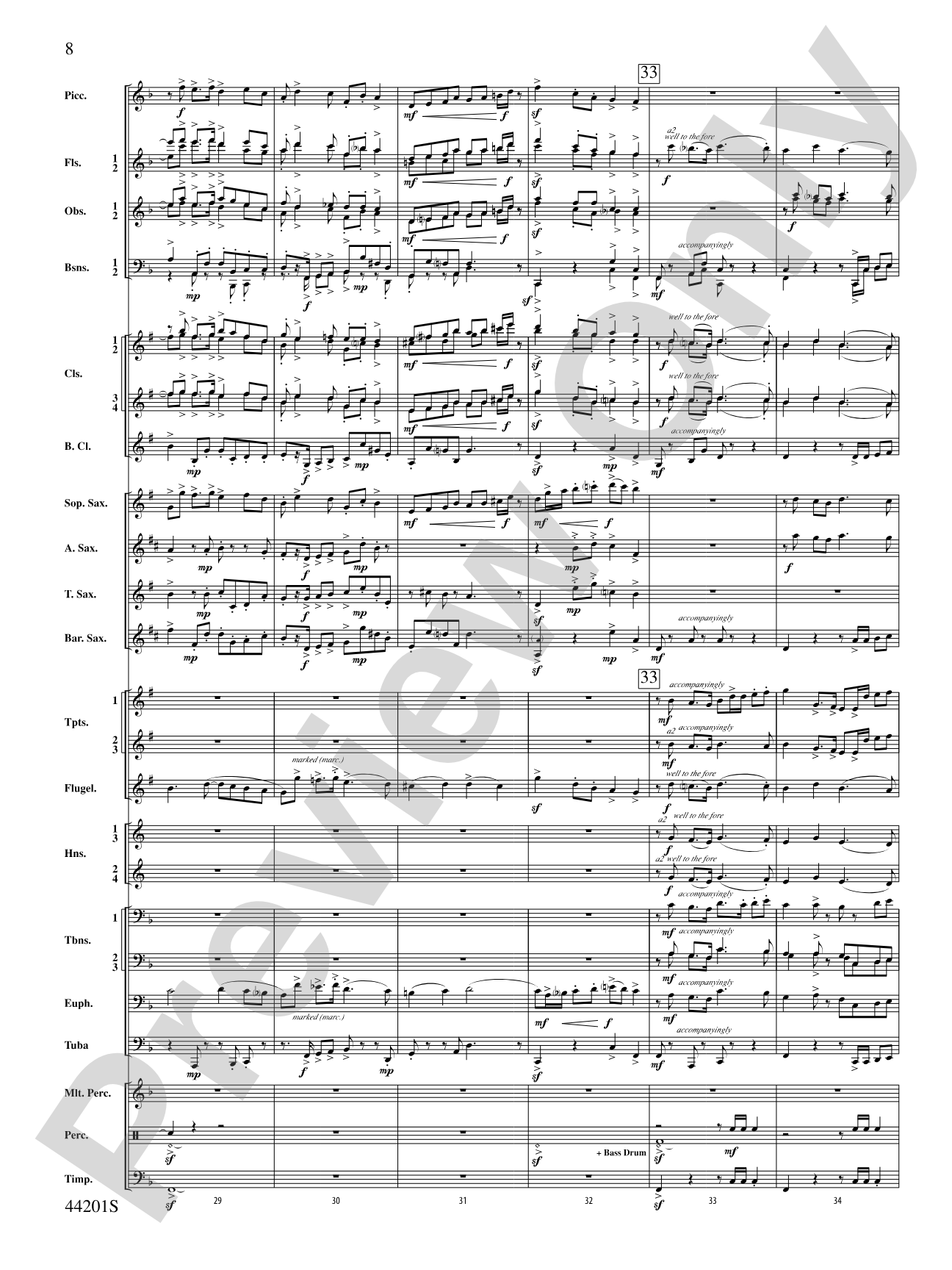
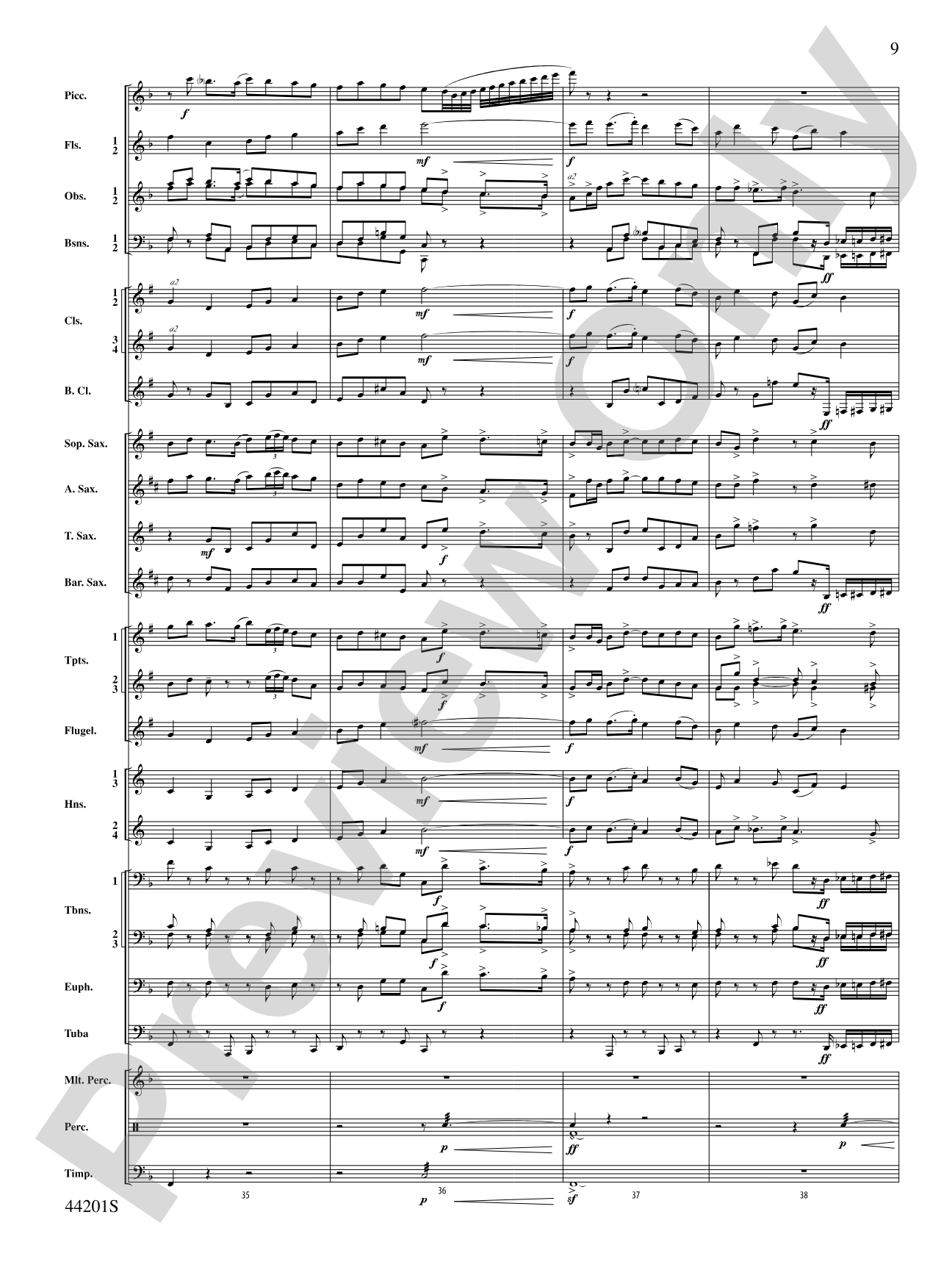
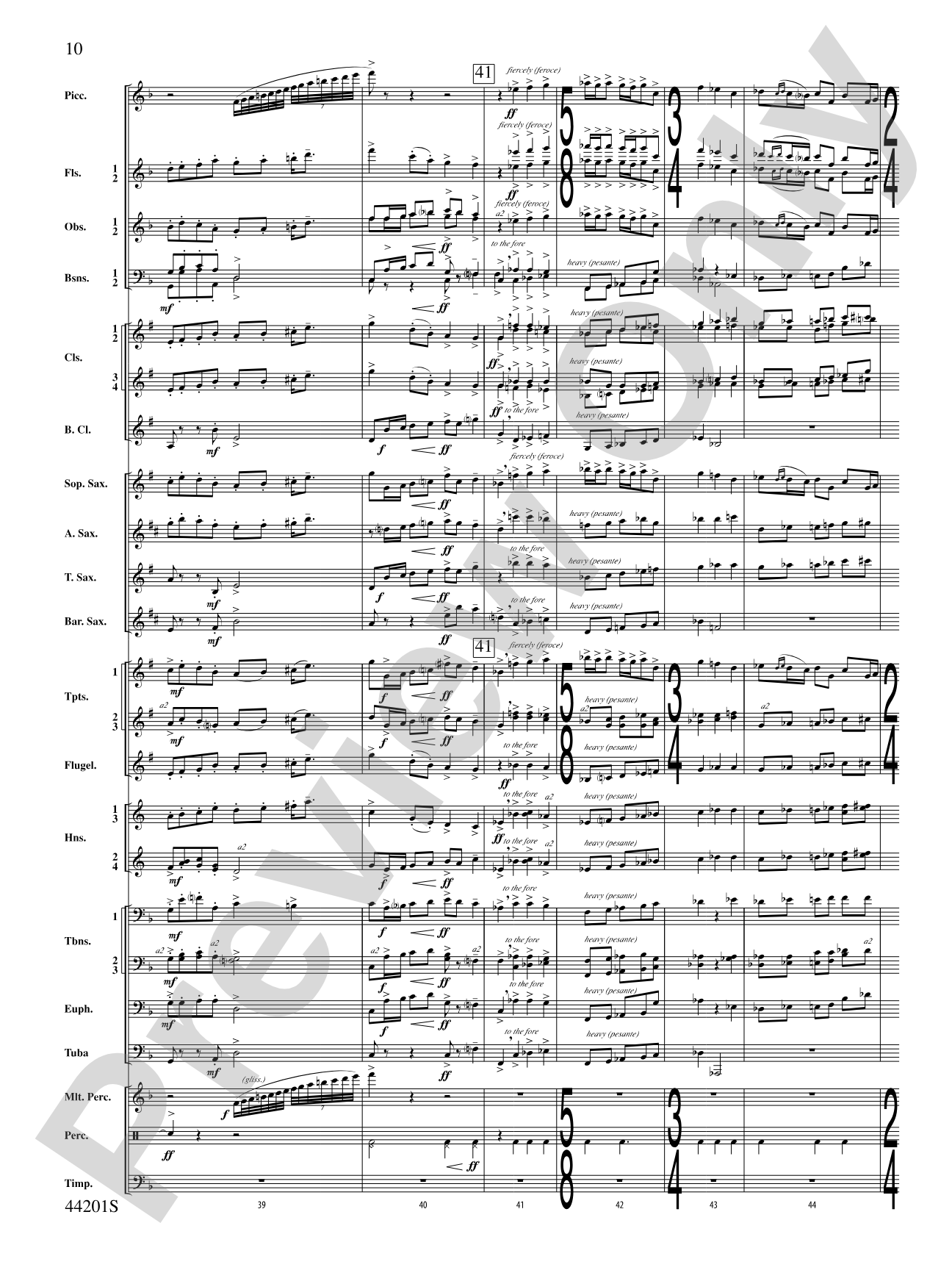
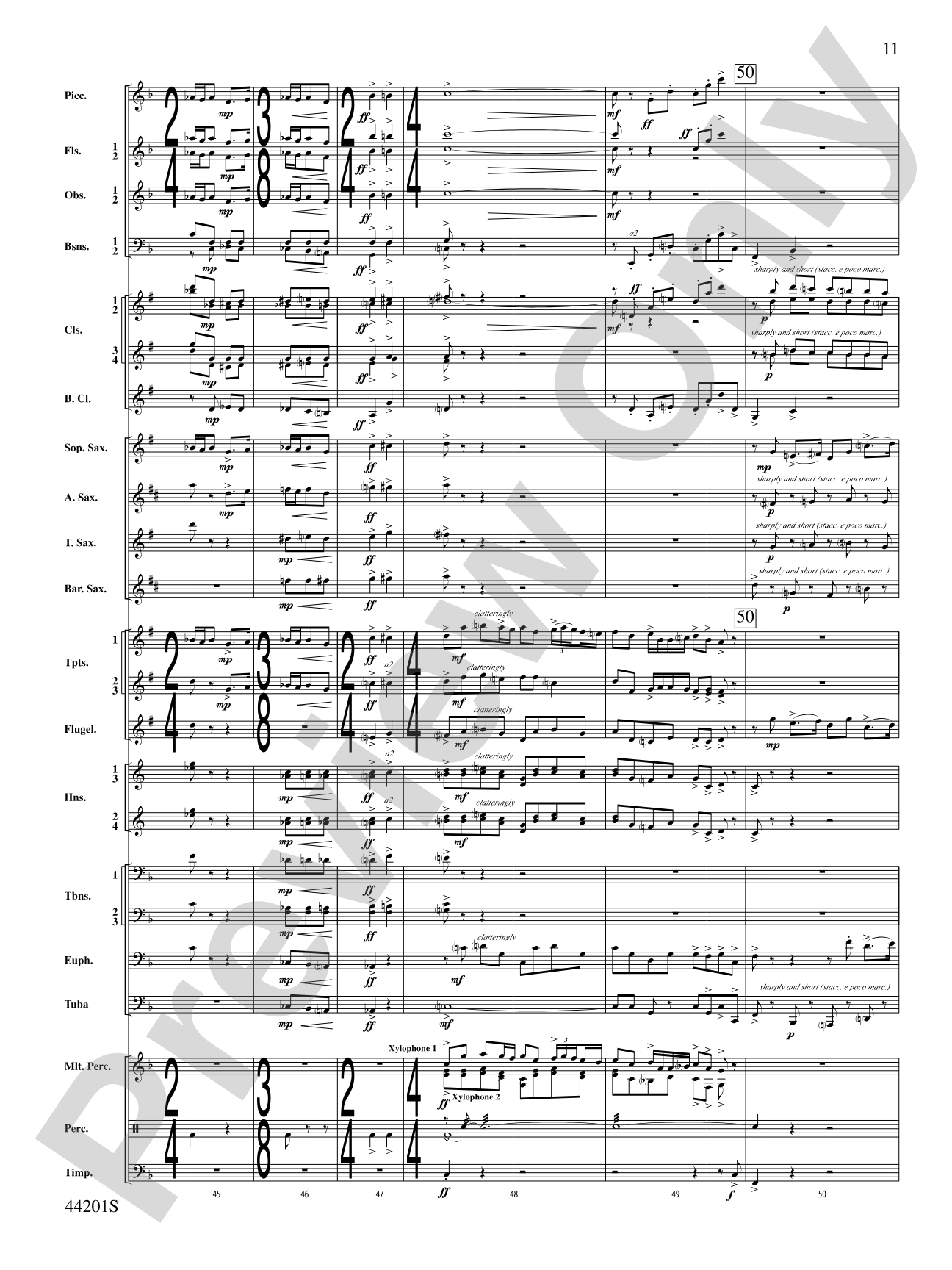
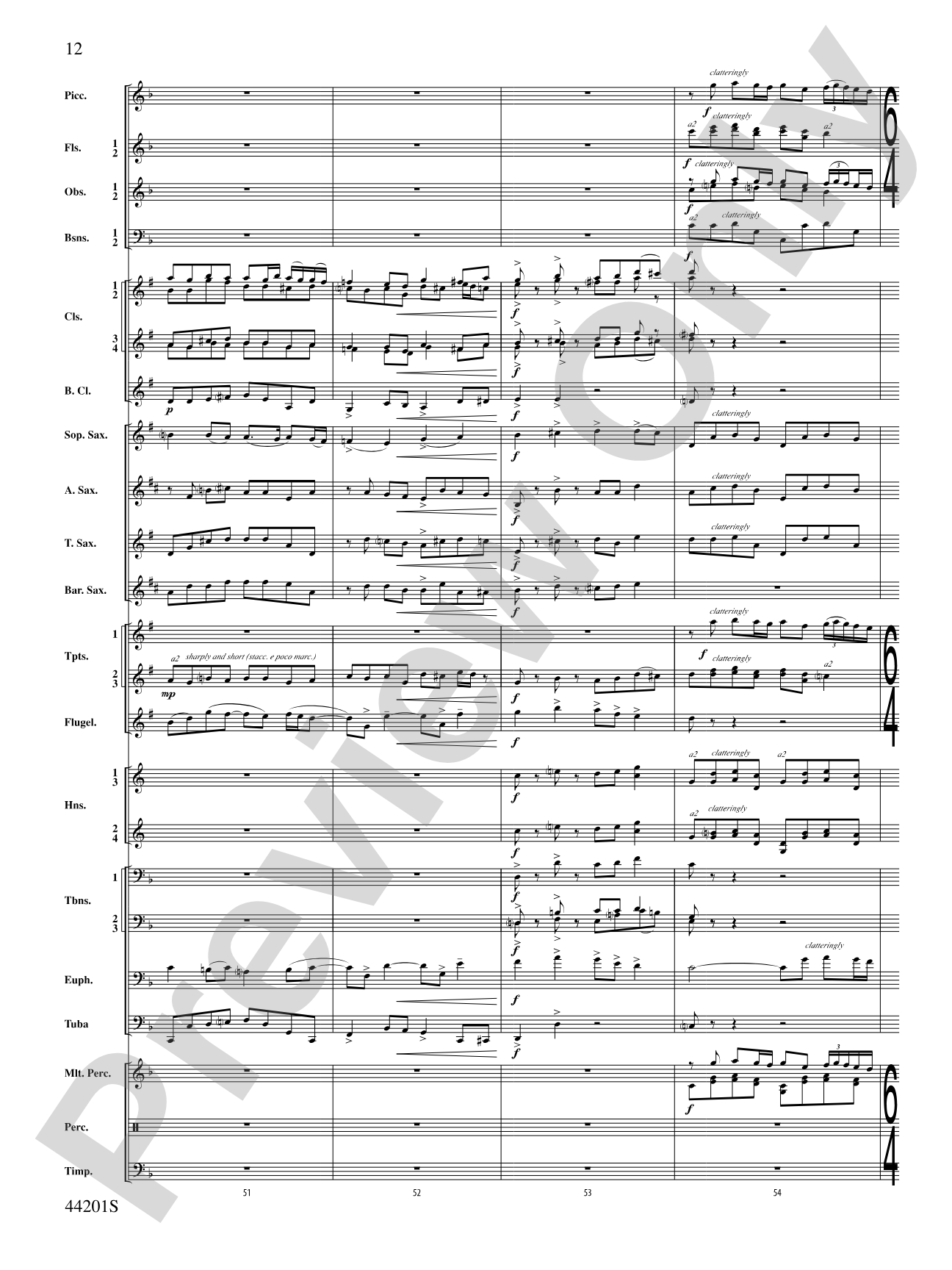
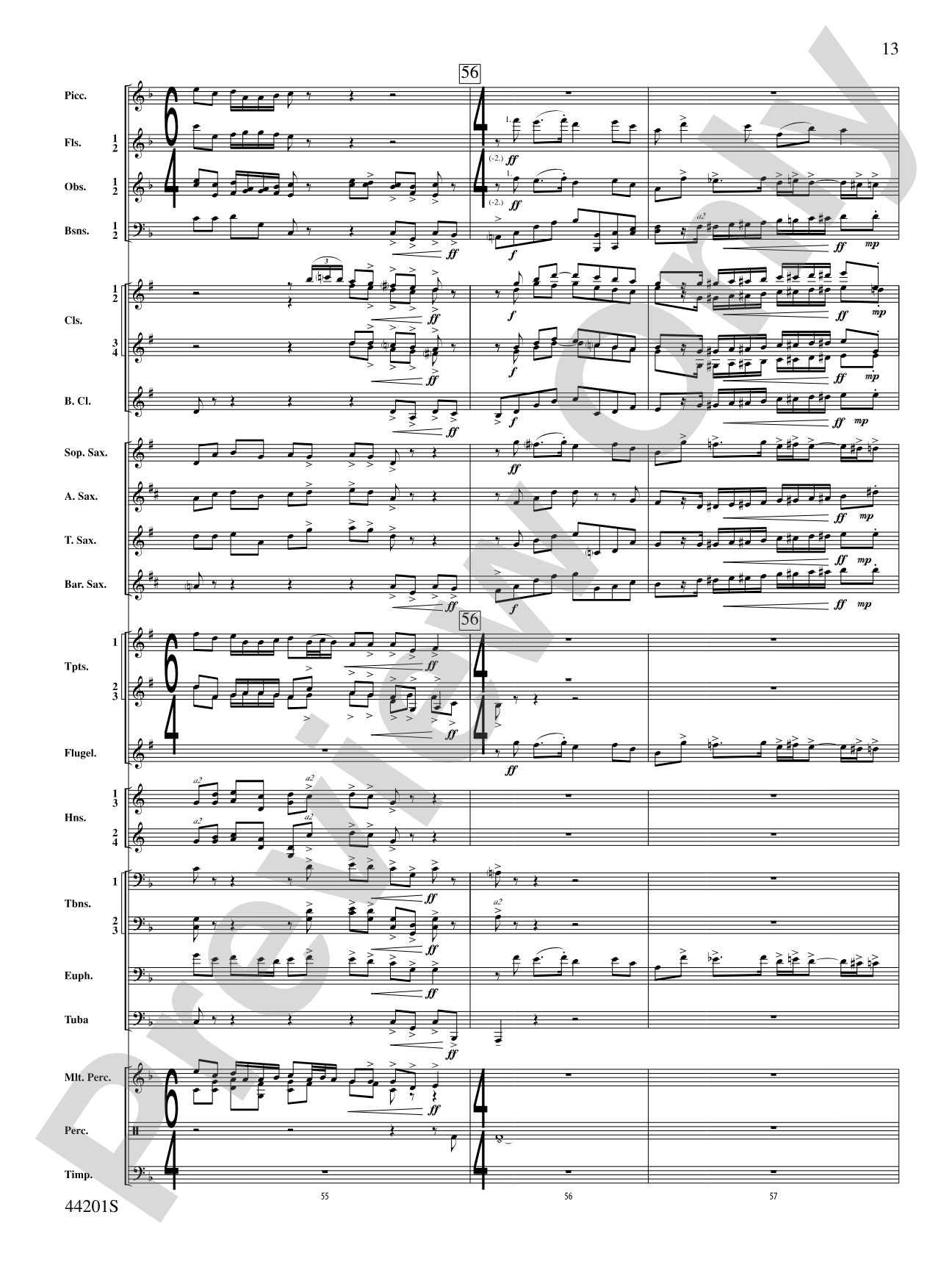
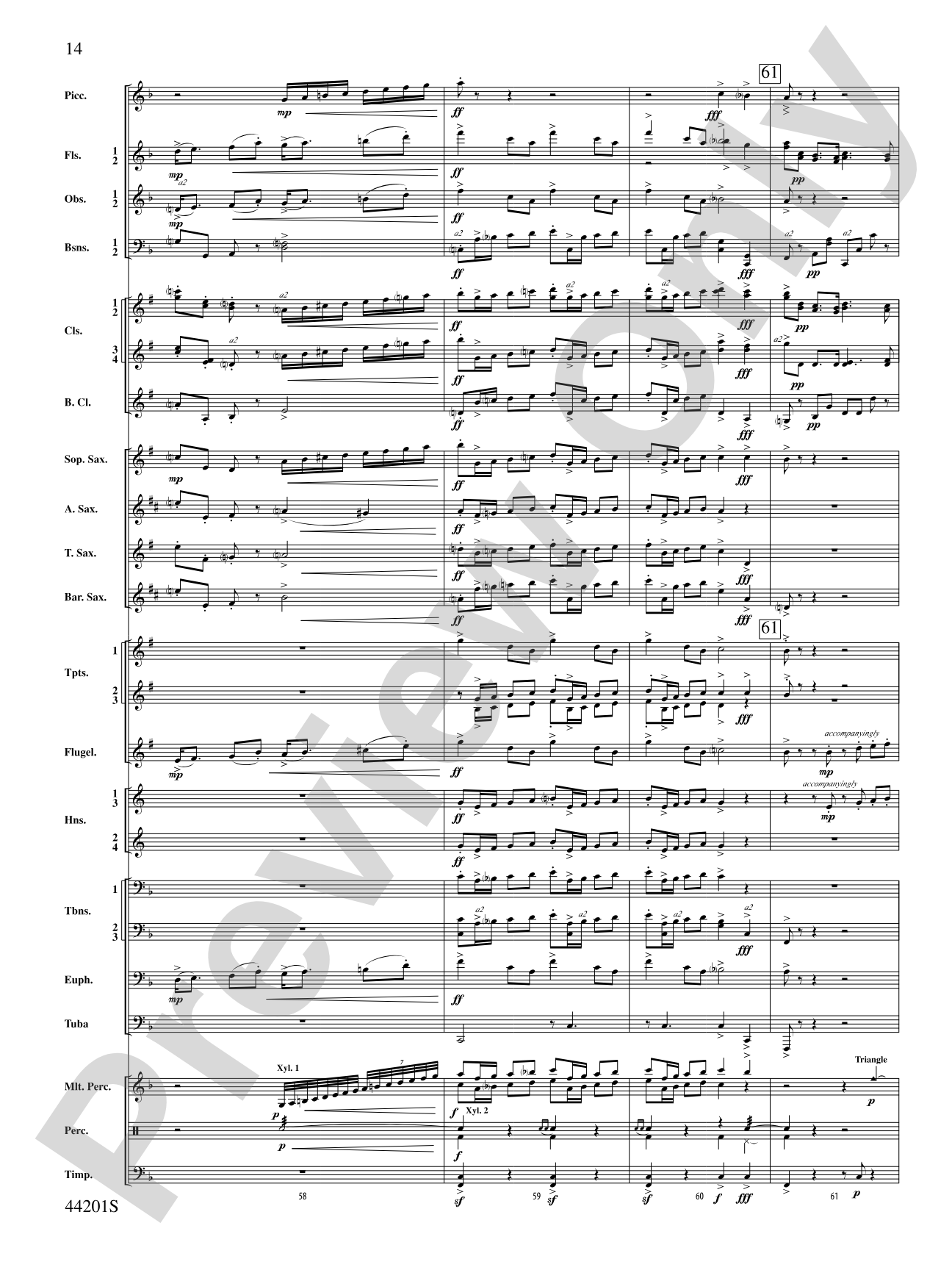
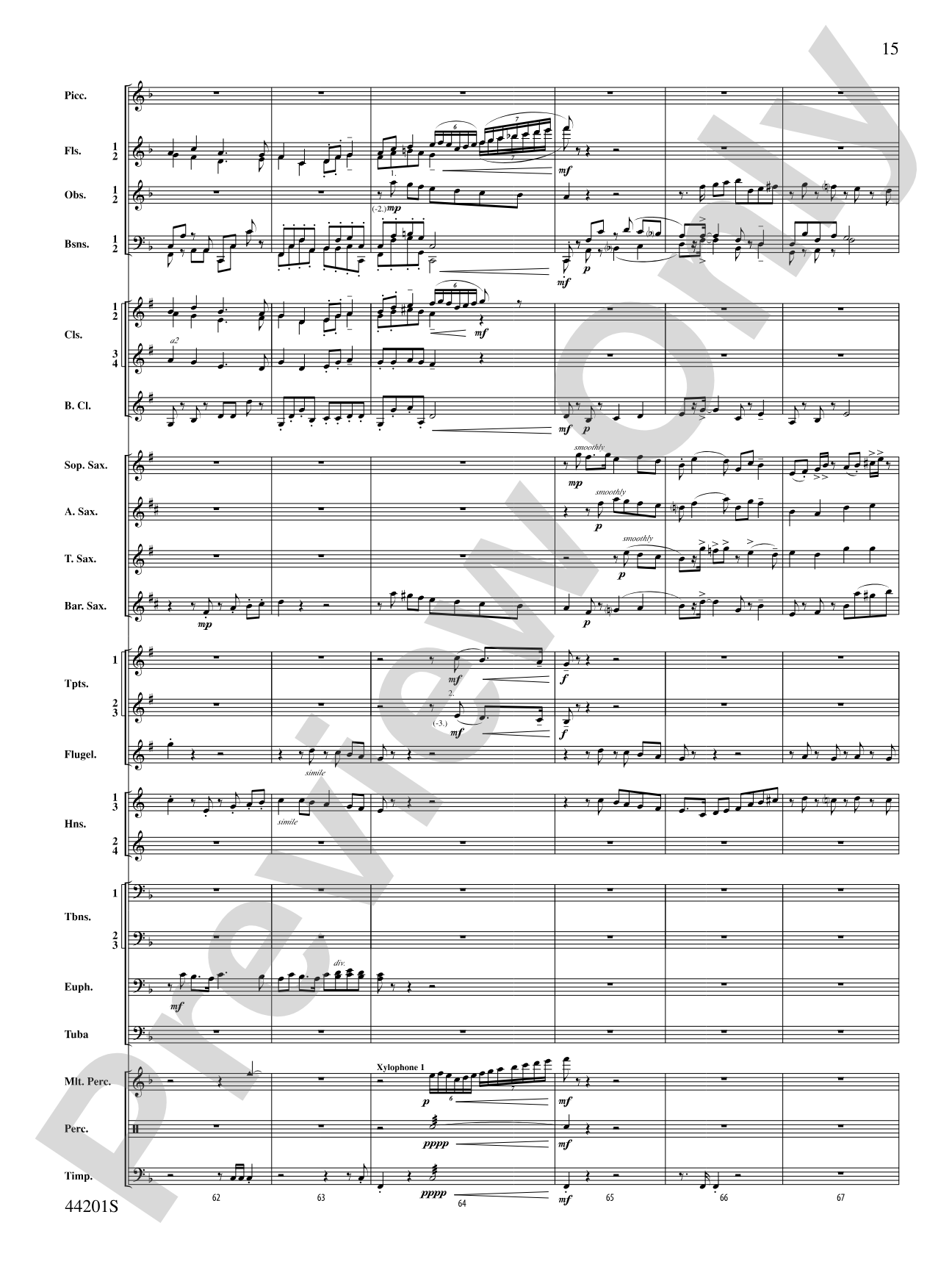
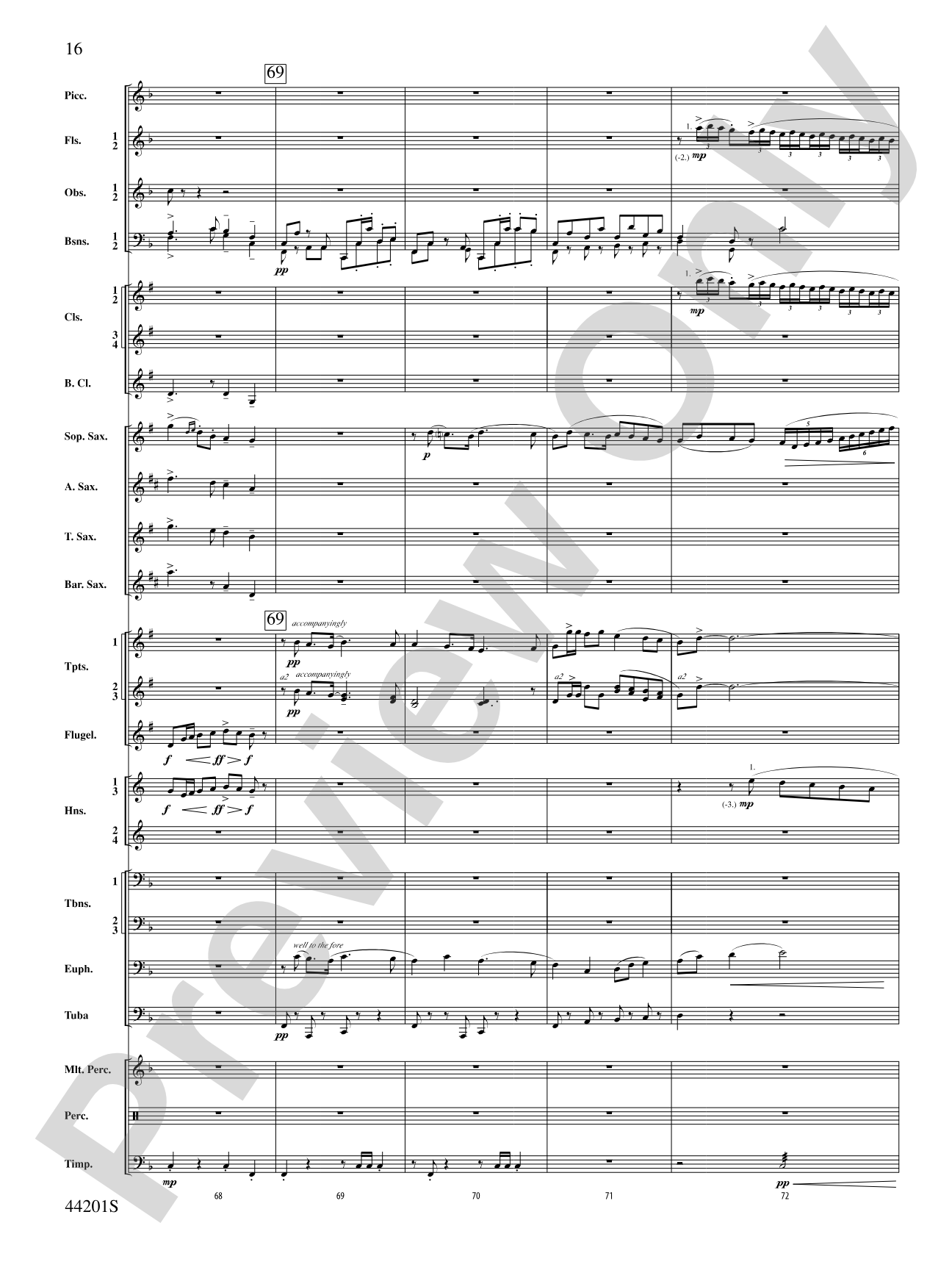
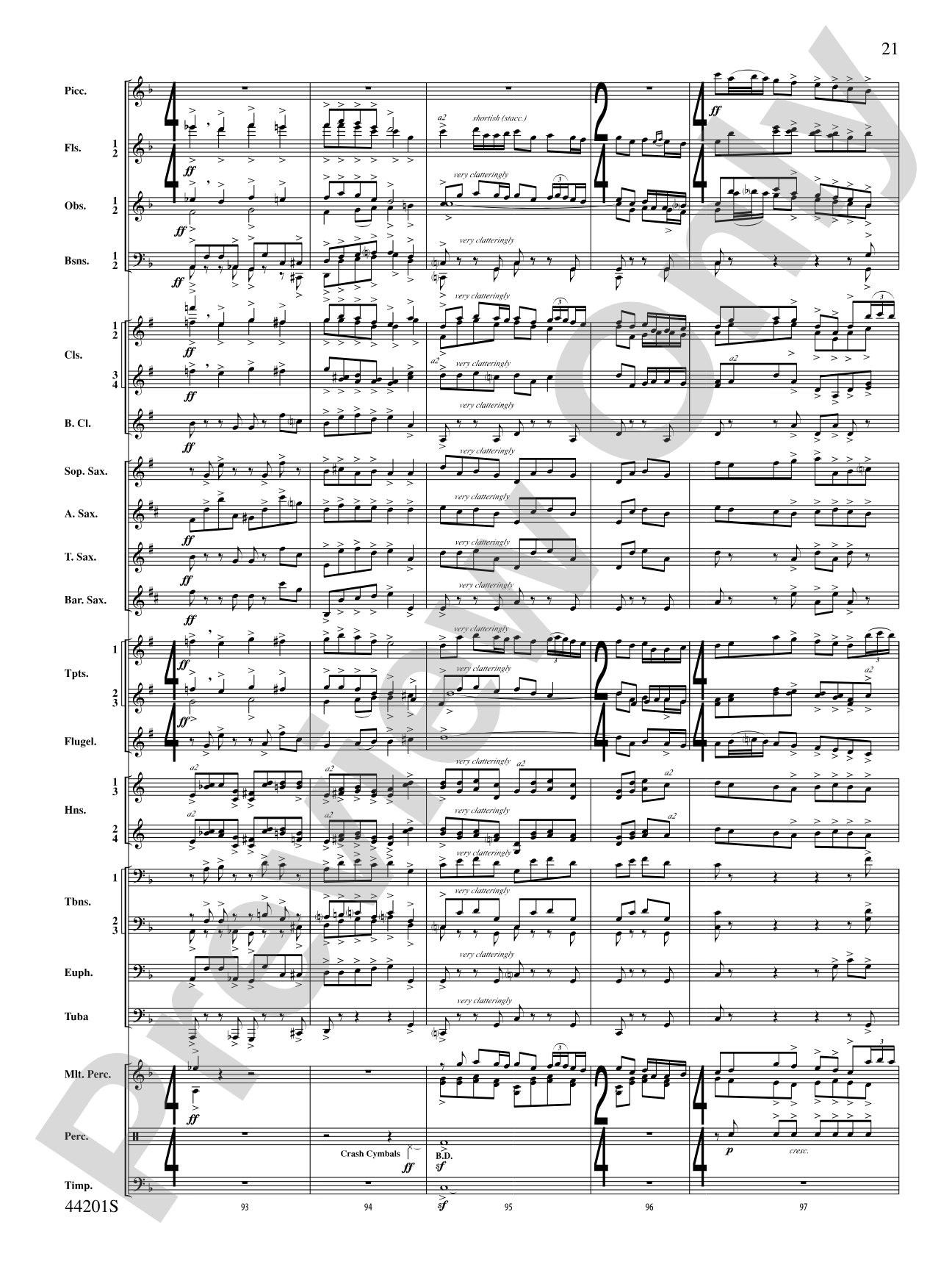
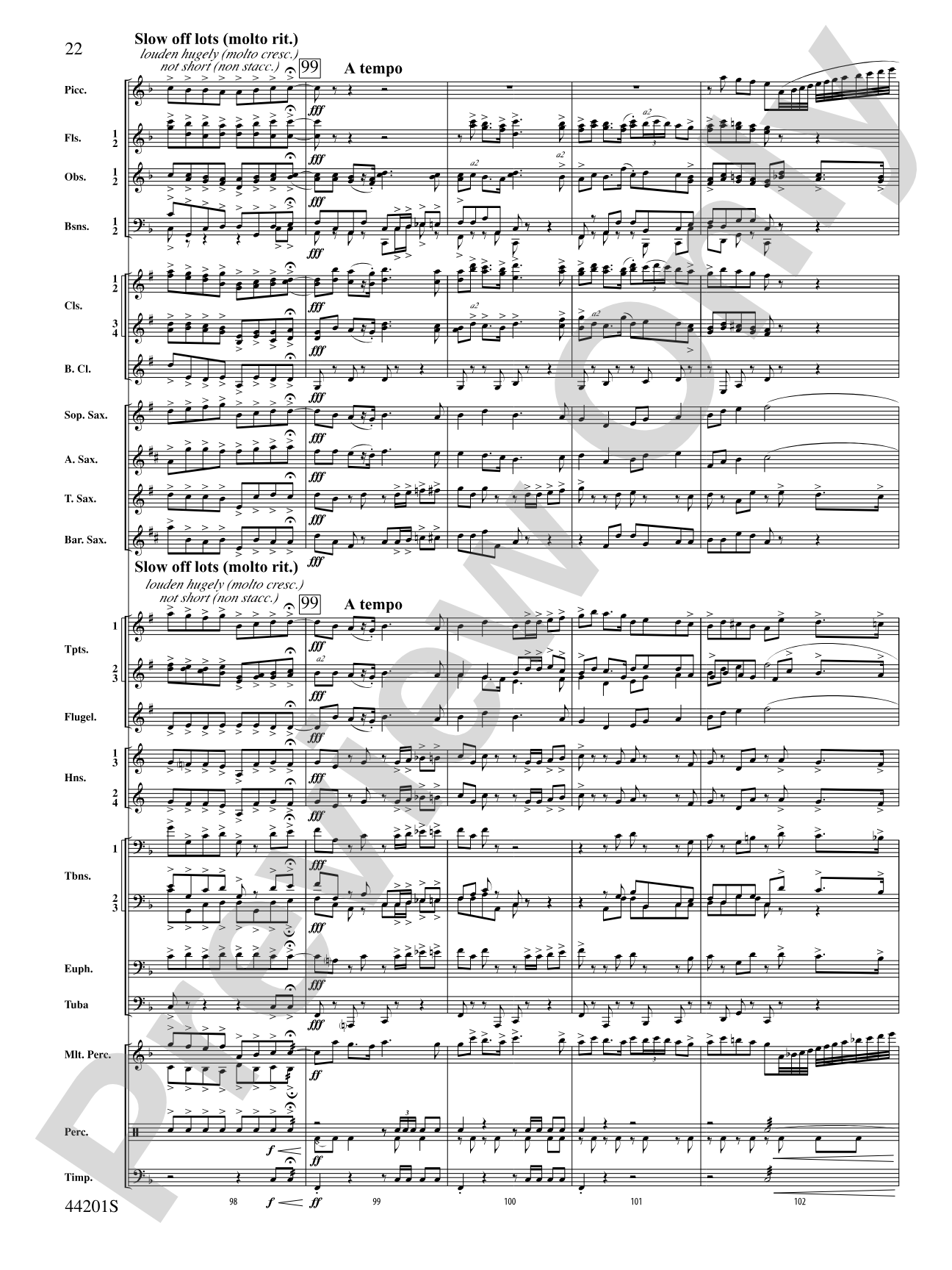
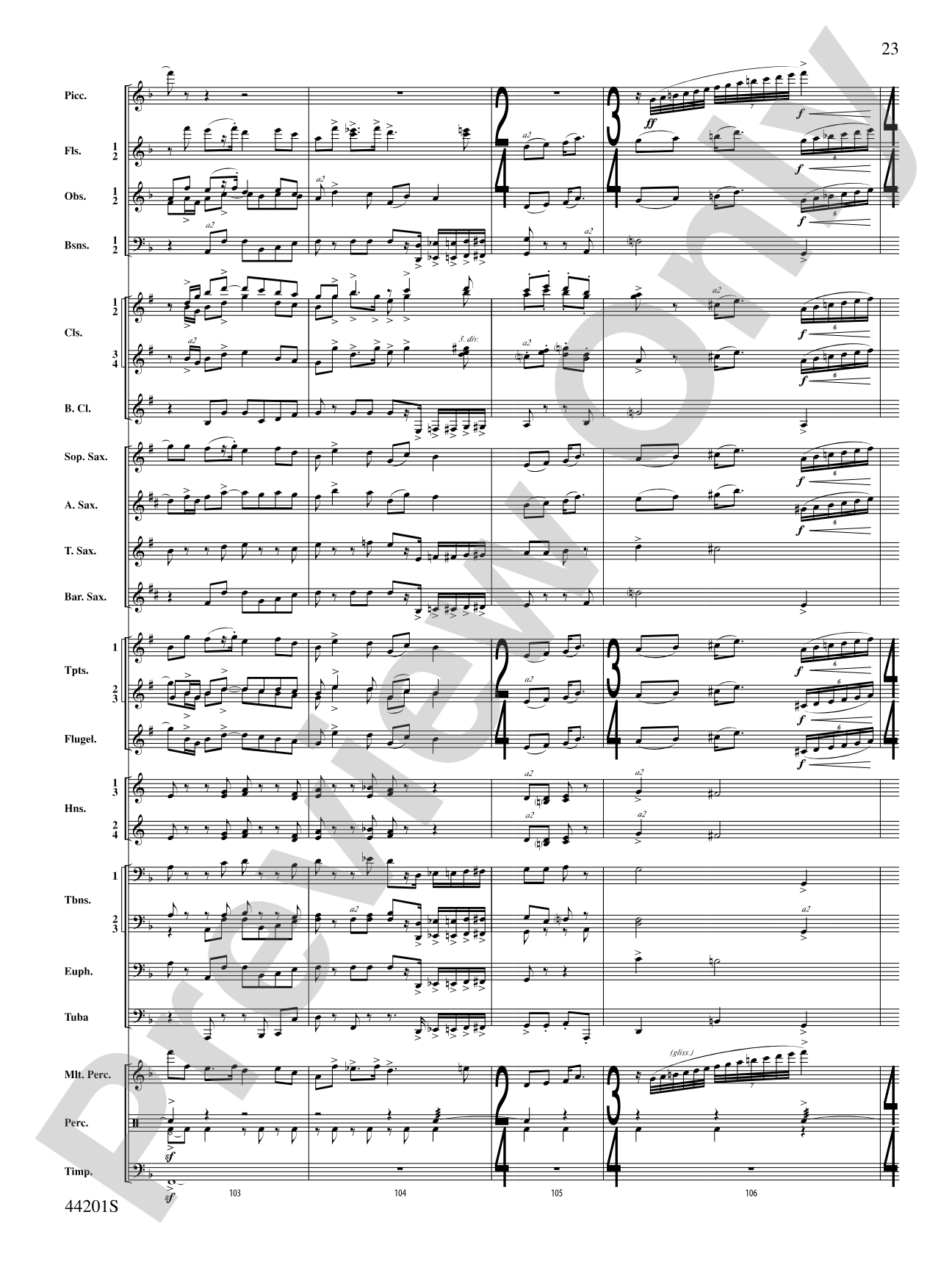
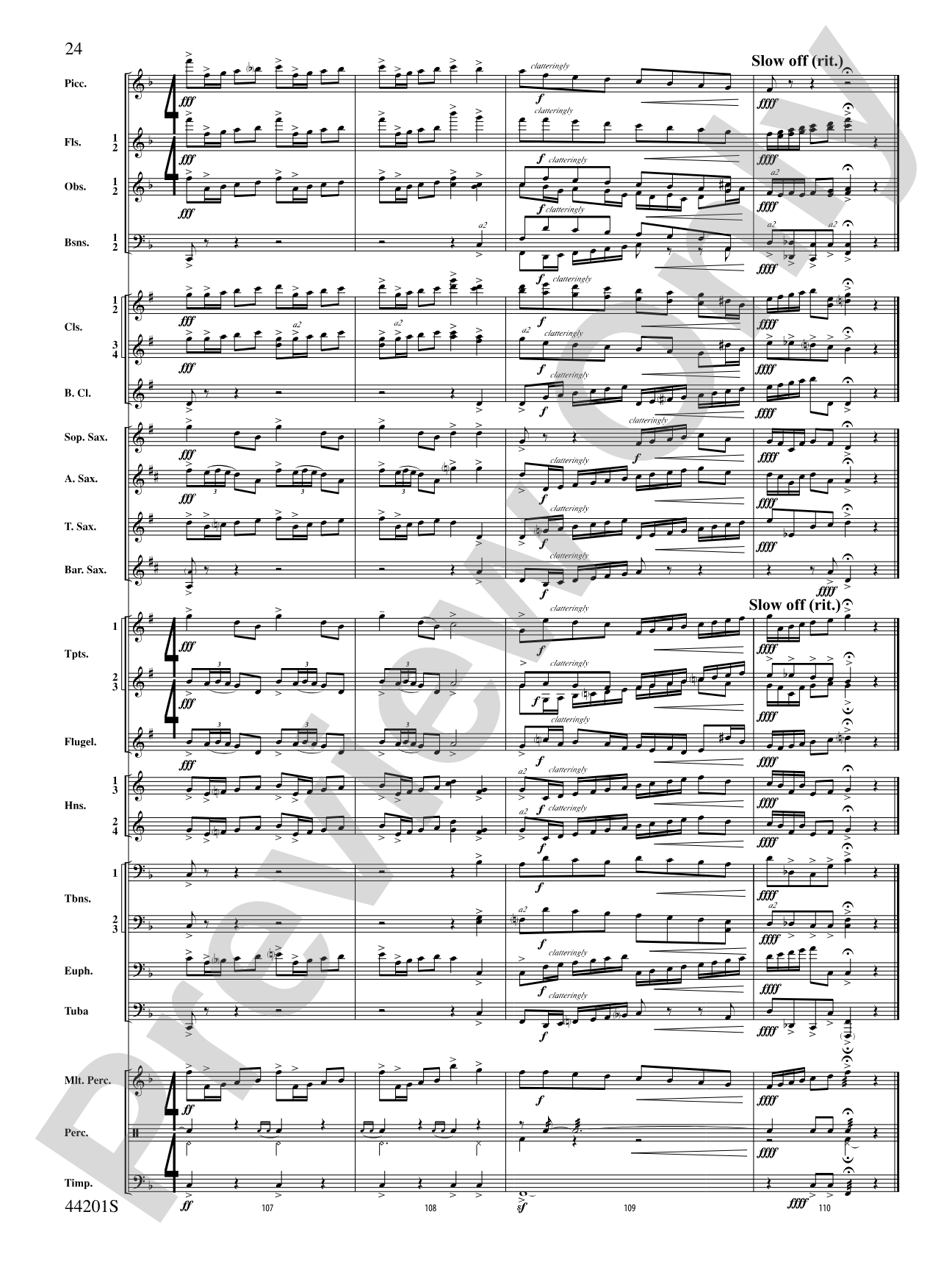

Handel in the Strand: Concert Band Conductor Score & Parts
By Percy Aldridge Grainger / transcr. Thomas P. Rohrer
Grade: 4.5 (Medium Difficult)
Item: 00-PK-0006804

$78.00
One moment…
Description
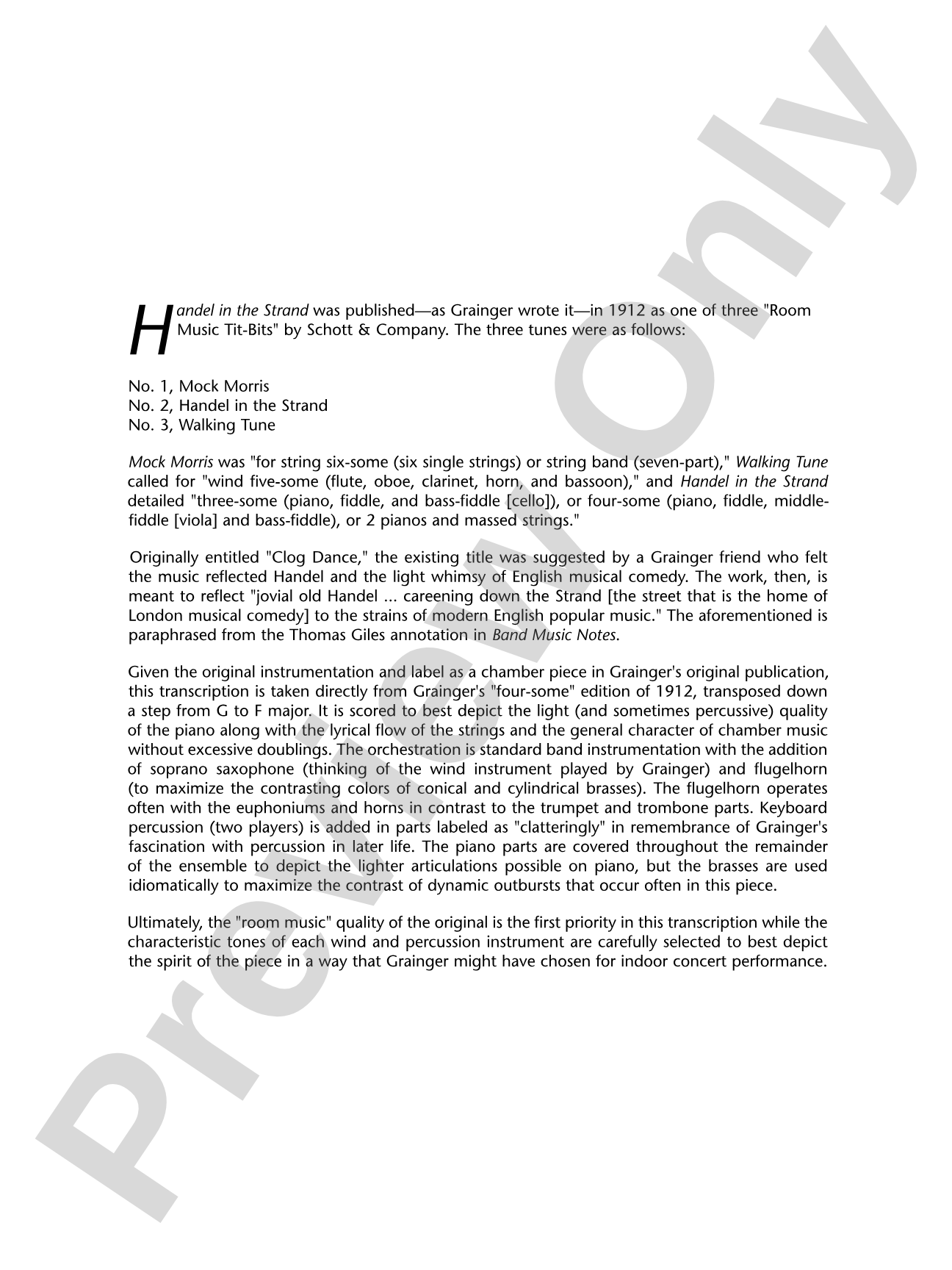
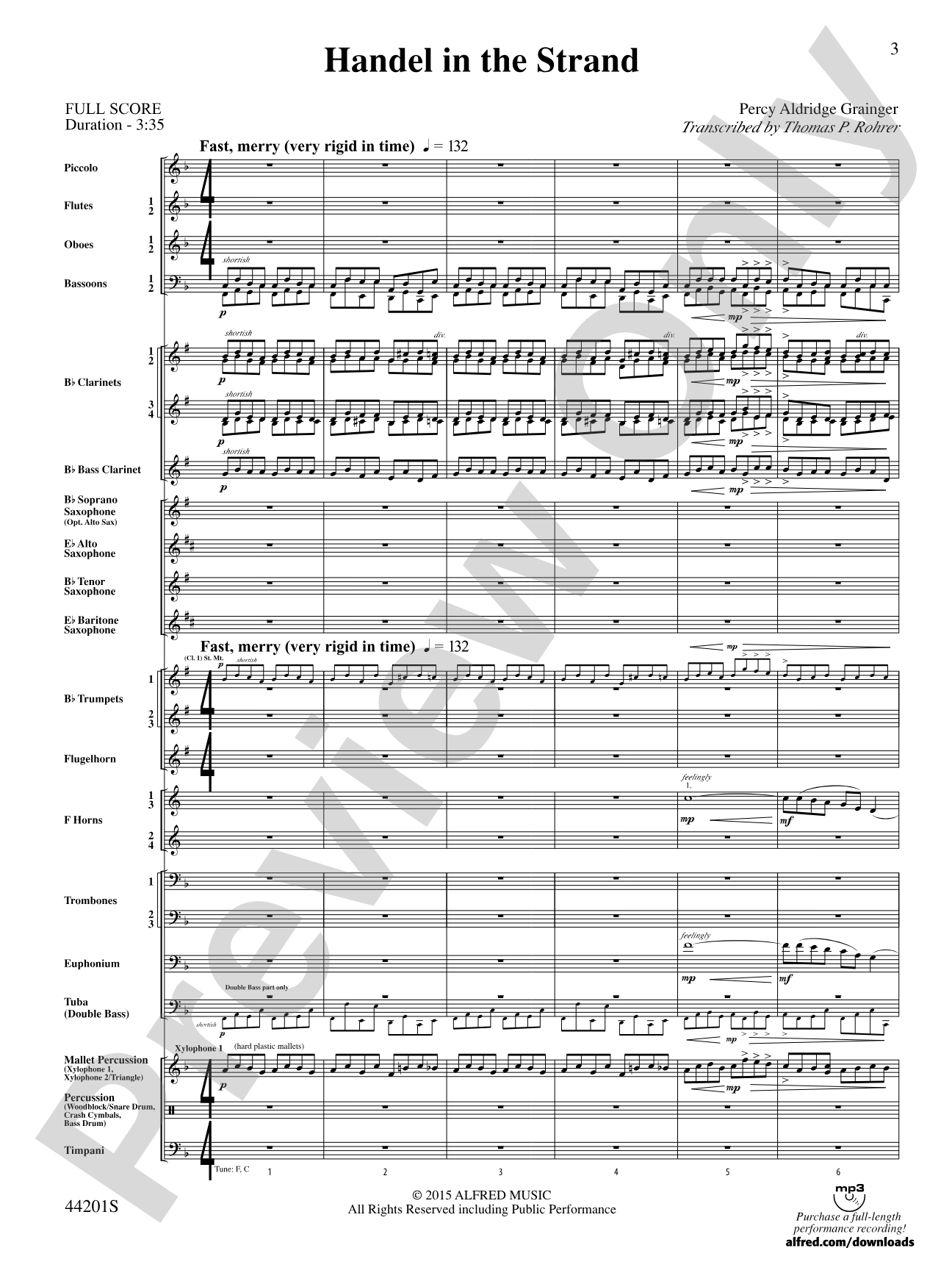
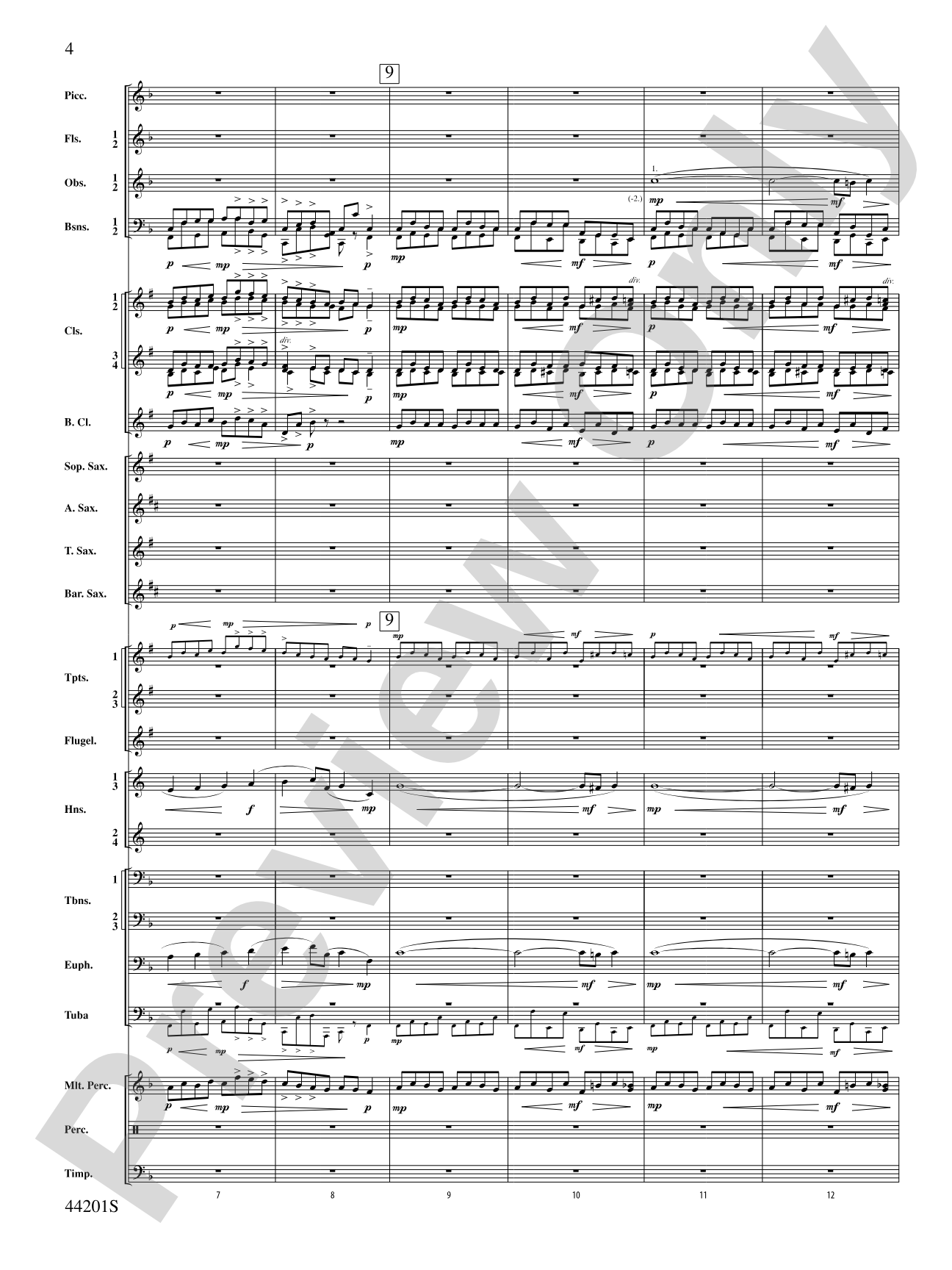
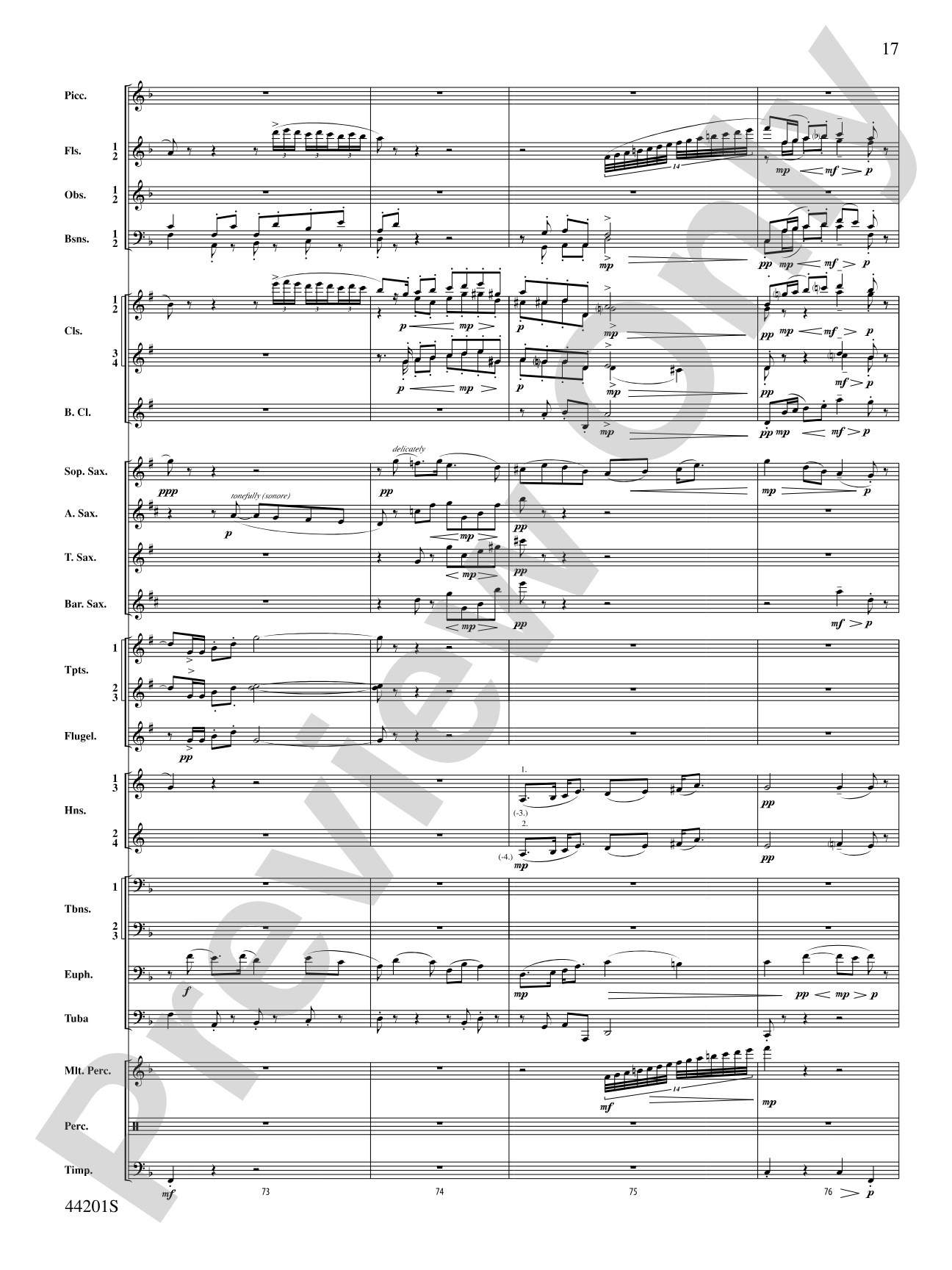
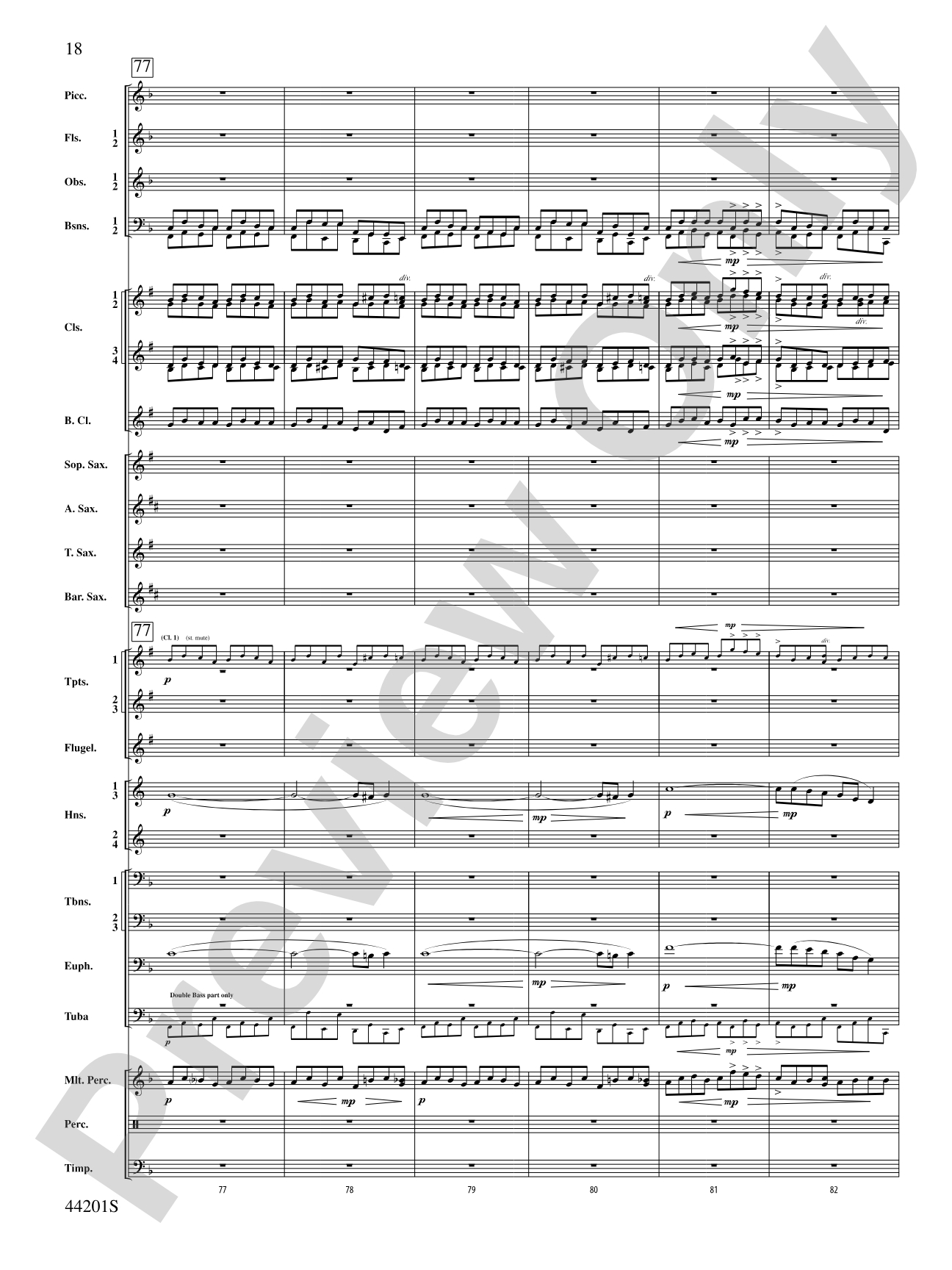
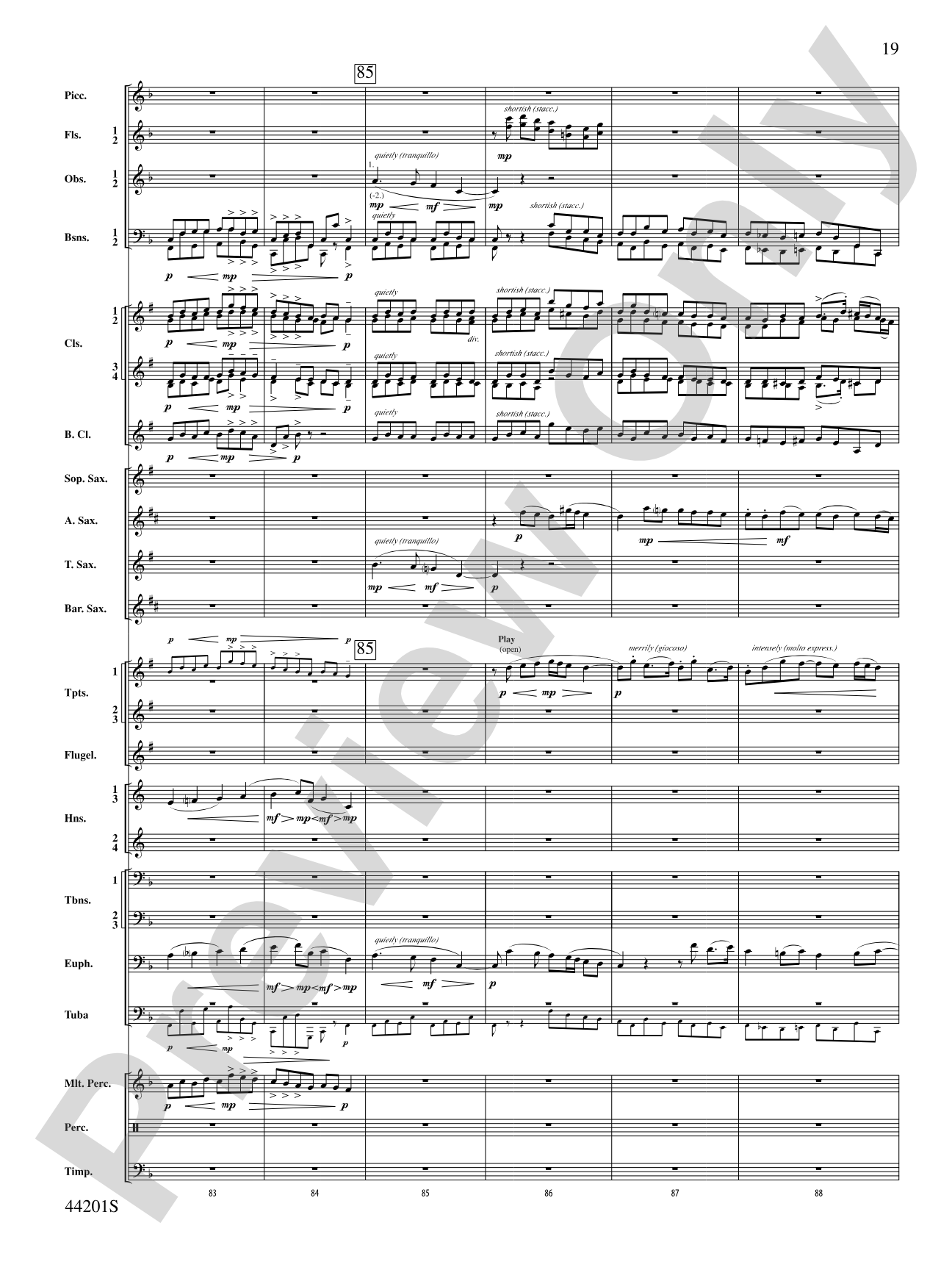
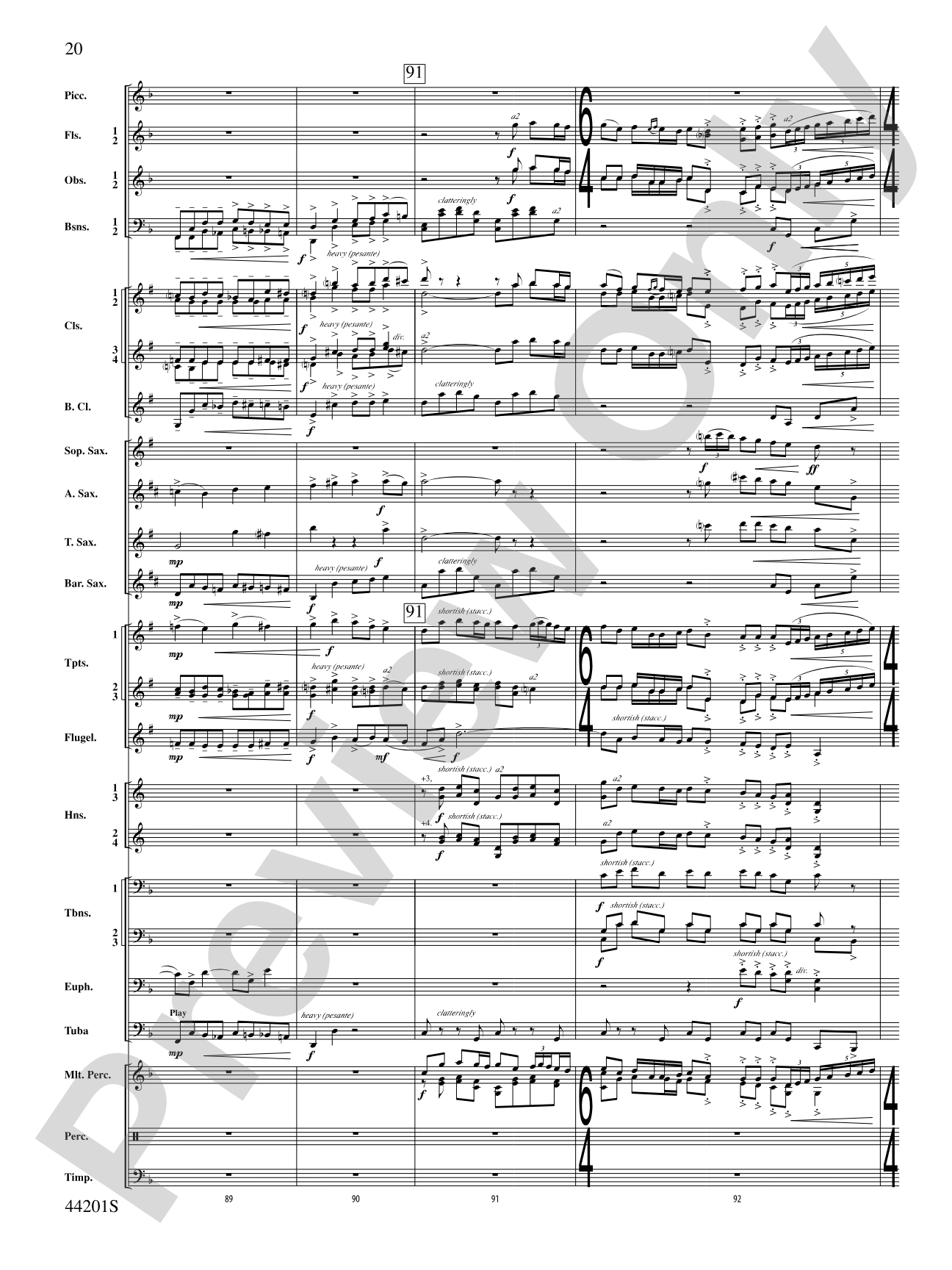
This delightful Grainger classic was written to depict a jolly old George Friedrich Handel careening down the Strand (the theatre district of London) accompanied by the English popular music of the day. Given the original instrumentation and label as a chamber piece in Grainger's original publication, this transcription is taken directly from Grainger's "four-some" edition of 1912, transposed down a step from G to F major. It is scored to best depict the light (and sometimes percussive) quality of the piano along with the lyrical flow of the strings and the general character of chamber music. Ultimately, the "room music" quality of the original shines through in this skillful transcription while depicting the spirit of the piece in a way that Grainger might have chosen. (3:35)


Don't just read it, hear it, play along with it, and watch your students grow with it. In MakeMusic Cloud, Handel in the Strand: Concert Band Conductor Score & Parts comes alive with professional accompaniment, adjustable tempo, and built-in practice tools that turn solo practice into real progress.
Open in the Player
Jump straight in and assign it today.
Start Your Free Trial
Open this title and explore the full library in minutes.
Sample Audio
1
Audio File
--:--
0:00
0:00
Sample Video
No sample videos found.
Additional Details
Series:
Alfred Concert Band
Publisher:
Alfred Music
Page Count:
250
SKU:
00-PK-0006804
More about this title
About the Composer: Percy Aldridge Grainger
Percy Aldridge Grainger (1882-1961) was an Australian-born composer and pianist who became one of the most innovative orchestrators of the early twentieth century. He had a gift for capturing the spirit of folk music and popular culture, transforming simple melodies into richly textured concert works. His arrangements remain essential teaching pieces because they demonstrate how to honor the character of original material while expanding its instrumental possibilities.
Why we love this
This arrangement captures Grainger's genius for orchestral color without overwhelming a concert band. By bringing the piece down to F major and drawing directly from his chamber version, arranger Thomas P. Rohrer preserves the intimate, playful character that makes this work so appealing while giving every section colorful moments to shine. It's a showpiece that doesn't demand virtuosity at every stand, making it accessible for Grade 4.5 bands who want genuine musical substance.
What to expect
There's a theatrical energy here, as if a comical figure is strutting through London's theatre district with exaggerated flair. The music bounces between periods and styles, mixing Victorian dignity with music hall high spirits, all wrapped in Grainger's trademark orchestral sheen. It's charming without being precious, witty without becoming a parody.
Who it's for
Concert bands at the Grade 4.5 level looking for a piece with genuine personality and teachable moments in orchestration and style. Directors who want to program something audiences recognize as "Grainger" without the extreme technical demands of his more famous works will find this version ideal.
How to get the most out of it
- Balance the piano-inspired lightness in the lower woodwinds and brass against the lyrical string writing; the piece thrives when these colors sit in clear perspective rather than blending into a thick tutti.
- Shape the popular melodies with rubato and gentle phrasing, allowing the band to breathe with the natural inflection of someone humming a tune rather than playing metronomically.
- Highlight the percussion writing, which adds character rather than weight; these moments should feel like orchestral punctuation, not louder versions of the main line.
- Use the recorded accompaniment to lock ensemble precision before focusing on the subtle dynamic gradations that make the lighter passages sparkle.
How to use it
This works beautifully as a concert opener or closer, immediately establishing a lighter mood and audience engagement. Place it alongside other early twentieth-century British works or as a contrast to a heavier symphonic piece; its 3:35 duration makes it a flexible choice for festival programs or concert blocks that need an accessible masterwork.
Skills your students will build
- Orchestration awareness through exposed solo writing and color blending
- Style and character interpretation in early twentieth-century British music
- Balance between contrasting instrumental families (winds, brass, strings, percussion)
- Flexible tempo and rubato in a structured concert work
- Reading transposed parts accurately (the F major transposition)