
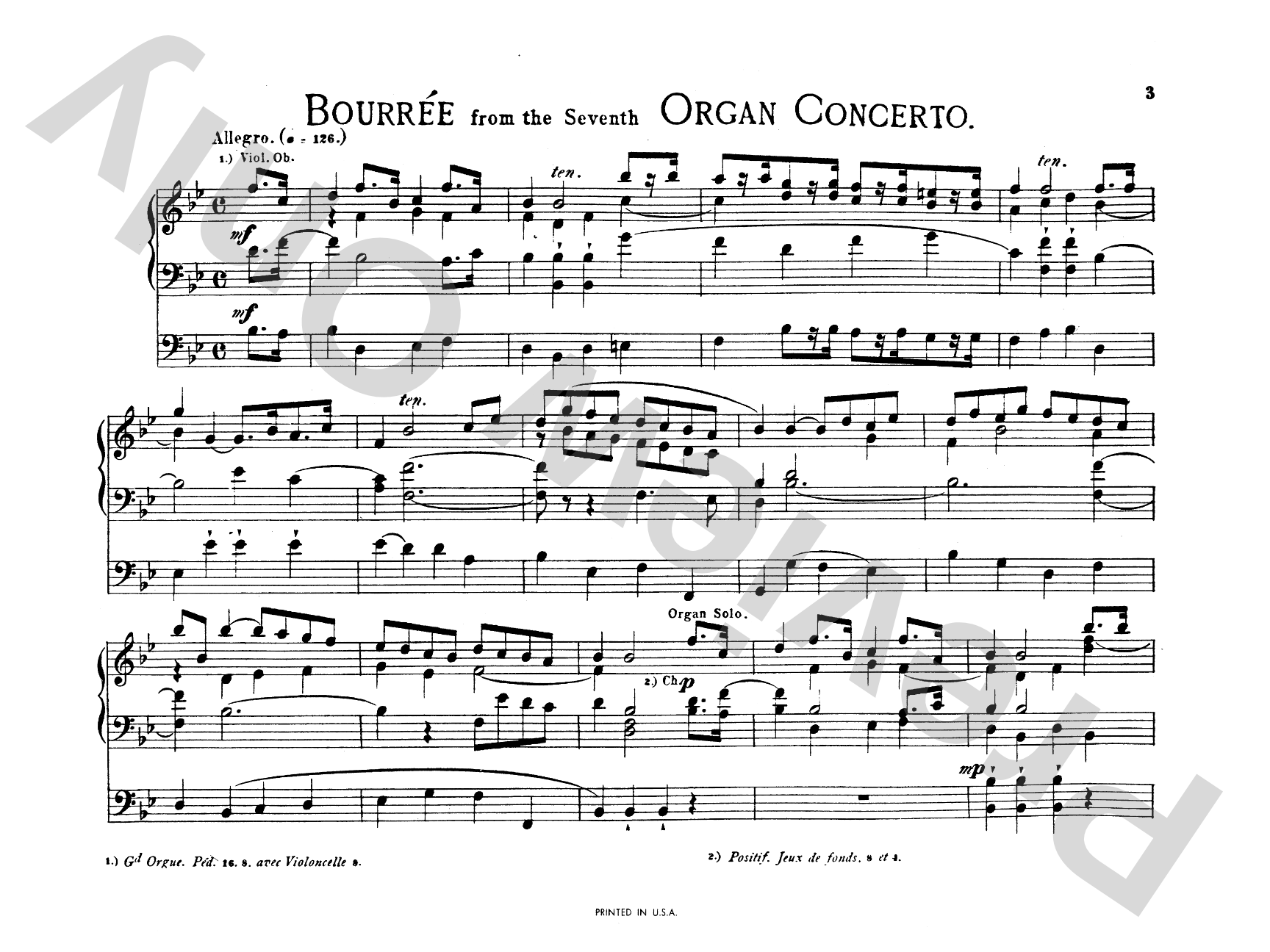
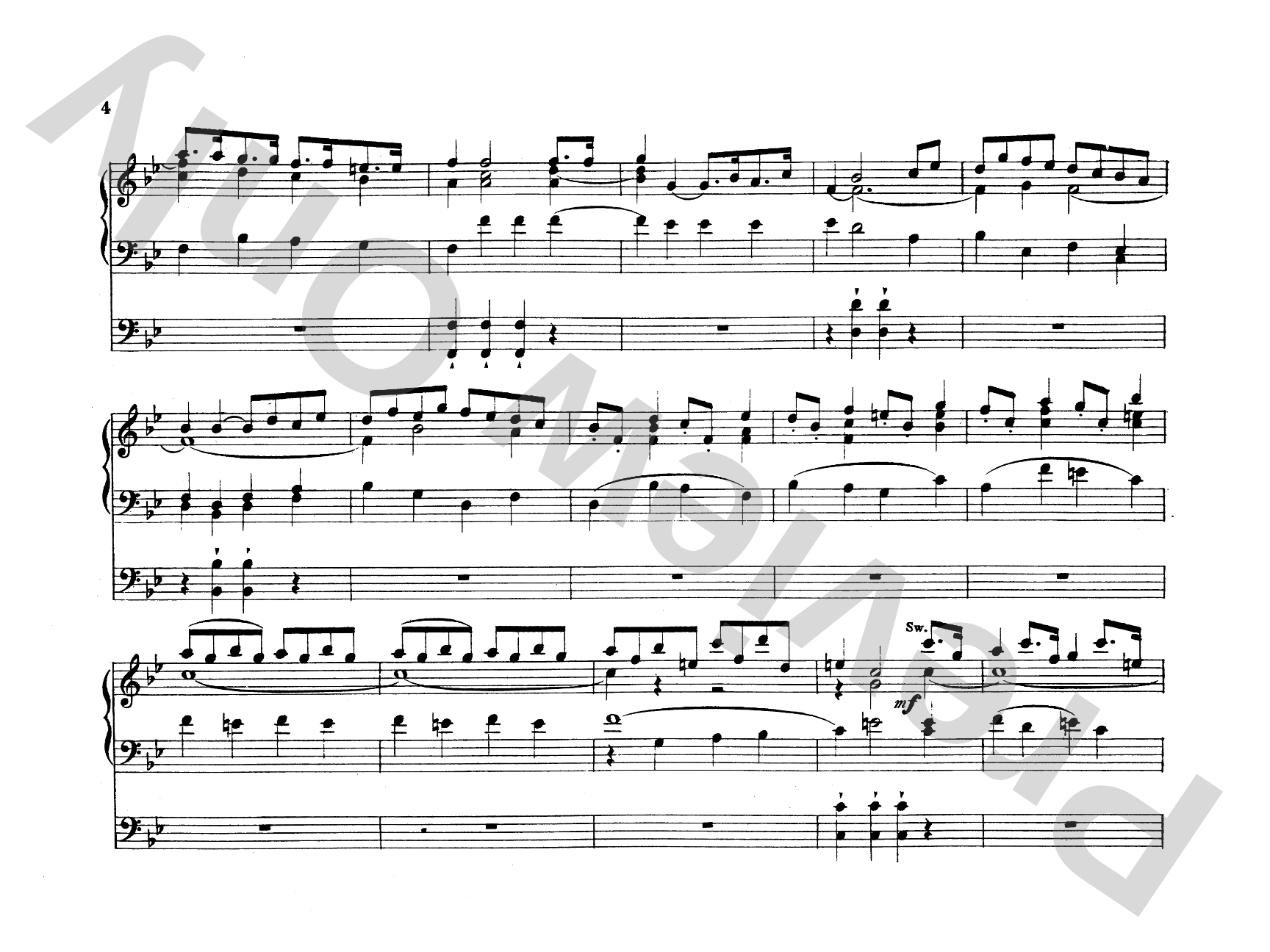
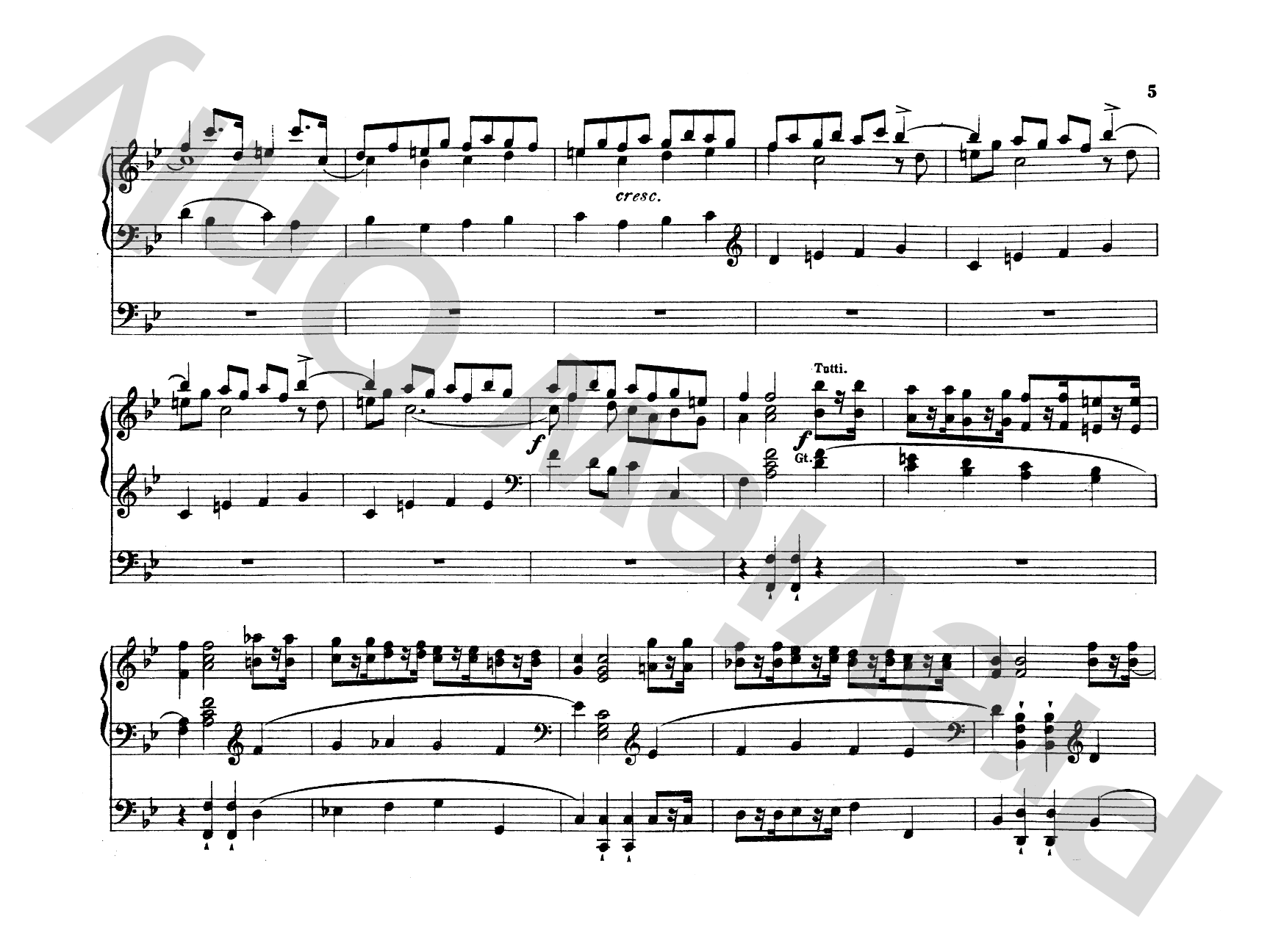
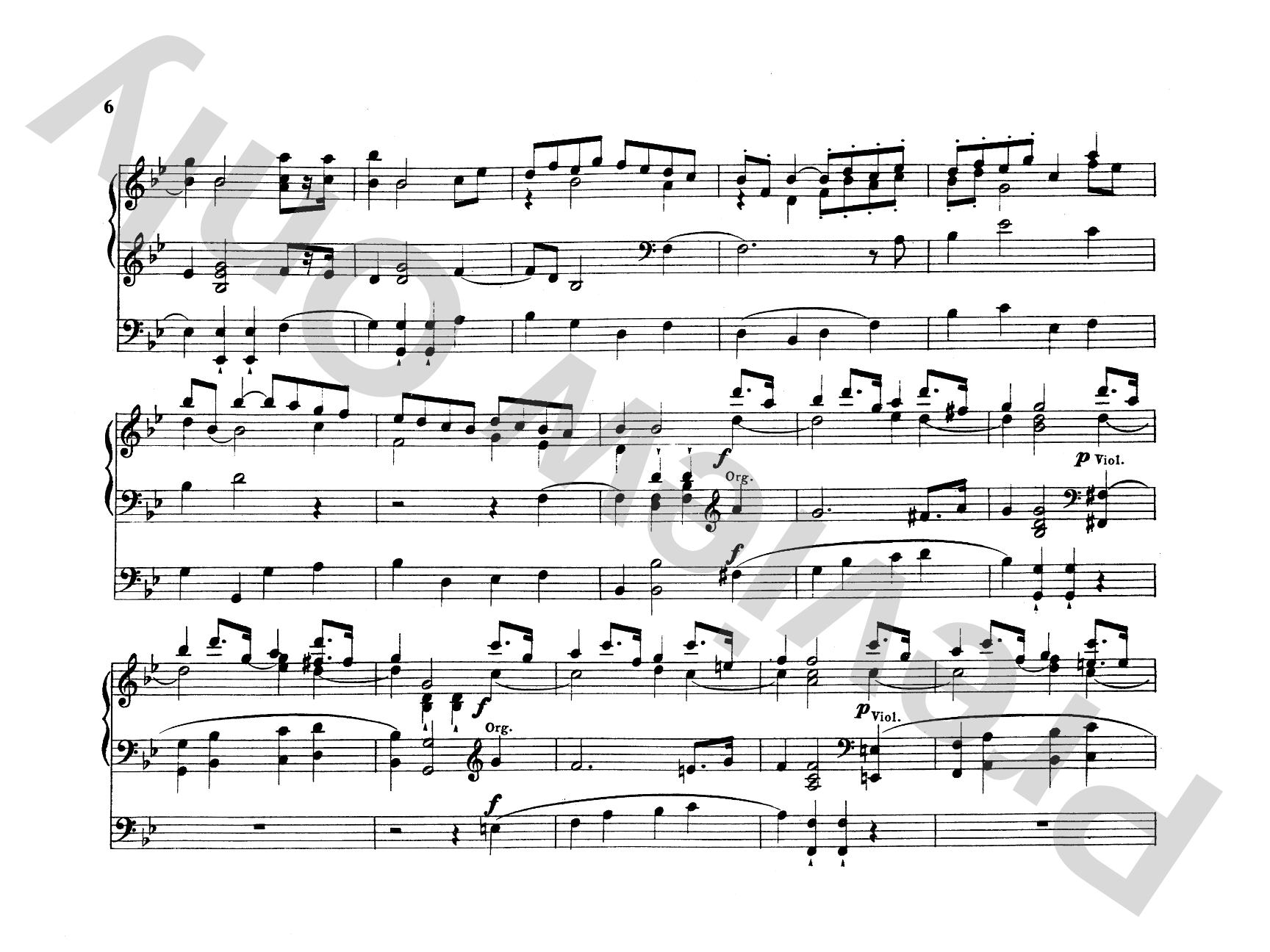
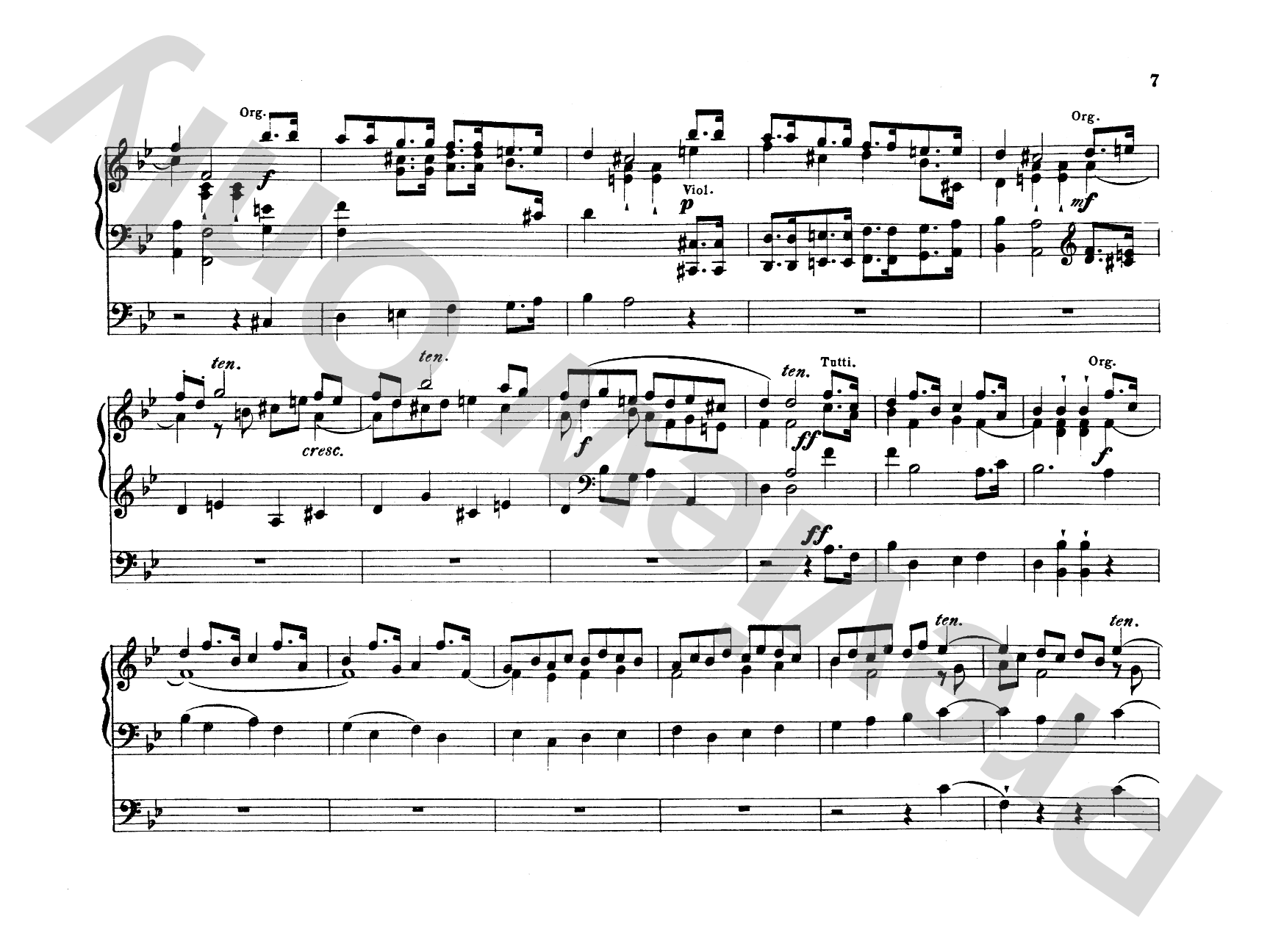
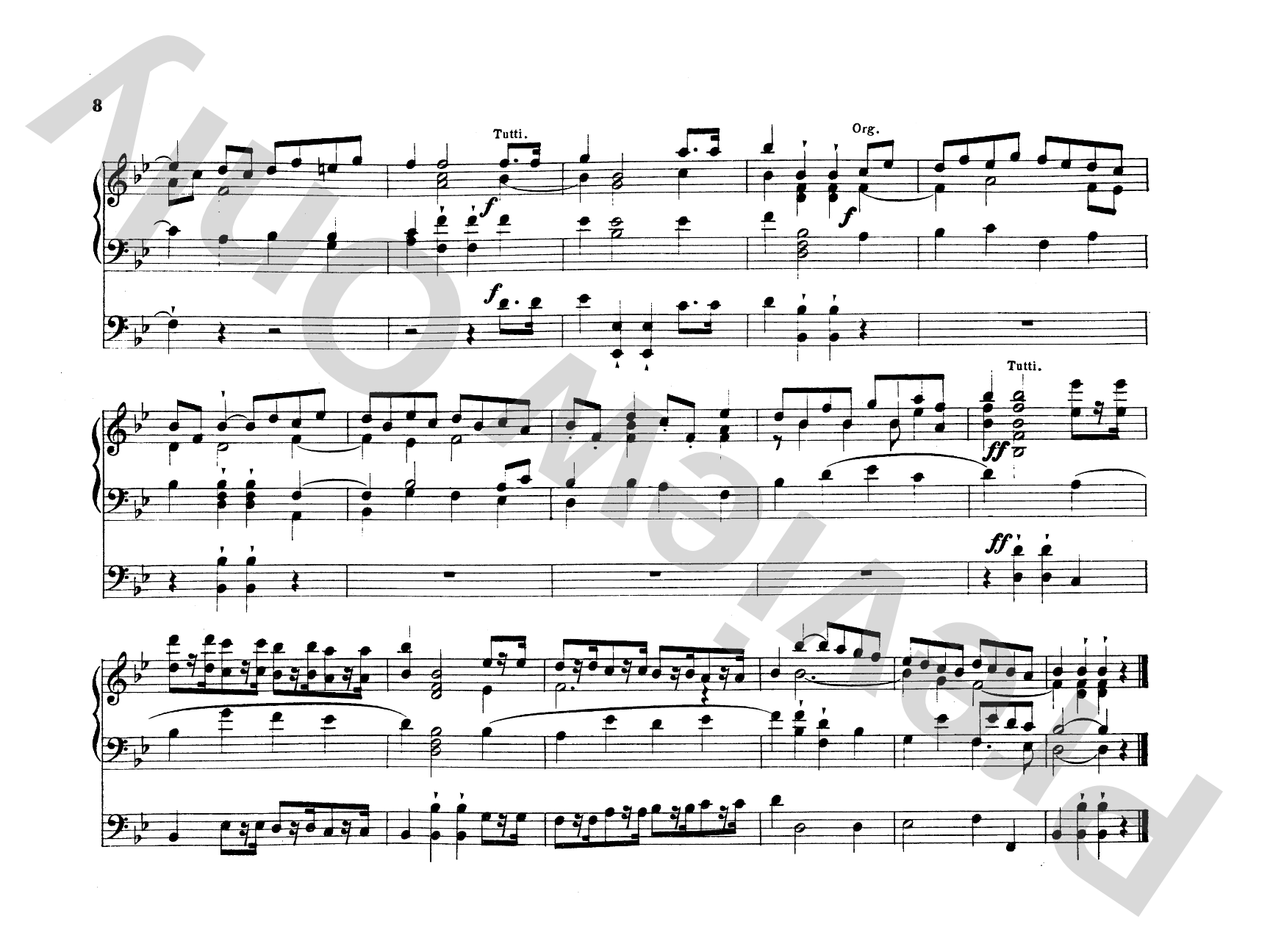

Handel: Extracts from Instrumental Music (Arr. Best), Volume I: Organ Comb Bound Book
By George Frideric Handel / arr. W. T. Best
Item: 00-PK-0003851

$7.99
Pickup currently not available
Buy Extra Parts (Digital PDF Download)
Parts Added to Cart!
Related Items
Excerpts from Instrumental Music, Volume I: Organ Comb Bound Book |
$7.95
|
View |
Description
Expertly arranged organ method or collection from our Kalmus Edition.


Don't just read it, hear it, play along with it, and watch your students grow with it. In MakeMusic Cloud, Handel: Extracts from Instrumental Music (Arr. Best), Volume I: Organ Comb Bound Book comes alive with professional accompaniment, adjustable tempo, and built-in practice tools that turn solo practice into real progress.
Open in the Player
Jump straight in and assign it today.
Start Your Free Trial
Open this title and explore the full library in minutes.
Sample Audio
No sample audio found.
Sample Video
No sample videos found.
Additional Details
Series:
Kalmus Edition
Publisher:
Alfred Music
Page Count:
24
SKU:
00-PK-0003851
More about this title
About the Composer: George Frideric Handel
George Frideric Handel (1685-1759) was a German-born composer who spent most of his career in England, where he became one of the most influential musicians of the Baroque era. His output spanned opera, oratorio, concertos, and keyboard works, and his music is marked by memorable melodic lines, harmonic clarity, and structural mastery that remain immediately engaging to modern ears.
Handel's instrumental works, from which these organ extracts are drawn, showcase the brilliance he brought to orchestral and solo writing. His concertos and chamber pieces established models that influenced generations of composers, and his music continues to serve as essential repertoire for understanding Baroque style, form, and compositional technique.
Why we love this
Best's arrangement distills Handel's most rewarding instrumental passages into keyboard form, giving organists access to music that might otherwise require an ensemble to experience fully. These extracts preserve the melodic sophistication and harmonic directness that make Handel's writing so teachable, while the comb binding format makes the collection durable and easy to navigate in rehearsal or performance settings.
What to expect
Handel's instrumental writing speaks with the confidence and directness of the Baroque master. These extracts combine elegant melody with transparent harmony, offering moments of lyric warmth alongside passages of spirited brilliance, all delivered with the structural clarity that makes Baroque music so satisfying to perform and hear.
Who it's for
Organists building foundational keyboard repertoire will find these extracts both musically rewarding and technically approachable. Students preparing for auditions or performance requirements benefit from Handel's clear formal structures and idiomatic keyboard writing, while church musicians seeking service music and recital material will appreciate the variety and quality of these selections.
How to get the most out of it
- Maintain clarity in the melodic lines by allowing them to speak naturally above the accompanying material; Baroque style depends on hearing the architecture of the piece, not on rubato or expressive pedaling.
- Pay attention to Handel's use of sequential passages and harmonic progressions, which often define the emotional arc of each extract; these moments reward thoughtful phrasing without disrupting the forward motion.
- Use the organ's registration strategically to highlight the different sections and instrumental voices as they would have been distinguished in the original scoring; avoid over-pedaling sustained notes that should allow harmonic movement to register clearly.
How to use it
Use these extracts as organ recital openers or interludes, where their moderate length and clear formal structures fit naturally between larger works. They also work well in church services as preludes or postludes, and students preparing Baroque repertoire for competitions or juries will find these selections both substantive and stylistically representative.
Skills your students will build
- Baroque articulation and phrasing
- Harmonic analysis in tonal contexts
- Registration and color changes on organ
- Rhythmic precision in sequential figures
- Interpretation of continuo and accompanimental textures