
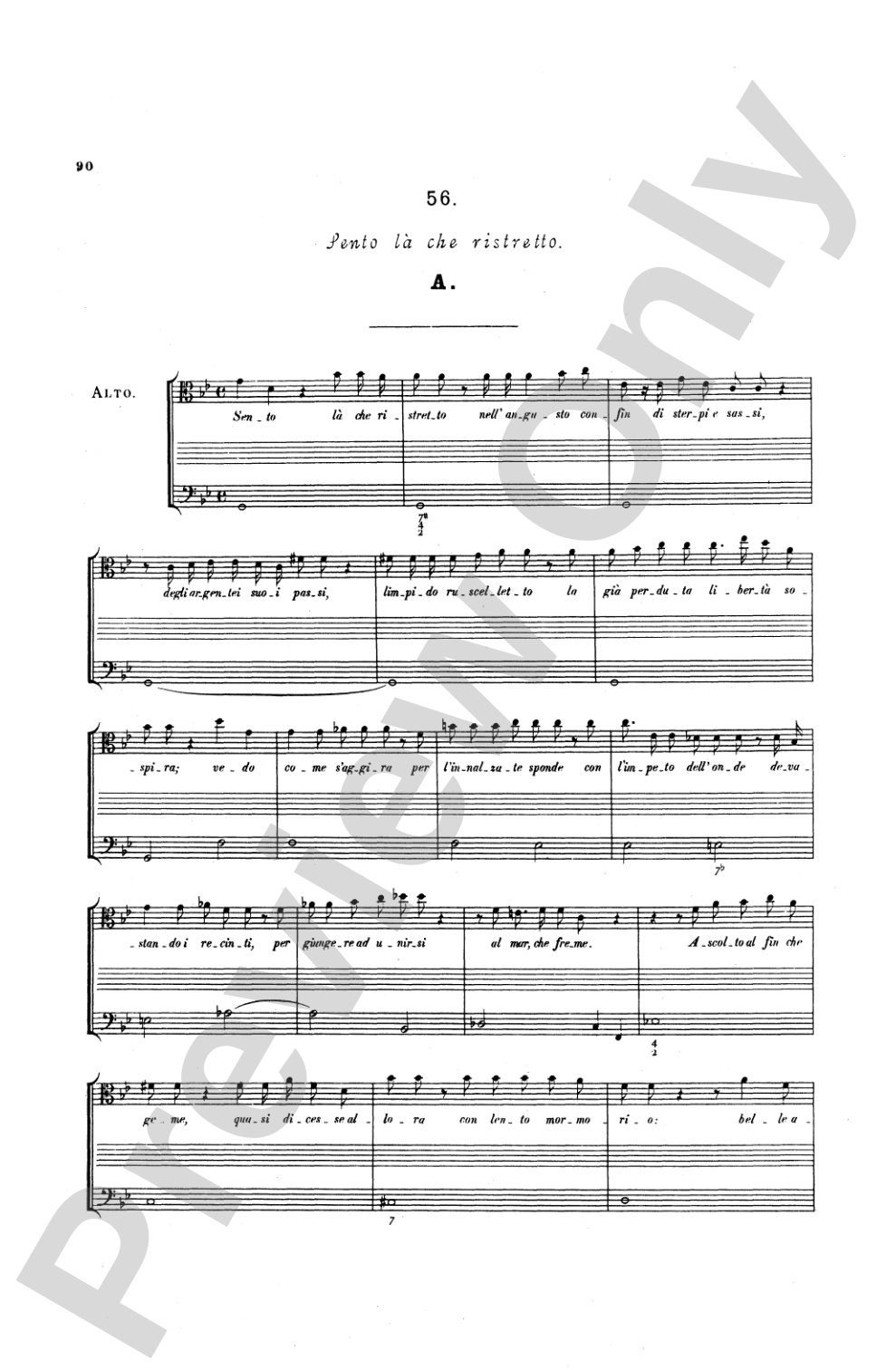
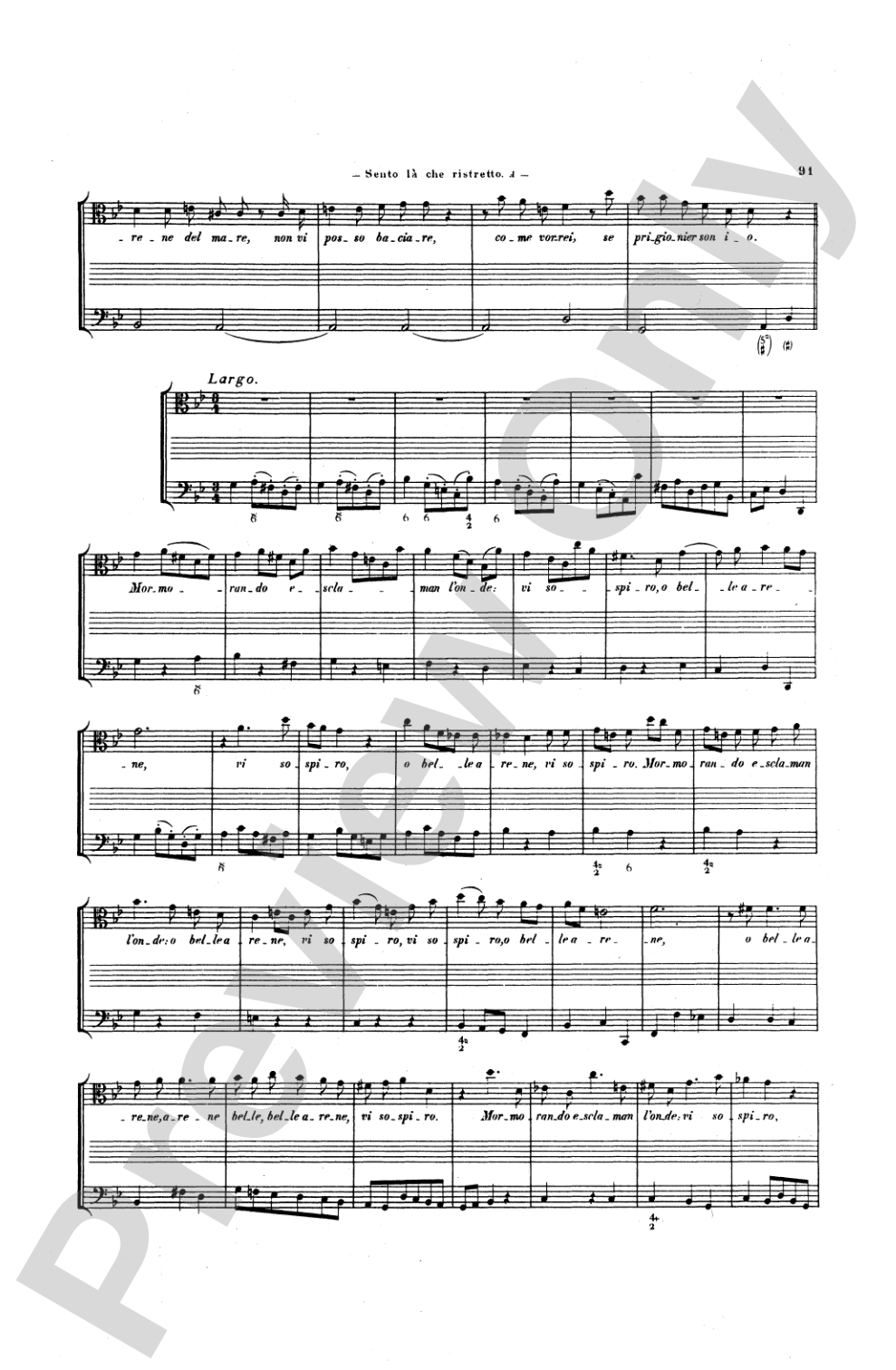
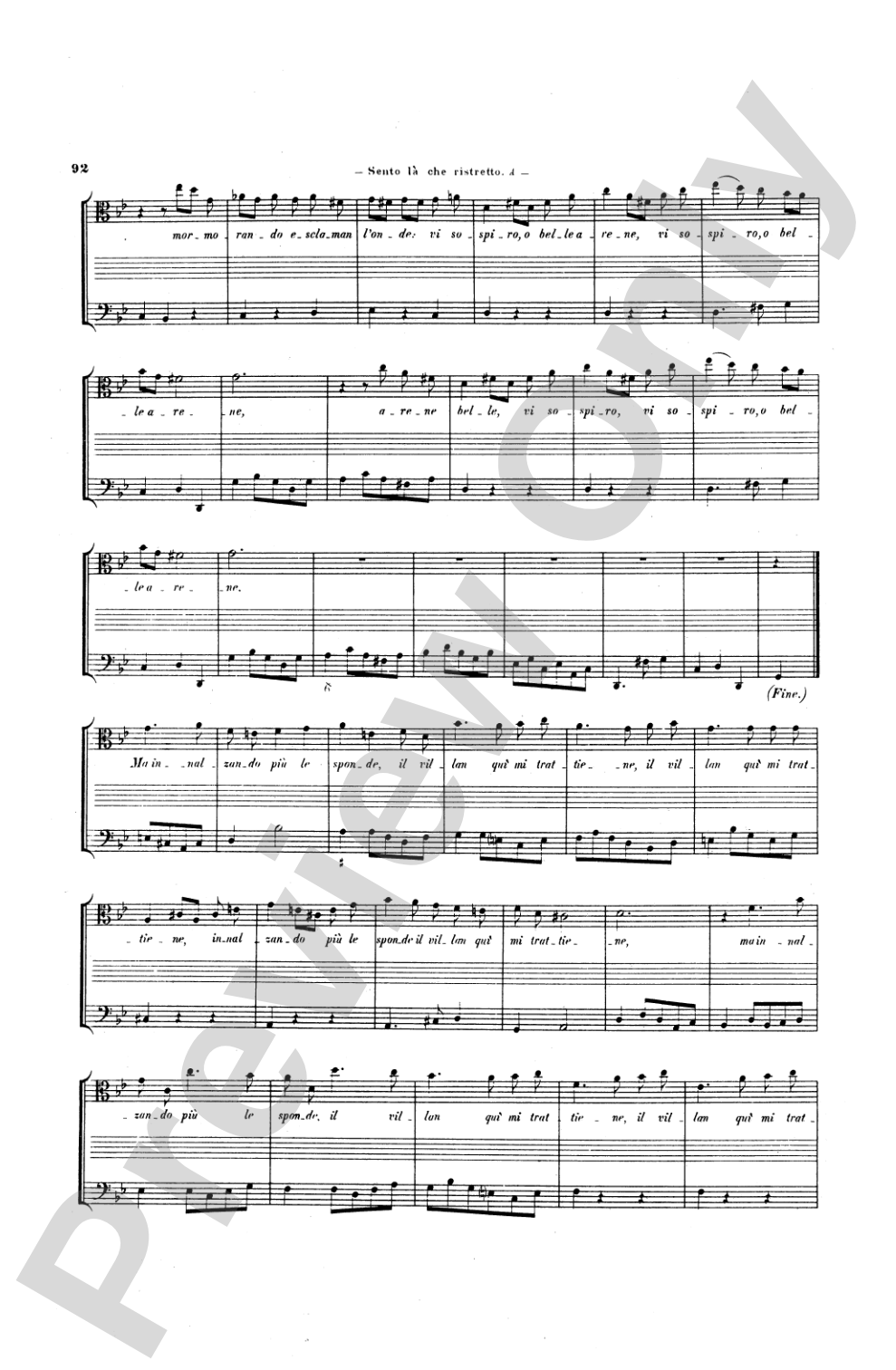
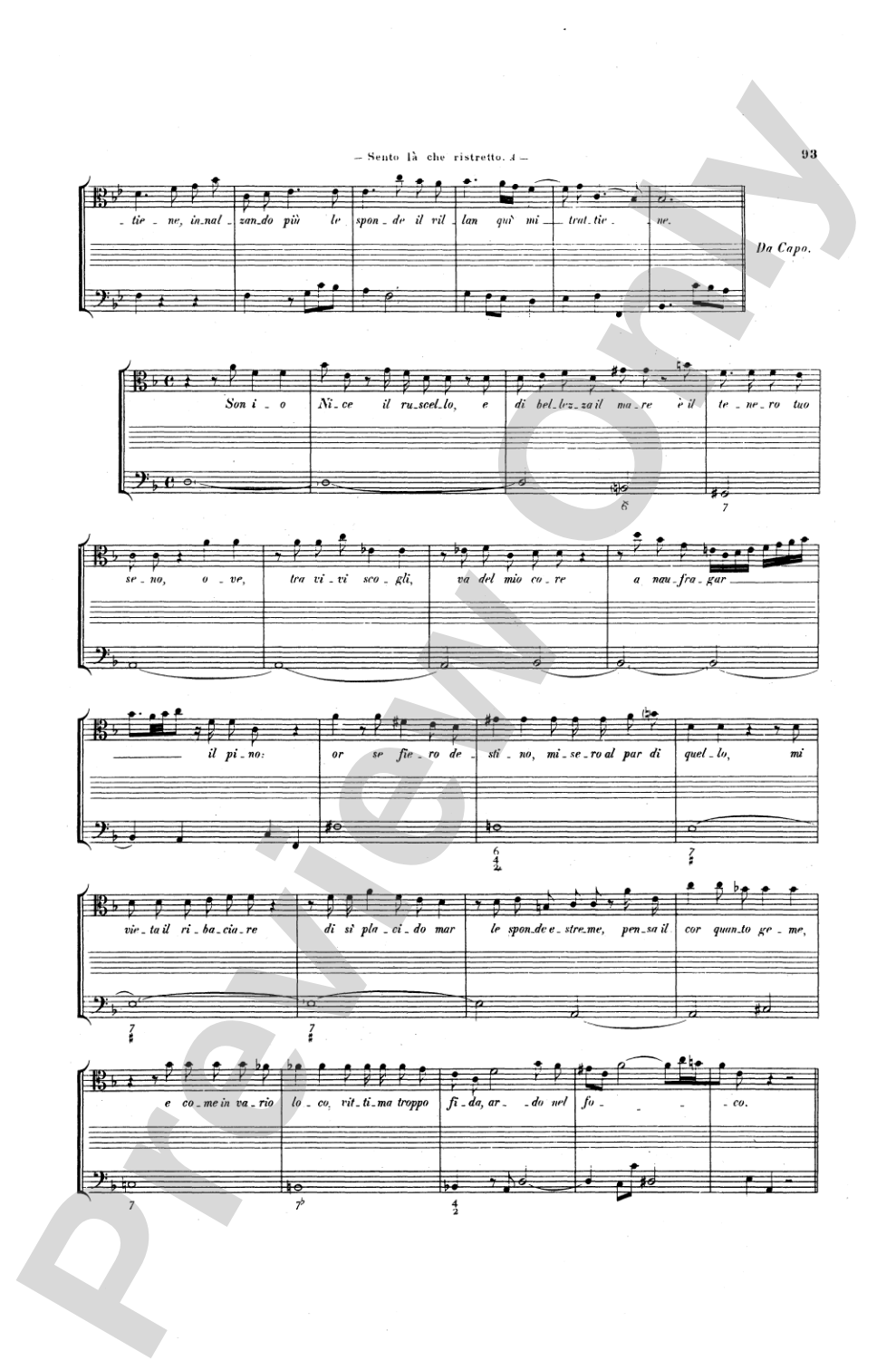
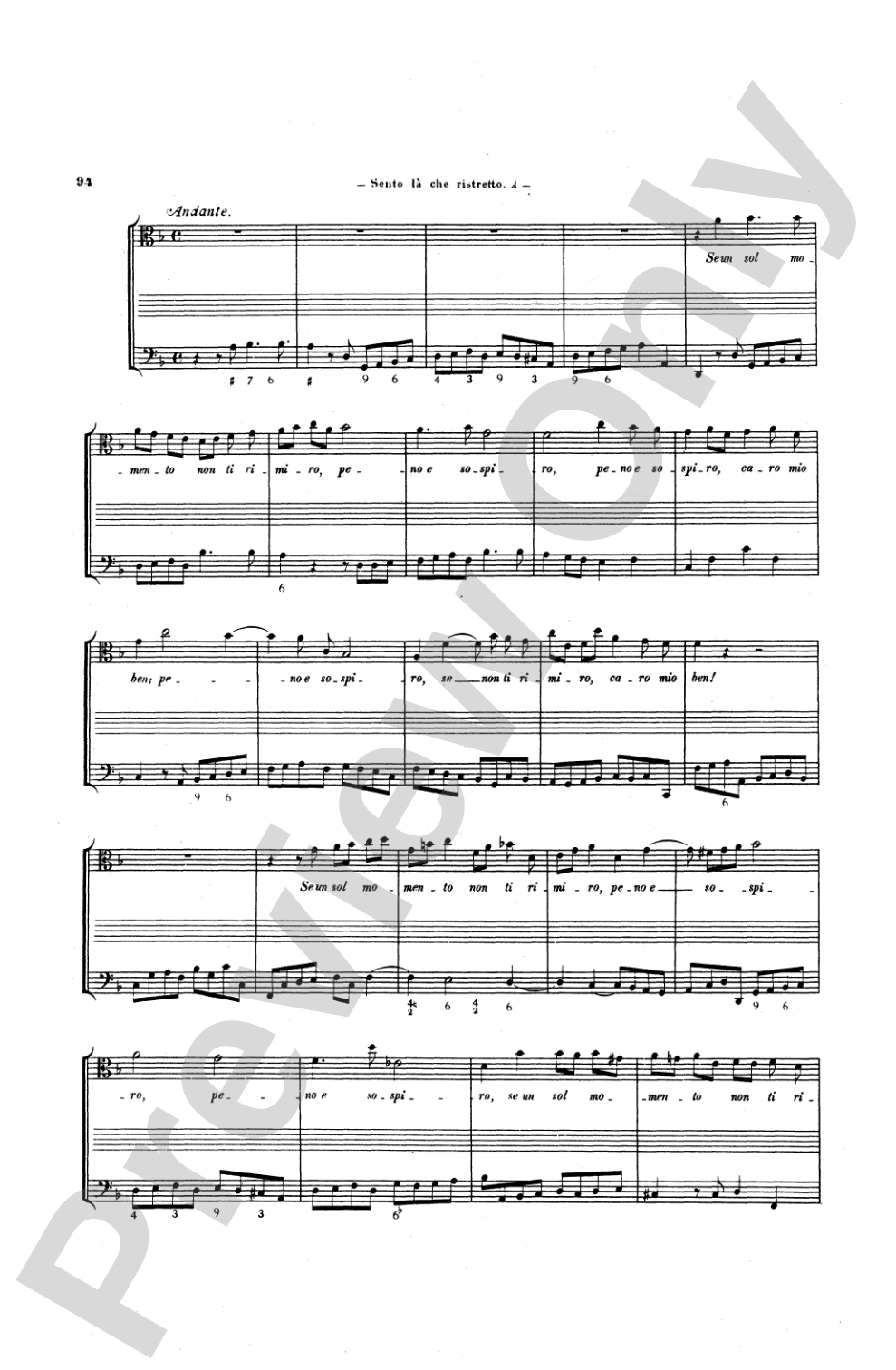
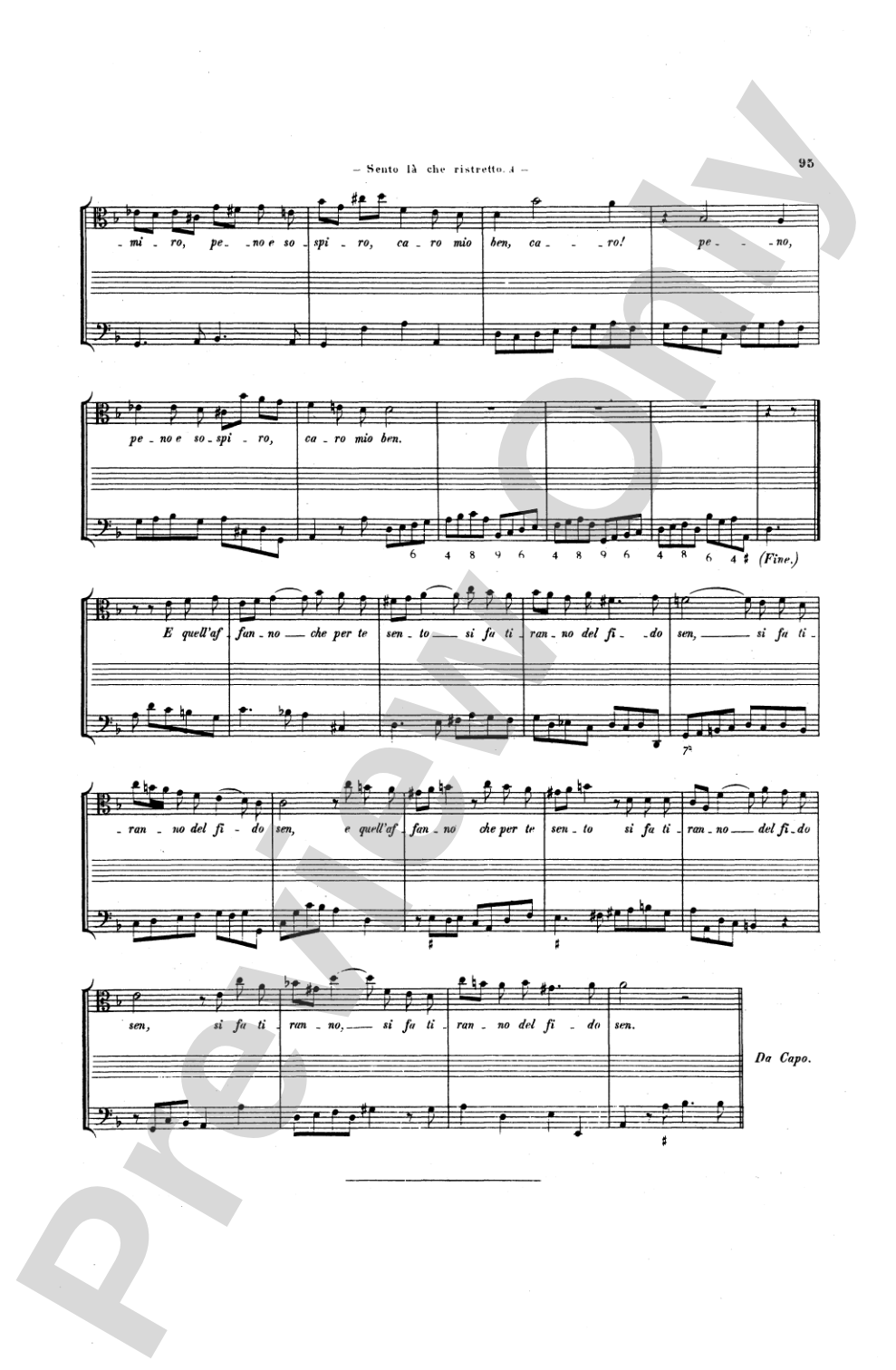

Handel: 72 Italian Cantatas for Soprano or Alto, Nos. 56-72 (Volume IV): Vocal Miniature Score
By George Frideric Handel
Item: 00-PK-0002699

$16.99
Pickup currently not available
Buy Extra Parts (Digital PDF Download)
Parts Added to Cart!
Related Items
72 Italian Cantatas for Soprano or Alto, Volume IV, Nos. 56-72: Vocal Miniature Score |
$16.95
|
View |
Description
A collection of pieces for Soprano or Alto, composed by George Frideric Handel.


Don't just read it, hear it, play along with it, and watch your students grow with it. In MakeMusic Cloud, Handel: 72 Italian Cantatas for Soprano or Alto, Nos. 56-72 (Volume IV): Vocal Miniature Score comes alive with professional accompaniment, adjustable tempo, and built-in practice tools that turn solo practice into real progress.
Open in the Player
Jump straight in and assign it today.
Start Your Free Trial
Open this title and explore the full library in minutes.
Sample Audio
No sample audio found.
Sample Video
No sample videos found.
Additional Details
Series:
Kalmus Edition
Publisher:
Alfred Music
Page Count:
88
SKU:
00-PK-0002699
More about this title
About the Composer: George Frideric Handel
George Frideric Handel (1685-1759) was a German-born composer who spent most of his career in London, where he became the dominant figure in English musical life. His output spanned opera, oratorio, instrumental music, and vocal chamber works, and his compositional technique combined German counterpoint, Italian melodic sensibility, and English choral traditions into a synthesis that made his music immediately appealing to audiences while remaining structurally sophisticated.
Handel's Italian cantatas represent a significant portion of his output and occupied him throughout his career. These intimate works for solo voice and continuo were composed during his years in Italy and afterward, reflecting the cosmopolitan musical tastes of the 18th-century aristocracy. They showcase his gift for lyrical melody and his command of expressive text setting, making them essential repertoire for singers developing both technical skill and interpretive maturity.
Why we love this
This collection captures Handel at his most melodically inventive and harmonically sophisticated. The miniature score format makes these works accessible for study and performance planning, and the breadth of this volume (Nos. 56-72) offers singers genuine variety in character, affect, and vocal demand without requiring the sustained dramatic commitment of his operatic arias.
What to expect
These cantatas inhabit the intimate emotional world of 18th-century Italian lyric verse. Each work unfolds with elegant directness, moving through contrasts of affect and harmonic terrain that feel both spontaneous and carefully crafted. The writing demands both vocal agility and interpretive sensitivity, rewarding singers who can sing with both technical precision and genuine expressive conviction.
Who it's for
This volume serves advanced alto and soprano singers preparing concert or recital repertoire, as well as voice teachers seeking Baroque literature that balances accessibility with genuine artistic depth. Students working toward competence in Italian Baroque style will find systematic exposure to Handel's melodic writing and harmonic language.
How to get the most out of it
- Approach the continuo part as a dialogue partner, not merely accompaniment. The keyboard writing often contains independent material that shapes phrasing and punctuation.
- Attend to the Italian text prosody carefully. Handel's text setting respects natural speech rhythms while also creating opportunities for vocal virtuosity; these demands coexist rather than conflict.
- Balance ornamentation with structural clarity. Many of these cantatas include written-out embellishments; perform them as integral to the melodic line rather than decorative overlay.
- Shape phrases through harmonic rhythm and harmonic direction, not just dynamic swells. Handel's harmonic language is functional and purposeful; let it guide your breathing and phrasing choices.
How to use it
Program these works in recital groupings of two or three cantatas that share emotional territory or tonal center, allowing variety without excessive program shifts. They work equally well as opening works that establish vocal freshness or as mid-program pieces that offer contrast to longer dramatic forms.
Skills your students will build
- Baroque text declamation in Italian
- Management of written-out ornaments and embellishments
- Harmonic analysis and structural listening
- Stylistically informed phrasing without modern vibrato excess
- Collaborative communication with continuo accompaniment