

Hand Drumming Essentials: The Instruments, Techniques, and Compositions for Ensemble Performance
The Instruments, Techniques, and Compositions for Ensemble Performance
By C. A. Grosso
Item: 00-PB-0002115
$9.99
Pickup currently not available
Description
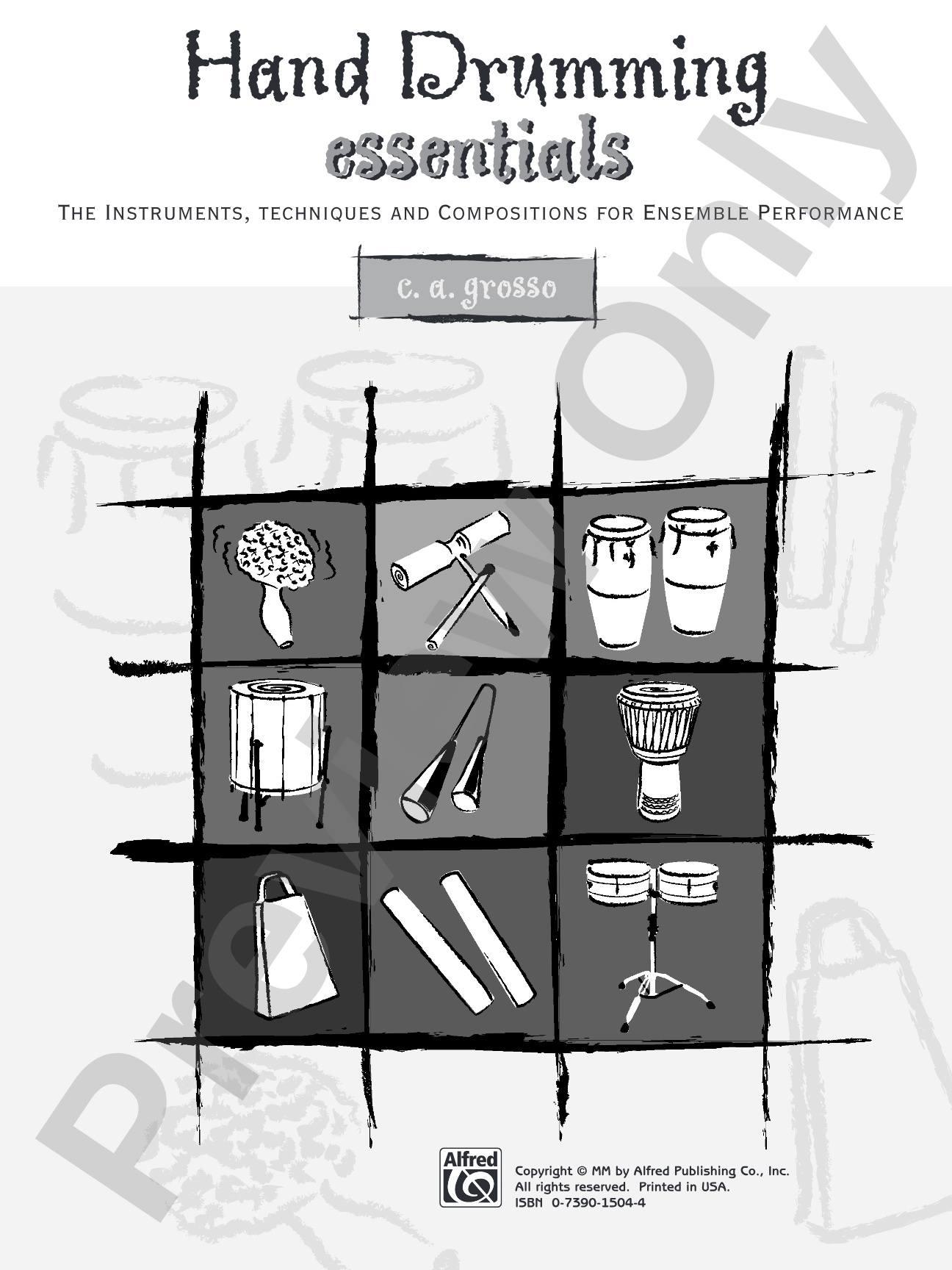
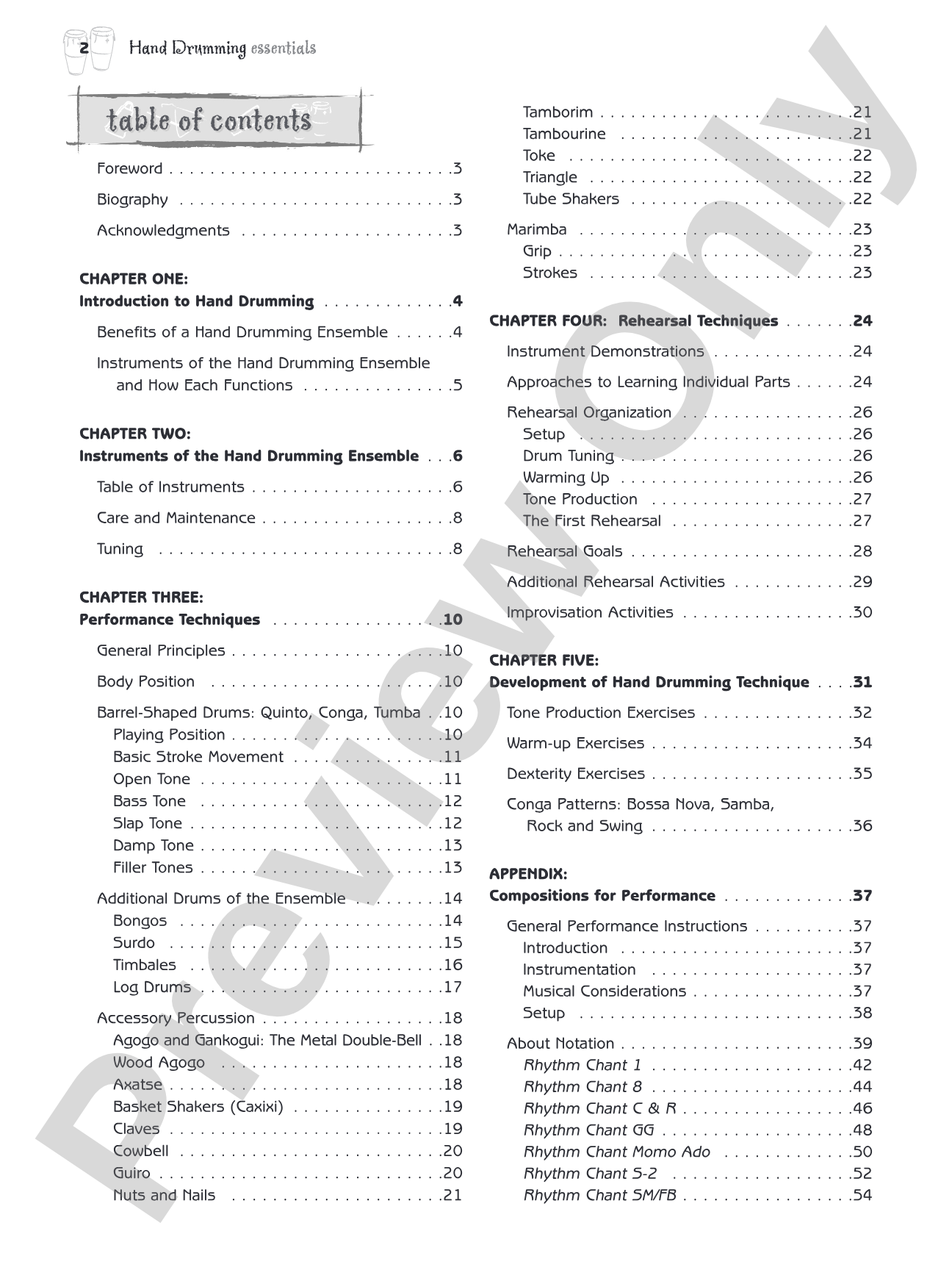
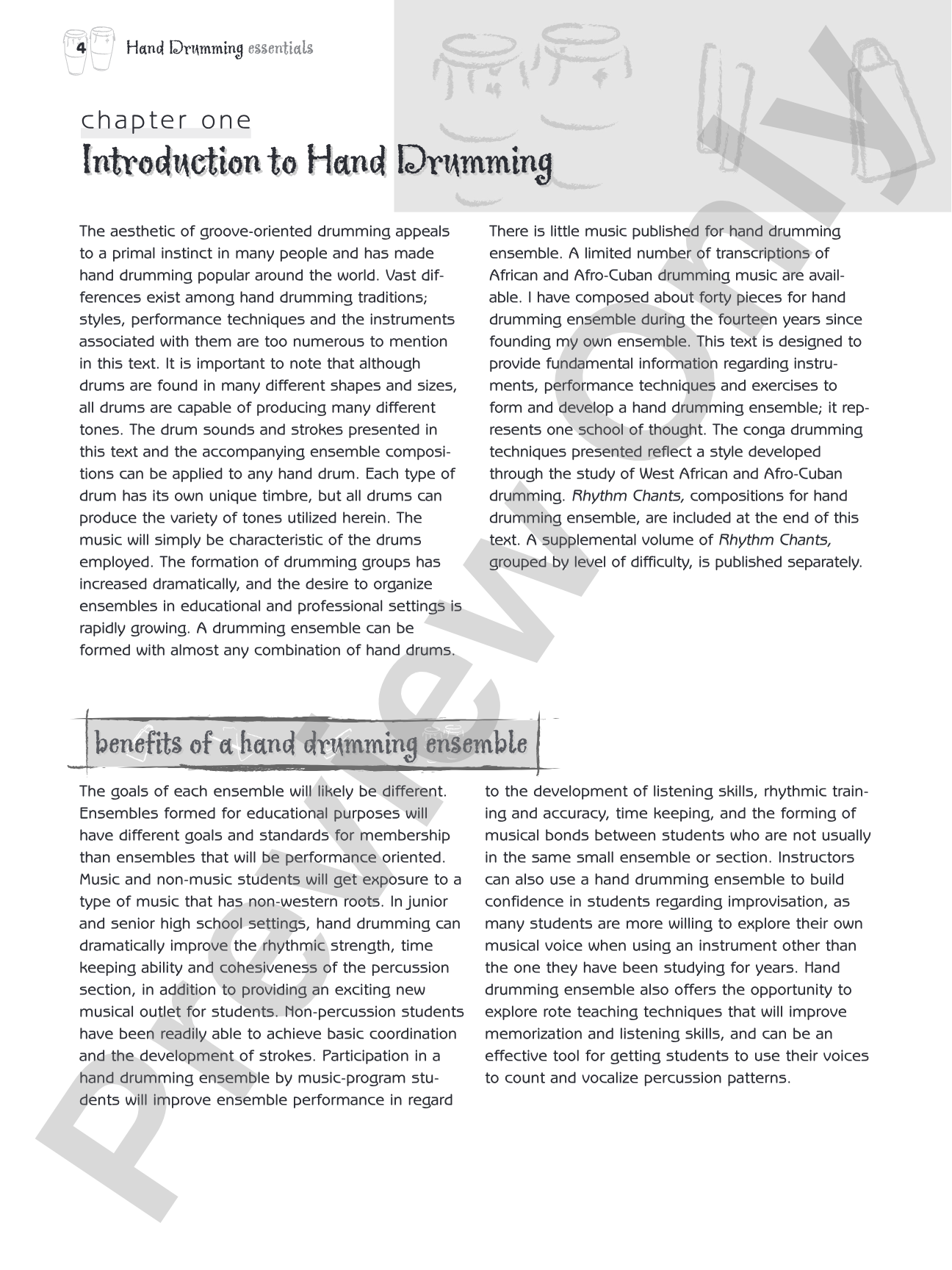
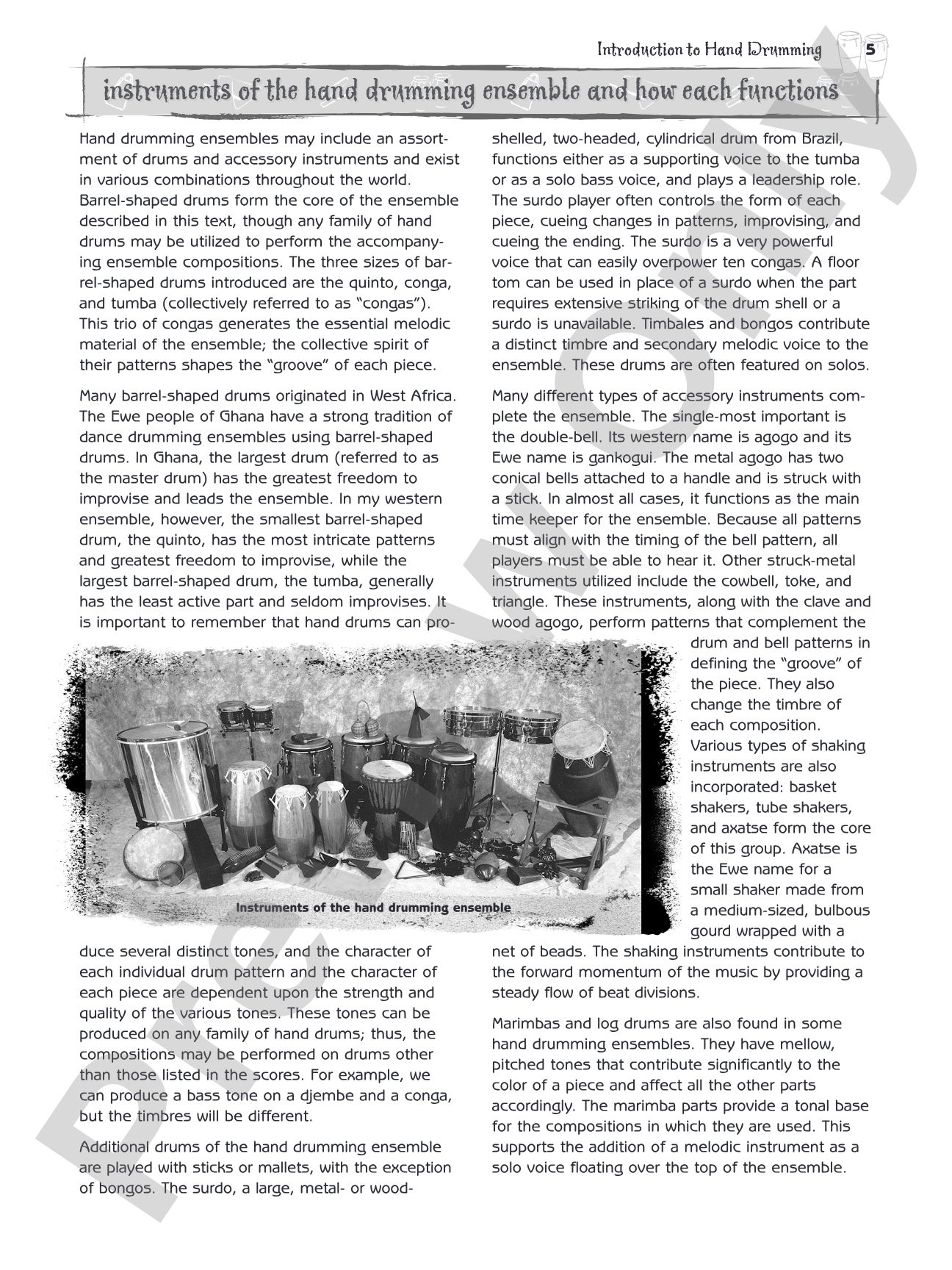
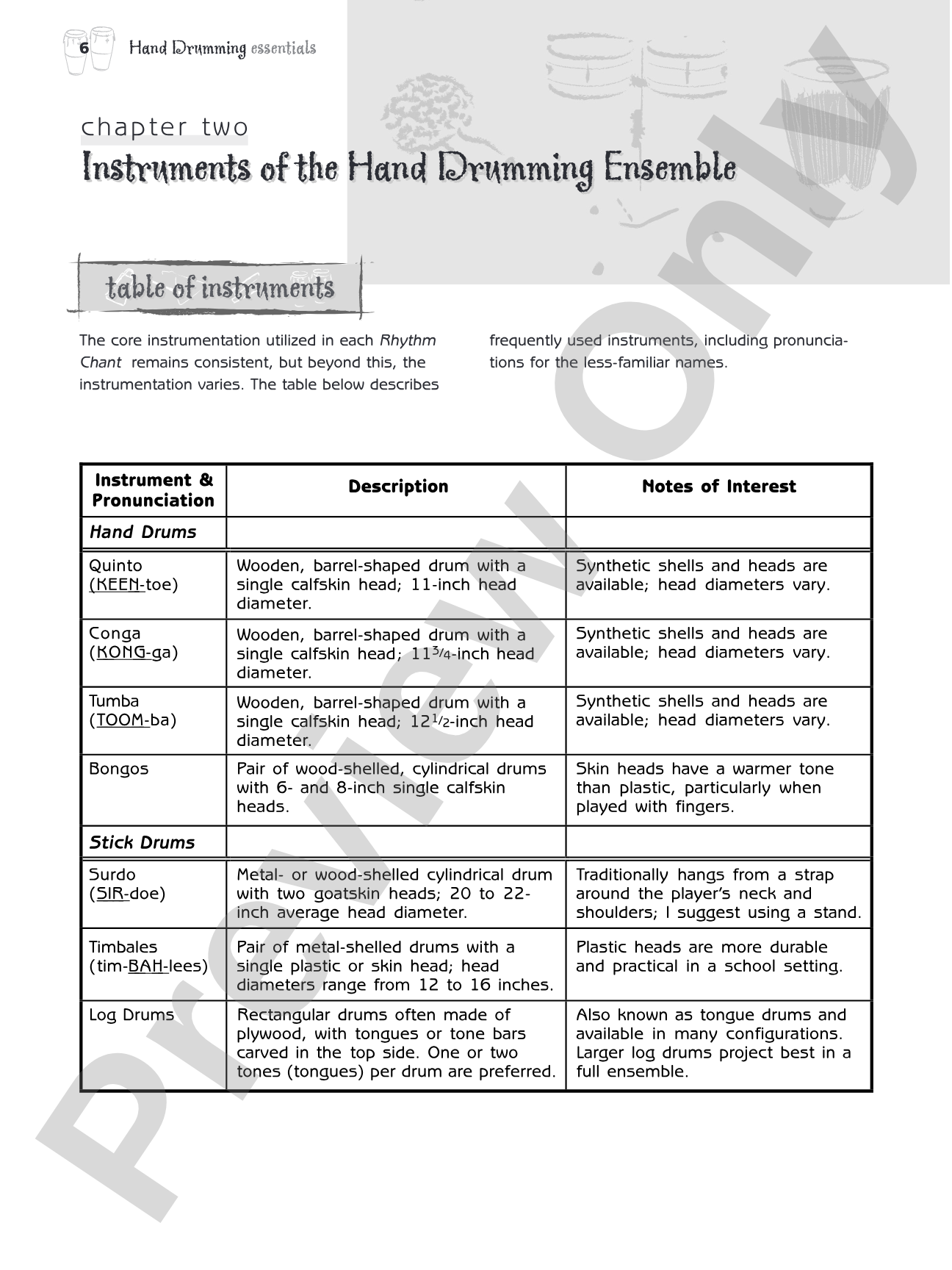
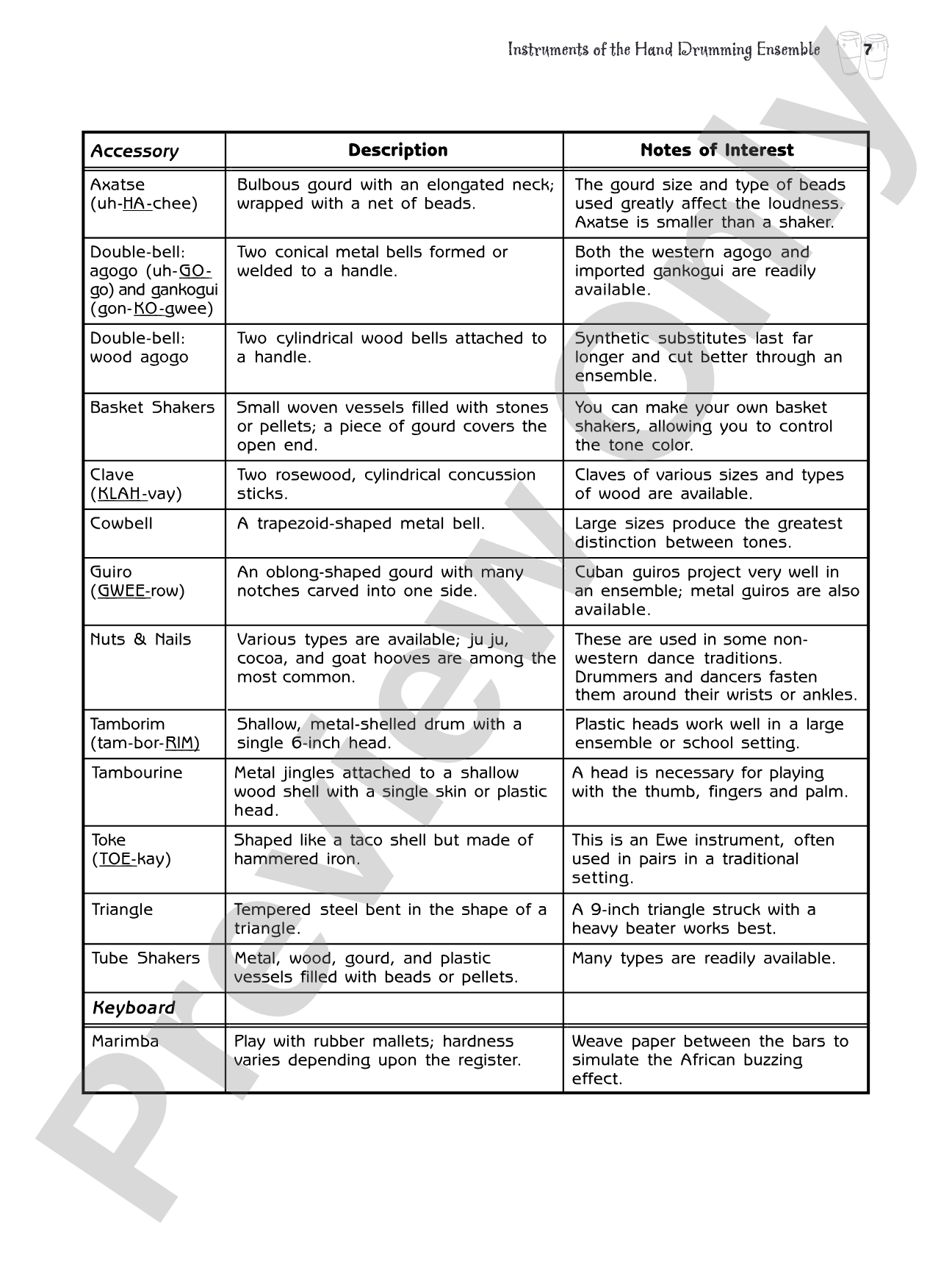
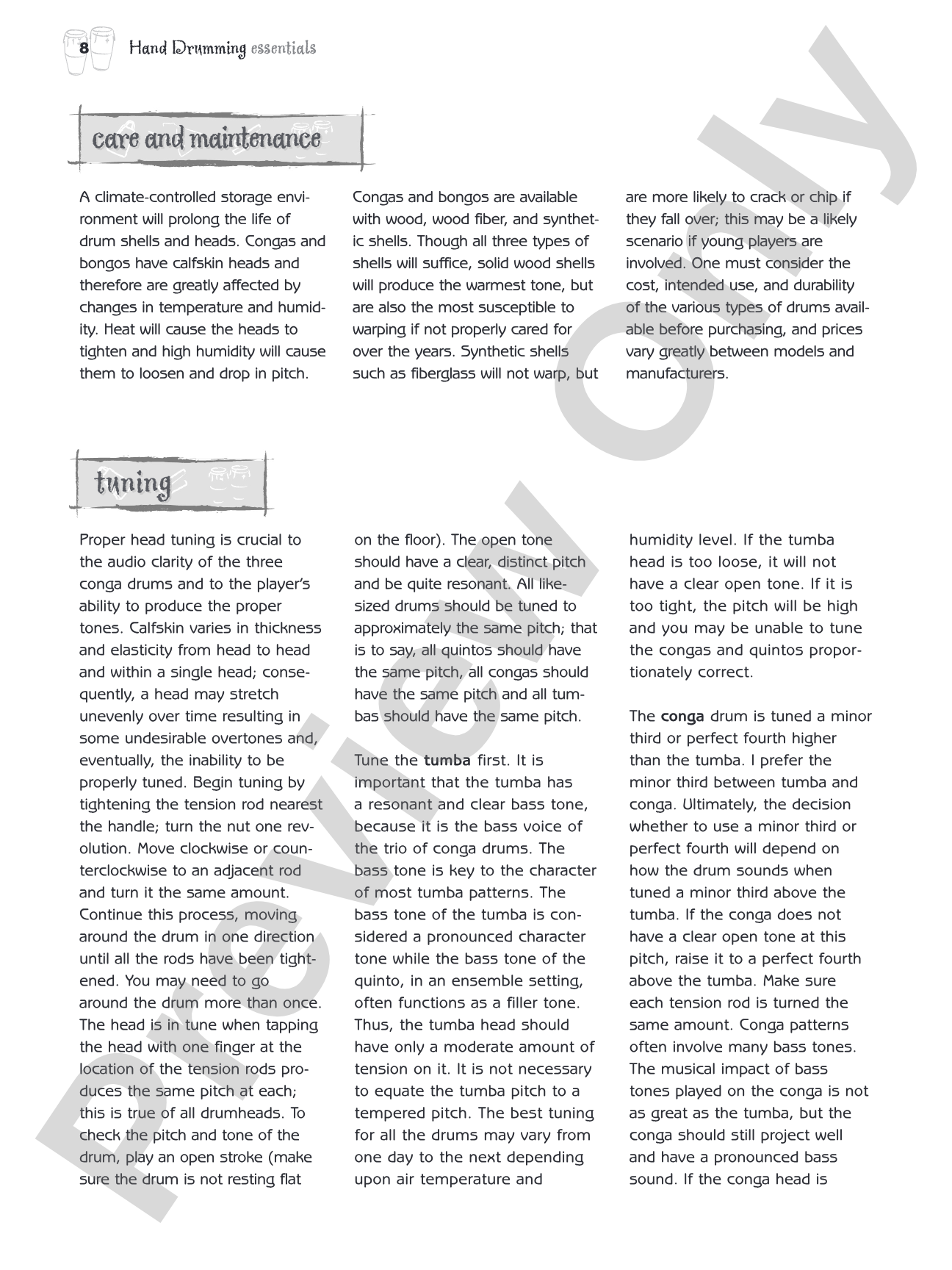
Hand Drumming Essentials is unlike any book you've seen! This innovative new approach provides all the information you need to begin and maintain your own hand drumming ensemble. The book includes an introduction to hand drumming; instruments of the hand drumming ensemble (including conga, bongos and timbales, and exotic world percussion instruments such as agogo, axatse, caxixi and toke); performance techniques; rehearsal techniques; the development of hand drumming technique; and compositions for performance.


Hand Drumming Essentials: The Instruments, Techniques, and Compositions for Ensemble Performance isn't in MakeMusic Cloud just yet...but it could be. Let us know you'd like to see it, and you'll help shape what comes next. In the meantime, start a free trial and dive into thousands of interactive titles your students can play along with today.
Request This Title
Tell us you want it.
Start Your Free Trial
Explore everything that's ready to play right now.
Sample Audio
No sample audio found.
Sample Video
No sample videos found.
Additional Details
Publisher:
Alfred Music
Page Count:
56
SKU:
00-PB-0002115
More about this title
About the Composer: C. A. Grosso

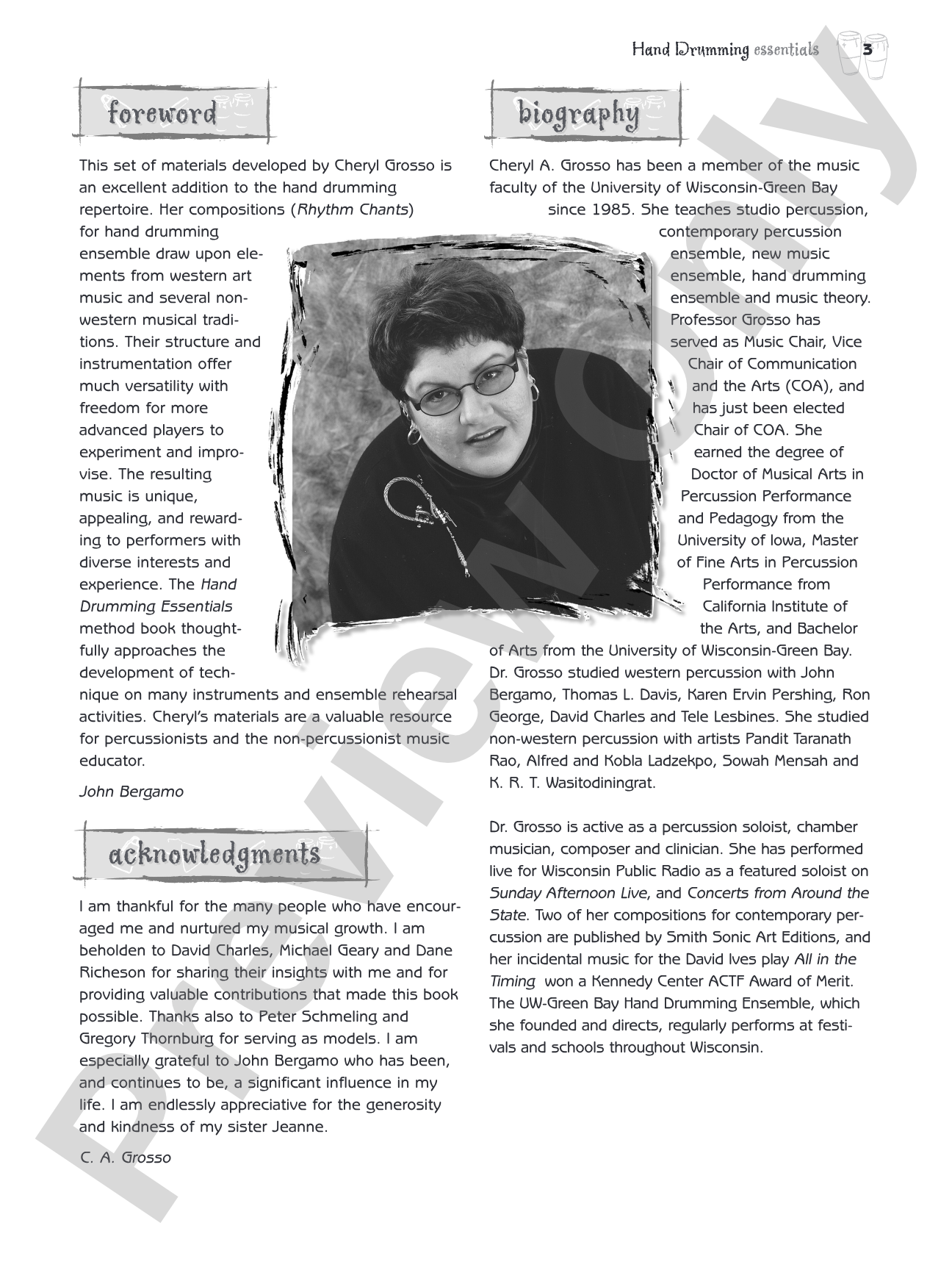
C. A. Grosso joined the University of Wisconsin-Green Bay music faculty in 1985, where she has spent decades building one of the most comprehensive hand drumming programs in higher education. Her training spans two continents and multiple traditions: she holds a Doctor of Musical Arts in Percussion Performance and Pedagogy from the University of Iowa and a Master of Fine Arts in Percussion Performance from the California Institute of the Arts, with classical study under John Bergamo, Thomas L. Davis, Karen Ervin Pershing, and Ron George.
What sets Grosso apart is her deep immersion in non-Western percussion traditions. She has studied extensively with master musicians including Pandit Taranath Rao, the Ladzekpo brothers (Alfred and Kobla), Sowah Mensah, and K. R. T. Wasitodiningrat. This fusion of rigorous Western training and authentic cross-cultural study informs every page of this book.
Why we love this
Grosso moves beyond introductory hand drum books by addressing the full lifecycle of an ensemble: instrument selection, technique development, group rehearsal strategies, and actual compositions to perform. The scope is ambitious yet practical, making this a genuine curriculum rather than just a collection of exercises.
What to expect
Hand drumming sits at the intersection of rhythmic precision and organic, conversational ensemble playing. The textures range from propulsive unison grooves to intricate layered patterns where each player maintains their integrity while contributing to a larger sonic fabric. There's an immediacy to hand drumming that feels both ancient and vital.
Who it's for
This resource serves percussion teachers launching hand drumming ensembles and world music programs at the secondary and college levels. It's equally valuable for directors looking to expand beyond pitched percussion and students who want to develop serious technique on non-pitched instruments.
How to get the most out of it
- Build ensemble cohesion through unison ostinatos before moving into layered parts. Start with conga or bongos as your anchor voice so students can lock onto a shared pulse.
- Record rehearsals and have students listen back to hear rhythmic clarity and balance. This develops self-awareness about their individual contribution to the ensemble texture.
- Establish clear hand signals for starts, stops, and transitions between sections. Hand drumming ensembles rely on visual communication just as much as aural feedback.
- Rotate players through different instrumental roles during rehearsals. This builds flexibility and helps less experienced students understand how their part fits within the larger sound.
How to use it
Integrate this as a foundational text when building a hand drumming unit into your percussion curriculum or starting a world music ensemble. The compositions provide performance material for concerts, festivals, or community outreach events where hand drumming draws audiences in. Use the technique sections as supplemental study for percussionists who need to develop facility beyond mallets and sticks.
Skills your students will build
- Grip and stroke technique on conga, bongos, and timbales
- Hand position and control for muted, open, and ghost tones
- Reading and performing non-Western rhythmic notation and call-and-response patterns
- Listening and responding to rhythmic layers in ensemble settings
- Cultural awareness of West African, Latin American, and Southeast Asian percussion traditions
- Ensemble communication and ensemble balance without a conductor