

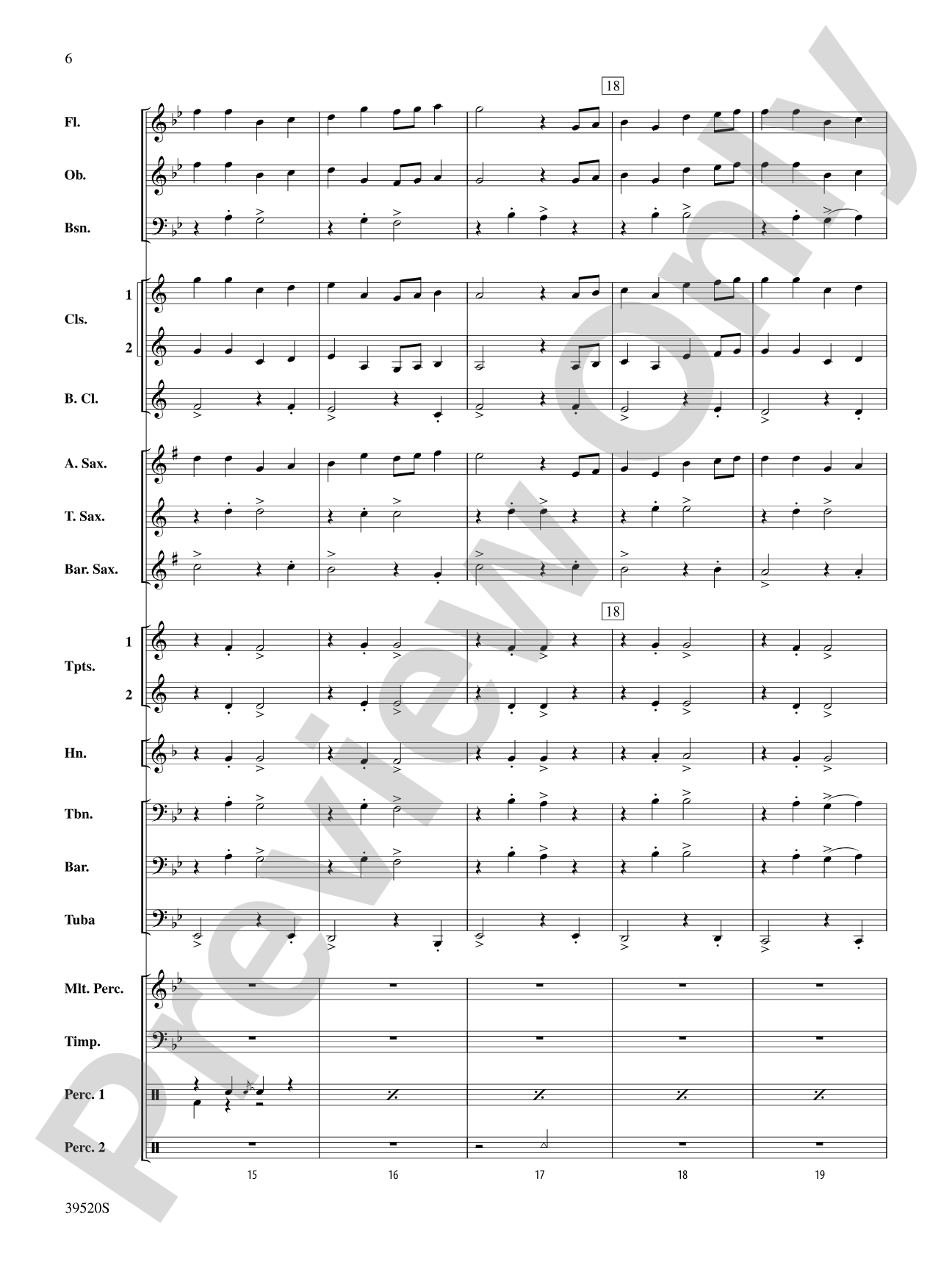
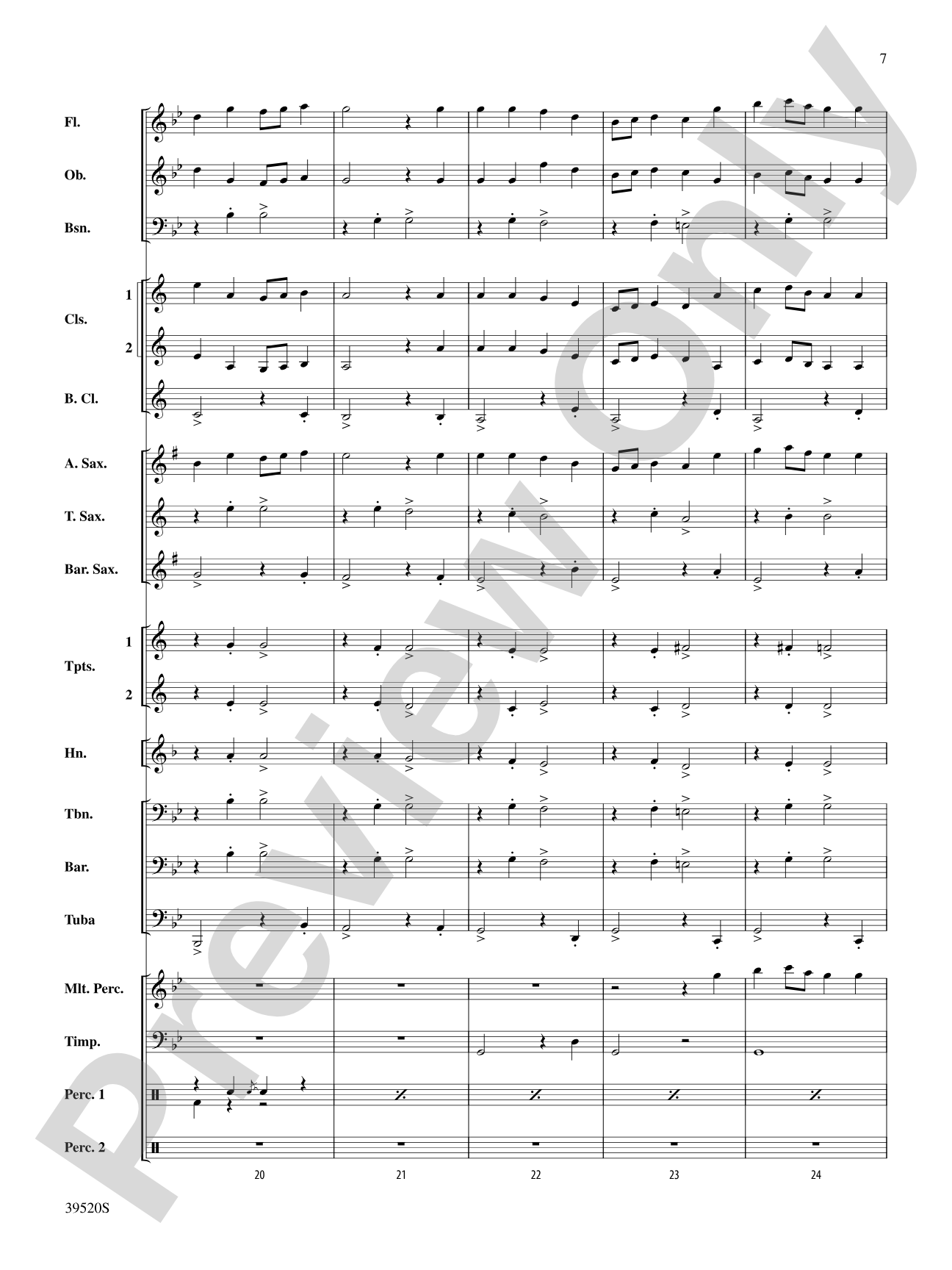
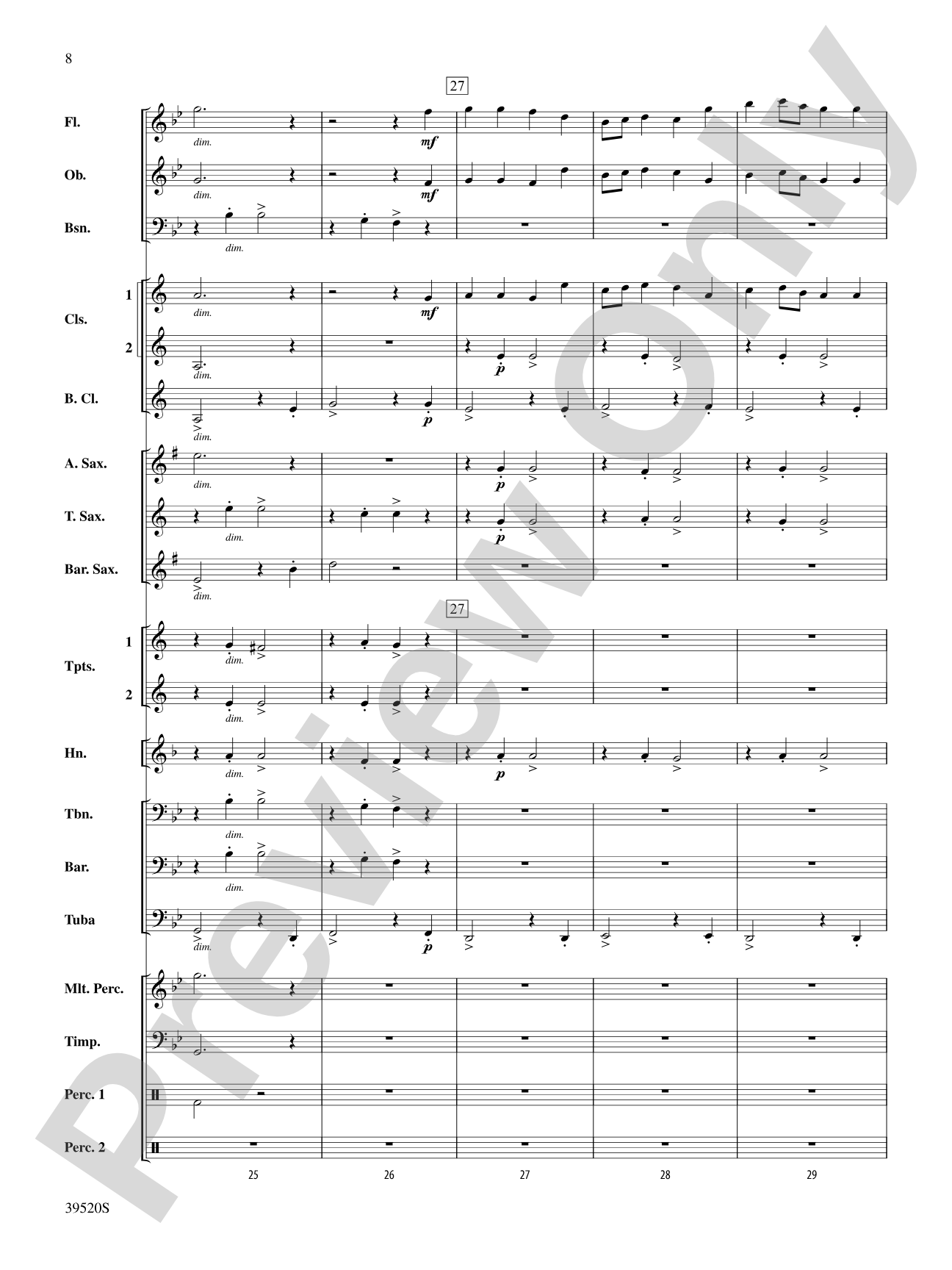
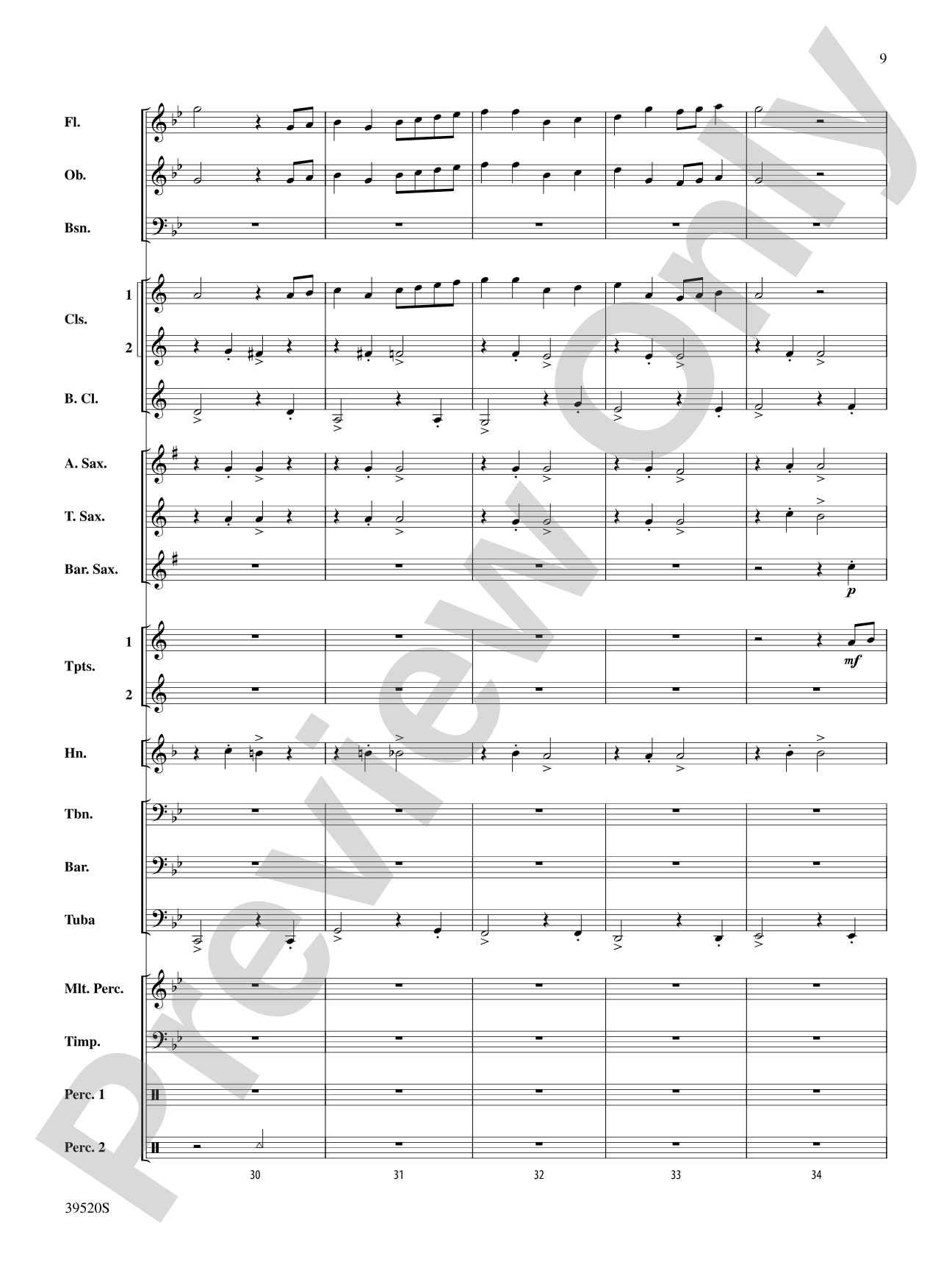
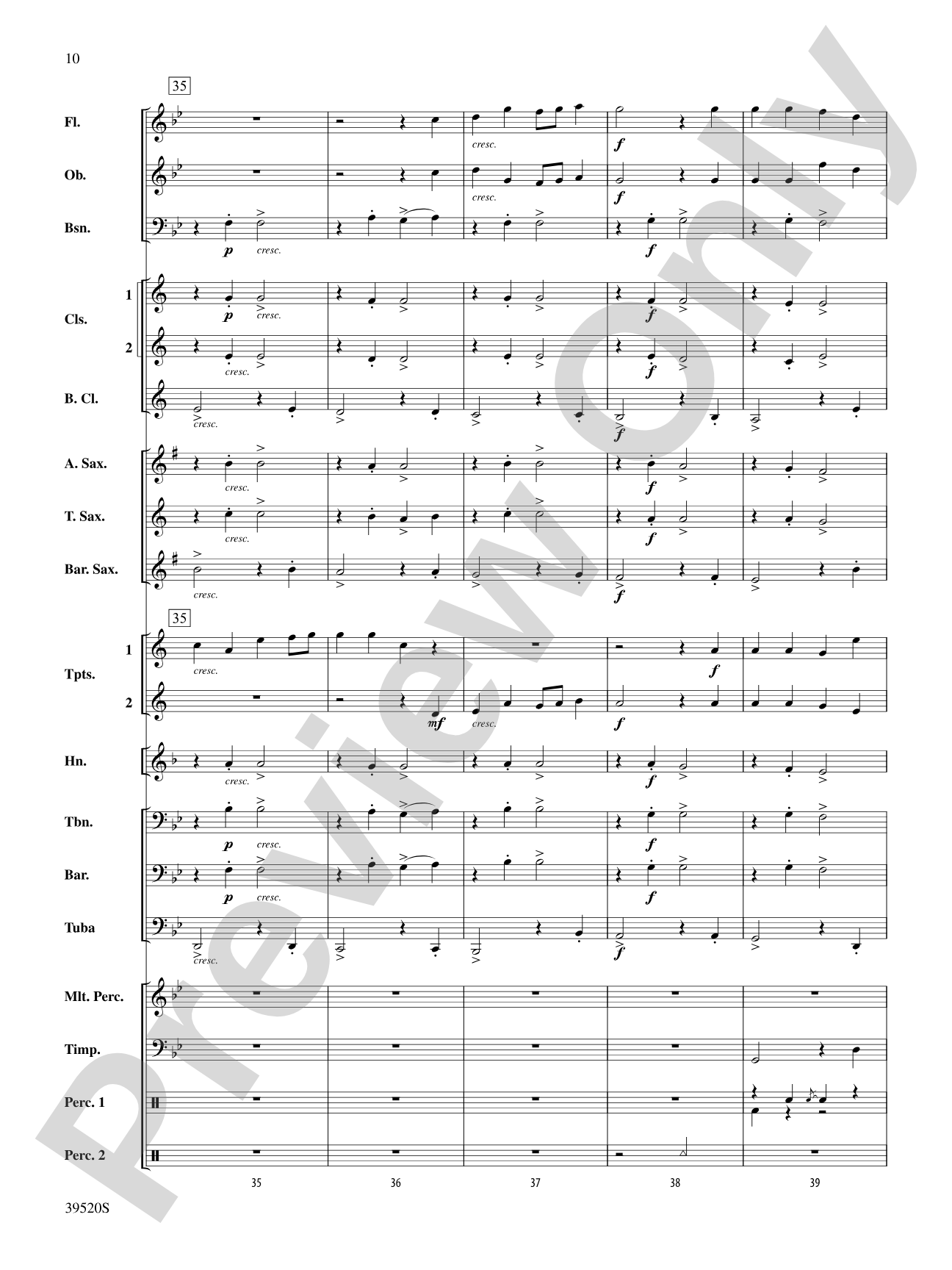
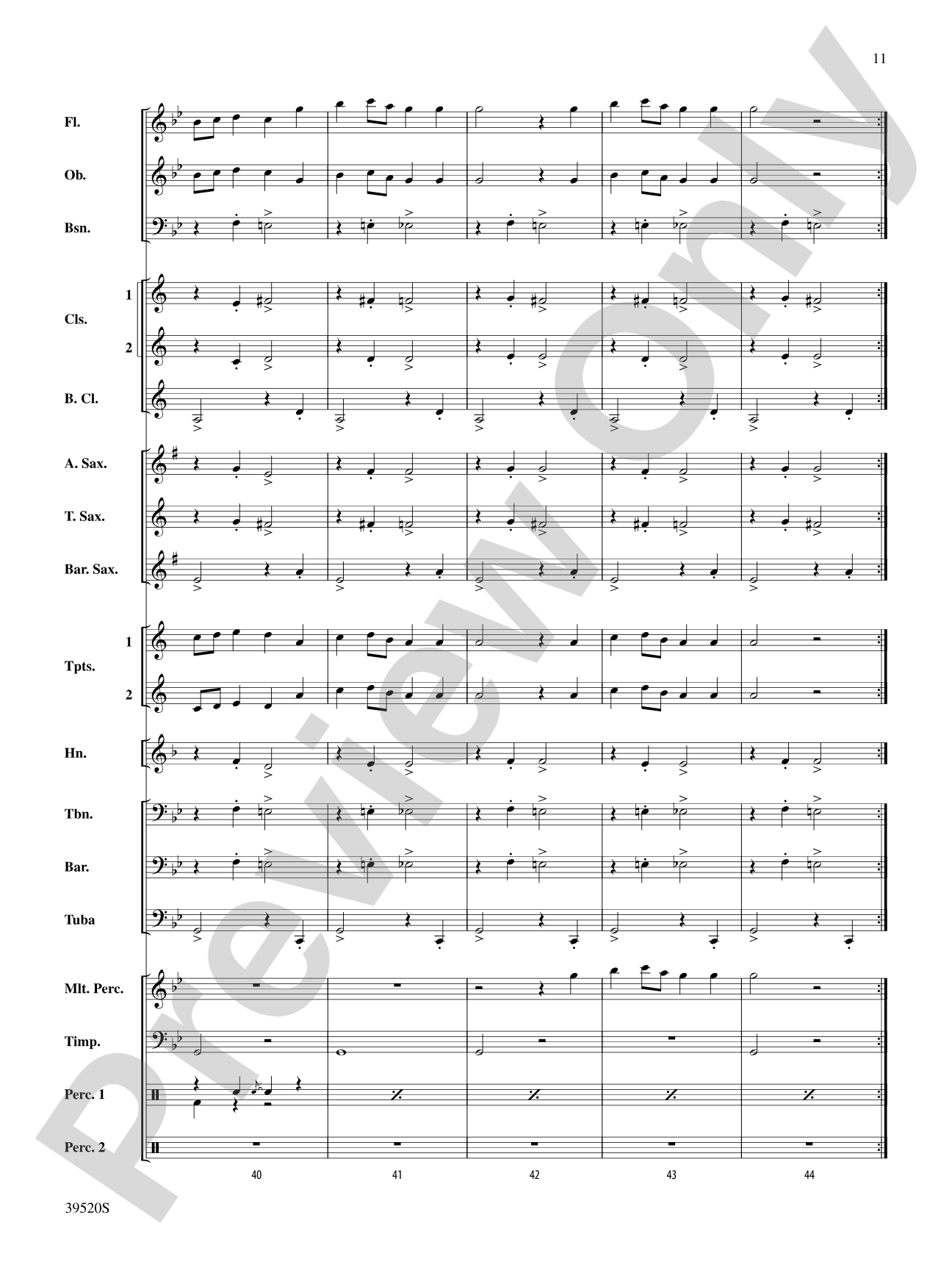
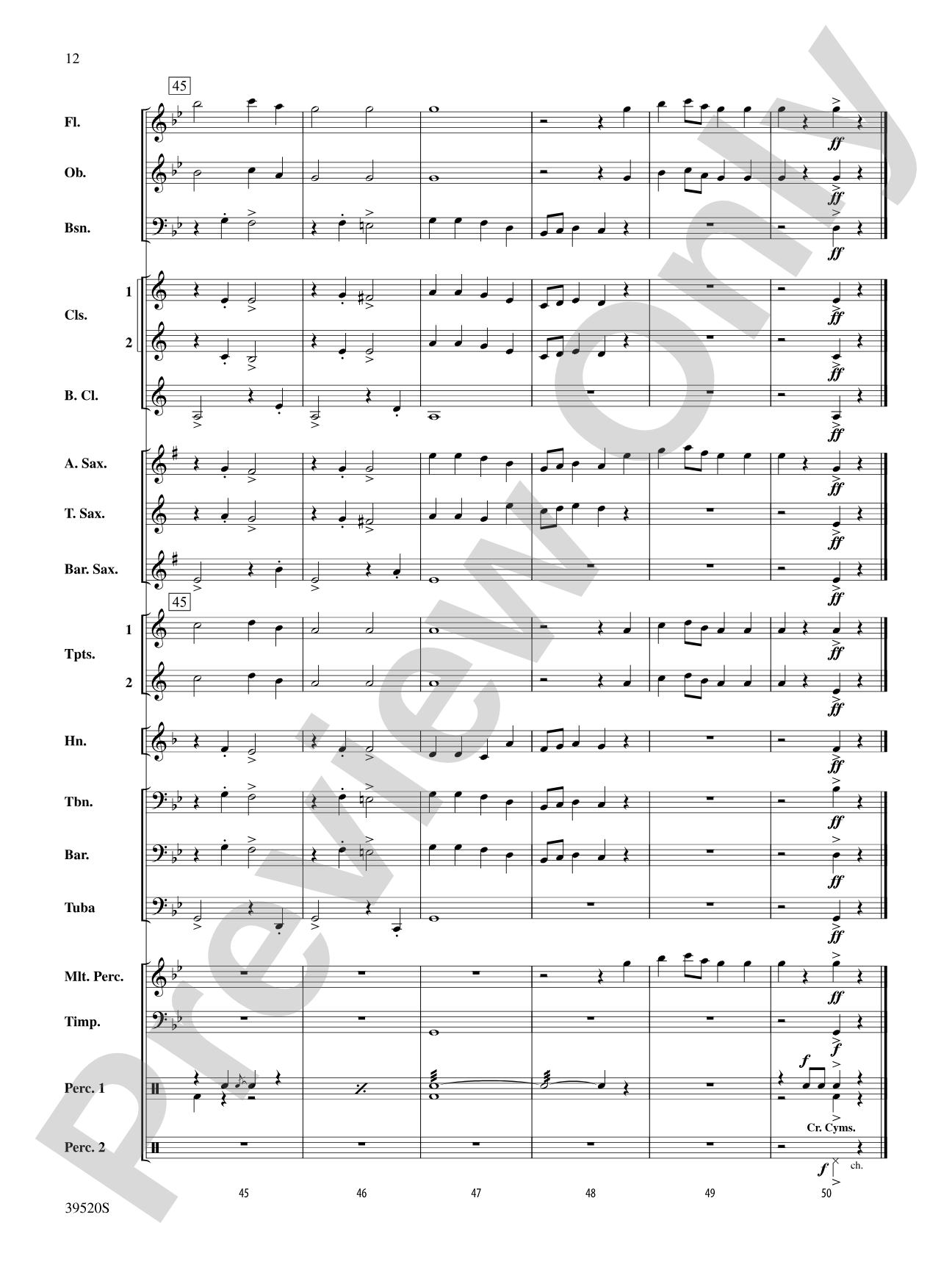

Hampshire March: Concert Band Conductor Score & Parts
By Gustav Holst / arr. Douglas E. Wagner
Grade: 2 (Easy)
Item: 00-PK-0005583

$57.00
Pickup currently not available
Buy Extra Parts (Digital PDF Download)
| Product | Price | Quantity |
|---|---|---|
| Hampshire March: Score | $10.00 | |
| Hampshire March: Flute | $3.00 | |
| Hampshire March: Oboe | $3.00 | |
| Hampshire March: Bassoon | $3.00 | |
| Hampshire March: 1st B-flat Clarinet | $3.00 | |
| Hampshire March: 2nd B-flat Clarinet | $3.00 | |
| Hampshire March: B-flat Bass Clarinet | $3.00 | |
| Hampshire March: E-flat Alto Saxophone | $3.00 | |
| Hampshire March: B-flat Tenor Saxophone | $3.00 | |
| Hampshire March: E-flat Baritone Saxophone | $3.00 | |
| Hampshire March: 1st B-flat Trumpet | $3.00 | |
| Hampshire March: 2nd B-flat Trumpet | $3.00 | |
| Hampshire March: 1st F Horn | $3.00 | |
| Hampshire March: 1st Trombone | $3.00 | |
| Hampshire March: Baritone T.C. | $3.00 | |
| Hampshire March: Baritone B.C. | $3.00 | |
| Hampshire March: Tuba | $3.00 | |
| Hampshire March: Mallets | $3.00 | |
| Hampshire March: 1st Percussion | $3.00 | |
| Hampshire March: 2nd Percussion | $3.00 | |
| Hampshire March: Timpani | $3.00 |
Parts Added to Cart!
Description
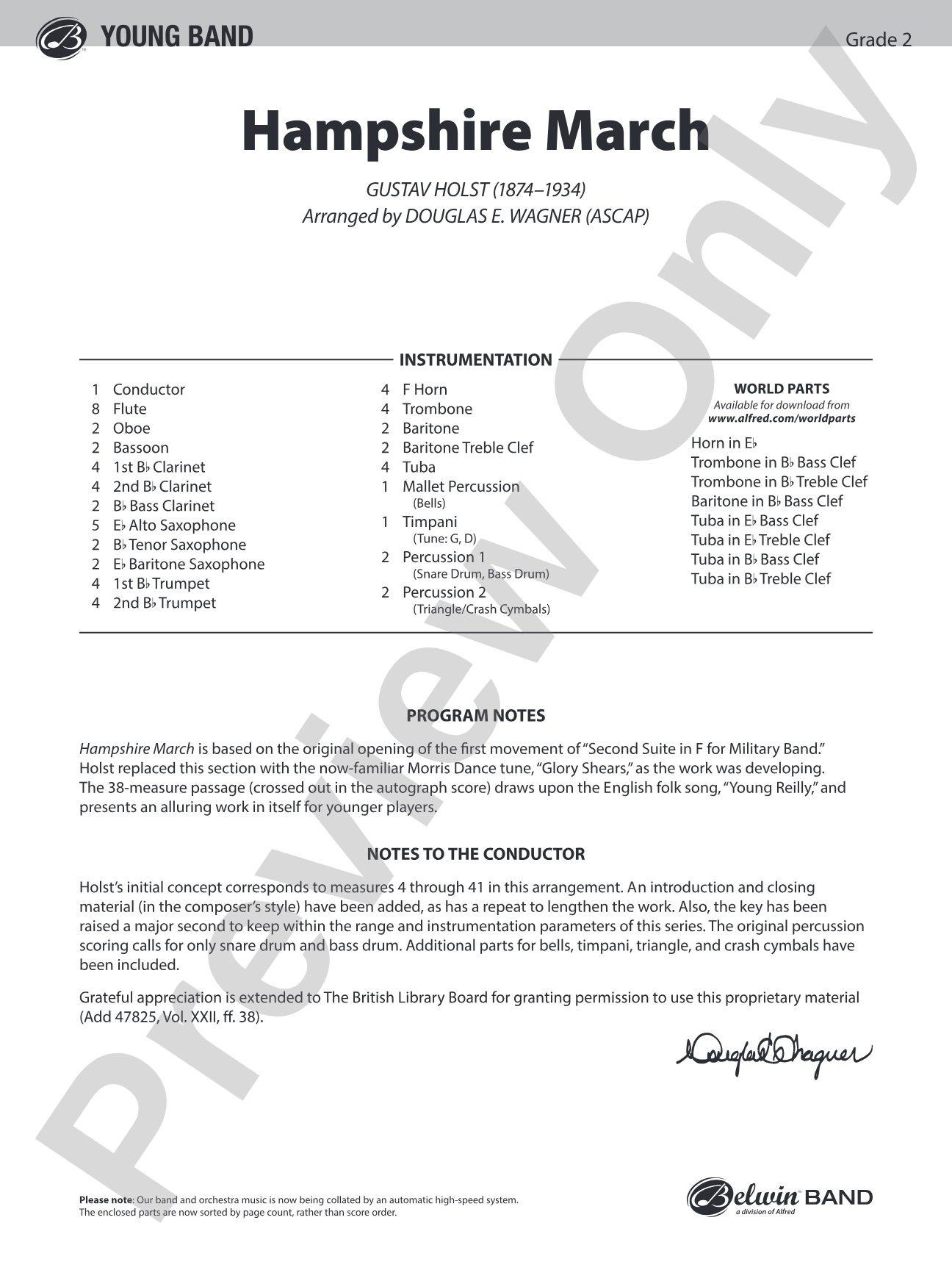
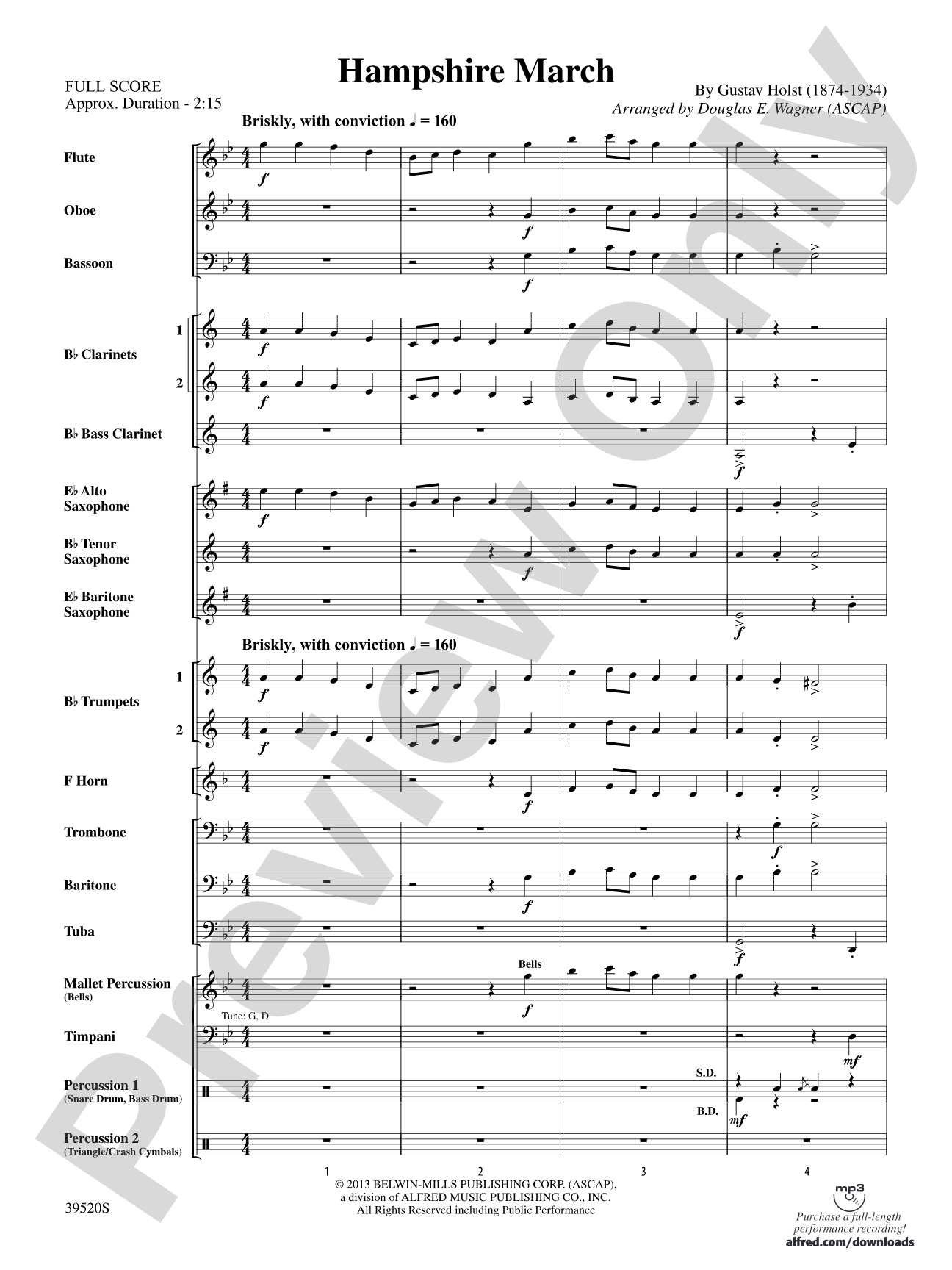
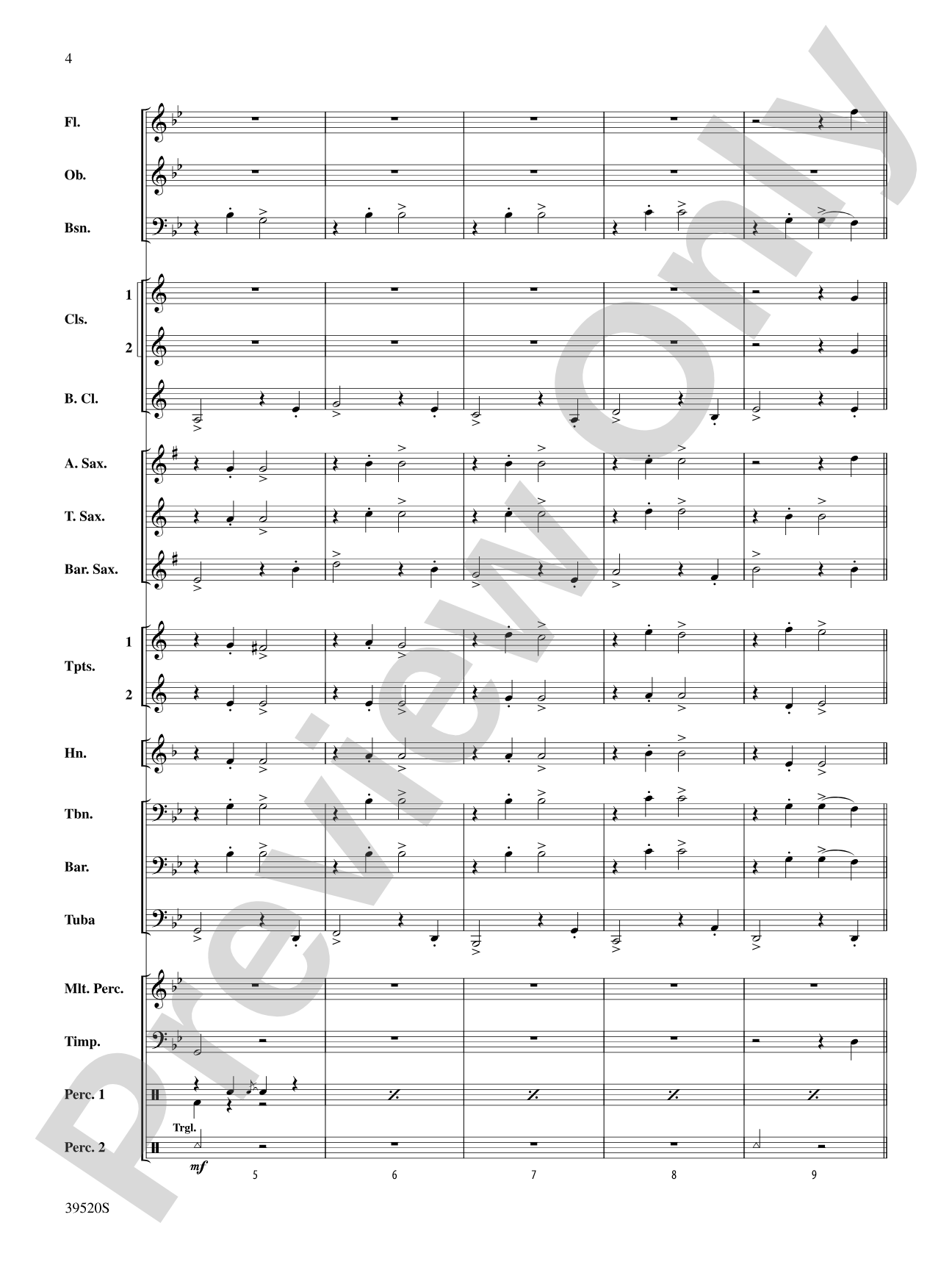
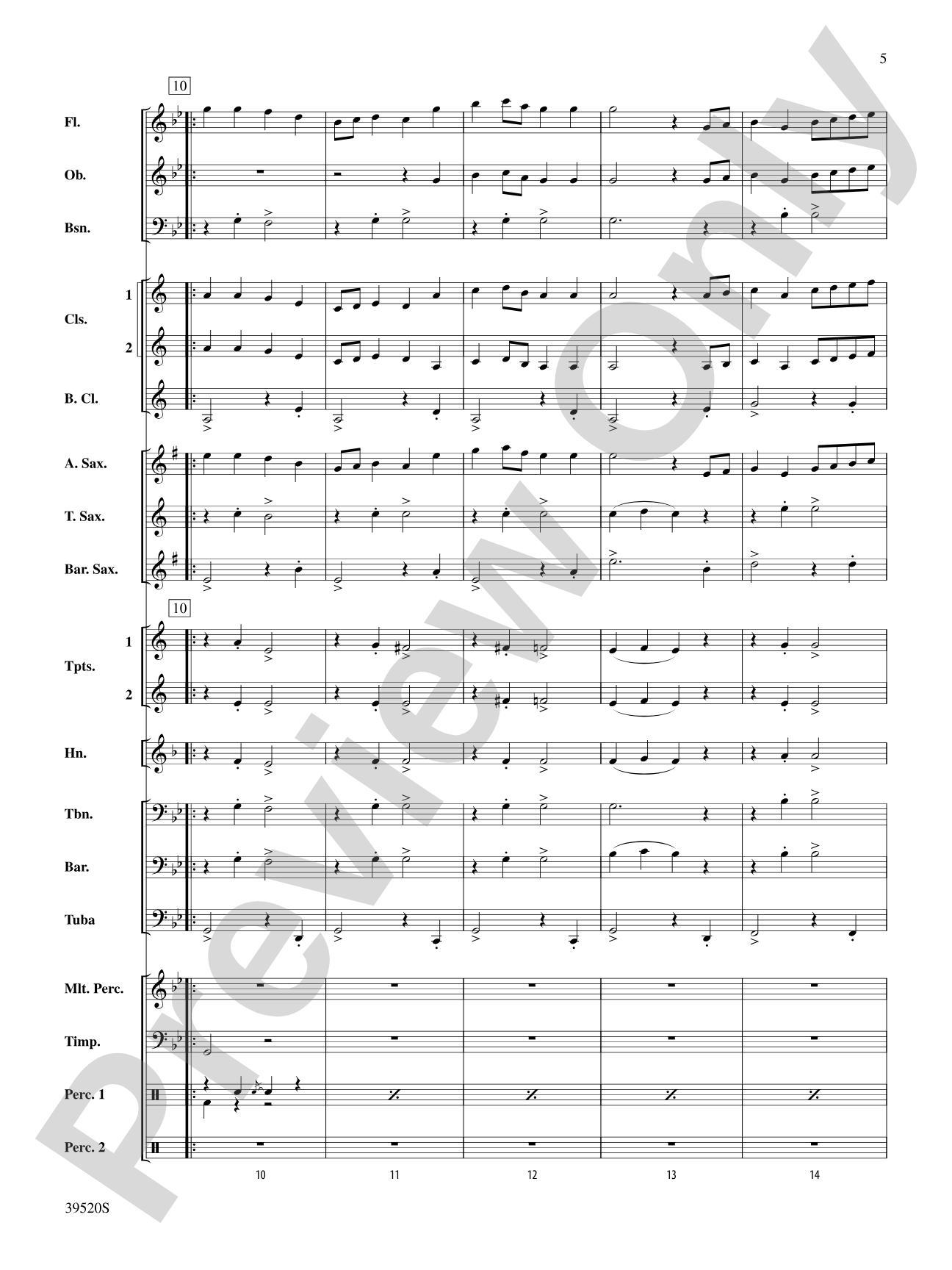
Based on the original opening of the original introduction for Second Suite in F for Military Band, Holst replaced this section with the now-familiar morris dance tune, "Glory Shears." The 38-measure passage (crossed out in the autograph score) draws upon the English folk song, "Young Reilly," and presents an alluring work in itself for younger players. Serious band literature for your developing band! (2:15)
This title is available in MakeMusic Cloud.


This title is available in MakeMusic Cloud.
Don't just read it, hear it, play along with it, and watch your students grow with it. In MakeMusic Cloud, Hampshire March: Concert Band Conductor Score & Parts comes alive with professional accompaniment, adjustable tempo, and built-in practice tools that turn solo practice into real progress.
Open in the Player
Jump straight in and assign it today.
Start Your Free Trial
Open this title and explore the full library in minutes.
Sample Audio
1
Audio File
--:--
0:00
0:00
Sample Video
No sample videos found.
Additional Details
Series:
Belwin Young Band
Publisher:
Alfred Music
Page Count:
122
SKU:
00-PK-0005583
More about this title
About the Composer: Gustav Holst
Gustav Holst (1874, 1934) shaped modern British wind band music through his compositional innovations and deep commitment to music education. His Second Suite in F for Military Band remains a cornerstone of the genre, and his willingness to revise and reimagine his own work, as evidenced by this discarded opening, demonstrates his evolving artistic vision and attention to structural clarity.
Why we love this
This arrangement resurrects a genuine piece of Holst history, allowing developing bands to play a work with real compositional substance grounded in English folk tradition. The 38-measure passage flows naturally from Holst's pen and offers the kind of memorable melodic writing that engages young players while maintaining artistic integrity. Programming an original Holst work, even one initially discarded, carries weight that standard grade 2 fare cannot match.
What to expect
Warmly nostalgic, rooted in English soil. The melody unfolds with the quality of a tune you almost remember, drawing on "Young Reilly" to create an intimate, conversational atmosphere. This is Holst in a lighter mode, but never lightweight.
Who it's for
Developing concert bands seeking repertoire with genuine musical substance and historical intrigue. This work suits groups at the Grade 2 level who are ready to engage with a real composer's voice and folk-inspired material that rewards focused rehearsal.
How to get the most out of it
- Shape the English folk melody clearly; the tune carries the work, so emphasize lyrical phrasing over mechanical note-reading. Allow slight flexibility in tempo to let the melody breathe, especially in the outer sections.
- Balance the ensemble so clarinet and cornet lines remain visible when they carry the primary theme. In a developing band, this often means holding back the lower brass to let the upper voices project naturally.
- Attend to the harmonic rhythm beneath the folk tune. Even at grade 2, Holst's accompaniment figures deserve care; weak harmonic support undermines the melody's impact.
How to use it
Program this as a concert opener or a substantial early-season piece that establishes your band's musical intent. It pairs well with other Holst or English folk-inspired works, or stands effectively alongside contemporary composers who draw from traditional sources. The modest length and accessible difficulty make it ideal for festivals seeking artistically serious young band performances.
Skills your students will build
- Phrasing and shaping a folk melody across multiple phrases
- Balancing ensemble layers to support a primary melodic line
- Reading and executing harmonic accompaniment figures with rhythmic precision
- Understanding the relationship between folk source material and composed arrangement
- Playing with stylistic awareness of early 20th-century English band literature