
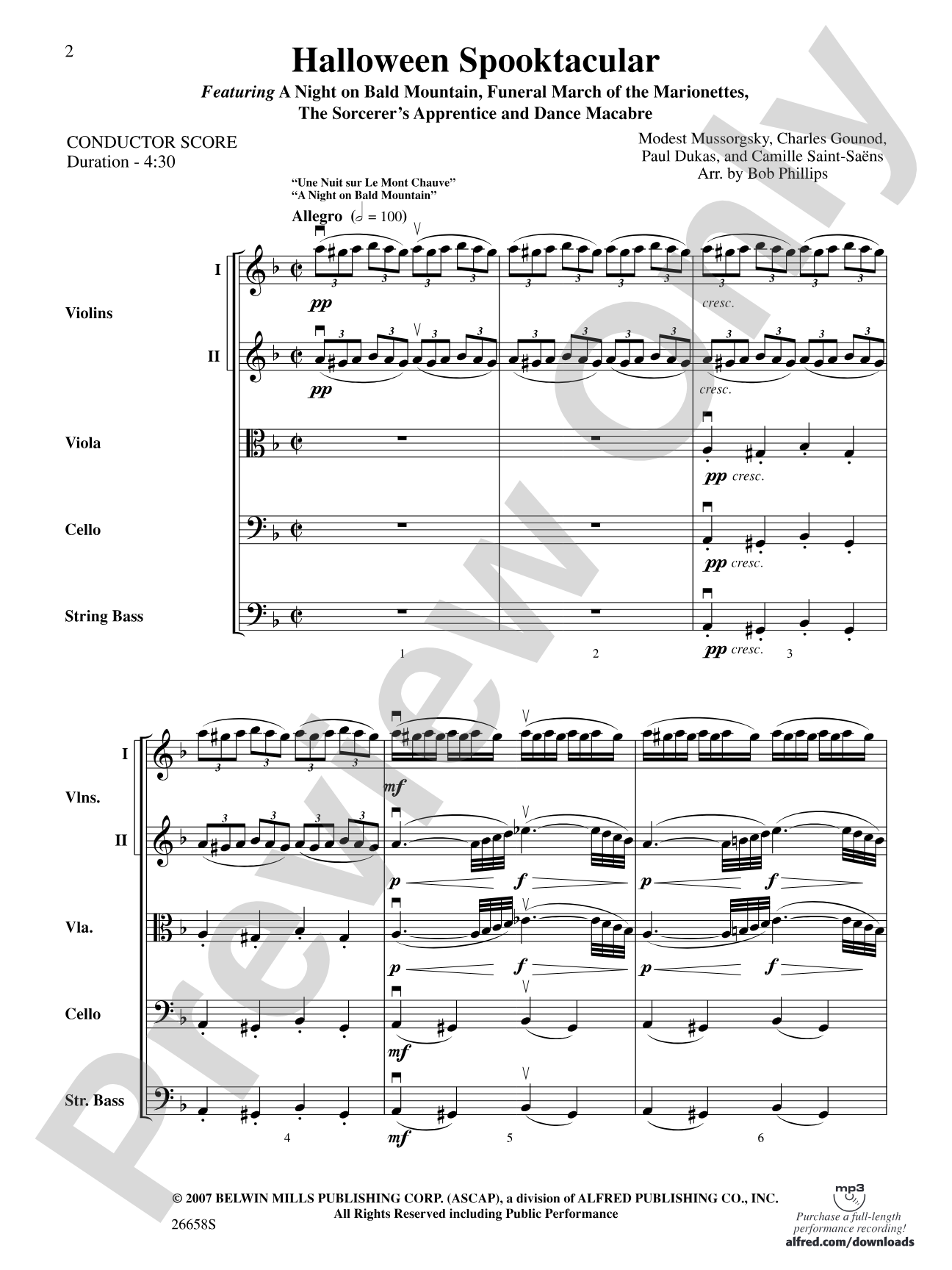
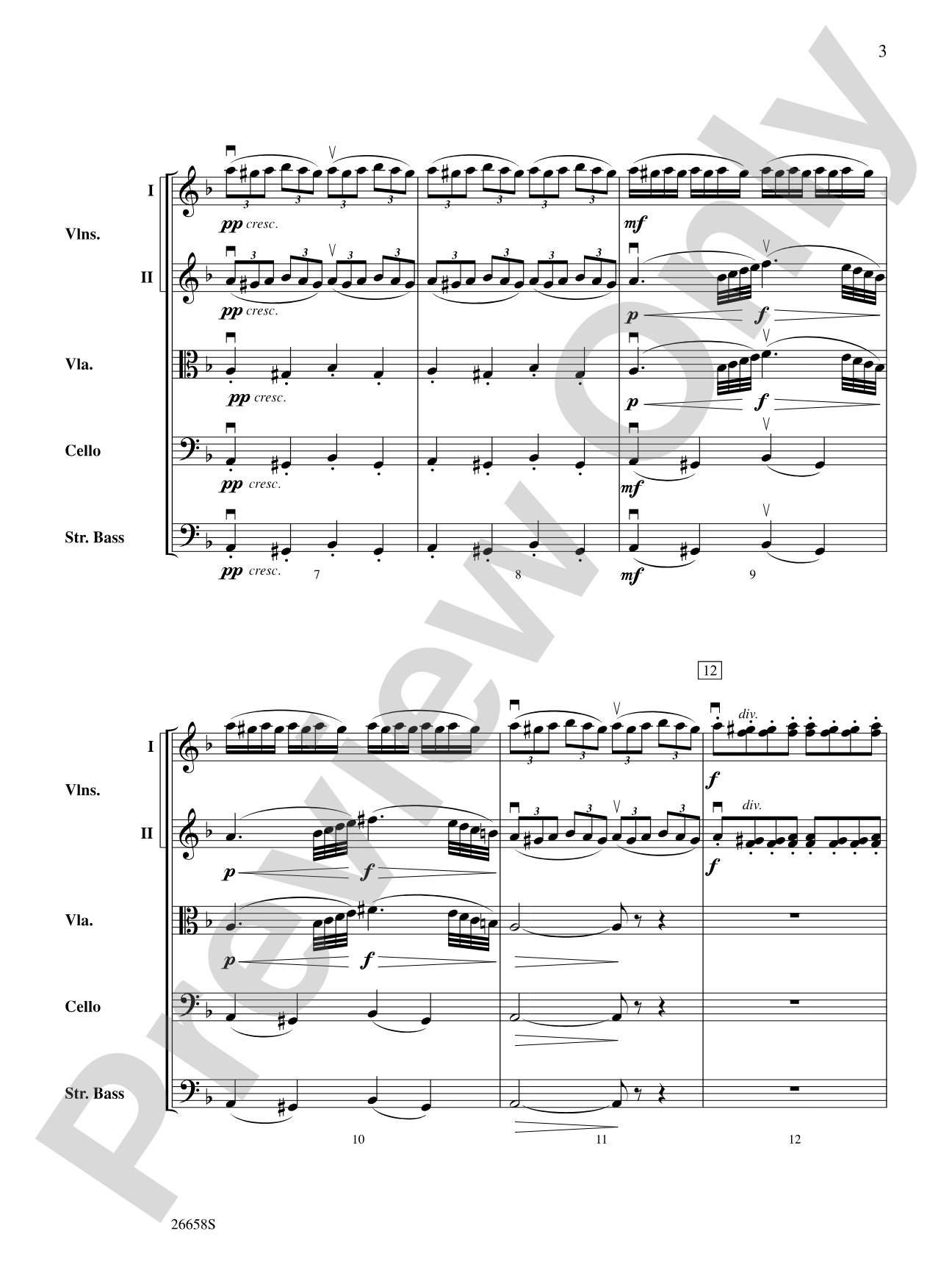
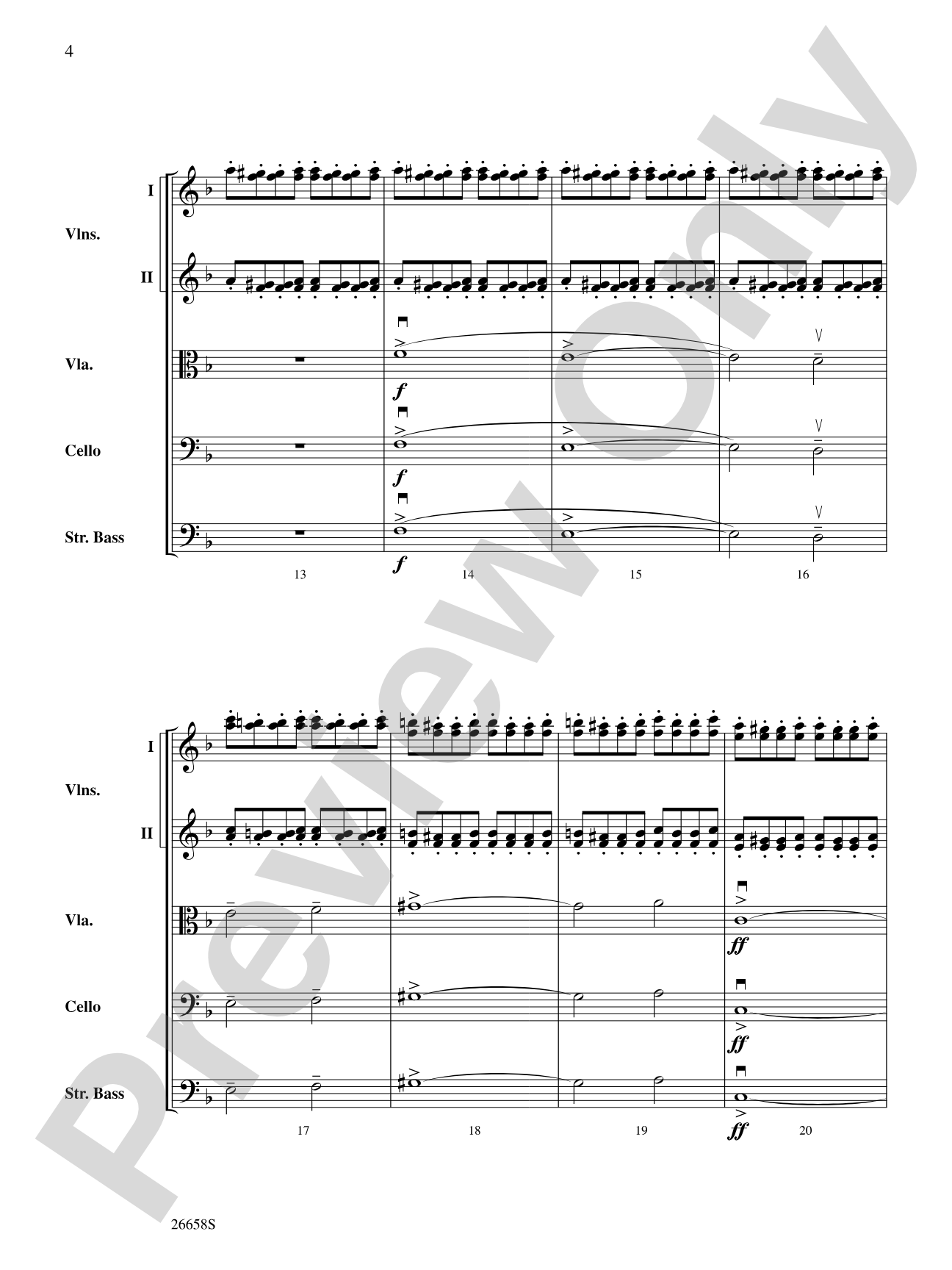
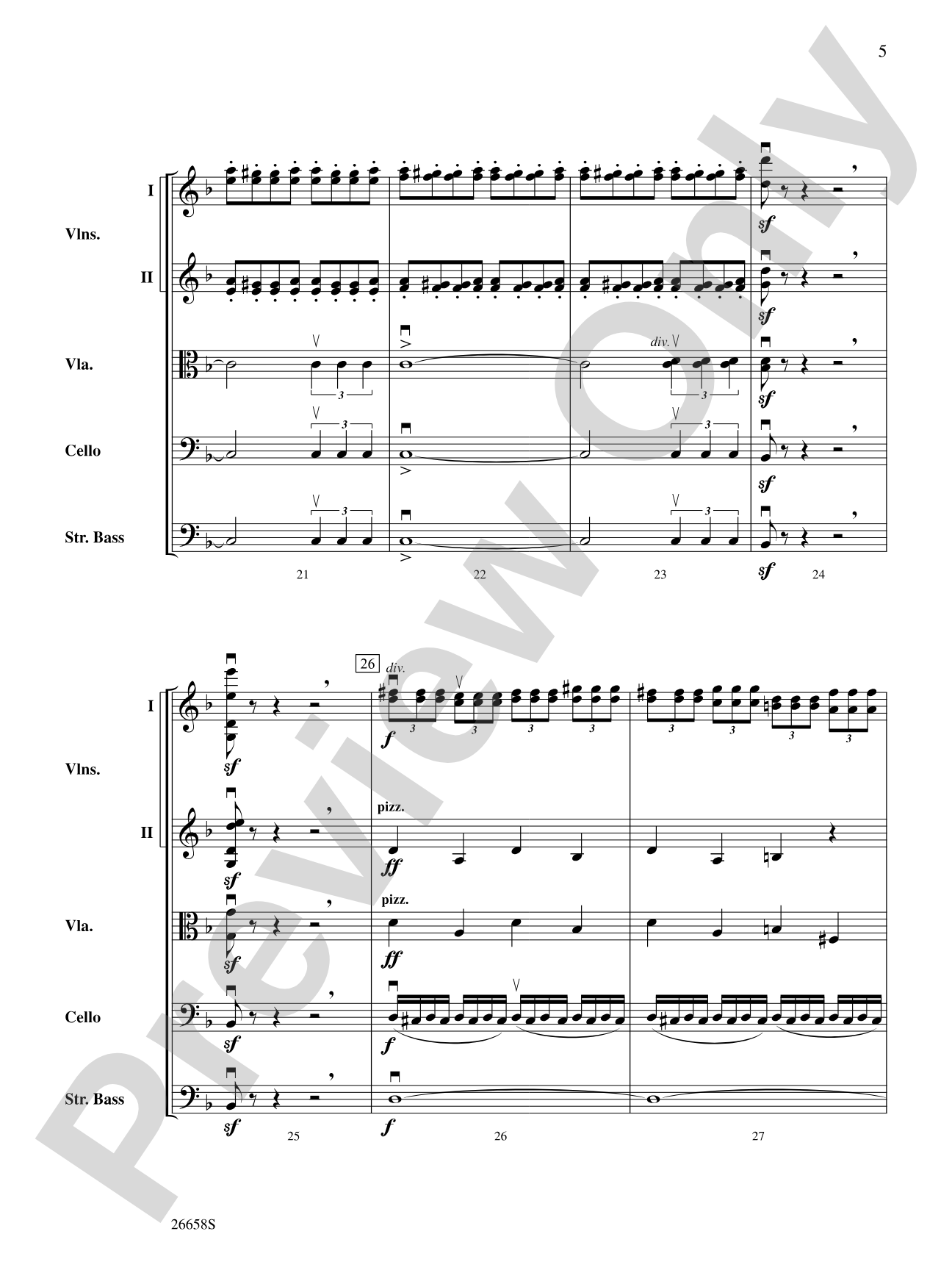
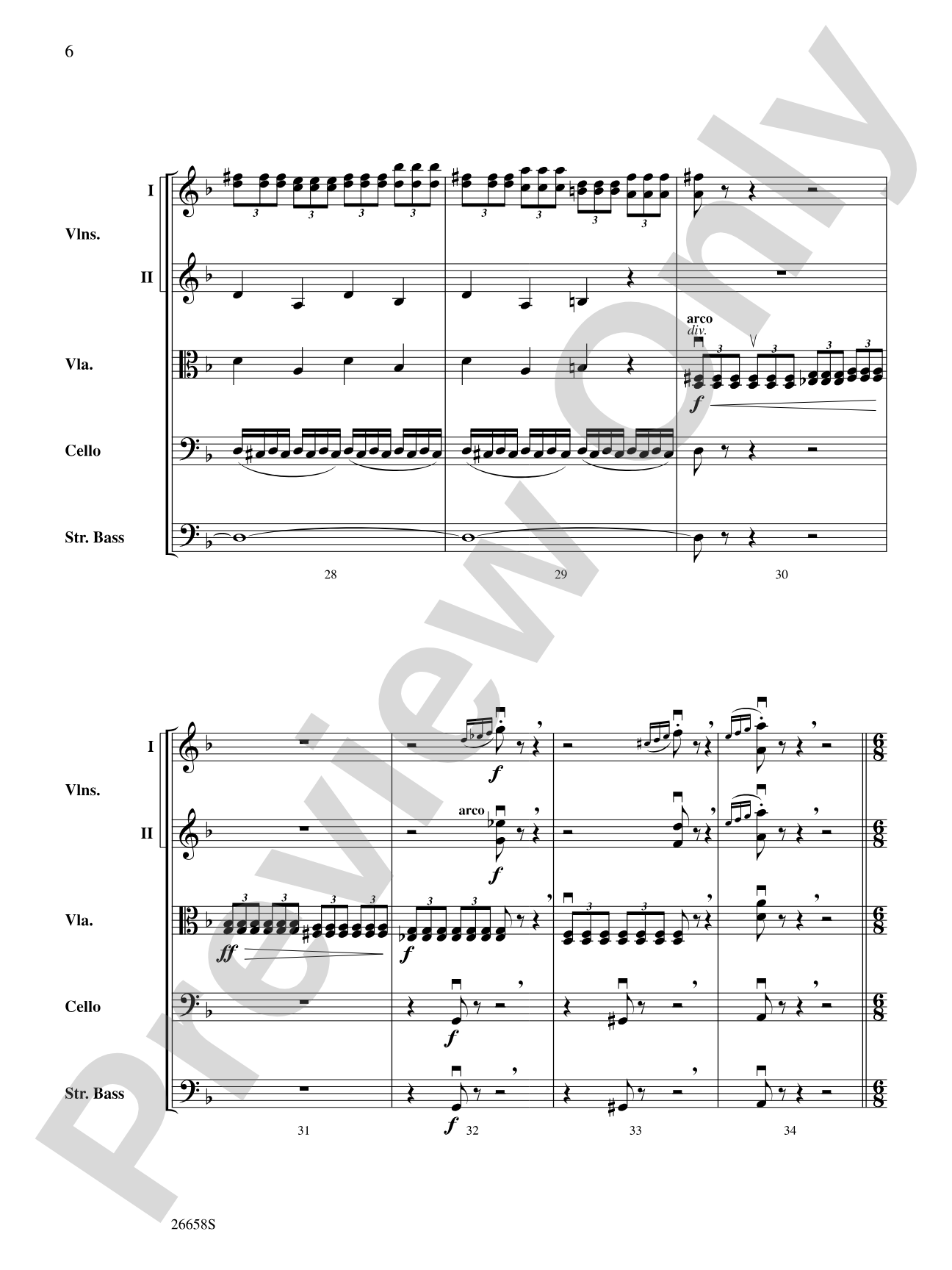
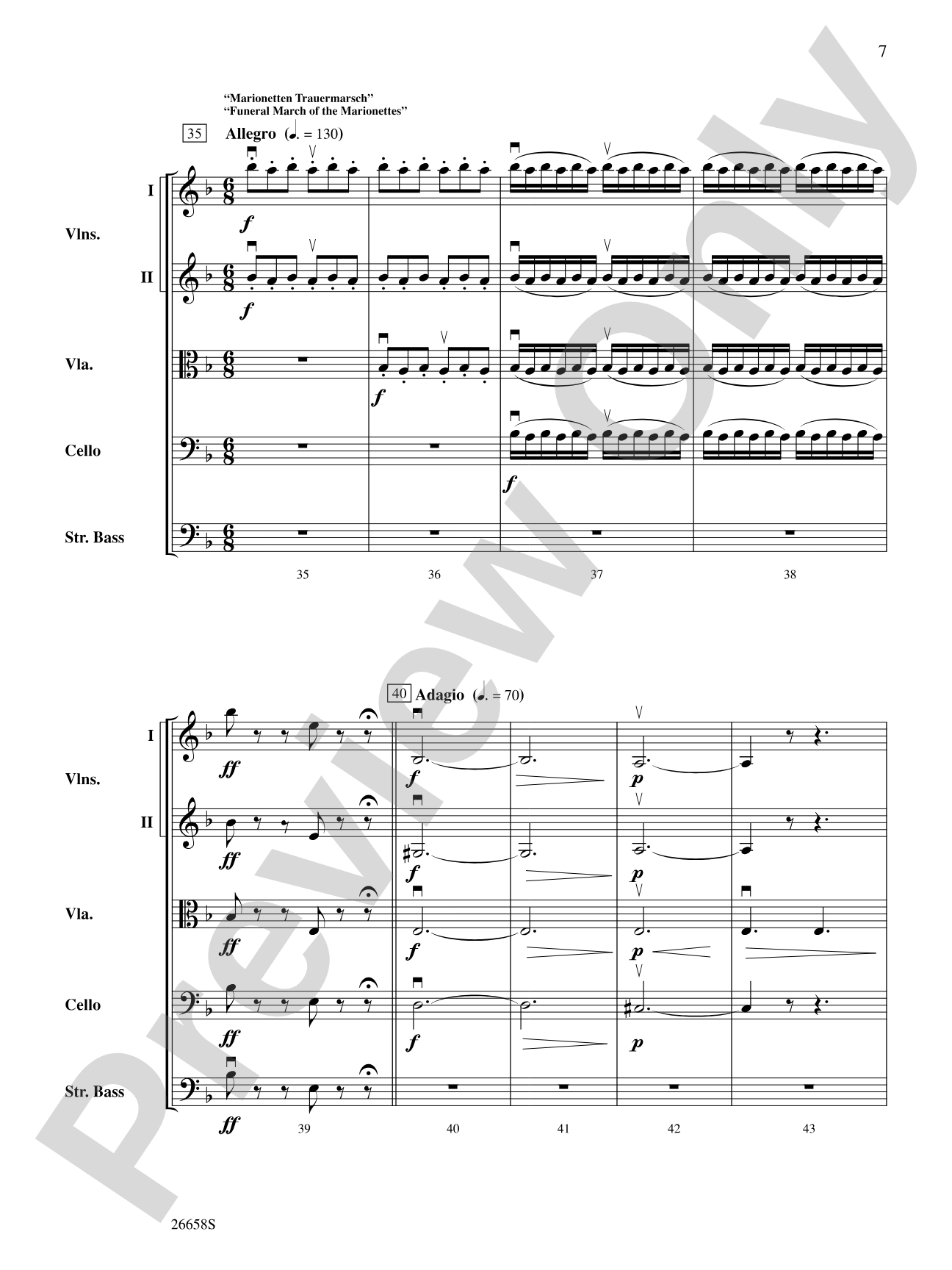
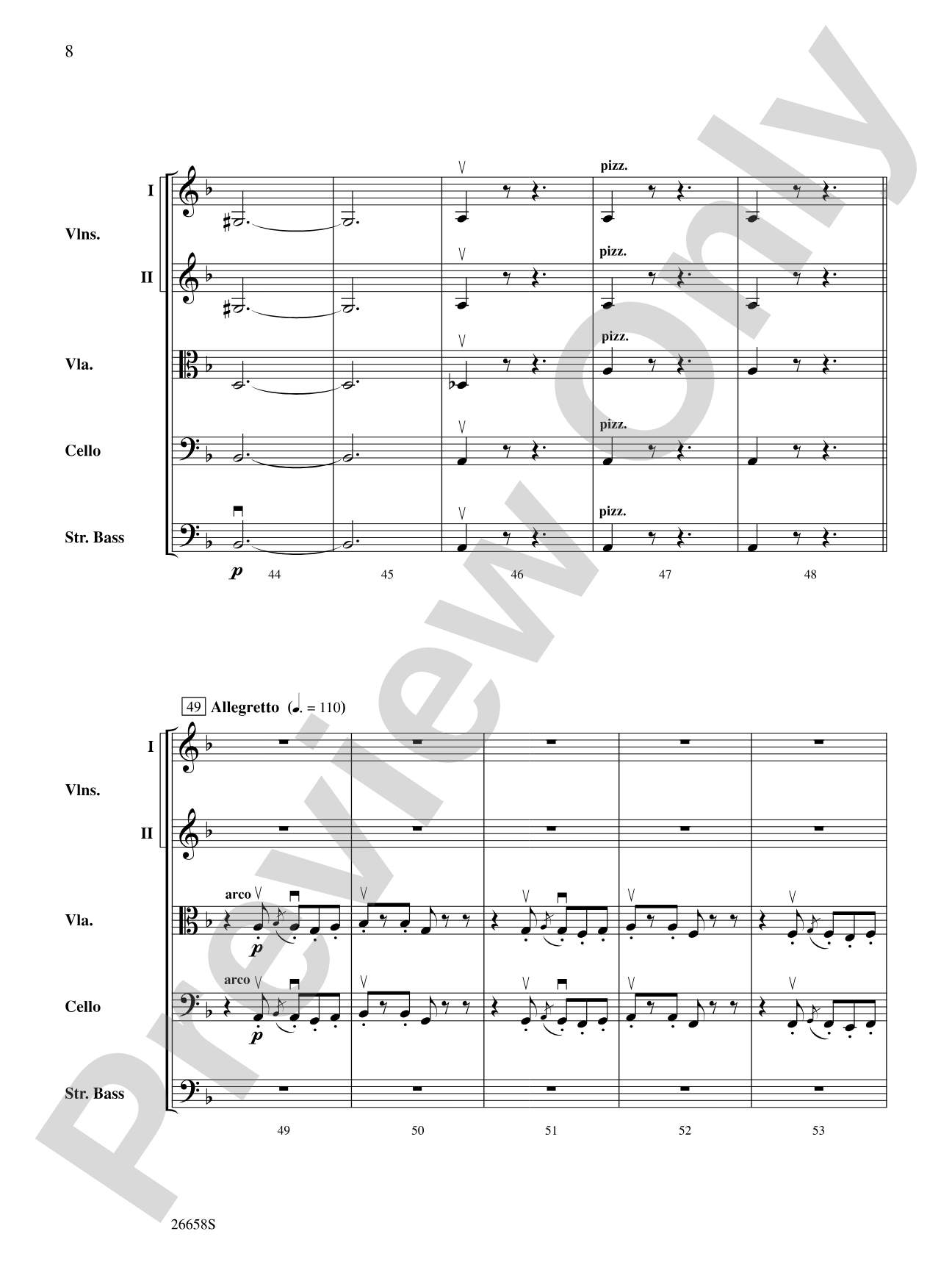
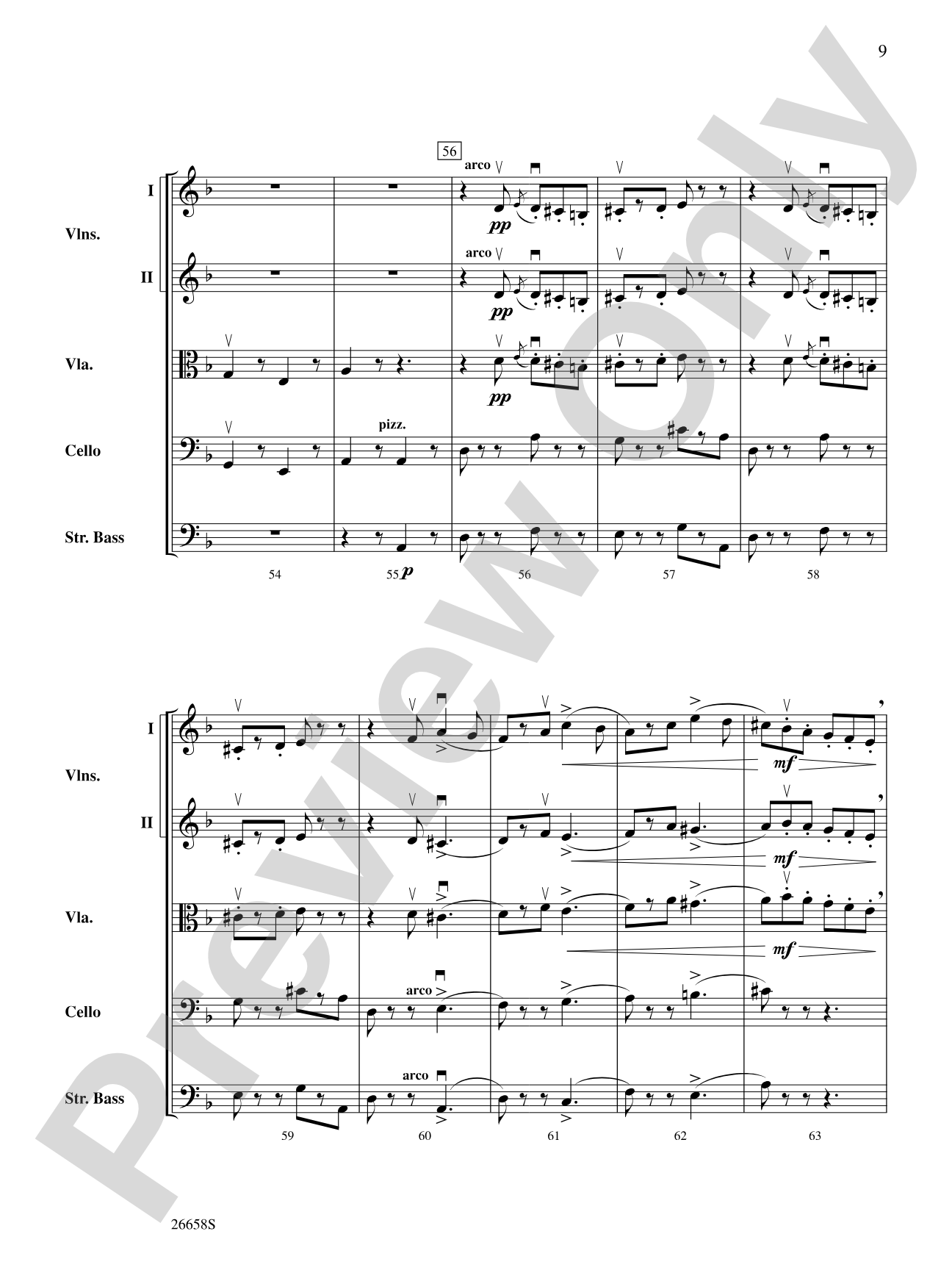
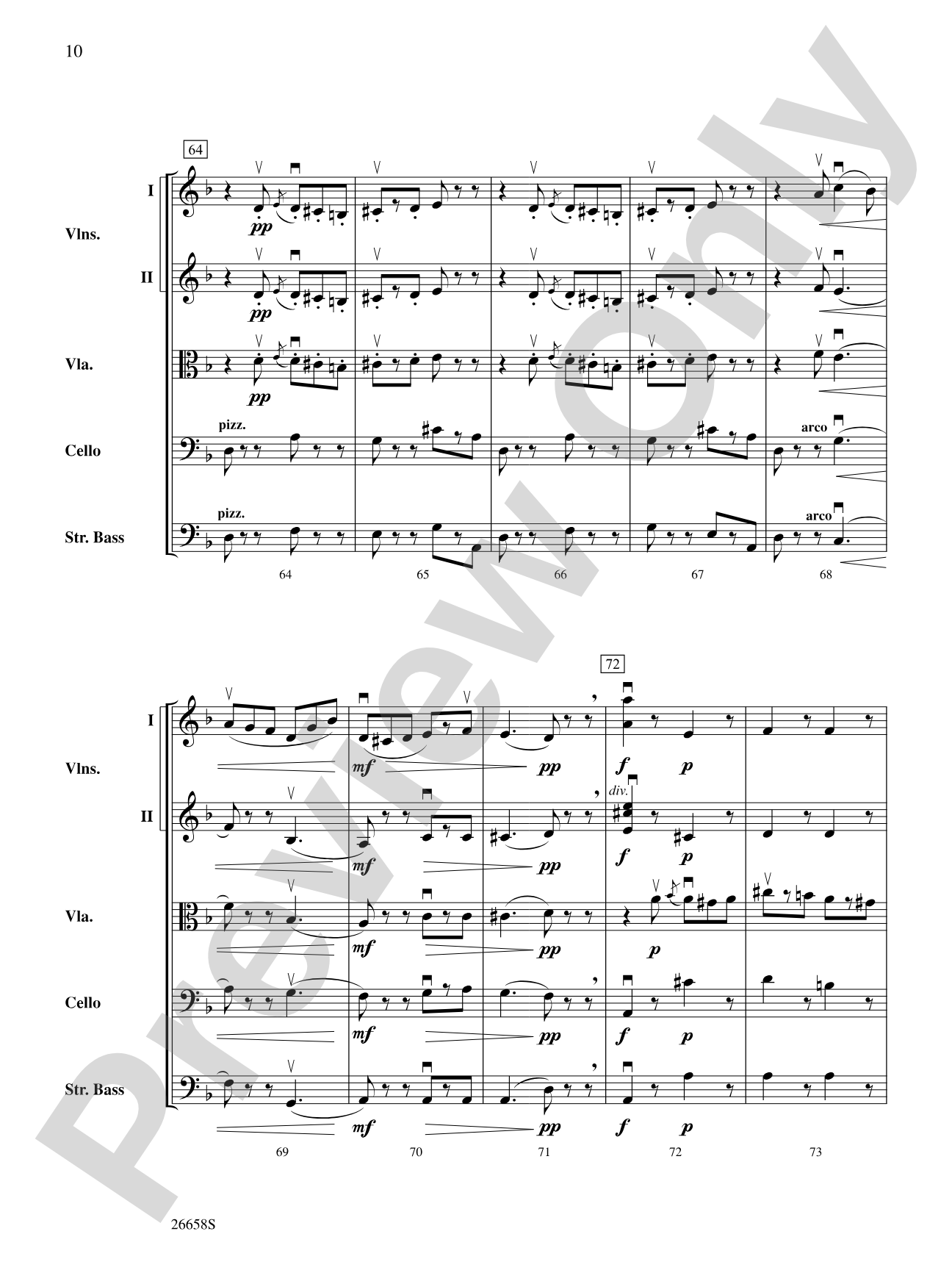
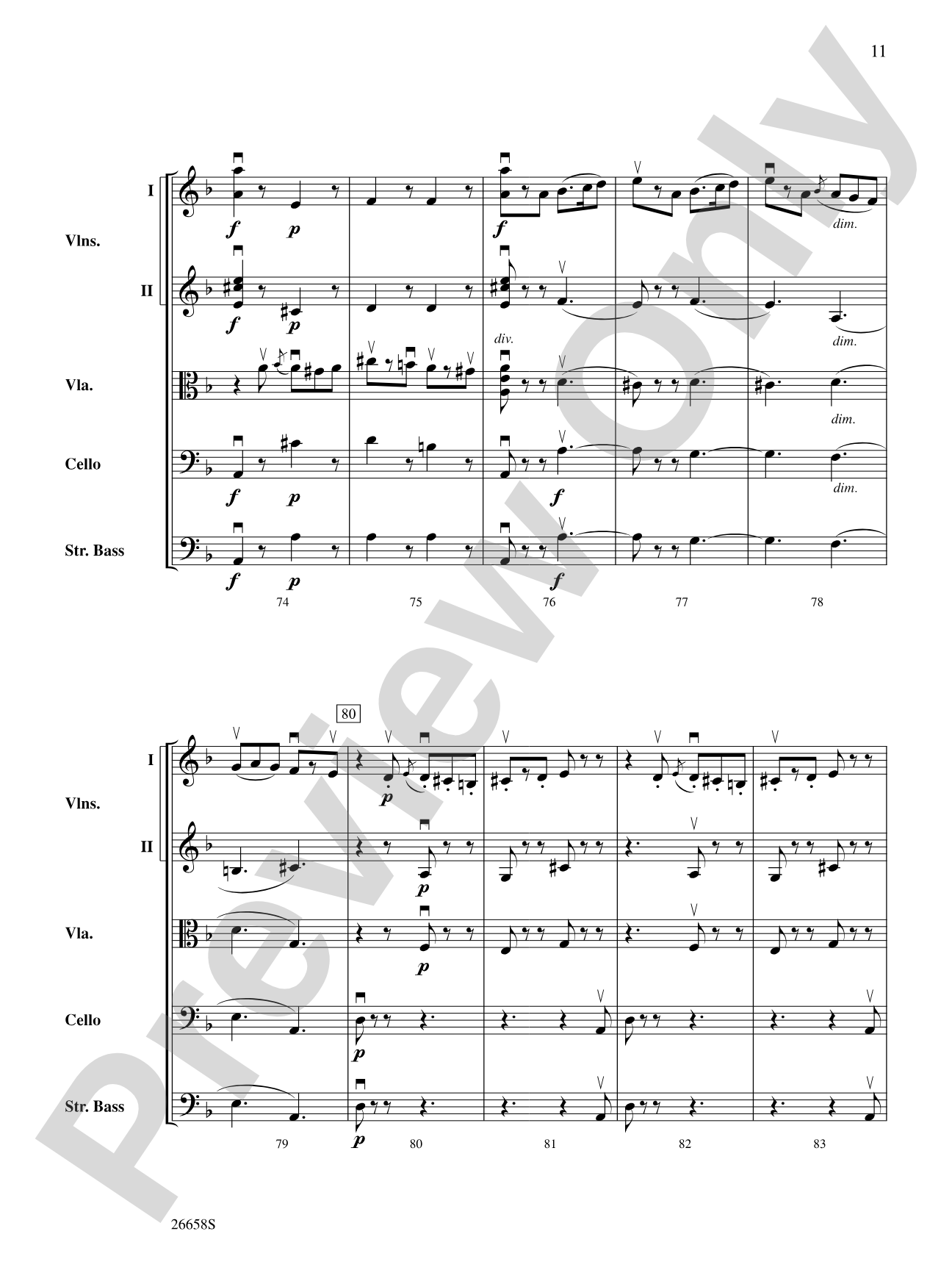
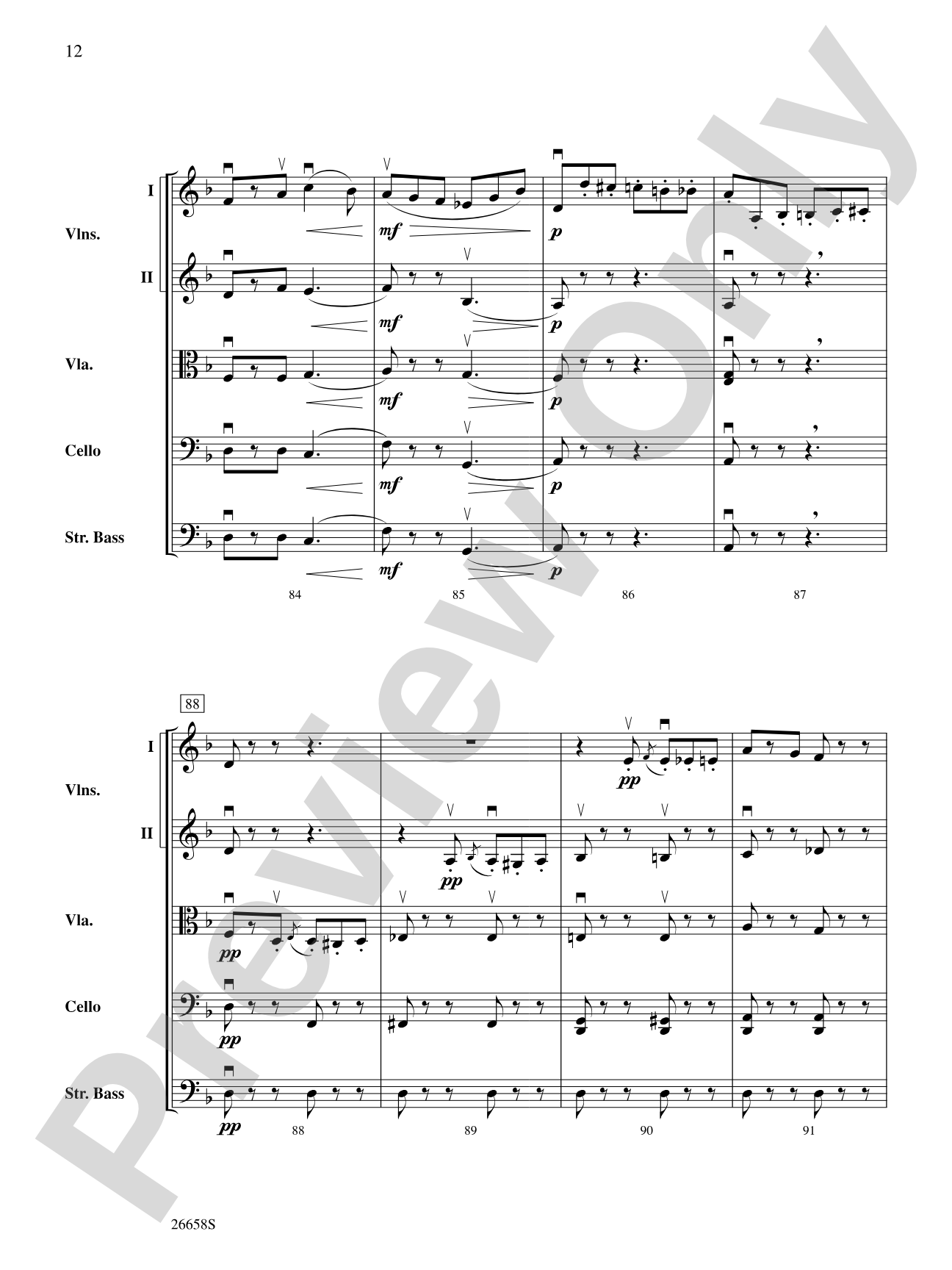
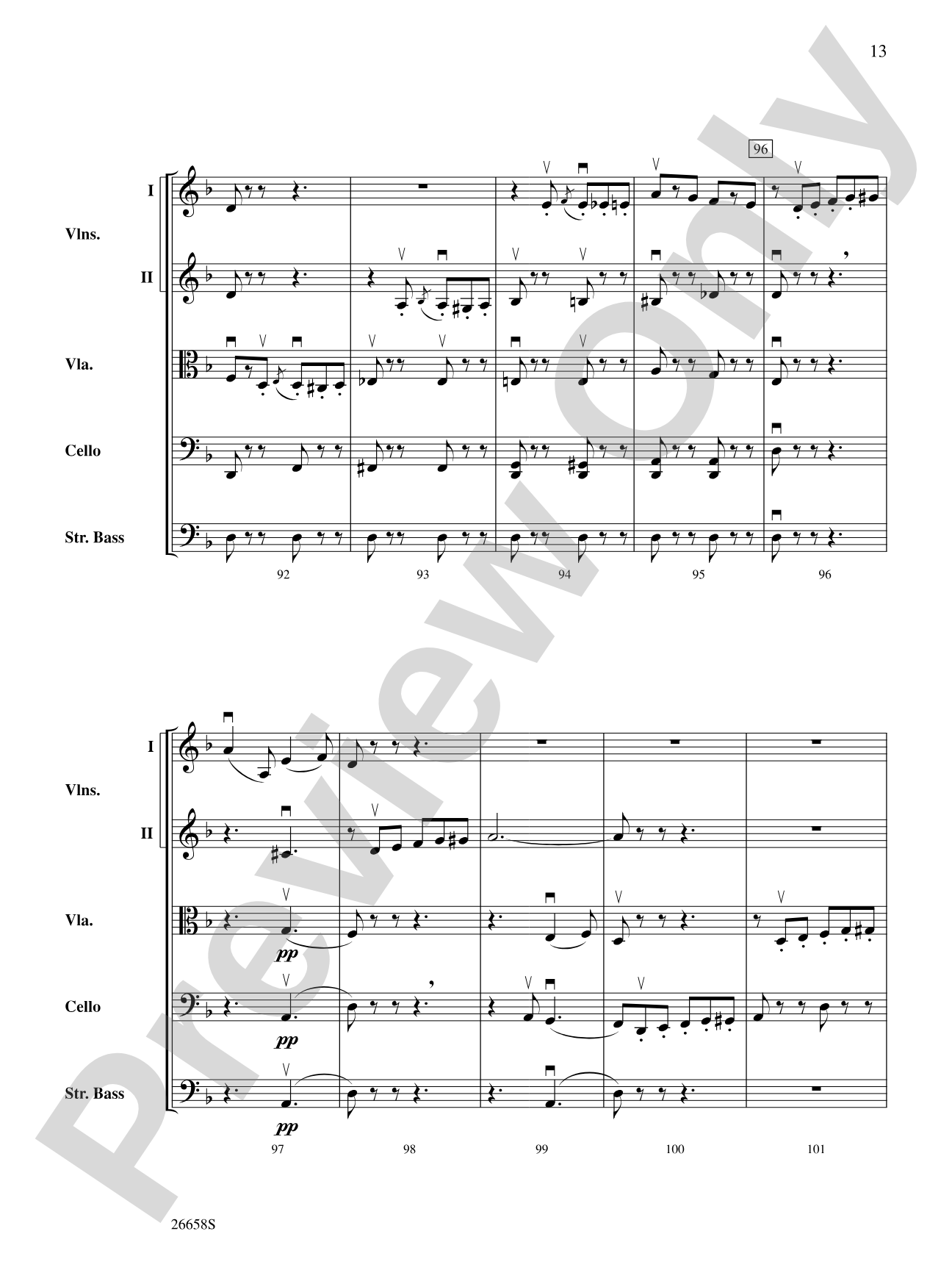
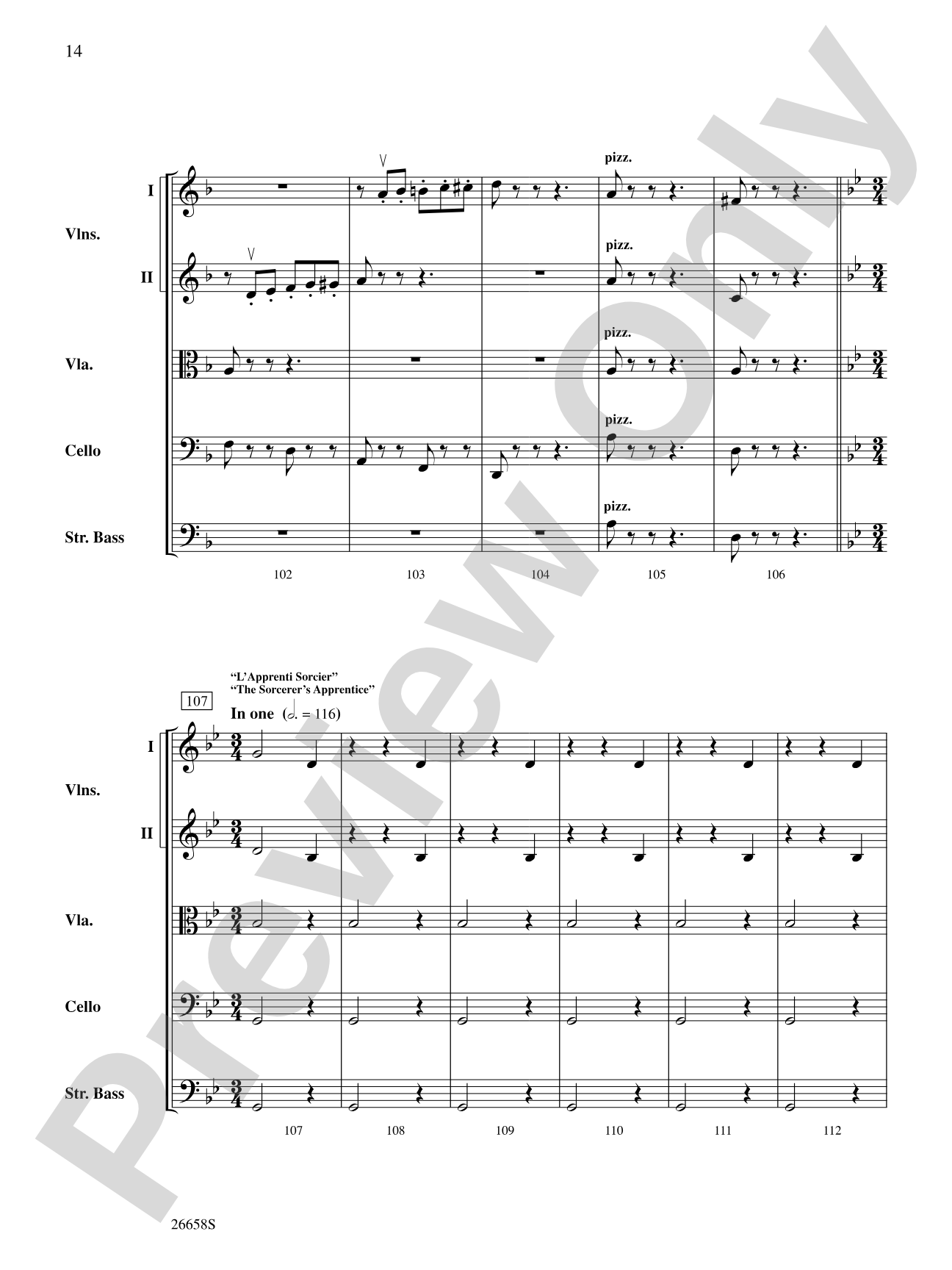
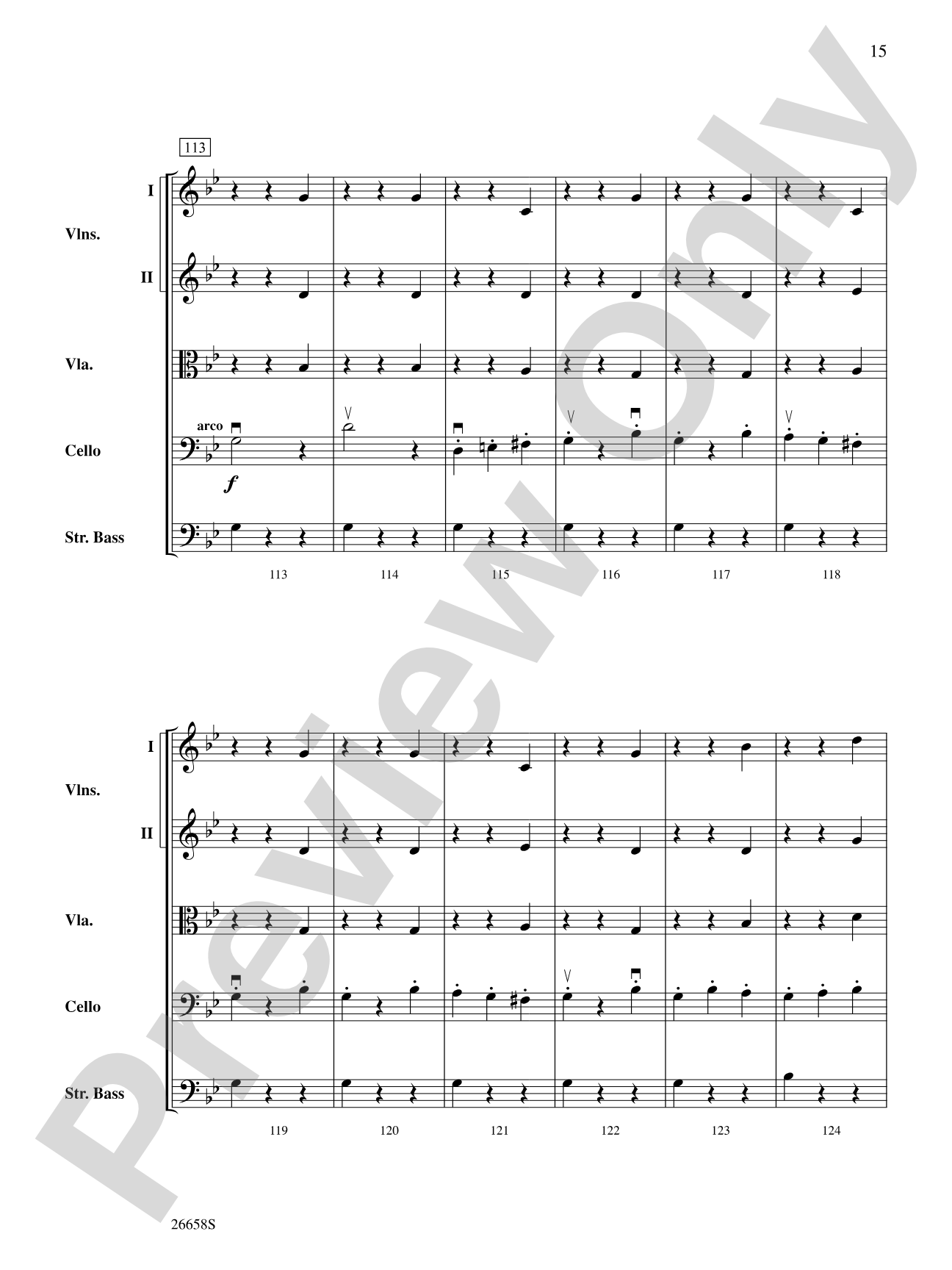
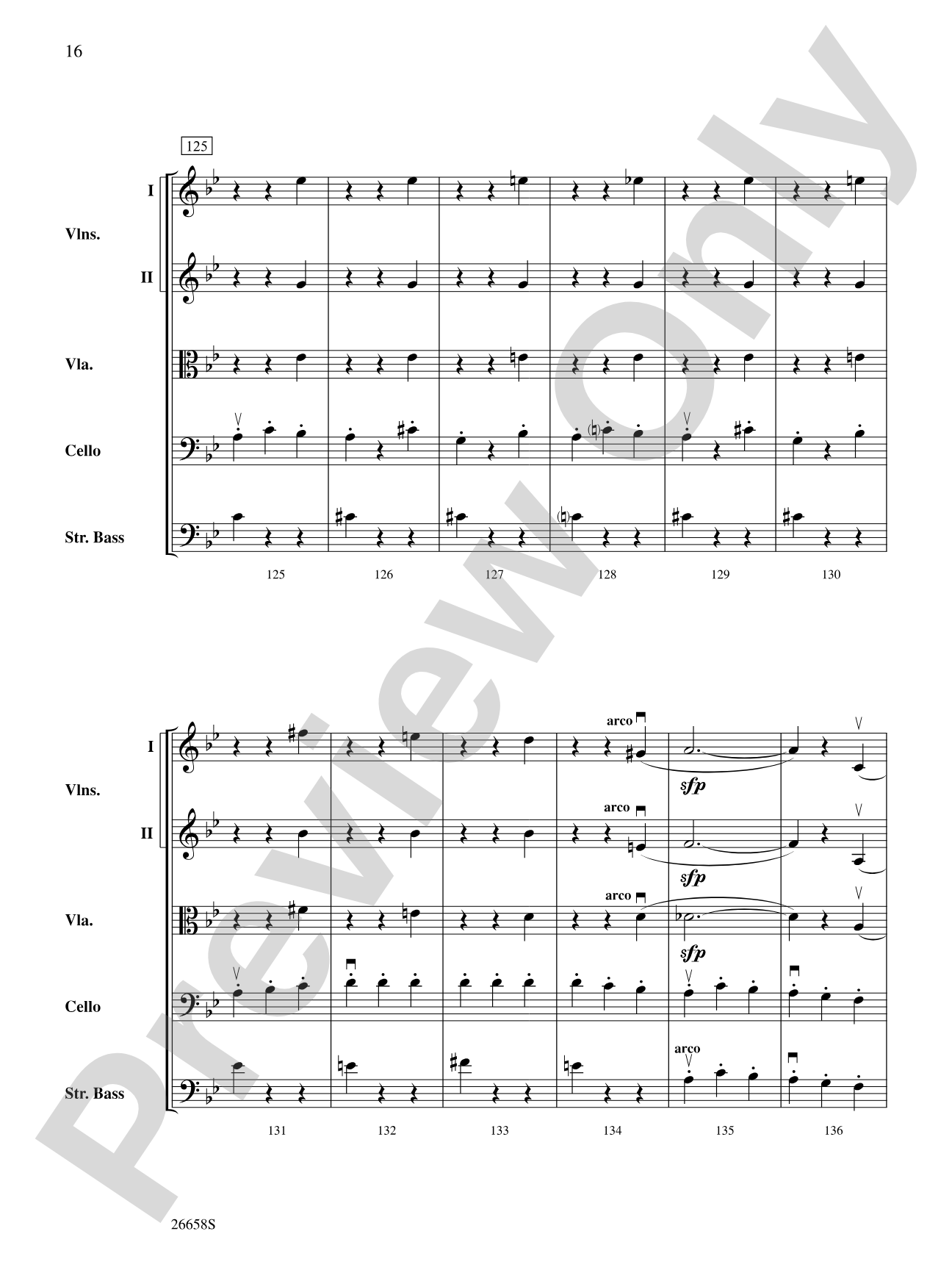
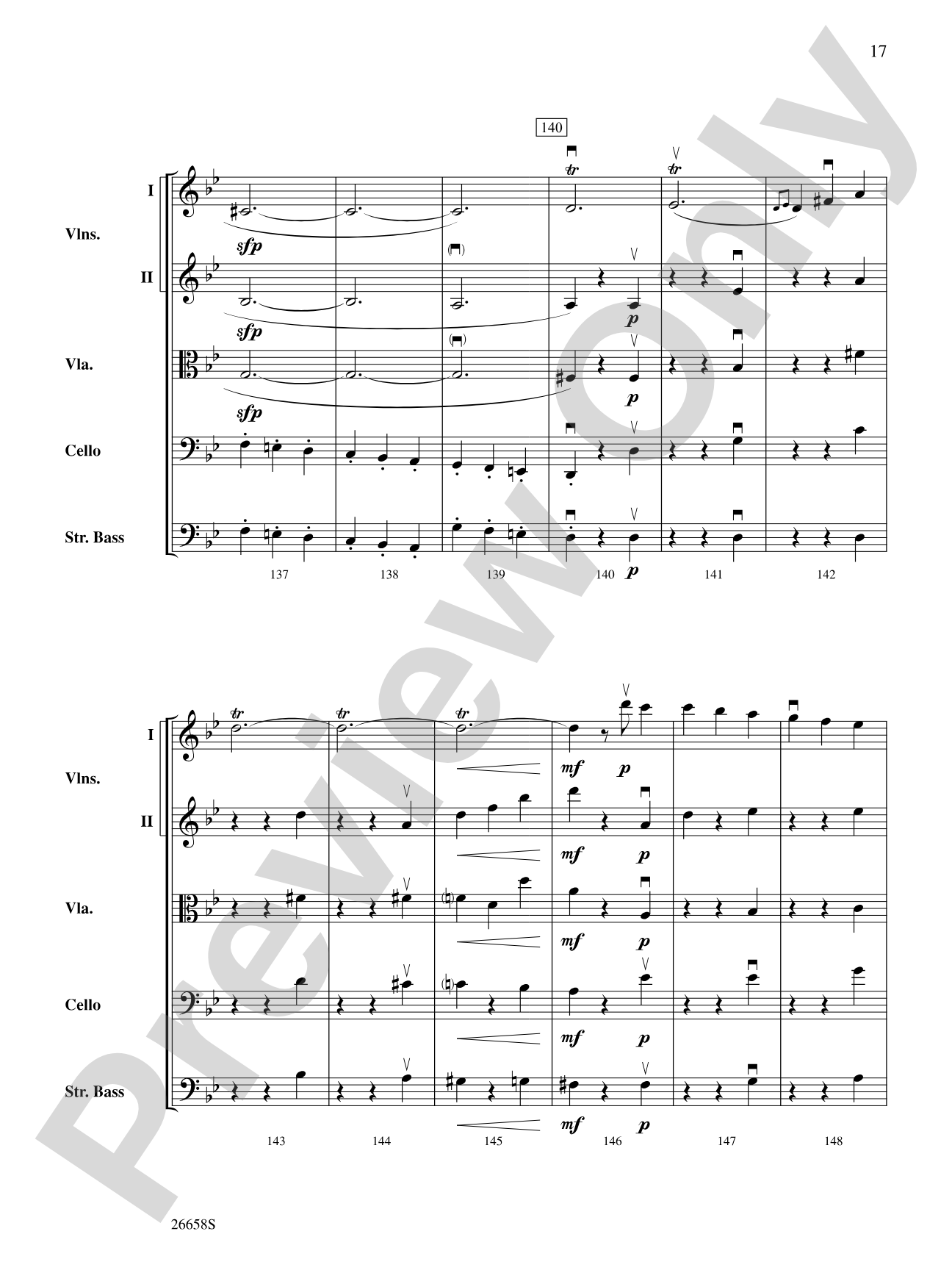
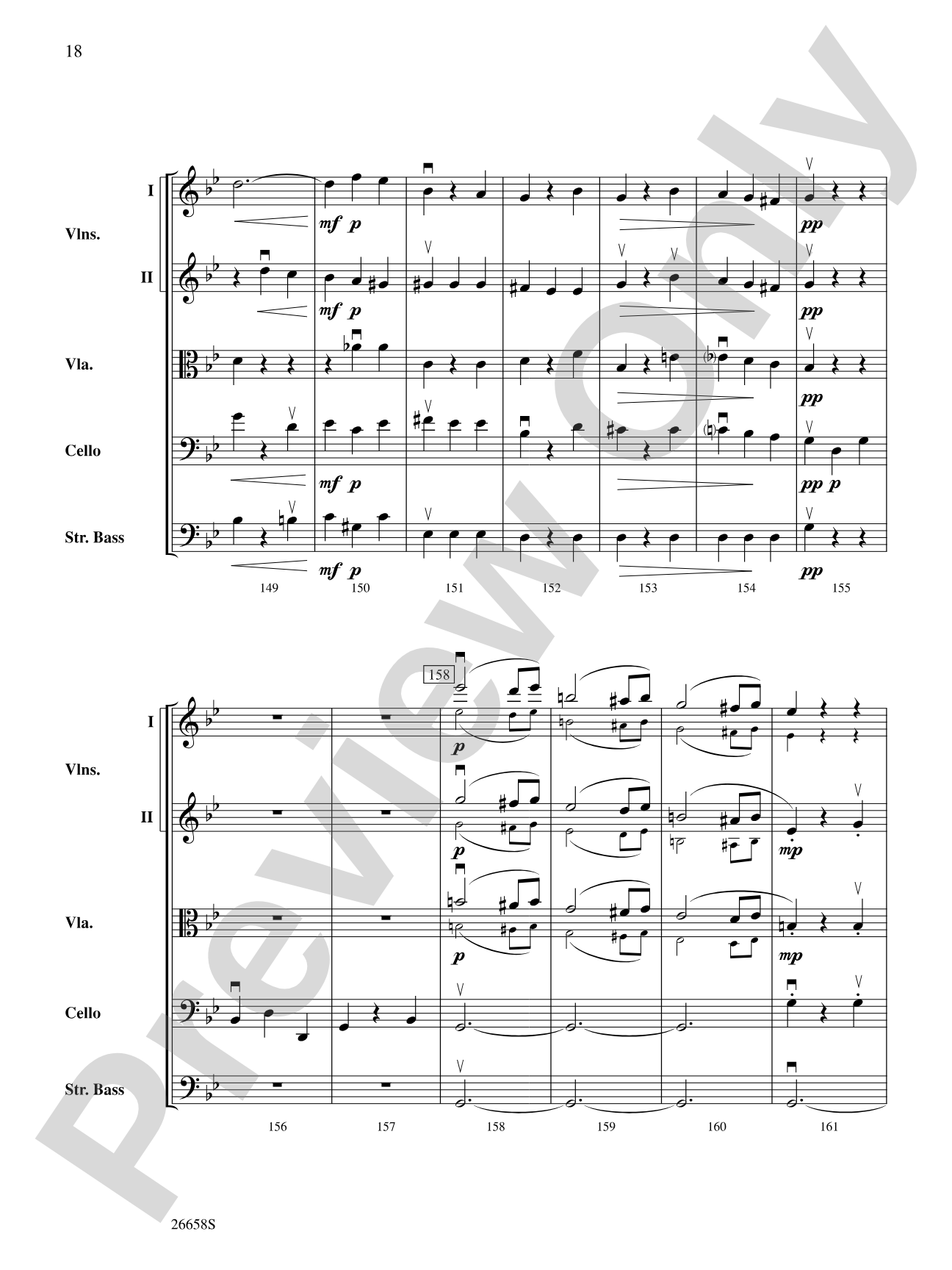
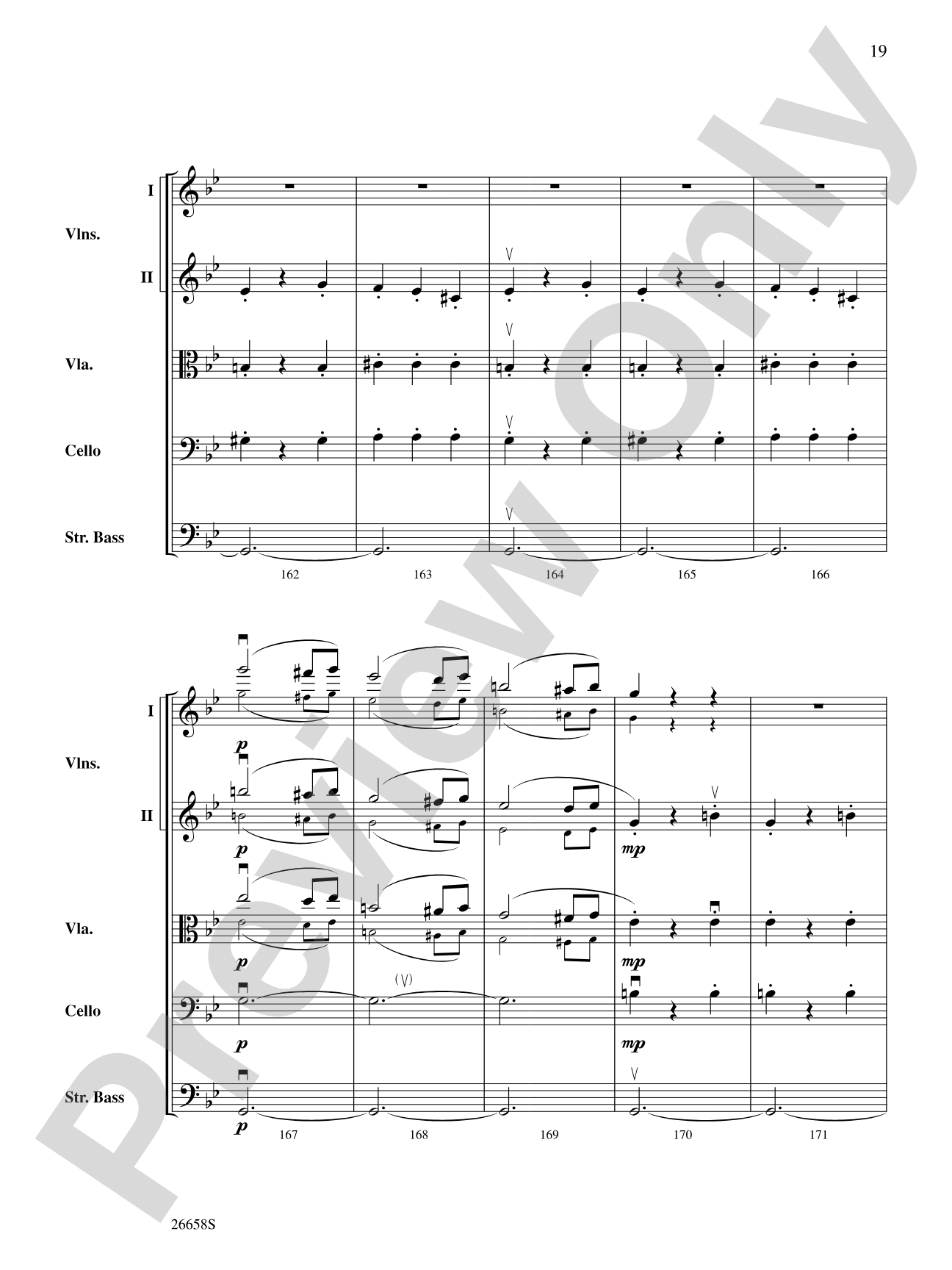
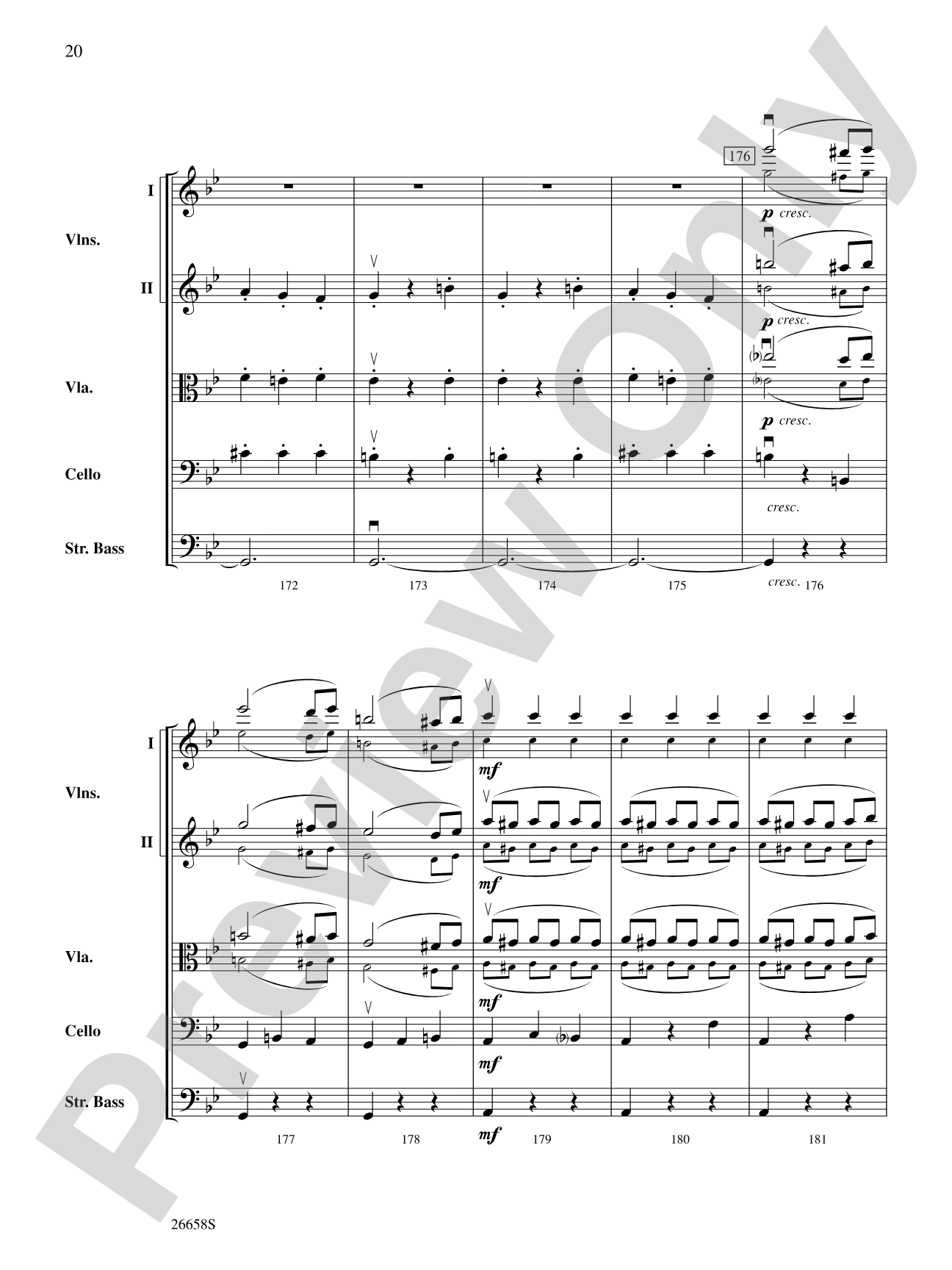
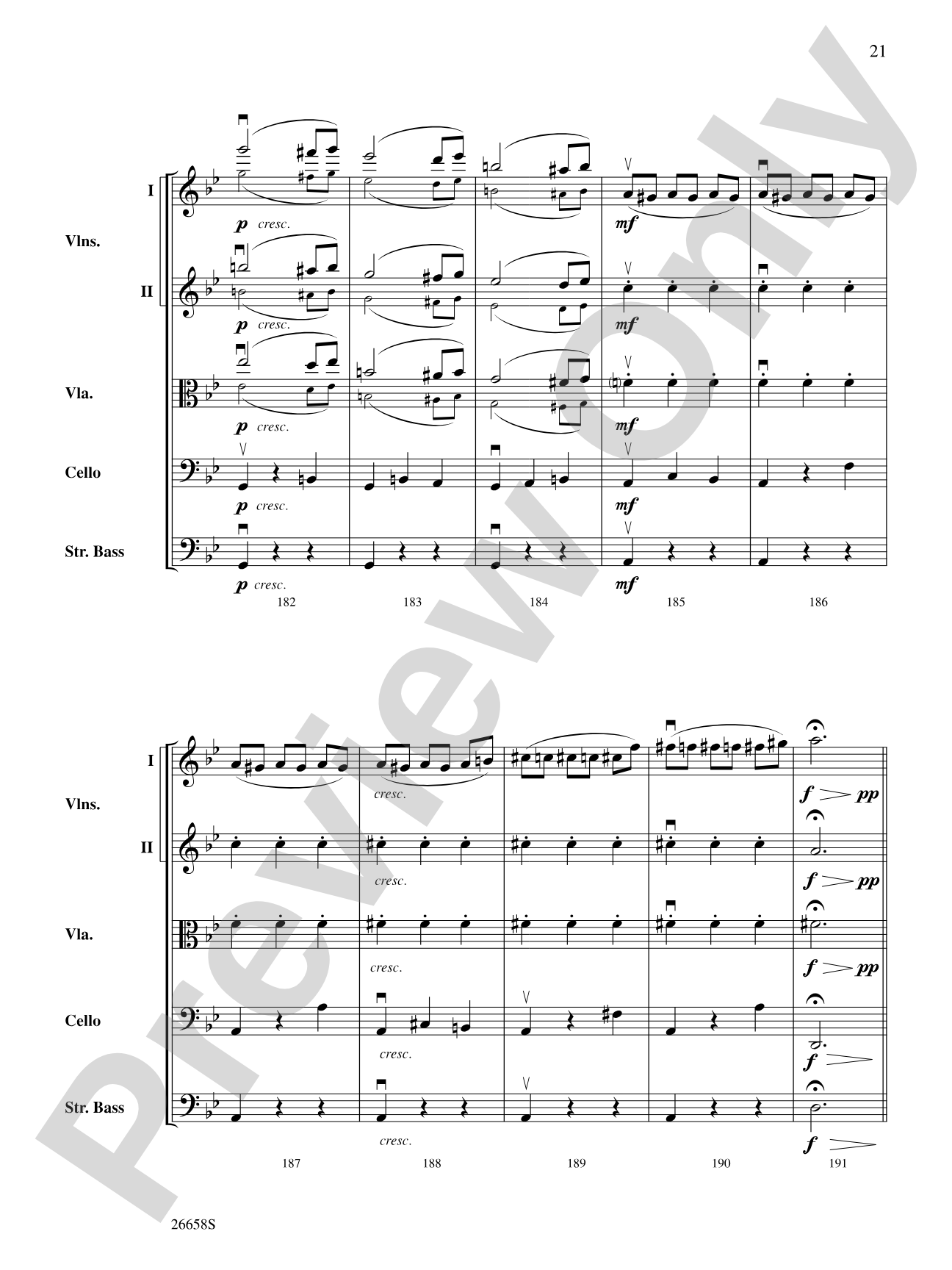
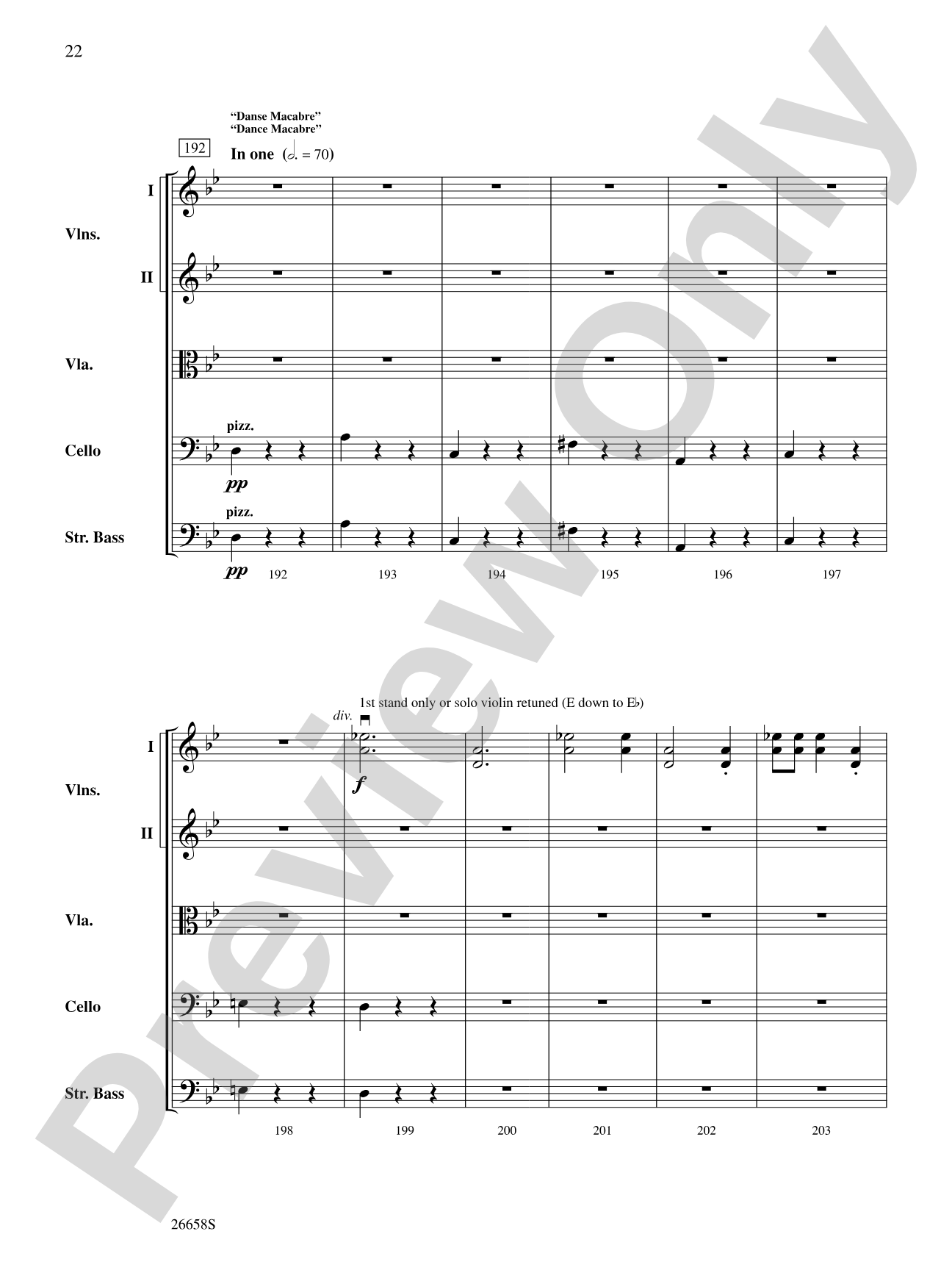
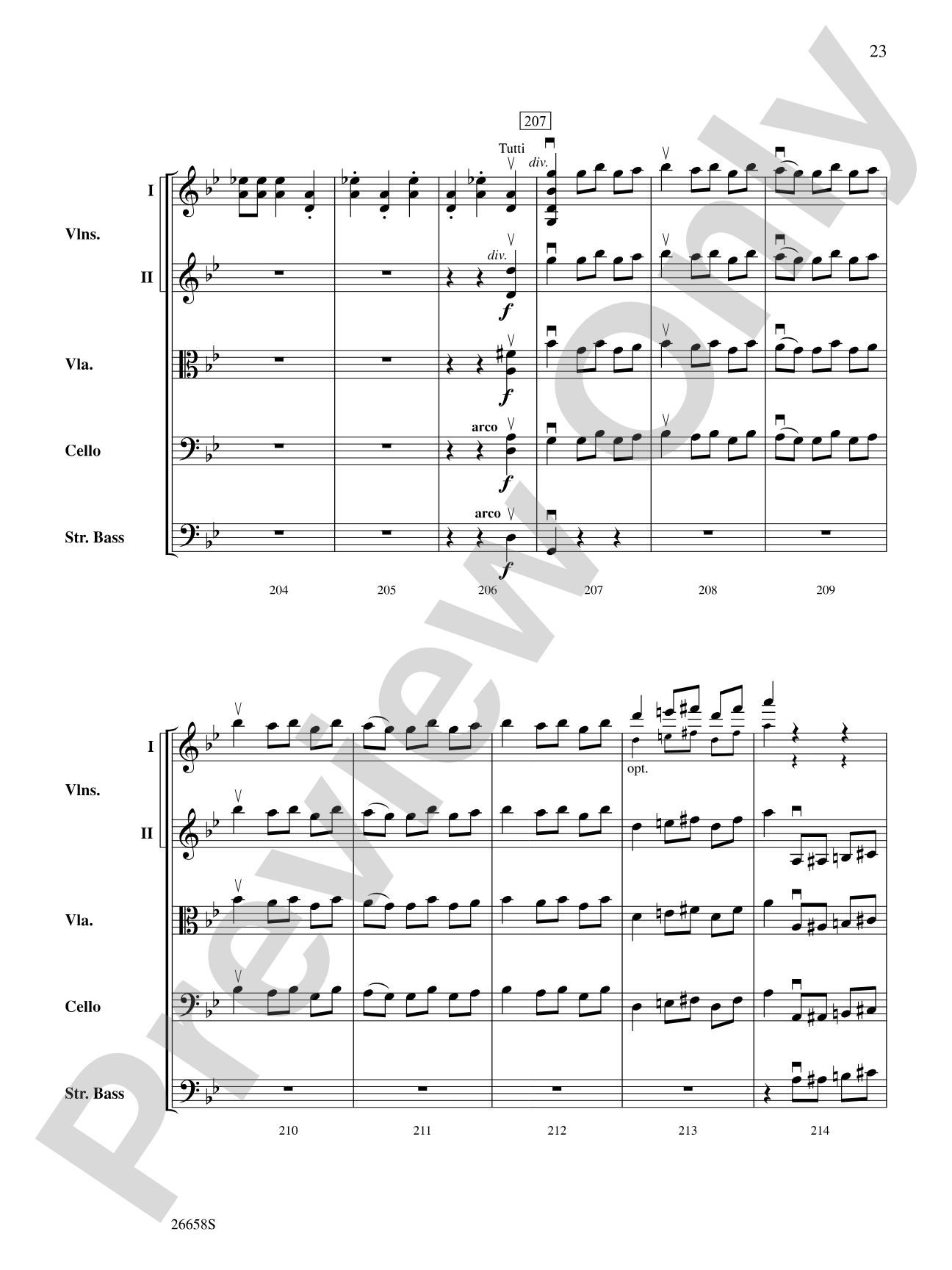
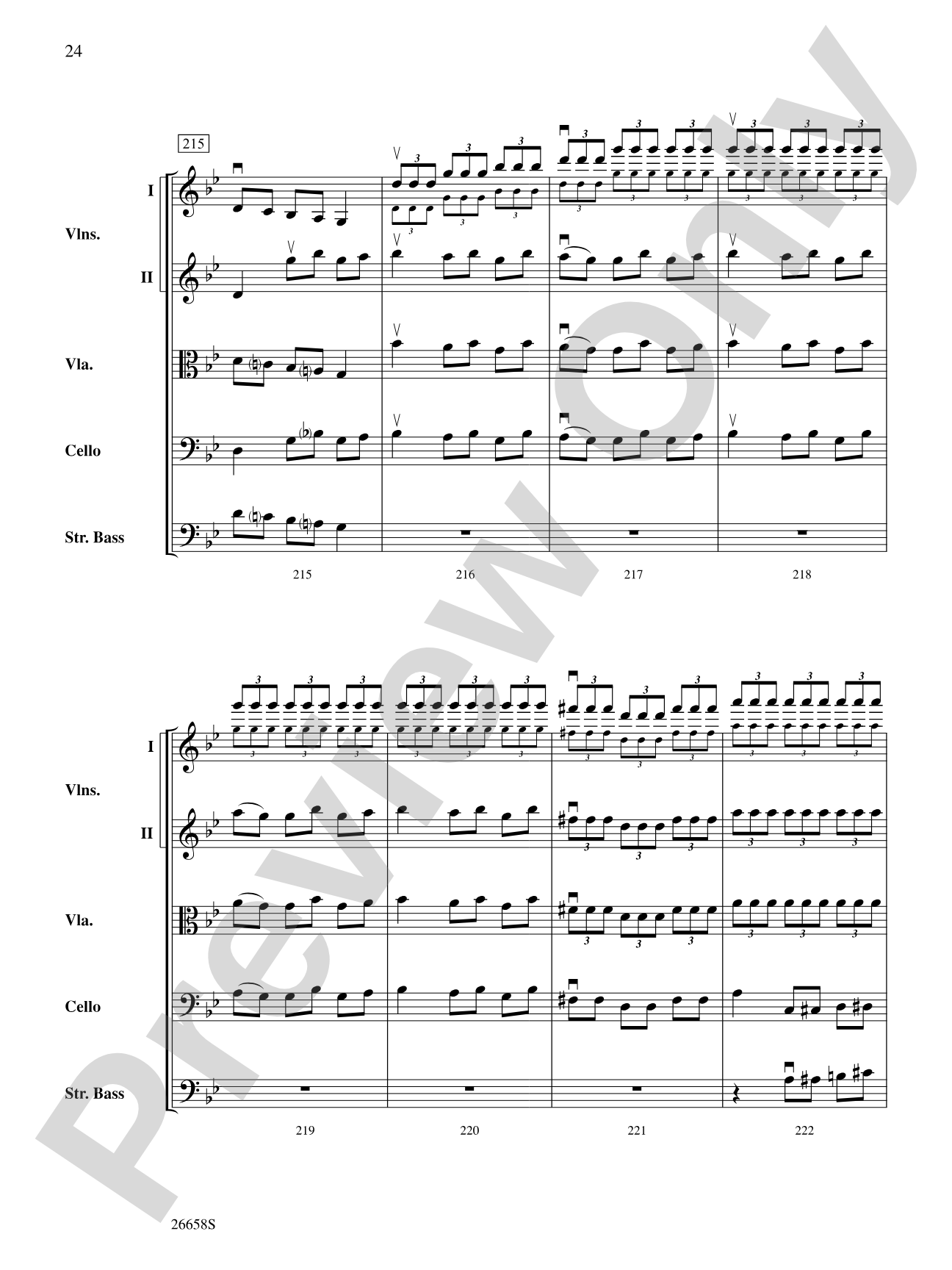
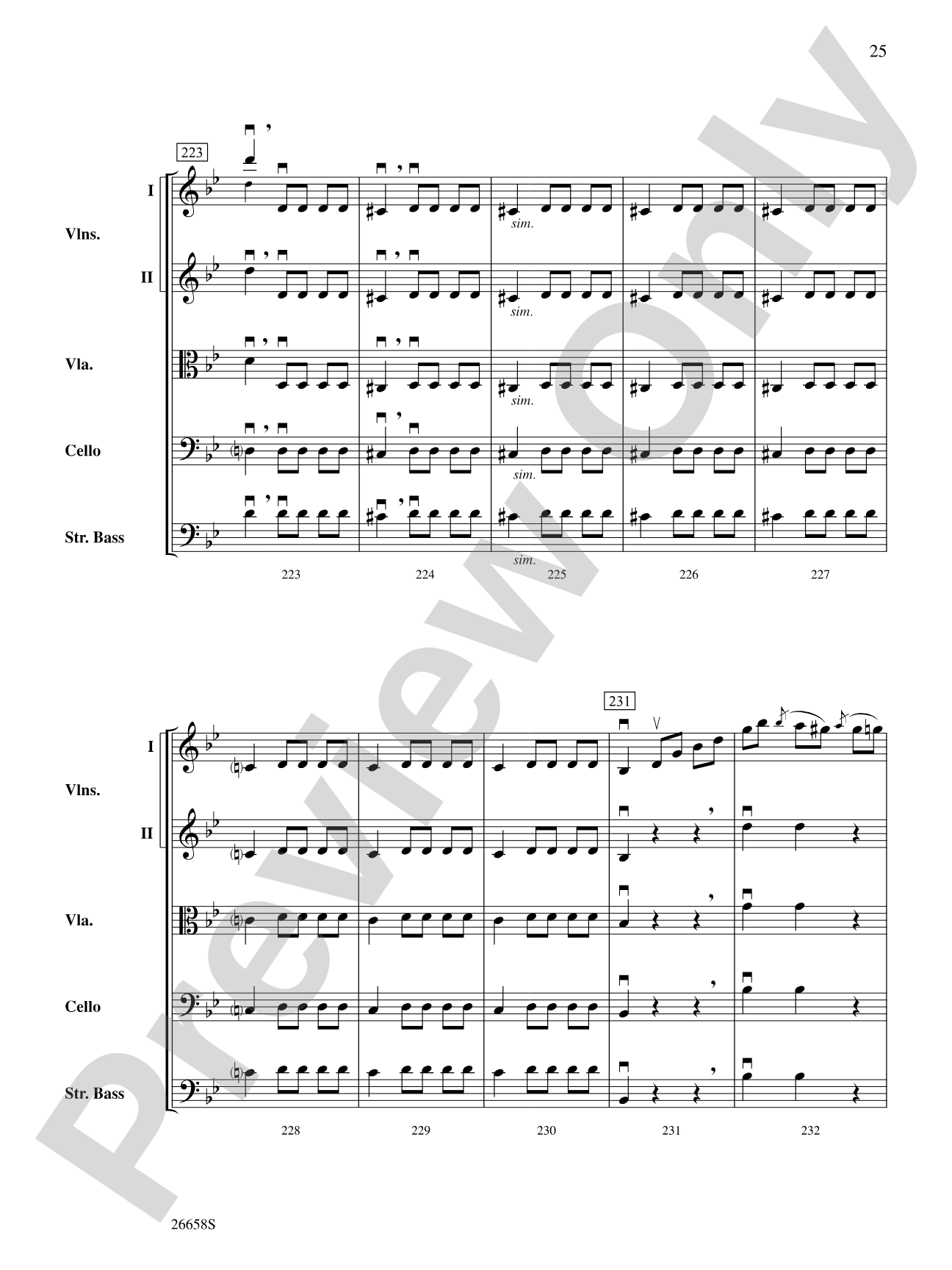
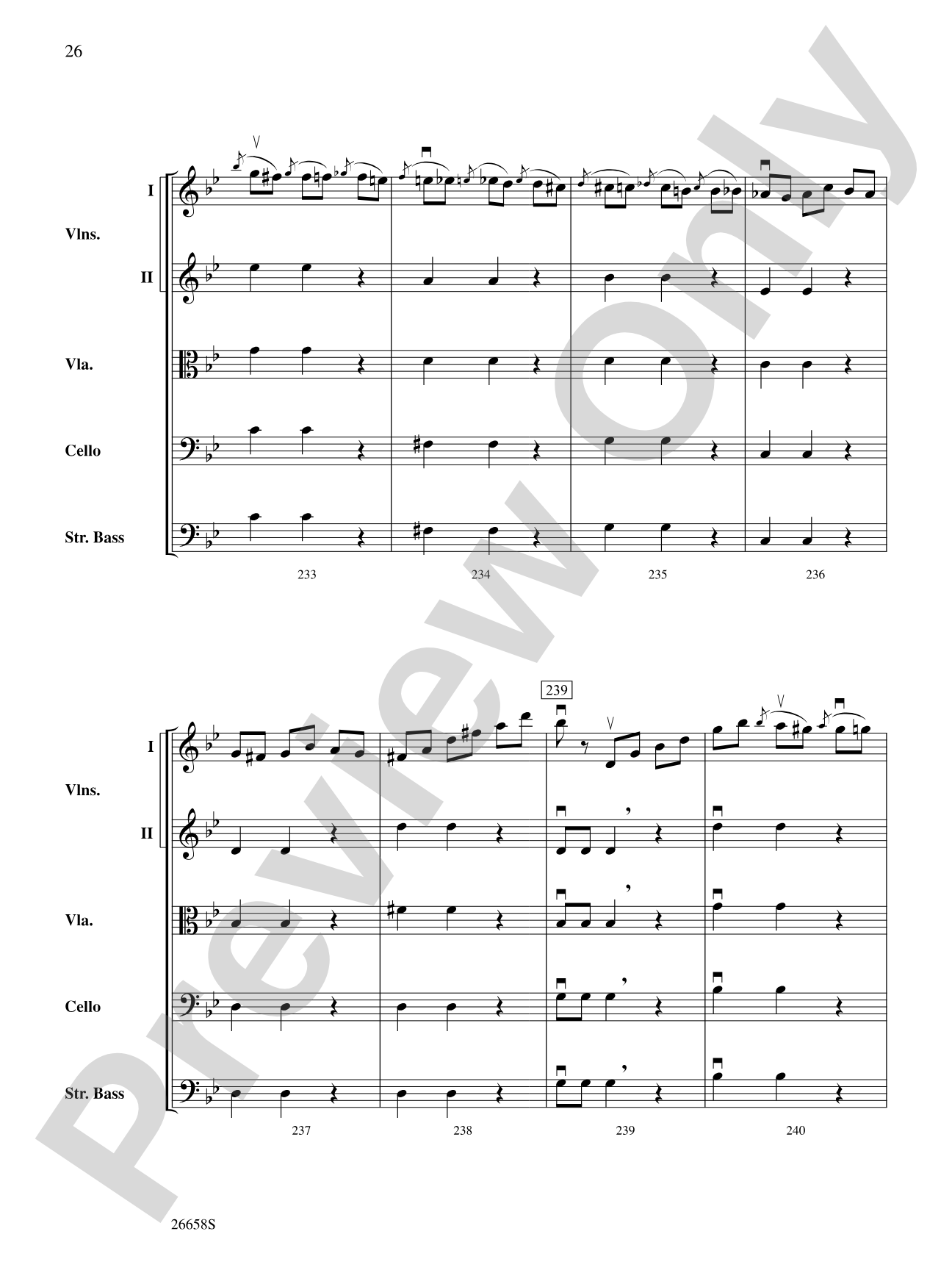
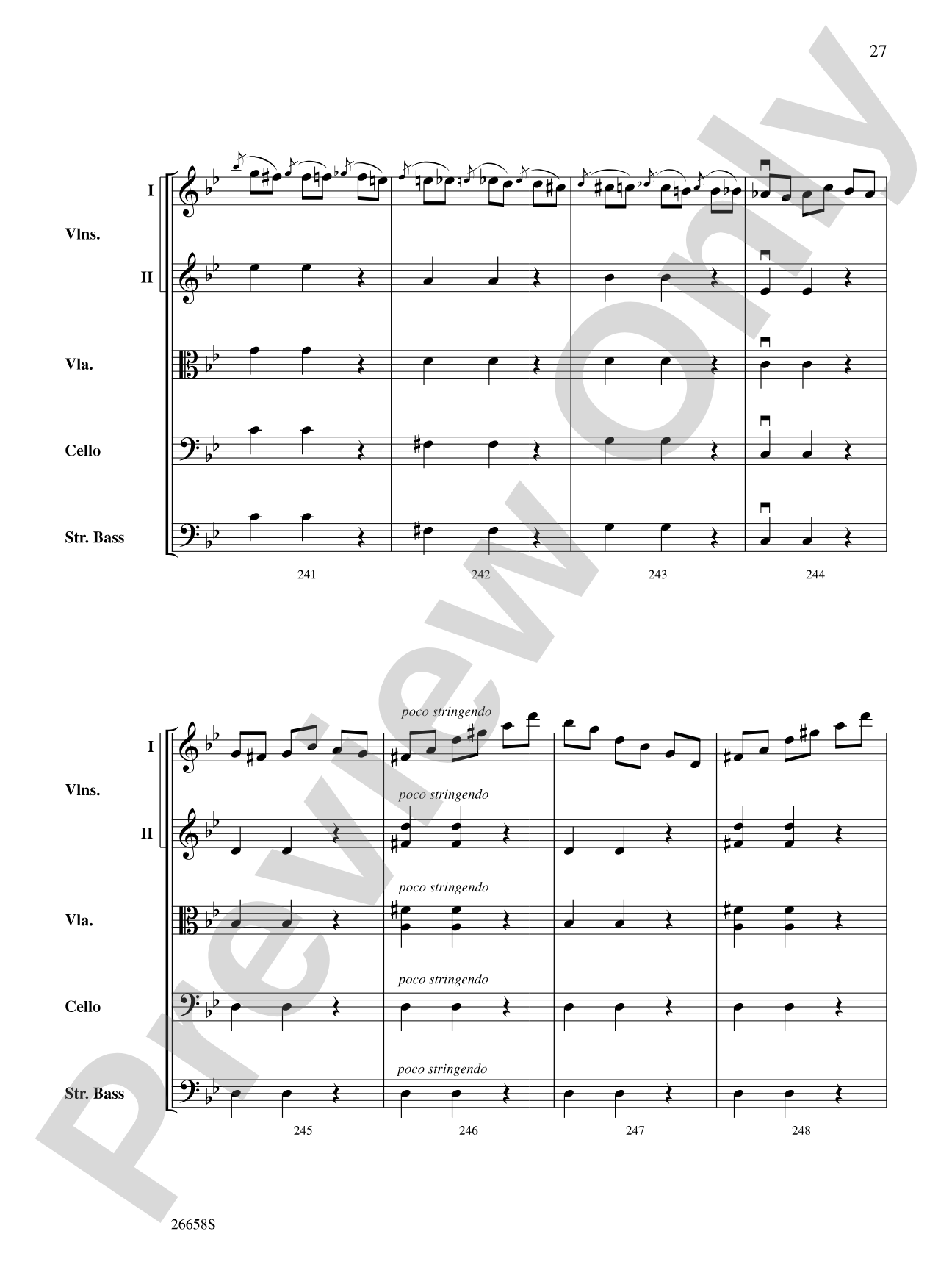
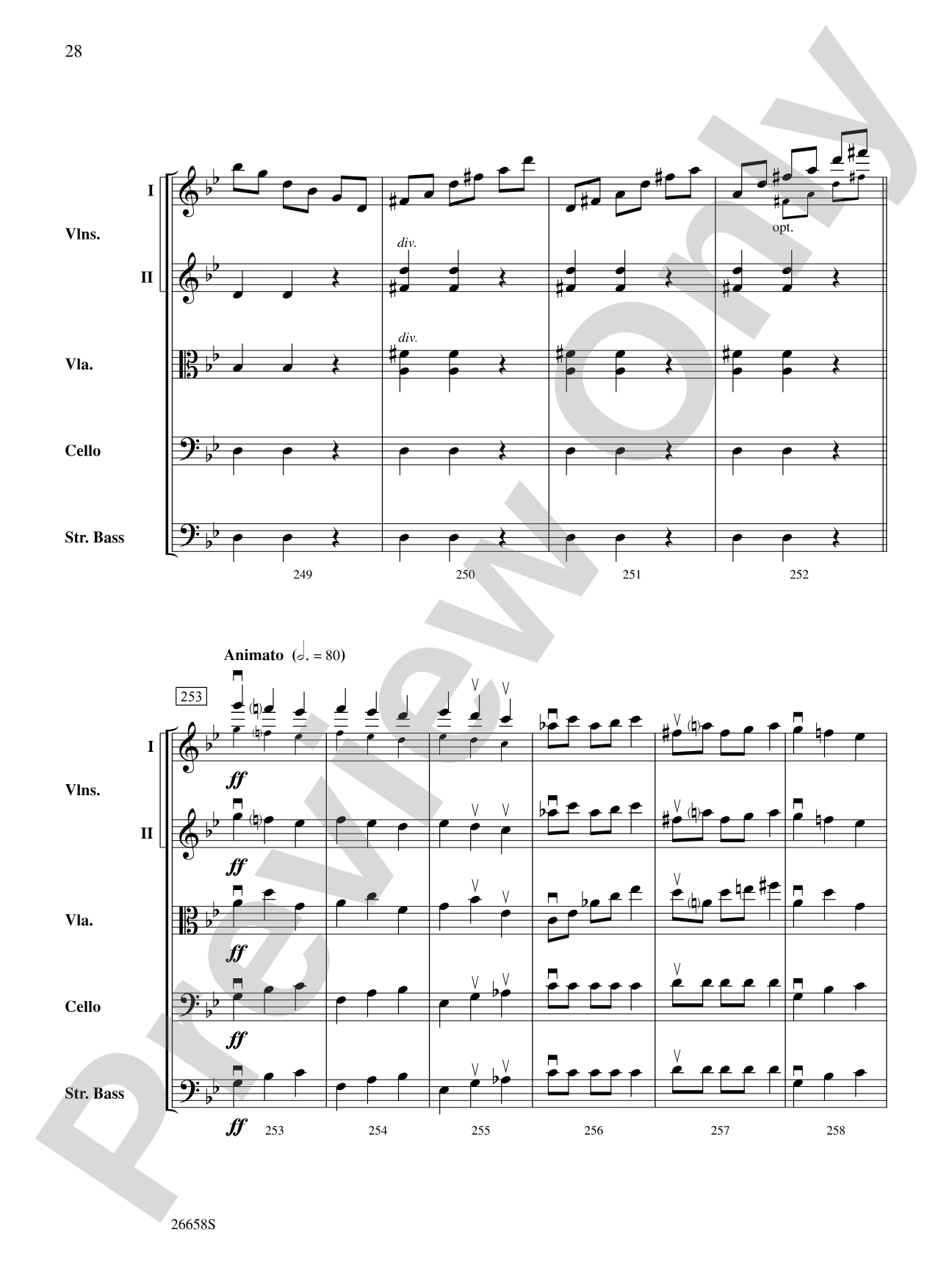
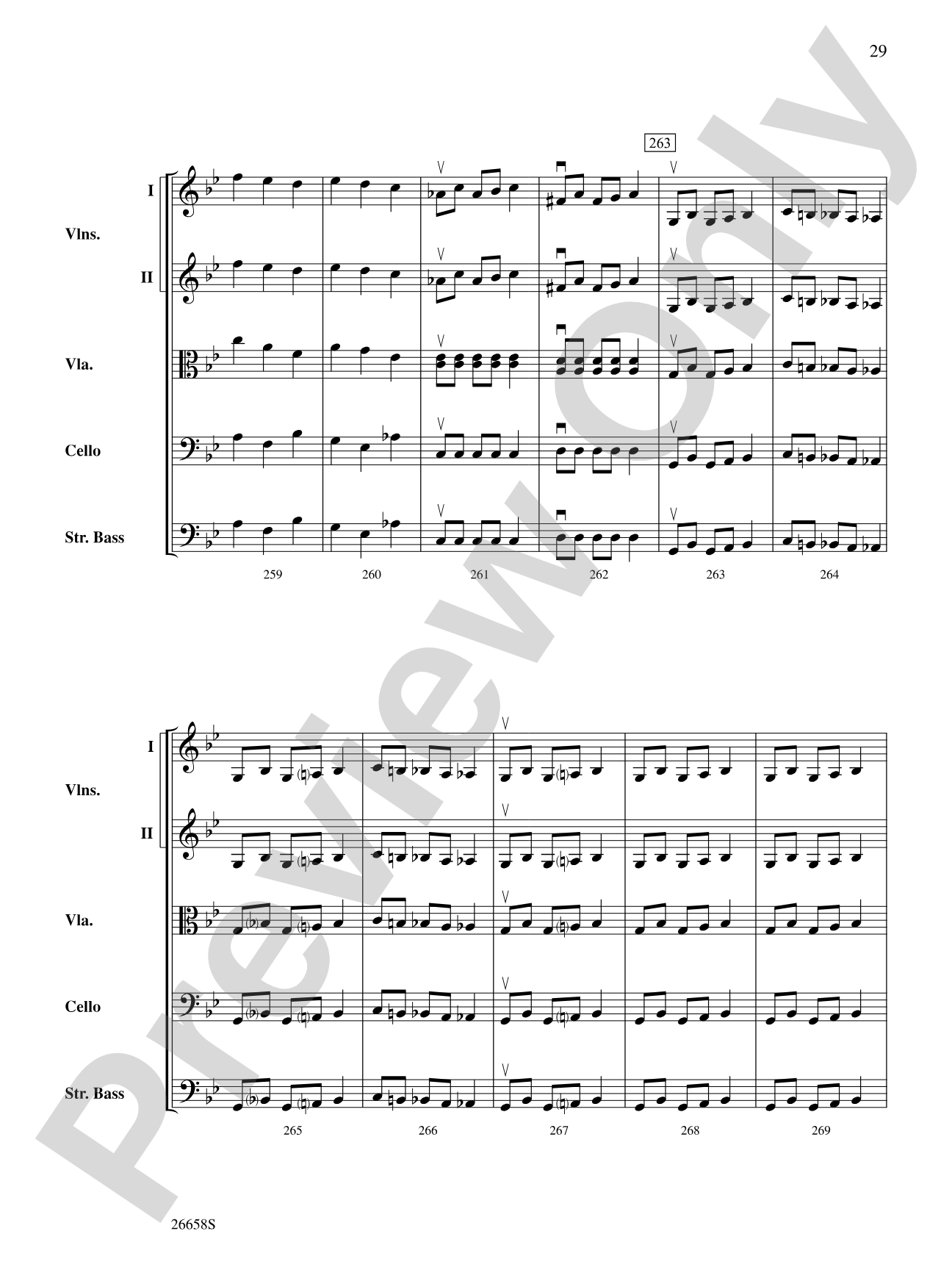
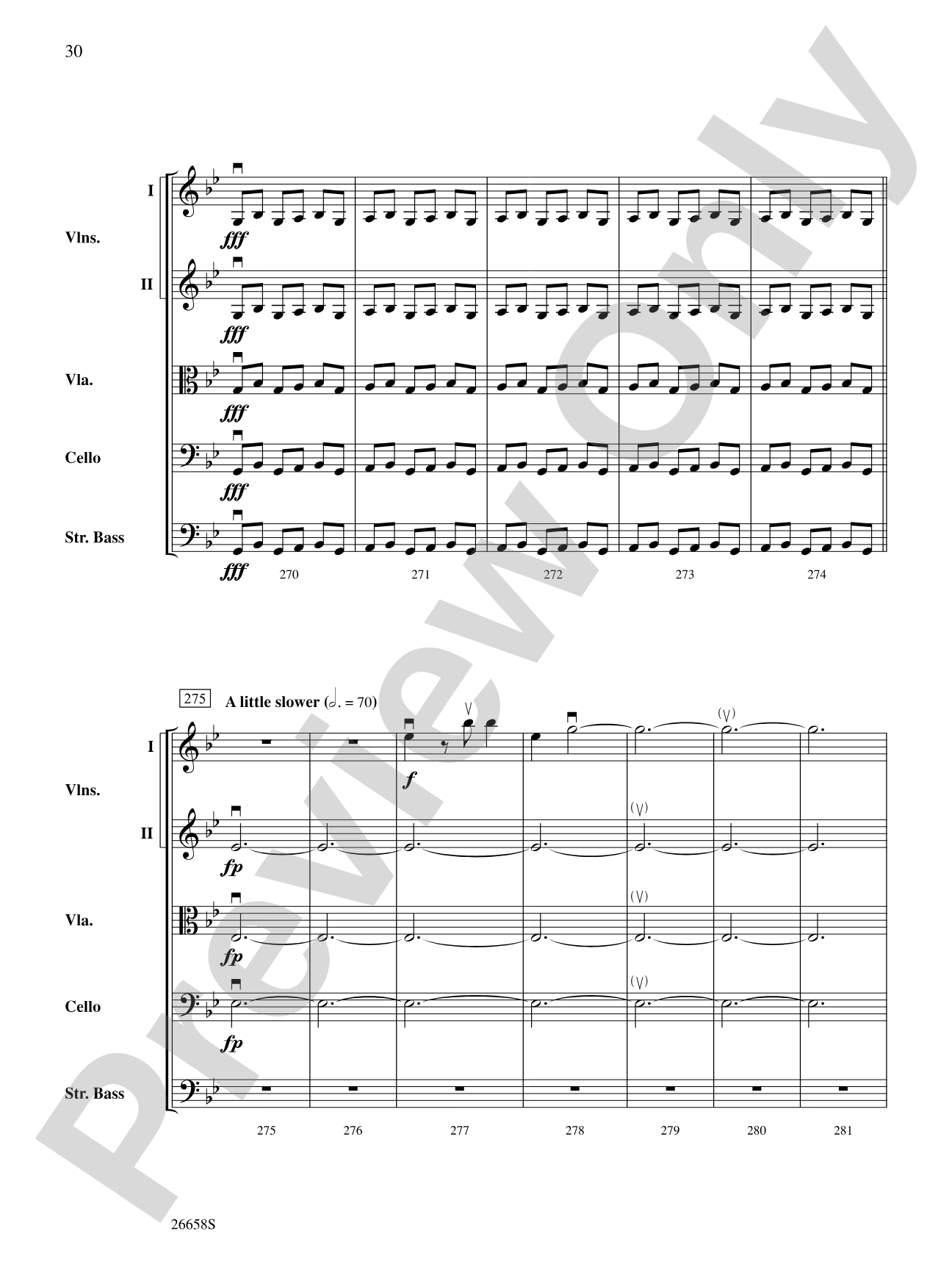
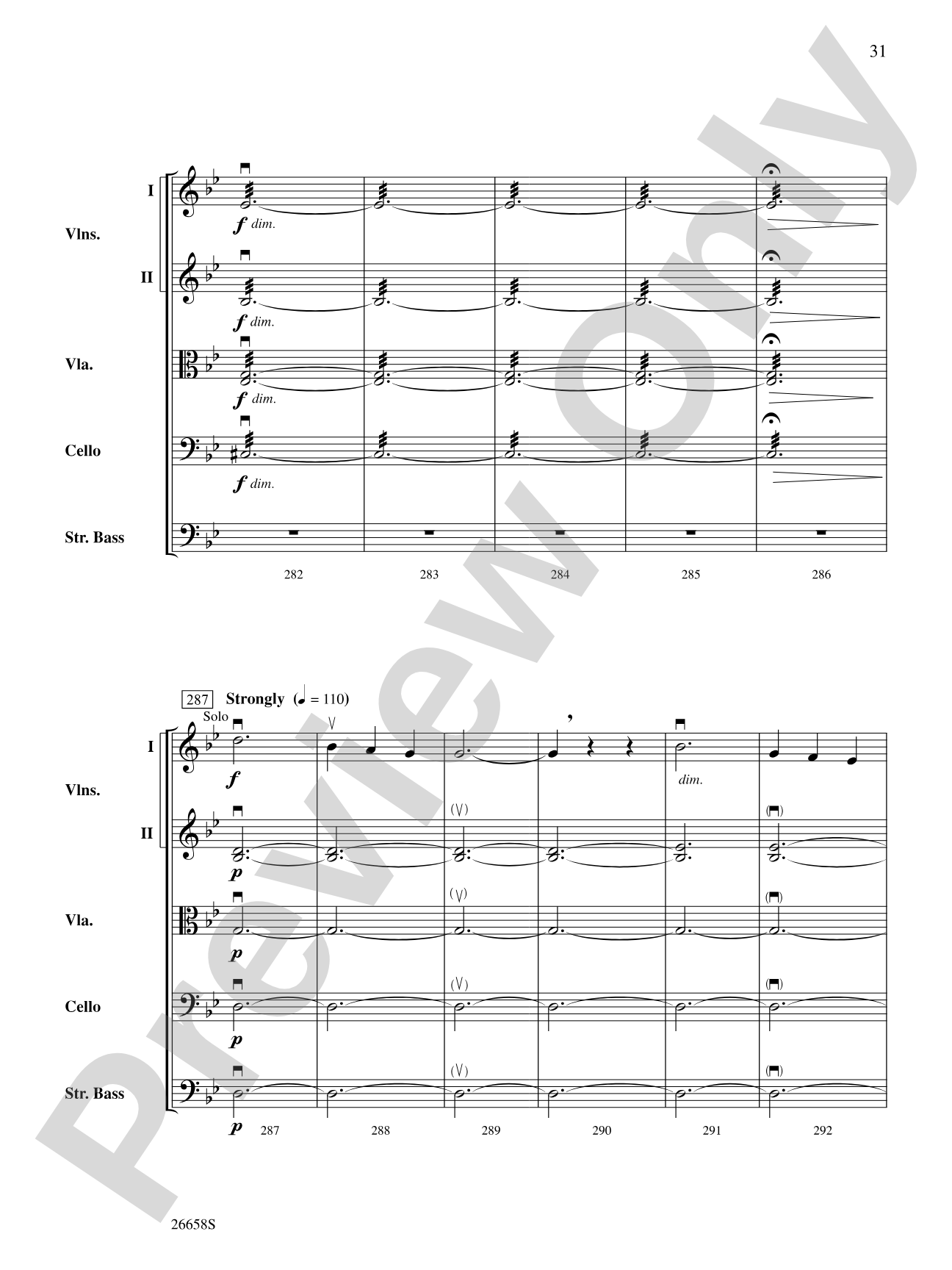
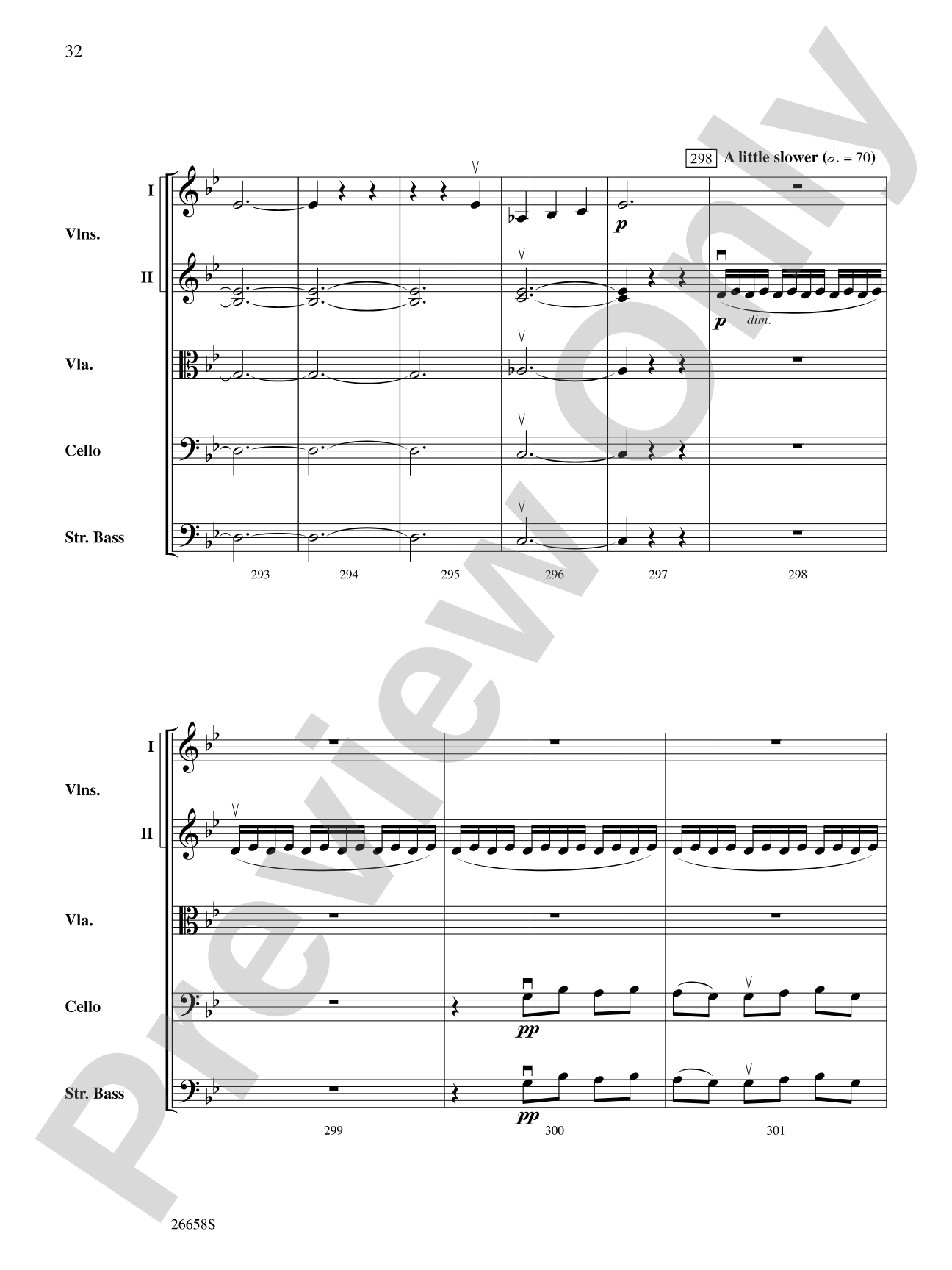
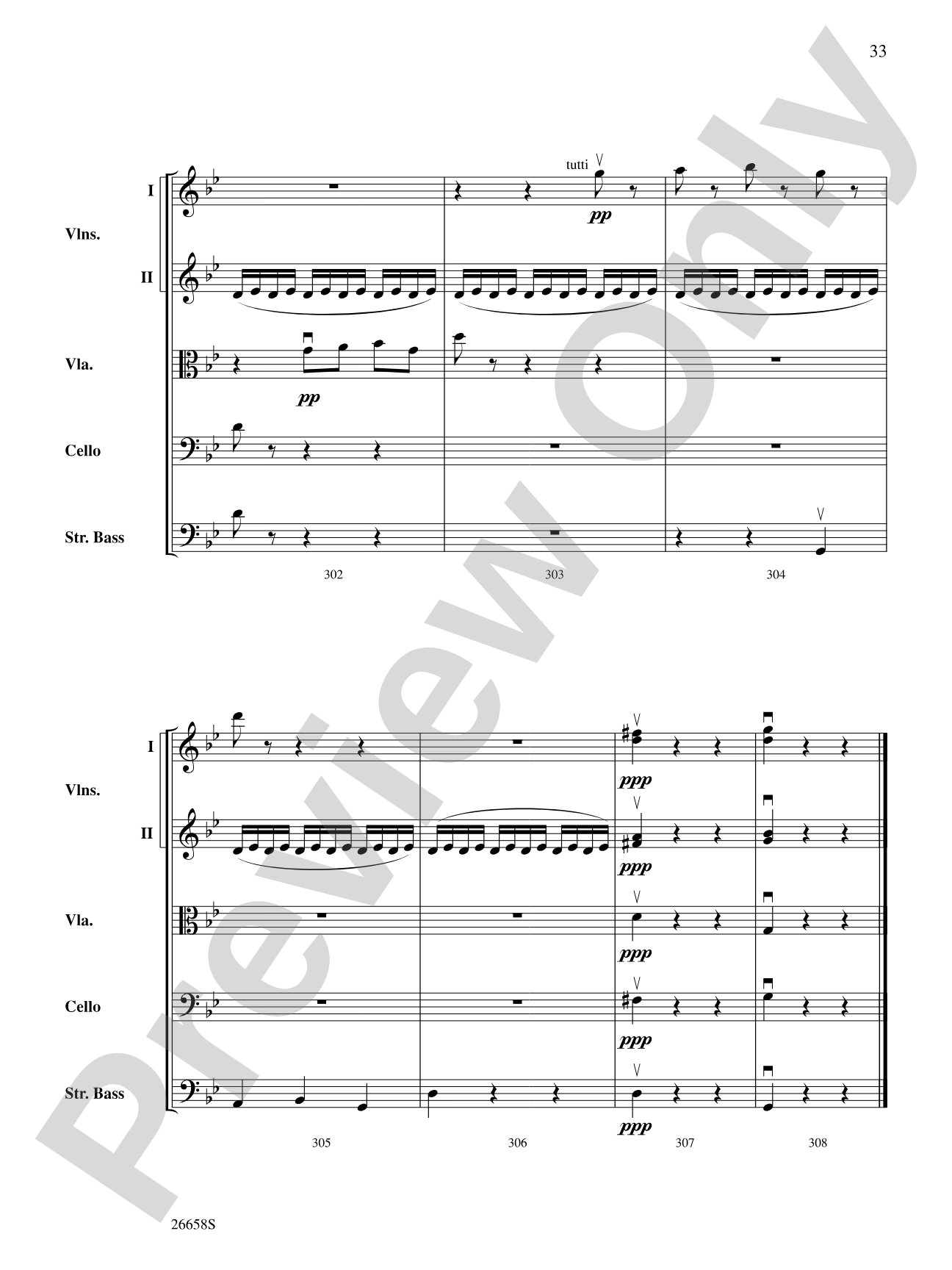




Halloween Spooktacular: Score
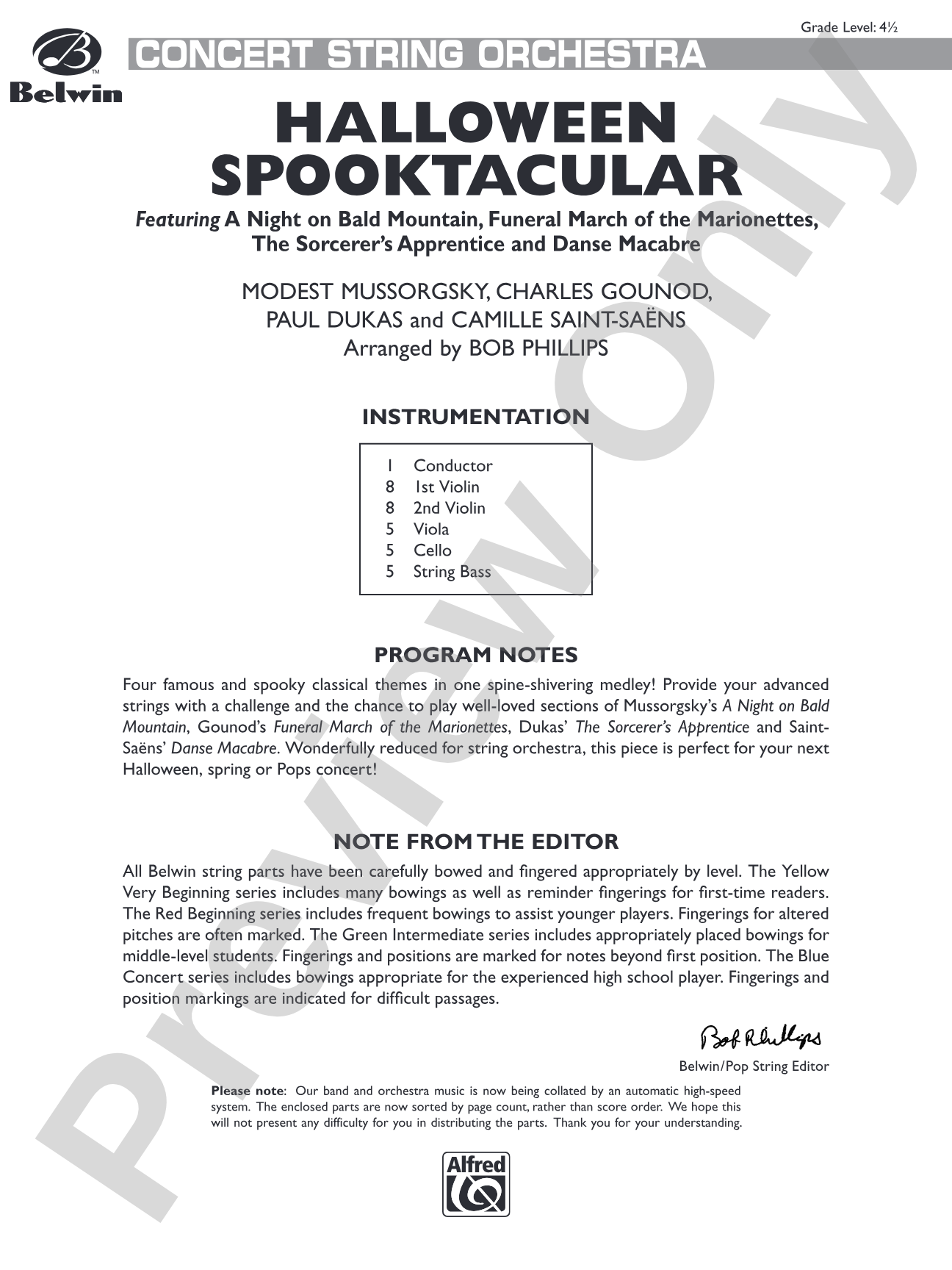
Featuring: A Night on Bald Mountain / March of the Marionettes / The Sorcerer’s Apprentice / Danse Macabre
By Modest Moussorgsky, Paul Dukas, Charles François Gounod, and Camille Saint-Saëns / arr. Bob Phillips
Grade: 4.5
Item: 00-PR-0001136
$8.00
Pickup currently not available
Description
Provide your advanced strings a challenge and the chance to play well-loved, spooky selections. Featuring "A Night on Bald Mountain," "March of the Marionettes," "The Sorcerer's Apprentice," and "Danse Macabre." Wonderfully reduced for string orchestra, this piece is perfect for Halloween concerts, spring concerts and pop concerts. This title is available in MakeMusic Cloud.


Don't just read it, hear it, play along with it, and watch your students grow with it. In MakeMusic Cloud, Halloween Spooktacular: Score comes alive with professional accompaniment, adjustable tempo, and built-in practice tools that turn solo practice into real progress.
Open in the Player
Jump straight in and assign it today.
Start Your Free Trial
Open this title and explore the full library in minutes.
Sample Audio
1
Audio File
--:--
0:00
0:00
Sample Video
Additional Details
Series:
Belwin Concert String Orchestra
Publisher:
Alfred Music
Page Count:
248
SKU:
00-PR-0001136
More about this title
About the Composer: Modest Moussorgsky
Modest Moussorgsky (1839-1881) was a Russian composer whose works captured the dramatic landscapes and folklore of his homeland. Though largely self-taught in composition, he created some of the most vivid and innovative orchestral music of the Romantic era, breaking away from strict classical forms to follow the arc of his musical imagination.
His masterpiece "A Night on Bald Mountain" remains a cornerstone of orchestral programming. Originally written as a symphonic interlude for an opera, it evolved into the standalone tone poem that conductors and orchestras worldwide use to demonstrate technical prowess and theatrical storytelling.
Why we love this
This medley pairs four orchestral showstoppers at a grade level that makes them genuinely playable without oversimplifying the orchestration or dramatic content. Bob Phillips's reduction preserves the harmonic and textural sophistication of these masterworks while keeping part-writing idiomatic for strings, giving your advanced ensemble a real sense of accomplishment.
What to expect
A thrilling journey through the macabre and mysterious. You move from the wild, demonic frenzy of the mountain gathering, through the stiff, unsettling puppet show, into the frantic chaos of the sorcerer's spell, and finally into the skeletal dance of death itself. Each movement offers distinct color and mood, yet they sit together as a cohesive, dramatic arc.
Who it's for
Advanced string orchestras seeking substantial, recognizable repertoire with real technical and artistic challenge. This collection works beautifully for orchestras with solid intonation and the rhythmic precision needed to handle the driving accompaniment patterns and syncopated figures throughout.
How to get the most out of it
- Study the dramatic arcs of each movement separately before linking them together. The transition from the eerie, unsettling atmosphere of "A Night on Bald Mountain" into the mechanical precision of "March of the Marionettes" requires a sharp gear shift in both tempo and character.
- Establish clear section leadership for the principal players in each movement. "The Sorcerer's Apprentice" demands energy and rhythmic cohesion across your entire section, so lock in with your concertmaster on the driving accompaniment figures.
- Use dynamic contrast boldly. These works thrive on the contrast between whispering pizzicatos and full, aggressive forte passages. Don't shy away from the range the score offers.
- Balance the melodic material across the sections. In "Danse Macabre," the solo violin passages weave through the ensemble; make sure your inner voices support without overwhelming the featured lines.
How to use it
Program this as the centerpiece of a fall or Halloween concert, or use it as an opener or closer for any pops-style concert where orchestral showmanship matters. The familiarity of these melodies combined with their dramatic intensity makes them accessible to general audiences while remaining musically substantial for your players.
Skills your students will build
- Reading extended dynamic ranges and executing rapid shifts from ppp to ff
- Precision with syncopated and driving rhythmic figures across multiple sections
- Balancing melodic lines with accompaniment patterns in complex textures
- Sustaining dramatic focus and narrative coherence across distinct musical movements
- Intonation control in both high and low registers across rapid passage work