

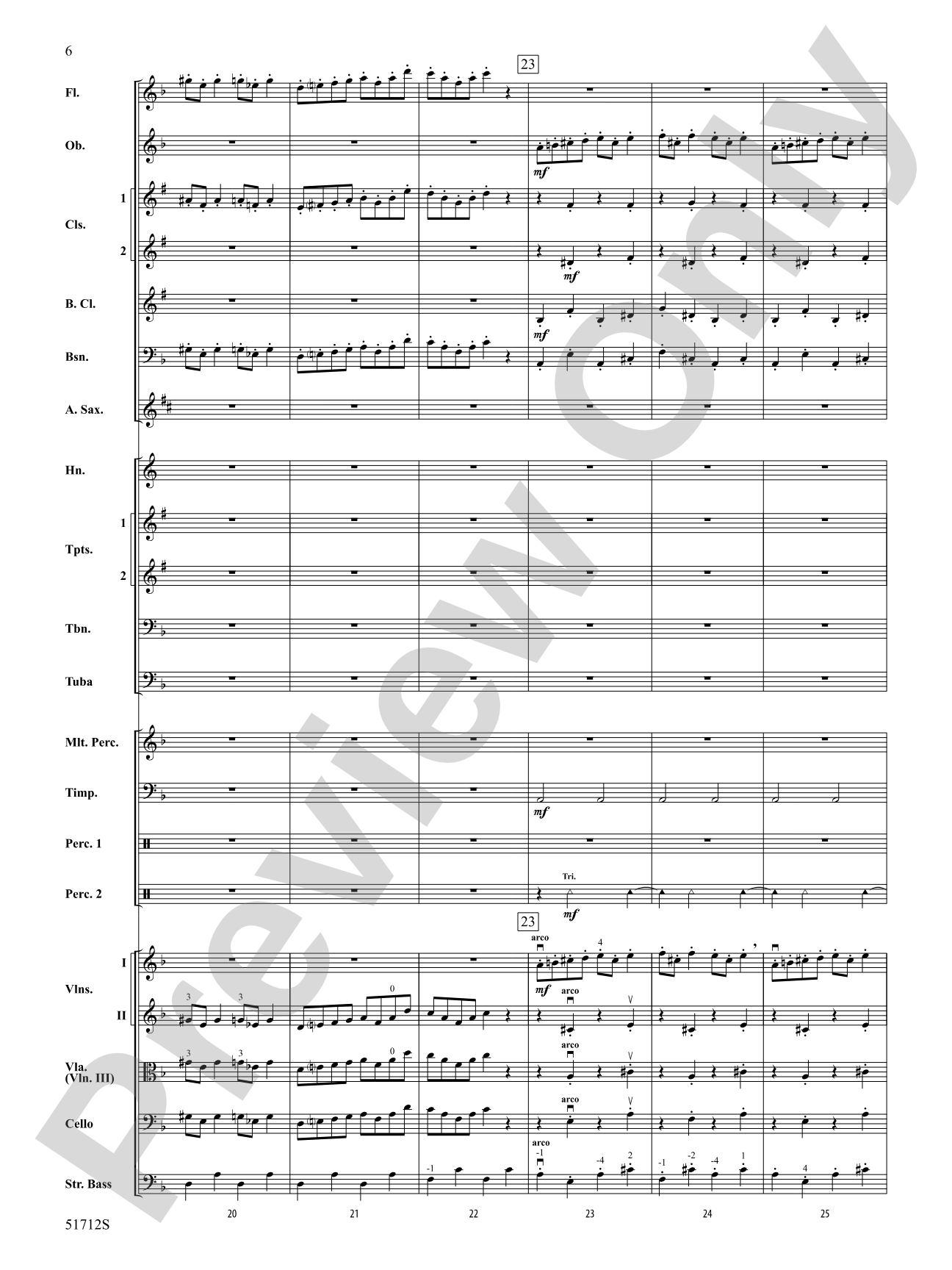
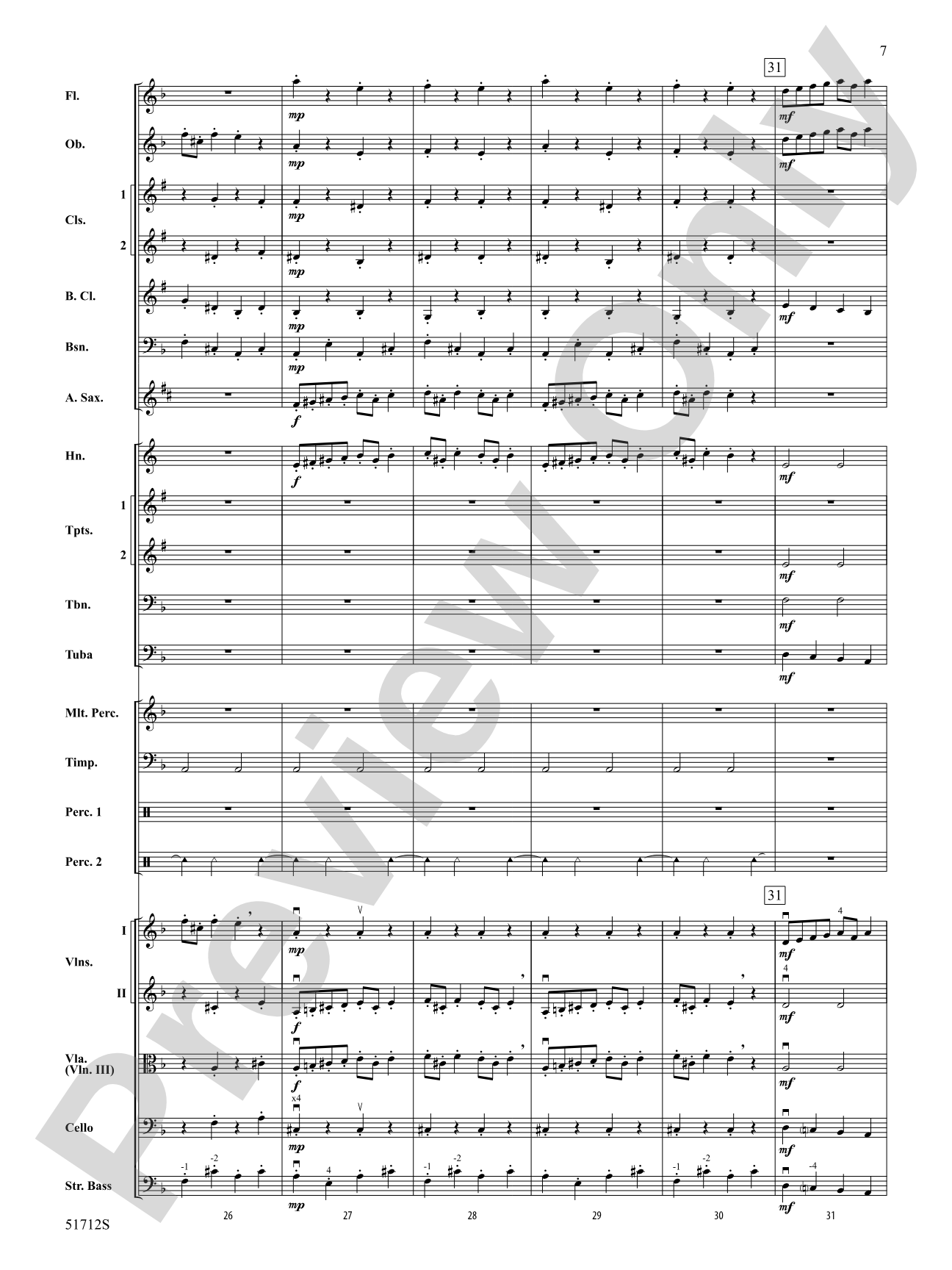
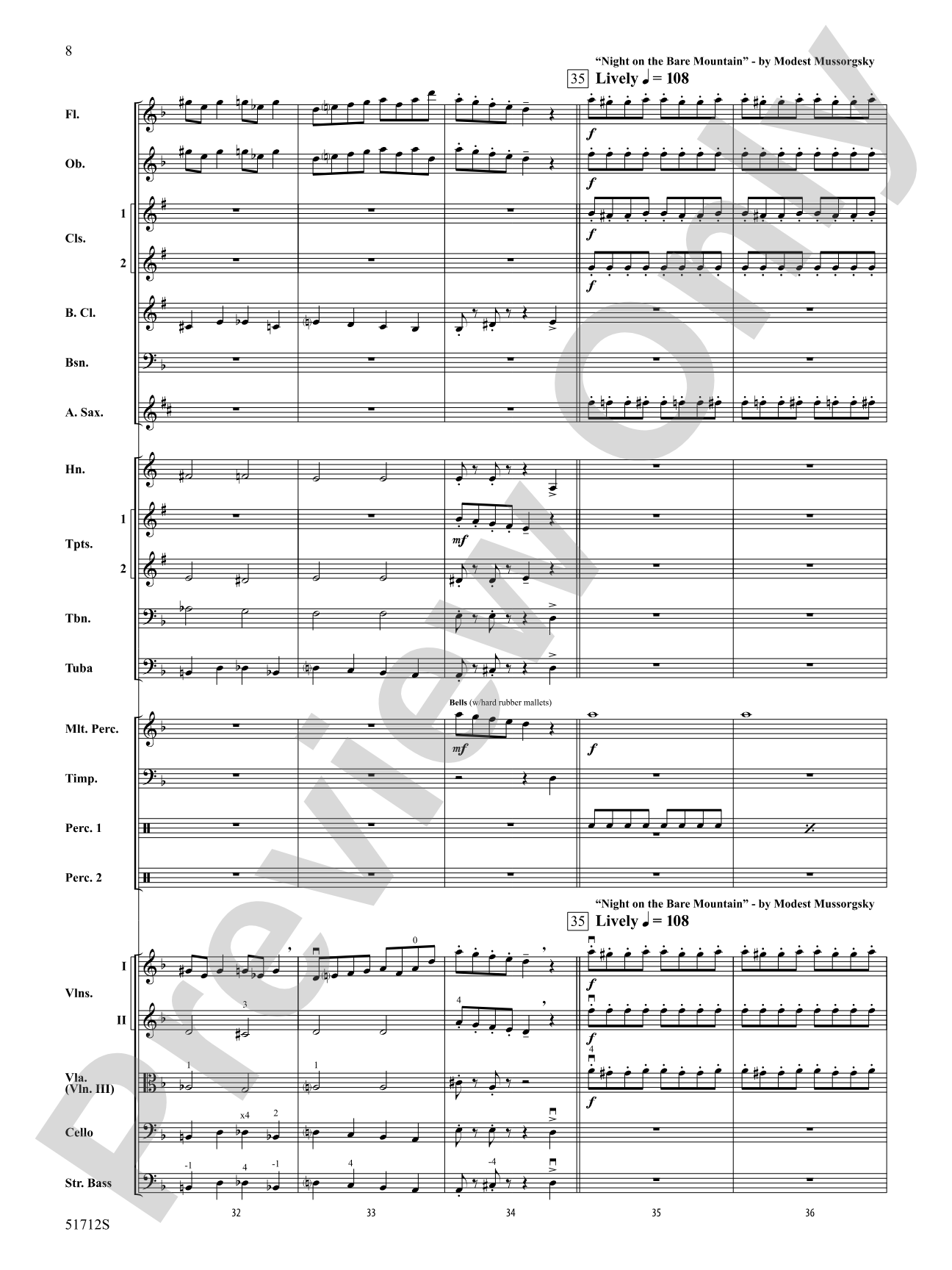
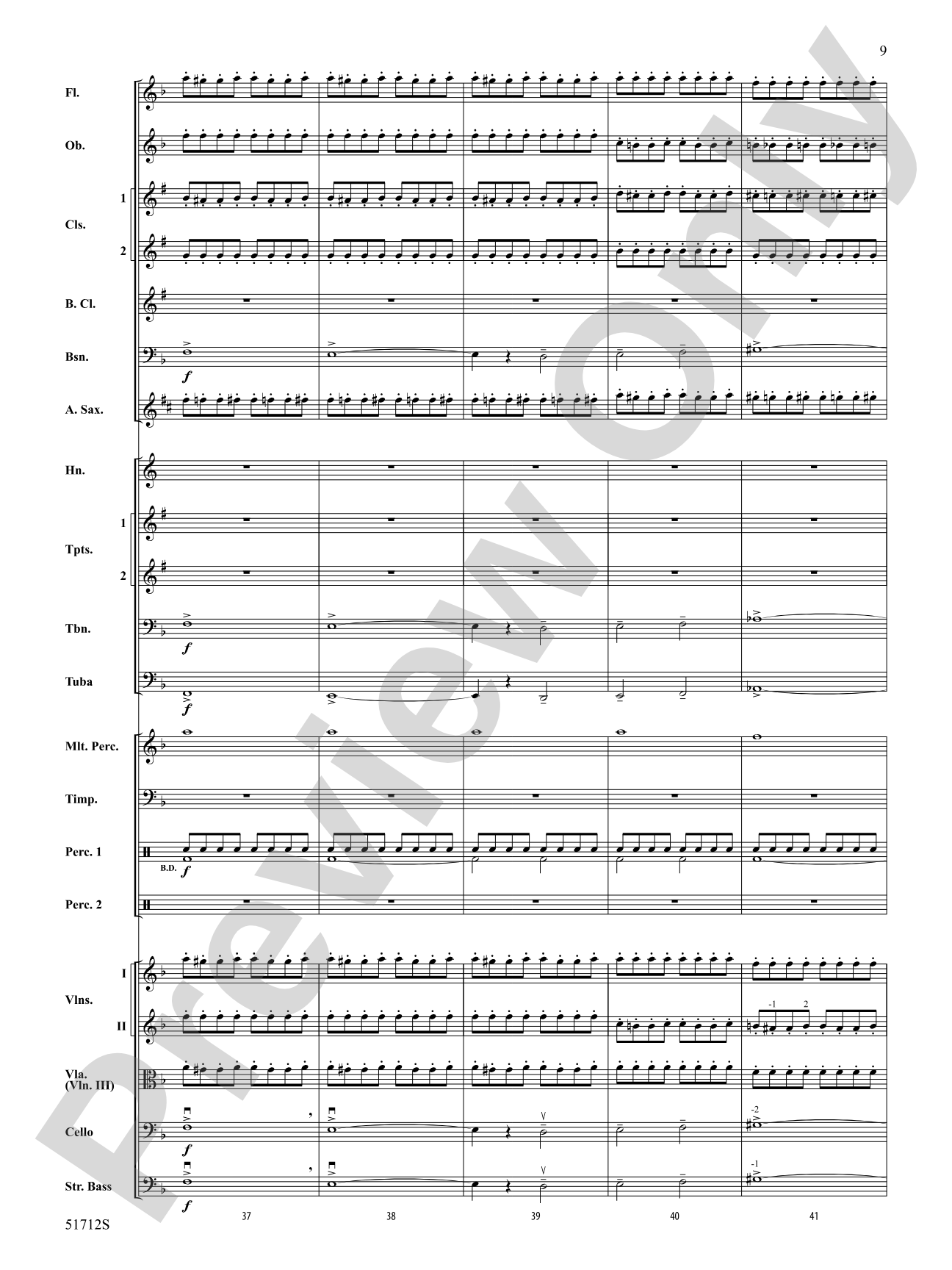
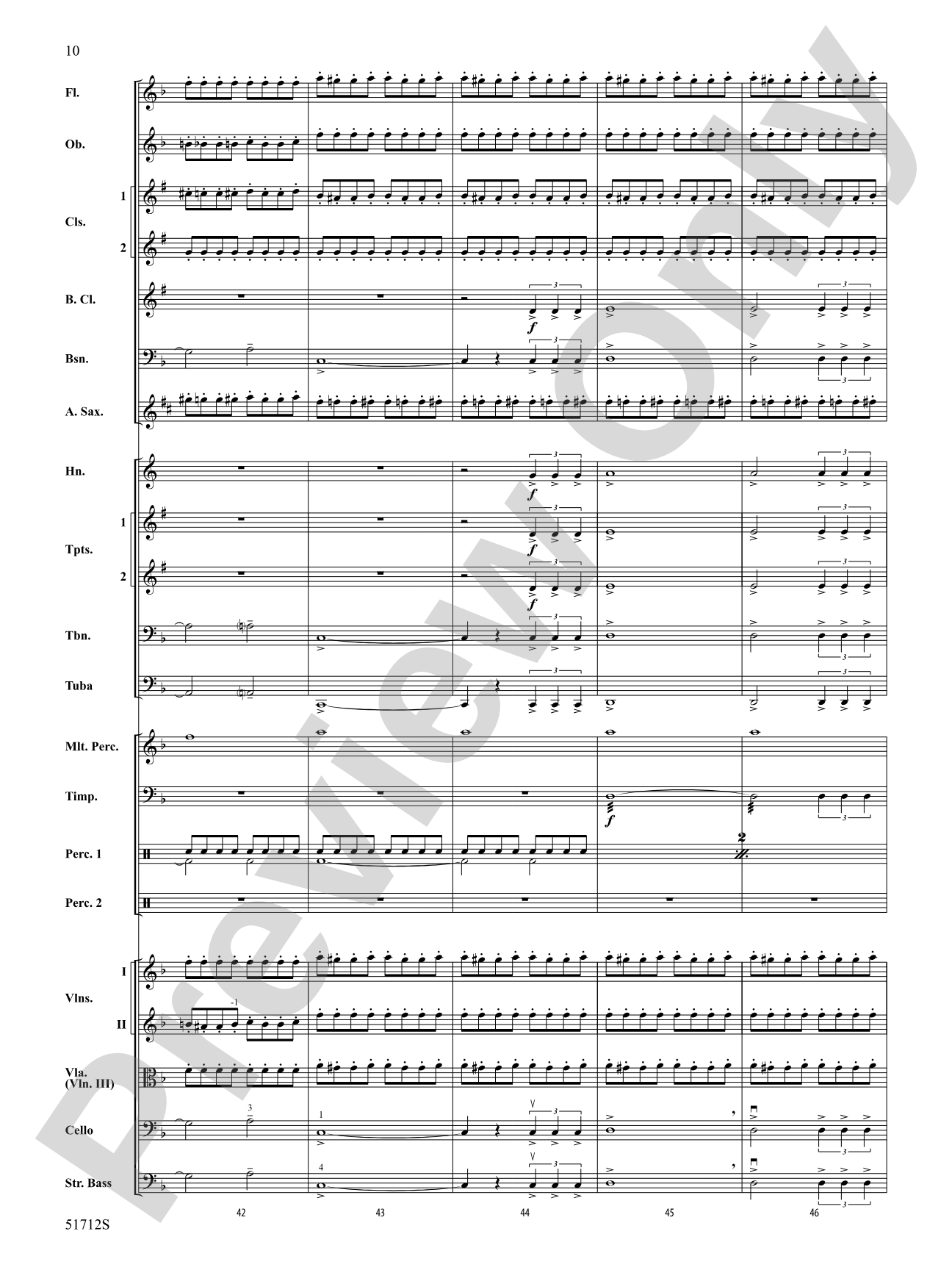
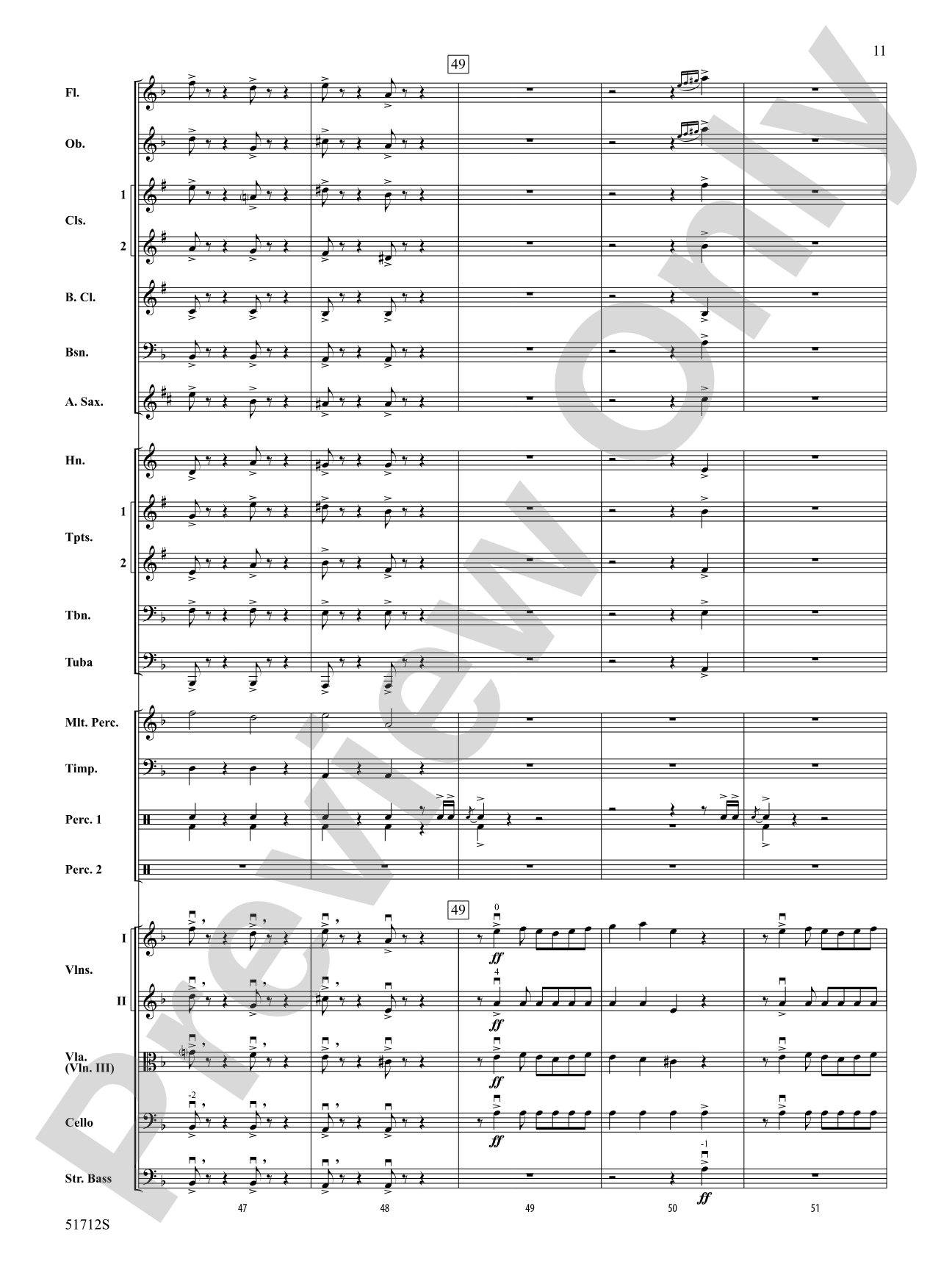
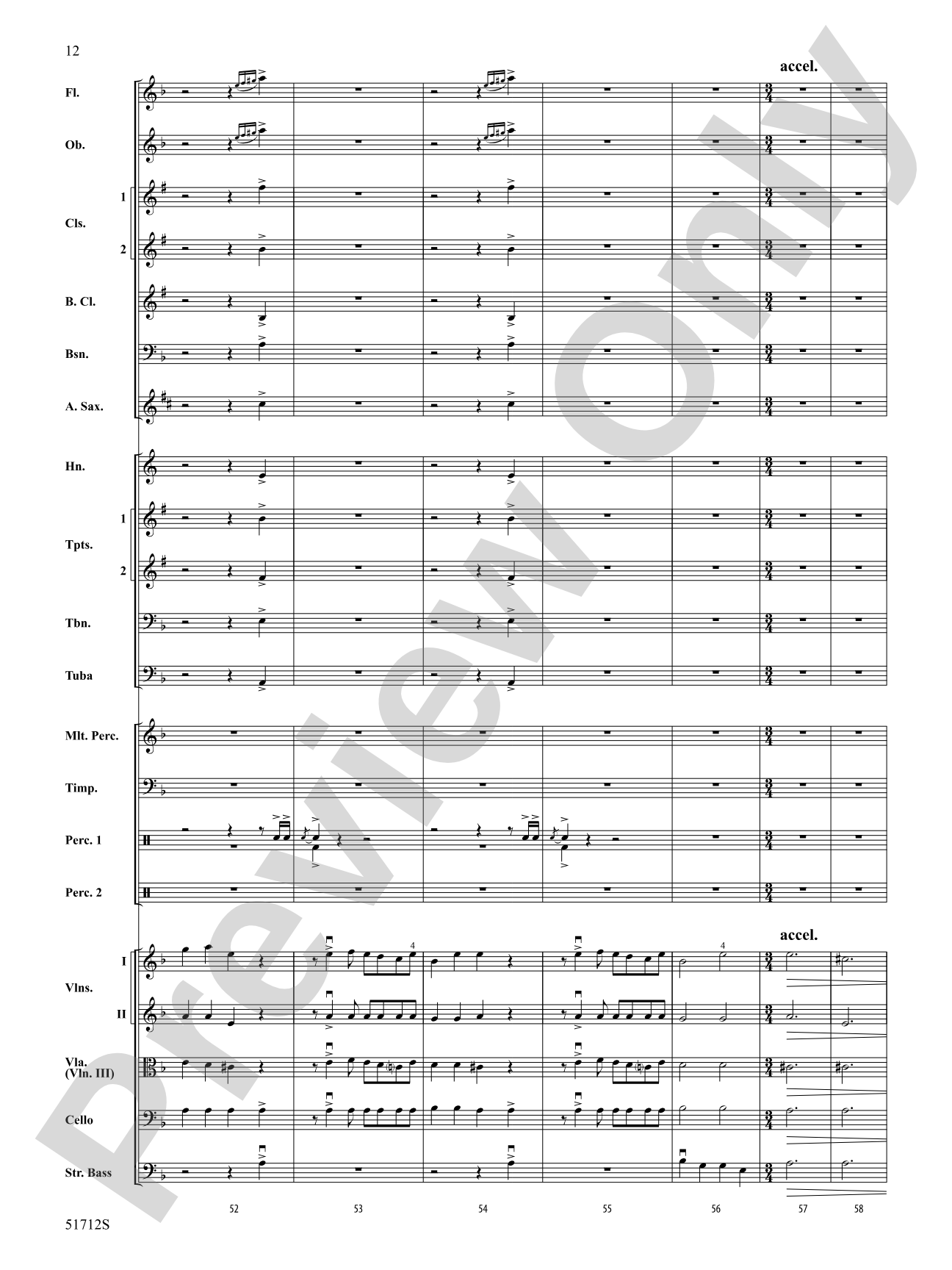
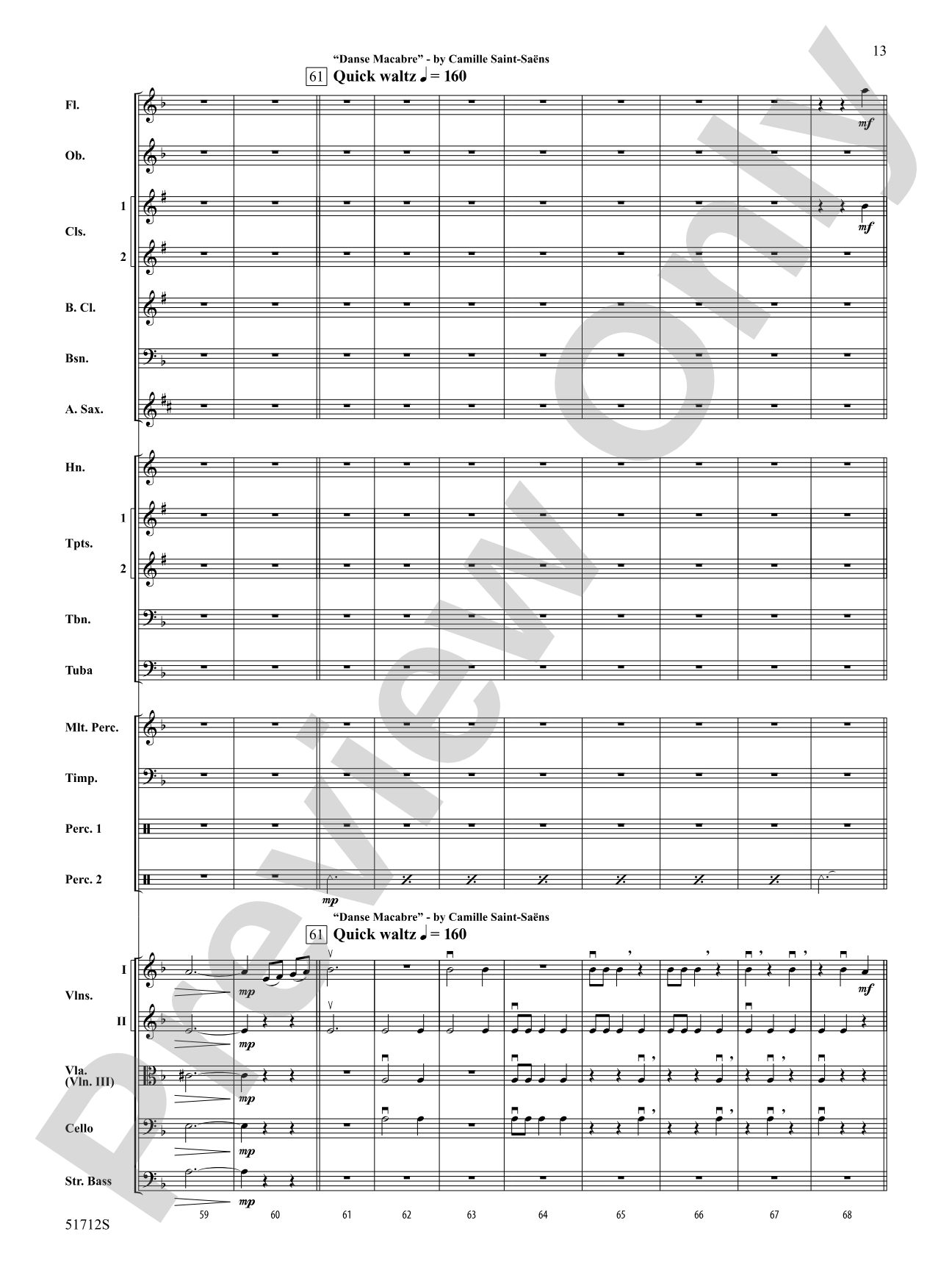
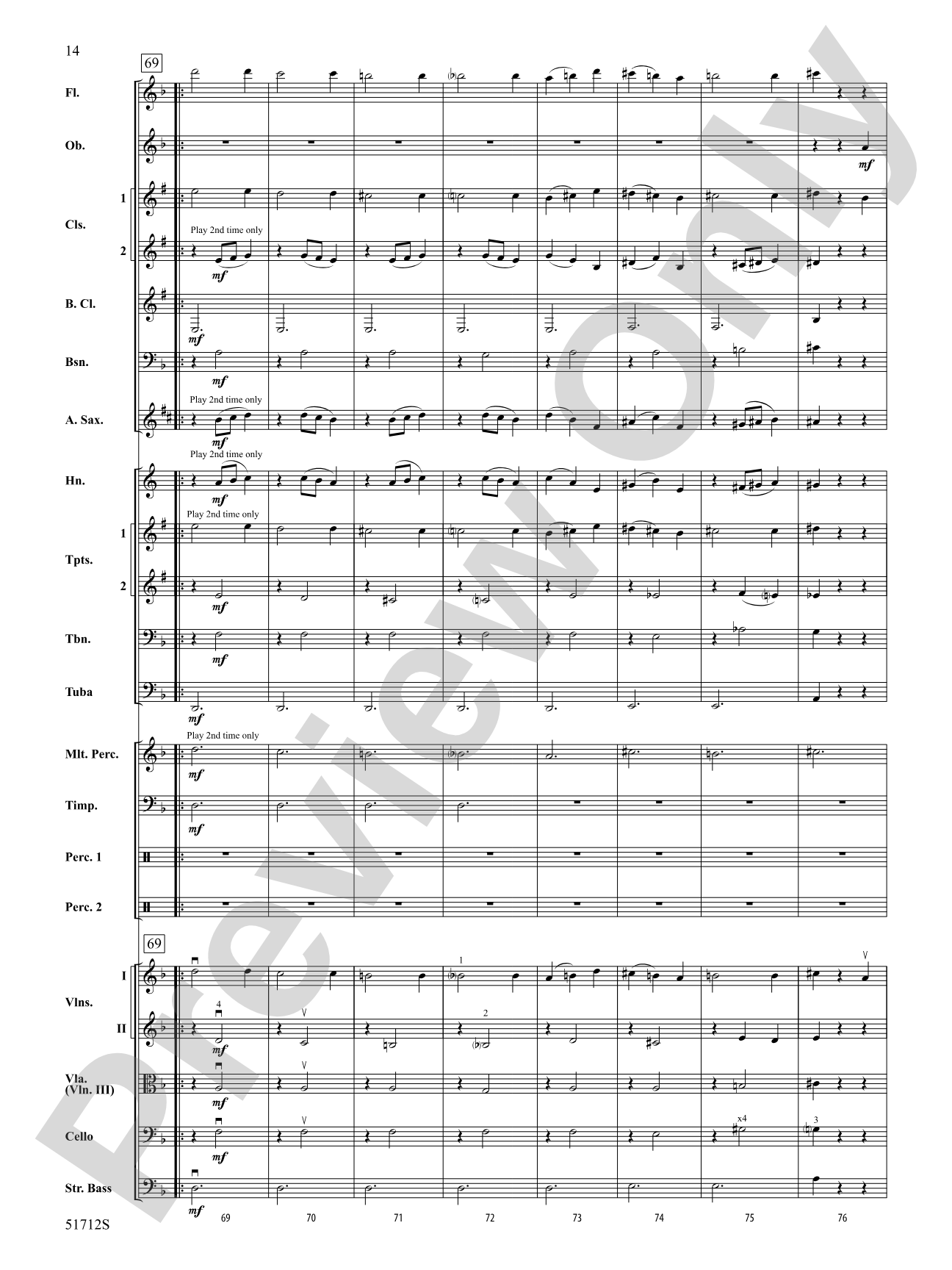
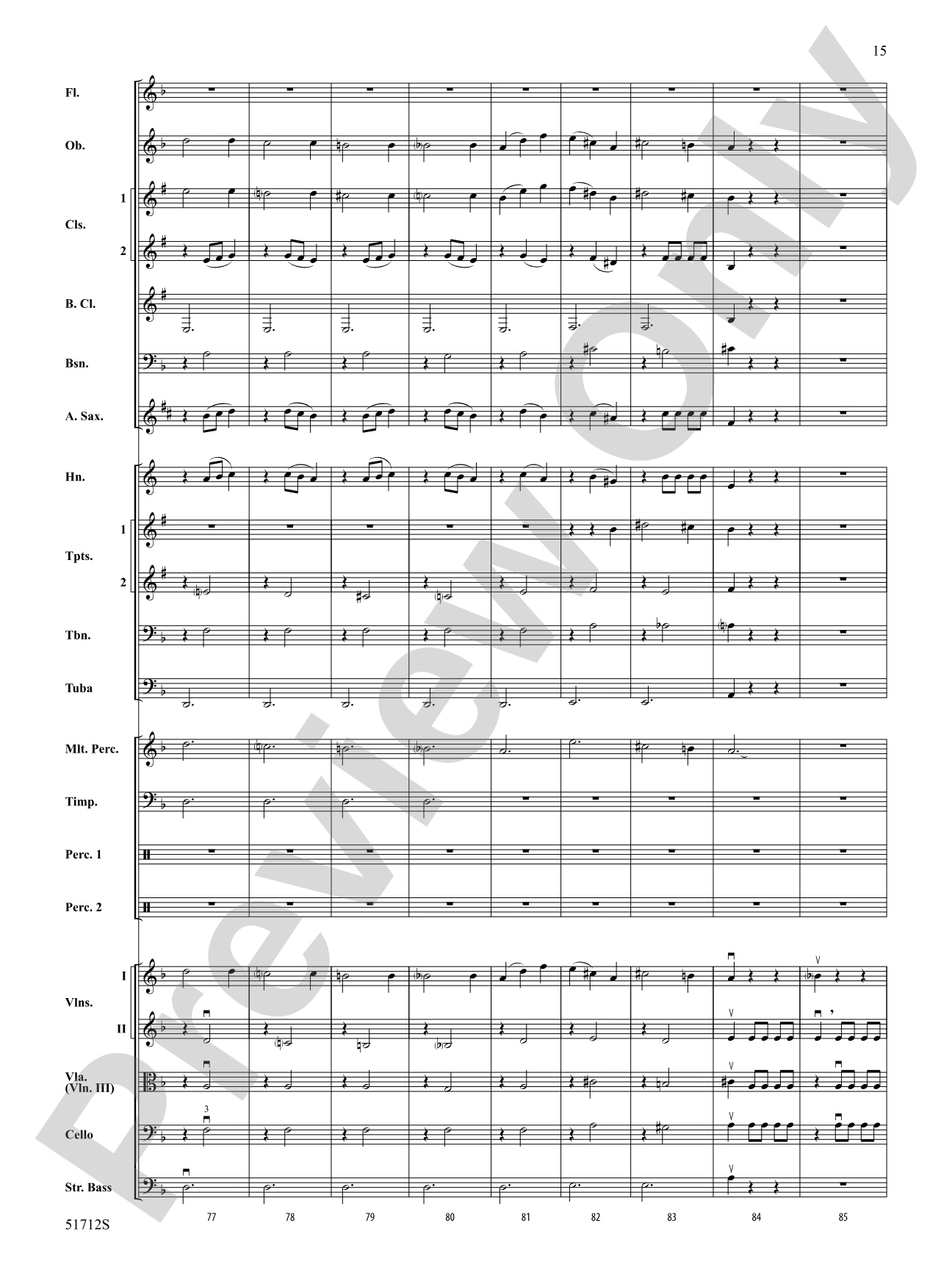
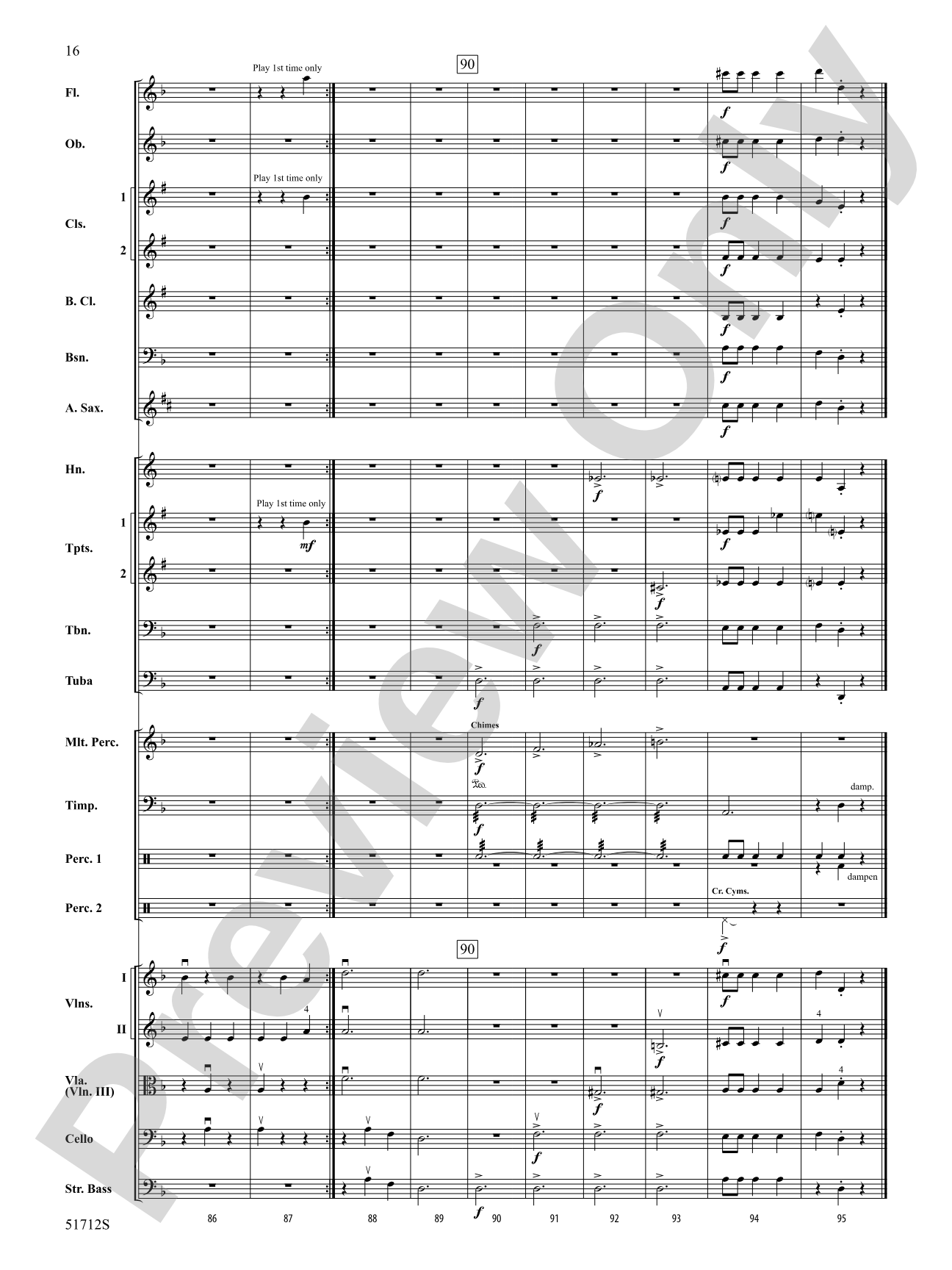

Halloween at the Symphony: Score
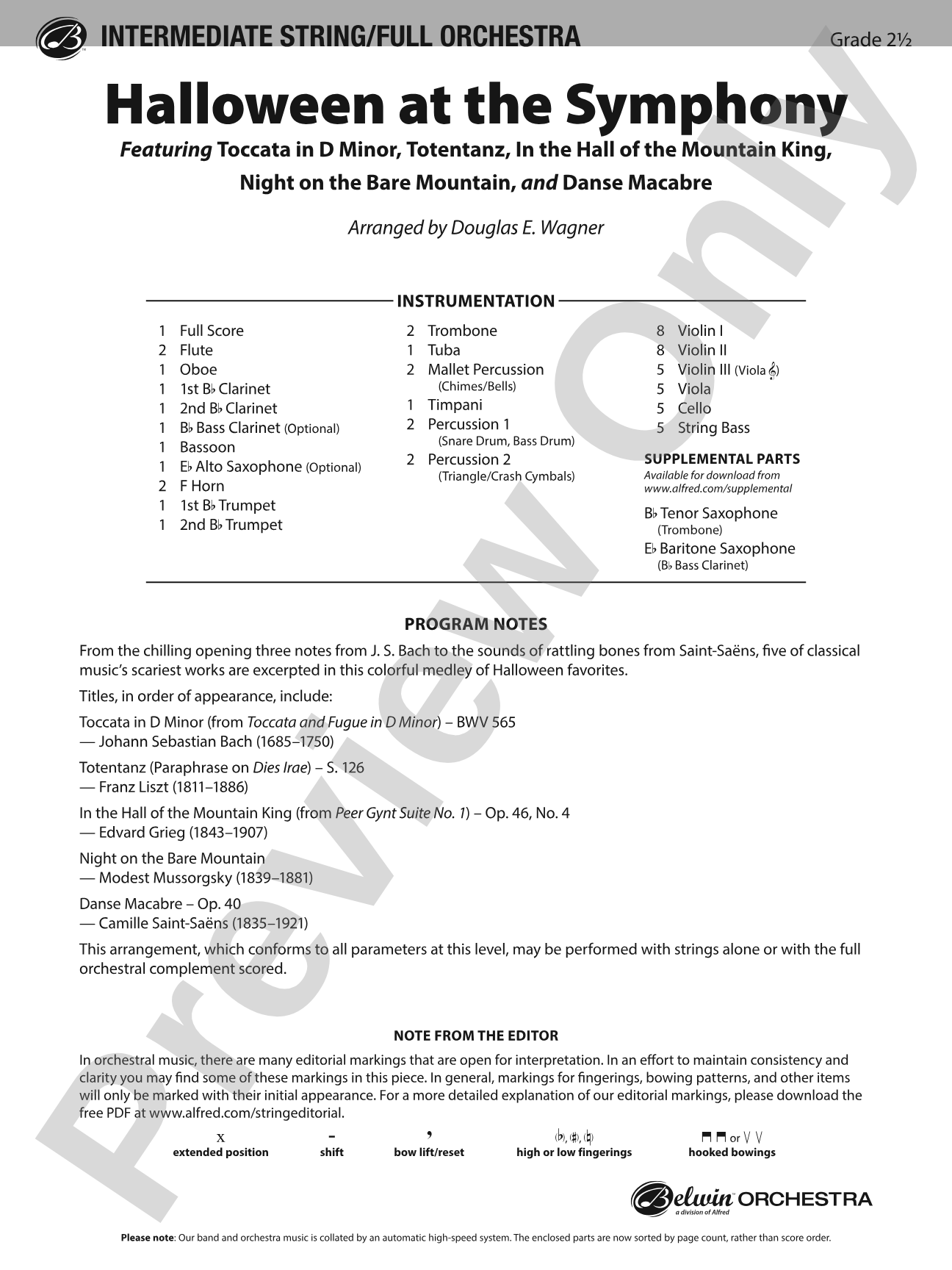
Featuring Toccata in D Minor, Totentanz, In the Hall of the Mountain King, Night on the Bare Mountain, and Danse Macabre
Arranged by Douglas E. Wagner
Grade: 2.5
Item: 00-PR-0007631
$10.00
Pickup currently not available
Description
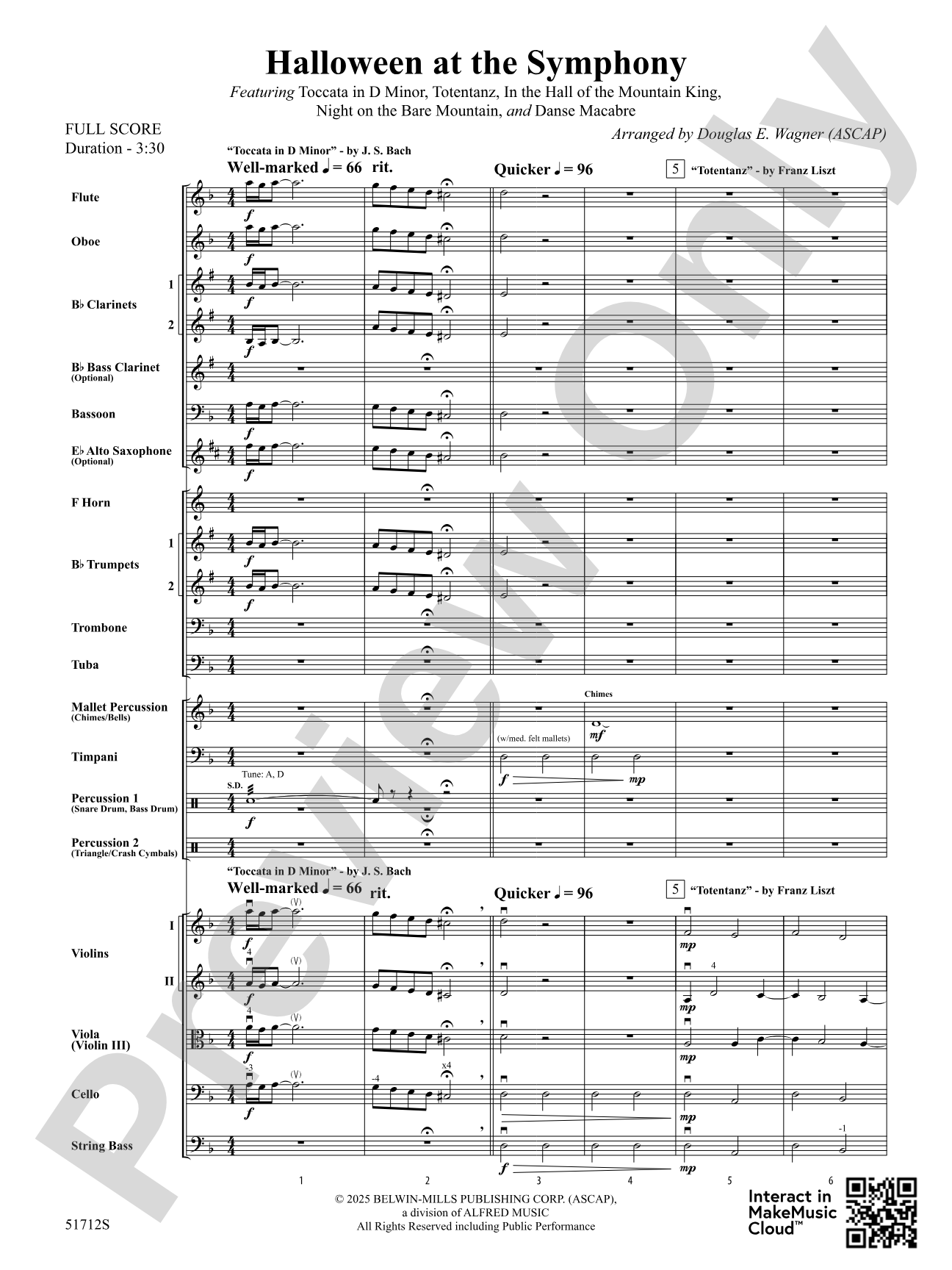
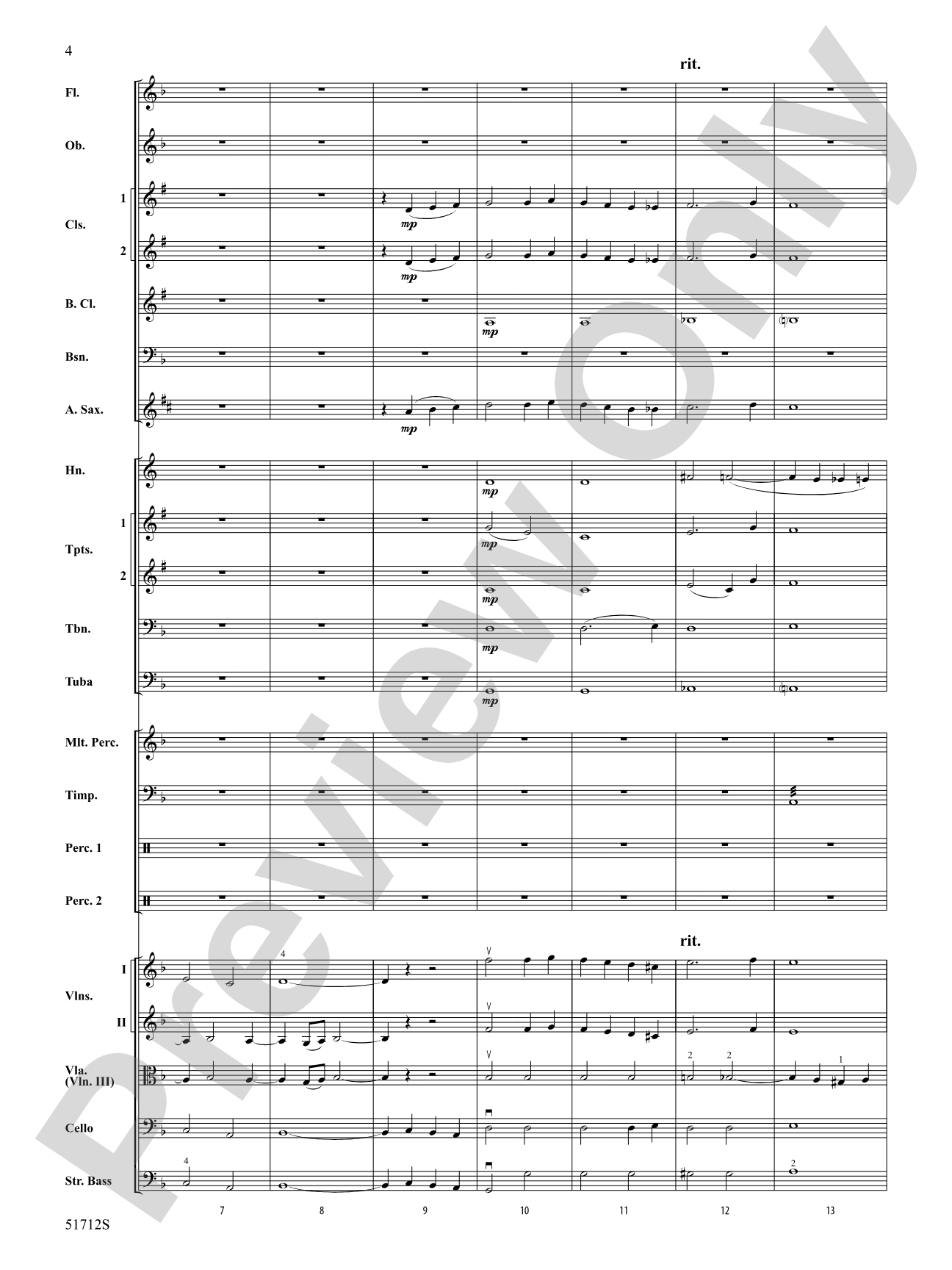
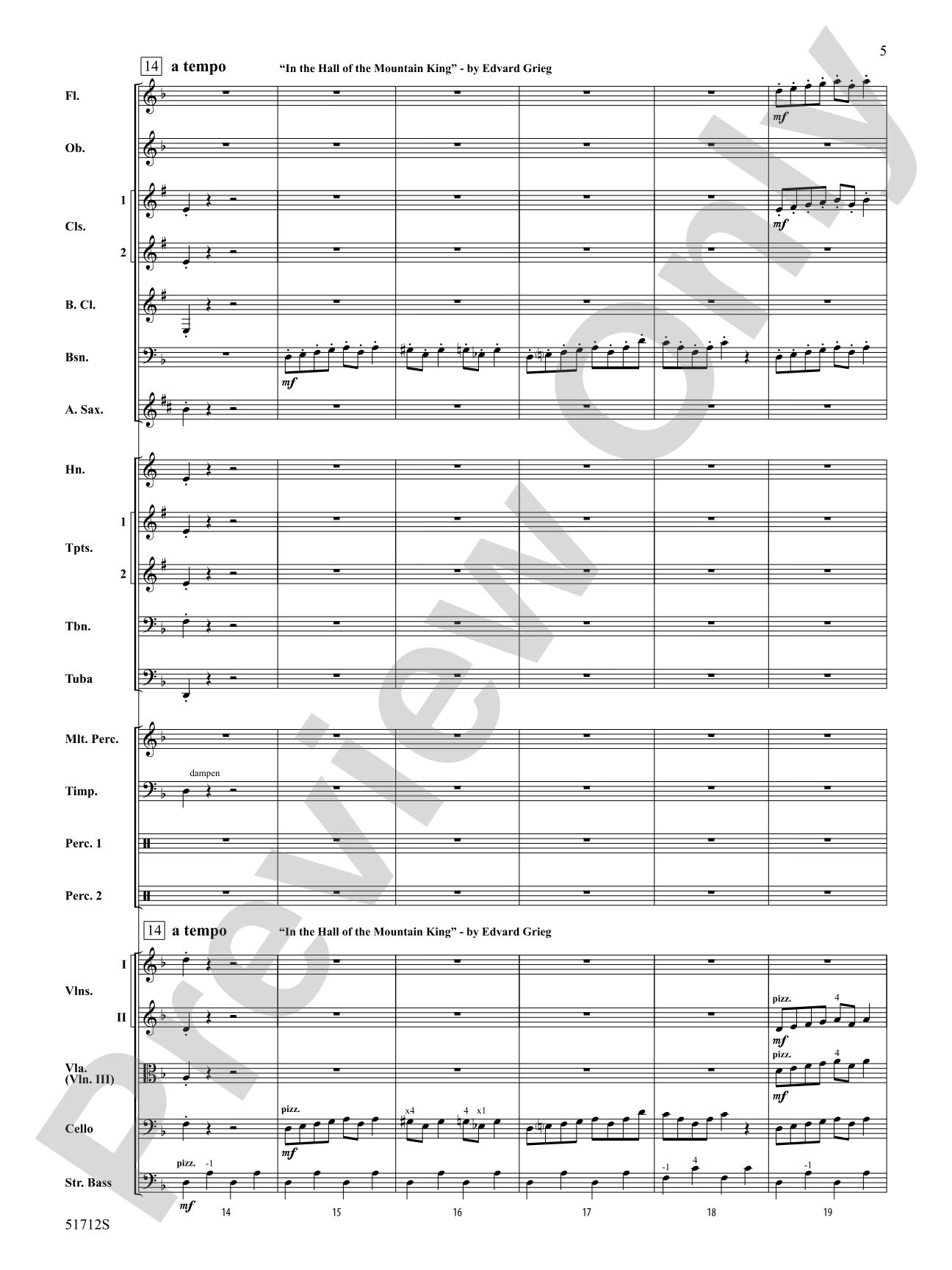
From the eerie opening notes of J.S. Bach to the rattling bones of Saint-Saëns, this medley weaves together five of classical music's most haunting themes. Halloween at the Symphony, arranged by Douglas E. Wagner, brings these spine-chilling melodies to life in a setting designed for developing players. Fully adaptable for full orchestra or strings alone, this crowd-pleasing selection is sure to set the perfect mood for a spooky celebration. (3:30)


Halloween at the Symphony: Score isn't in MakeMusic Cloud just yet...but it could be. Let us know you'd like to see it, and you'll help shape what comes next. In the meantime, start a free trial and dive into thousands of interactive titles your students can play along with today.
Request This Title
Tell us you want it.
Start Your Free Trial
Explore everything that's ready to play right now.
Sample Audio
1
Audio File
--:--
0:00
0:00
Sample Video
No sample videos found.
Additional Details
Series:
Belwin Intermediate Full Orchestra
Publisher:
Alfred Music
SKU:
00-PR-0007631
More about this title
About the Arranger: Douglas E. Wagner

Douglas E. Wagner grew up in Chicago and earned both his undergraduate and graduate degrees in music from Butler University. He spent three decades as a high school music director and administrator before transitioning to full-time composition and arrangement work.
Since 1973, Wagner has published over 3,500 compositions across multiple genres: choral music for schools and churches, concert band, orchestra, handbells, organ, piano, and vocal works. His catalog has sold well over seventeen million copies worldwide, with performances broadcast on radio and television throughout the United States and internationally. He now lives in Indianapolis with his wife, Sandy.
Why we love this
Wagner assembles a genuinely theatrical medley that respects Grade 2.5 capabilities without insulting musicianship. The arrangement captures what makes these pieces iconic (Bach's darkness, Saint-Saëns' visceral energy) while keeping the orchestration playable for younger ensembles, and the flexibility to perform as full orchestra or strings alone lets you adapt to whatever you have in the room on any given rehearsal day.
What to expect
The piece opens with unsettling restraint, then builds through recognizable classical themes layered with enough harmonic color to feel sophisticated. The final section crackles with mischievous energy rather than pure terror, giving audiences permission to enjoy the spookiness as theatrical entertainment.
Who it's for
This arrangement suits developing orchestras preparing for a fall concert with holiday programming needs. It works equally well for conductors seeking a crowd-pleasing piece that doesn't demand soloists or excessive section refinement, and it's ideal for ensembles with flexible instrumentation since the string-alone option removes pressure if wind sections are understaffed.
How to get the most out of it
- Balance the eerie opening carefully; the principal woodwinds and strings need clarity even at soft dynamic levels, so resist the temptation to let the texture blur.
- Mark clear entry points in parts where the ensemble picks up after soloistic passages; young players often lose their place during transitions between medley sections.
- Shape the phrases within each movement as complete musical thoughts rather than stringing them together; this gives the piece architectural weight despite its brief duration.
- Bring out rhythmic vitality in the Saint-Saëns section without rushing; the percussion parts provide skeleton, but the ensemble needs to stay locked with the conducted beat.
How to use it
Program this as an opener or closer on a fall concert to establish mood and energy immediately; its three-and-a-half-minute runtime leaves room for longer works elsewhere on the bill. Alternatively, pair it with other seasonal selections to build a thematic set, or use it as an encores piece if your concert runs long and you need something immediately recognizable that audiences will enjoy.
Skills your students will build
- Maintaining soft dynamic control while sustaining ensemble intonation
- Coordinating ensemble transitions between contrasting musical sections
- Balancing independent line work across multiple orchestra sections
- Responding to conductorial cues during rapid tempo shifts within a medley structure