
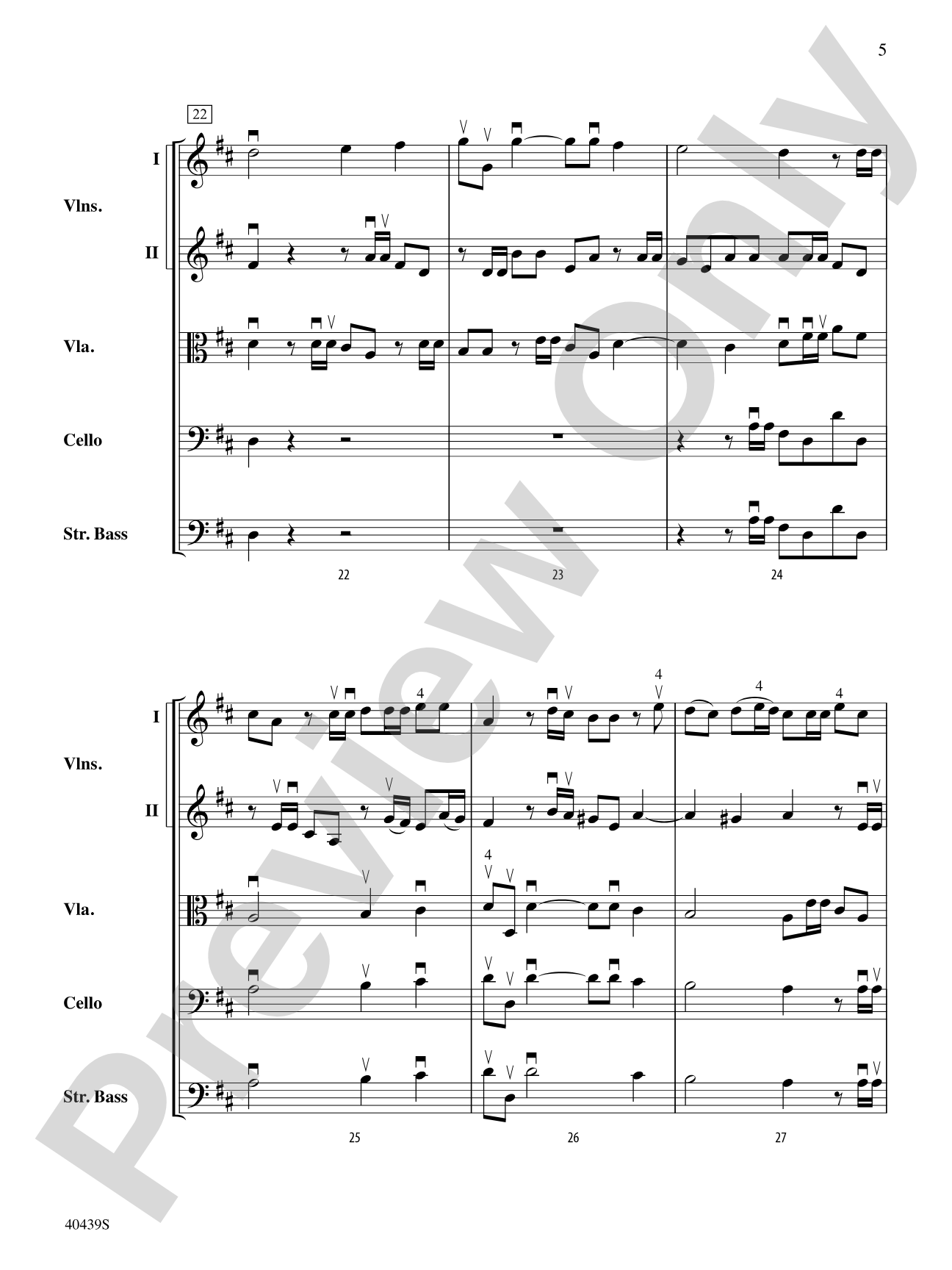
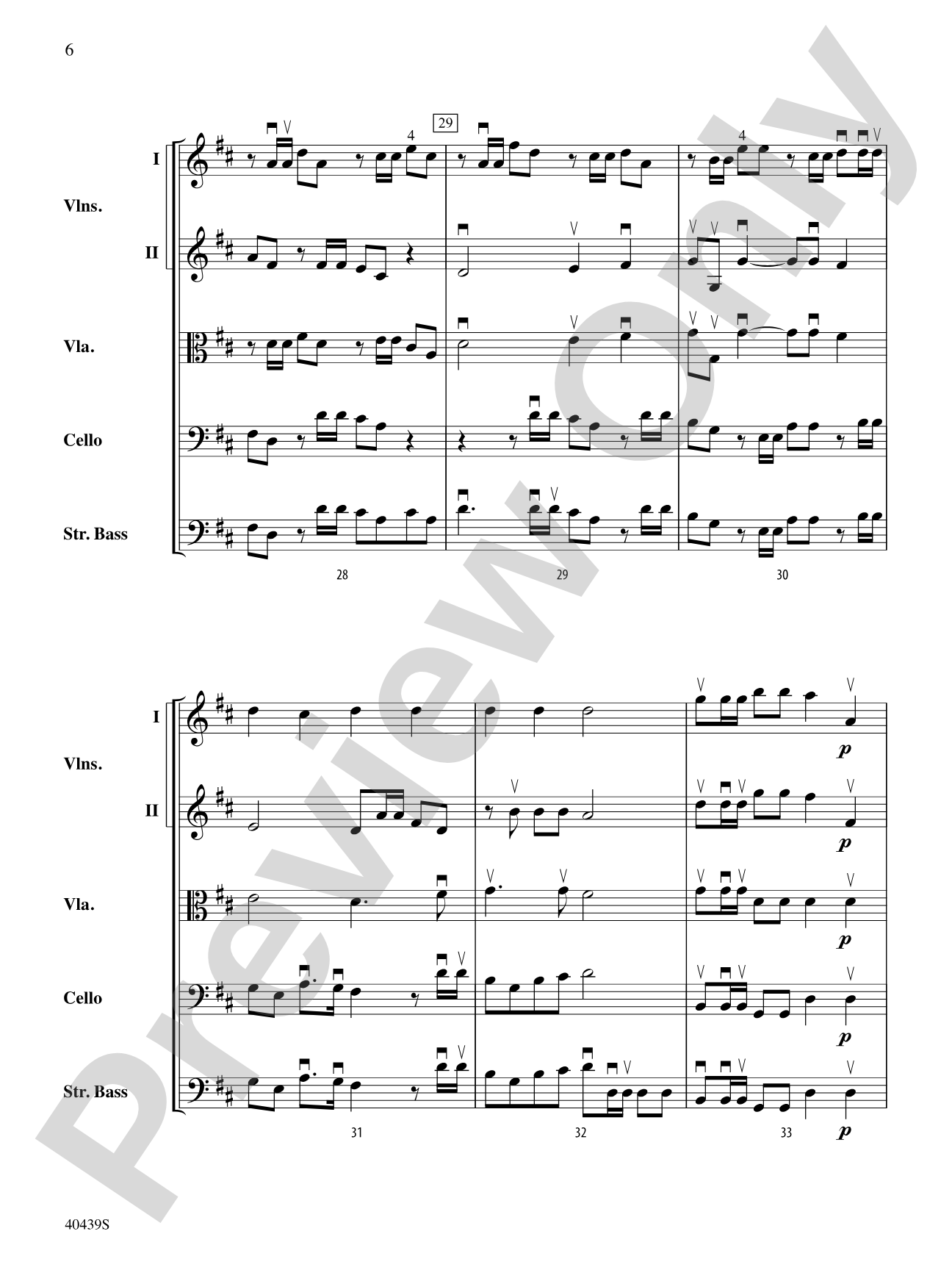
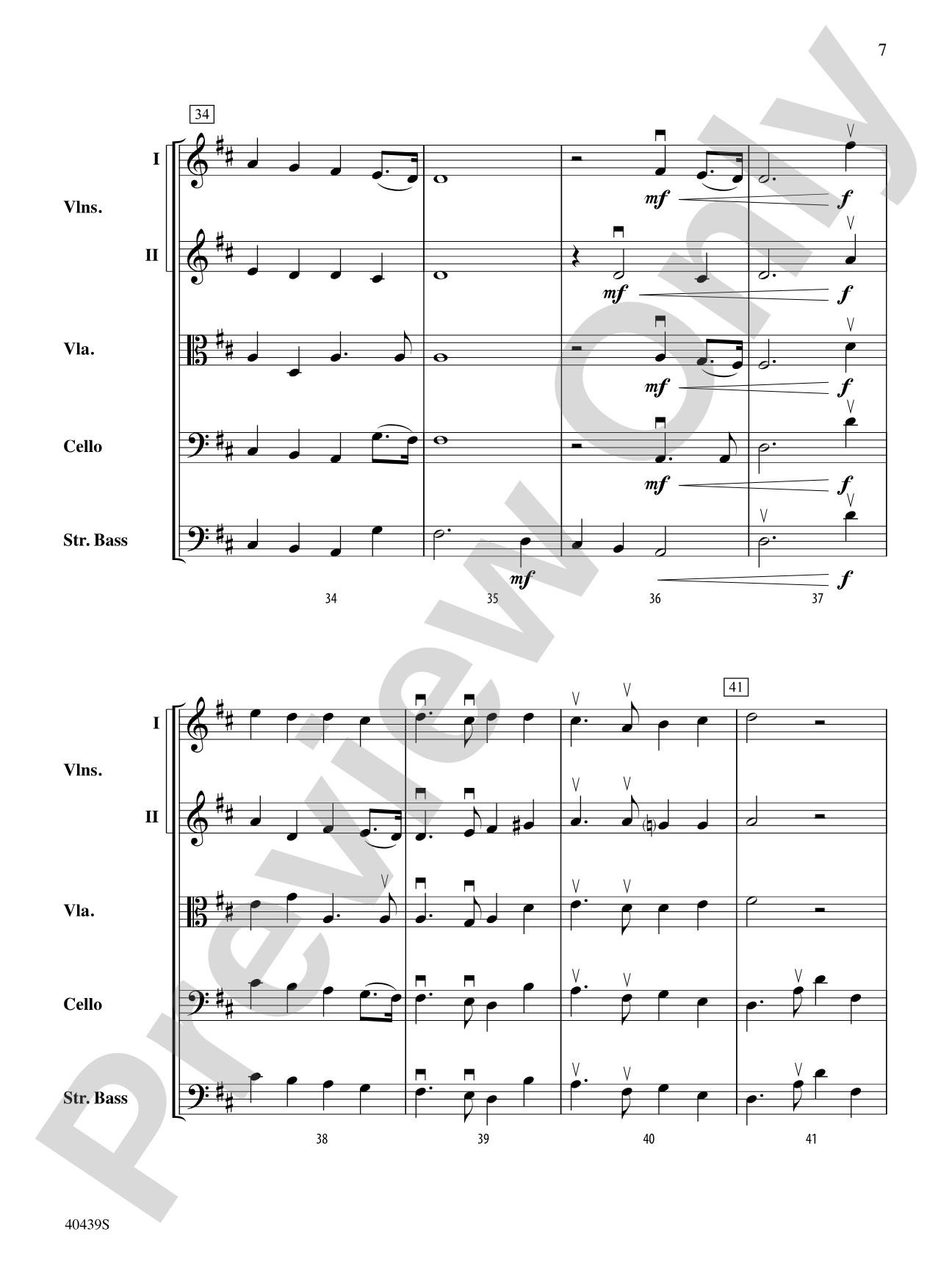
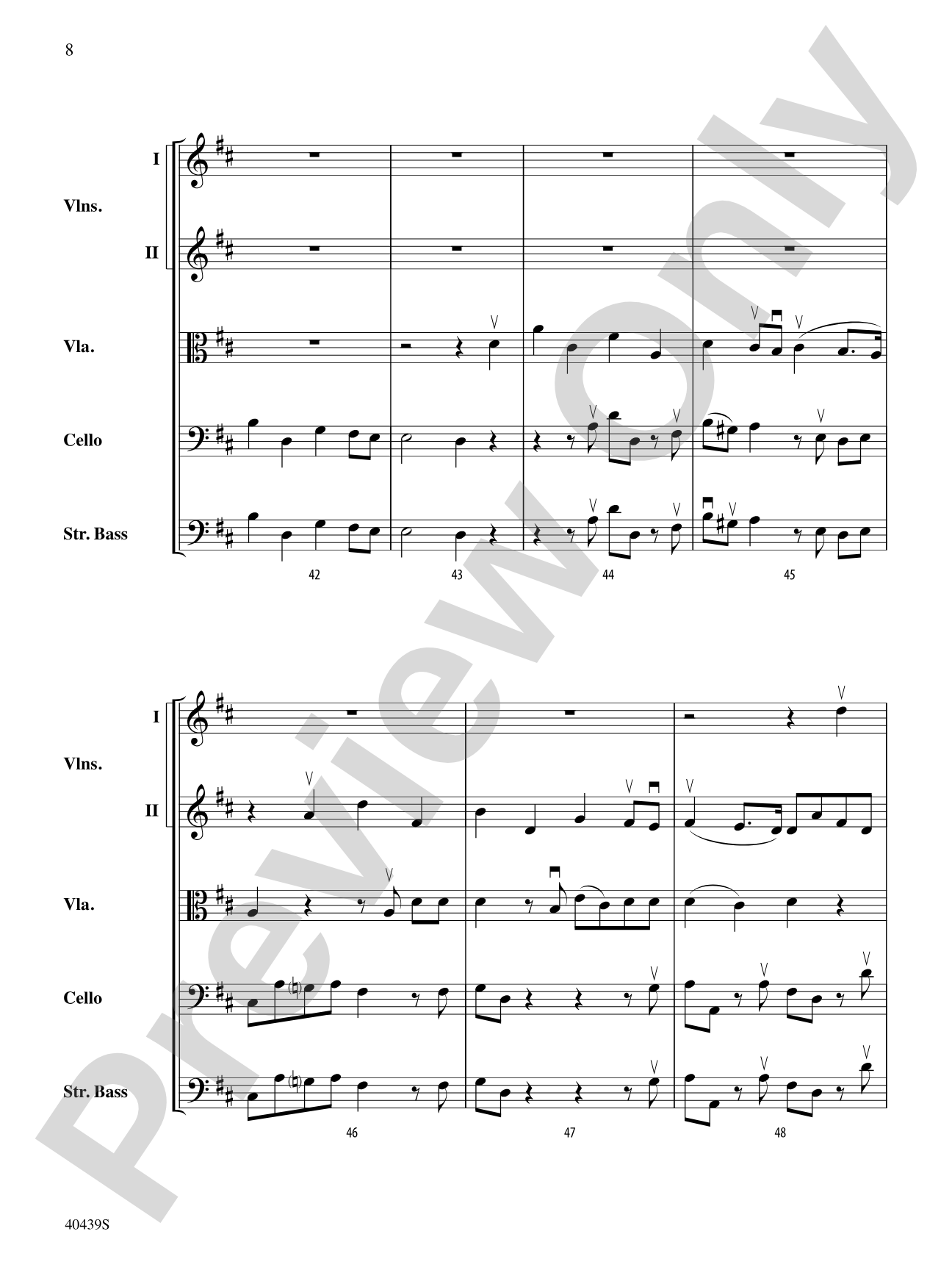
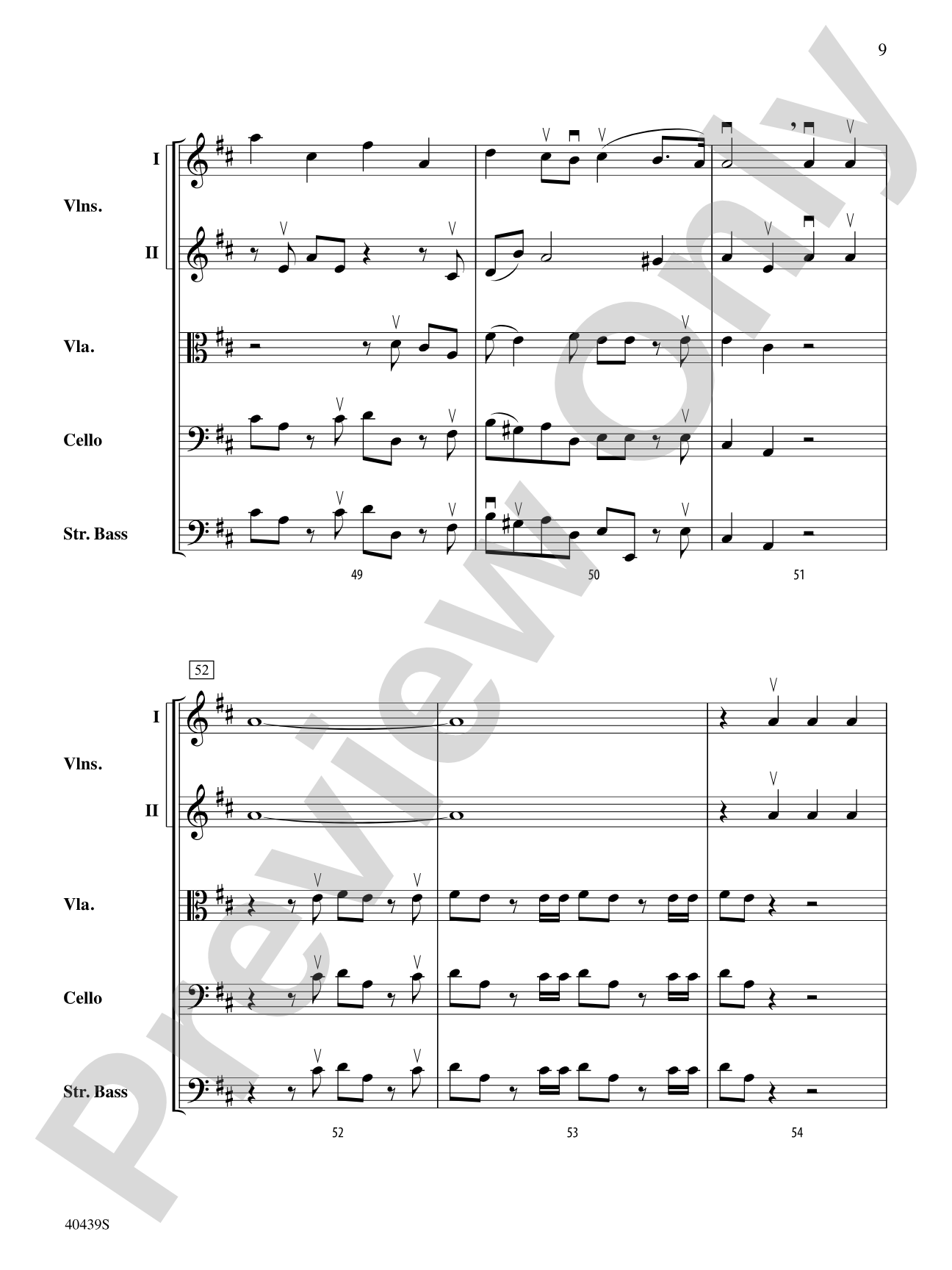
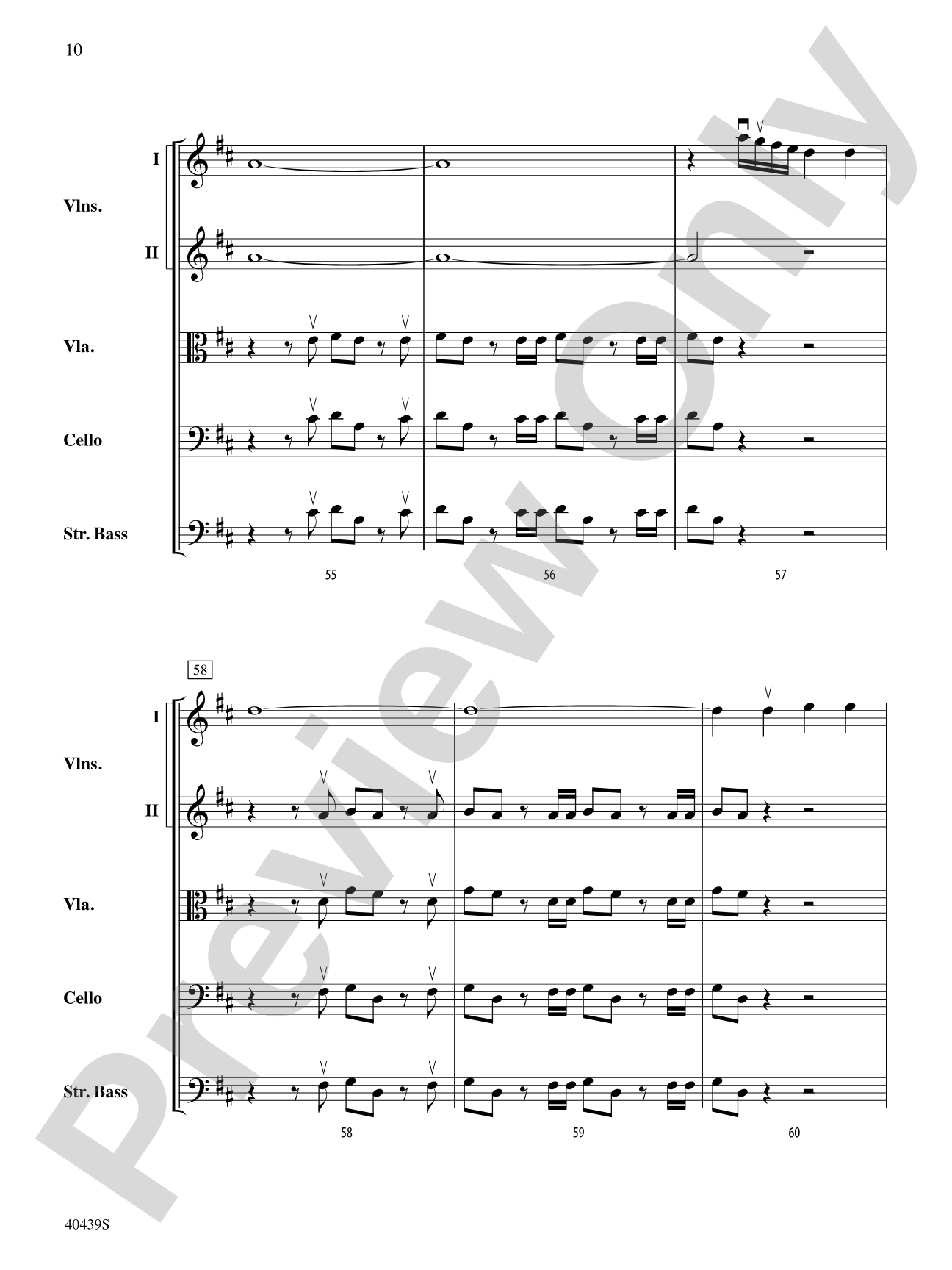
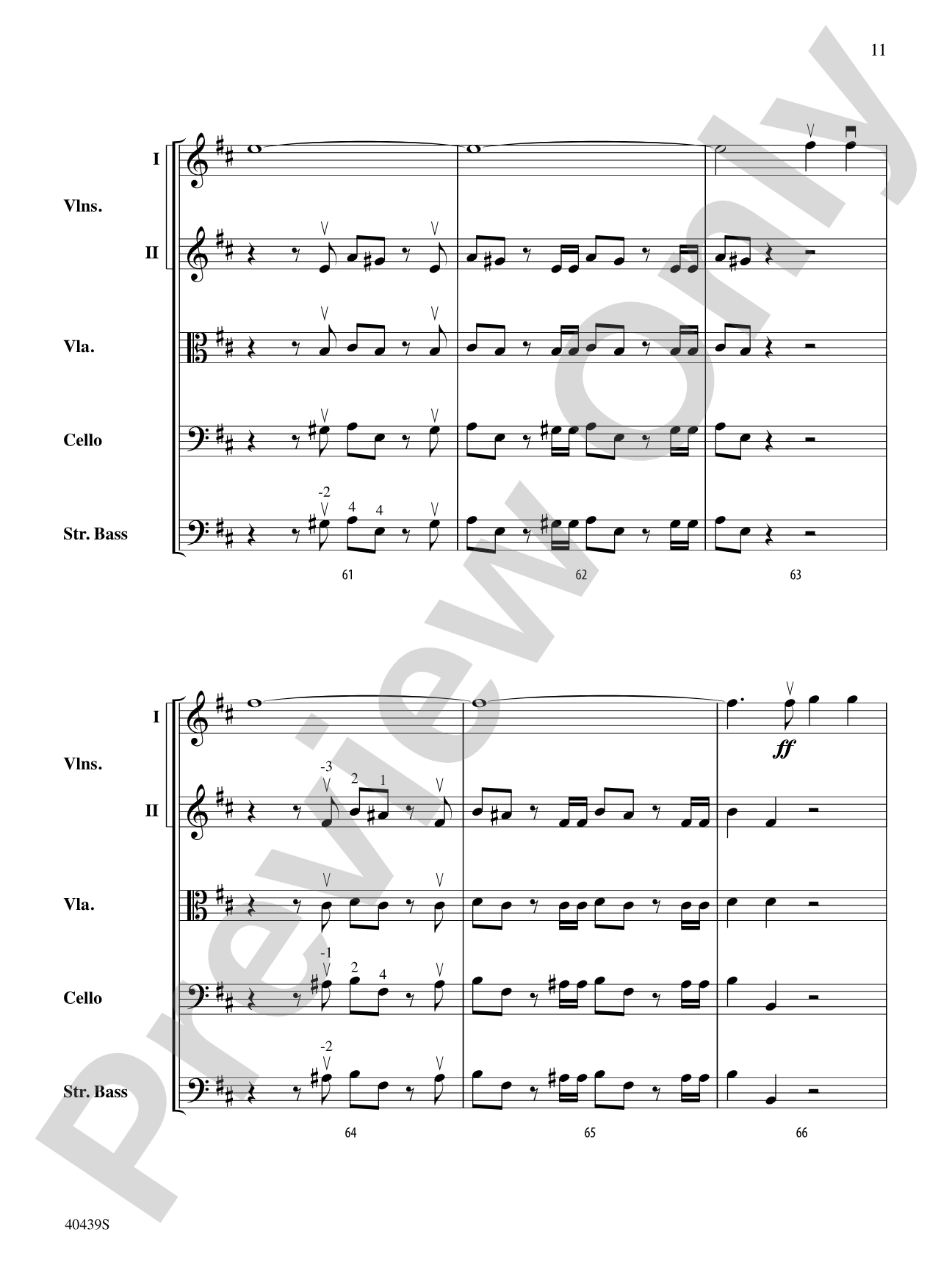
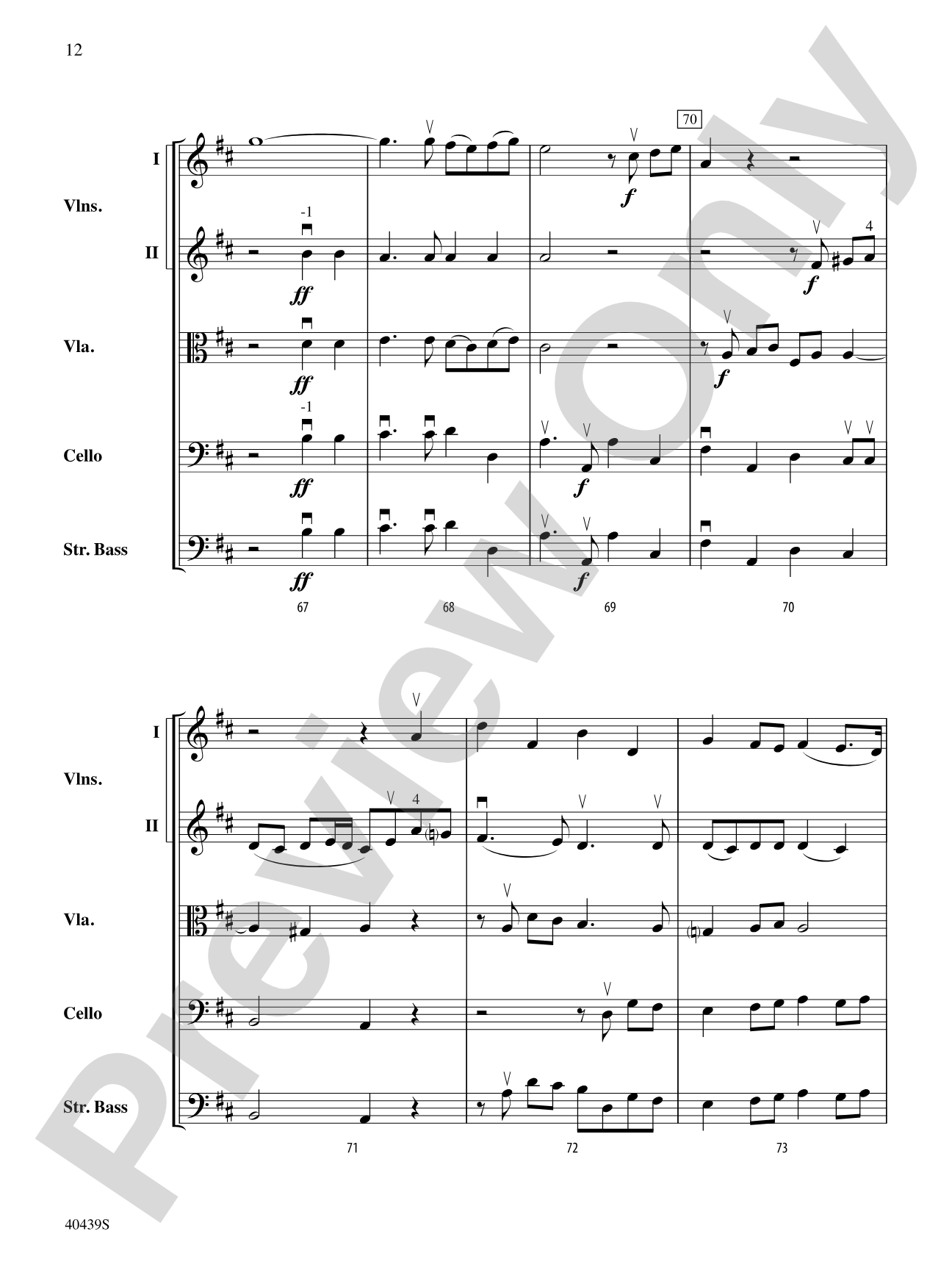
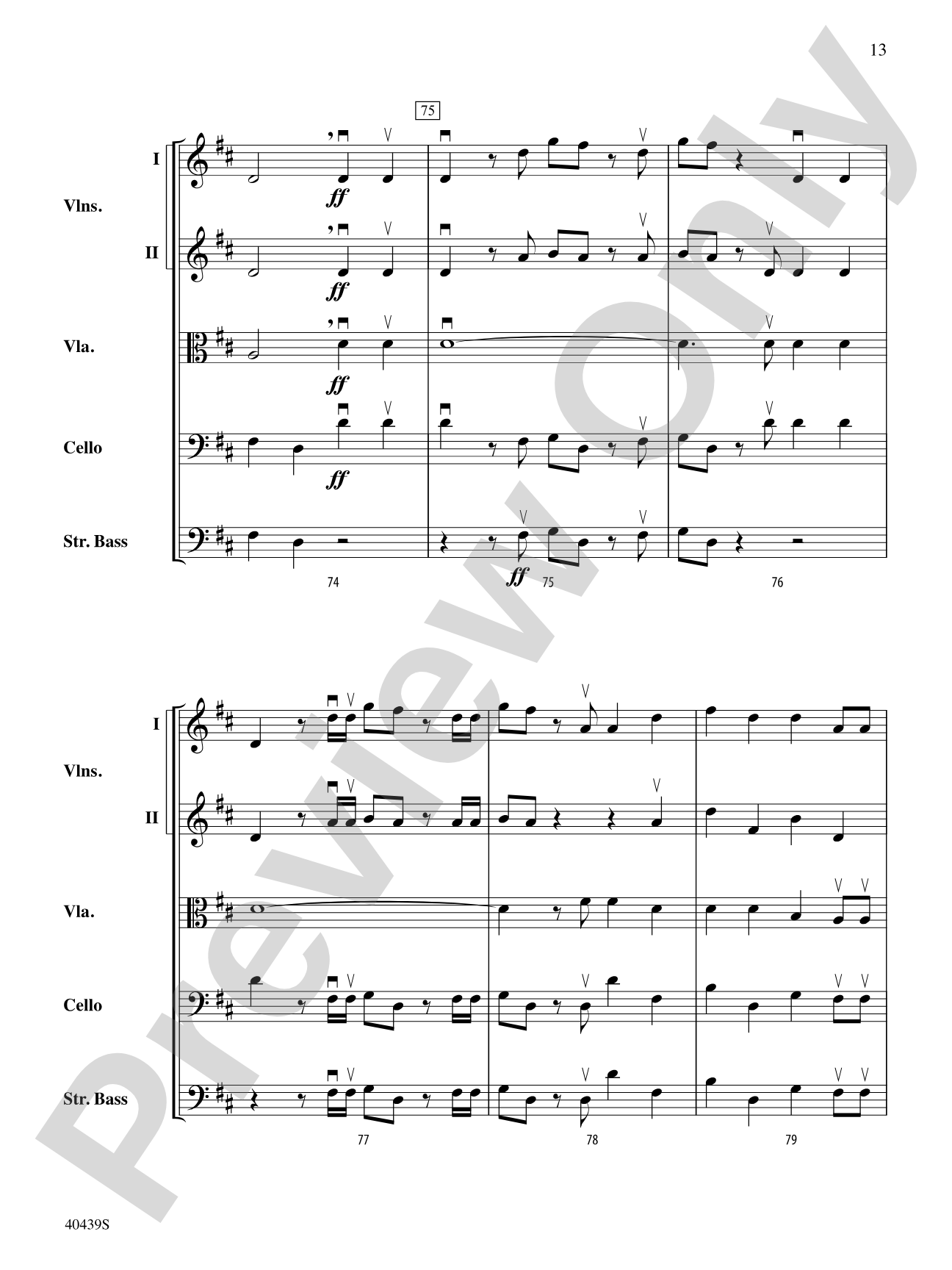
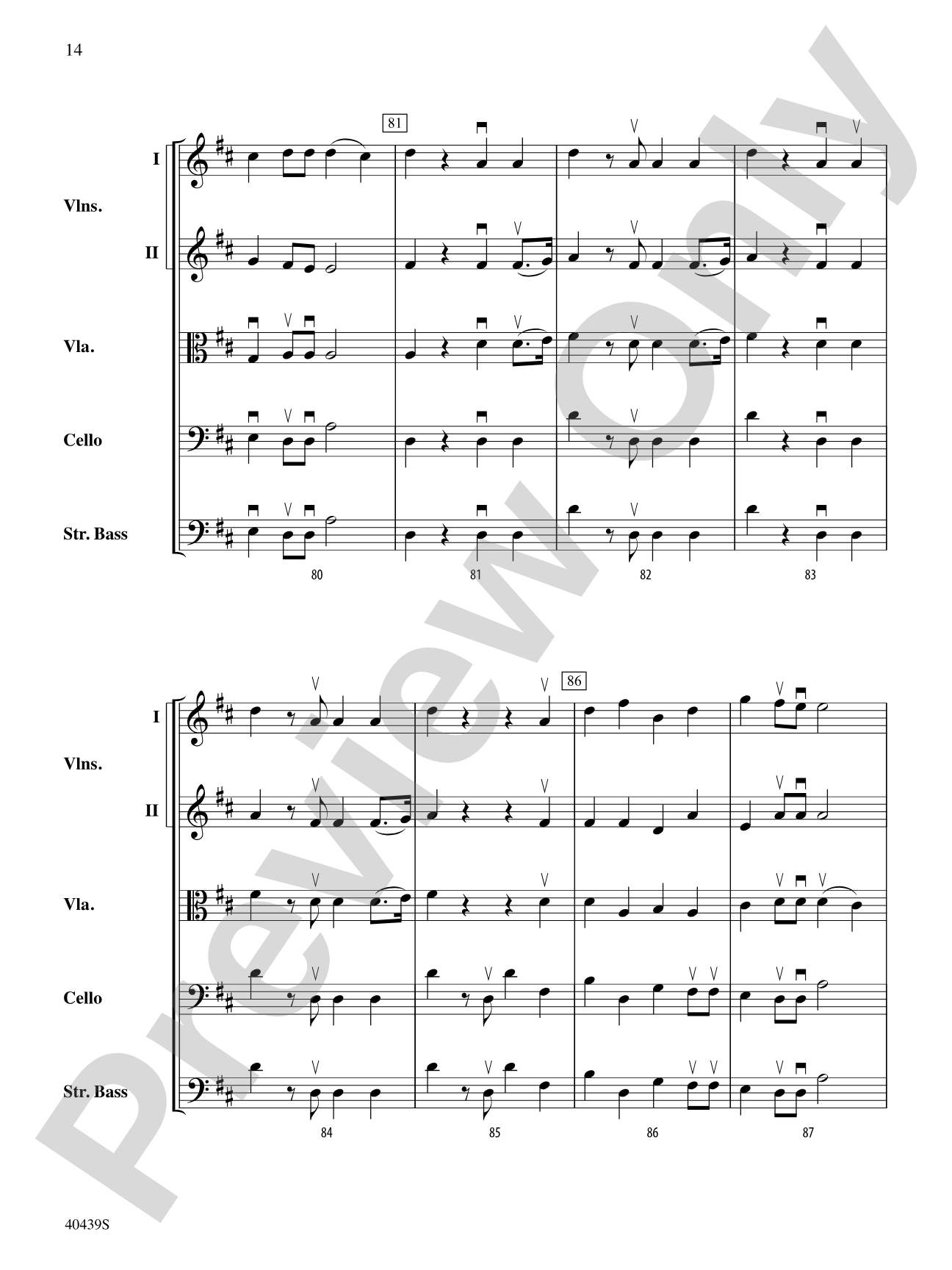
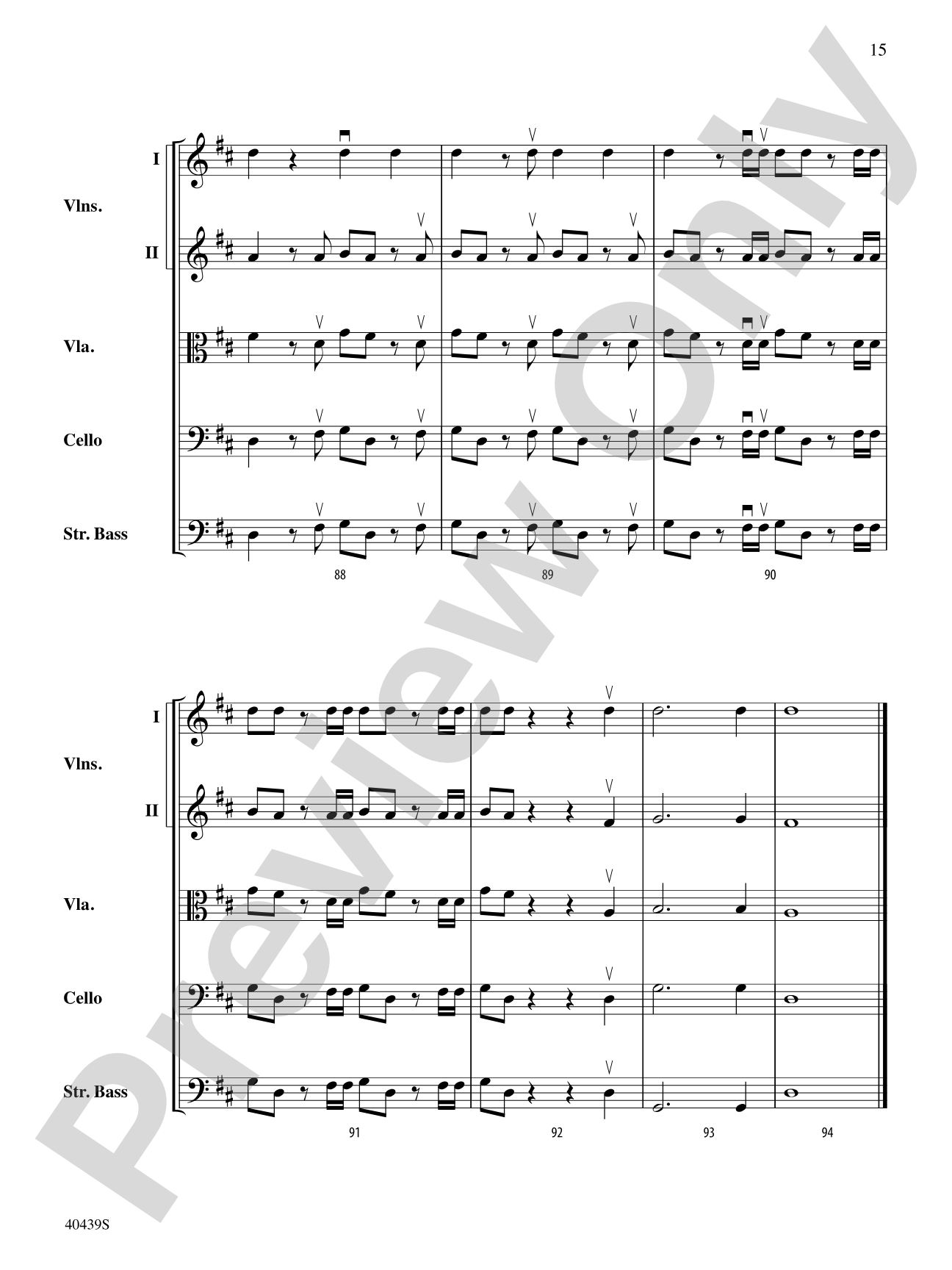


Hallelujah Chorus: Score
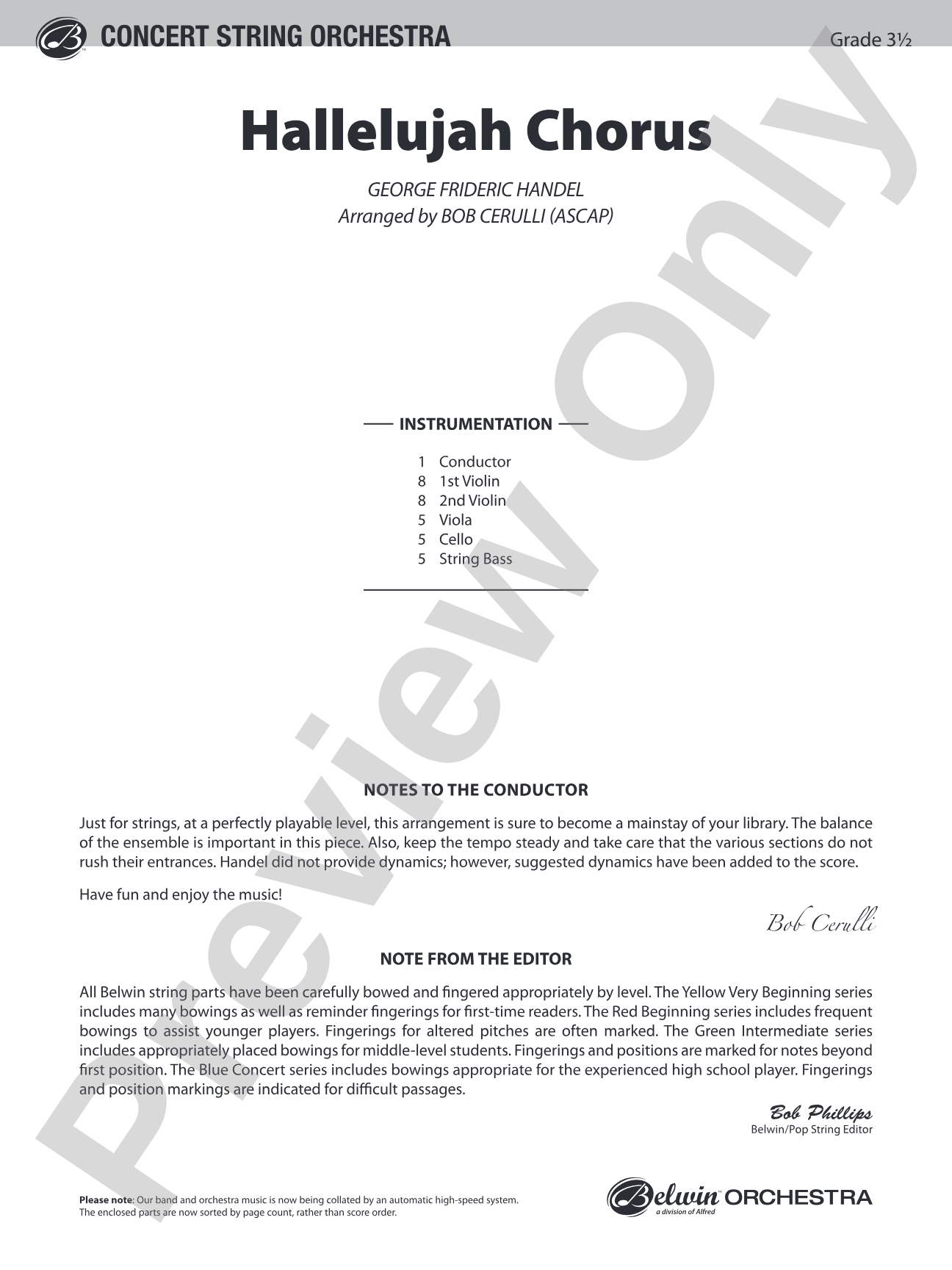
By George Frideric Handel / arr. Bob Cerulli
Grade: 3.5
Item: 00-PR-0004283
$10.00
Pickup currently not available
Description
Just for strings, and arranged to be perfect for educational use, this work is sure to become a mainstay of your library. This title is available in MakeMusic Cloud.


Don't just read it, hear it, play along with it, and watch your students grow with it. In MakeMusic Cloud, Hallelujah Chorus: Score comes alive with professional accompaniment, adjustable tempo, and built-in practice tools that turn solo practice into real progress.
Open in the Player
Jump straight in and assign it today.
Start Your Free Trial
Open this title and explore the full library in minutes.
Sample Audio
1
Audio File
--:--
0:00
0:00
Sample Video
No sample videos found.
Additional Details
Series:
Belwin Concert String Orchestra
Publisher:
Alfred Music
Page Count:
124
SKU:
00-PR-0004283
More about this title
About the Composer: George Frideric Handel
George Frideric Handel (1685-1759) was a German-born composer who spent most of his career in England, becoming one of the Baroque era's most prolific and celebrated musicians. His gift for memorable melody and dramatic structure made his music accessible to broad audiences, and his works remain cornerstones of the concert repertoire across genres: opera, oratorio, instrumental music, and sacred works.
Handel's "Messiah" stands as one of the most frequently performed choral works in the world. The "Hallelujah" chorus has transcended its original context to become a universal anthem of celebration and affirmation, performed at state occasions, holiday concerts, and countless community gatherings. For music educators, Handel's clarity of line and harmonic directness offer students an ideal entry point into Baroque compositional technique.
Why we love this
Bob Cerulli's arrangement captures the jubilation of Handel's masterpiece while respecting the technical realities of developing string players. The orchestration balances all four parts thoughtfully, preventing any section from carrying an unsustainable burden while maintaining the work's fundamental architectural beauty. This is how you teach Baroque style to young musicians: through a piece they already love, arranged with genuine musical integrity.
What to expect
Pure exultation. Handel's "Hallelujah" radiates optimism and grandeur through its relentless, infectious rhythmic drive and soaring melodic lines. Even in this string-only setting, the work conveys triumph and affirmation; players feel the lift in every bar, and audiences recognize the unmistakable architecture of one of music's most iconic moments.
Who it's for
String orchestras at the Grade 3.5 level will find this accessible yet musically rewarding. Directors seeking a celebratory winter or holiday concert centerpiece that doesn't require the full choir will appreciate the flexibility and immediate audience recognition this arrangement provides.
How to get the most out of it
- Establish the rhythmic drive early in rehearsal. The forward momentum of this work depends on clarity in the eighth-note figures and precise ensemble attacks; use a preparatory rehearsal focused entirely on rhythm section unity before layering in melody.
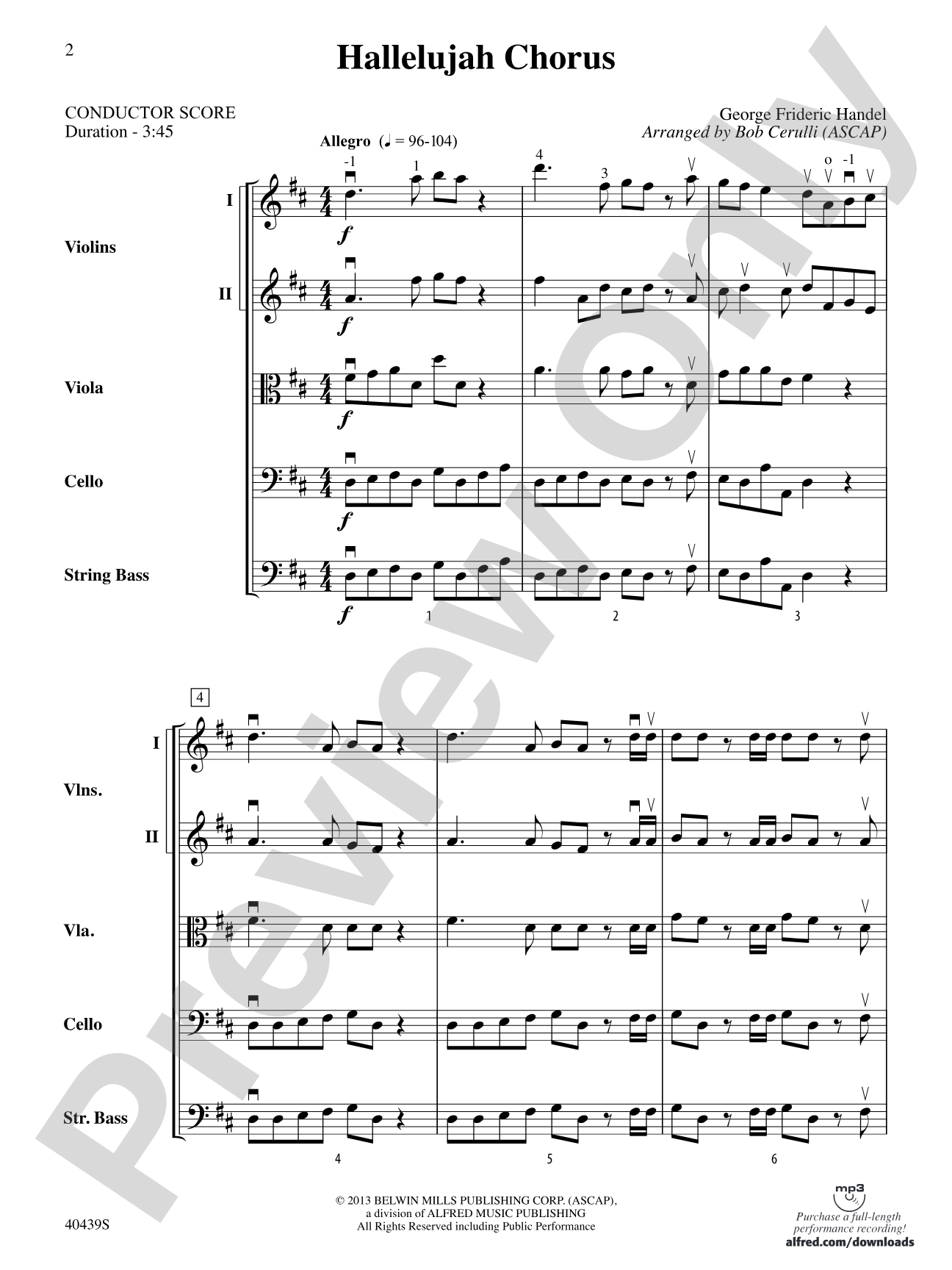
- Shape the opening phrase with careful attention to the rise and fall of each violins line. Rather than treating it as a march, think of it as a confident proclamation where each gesture has architectural weight.
- Balance the "Hallelujah" text declamation (if using a vocal soloist or section) with the string parts; neither should overwhelm, and the orchestra's energy should support rather than compete with the sung material.
- Use the recorded accompaniment available through MakeMusic Cloud to support sectional rehearsals and to show students how their part functions within the full arrangement.
How to use it
This is an ideal finale for a winter concert or holiday program, where its celebratory character and cultural familiarity create a powerful closing statement. It also works beautifully as the anchor piece in a concert exploring Baroque masterworks, paired with lighter works from the same era to build programming depth.
Skills your students will build
- Baroque phrasing and articulation conventions
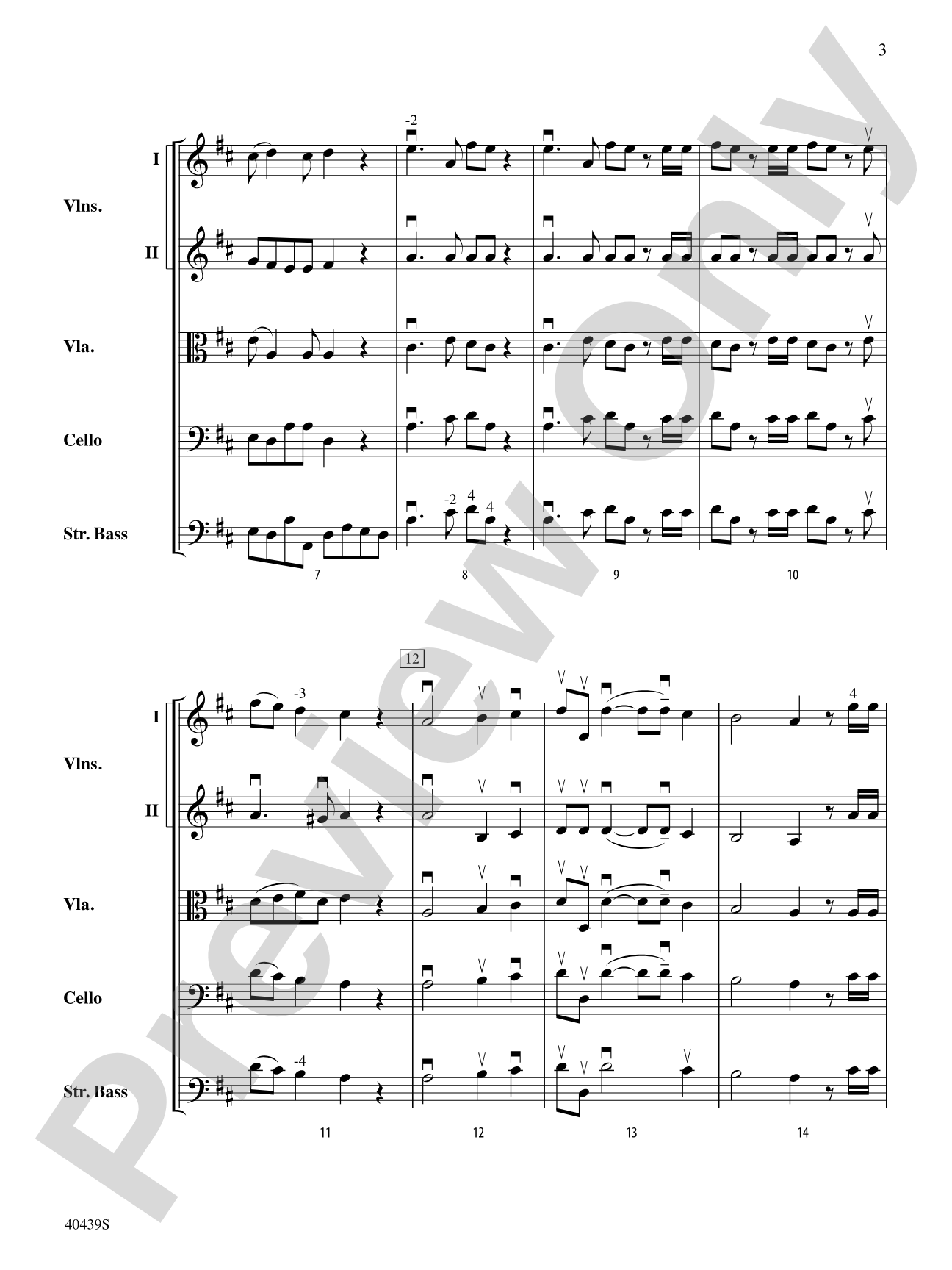
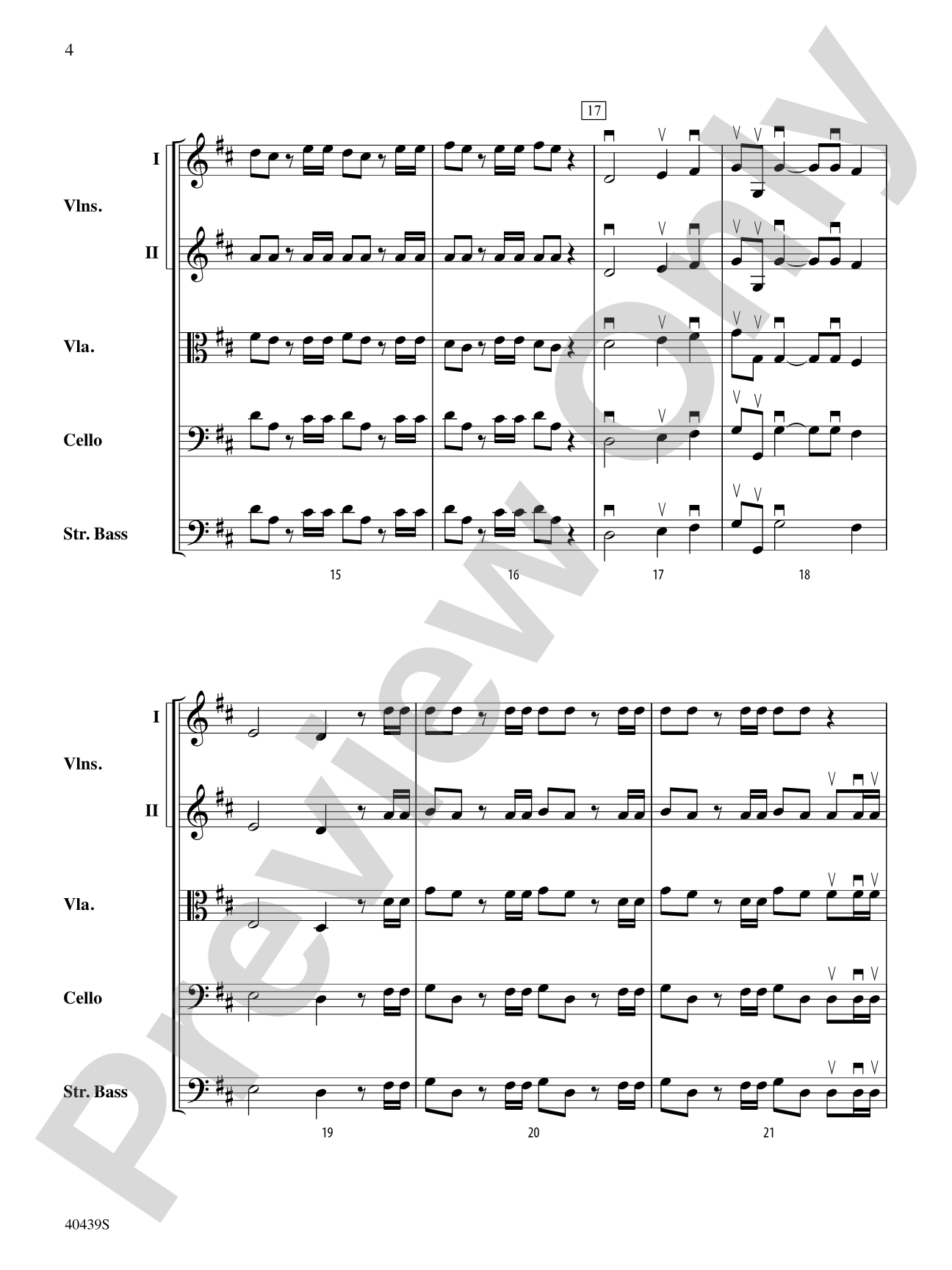
- Rhythmic precision in running passages (sixteenth-note figures)
- Balancing melody and accompaniment within a four-part texture
- Managing sustained lines and dynamic shaping across longer phrases
- Ensemble coordination and unified string section tone production
- Reading and interpreting conductor score context from individual parts