
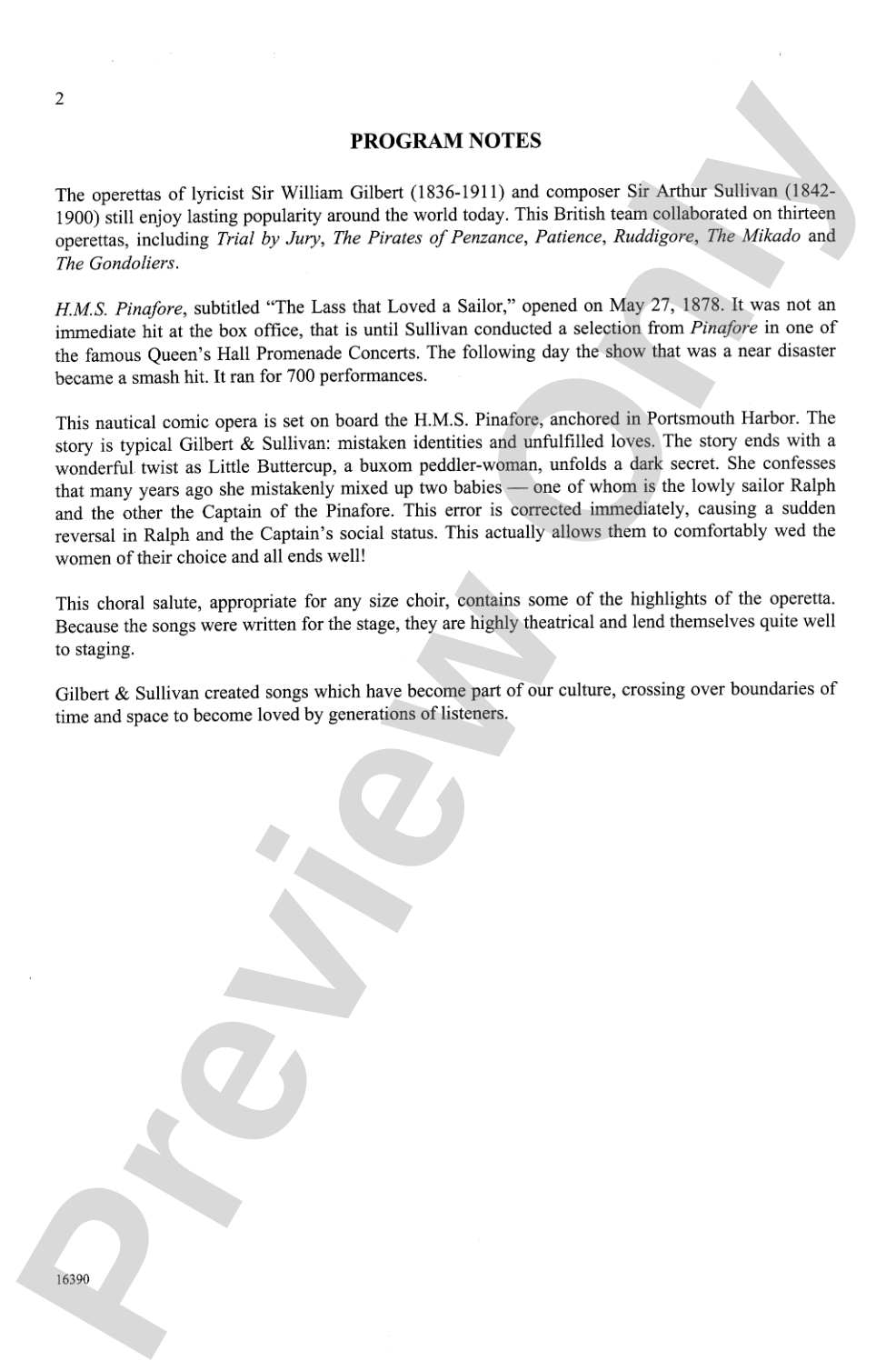
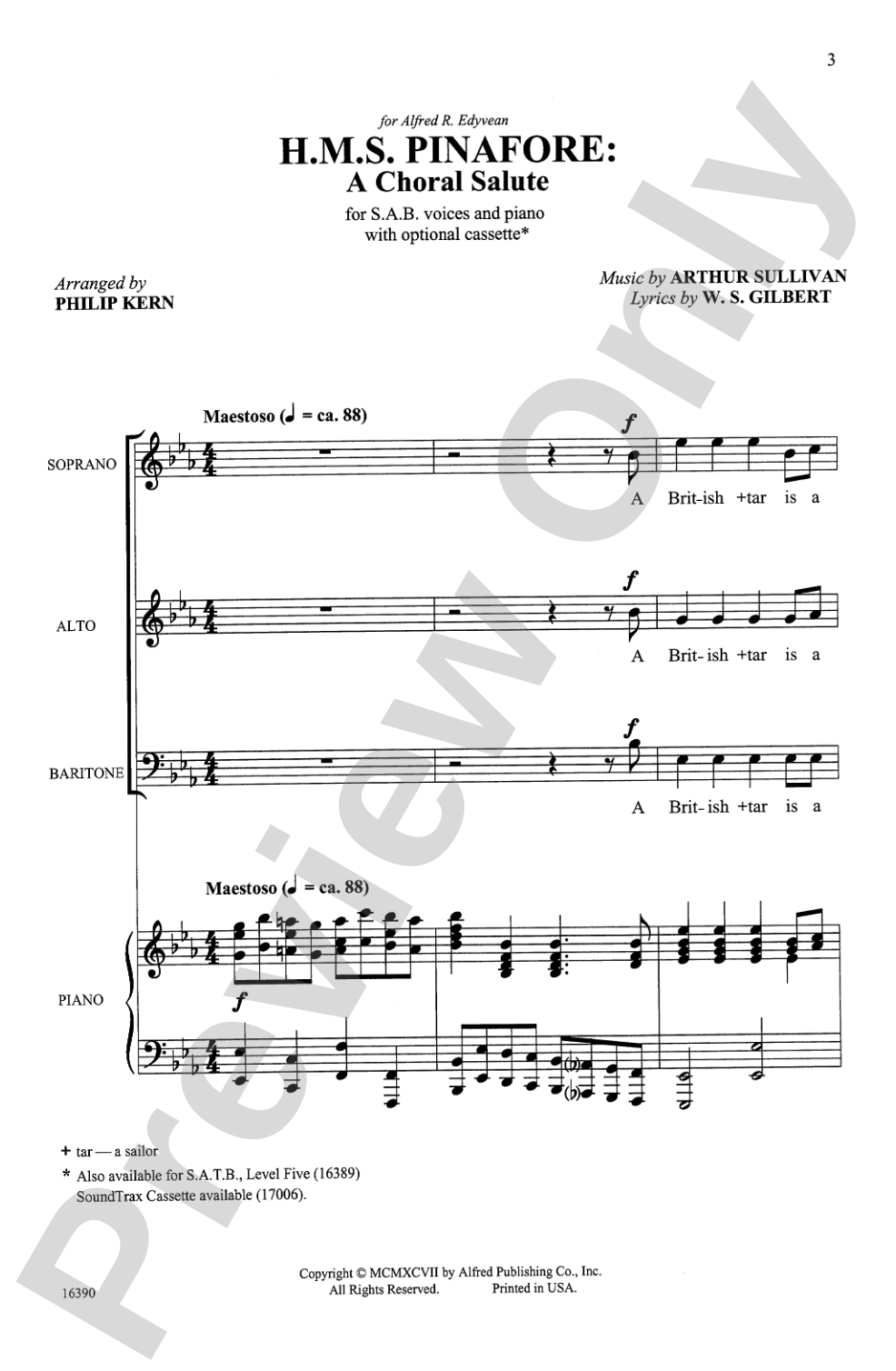
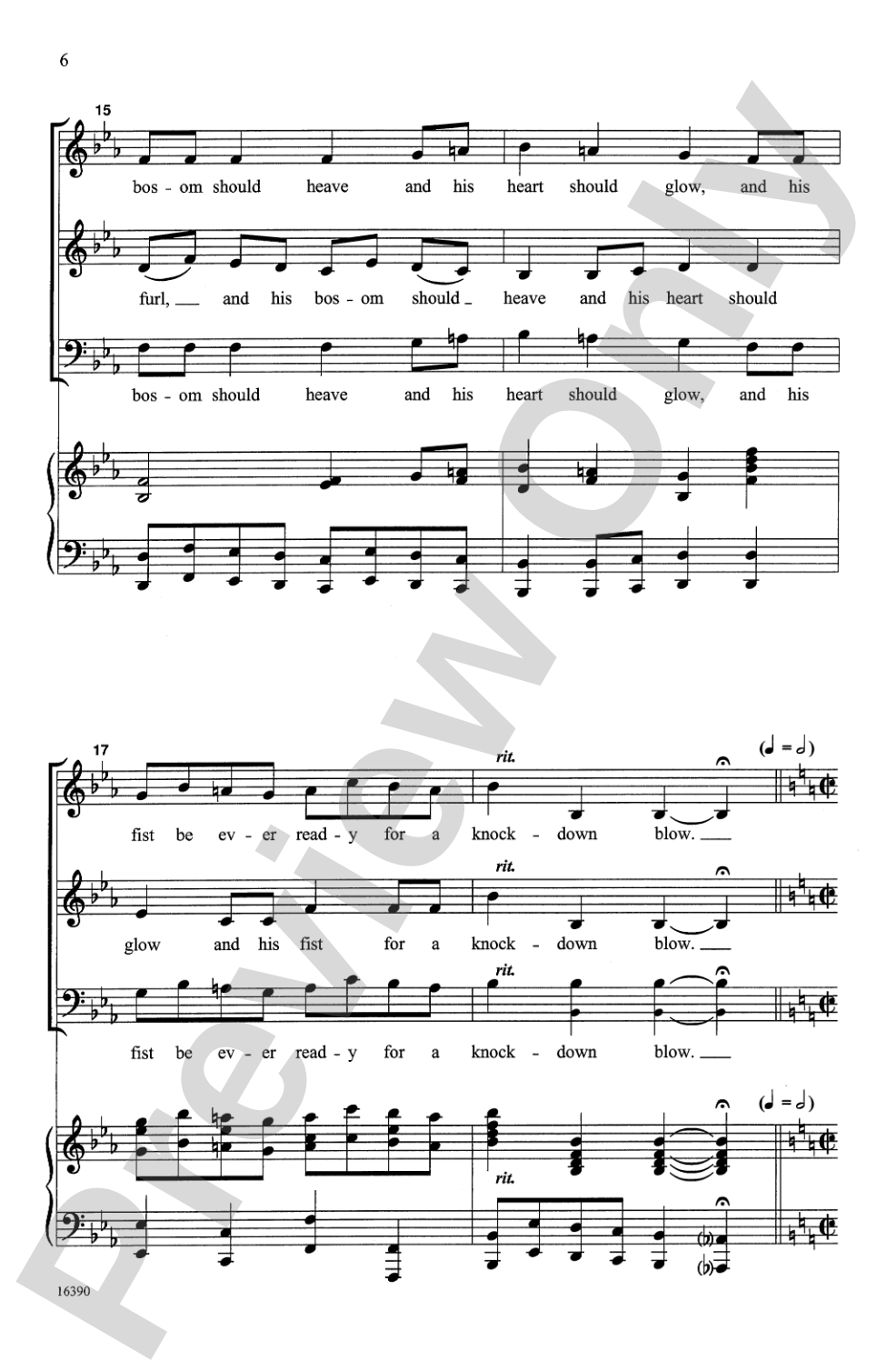

H.M.S. Pinafore: A Choral Salute: SAB Choral Octavo
Lyrics by William S. Gilbert, music by Arthur S. Sullivan / arr. Philip Kern
Item: 00-PO-0003986
$4.25
Minimum order quantity: 20 copies
Pickup currently not available
Description
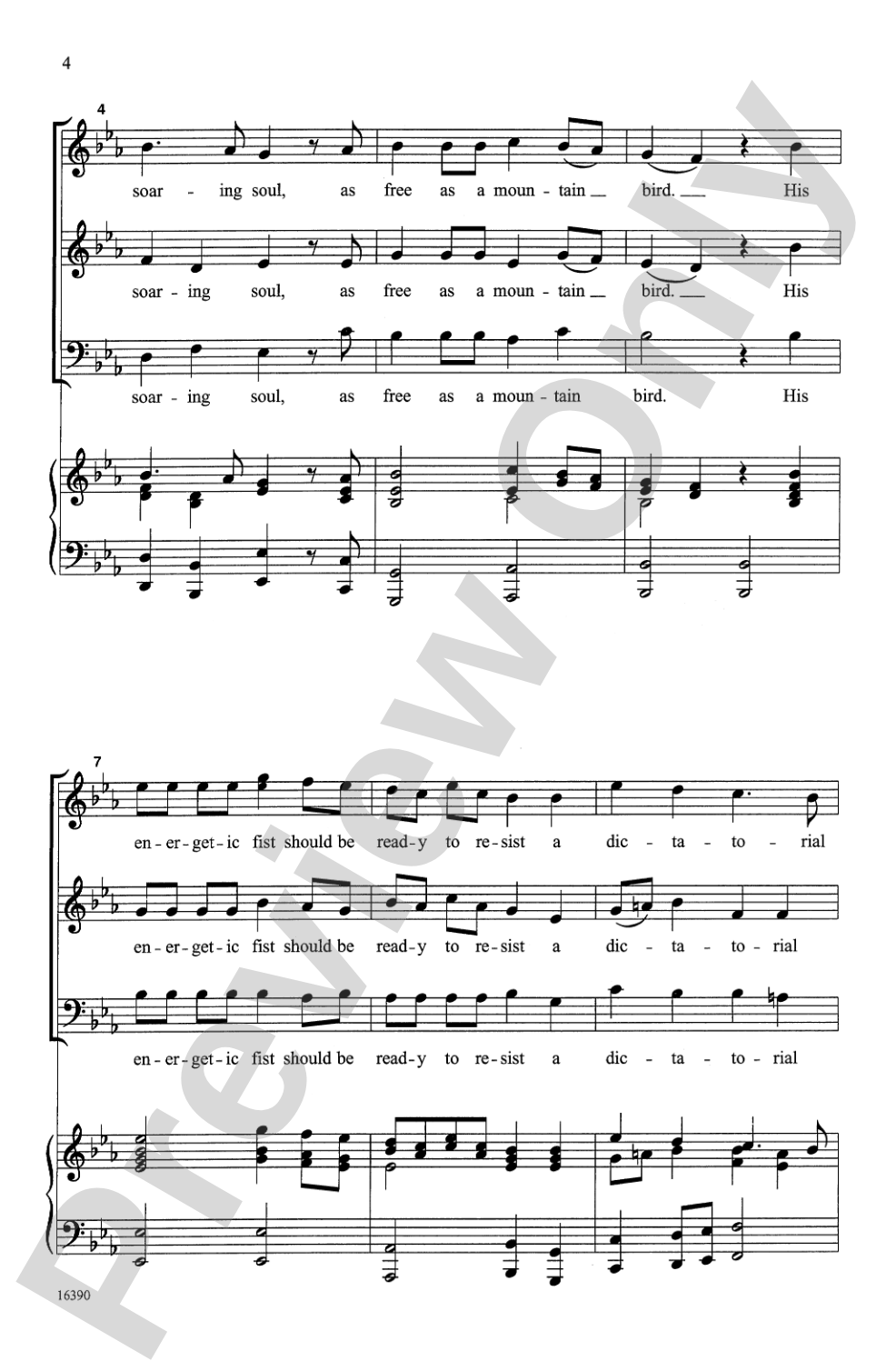
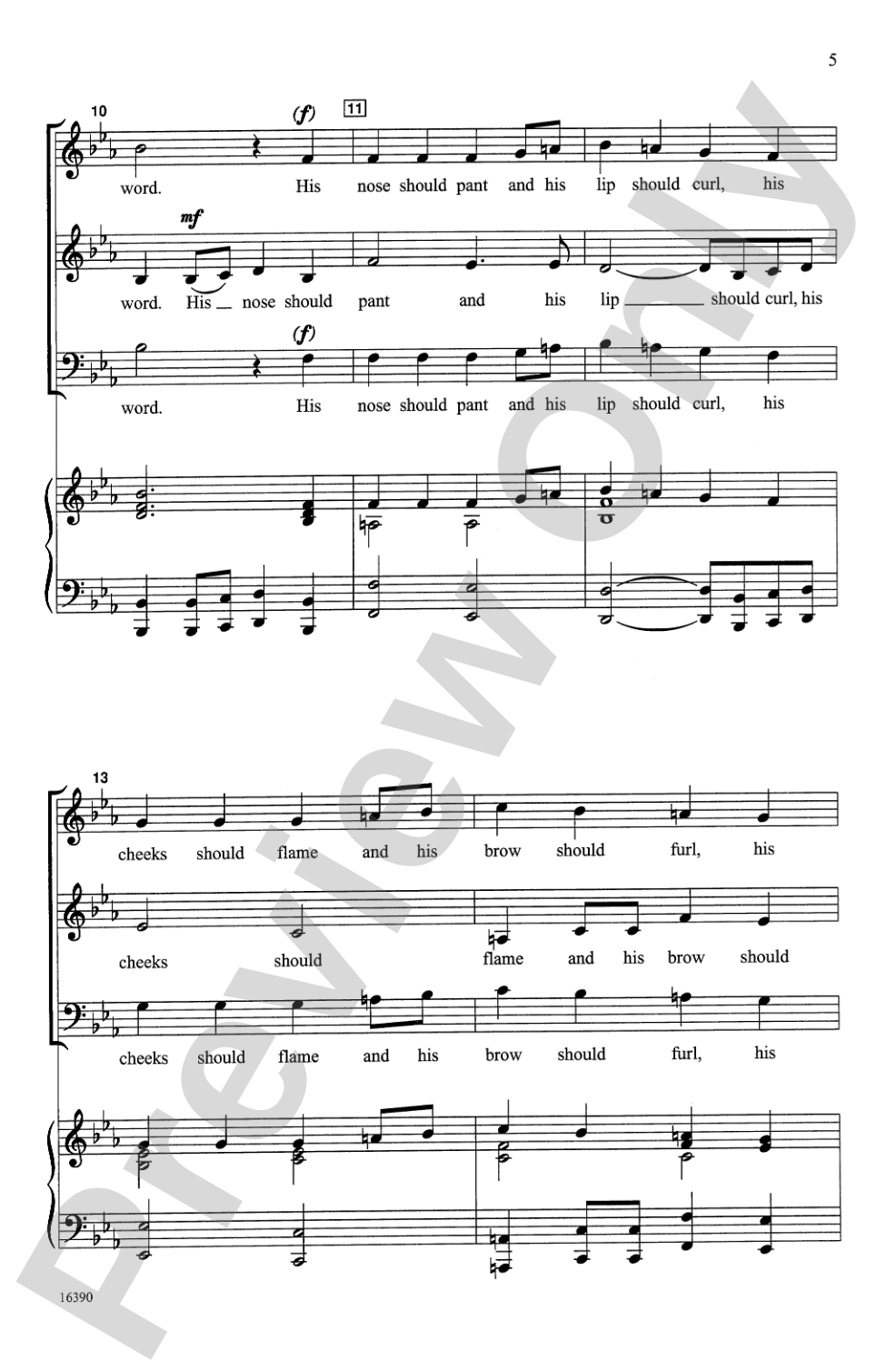
A rousing choral medley from one of Gilbert & Sullivan's most famous operettas that's perfect for today's choirs. Includes three mixed choir numbers and one each for the women ("Never Mind the Why and Wherefore") and men ("We Sail the Ocean Blue"). Piano accompaniment has been especially adapted from the original score and remains true to the orchestral accompaniment.


H.M.S. Pinafore: A Choral Salute: SAB Choral Octavo isn't in MakeMusic Cloud just yet...but it could be. Let us know you'd like to see it, and you'll help shape what comes next. In the meantime, start a free trial and dive into thousands of interactive titles your students can play along with today.
Request This Title
Tell us you want it.
Start Your Free Trial
Explore everything that's ready to play right now.
Sample Audio
No sample audio found.
Sample Video
No sample videos found.
Additional Details
Series:
Alfred Archive Edition: Alfred Choral Designs
Publisher:
Alfred Music
Page Count:
28
SKU:
00-PO-0003986
More about this title
About the Composer: Arthur S. Sullivan
Arthur S. Sullivan (1842-1900) stands as one of the most gifted melodists in music history. His partnership with librettist W.S. Gilbert produced fourteen operettas that defined Victorian musical theater and remain central to choral and theatrical repertoire today.
Sullivan's gift was for crafting memorable, singable melodies that worked across ensemble voices while maintaining harmonic sophistication. His orchestrations sparkled with color and wit, making his scores a goldmine for arrangers seeking material that engages singers and audiences alike. He composed with singers in mind, understanding instinctively how to write for the human voice across registers and ensemble formations.
Why we love this
This medley captures the theatrical energy and melodic brilliance that made Pinafore an instant success when it premiered in 1878. Philip Kern's arrangement respects Sullivan's original orchestrations while making them singable and accessible for SAB choirs, and the inclusion of women's and men's features gives your ensemble opportunities for both ensemble work and section-specific showcase moments. The built-in staging potential means you can program this as a concert highlight that feels like a fully realized theatrical moment without requiring elaborate production.
What to expect
Spirited and buoyant, with the unmistakable Victorian lilt that makes Gilbert and Sullivan instantly recognizable. Moments swing between nautical swagger and sentimental charm, giving singers emotional range while the familiar melodic shapes ensure they'll feel secure and capable throughout.
Who it's for
SAB choirs of mixed ages and ability levels who want a piece that entertains both singers and audiences. This works equally well for high school, community, and church choirs with solid fundamentals and willingness to embrace theatrical commitment.
How to get the most out of it
- Lean into the theatrical character of each section. Sullivan wrote these numbers to move an audience, so encourage singers to find the personality and humor embedded in the text and music rather than treating it as straight choral writing.
- Balance the women's section 'Never Mind the Why and Wherefore' carefully so upper and lower voices sit at equal volume; the melody's beauty depends on clear harmonic support underneath.
- Use the recorded accompaniment during rehearsals to establish tempo and style before tackling it live with a pianist. Sullivan's rhythmic idioms benefit from hearing the orchestral context first.
- Mark your entrances precisely in the mixed sections. The medley format means you'll have cues that arrive quickly, so disciplined sectional confidence prevents muddiness when parts layer in.
How to use it
Open a spring concert or end-of-year show with this to set a celebratory tone and signal that your choir can handle classic theatrical material with style. It pairs well with other 19th-century repertoire or sits comfortably as a concert highlight that gives audiences something they know and love.
Skills your students will build
- Sustaining character and text clarity across ensemble singing
- Balancing melody and harmony in three-part writing
- Coordinating with accompaniment through sectional cues and quick transitions
- Performing with theatrical intention and stylistic awareness
- Reading SAB voicing with independence in each line