
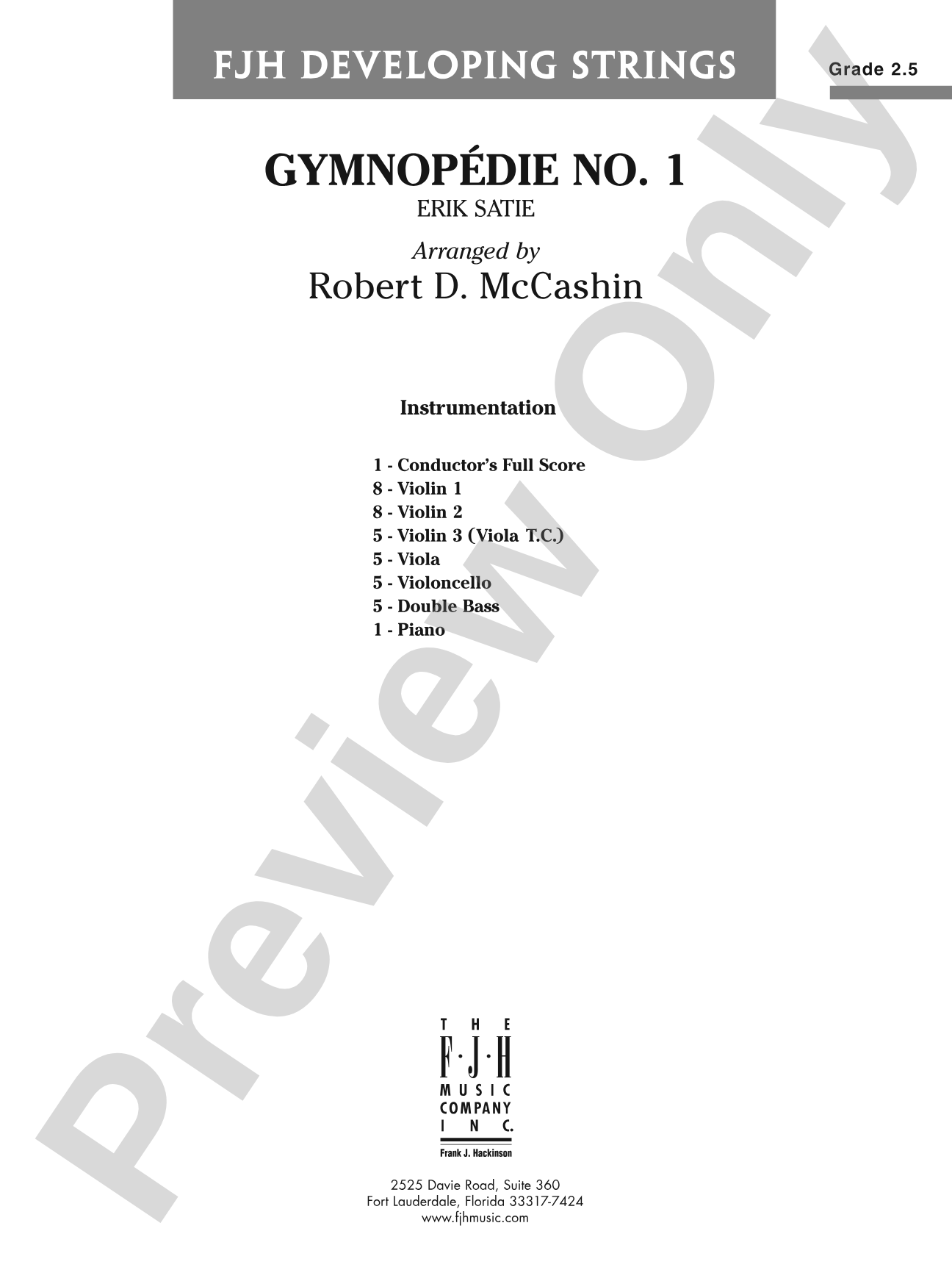
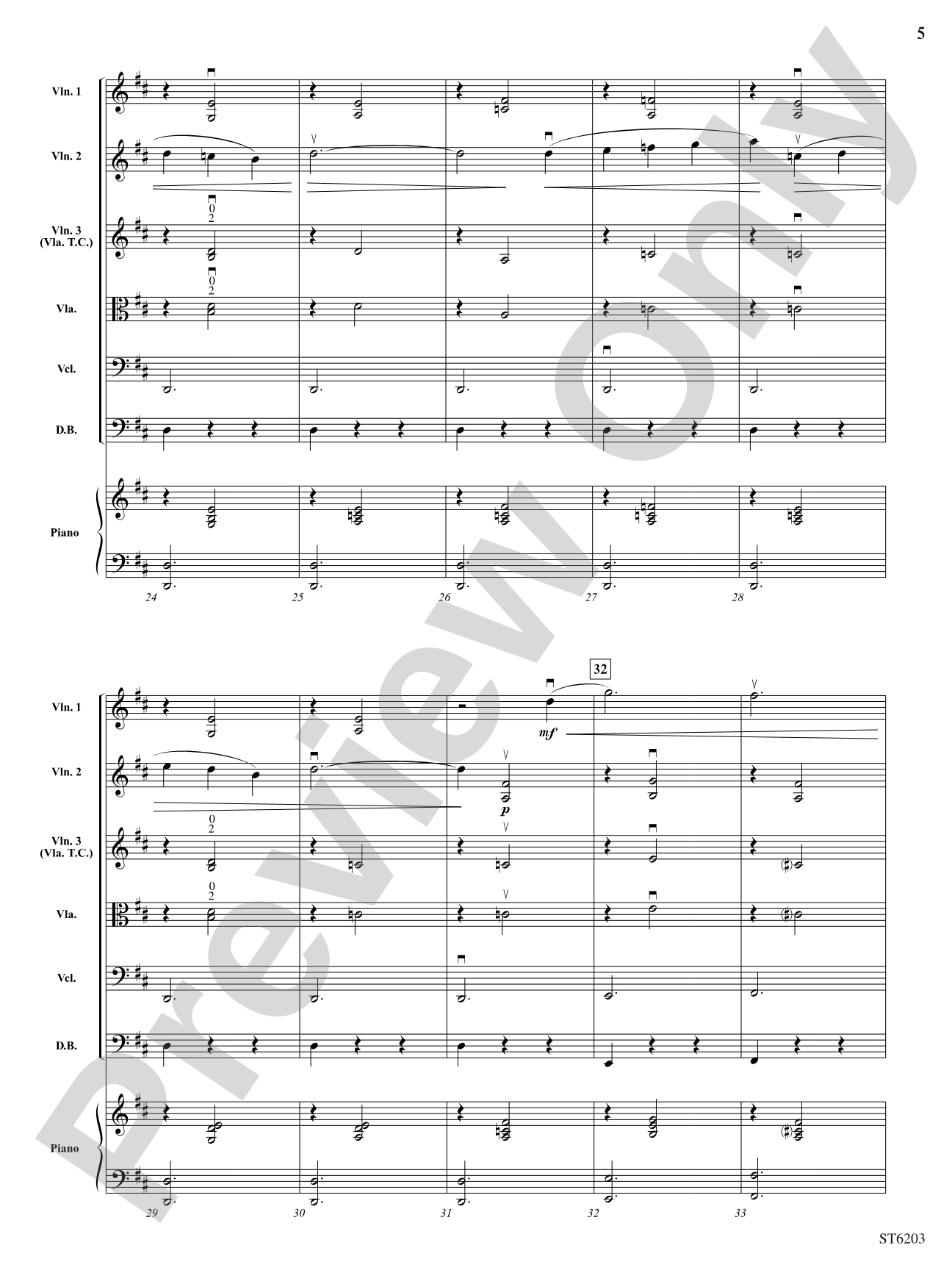
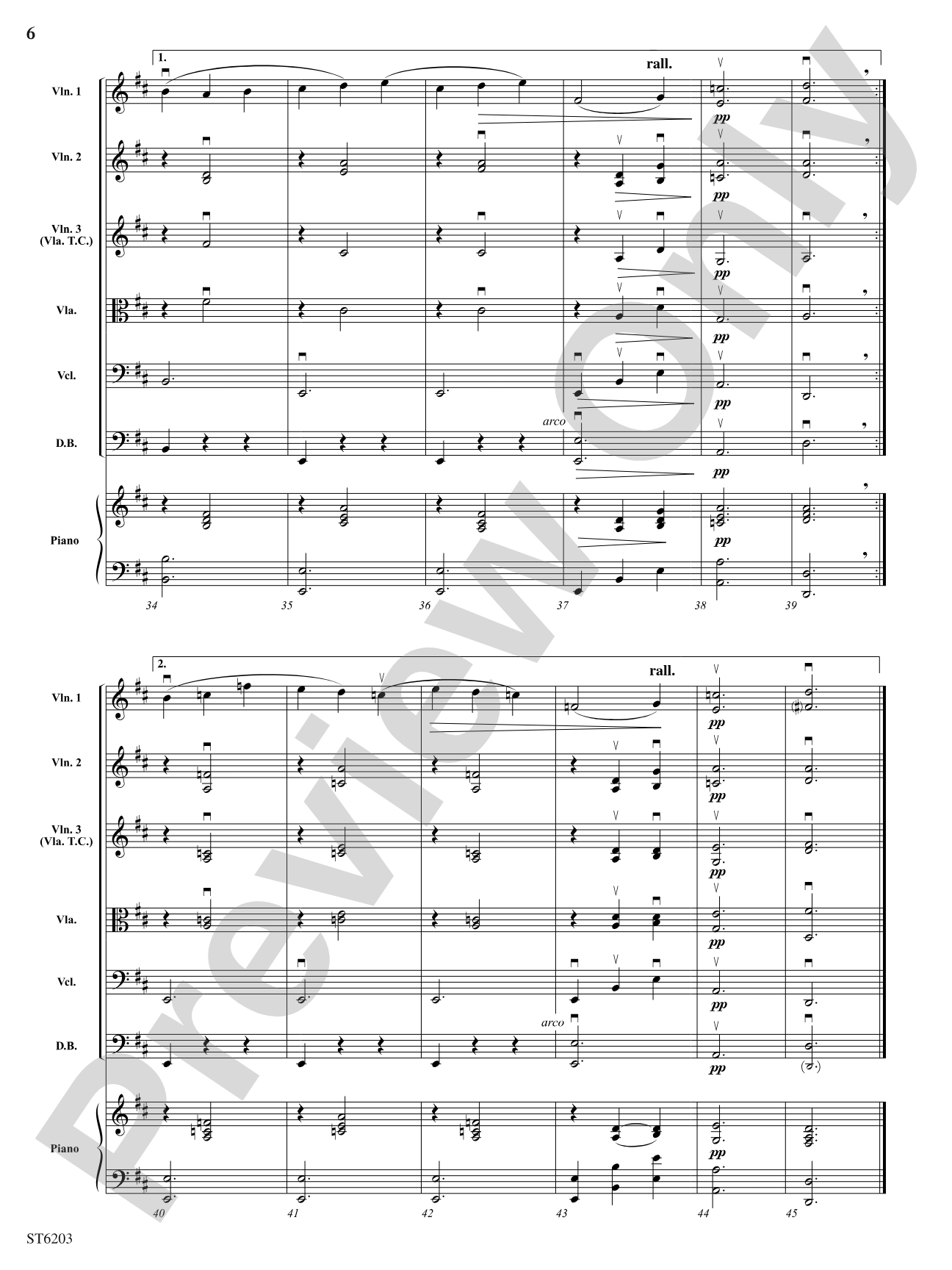

Gymnopédie No. 1: Score
By Erik Satie / arr. Robert D. McCashin
Grade: 2.5
Item: 98-DST6203S
$5.00
Pickup currently not available
Description
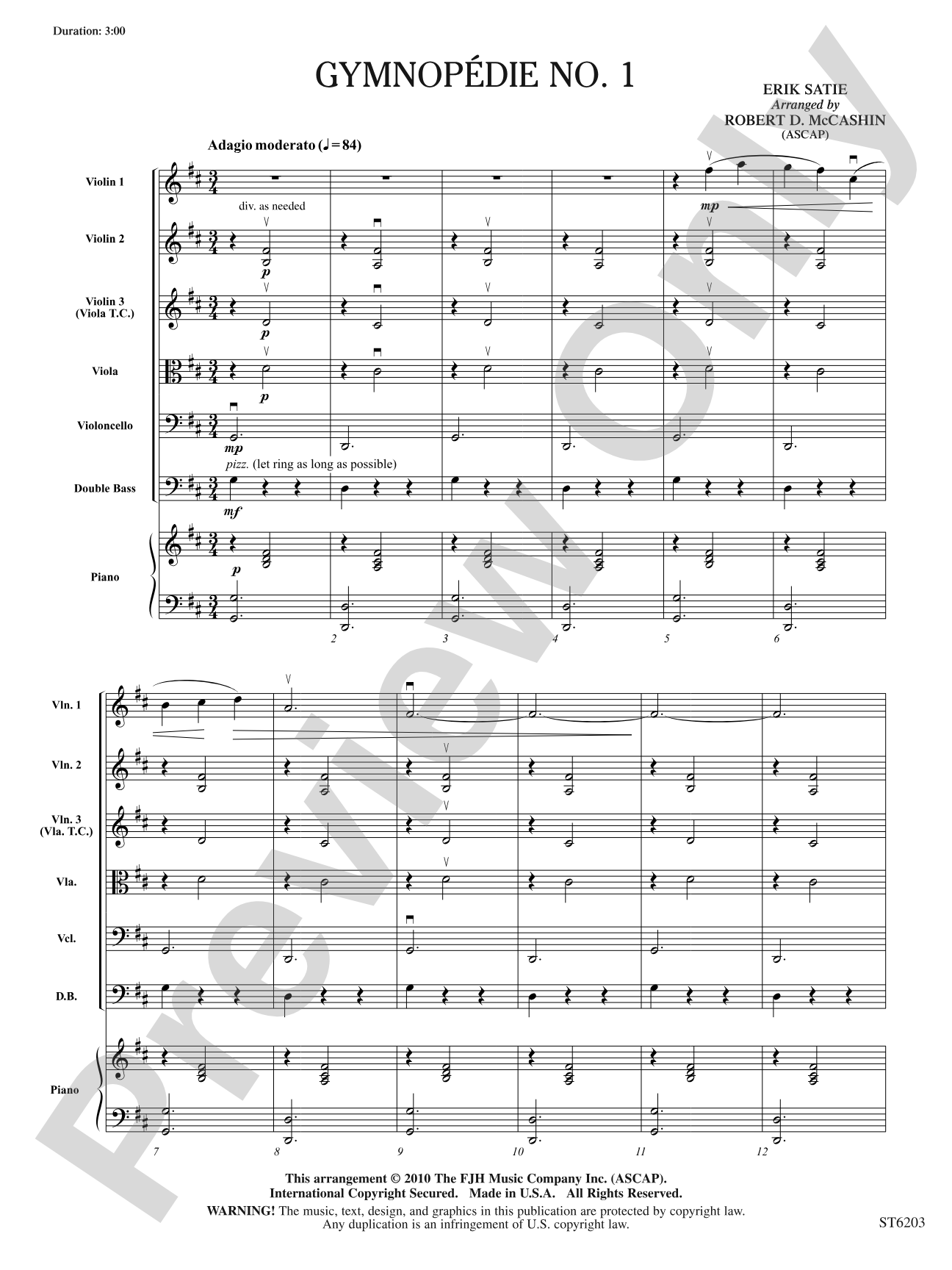
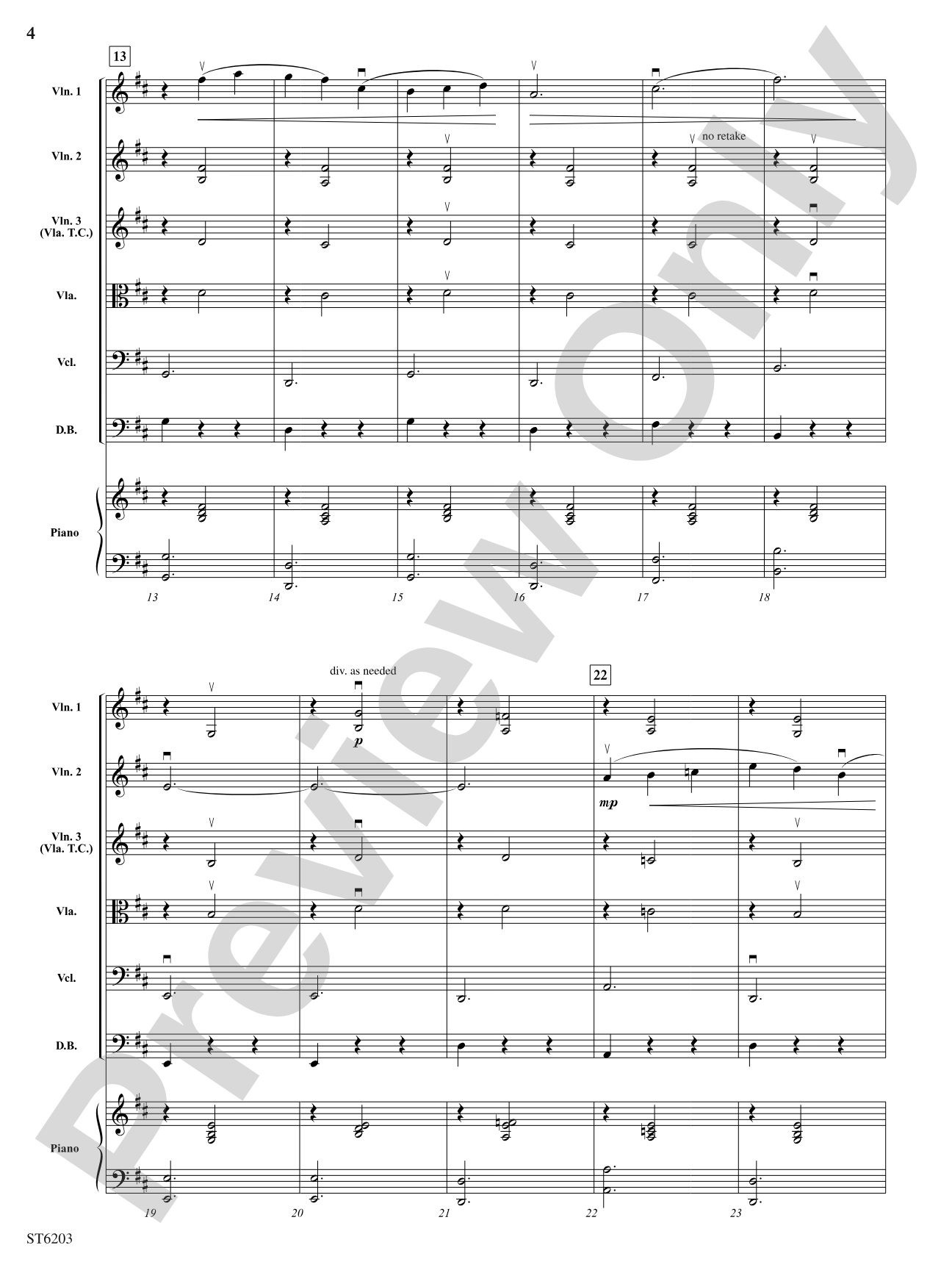
Your students will enjoy the "other worldly" quality of this famous work by French composer Erik Satie. Written in the key of D, this work expands the aural skills of the players as Satie explores modality and extended harmonies through non-standard chord structures and chromaticism. As is typical of Robert D. McCashin, this arrangement is faithful to the original while remaining quite accessible to your students.


Gymnopédie No. 1: Score isn't in MakeMusic Cloud just yet...but it could be. Let us know you'd like to see it, and you'll help shape what comes next. In the meantime, start a free trial and dive into thousands of interactive titles your students can play along with today.
Request This Title
Tell us you want it.
Start Your Free Trial
Explore everything that's ready to play right now.
Sample Audio
1
Audio File
--:--
0:00
0:00
Sample Video
No sample videos found.
Additional Details
Series:
FJH Developing Strings
Publisher:
The FJH Music Company, Inc.
SKU:
98-DST6203S
More about this title
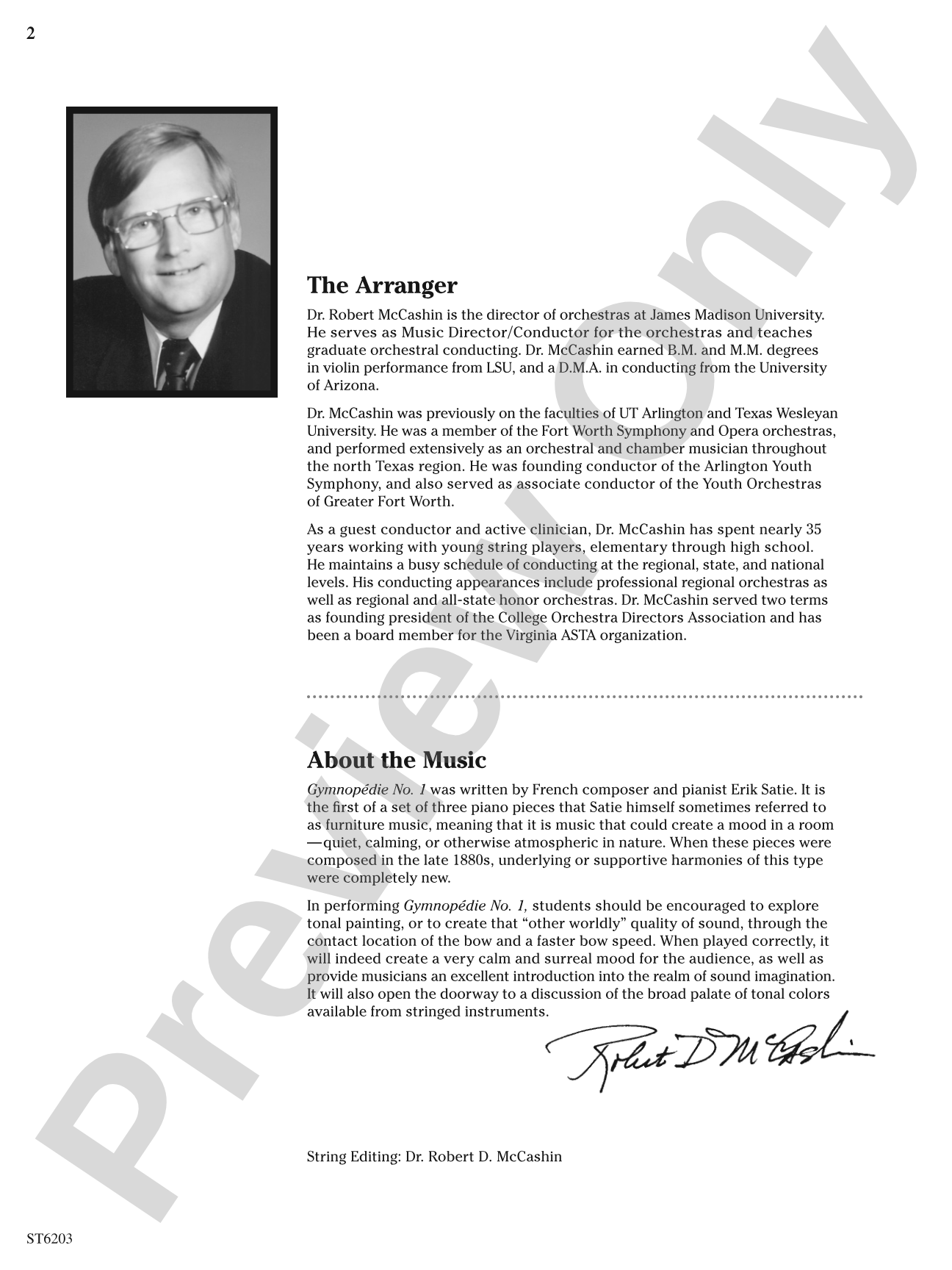
About the Composer: Erik Satie
Erik Satie (1866-1925) was a French pianist and composer whose spare, meditative works challenged the Romantic excess of his era. His distinctive harmonic language—built on modal scales, unresolved dissonances, and deliberate repetition—created a new vocabulary for modern music that influenced composers from Debussy to Philip Glass. Satie's refusal to follow conventional harmonic rules made him both a visionary and a misunderstood figure during his lifetime, yet his music has become central to music education because it teaches students to listen differently and to value transparency over complexity.
Why we love this
McCashin's arrangement preserves the harmonic sophistication that makes Gymnopédie No. 1 a masterwork while keeping the technical demands realistic for Grade 2.5 players. String orchestras rarely get to explore modal harmony and chromatic voice-leading at this level, and this score opens that door without overwhelming developing musicians. The 'otherworldly' quality that makes this piece iconic becomes a teaching tool for expanding what your students hear as possible in music.
What to expect
Gymnopédie No. 1 unfolds like a slow walk through a space where time moves differently. The modality and chromatic voice-leading create a suspended, meditative quality that feels neither major nor minor but somehow both at once. Your students will feel transported by the simplicity of the texture and the strangeness of the harmonies that support it.
Who it's for
String orchestras at the Grade 2.5 level who are ready to encounter modern harmonic language without the technical demands of advanced repertoire. This arrangement works for ensembles seeking to broaden their musical palette beyond traditional tonal harmony and for directors who want to teach listening skills alongside note-reading. Players with solid intonation and the ability to sustain focused sound will get the most from this work.
How to get the most out of it
- Balance the modal harmonies by listening for individual voice lines rather than blending them into a single mass of sound. Satie's non-standard chord structures gain clarity when each part retains its independence.
- Approach tempo flexibly within measures to allow the extended harmonies time to resonate. This is not a work that benefits from metronomic precision; give players permission to breathe within phrases.
- Shape dynamic contours gently rather than with sudden changes. The quiet, reflective character depends on gradual shifts in volume that support the harmonic movement.
- Attend carefully to intonation in the chromatic passages. These intervals can sound out of tune quickly if players rush or miss the subtle shifts in pitch that Satie requires.
How to use it
Open a concert with this work to set a contemplative mood and signal to your audience that your students are exploring beyond the standard repertoire. Pair it with other Satie arrangements, early 20th-century modernist works, or contemporary pieces that share his use of modal harmony to create a thematic concert. This piece also serves as an excellent teaching moment in a chamber recital or in-school performance where you can discuss how composers like Satie changed music history by listening differently.
Skills your students will build
- Reading and performing modal harmony (D dorian and related scalar structures)
- Playing chromatic voice-leading with secure intonation
- Sustaining long lines with consistent tone quality across extended phrases
- Listening for independence of individual string parts within a full ensemble texture
- Responding to subtle dynamic and expressive changes that support harmonic color rather than narrative drama