
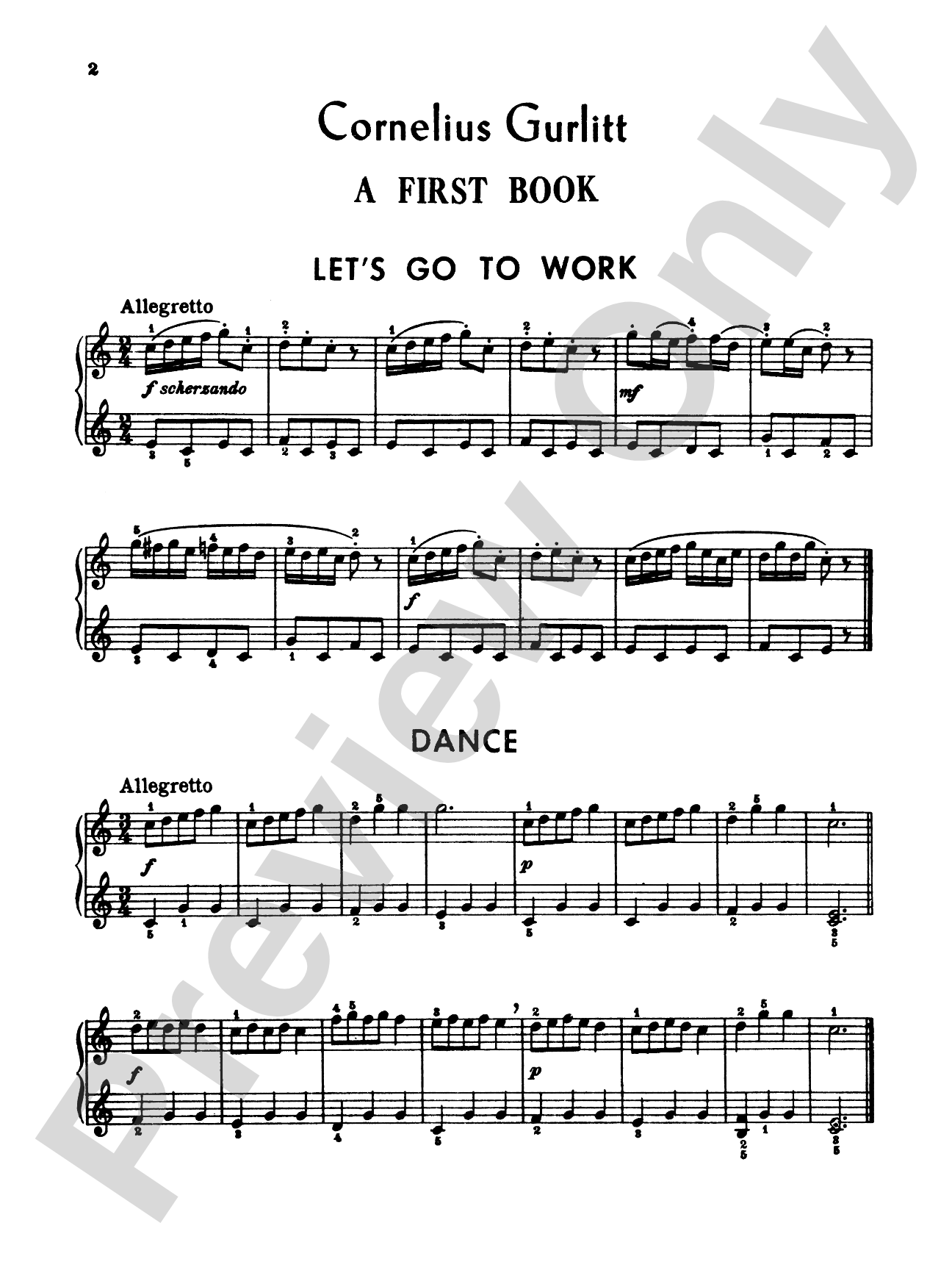

Gurlitt: A First Book: Piano Book
By Cornelius Gurlitt
Item: 00-PK-0003125

$7.99
Pickup currently not available
Buy Extra Parts (Digital PDF Download)
| Product | Price | Quantity |
|---|---|---|
| Gurlitt: A First Book | $0.99 | |
| Gurlitt: A First Book | $0.99 | |
| Gurlitt: A First Book | $0.99 | |
| Gurlitt: A First Book | $0.99 | |
| Gurlitt: A First Book | $0.99 | |
| Gurlitt: A First Book | $0.99 | |
| Gurlitt: A First Book | $0.99 | |
| Gurlitt: A First Book | $0.99 | |
| Gurlitt: A First Book | $0.99 | |
| Gurlitt: A First Book | $0.99 | |
| Gurlitt: A First Book | $0.99 | |
| Gurlitt: A First Book | $0.99 | |
| Gurlitt: A First Book | $0.99 | |
| Gurlitt: A First Book | $0.99 | |
| Gurlitt: A First Book | $0.99 | |
| Gurlitt: A First Book | $0.99 | |
| Gurlitt: A First Book | $0.99 | |
| Gurlitt: A First Book | $0.99 | |
| Gurlitt: A First Book | $0.99 | |
| Gurlitt: A First Book | $0.99 | |
| Gurlitt: A First Book | $0.99 | |
| Gurlitt: A First Book | $0.99 |
Parts Added to Cart!
Related Items
A First Book: Piano Book |
$7.95
|
View |
Description
A collection of piano solos composed by Cornelius Gurlitt.


Don't just read it, hear it, play along with it, and watch your students grow with it. In MakeMusic Cloud, Gurlitt: A First Book: Piano Book comes alive with professional accompaniment, adjustable tempo, and built-in practice tools that turn solo practice into real progress.
Open in the Player
Jump straight in and assign it today.
Start Your Free Trial
Open this title and explore the full library in minutes.
Sample Audio
No sample audio found.
Sample Video
No sample videos found.
Additional Details
Series:
Kalmus Edition
Publisher:
Alfred Music
Page Count:
16
SKU:
00-PK-0003125
More about this title
About the Composer: Cornelius Gurlitt
Cornelius Gurlitt (1820, 1901) was a German composer and pedagogue whose catalog of character pieces and instructional works shaped piano education throughout the nineteenth century. His gift lay in crafting accessible yet musically substantive pieces that challenged students without overwhelming them, making him essential to the development of intermediate piano repertoire.
Why we love this
Gurlitt's writing feels utterly unpretentious yet never condescending. These pieces teach young pianists to think musically about melody, accompaniment, and phrasing without overwhelming them with technical pyrotechnics. The collection rewards careful listening and invites genuine interpretation, making it far more valuable than exercise collections alone.
What to expect
Gurlitt's miniatures breathe with Romantic lyricism but remain grounded in simplicity. Each piece unfolds like a modest character sketch, filled with songful melody, clear harmonic movement, and moments of gentle introspection. The writing feels intimate and unrushed, inviting pianists to discover the depth within apparent simplicity.
Who it's for
This collection serves late-beginner and early-intermediate pianists ready to move beyond technical drills toward genuine repertoire. Teachers seeking pieces that build independence, voice independence, and interpretive maturity will find this indispensable for the intermediate student who needs encouragement and reward in equal measure.
How to get the most out of it
- Shape the melodic line with consistent voice leading; Gurlitt's accompaniments are deliberately transparent, so the interplay between hands becomes the primary musical focus.
- Honor the dynamic markings with precision; even small terraces in sound sculpt the form and prevent performances from sounding flat.
- Experiment with tempo flexibility within each piece; Gurlitt's songs without words benefit from slight breath-like pauses and gentle momentum changes that reflect the emotional arc.
How to use it
These solos work beautifully as program fillers between larger works, or grouped together as a suite of character pieces within a student recital. They also serve as bridge repertoire, preparing pianists for the fuller textures and longer forms they'll encounter in the Classical and early Romantic literature.
Skills your students will build
- Singing tone production and sustained melodic line
- Accompanying patterns and hand independence
- Basic harmonic awareness and tonal color at the keyboard
- Tempo regulation and subtle dynamic shaping
- Reading and interpreting Romantic-era expressive markings