
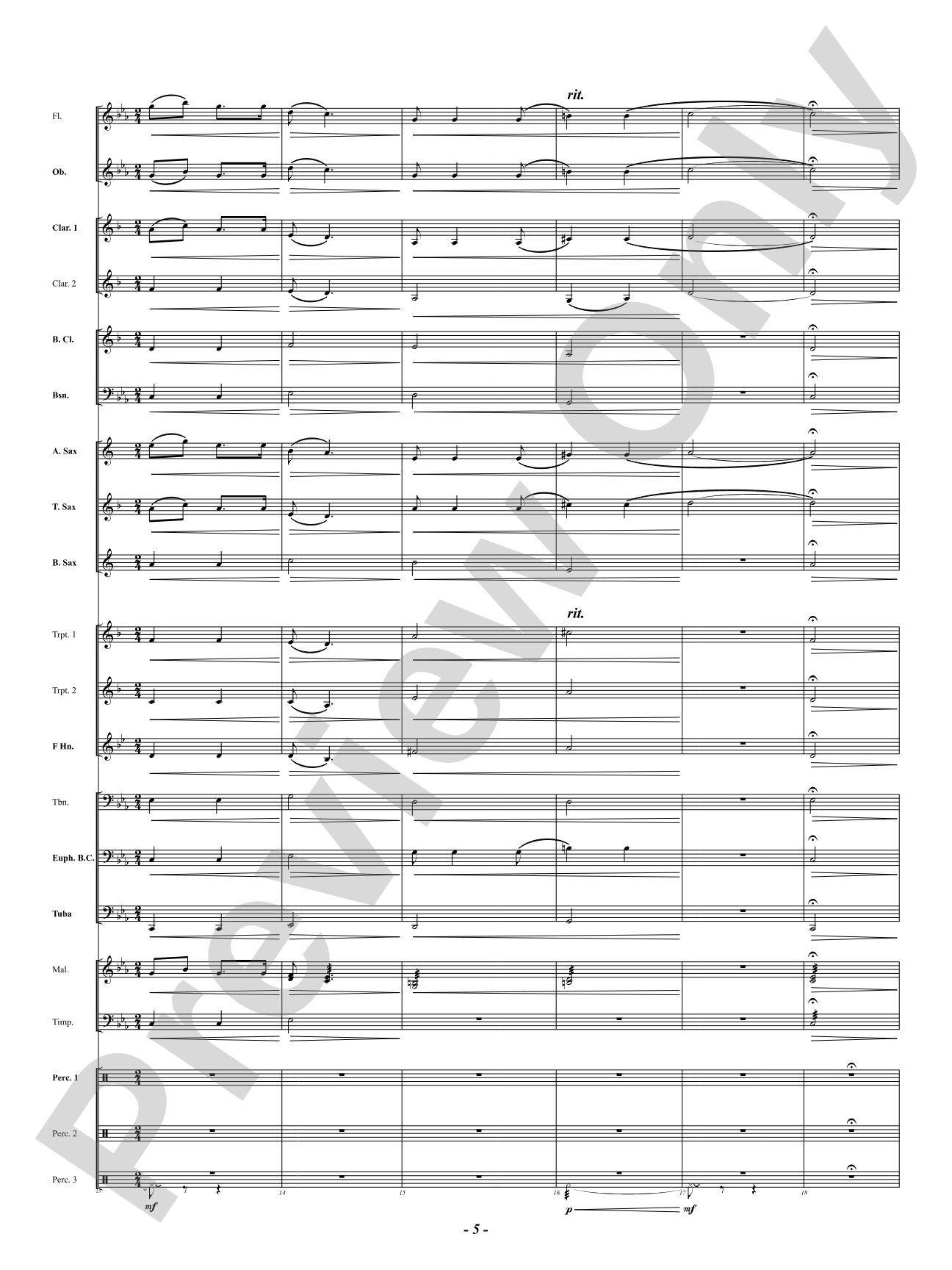
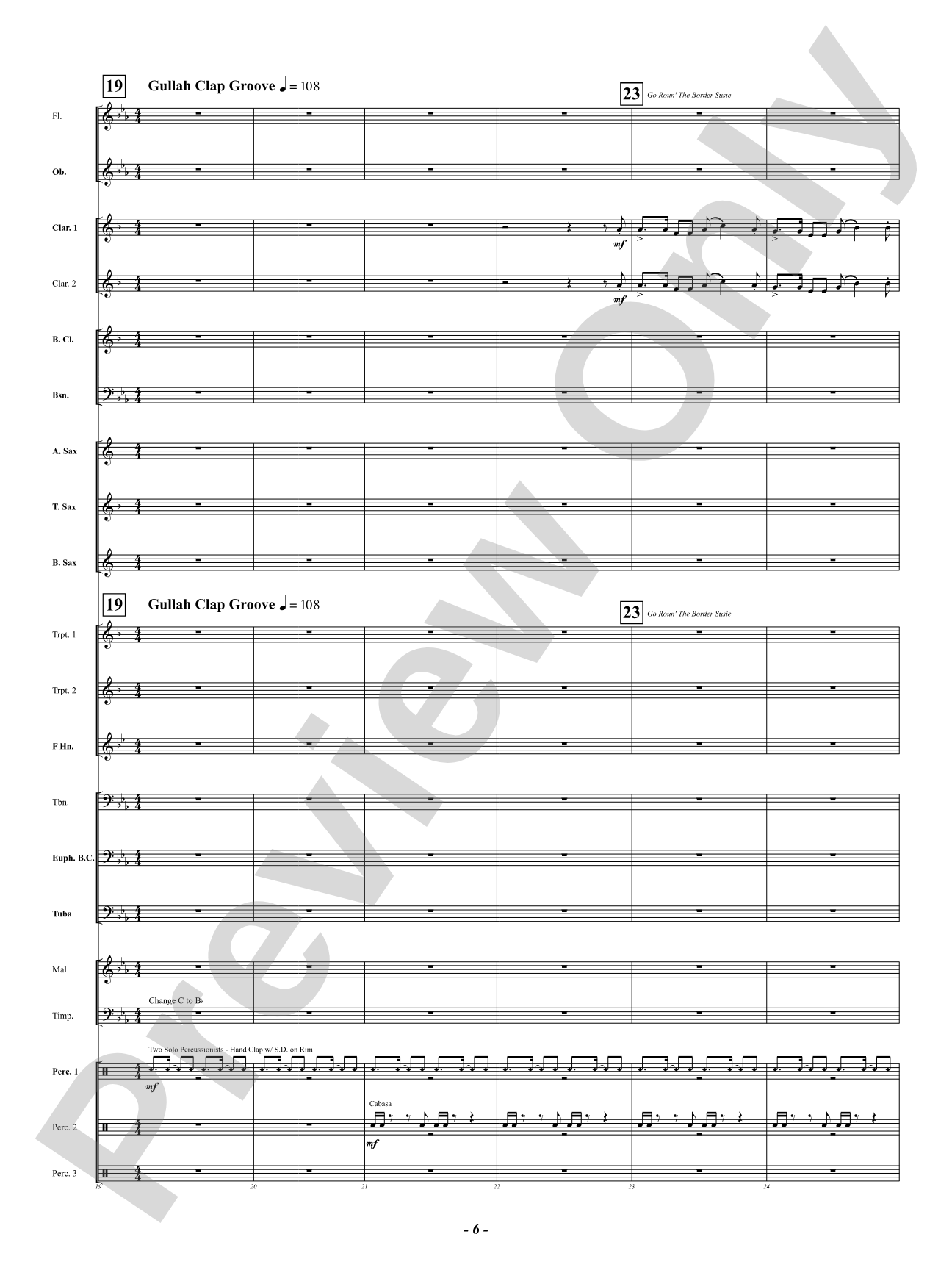
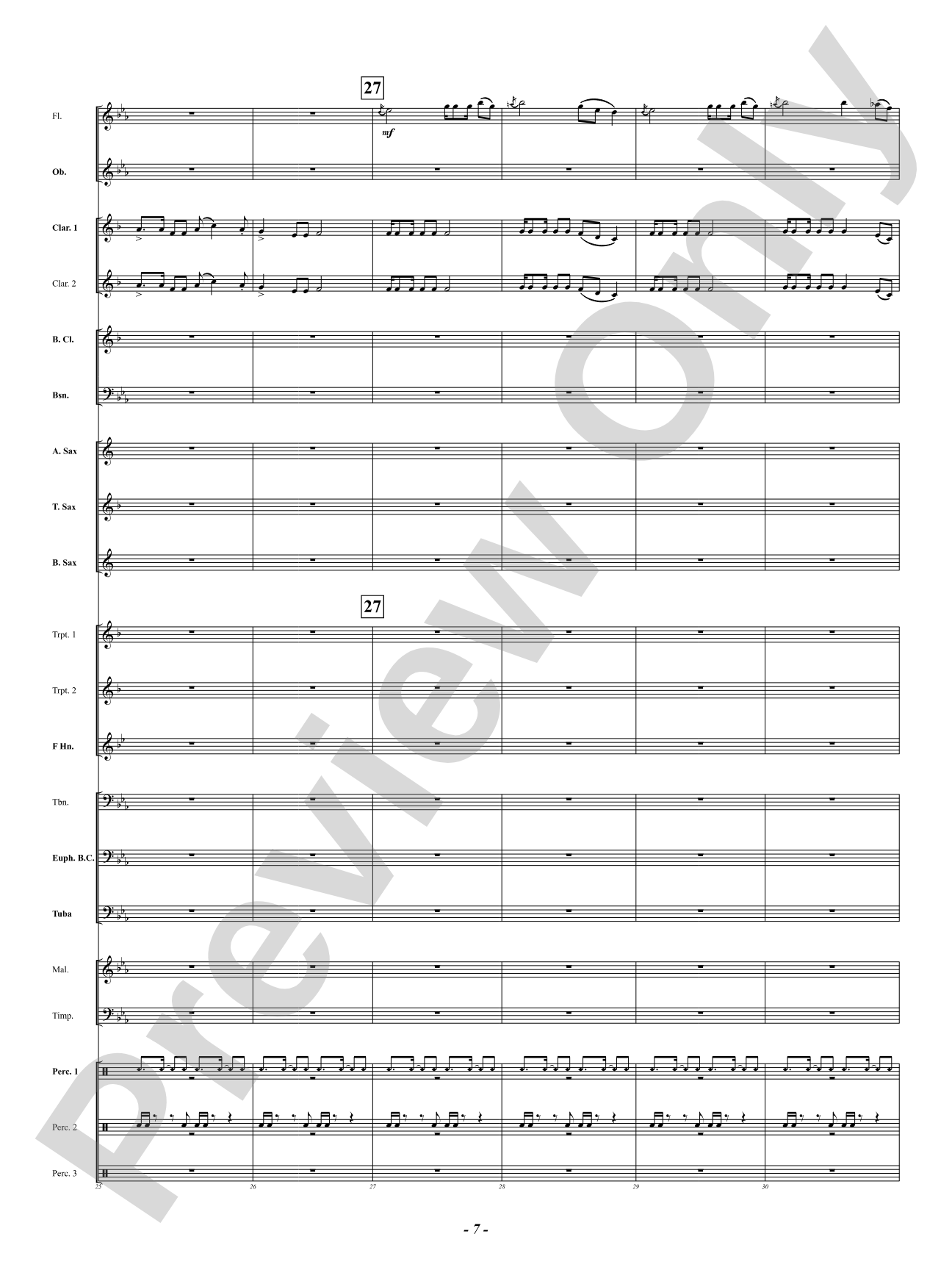
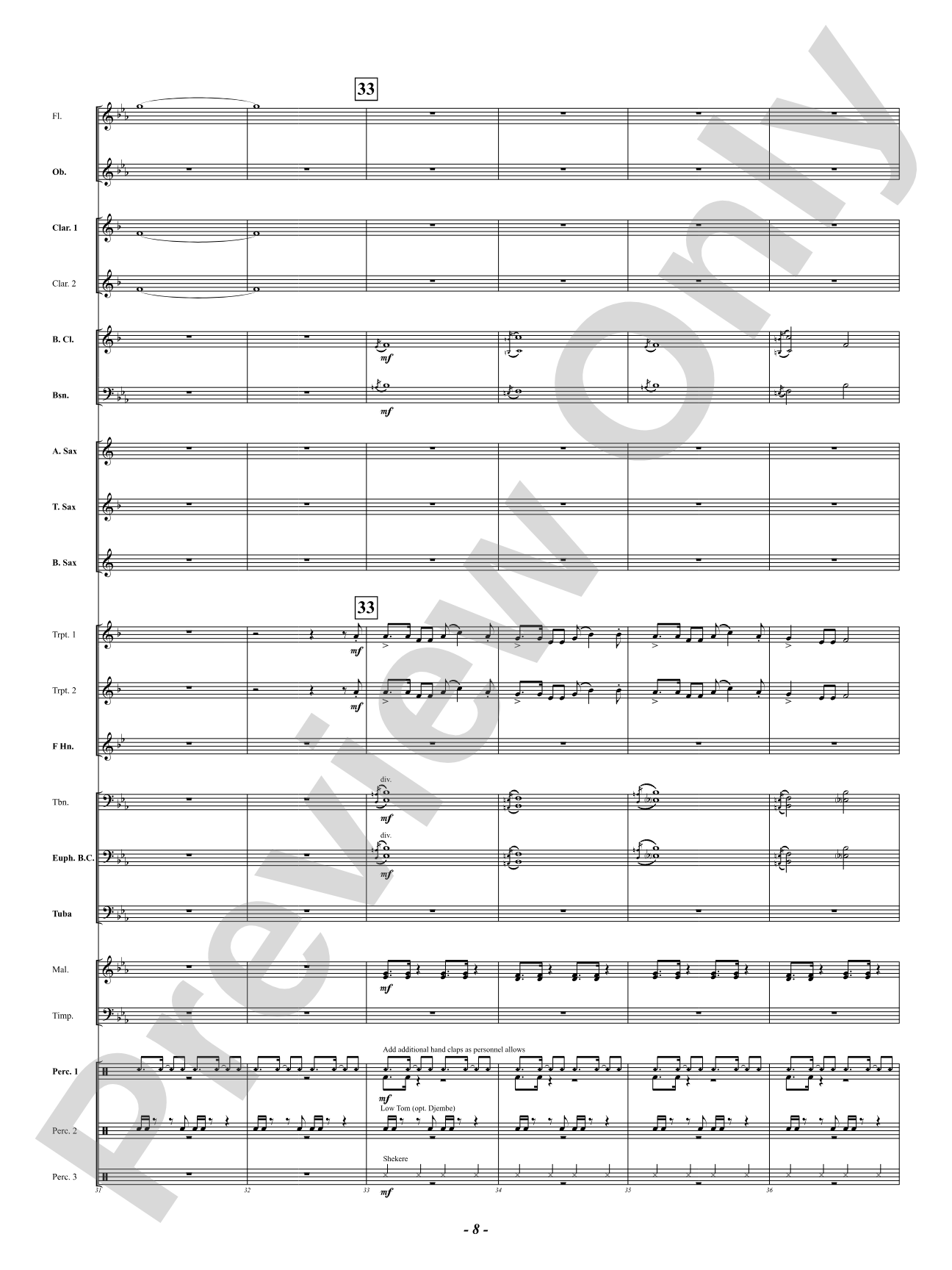
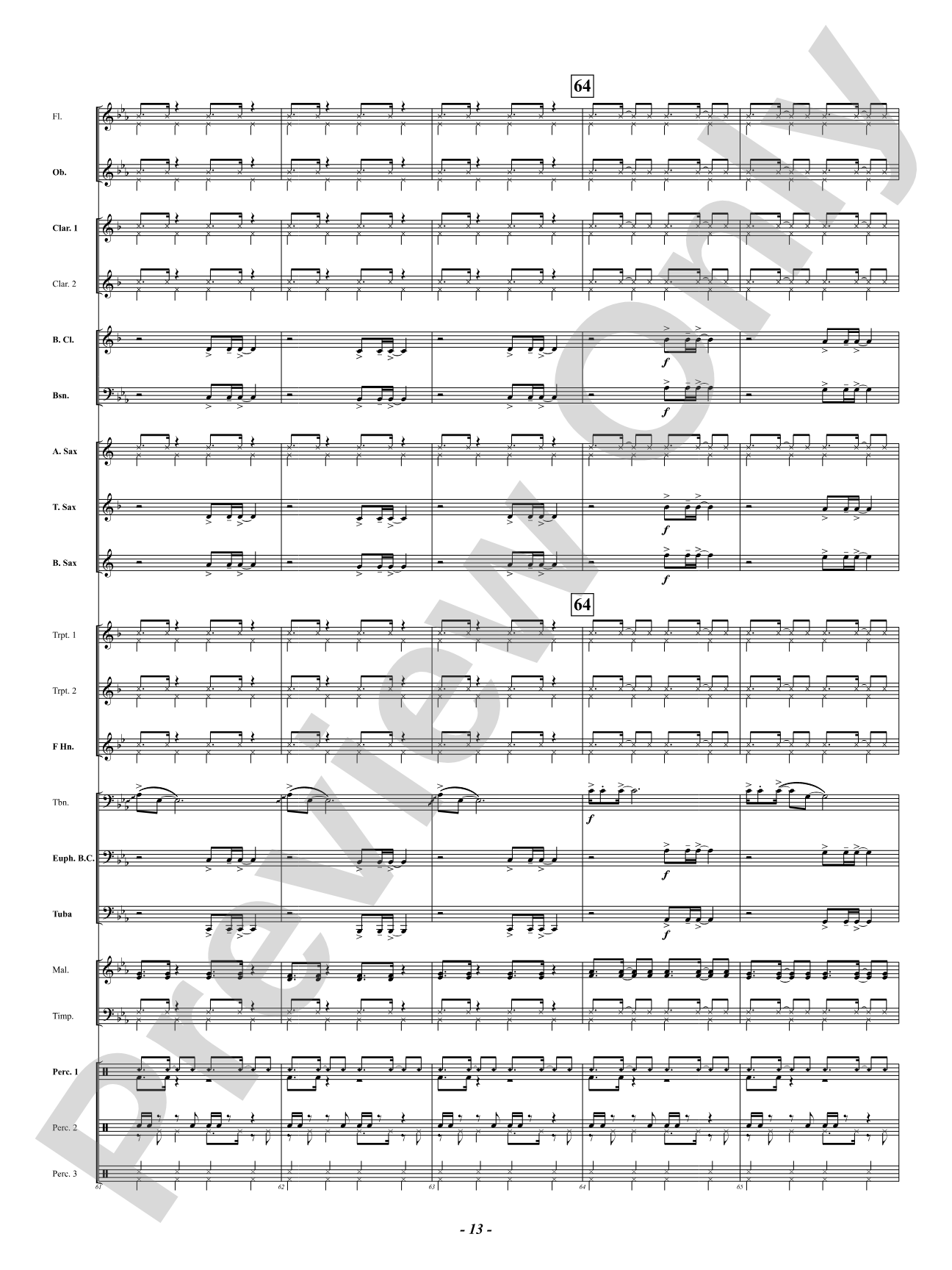
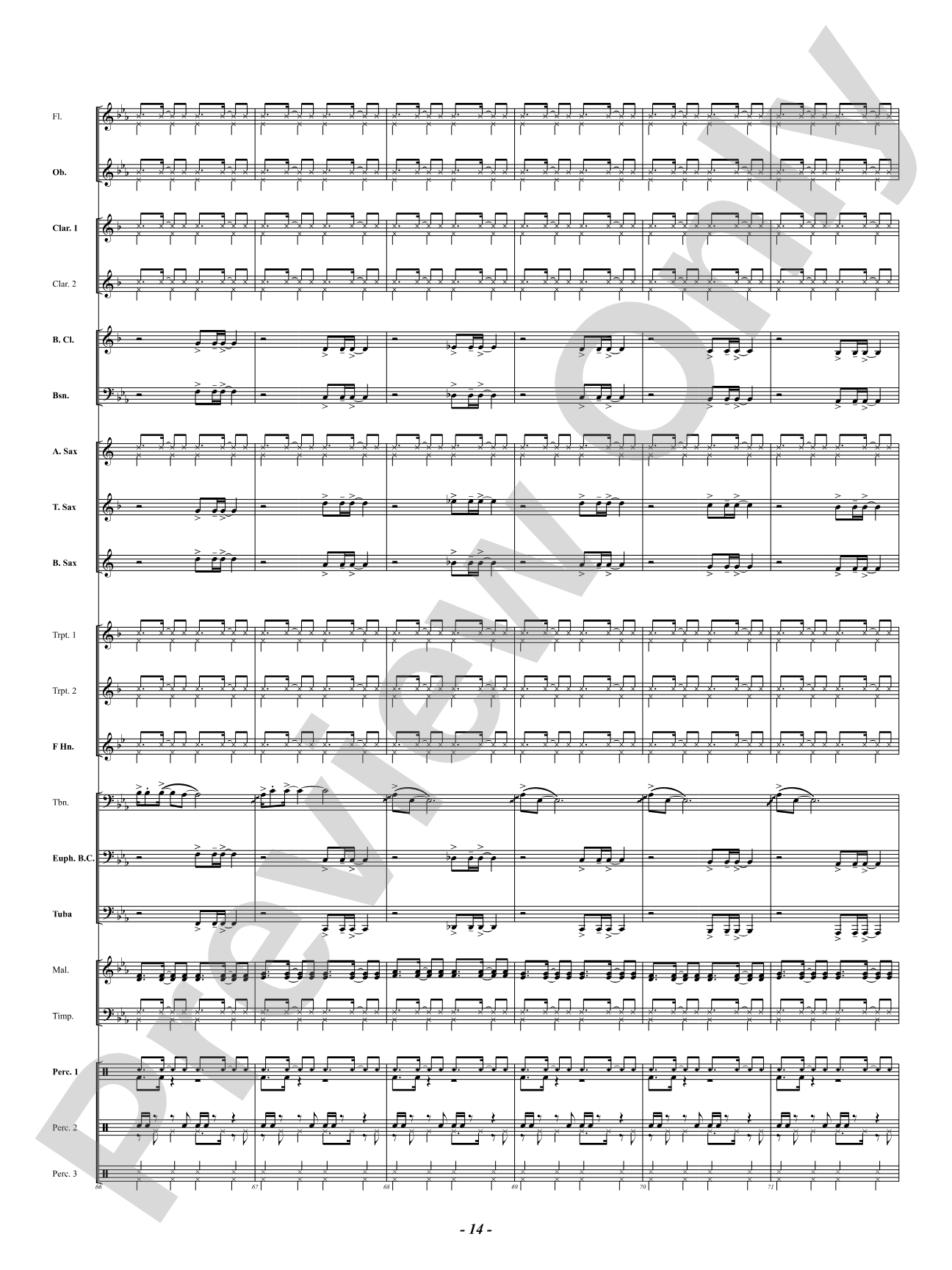
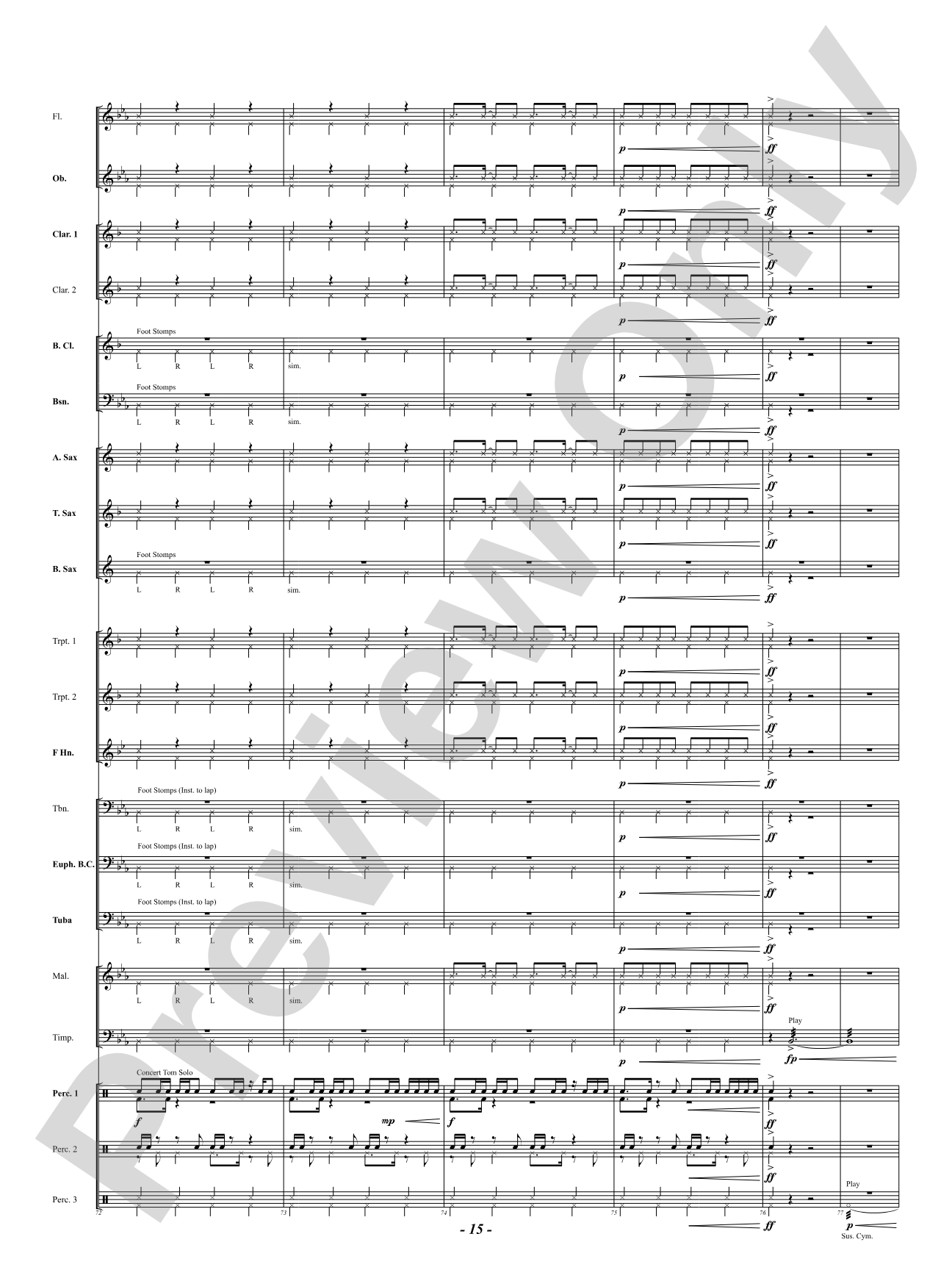
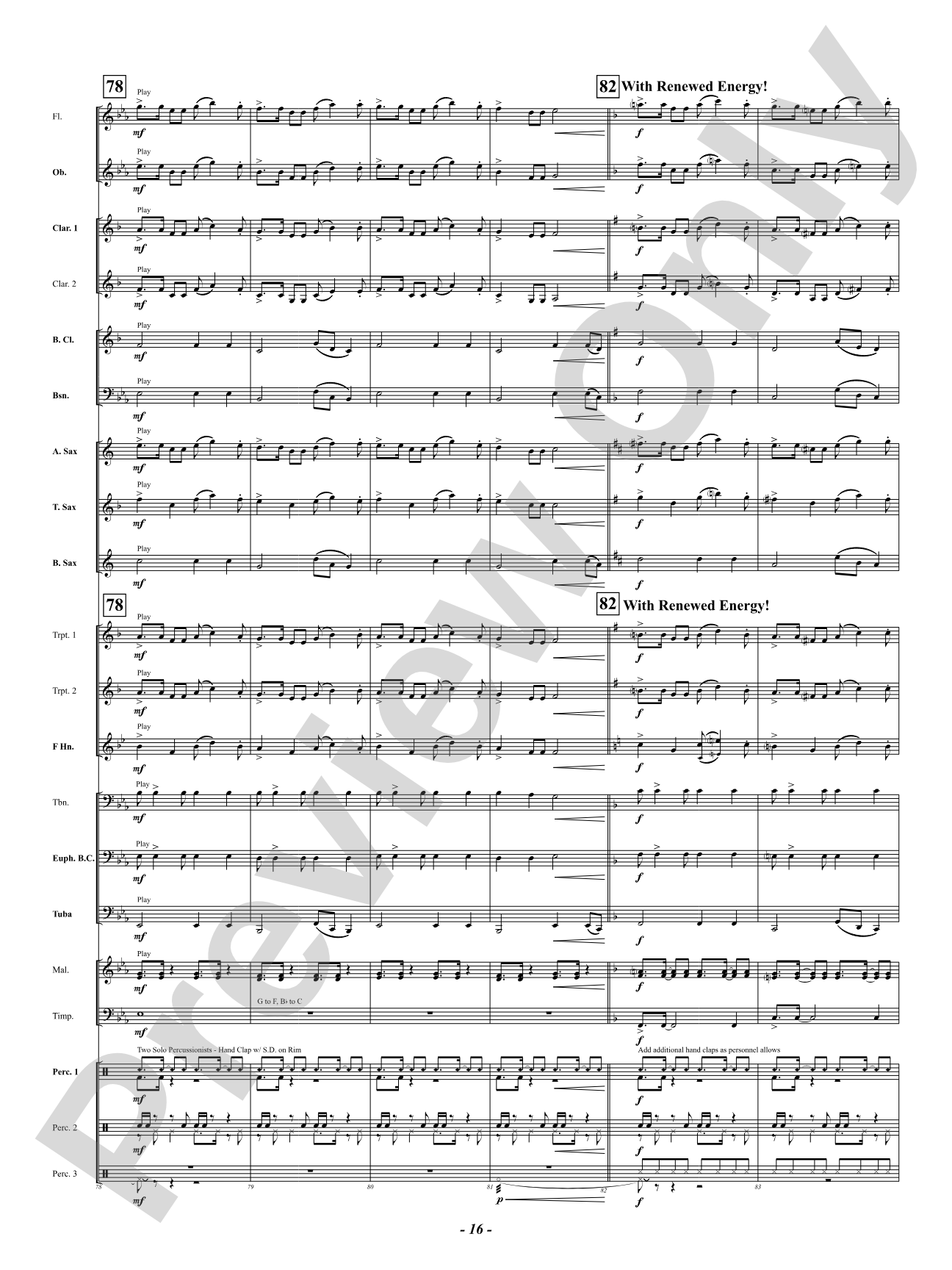



Gullah Ring Shout: Concert Band Conductor Score & Parts
By Robert W. Smith
Grade: 2.5
Item: 98-PK-RWS2401
$68.00
Pickup currently not available
Buy Extra Parts (Digital PDF Download)
Parts Added to Cart!
Description
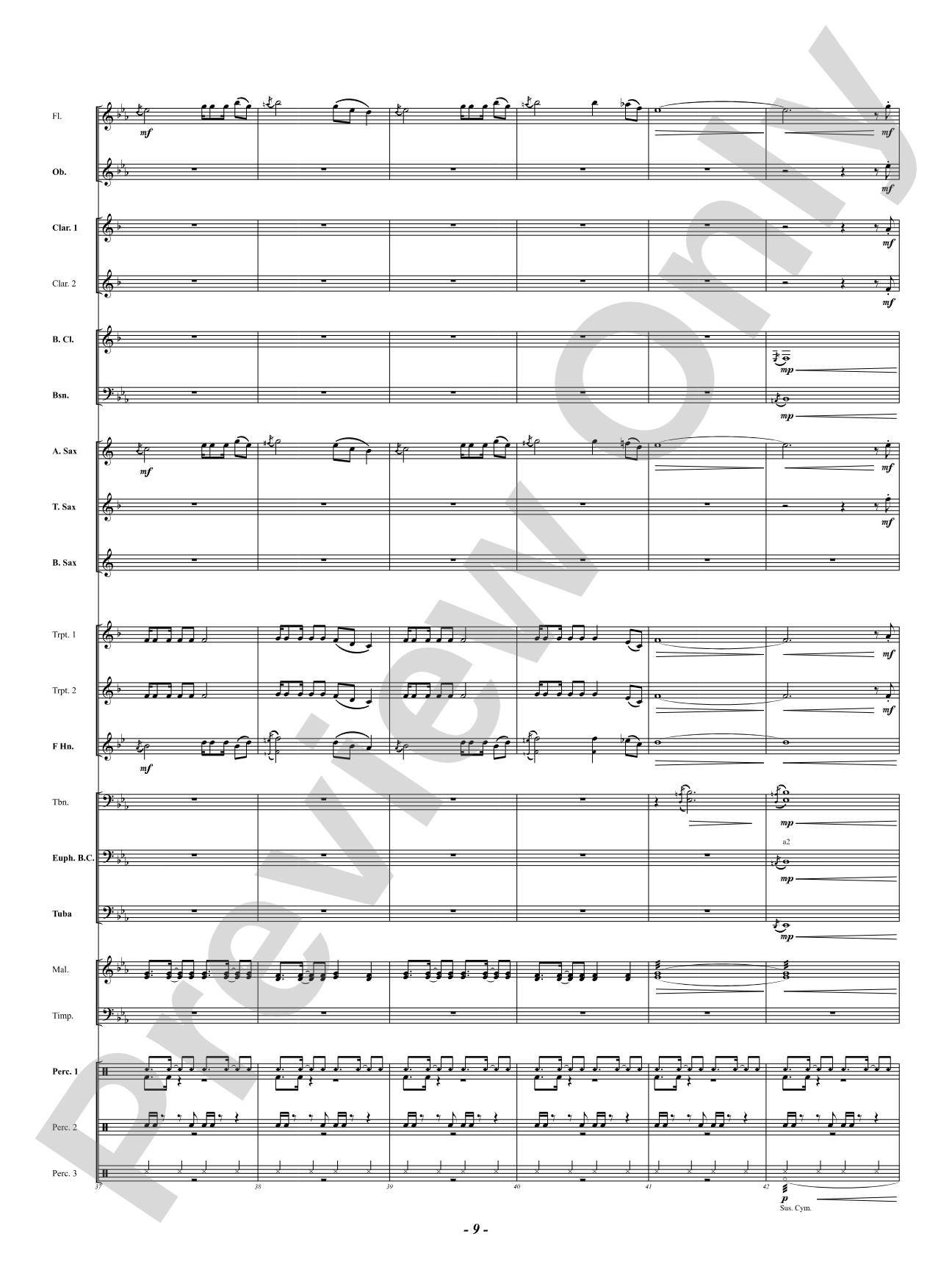
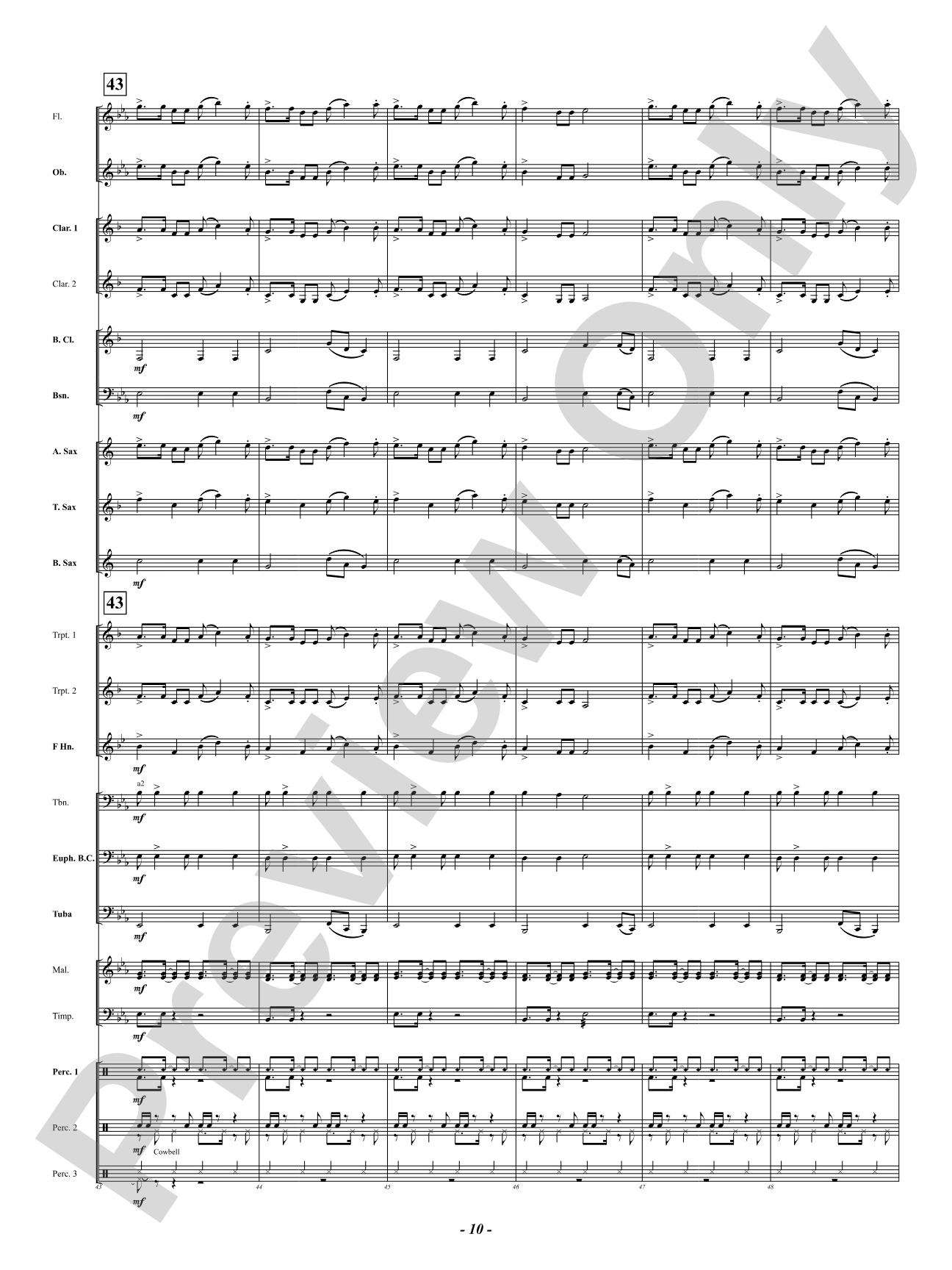
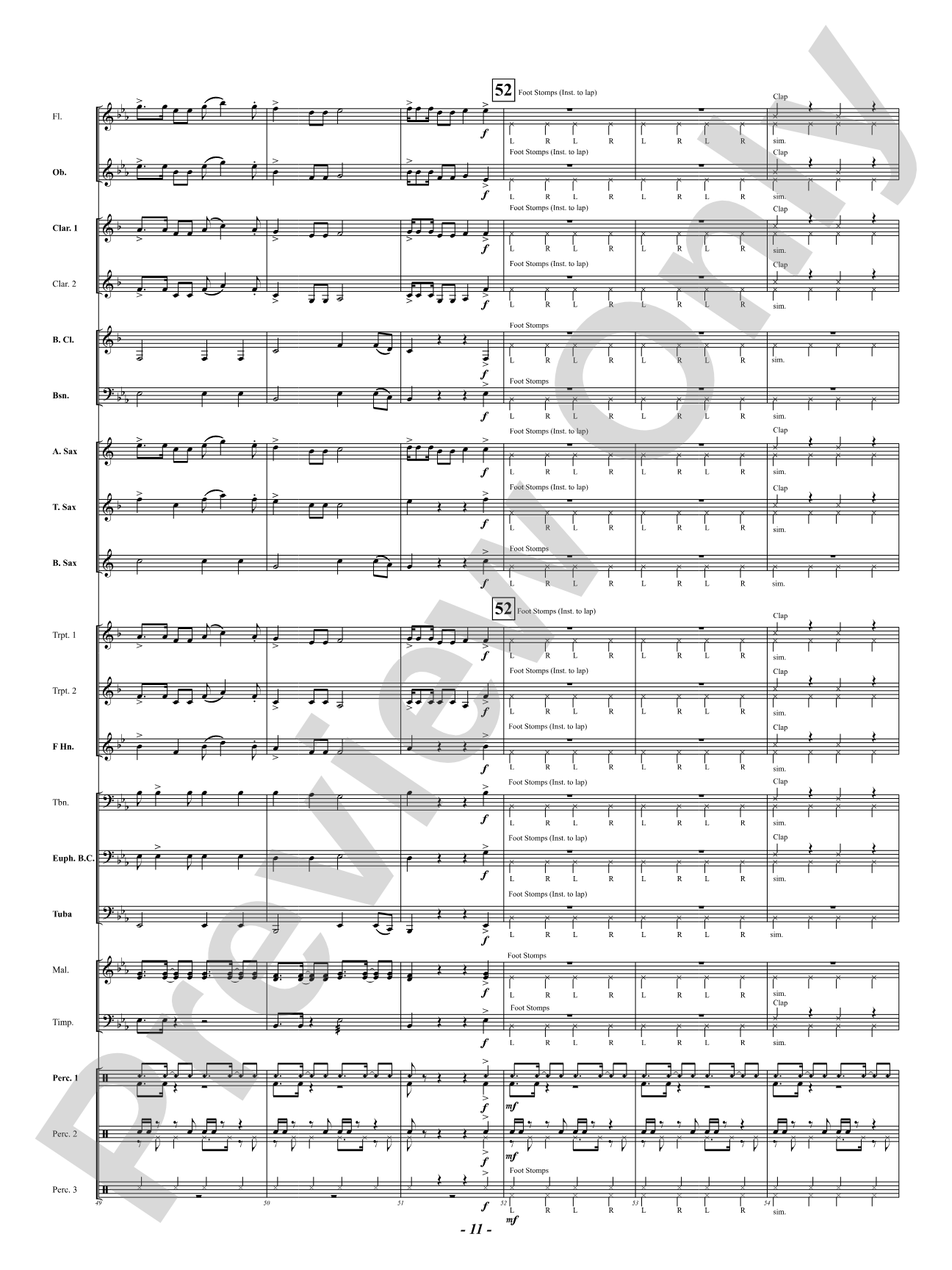
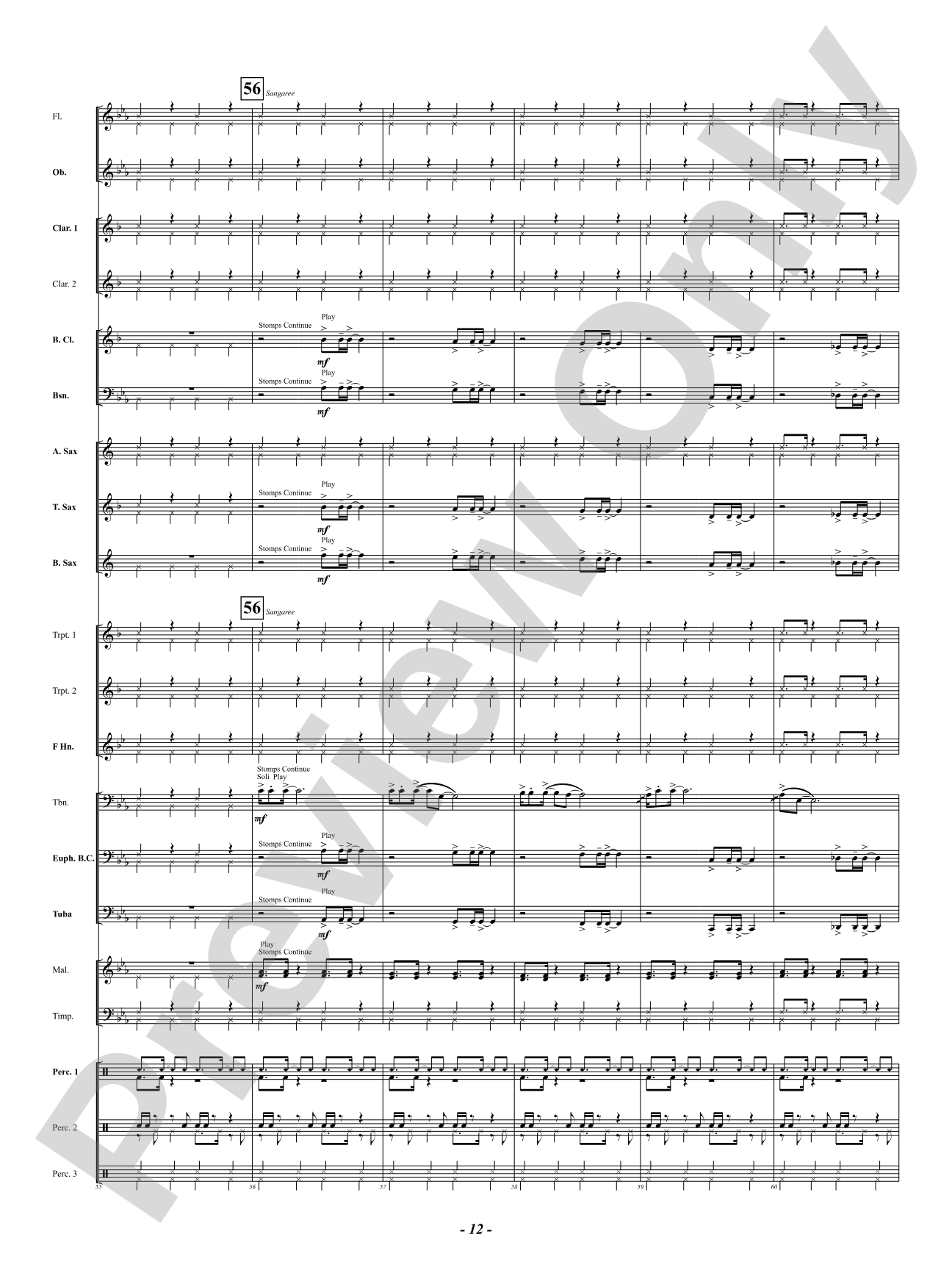
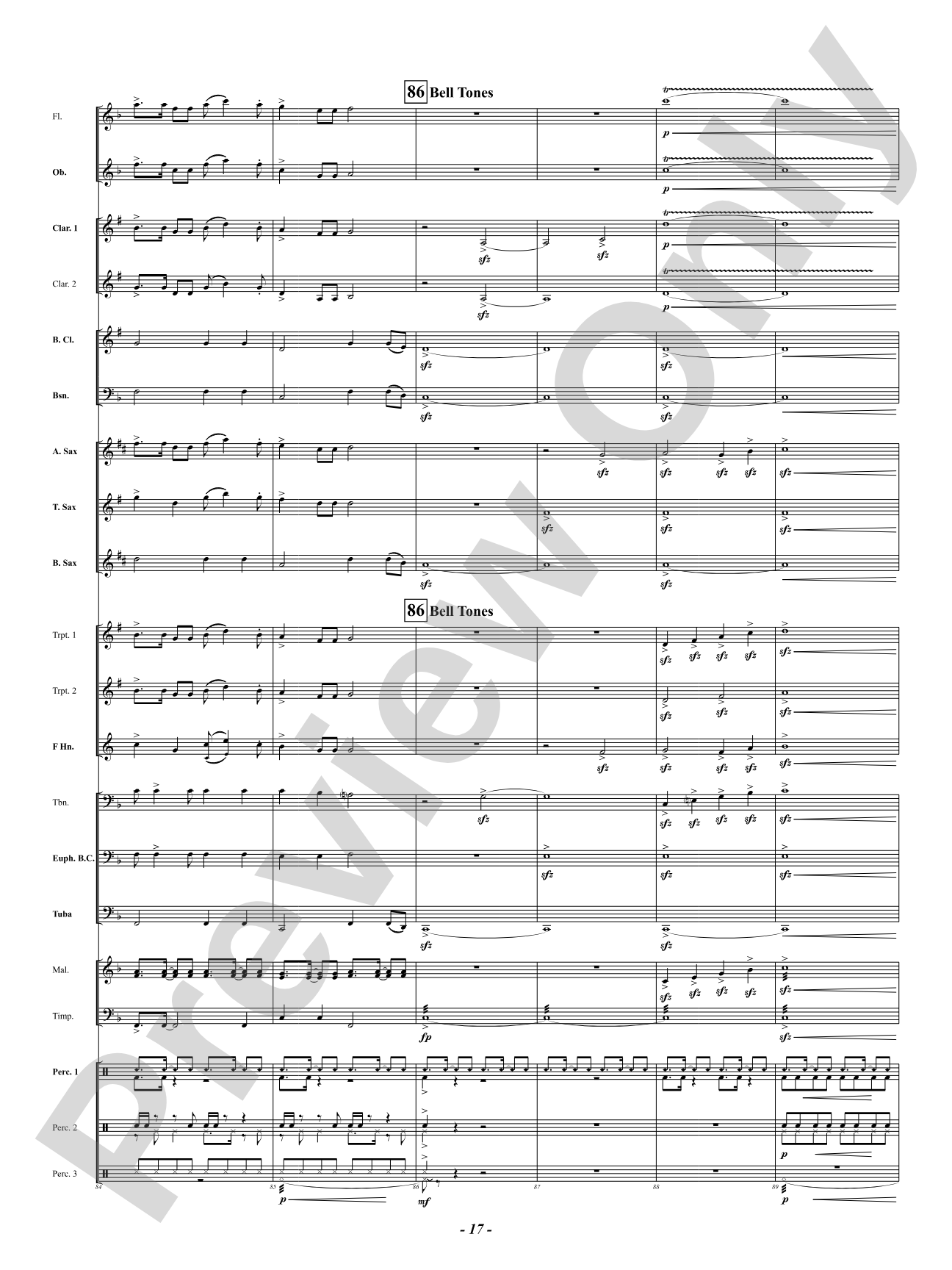
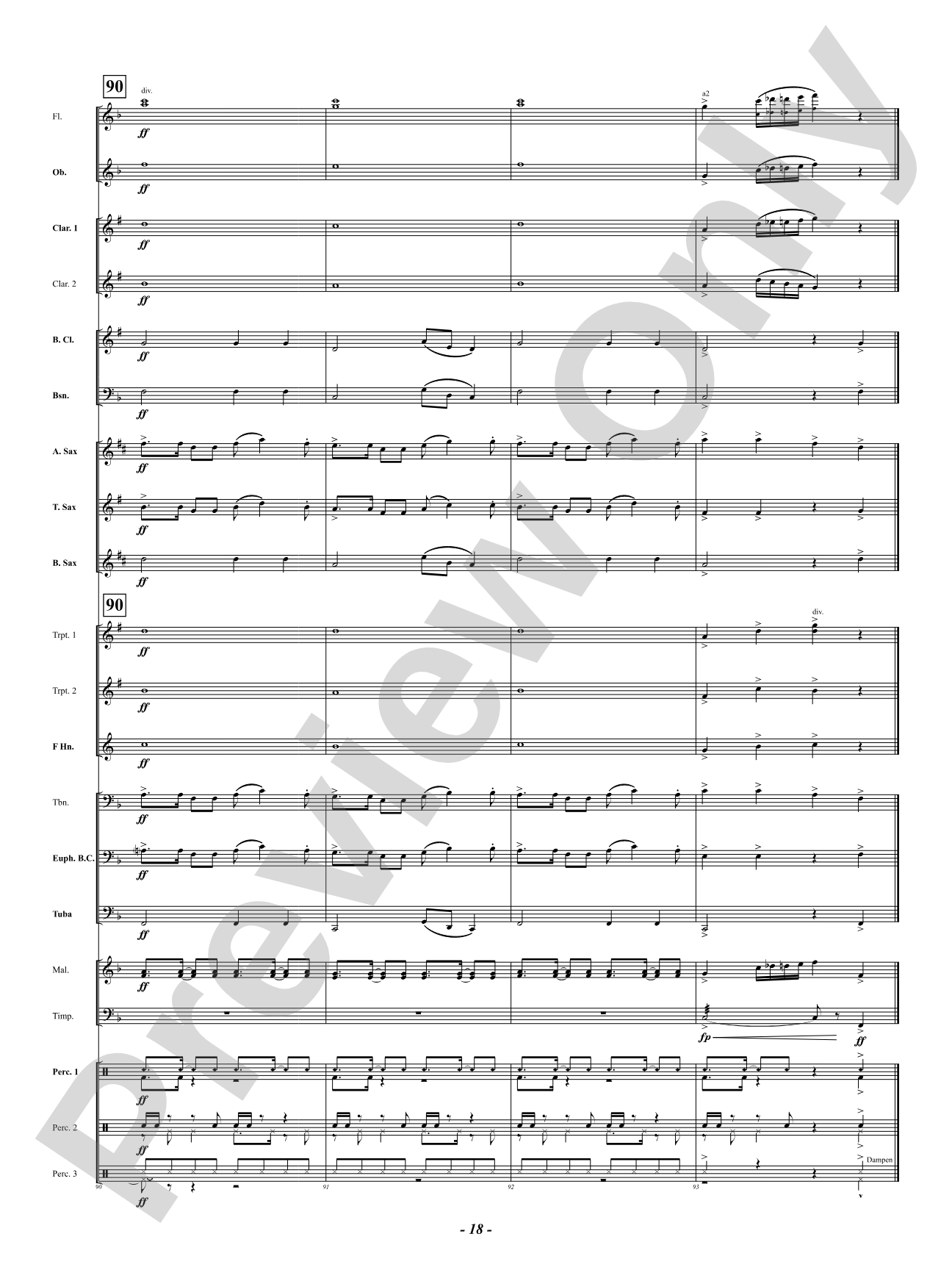
Explore and experience the rhythmic reverence of Gullah Ring Shout! Tradition meets innovation, and the pulse of ethnic rhythms intertwines with the melodies of today in Robert W. Smith's mesmerizing homage to the Gullah Ring Shout---a cherished cultural heritage of resilience and celebration. (3:28)


Gullah Ring Shout: Concert Band Conductor Score & Parts isn't in MakeMusic Cloud just yet...but it could be. Let us know you'd like to see it, and you'll help shape what comes next. In the meantime, start a free trial and dive into thousands of interactive titles your students can play along with today.
Request This Title
Tell us you want it.
Start Your Free Trial
Explore everything that's ready to play right now.
Sample Audio
1
Audio File
--:--
0:00
0:00
Sample Video
Additional Details
Series:
RWS - Developing Band
Publisher:
RWS Music Company
SKU:
98-PK-RWS2401
More about this title
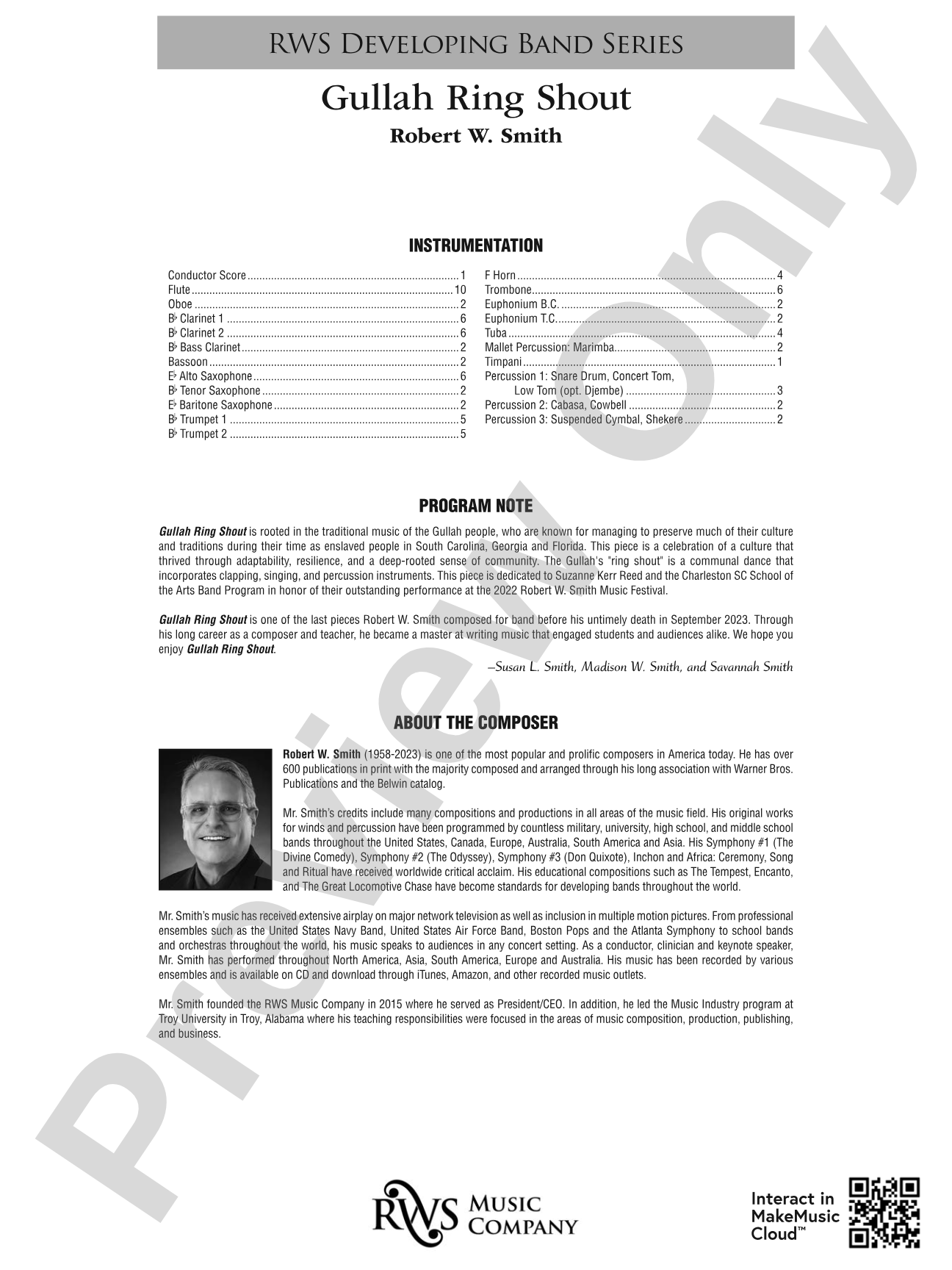
About the Composer: Robert W. Smith

Robert W. Smith stands among America's most recorded composers for concert band and orchestra, with over 400 published works spanning educational and professional ensembles. He holds degrees in music education from Troy State University and a master's degree from the University of Miami, grounding his compositional voice in both pedagogical principle and artistic ambition.
Smith's works have traveled globally, from concert halls across North America and Europe to the stages of the Olympic Games, the Macy's Thanksgiving Day Parade, and Dodger Stadium. As a conductor and clinician, he has shaped band programs across the United States, Canada, Japan, Australia, and the United Kingdom, bringing his distinctive voice to developing and advanced ensembles alike.
Why we love this
Smith's treatment of the Gullah Ring Shout tradition demonstrates what happens when a master of the band idiom approaches cultural material with genuine reverence rather than surface-level exoticism. The piece sits comfortably at 2.5, making it accessible to developing bands while offering rhythmic and textural sophistication that keeps rehearsals engaging. It's the kind of programming choice that connects students to meaningful cultural history while building musicianship.
What to expect
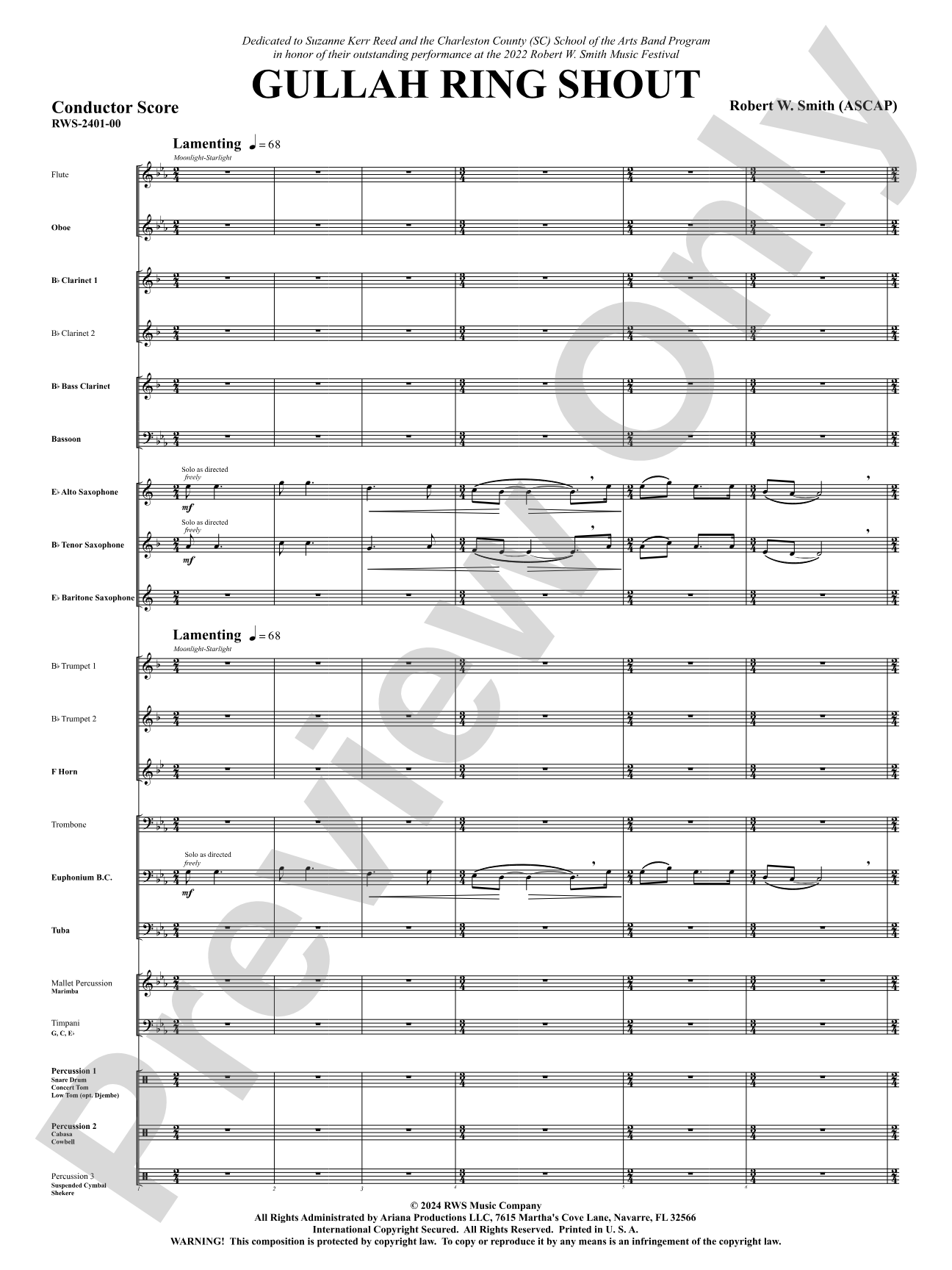
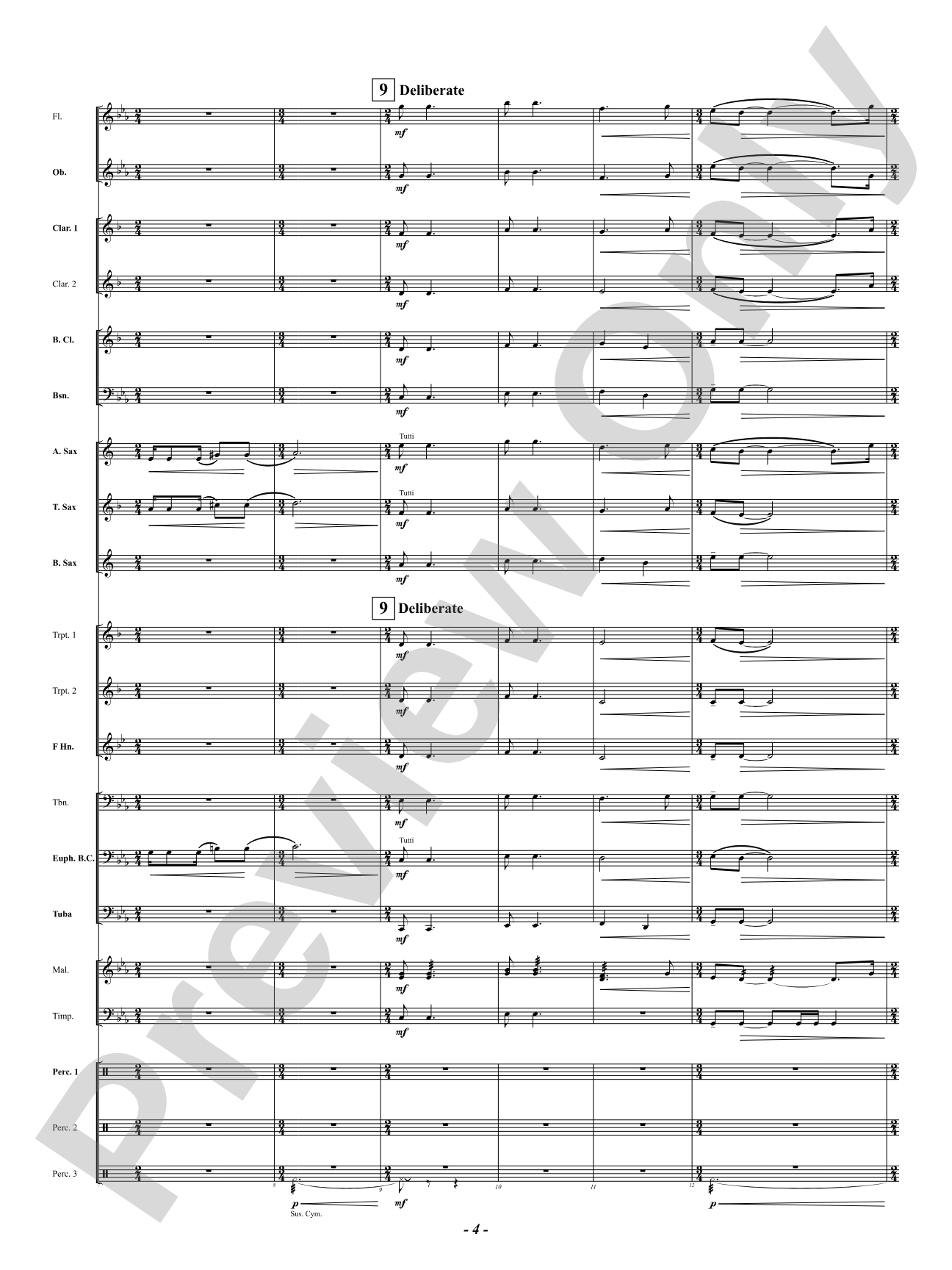
The piece captures the spiritual and communal essence of the Ring Shout tradition, moving between moments of reverent reflection and energetic celebration. Rhythmic vitality pulses through accessible melodies, creating an experience that feels both grounded in cultural truth and contemporary in orchestration, inviting ensembles to experience the resilience and joy at the heart of Gullah heritage.
Who it's for
Developing bands at the 2.5 level seeking repertoire that combines musicality with cultural authenticity. Directors looking to program multicultural literature that educates audiences and performers about meaningful traditions, particularly in festival and concert contexts where the work's modest technical demands don't compromise artistic impact.
How to get the most out of it
- Establish the foundational pulse early in sectional rehearsals. The Ring Shout's power comes from collective rhythmic commitment, so lock the ensemble's sense of pulse before layering melodic material.
- Shape the dynamic arc deliberately. Allow the piece to build with its internal energy rather than rushing; the 3:28 duration gives you room to let the reverent opening breathe before the climactic sections arrive.
- Balance rhythmic clarity against legato phrasing. The ethnic rhythms need definition, but avoid a mechanical feel. Let the woodwinds and brass sing through the rhythmic figures.
- Highlight the textural contrasts between sections. Smith writes for distinct instrumental combinations throughout; bringing out these shifts in color helps the band hear the narrative structure.
How to use it
Feature this as a centerpiece of a concert exploring African American musical traditions, pairing it with spirituals, work songs, or contemporary pieces by Black composers. Its moderate length and contest-appropriate designation make it equally valuable as a festival selection or opening piece for a concert that builds toward larger works, setting a tone of cultural awareness and musical substance from the program's start.
Skills your students will build
- Executing syncopated rhythmic patterns with ensemble precision
- Responding to dynamic and textural shifts within a cohesive musical line
- Interpreting culturally rooted music with historical awareness and reverence
- Balancing rhythmic definition against sustained, singing phrasing
- Building and shaping long dynamic arcs across multiple sections