
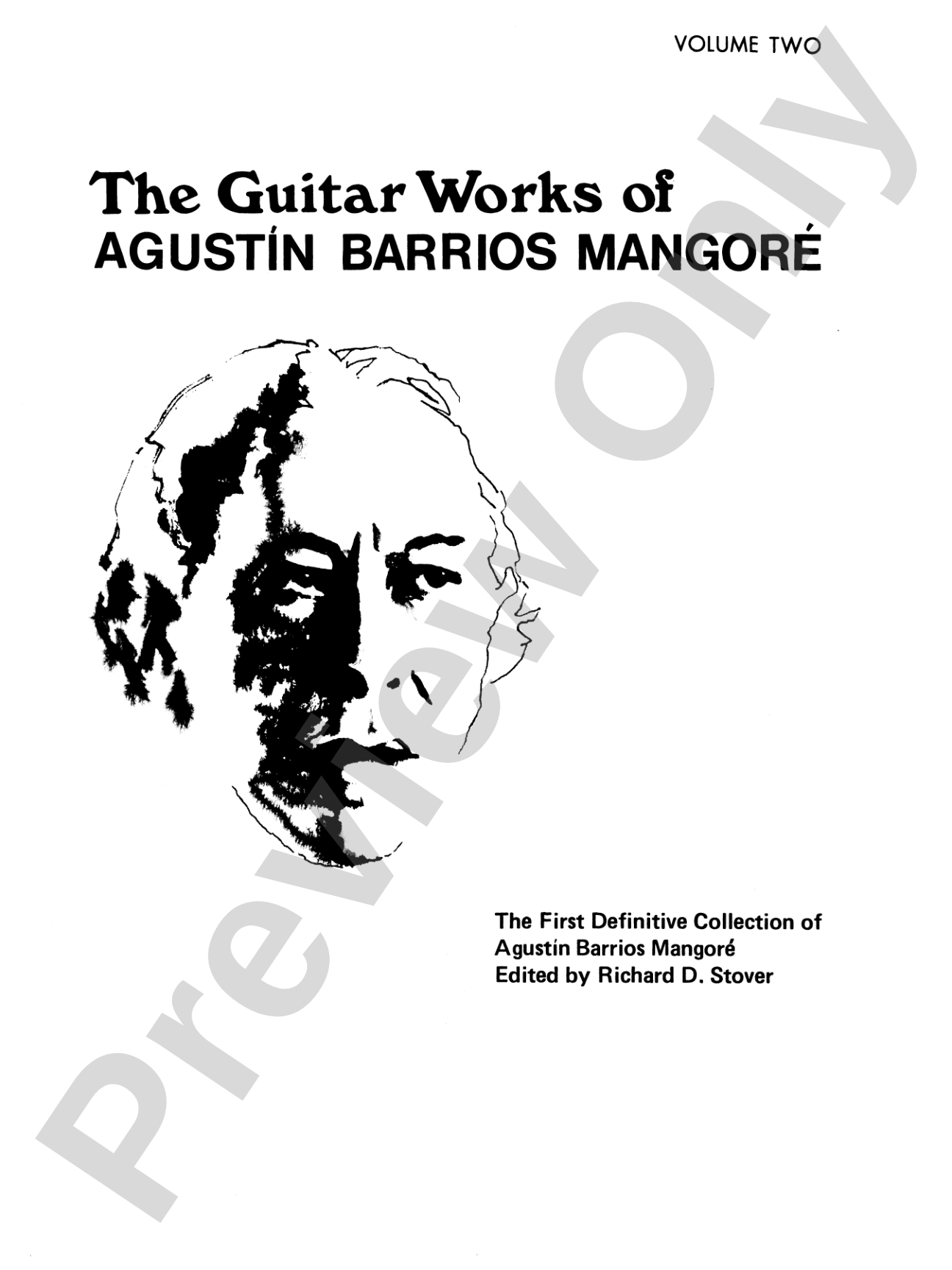

Guitar Works of Agustín Barrios Mangoré, Vol. II: Solo Guitar
Agustín Barrios Mangoré / ed. Richard Stover
Item: 00-PB-0002018
$13.99
Pickup currently not available
Related Items
Guitar Works of Agustín Barrios Mangoré, Vol. II: Guitar Book |
$13.99
|
View |
Description
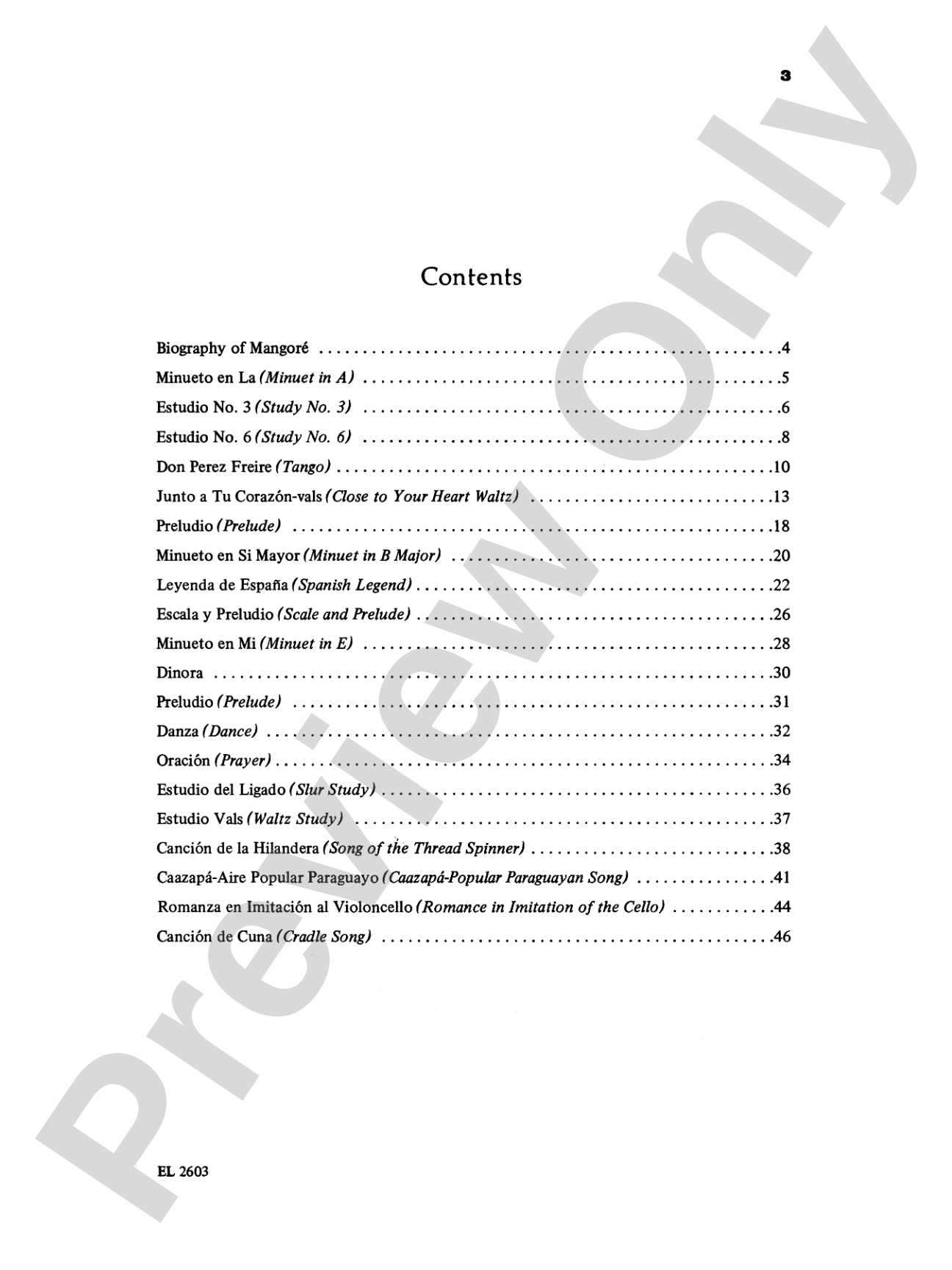
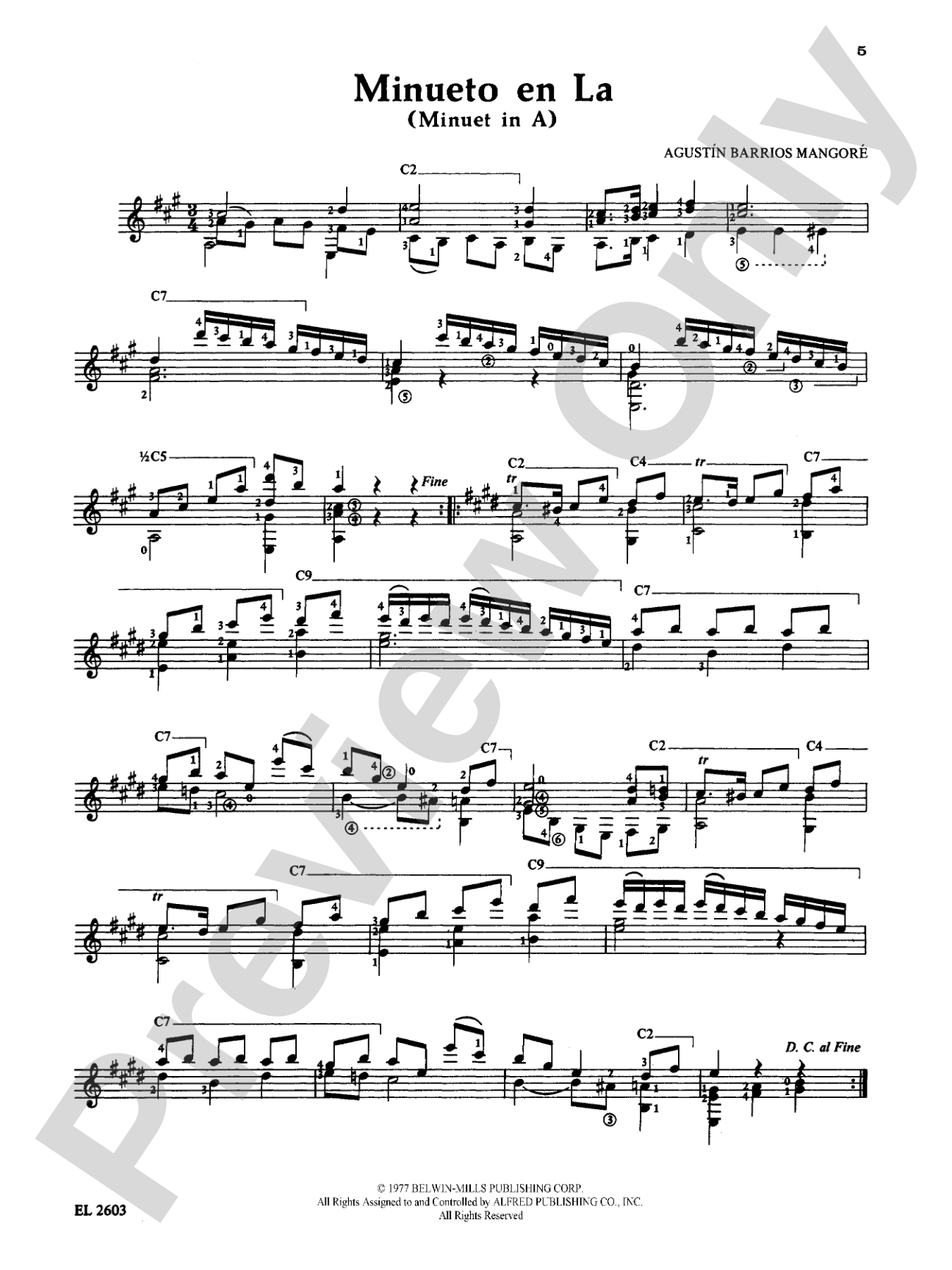
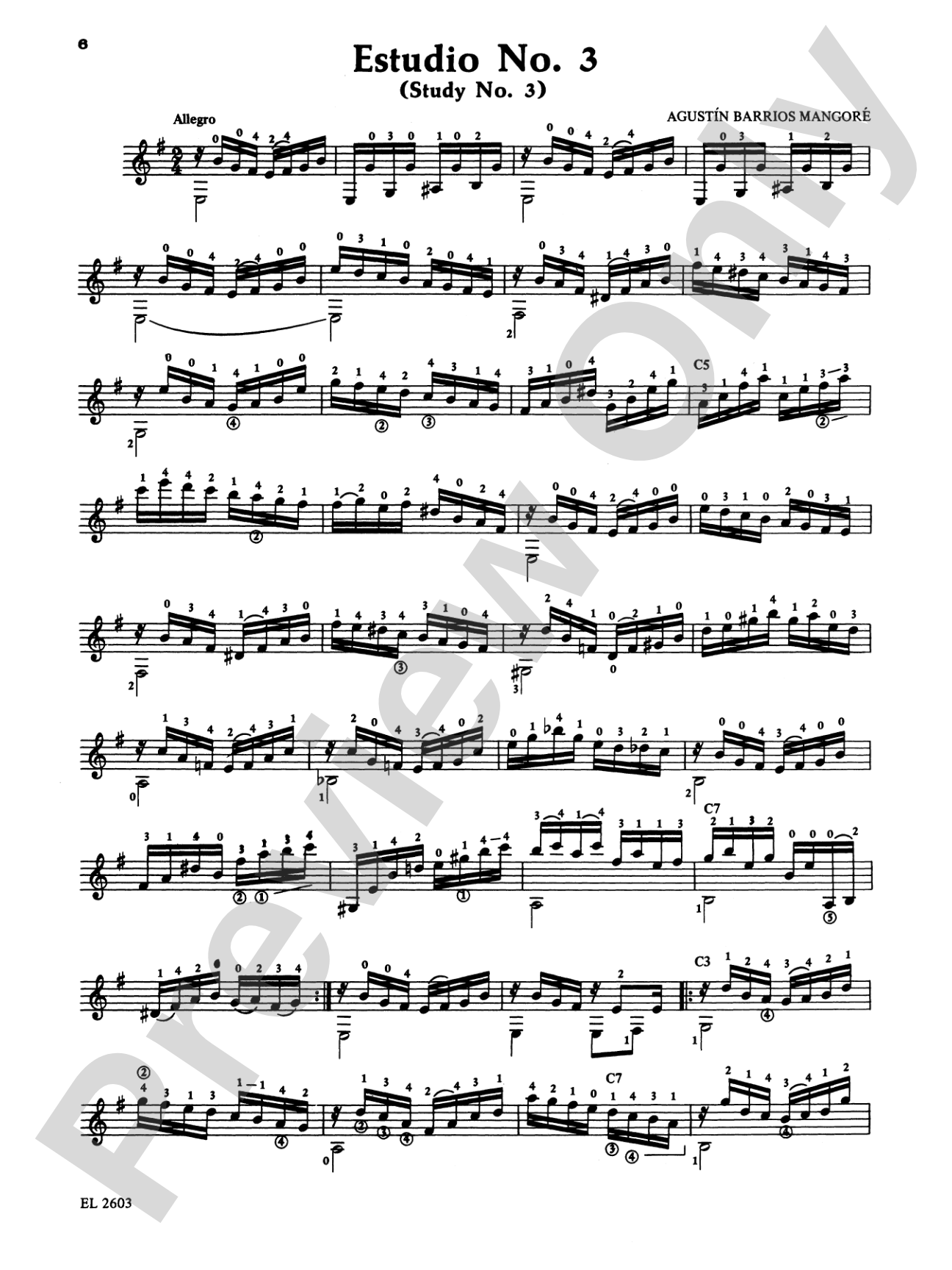
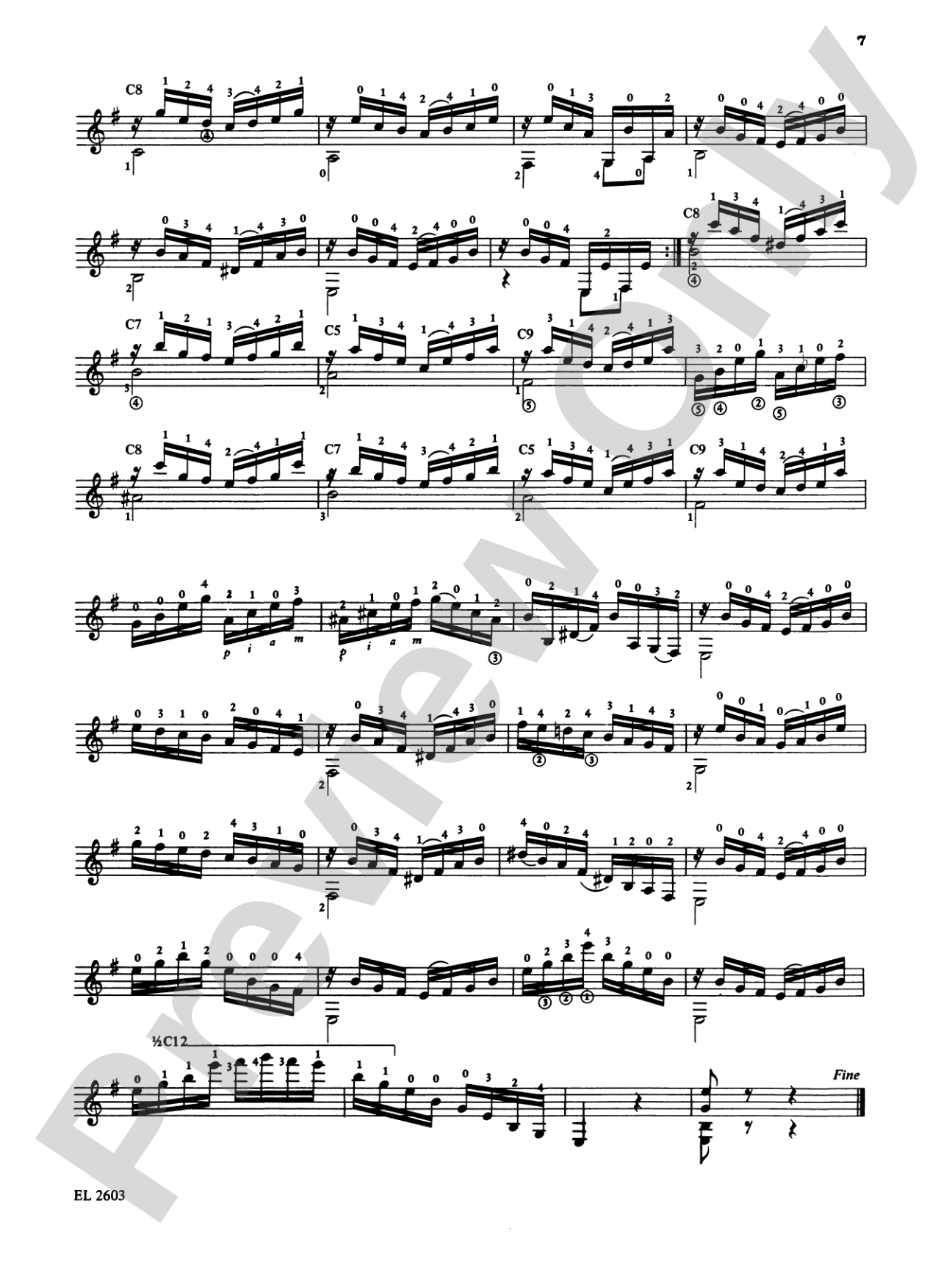
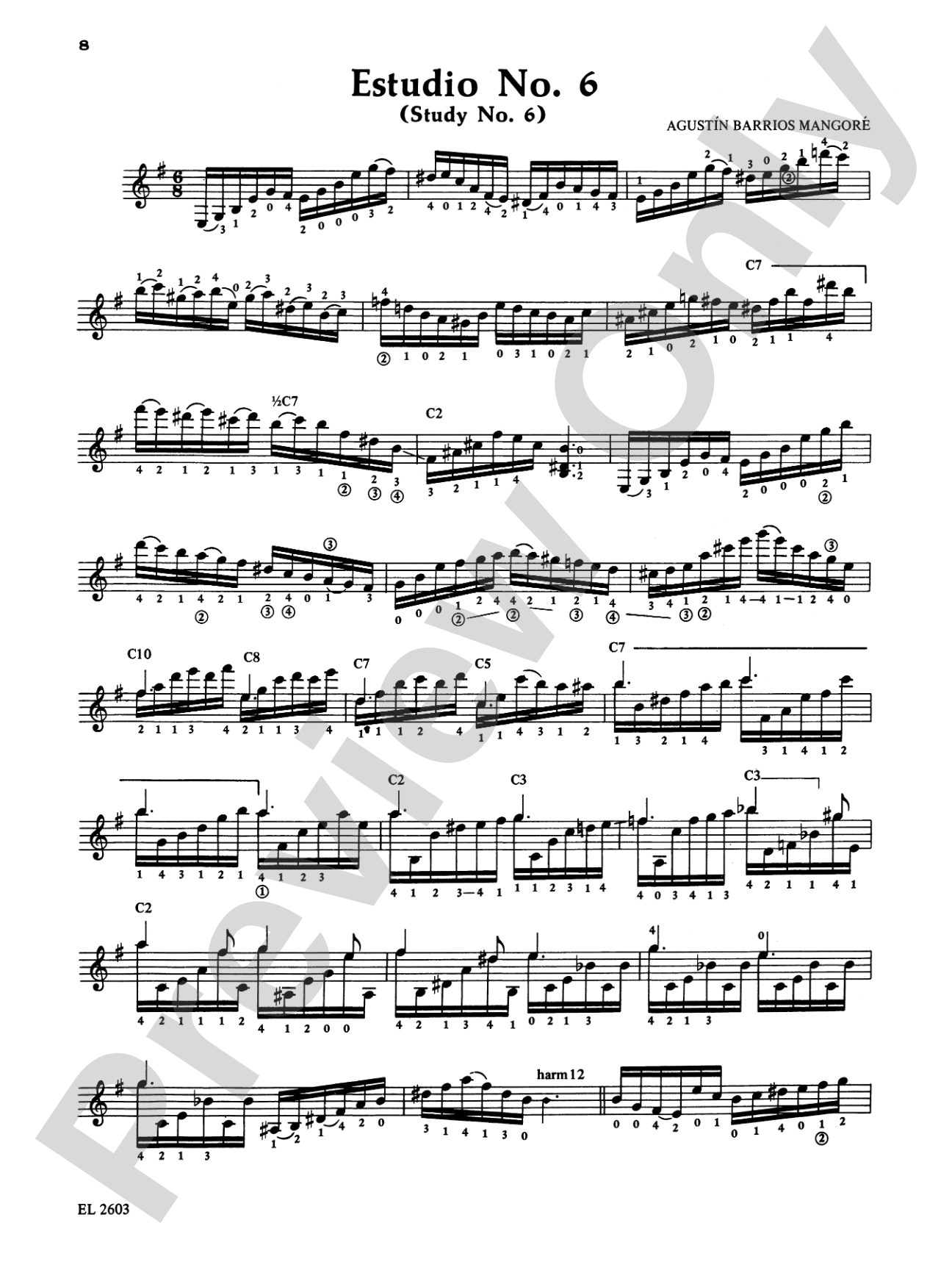
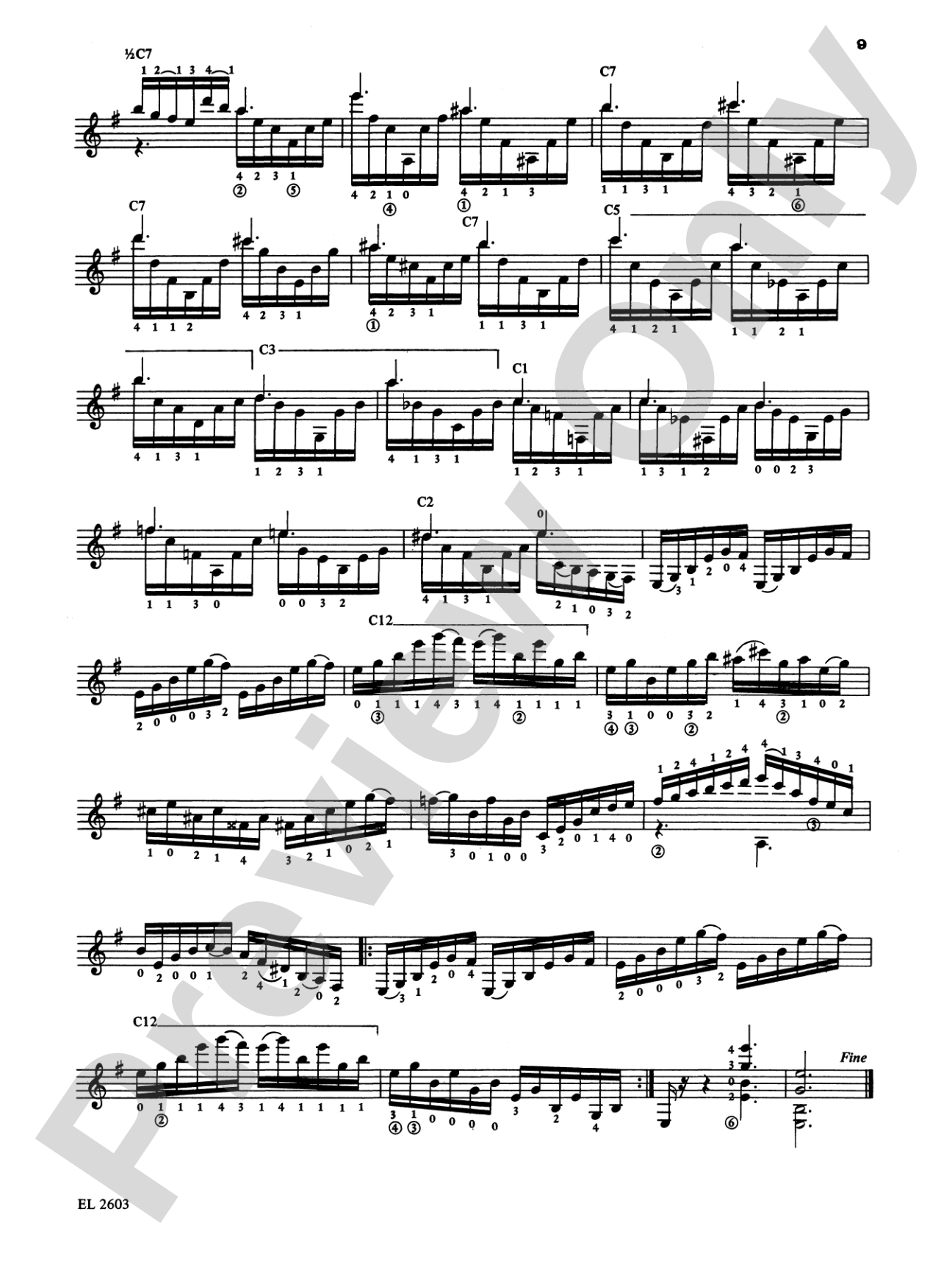
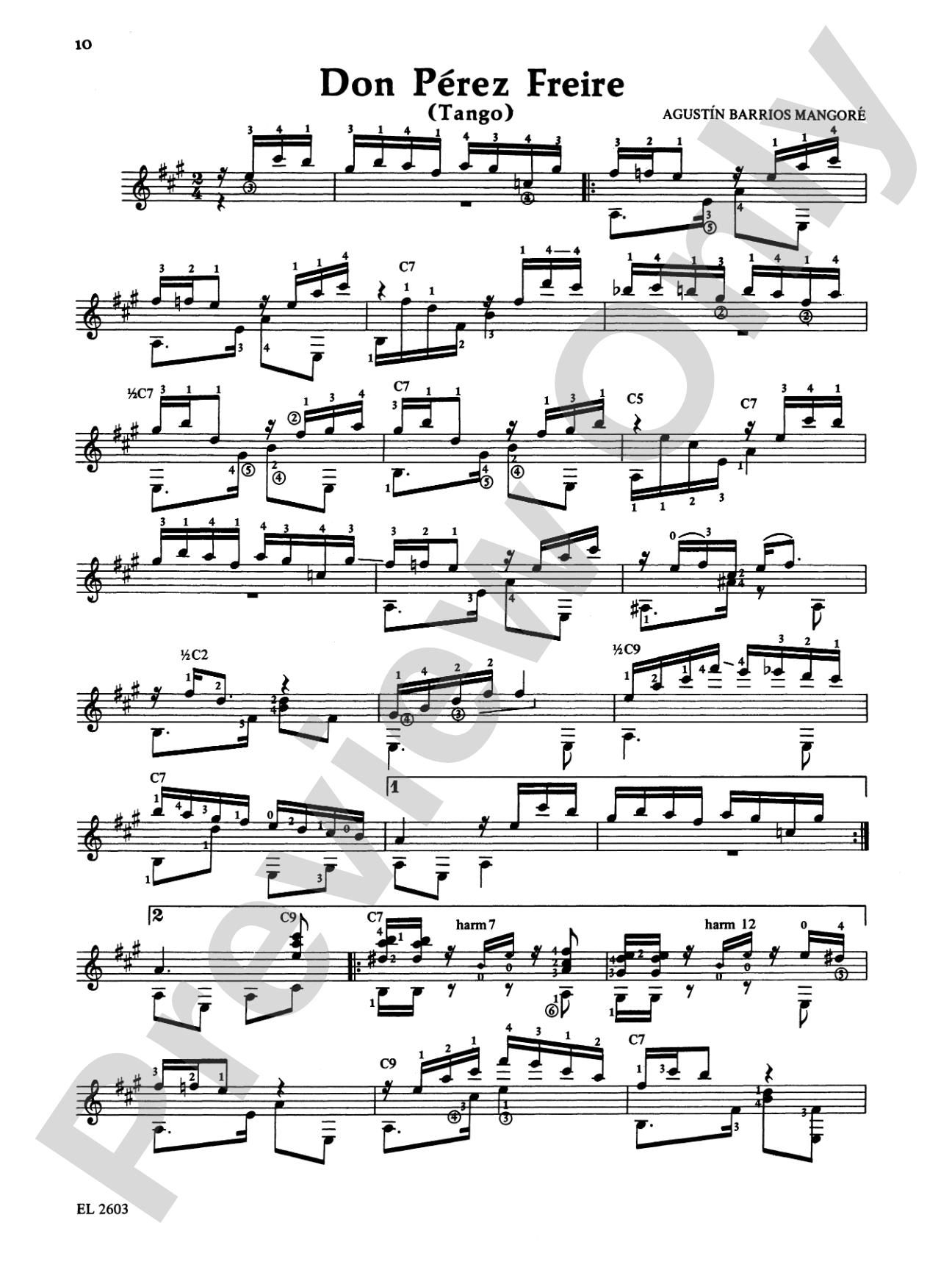
Twenty-one pieces, including: Minueto en La * Dinora * Oracion and more.


Discover MakeMusic Cloud: thousands of interactive titles your students can play along with today.
Sample Audio
No sample audio found.
Sample Video
No sample videos found.
Additional Details
Publisher:
Alfred Music
Page Count:
48
SKU:
00-PB-0002018
More about this title
About the Composer: Agustín Barrios Mangoré
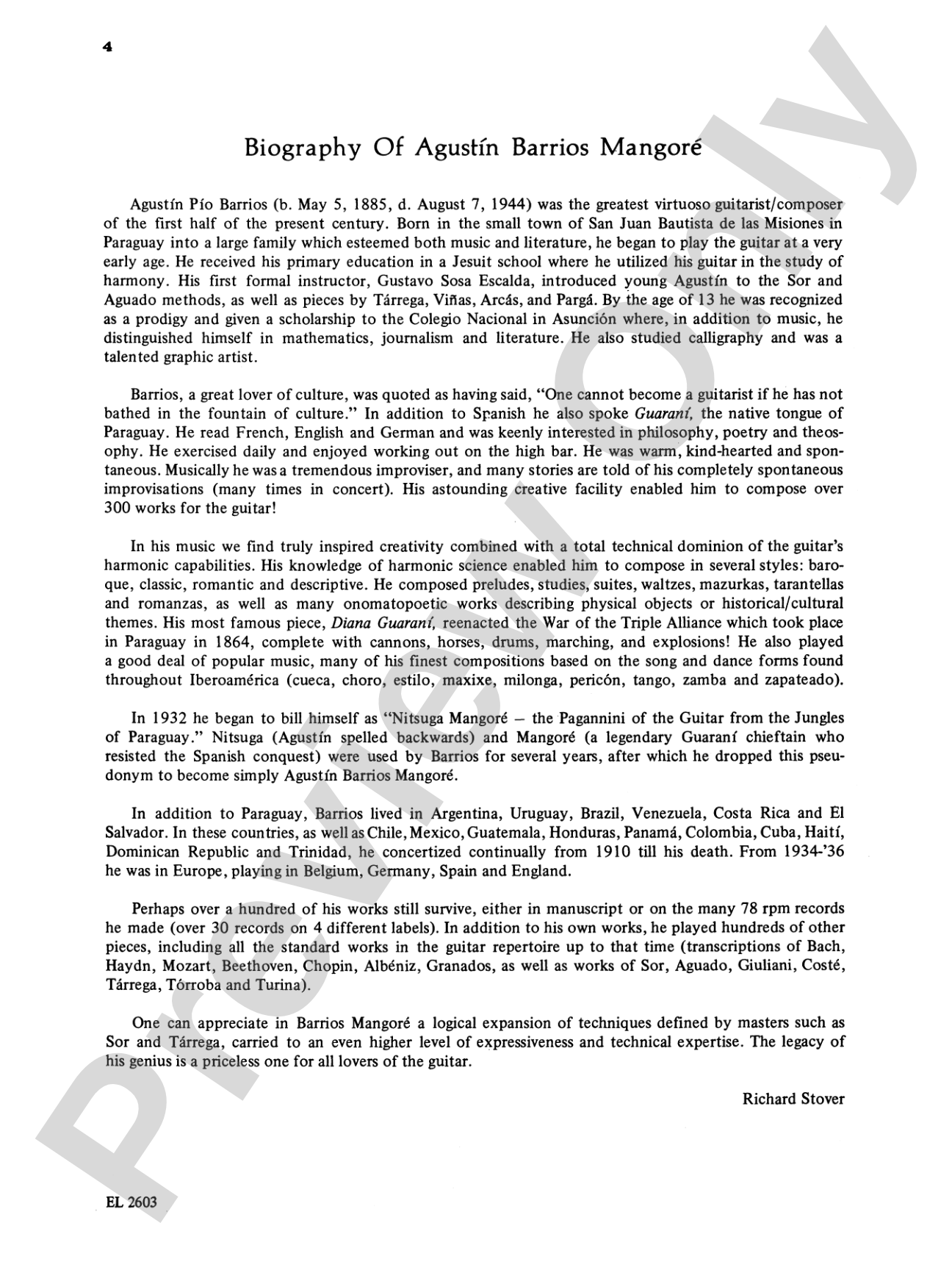
Agustín Barrios Mangoré (1885-1944) was a Paraguayan composer and virtuoso guitarist who became one of the most important figures in classical guitar repertoire. Working during the early twentieth century, he elevated the guitar from its role as an accompanying instrument to a vehicle for serious musical expression, composing over 300 works that blend Romantic sensibilities with South American folk influences. His legacy rests on his ability to write idiomatically for the instrument while maintaining genuine compositional depth.
Barrios toured extensively throughout the Americas, performing his own music and establishing the guitar as a concert instrument worthy of Carnegie Hall and similar venues. His works remain central to the classical guitar canon, studied by students at every level and championed by professional guitarists seeking repertoire that demands both technical command and interpretive maturity.
Why we love this
Barrios wrote music that feels inevitable on the guitar; every phrase shapes naturally under the fingers and sings without sounding arranged. This second volume collects pieces ranging from intimate character studies to technically brilliant showpieces, giving your students access to a breadth of his output in a single resource. The collection moves beyond his most famous works while maintaining the same compositional integrity that makes teaching Barrios so rewarding.
What to expect
Barrios' language here ranges from lyrical and introspective to energetic and virtuosic, often within the same piece. The Minueto pieces carry a nostalgic elegance rooted in European Romanticism, while other works pulse with the rhythmic vitality of South American influence. Throughout, there's a sense of the guitar being made to sing with a human voice.
Who it's for
Intermediate and advanced classical guitarists ready to expand beyond Barrios' most canonical works. Students should have solid command of position shifts, barre technique, and ability to balance multiple voices across the fingerboard. This collection suits both solo recital preparation and curriculum study.
How to get the most out of it
- Allow the natural resonance of the guitar to carry through longer note values; resist the urge to re-strike or add unnecessary articulation.
- Shape the phrasing around harmonic movement rather than strict metric regularity; Barrios often writes across bar lines intentionally.
- Approach the technical passages with clarity and separation, particularly in pieces like Dinora where rapid figuration needs rhythmic precision.
- Use dynamic contrast judiciously. These pieces gain power through tonal color and voice leading, not volume extremes.
How to use it
Slot individual pieces into student recitals as both opening and closing numbers; Barrios' shorter forms work especially well for balancing longer contemporary works. Consider programming several pieces from this volume consecutively to showcase the breadth of his compositional voice, or use them as pedagogical anchors throughout the academic year as students build the technical and musical maturity to tackle progressively demanding selections.
Skills your students will build
- Voice leading across non-adjacent strings
- Position shifting with tonal continuity
- Balancing polyphonic texture on a single instrument
- Interpretive phrasing in early Romantic harmonic language
- Baroque and dance form conventions as applied to guitar writing