

Guitar Atlas: Celtic: Your passport to a new world of music
Your passport to a new world of music
By David Ernst
Item: 00-PB-0002210
$15.99
Pickup currently not available
Related Items
Guitar Atlas: Celtic: Guitar Book & Online Audio |
$15.99
|
View |
Description
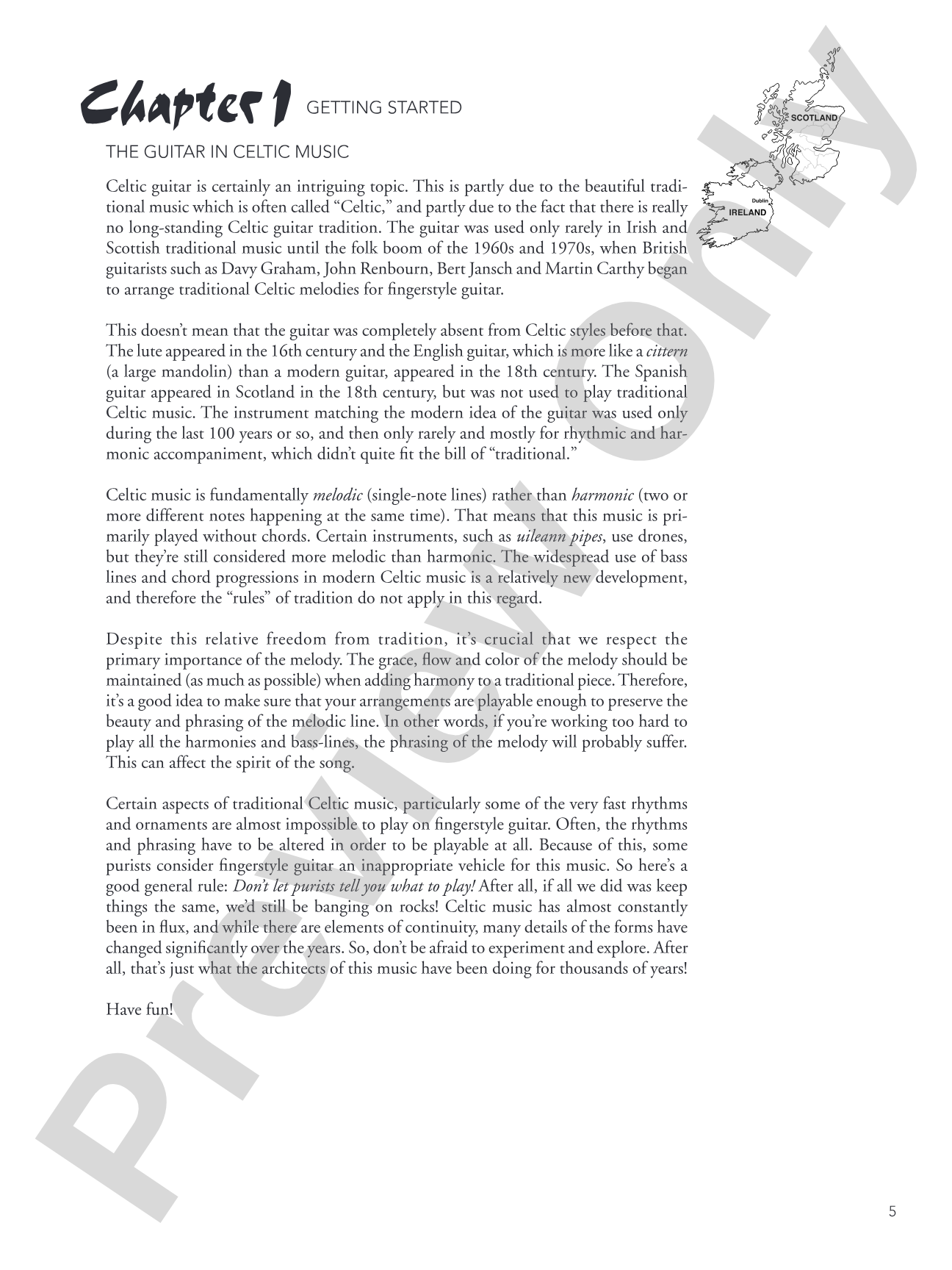
The Guitar Atlas series is your passport to a new world of music. Learn the rhythms and techniques of some of the world's most remarkable guitar music, and discover the history, origins, and pioneering artists of distinctive styles from around the globe.
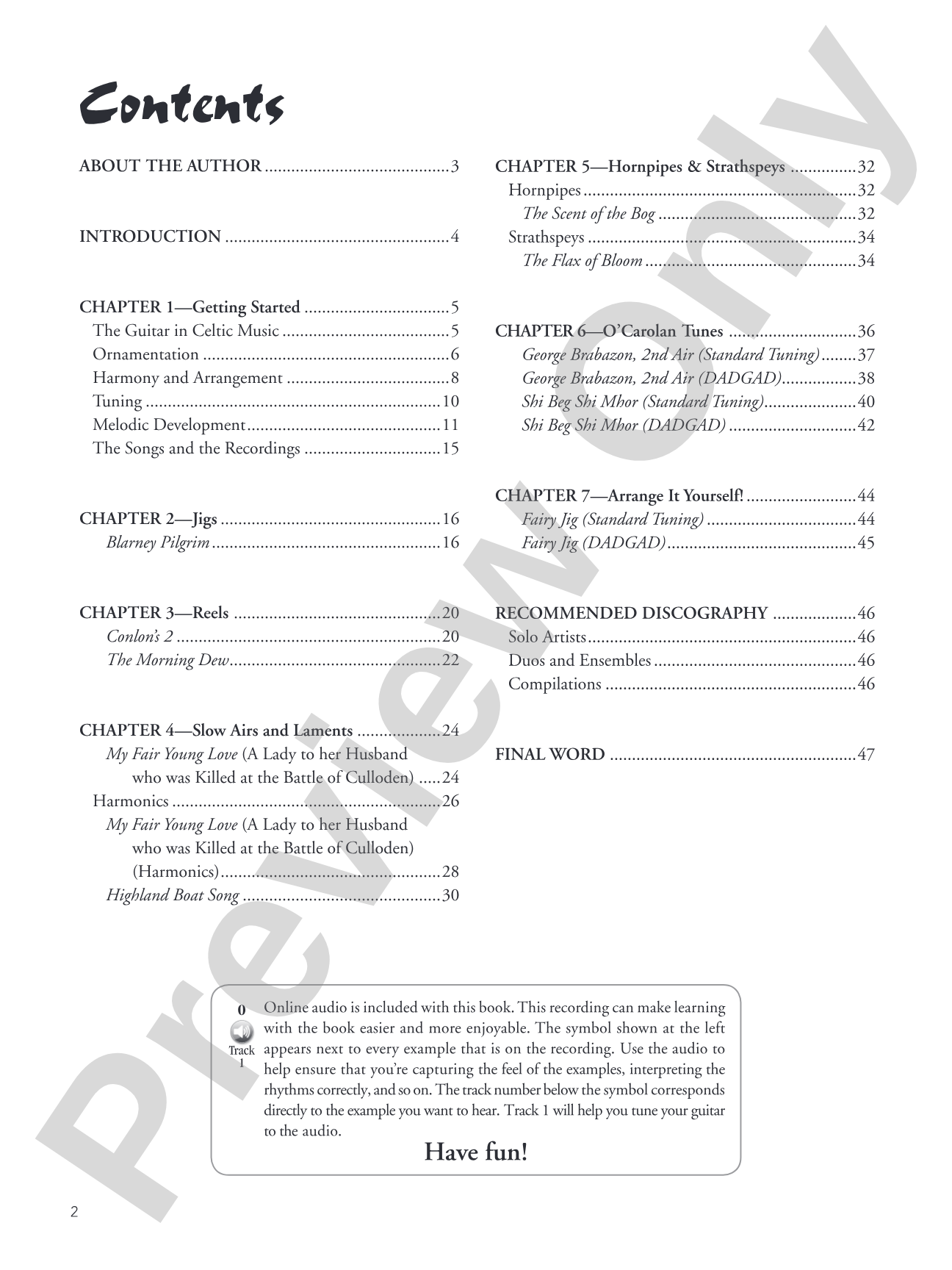
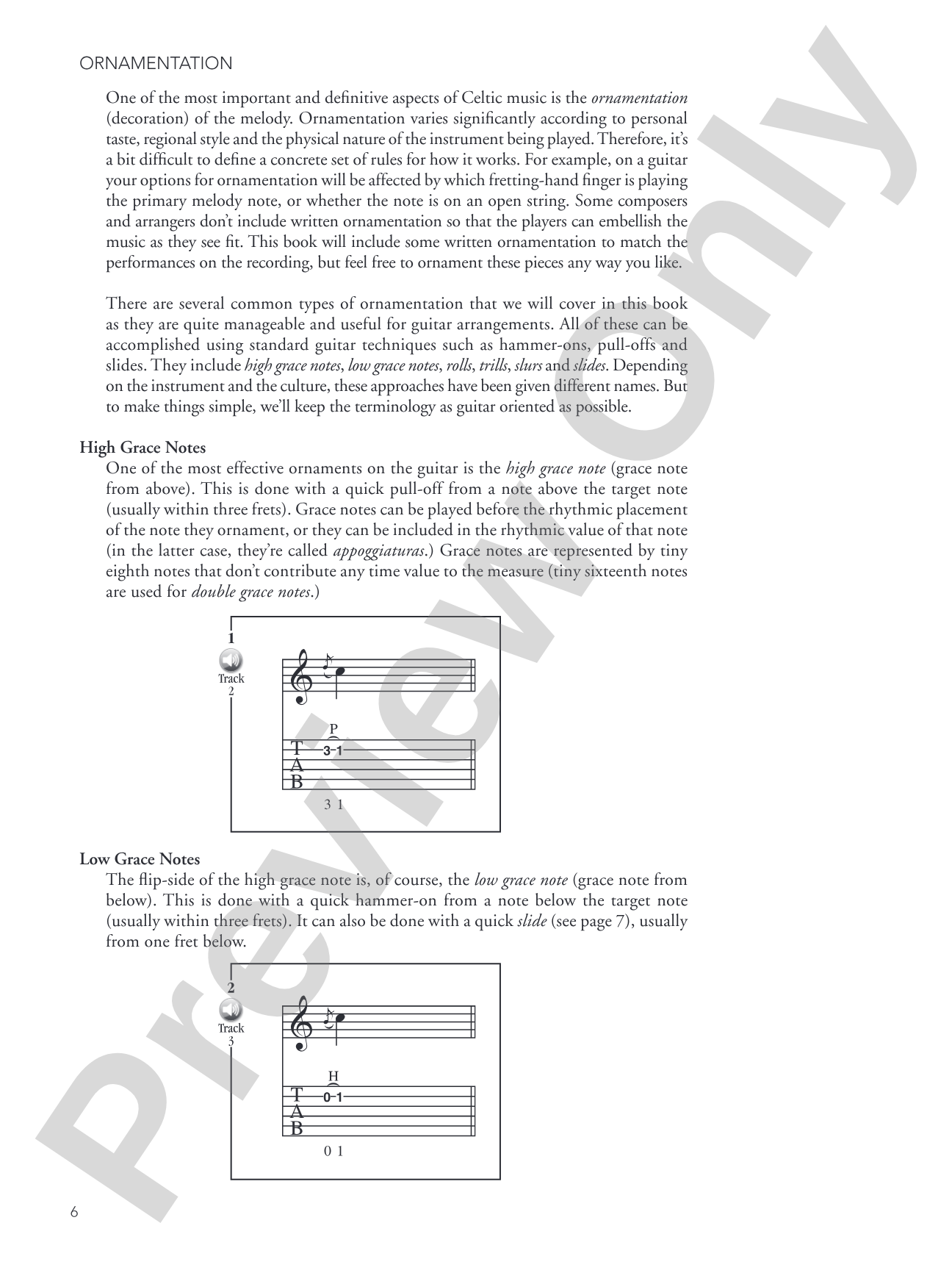
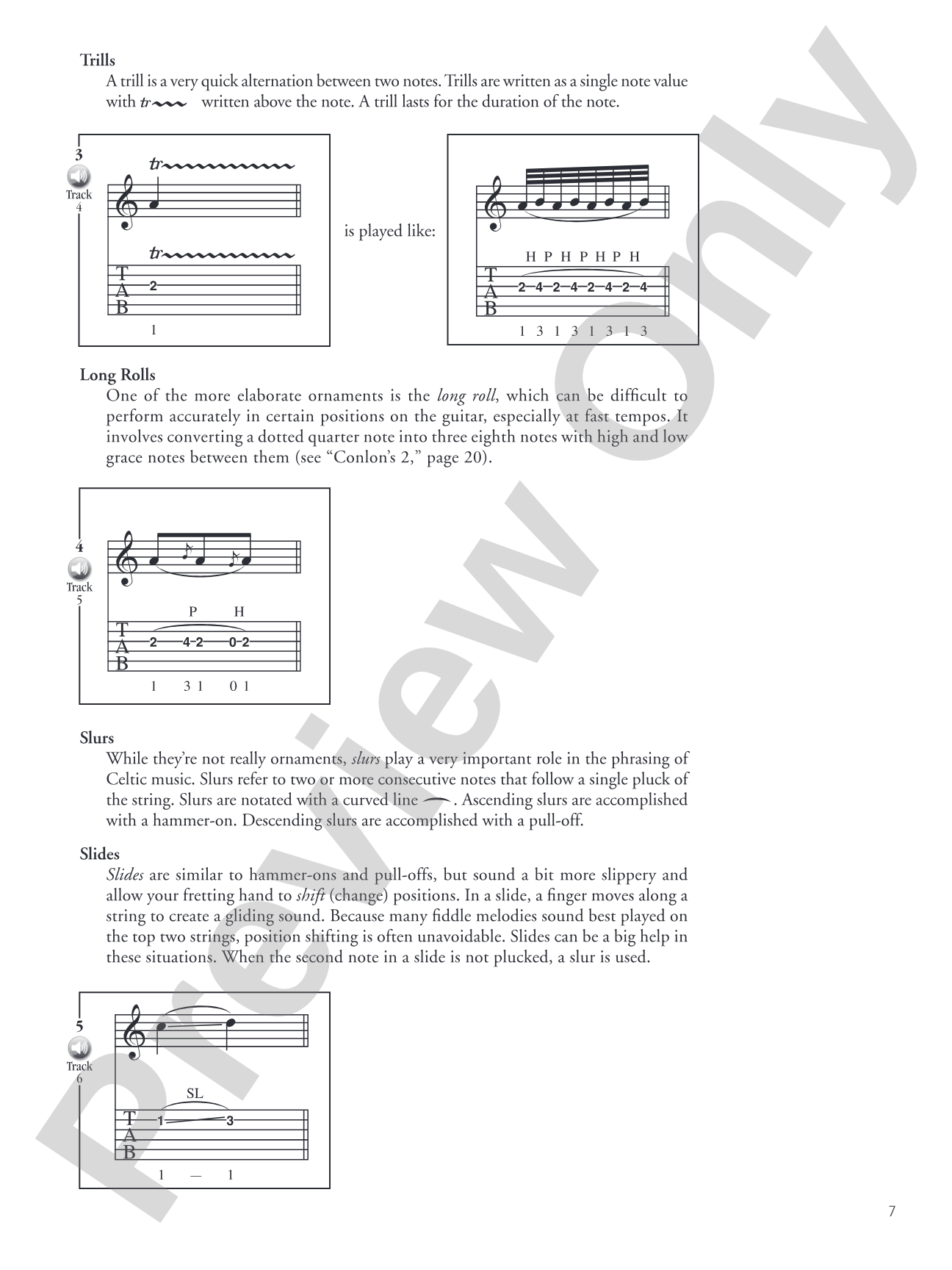
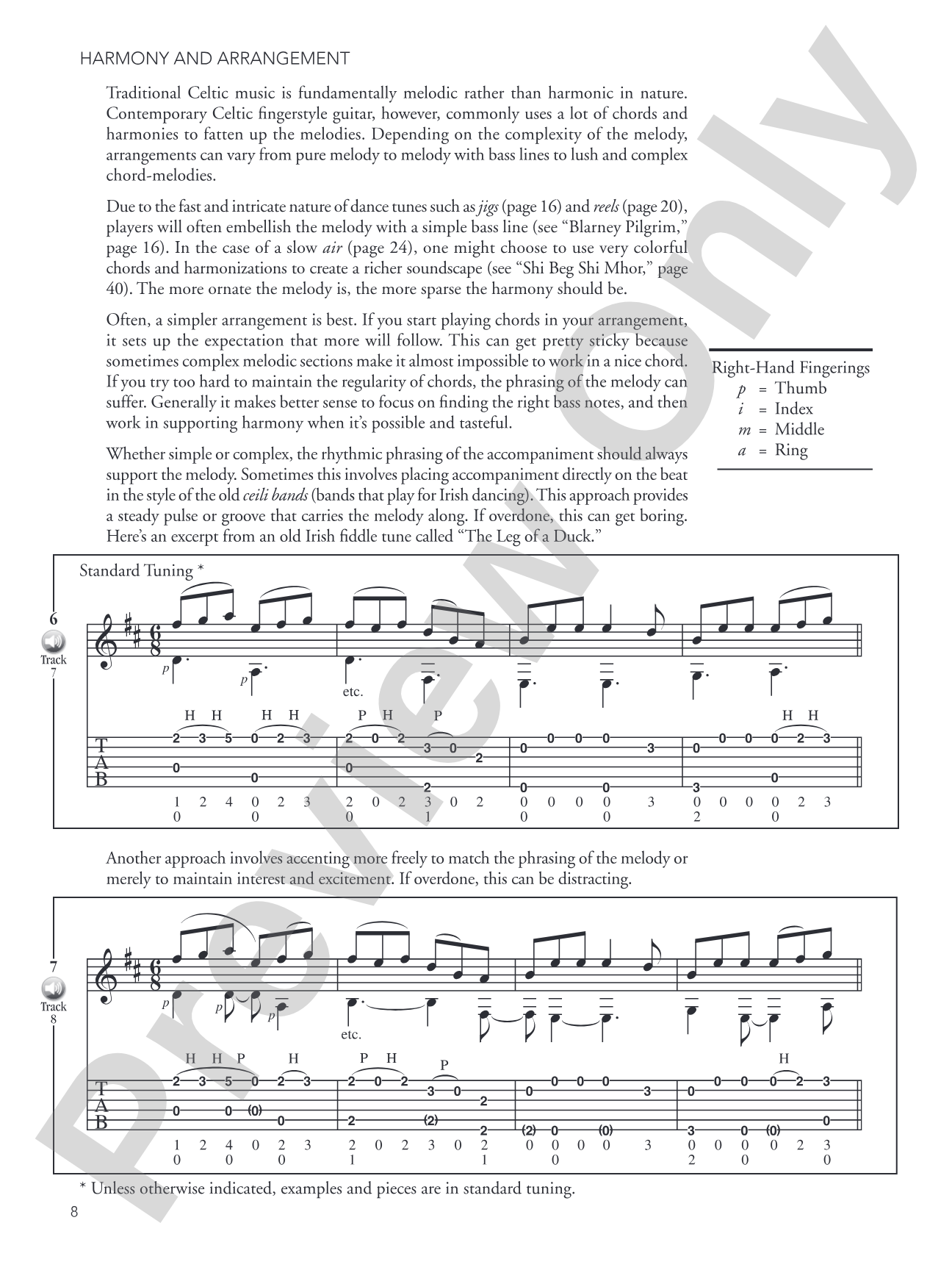
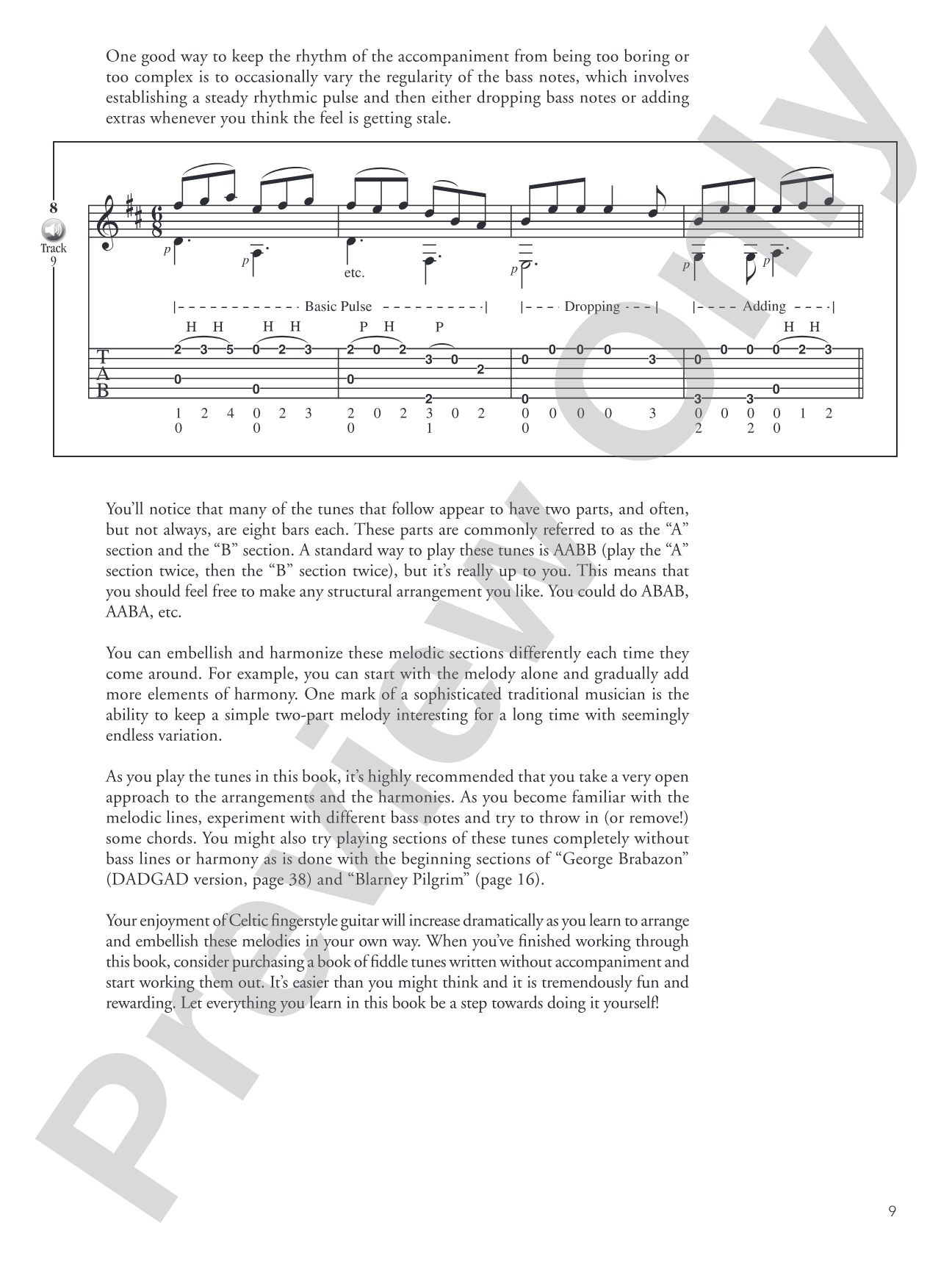
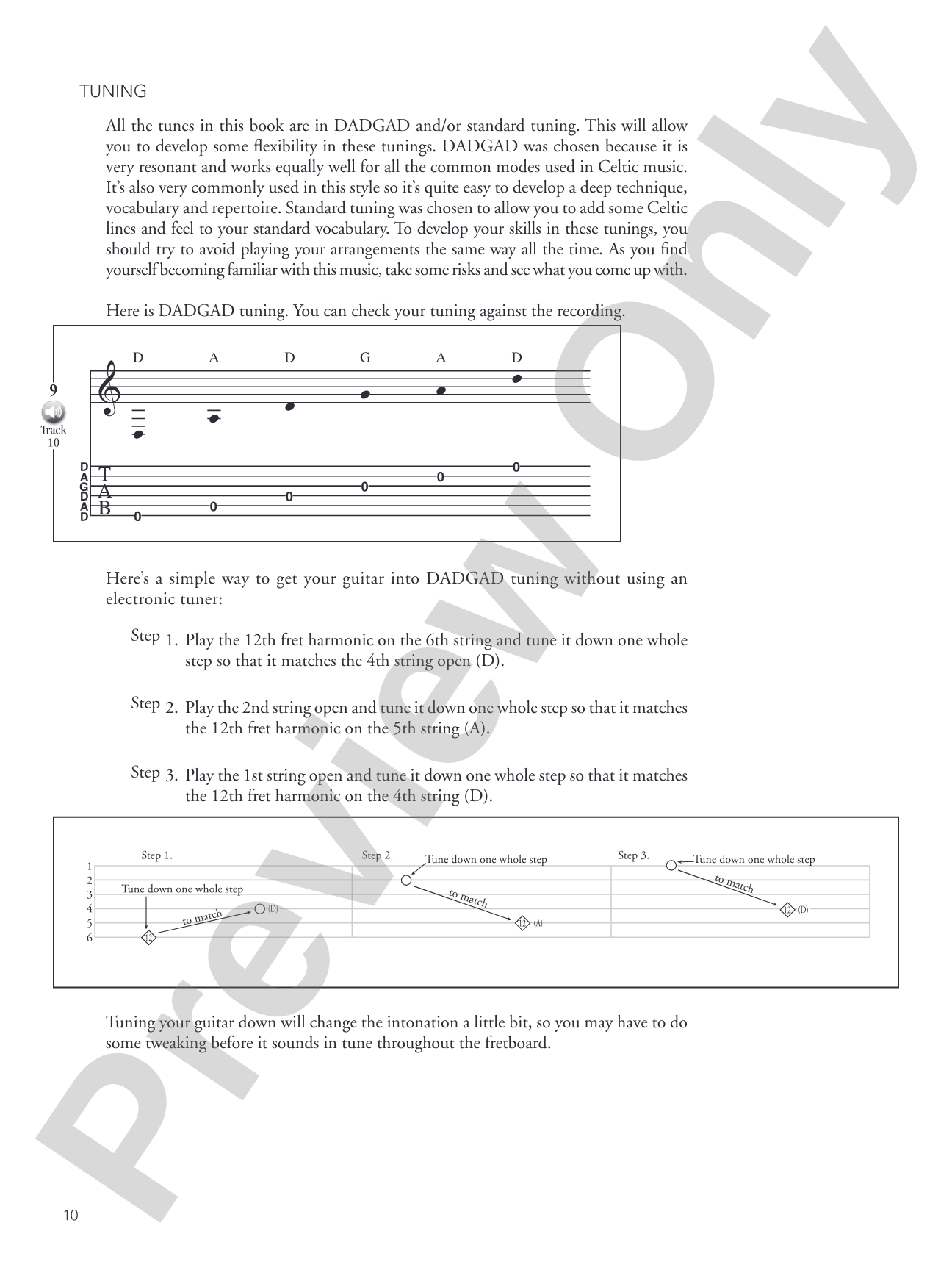
This installment in the series covers jigs, reels, hornpipes, strathspeys, and other Irish and Scottish musical traditions. The examples and compositions are all presented in standard notation and TAB. Online audio demonstrating the music is also enclosed.


This installment in the series covers jigs, reels, hornpipes, strathspeys, and other Irish and Scottish musical traditions. The examples and compositions are all presented in standard notation and TAB. Online audio demonstrating the music is also enclosed.
Guitar Atlas: Celtic: Your passport to a new world of music isn't in MakeMusic Cloud just yet...but it could be. Let us know you'd like to see it, and you'll help shape what comes next. In the meantime, start a free trial and dive into thousands of interactive titles your students can play along with today.
Request This Title
Tell us you want it.
Start Your Free Trial
Explore everything that's ready to play right now.
Sample Audio
1
Blarney Pilgrim
--:--
2
Highland Boat Song
--:--
3
Shi Beg Shi Mhor
--:--
Blarney Pilgrim
0:00
0:00
Sample Video
No sample videos found.
Additional Details
Series:
Guitar Atlas
Publisher:
Alfred Music
Page Count:
48
SKU:
00-PB-0002210
More about this title
Why we love this
Ernst presents Celtic guitar traditions with genuine respect for their rhythmic and melodic character rather than flattening them into a generic world music category. The dual notation system (standard and TAB) means students can learn by ear through the audio while also building their music reading, and the historical context embedded throughout keeps the focus on understanding these styles as living traditions rather than museum pieces.
What to expect
Energetic and propulsive. These are dance rhythms designed to carry people, so even when played solo on guitar, the pulse feels inevitable and driving. There's also an underlying grace to the melodic writing, with ornamentation that feels natural rather than applied.
Who it's for
Guitar students ready to move beyond standard repertoire and explore music from a different cultural tradition. Teachers seeking material that builds technical skills while introducing students to the history and context of world guitar styles. Intermediate players who want to deepen their rhythmic precision and understand how specific forms shape musical expression.
How to get the most out of it
- Study the audio recordings first before committing to the notation. Celtic music relies heavily on ornamentation and rhythmic nuance that notation alone cannot capture.
- Pay close attention to the distinction between jigs (6/8), reels (2/2), and hornpipes. The metric foundation shapes every phrase.
- Approach the strathspeys with patience. Their characteristic dotted rhythms demand precise articulation to avoid sounding sloppy.
- Let your awareness of the melodic line dictate your fingering choices rather than defaulting to comfortable positions. Many of these phrases sit awkwardly on the neck by design.
How to use it
Pair this with a unit on folk traditions in your curriculum, or use individual pieces as encores for concerts that lean toward diverse repertoire. The 48 pages make it substantial enough to sustain study over several weeks, building it into your spring programming when students are primed to explore repertoire outside the classical canon.
Skills your students will build
- Deciphering compound meters (6/8, 12/8) and feeling their rhythmic subdivision
- Reading ornaments and articulation markings specific to Celtic styles
- Translating written rhythm into the swing and lift characteristic of jigs and reels
- Matching fretboard navigation to melodic contour rather than relying on familiar scale patterns
- Understanding how form and meter shape cultural musical identity