


Guitar Atlas: Africa: Your passport to a new world of music
Your passport to a new world of music
By Banning Eyre
Item: 00-PB-0002199
$17.99
Pickup currently not available
Related Items
Guitar Atlas: Africa: Guitar Book & Online Audio |
$17.99
|
View |
Description
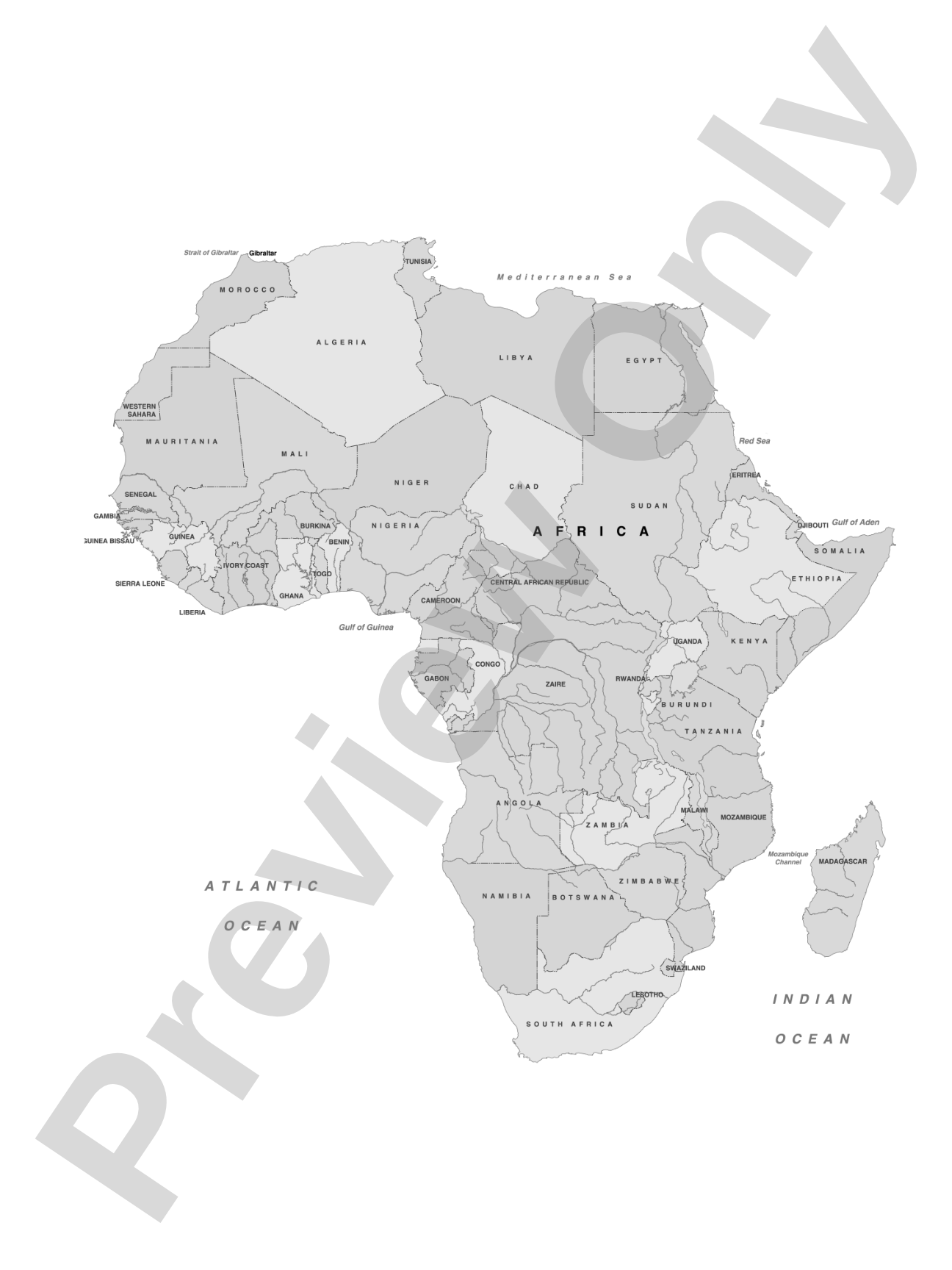
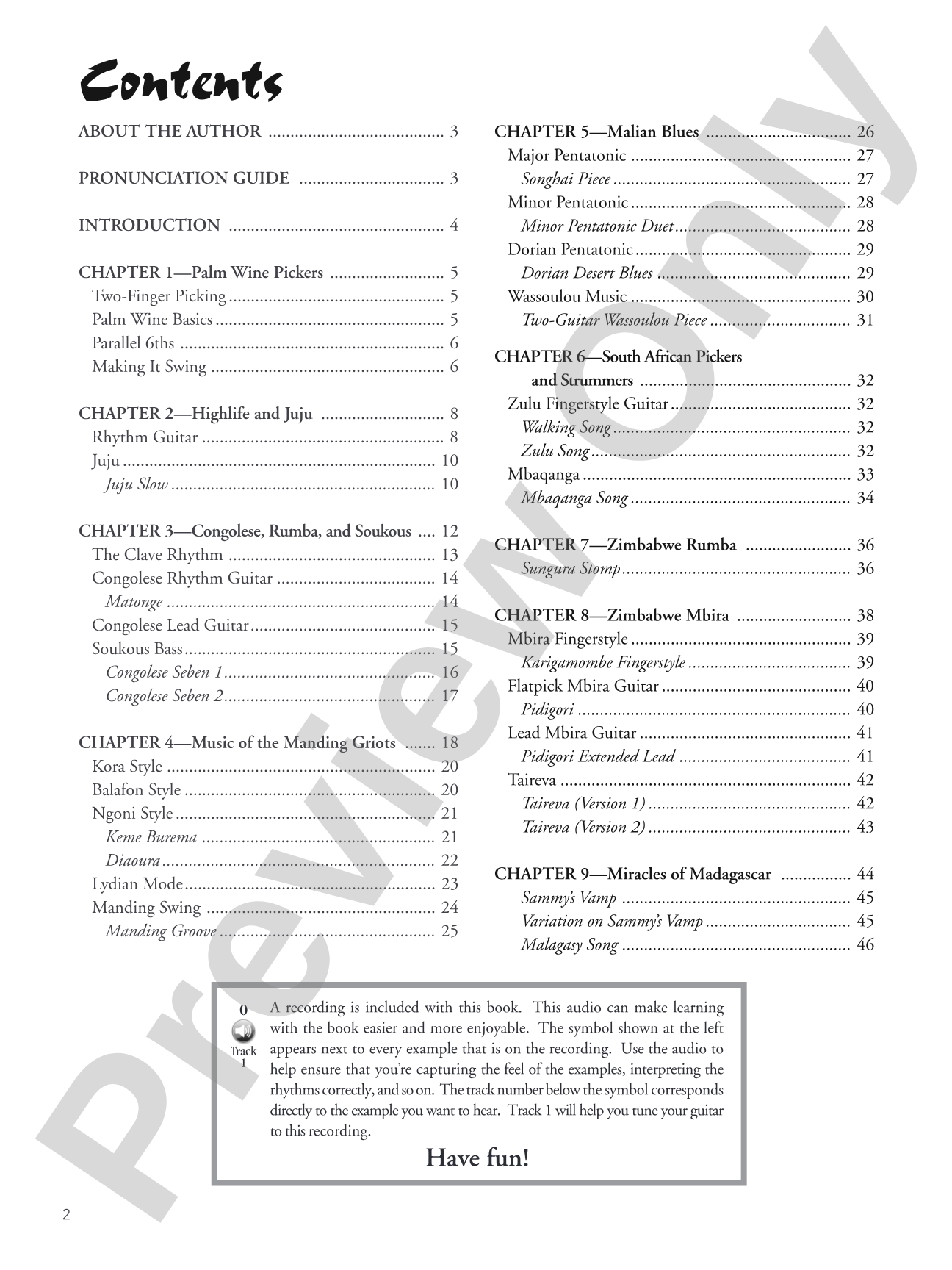
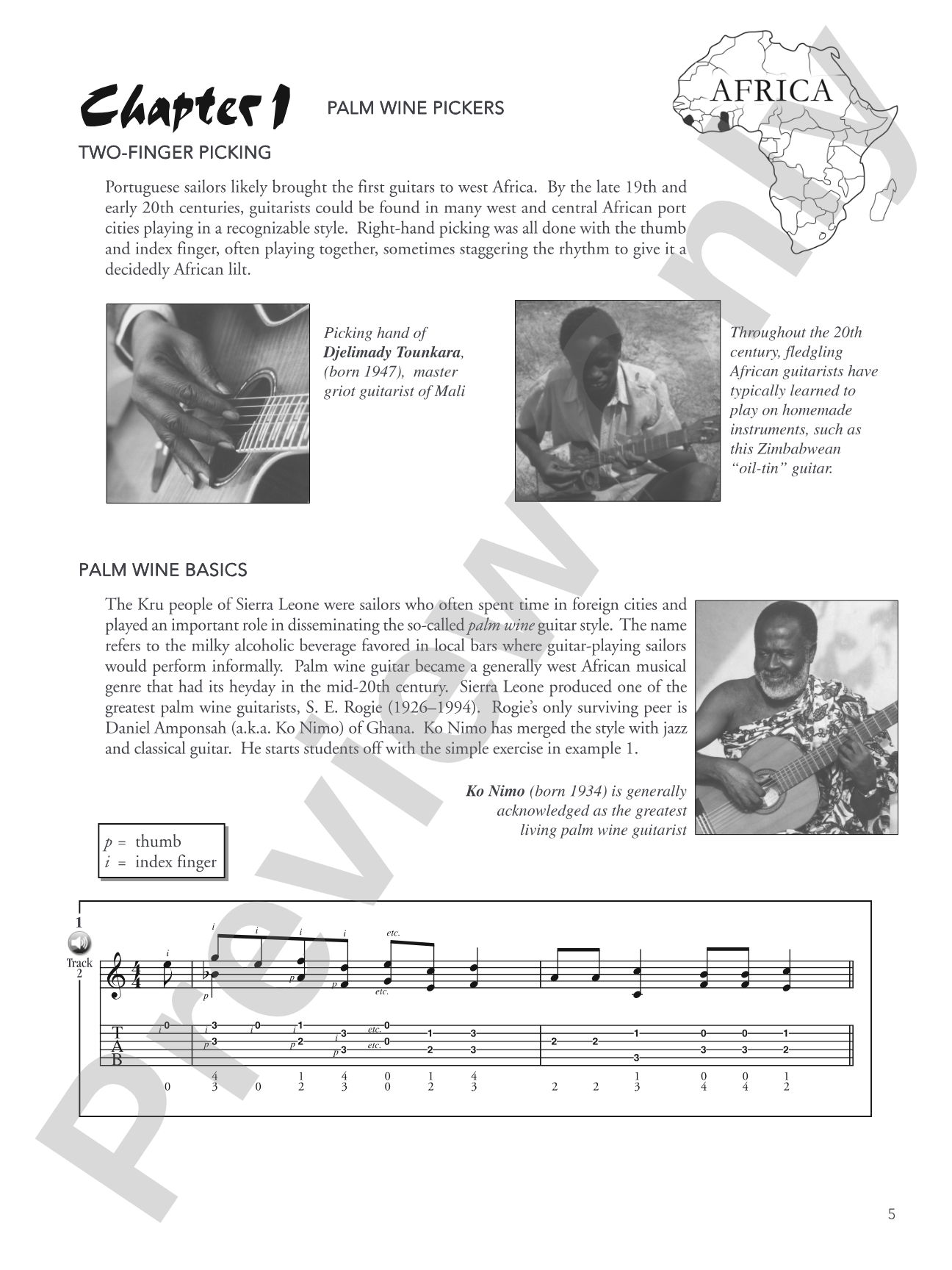
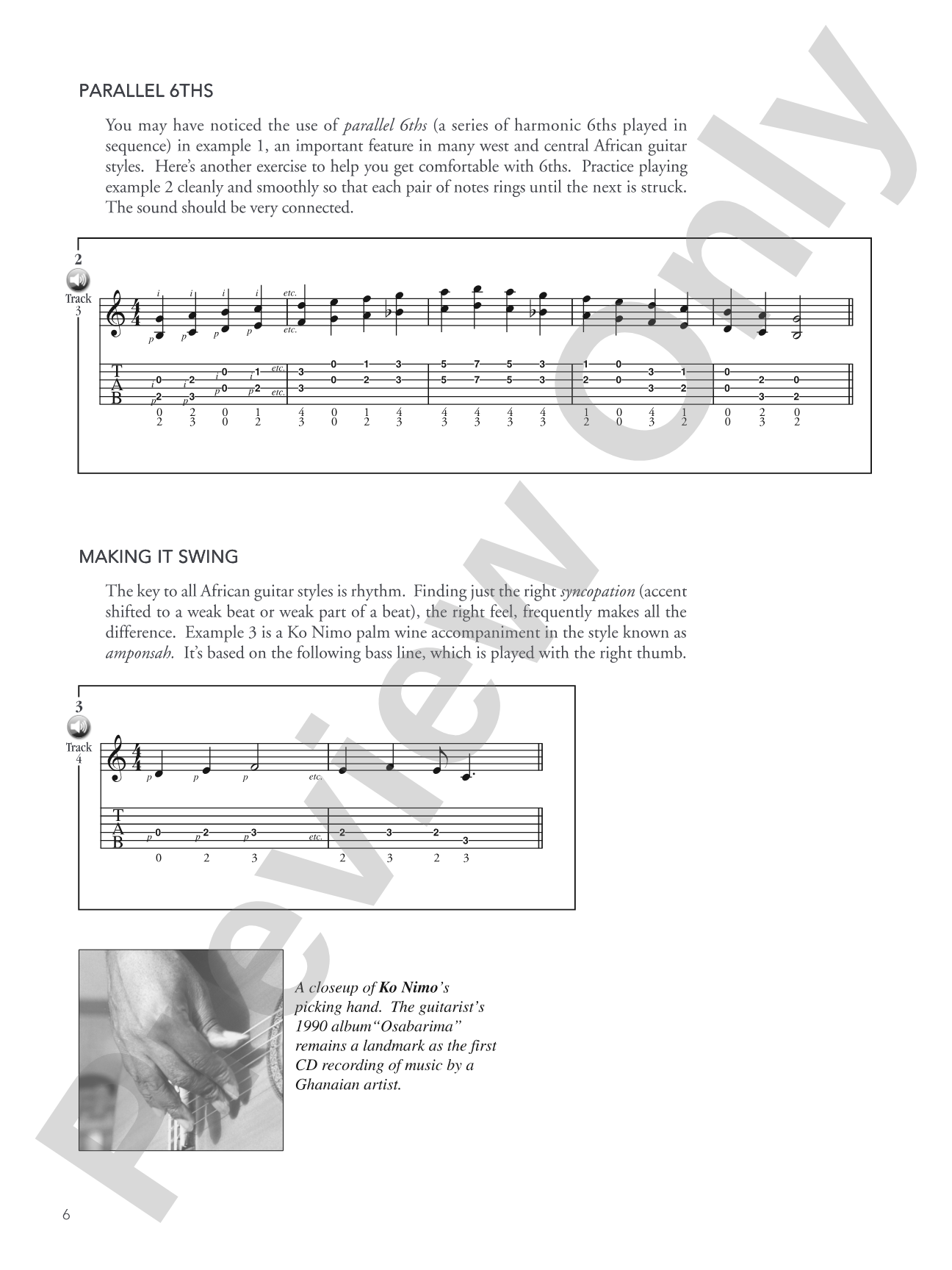
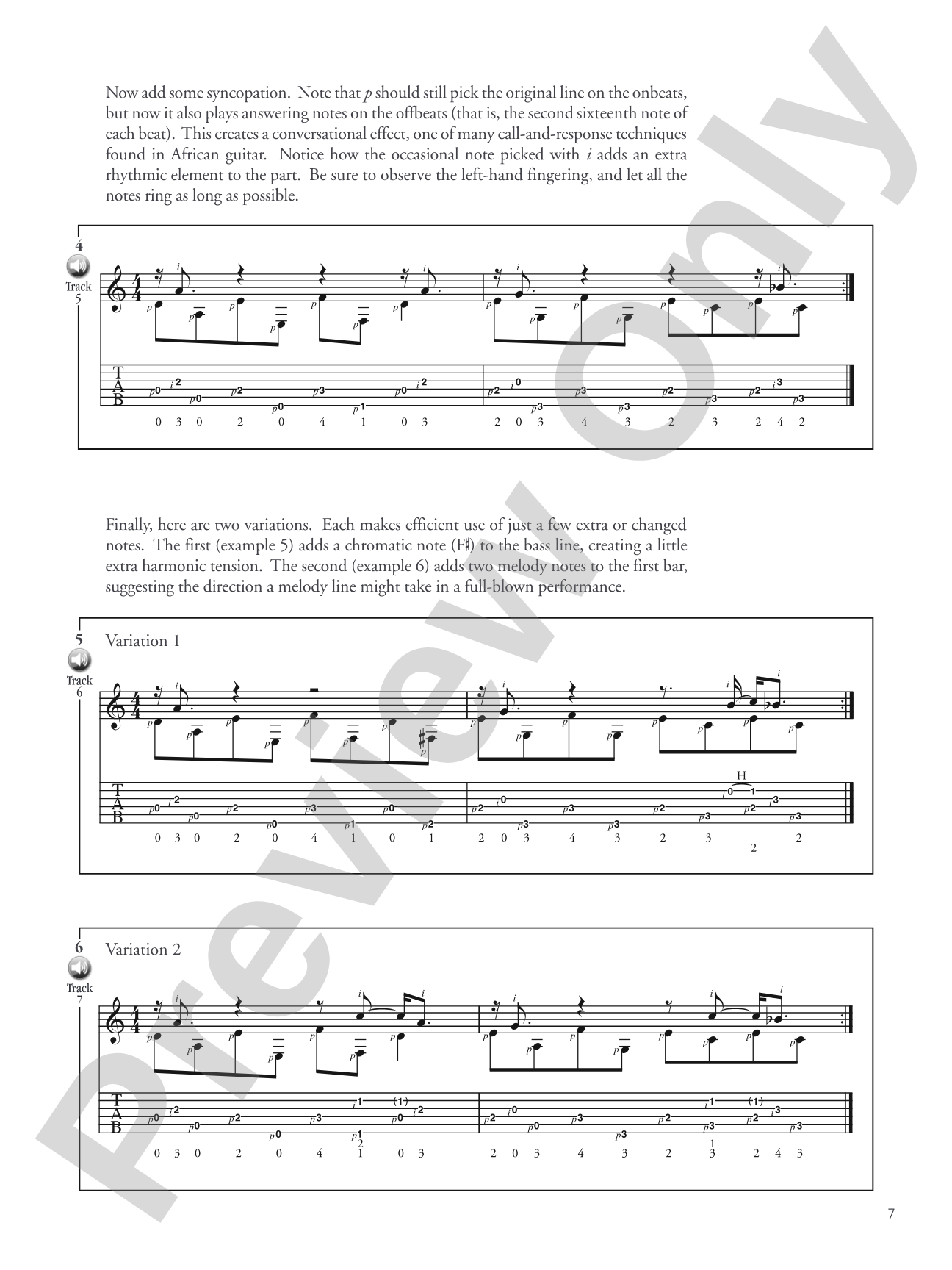
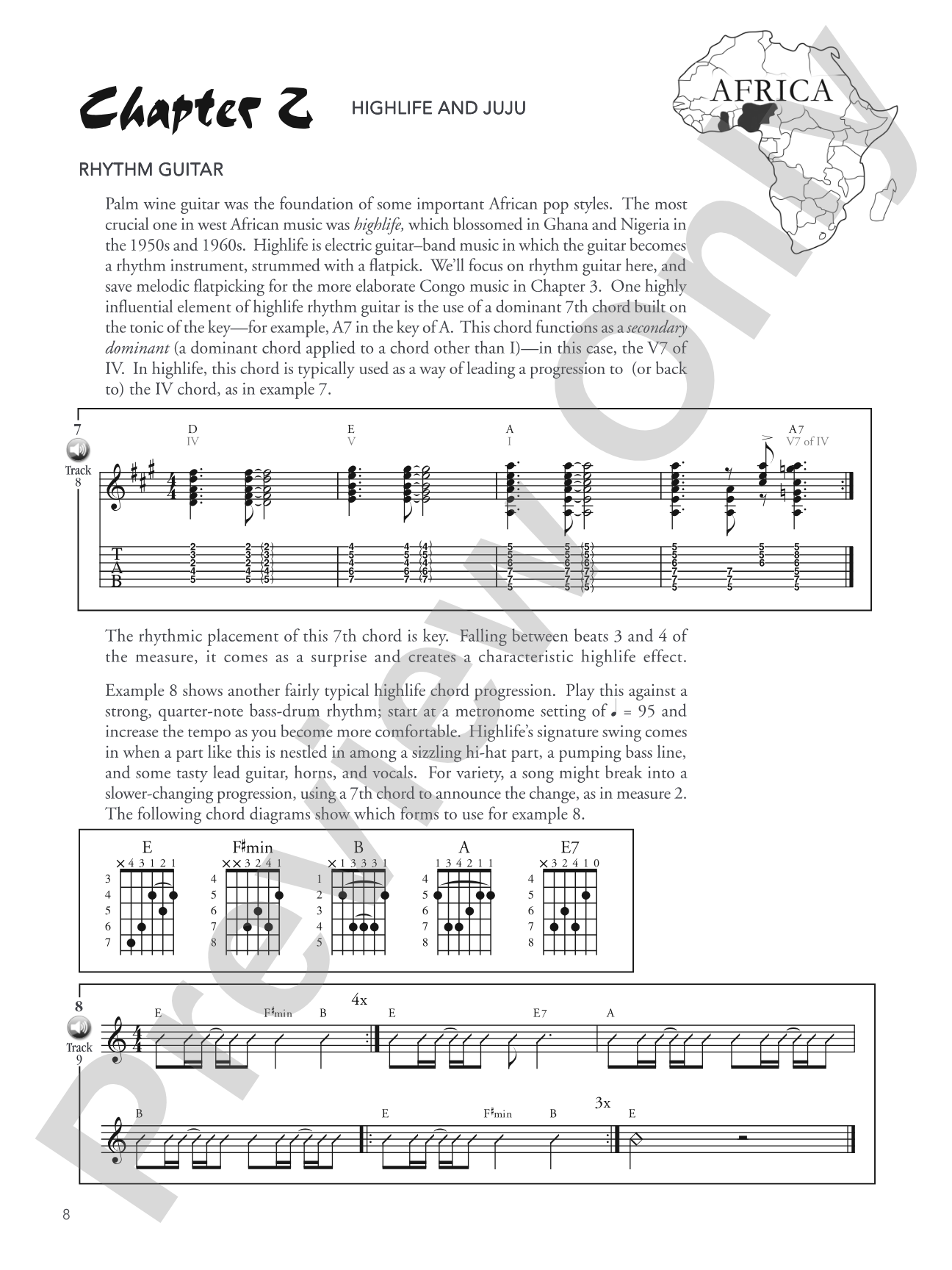
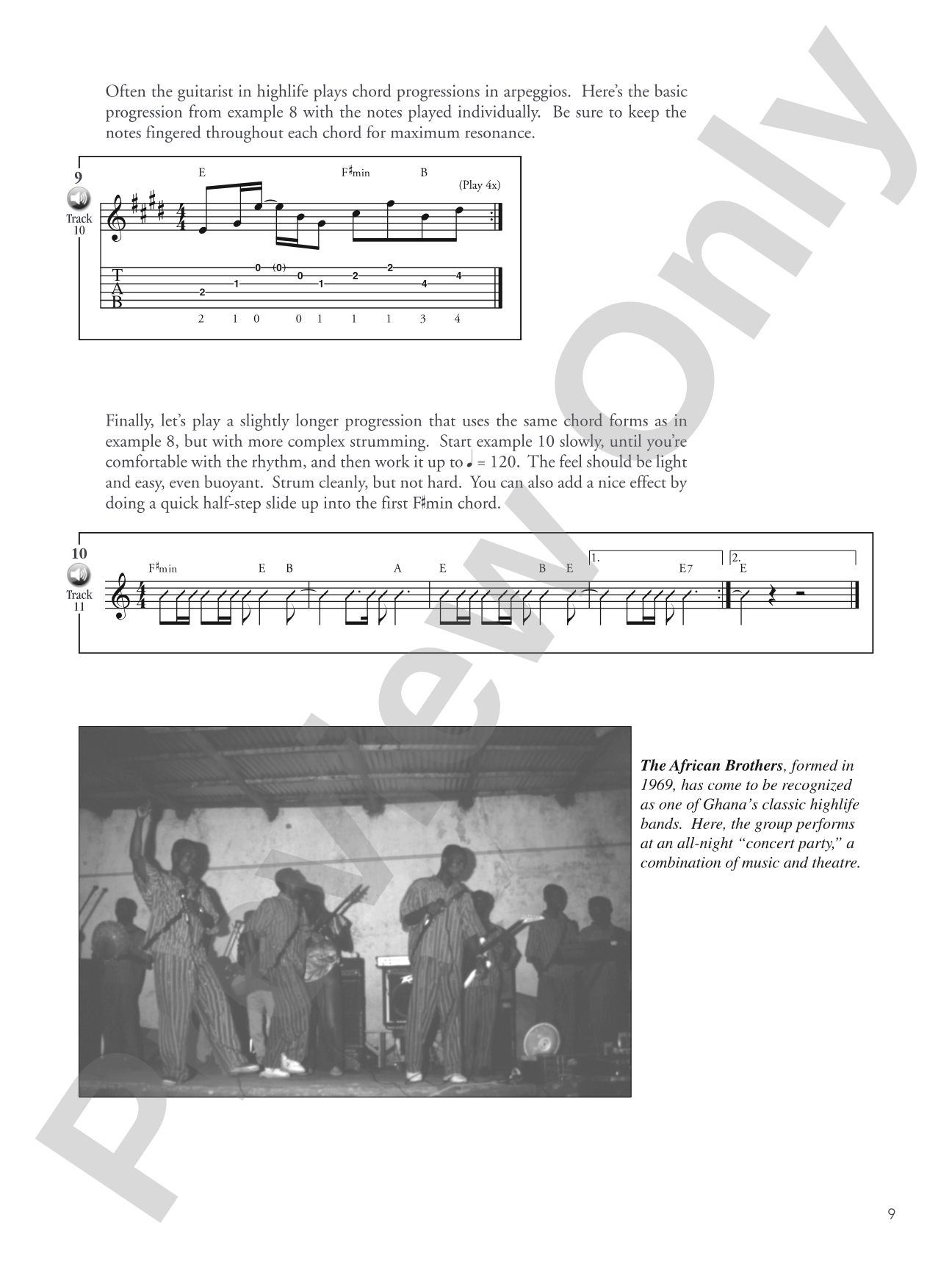
Banning Eyre, a recognized expert in African guitar music, guides you through a variety of important styles, including congolese, mbira, Malian blues, and juju. Learn about the history of this music, the pioneering musicians that developed each style, and the dominant characteristics and techniques necessary to play this remarkable music. All material is presented in standard notation and TAB. A recording demonstrating examples and compositions in the book makes learning easy and trouble-free for all players.


Guitar Atlas: Africa: Your passport to a new world of music isn't in MakeMusic Cloud just yet...but it could be. Let us know you'd like to see it, and you'll help shape what comes next. In the meantime, start a free trial and dive into thousands of interactive titles your students can play along with today.
Request This Title
Tell us you want it.
Start Your Free Trial
Explore everything that's ready to play right now.
Sample Audio
1
Congolese Seben
--:--
2
Malagasy Song
--:--
3
Walking Song
--:--
Congolese Seben
0:00
0:00
Sample Video
No sample videos found.
Additional Details
Series:
Guitar Atlas
Publisher:
Alfred Music
Page Count:
48
SKU:
00-PB-0002199
More about this title
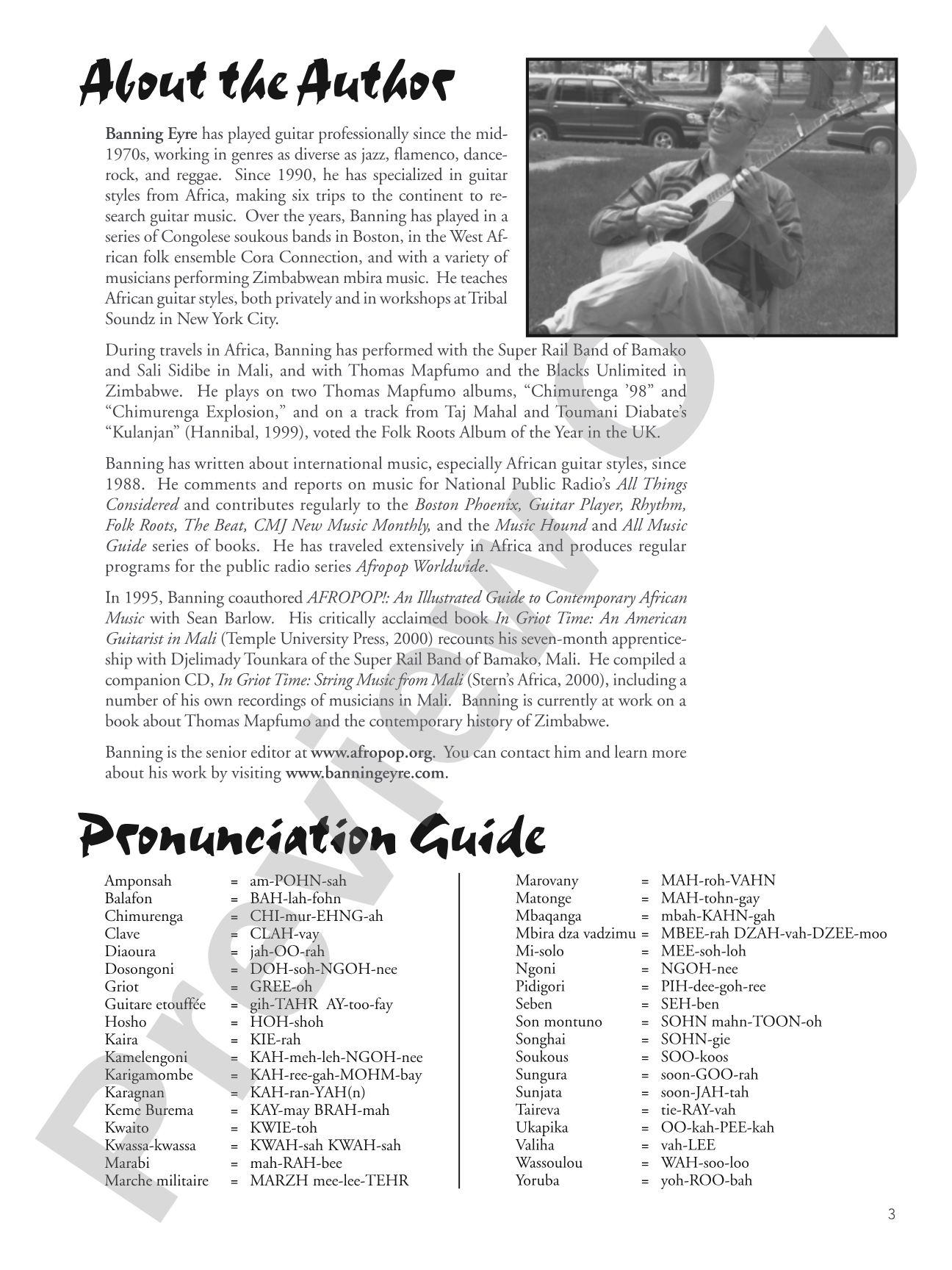
About the Composer: Banning Eyre
Banning Eyre is a guitarist, composer, and ethnomusicologist whose career has centered on documenting and performing African guitar traditions. His deep fieldwork across the continent has made him one of the foremost authorities on how African musicians adapted the guitar to their own cultural contexts, creating entirely new musical languages in the process.
Eyre's teaching philosophy emphasizes understanding the historical and cultural roots of the music you play. Rather than treating African guitar styles as exotic techniques to master, he positions them as living traditions shaped by specific communities, historical moments, and pioneering artists who deserve recognition.
Why we love this
This book refuses the surface-level approach to world music that many guitar methods take. Eyre grounds each style in its actual history and the musicians who created it, so students aren't learning abstract techniques but rather understanding the 'why' behind the music. The inclusion of notation, TAB, and recorded examples makes these otherwise elusive styles genuinely learnable for guitarists working independently or in a classroom.
What to expect
Stepping into a world where the guitar becomes something entirely different from what you thought you knew. The music pulses with complex rhythmic layers, melodic counterpoint, and a sense of communal history. You're not performing a solo display of virtuosity but rather honoring a tradition built by generations of musicians in specific places.
Who it's for
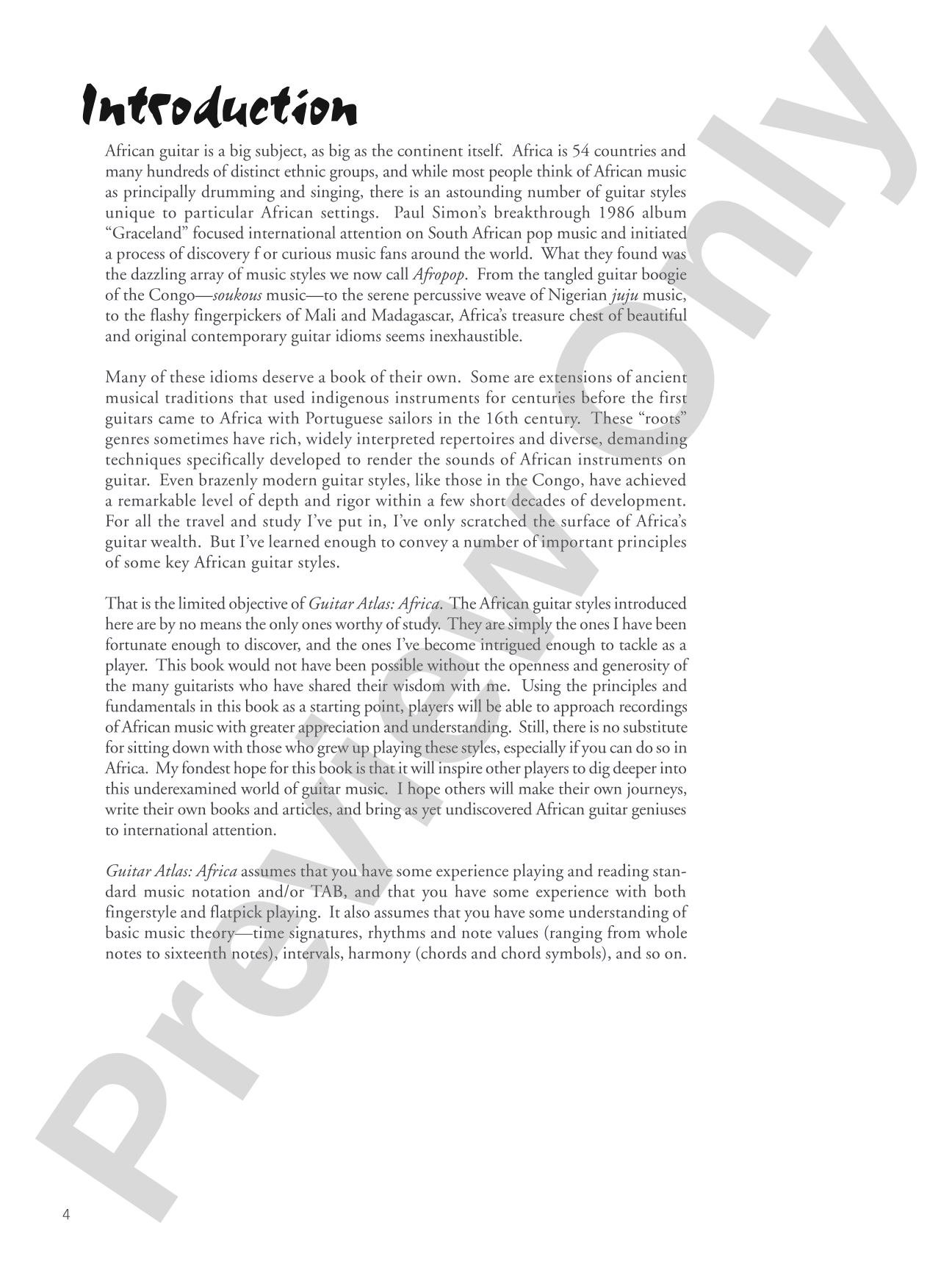
Intermediate to advanced guitarists with curiosity about music beyond the Western canon. This works well for students already comfortable with standard notation and looking to expand their cultural literacy while developing fresh technical skills.
How to get the most out of it
- Listen to the recording multiple times before attempting to read the notation. These styles have rhythmic and tonal qualities that notation alone cannot fully capture.
- Focus on the fingerstyle and pick techniques specific to each tradition rather than applying your default approach across all four styles.
- Slow down the recorded examples to isolate the characteristic rhythms and phrasing that define congolese, mbira, Malian, and juju guitar.
- Pay attention to how each style handles repetition and variation. These aren't styles built on chord changes but on rhythmic and textural development.
How to use it
Weave these styles into a world music unit that connects guitar across cultures, or use them as summer listening assignments for students seeking independence from classical or popular music study. This also works beautifully for electives or self-directed learning projects where you want students to encounter music on its own terms rather than filtered through Western pedagogy.
Skills your students will build
- Fingerstyle and pick techniques specific to West and Central African traditions
- Reading and performing complex polyrhythmic patterns
- Understanding call-and-response structures adapted to solo guitar
- Recognizing how harmonic movement differs from Western functional harmony
- Performing with the rhythmic independence required for interlocking guitar lines