
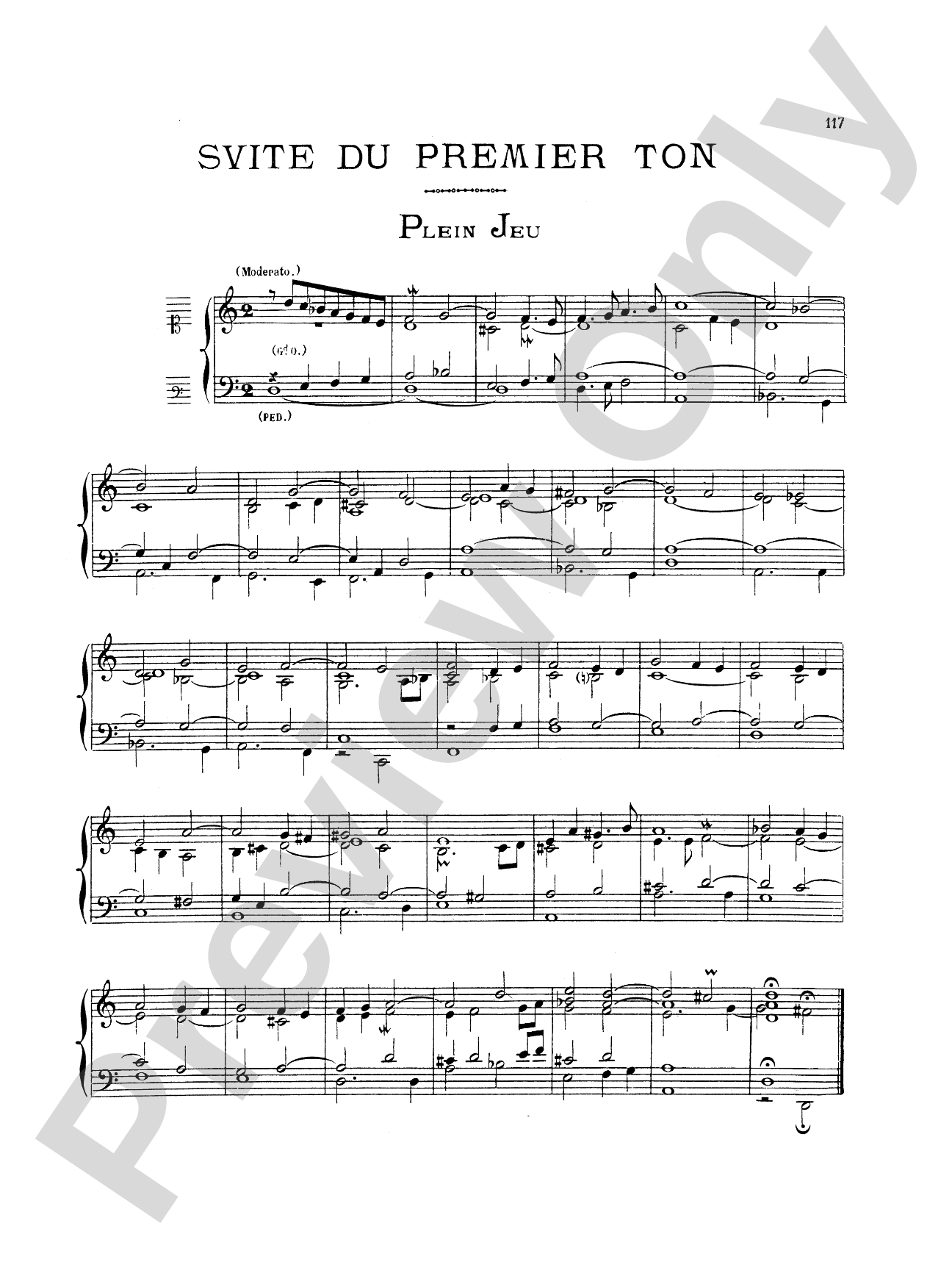
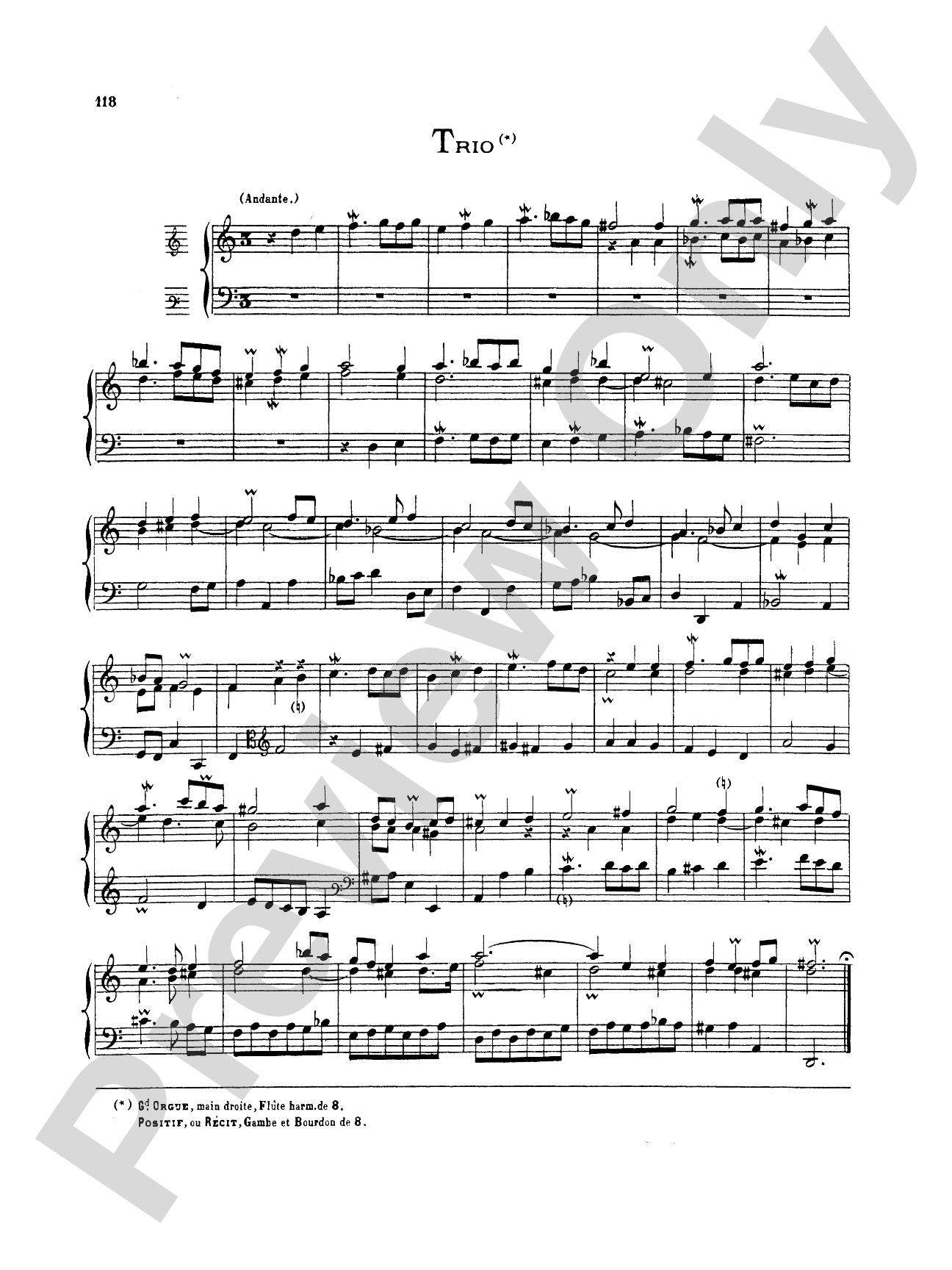
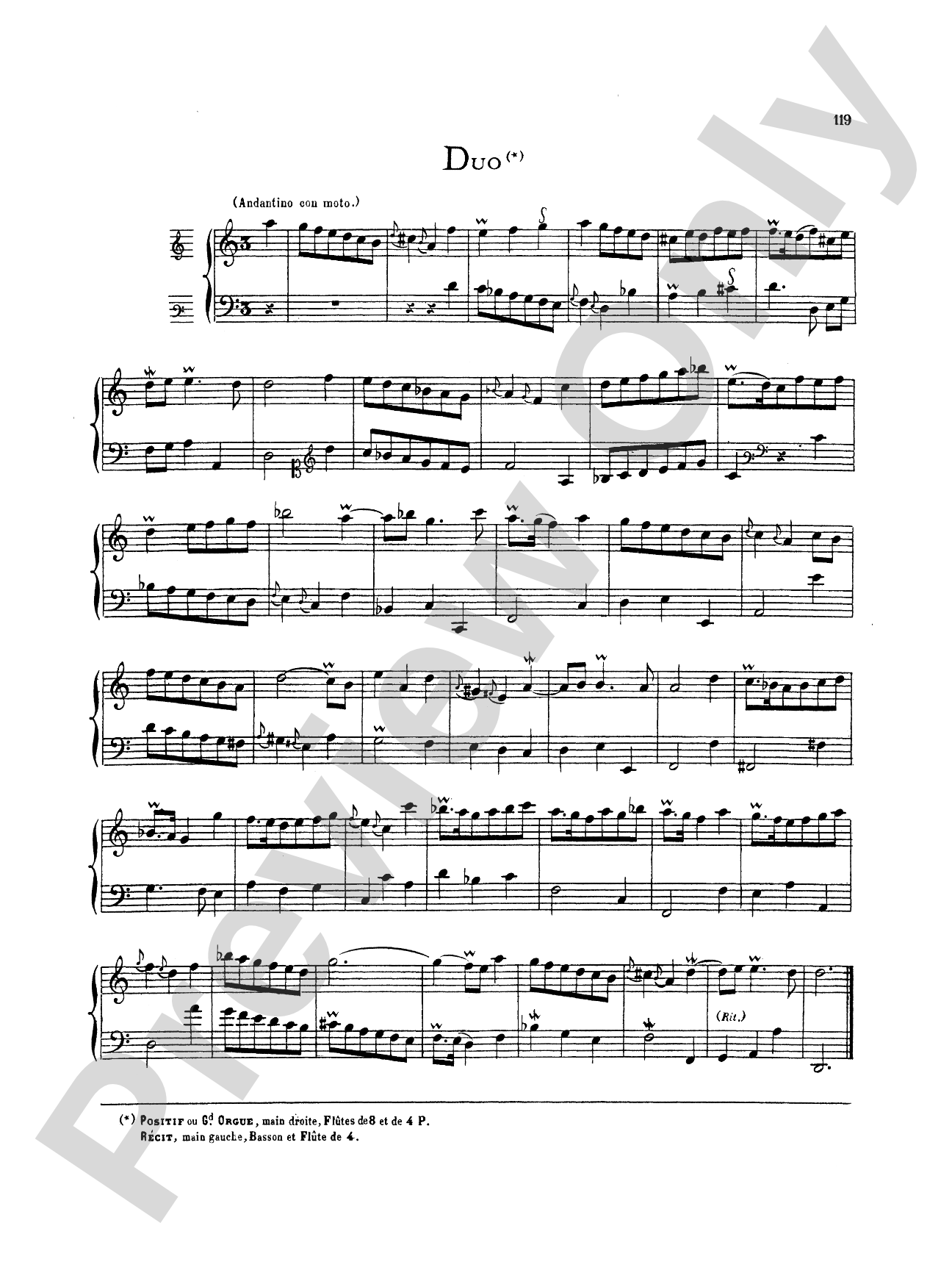
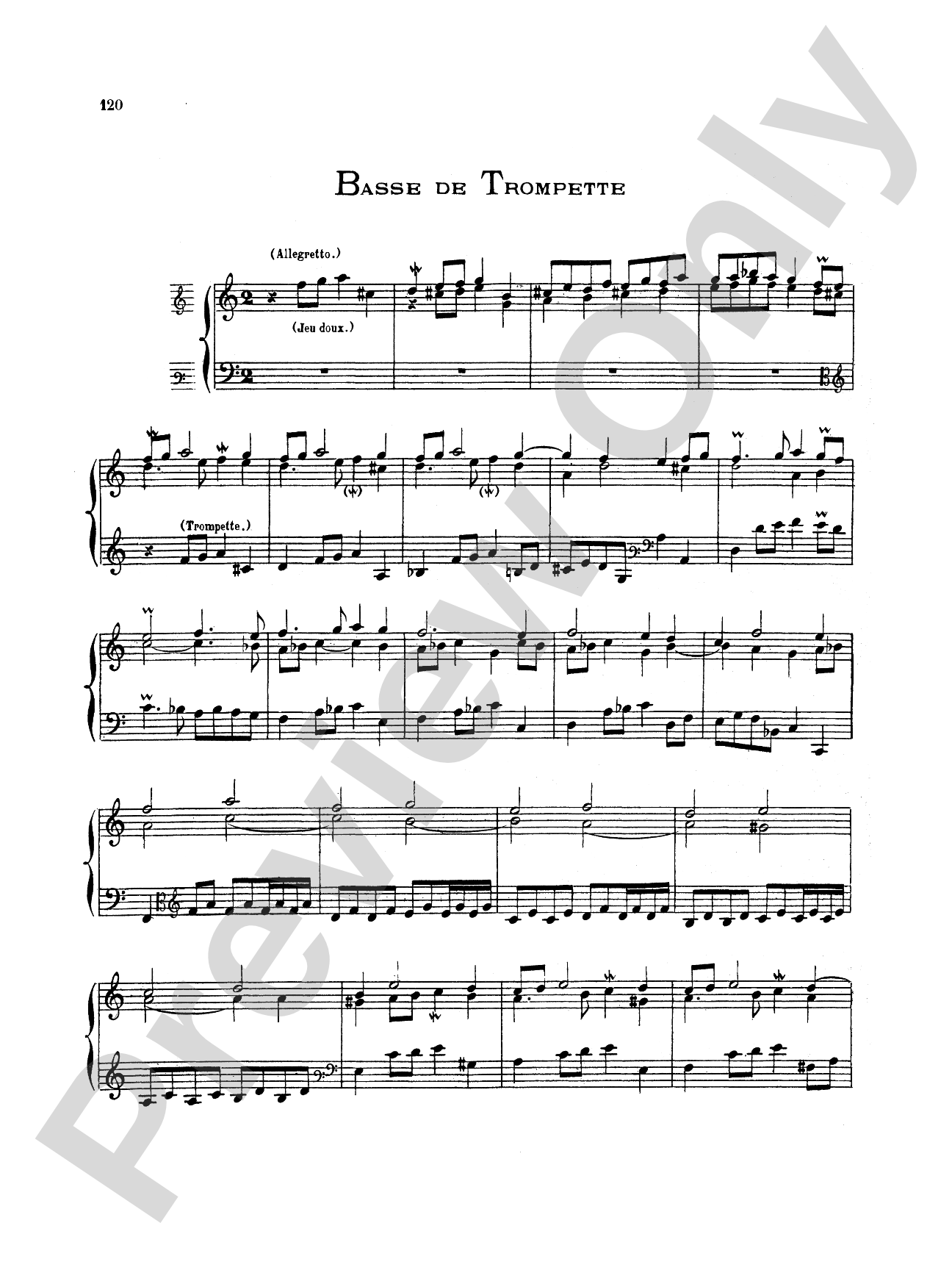

Guilain: Suites of the 1st to 4th Tone: Organ Book
By Jean Adam Guilain
Item: 00-PK-0003434

$17.99
Pickup currently not available
Buy Extra Parts (Digital PDF Download)
| Product | Price | Quantity |
|---|---|---|
| Guilain: Suites of the 1st to 4th Tone | $3.99 | |
| Guilain: Suites of the 1st to 4th Tone | $3.99 | |
| Guilain: Suites of the 1st to 4th Tone | $3.99 | |
| Guilain: Suites of the 1st to 4th Tone | $3.99 |
Parts Added to Cart!
Related Items
Suites of the 1st to 4th Tone: Organ Book |
$17.99
|
View |
Description
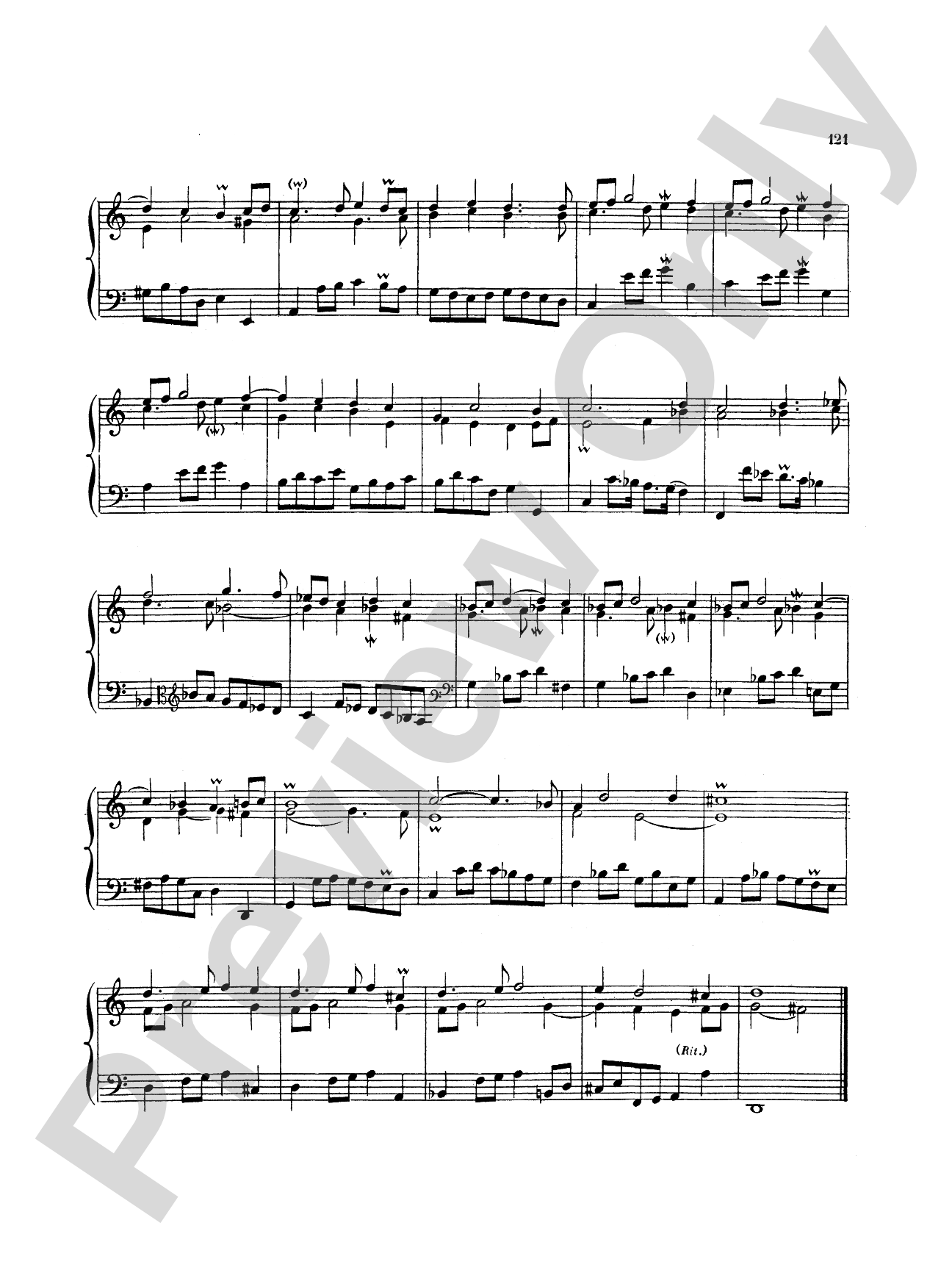
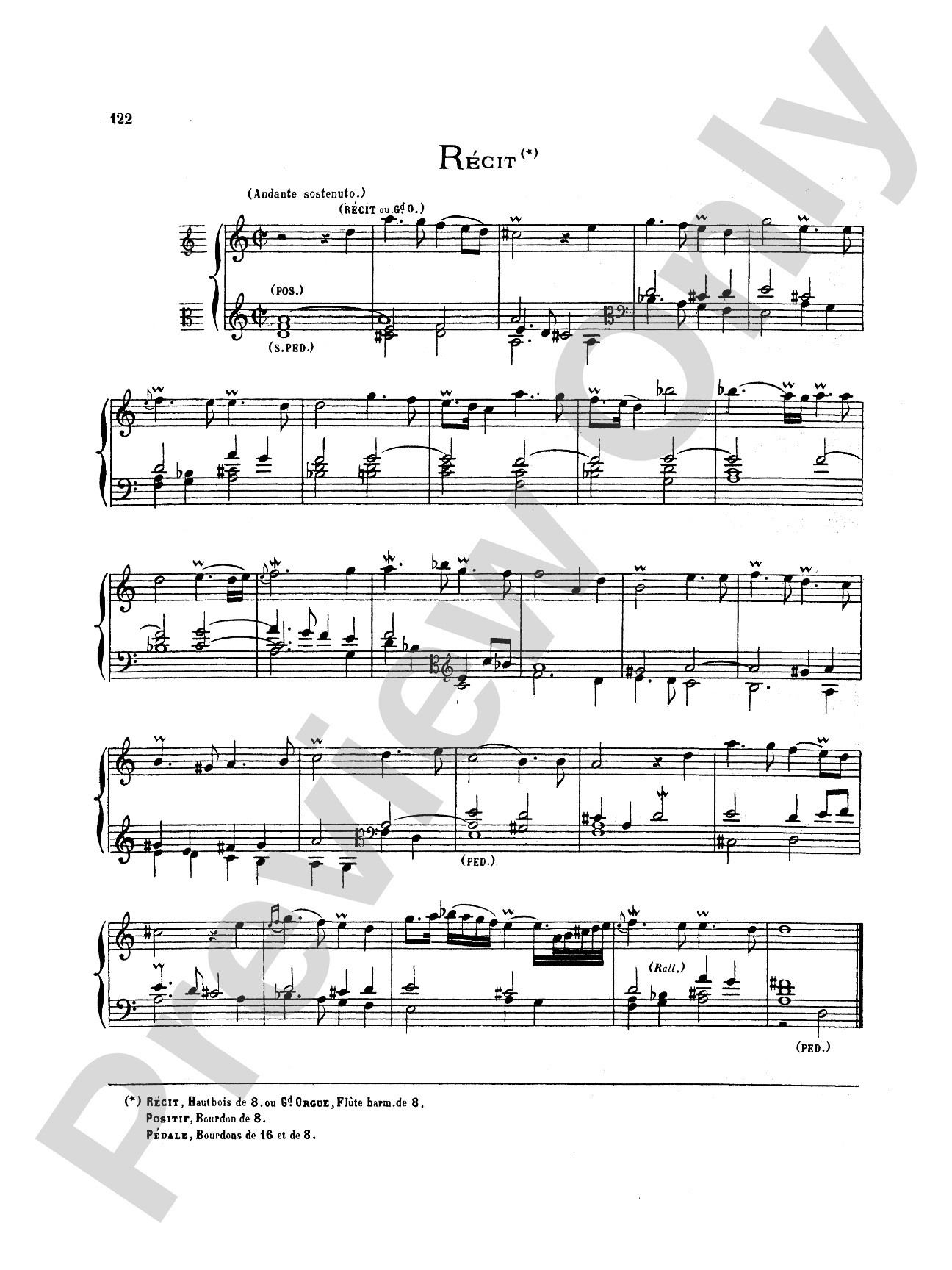
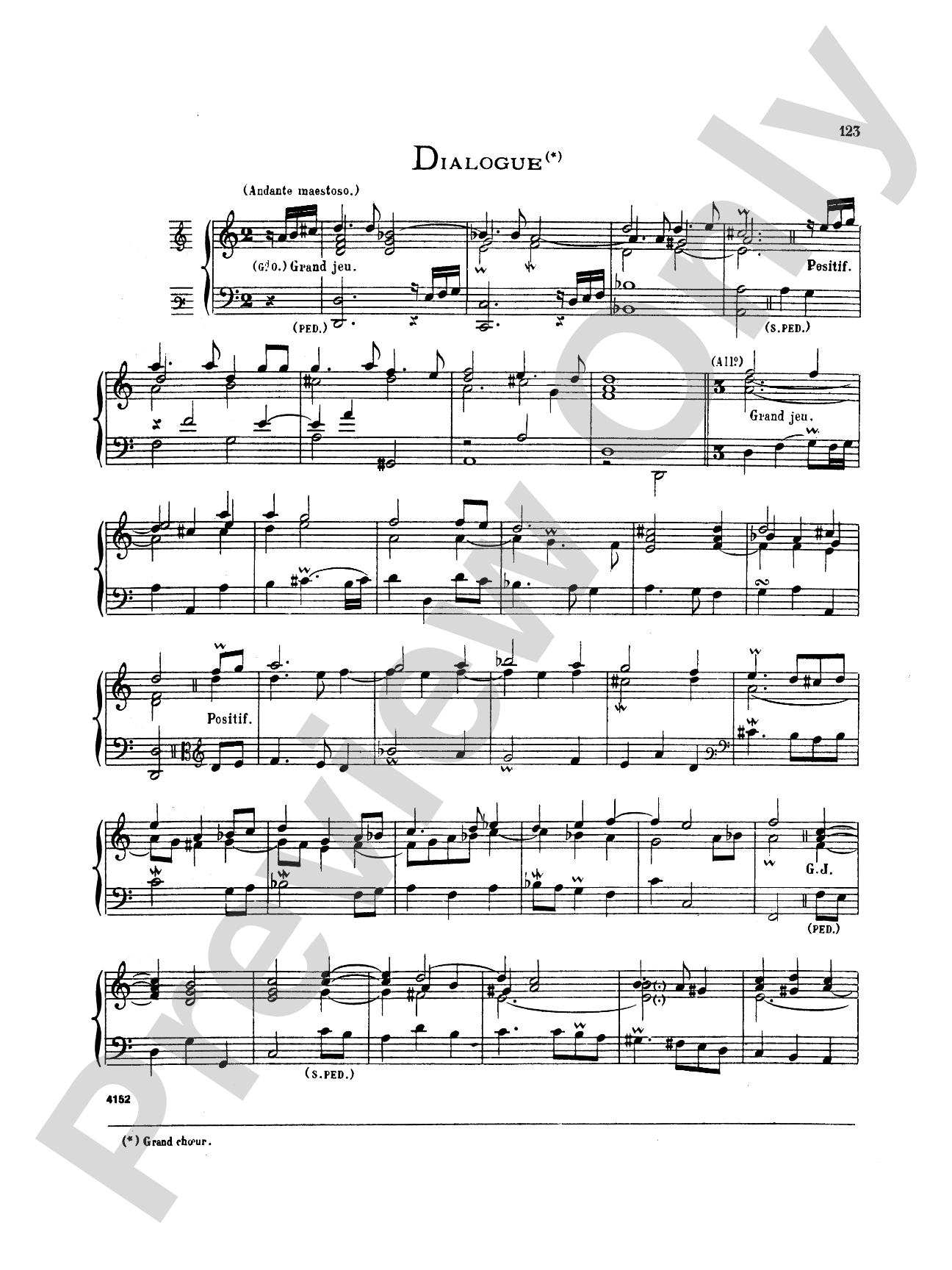
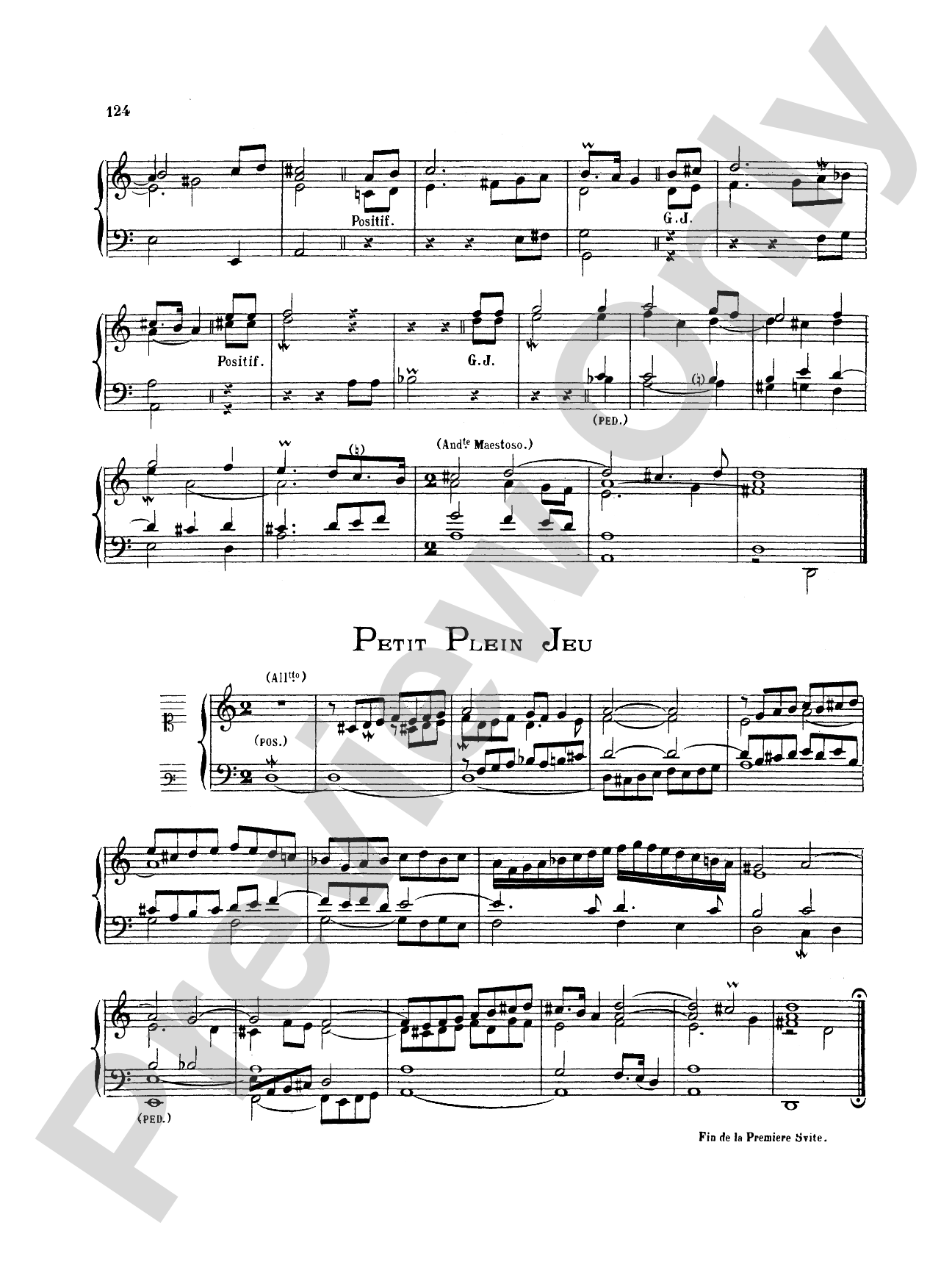
Expertly arranged Organ Collection by Jean Adam Guilain from the Kalmus Edition series. This Suite is from the Baroque era.


Don't just read it, hear it, play along with it, and watch your students grow with it. In MakeMusic Cloud, Guilain: Suites of the 1st to 4th Tone: Organ Book comes alive with professional accompaniment, adjustable tempo, and built-in practice tools that turn solo practice into real progress.
Open in the Player
Jump straight in and assign it today.
Start Your Free Trial
Open this title and explore the full library in minutes.
Sample Audio
No sample audio found.
Sample Video
No sample videos found.
Additional Details
Series:
Kalmus Edition
Publisher:
Alfred Music
Page Count:
44
SKU:
00-PK-0003434
More about this title
About the Composer: Jean Adam Guilain
Jean Adam Guilain (c. 1680-1739) was a French organist and composer whose suites for organ became foundational works in the French Baroque keyboard tradition. Active in Paris during the early 18th century, Guilain developed a distinctive compositional voice that balanced the ornamental elegance of the French style with clear structural architecture across multiple movements.
His organ suites, organized by tone (mode), represent essential repertoire for understanding how Baroque composers approached thematic organization and variation. These works remain central to organ pedagogy because they demonstrate the principal conventions of French classical organ writing while remaining accessible to advancing students.
Why we love this
Guilain's suites occupy a crucial place in the organ canon between the foundational works of earlier French masters and the more elaborate structures of later composers. The Kalmus Edition's presentation of all four tonal suites in one volume makes it straightforward to build a cohesive program and explore how a single composer approached varied harmonic and textural territories across related but distinct tonal centers.
What to expect
These suites radiate the refined elegance characteristic of French classical organ music, with delicate counterpoint winding through gently ornamented lines. Movement to movement, Guilain balances rhythmic vitality with lyrical repose, creating a sense of architectural unity within each suite's tonal world.
Who it's for
Organists exploring French Baroque repertoire will find these suites essential for building fluency with the style's ornamentation, registration strategies, and formal conventions. Advancing students benefit from the clearly organized tonal framework, which allows focused practice on one harmonic territory before moving to the next.
How to get the most out of it
- Attend closely to the French ornamentation marks (trills, mordents, turns) and realize them with period-appropriate timing; these decorations carry the musical syntax, not merely embellish the surface.
- Let the pedal part establish harmonic weight without overwhelming the manual divisions; these suites thrive on textural balance between hands and feet.
- Shape phrases around the natural breath points suggested by the suite structure; each movement should feel purposeful rather than continuous.
How to use it
Program one or more suites as part of a Baroque organ recital exploring the French school, or use them alongside works by Lebègue or Marchand to demonstrate regional style differences. The collection's 44 pages make it practical for sustained study throughout a season of repertoire building.
Skills your students will build
- French Baroque ornamentation (trills, mordents, turns) and their stylistically appropriate execution
- Reading continuo-style figuration and managing harmonic support across hands and feet
- Structural navigation through multi-movement suites organized by tone
- Period-appropriate registration choices and textural balance on the organ