
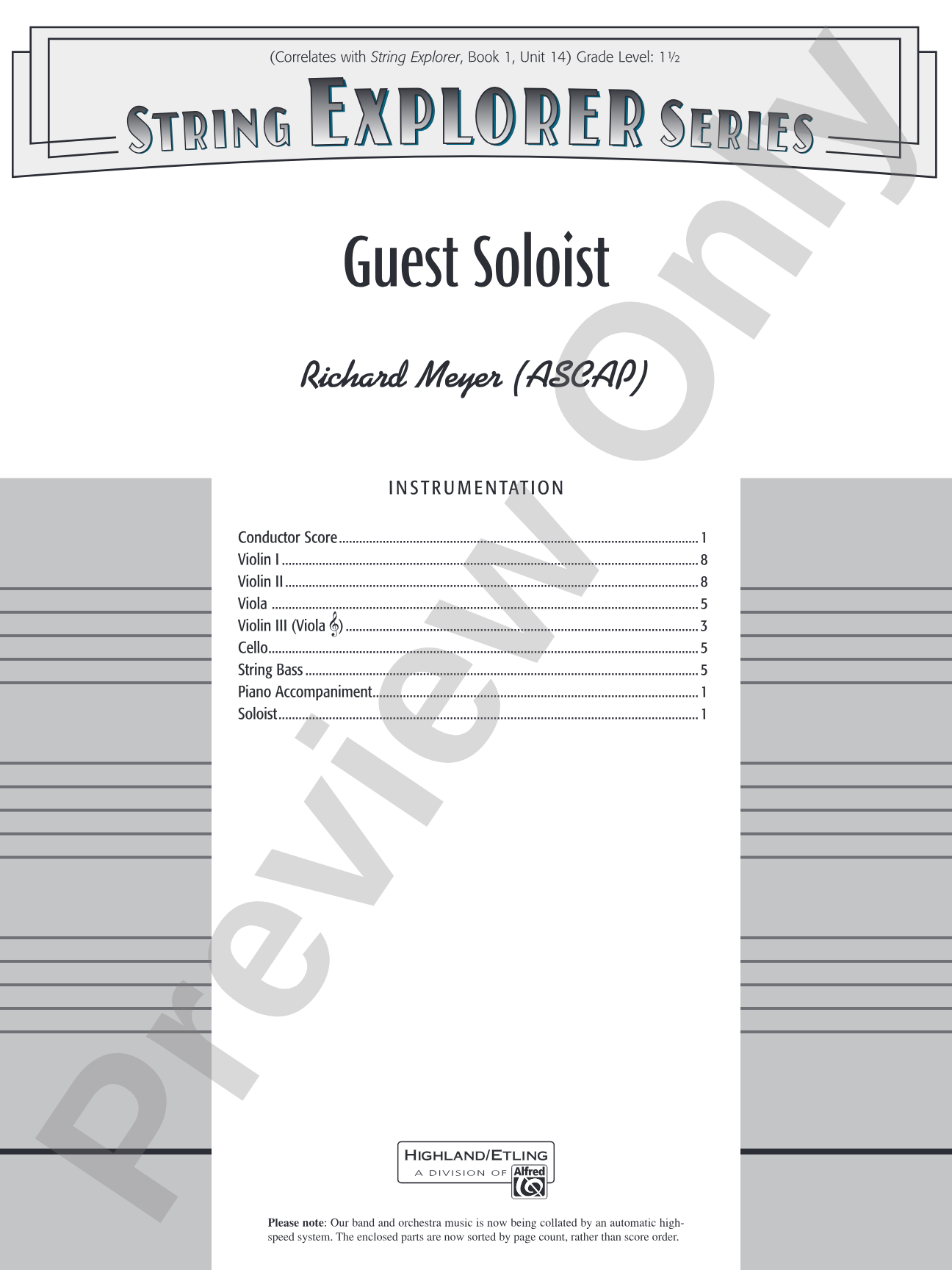


Guest Soloist: String Orchestra Conductor Score & Parts
By Richard Meyer
Grade: 1.5
Item: 00-PK-0004748

$50.00
Pickup currently not available
Buy Extra Parts (Digital PDF Download)
| Product | Price | Quantity |
|---|---|---|
| Guest Soloist: Score | $8.00 | |
| Guest Soloist: 1st Violin | $5.99 | |
| Guest Soloist: 2nd Violin | $5.99 | |
| Guest Soloist: 3rd Violin (Viola [TC]) | $5.99 | |
| Guest Soloist: Viola | $5.99 | |
| Guest Soloist: Cello | $5.99 | |
| Guest Soloist: String Bass | $5.99 | |
| Guest Soloist: Piano Accompaniment | $5.99 | |
| Guest Soloist: Solo | $5.99 |
Parts Added to Cart!
Description
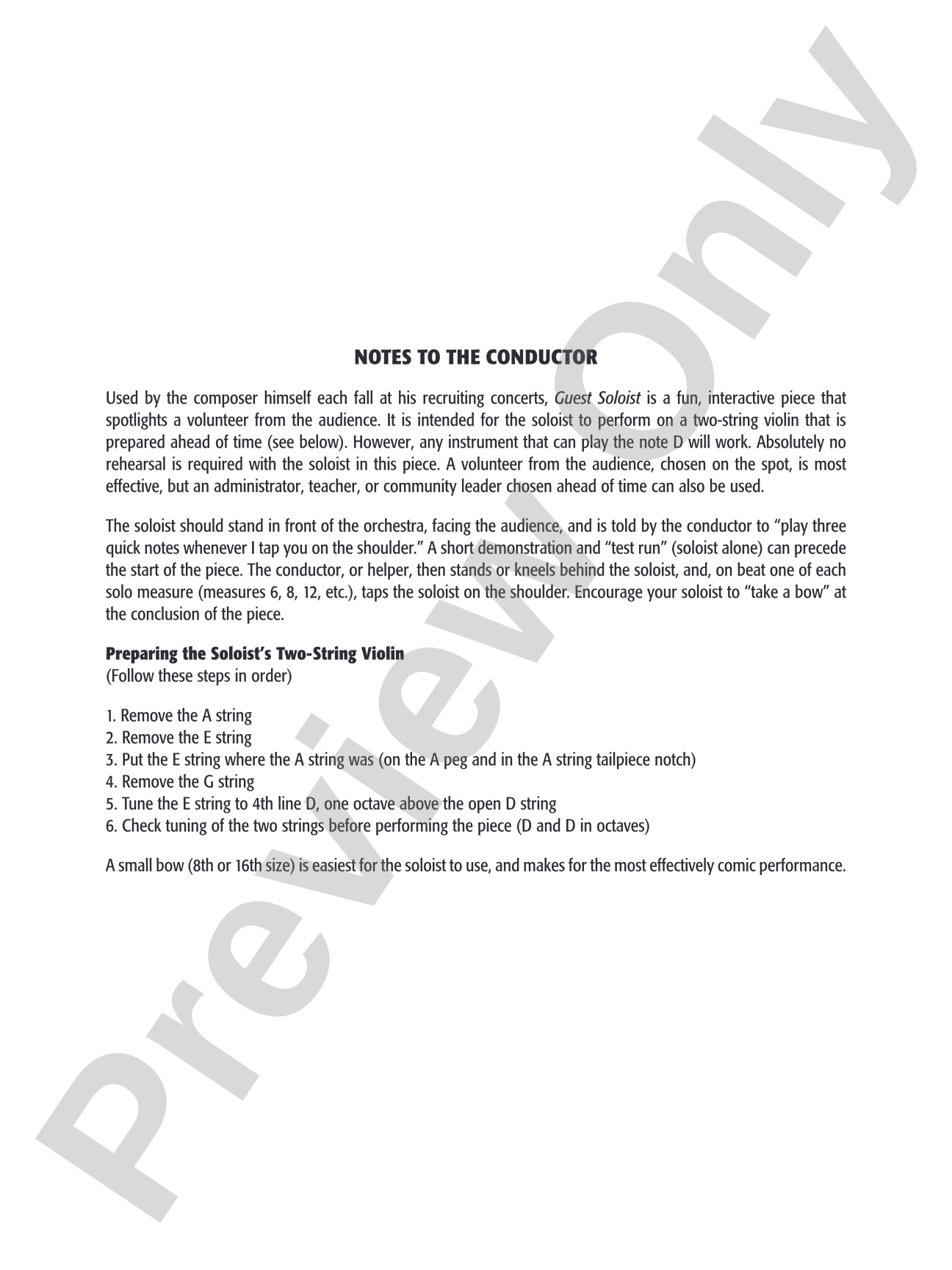
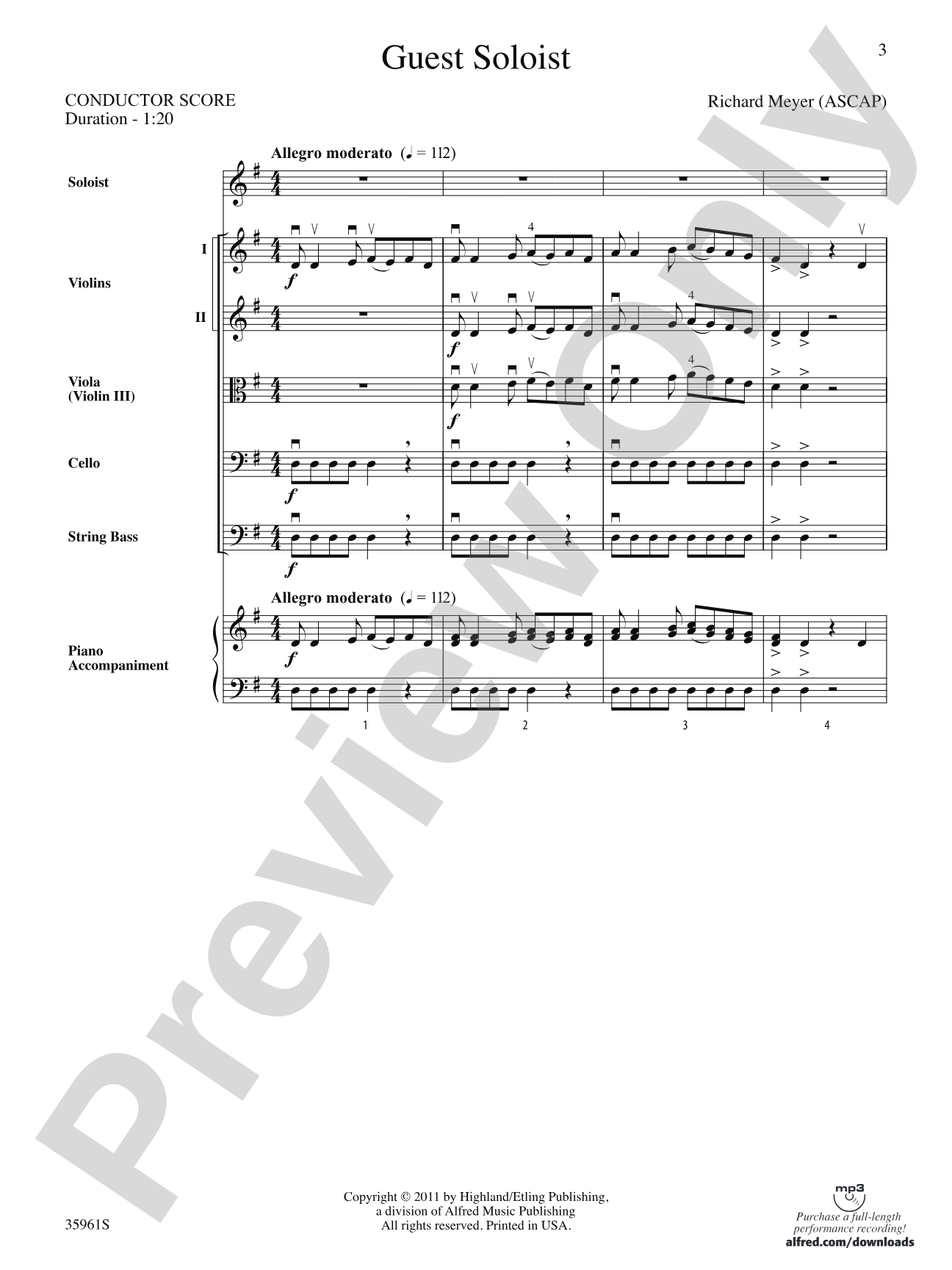
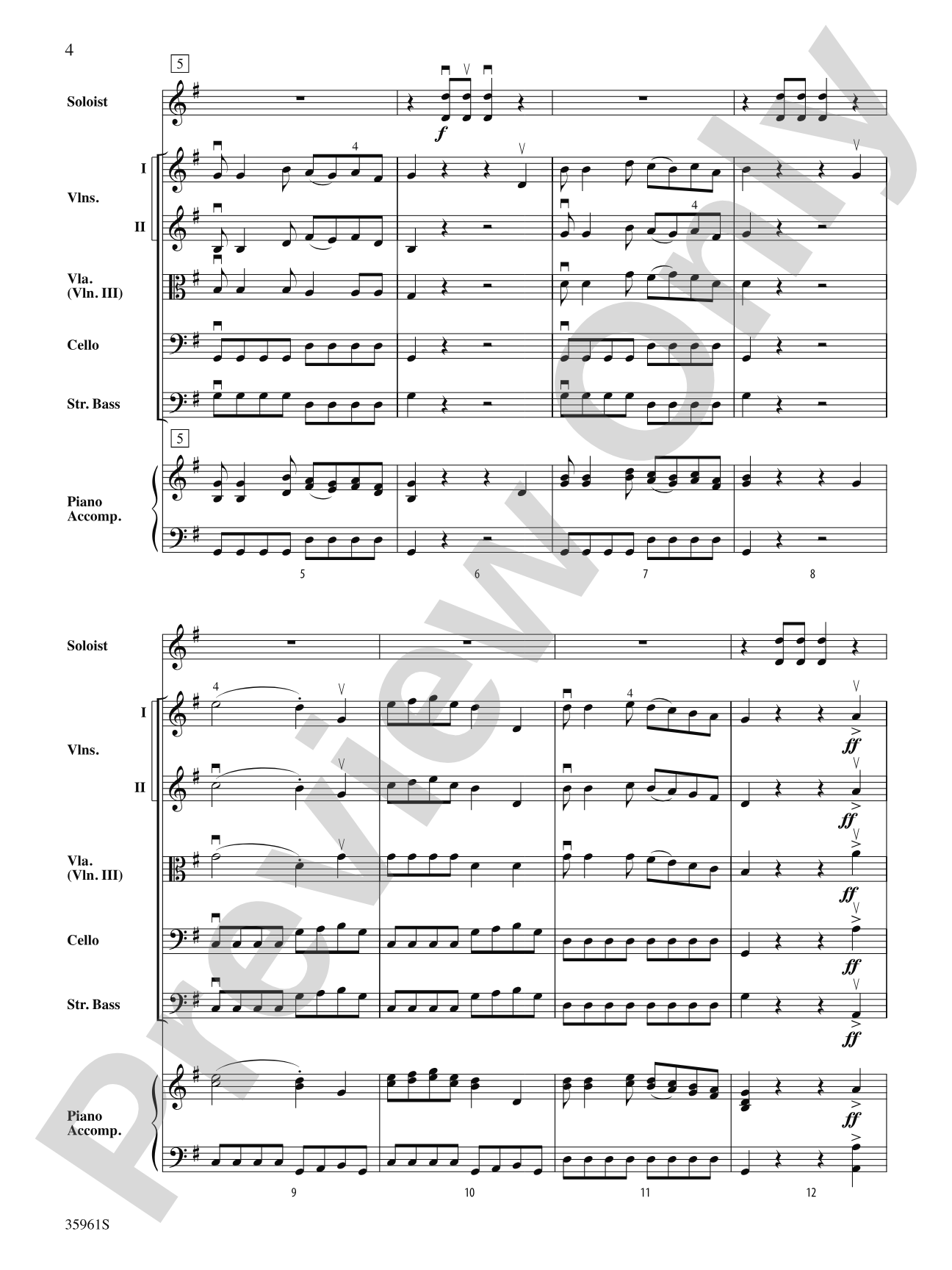
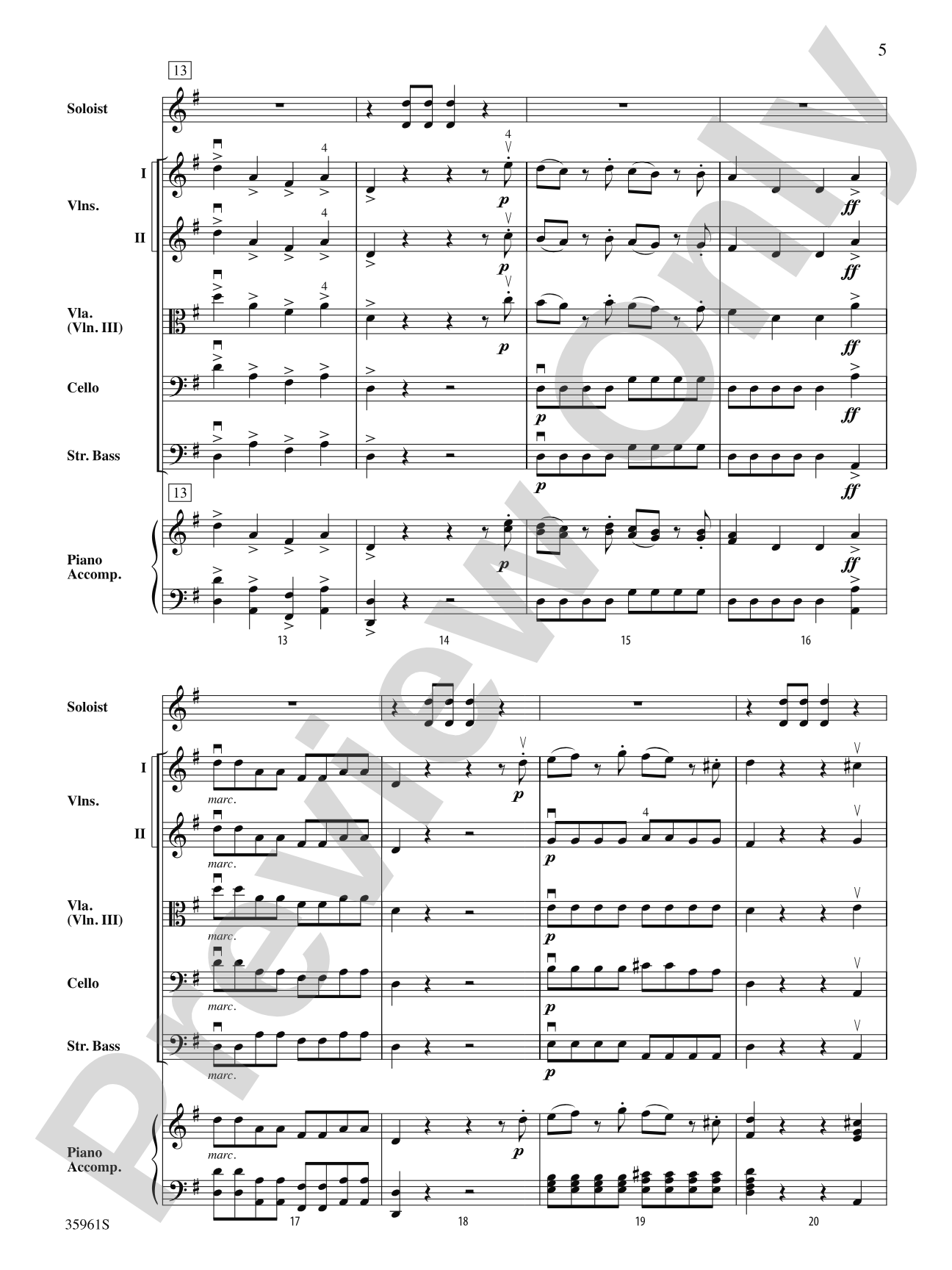
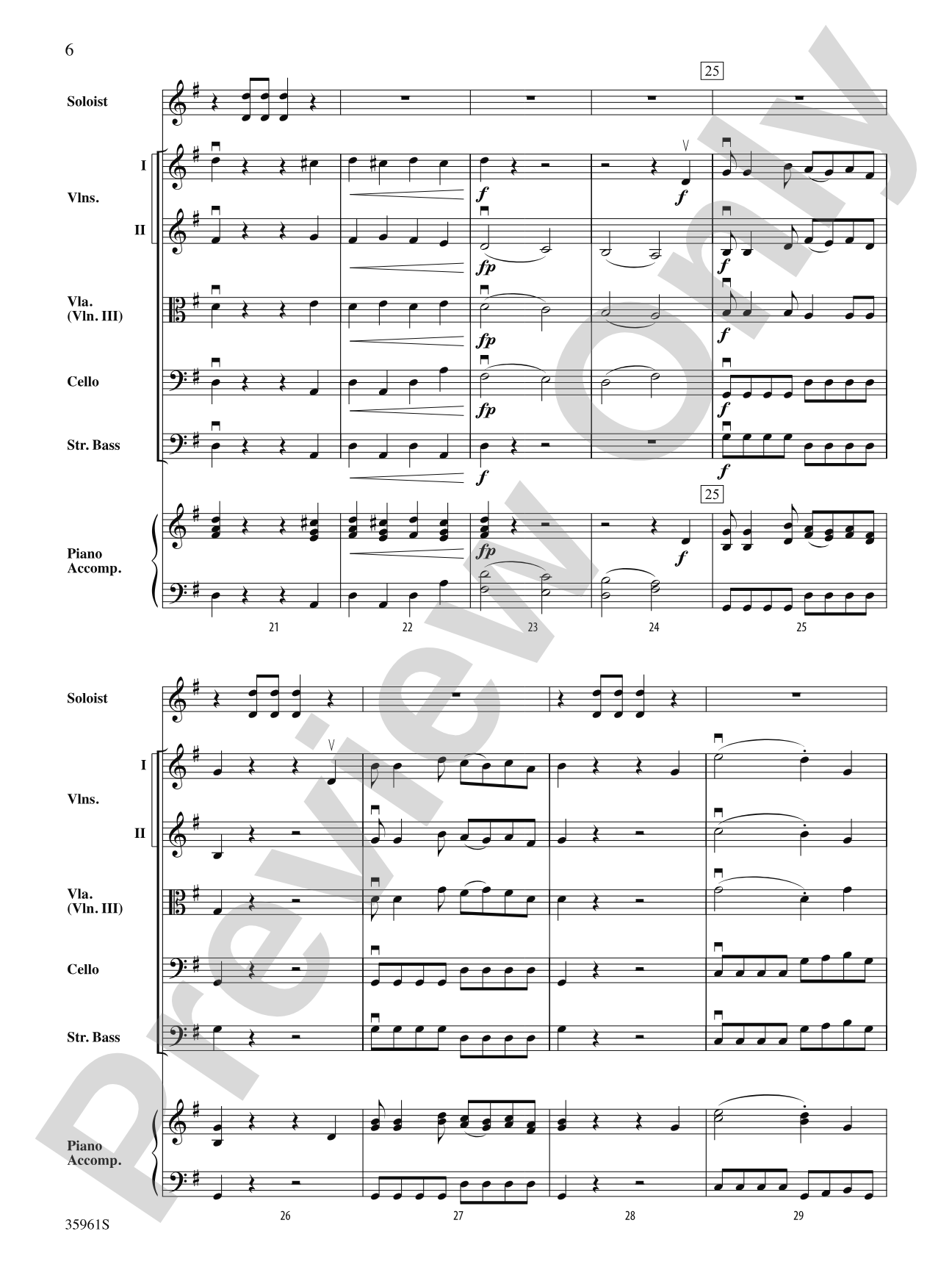
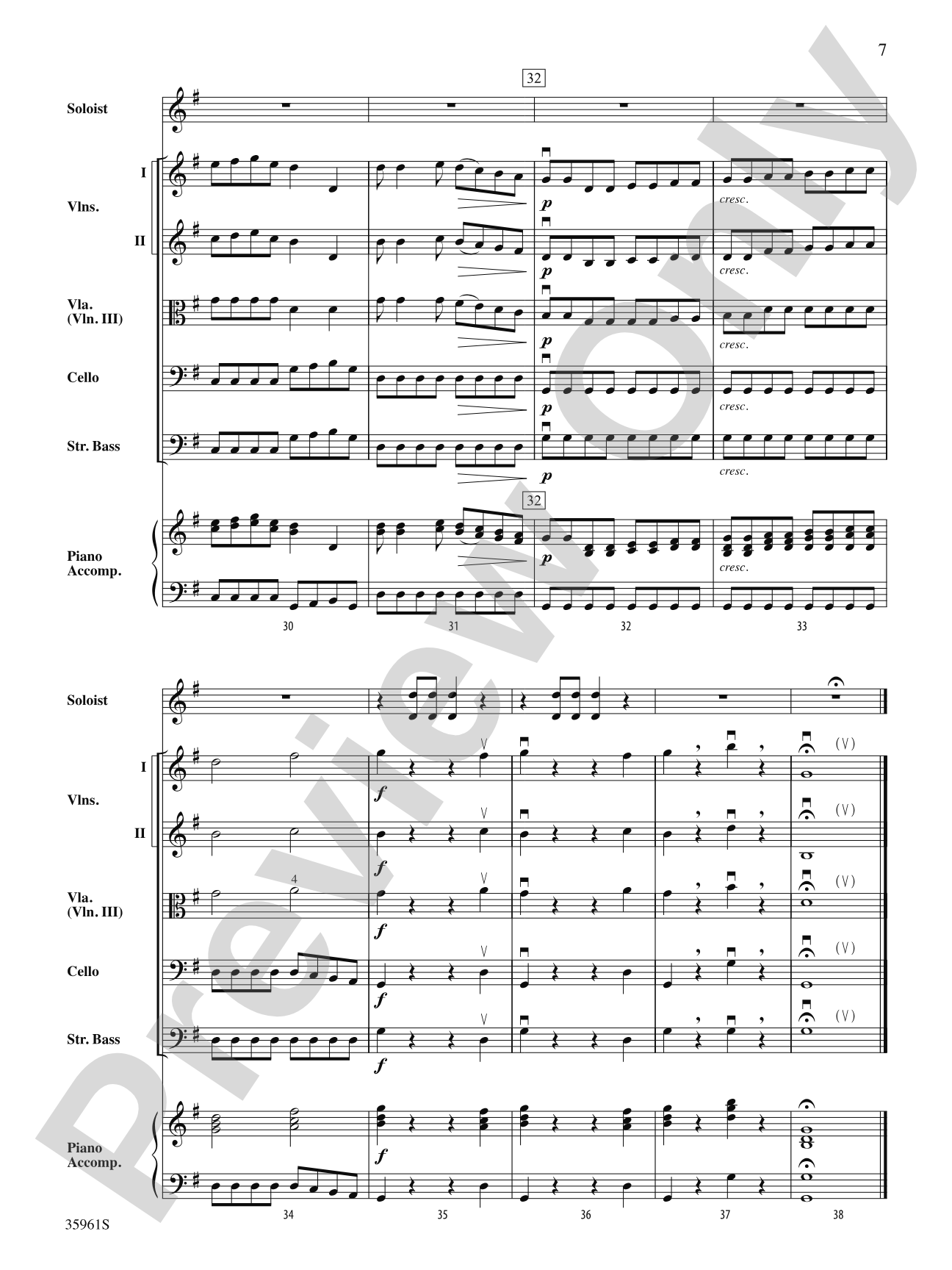
Used by the composer himself each fall at his recruiting concerts, Guest Soloist is a fun, interactive piece that spotlights a volunteer from the audience playing a two-string violin (or any instrument you choose to use). Unlike other similar pieces, this one requires absolutely NO REHEARSAL ahead of time with the soloist, who is cued in with taps on the shoulder. Everyone will be amazed, as a volunteer from the audience, chosen on the spot, becomes the next violin "virtuoso." Sure to bring down the house, this two-minute concerto is a wonderful way for your orchestra to really connect with your audience. Simple instructions on how to prepare the soloist's violin are included. A great time for everyone involved!


Don't just read it, hear it, play along with it, and watch your students grow with it. In MakeMusic Cloud, Guest Soloist: String Orchestra Conductor Score & Parts comes alive with professional accompaniment, adjustable tempo, and built-in practice tools that turn solo practice into real progress.
Open in the Player
Jump straight in and assign it today.
Start Your Free Trial
Open this title and explore the full library in minutes.
Sample Audio
1
Audio File
--:--
0:00
0:00
Sample Video
No sample videos found.
Additional Details
Series:
Highland/Etling String Explorer
Publisher:
Alfred Music
Page Count:
74
SKU:
00-PK-0004748
Instrumentation:
string w/ vln3, pno acc
More about this title
About the Composer: Richard Meyer
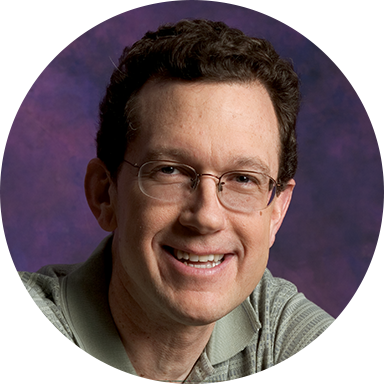
Richard Meyer brings three decades of string education experience to his role as a nationally recognized composer and clinician. He spent 22 years building the orchestral program at Oak Avenue Intermediate School in Temple City, California, expanding it from 29 students to 200, while simultaneously directing the city's elementary string curriculum. Meyer served as music director of the Pasadena Youth Symphony Orchestra for 16 years, leading ensembles on international tours to Vienna, Australia, and Canada. His work as a guest conductor and clinician has taken him to the A.S.T.A. National Conference, state All-State orchestras, and university string workshops across the country.
Beyond the podium, Meyer has established himself as a prolific composer with over 190 works in print and spent 16 years as string editor for Alfred Publishing Company. In 2009, he created the "Giving Bach" program at his school, an innovative concert series that has gained national recognition for bringing interactive performances to underserved student populations throughout Southern California. Meyer co-authored several string method resources, including the String Explorer Series and Sight-read It for Strings, materials widely used in schools nationwide.
Why we love this
Meyer has built this piece specifically for concert moments where spontaneity and audience engagement matter most. The zero-rehearsal requirement means you can genuinely select any volunteer from the crowd, making each performance a unique, unrepeatable event that bonds your orchestra to the audience instantly.
What to expect
Playful and surprising, with a sense of theatrical mischief. The orchestra becomes a partner in the joke, building anticipation as a "regular person" transforms into a violin soloist before everyone's eyes. It's charming and a bit cheeky, designed to draw genuine applause and laughter from an audience that just witnessed something genuinely unpredictable.
Who it's for
String orchestras at the early intermediate level looking for a show-stopping closer or intermission piece that delights families and community audiences. Directors who want to break the fourth wall and turn a concert into an interactive, memorable experience without requiring extra rehearsal time.
How to get the most out of it
- Select your volunteer strategically. Choose someone who appears comfortable with attention and is sitting in an accessible location near the stage or aisle.
- Prepare the volunteer's violin beforehand using the included instructions. This setup happens backstage or offstage while the orchestra introduces the piece to the audience.
- Use shoulder taps as your only communication with the soloist during the performance. Meyer designed the cues to be unmistakable, so tap clearly and at the exact moments indicated in your score.
- Keep the energy light and celebratory from the opening measures. The audience is rooting for the volunteer, not judging technical perfection; your orchestra's enthusiasm sets the tone for the whole room.
How to use it
Save this for a concert slot where audience participation and humor will land hardest, such as a family concert, holiday performance, or spring pops concert. It works beautifully as a finale or as the centerpiece of an intermission designed to reconnect your orchestra with the people watching.
Skills your students will build
- Responding to non-verbal conducting cues and shoulder-tap signals
- Maintaining musical pulse and ensemble coherence while supporting a volunteer soloist
- Playing at a relaxed, approachable dynamic level rather than striving for virtuosic intensity
- Adapting to a spontaneous performance situation without advance preparation with the soloist