Grigny: Organ Book Sheet Music Preview

Grigny: Organ Book

By Nicolas De Grigny

Item: 00-PC-0009938

Digital Download
$1.99
Description
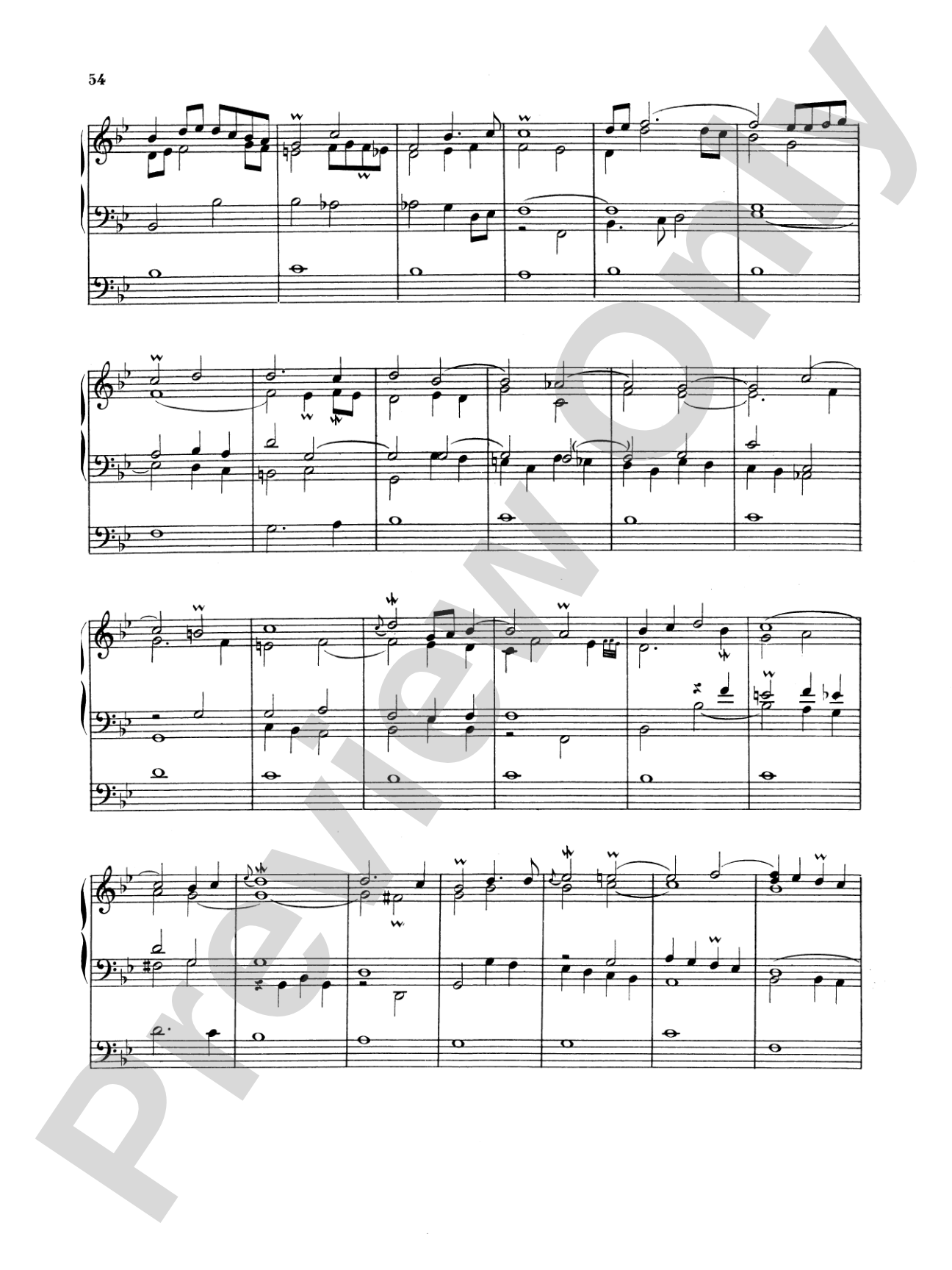
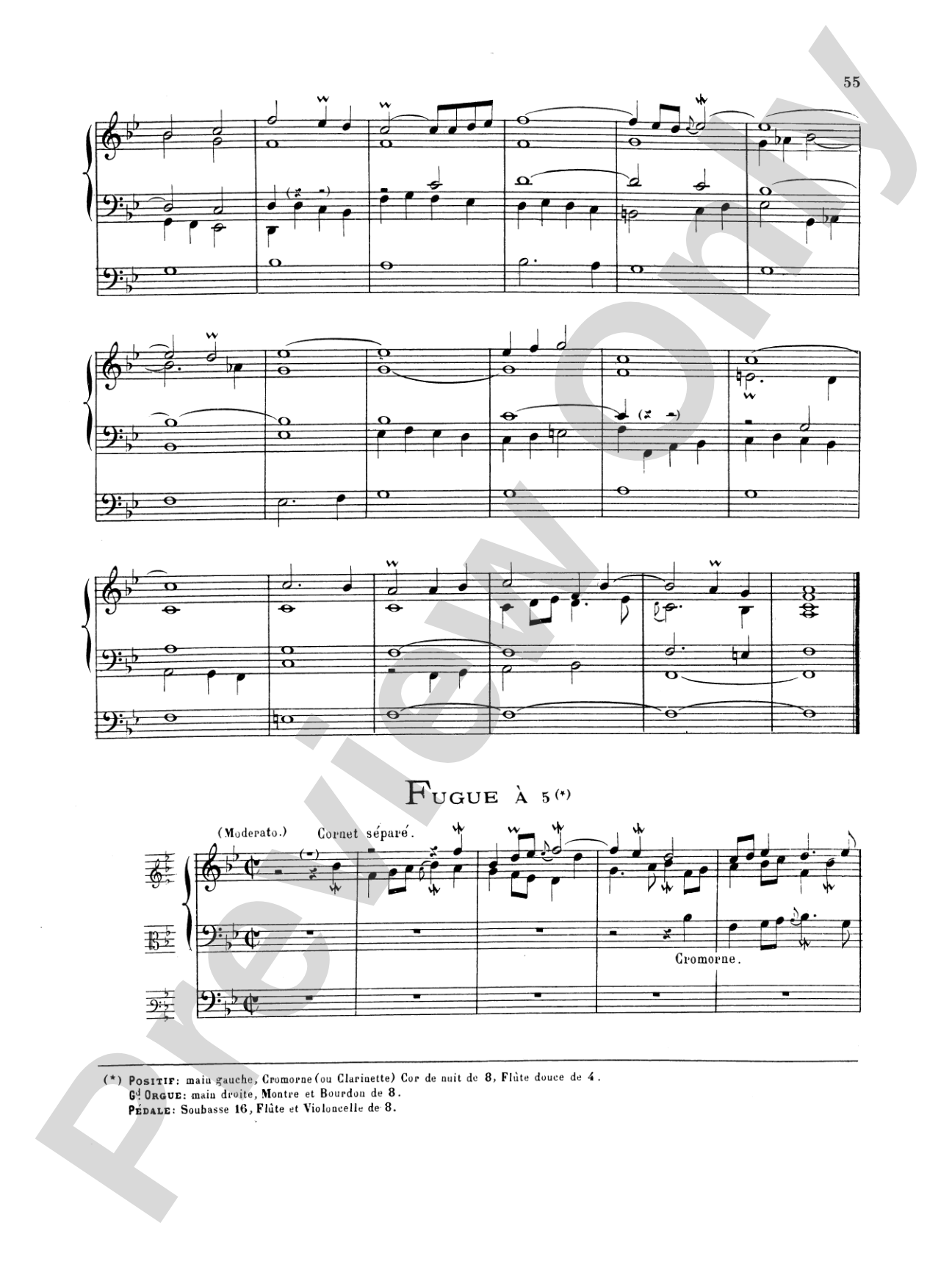
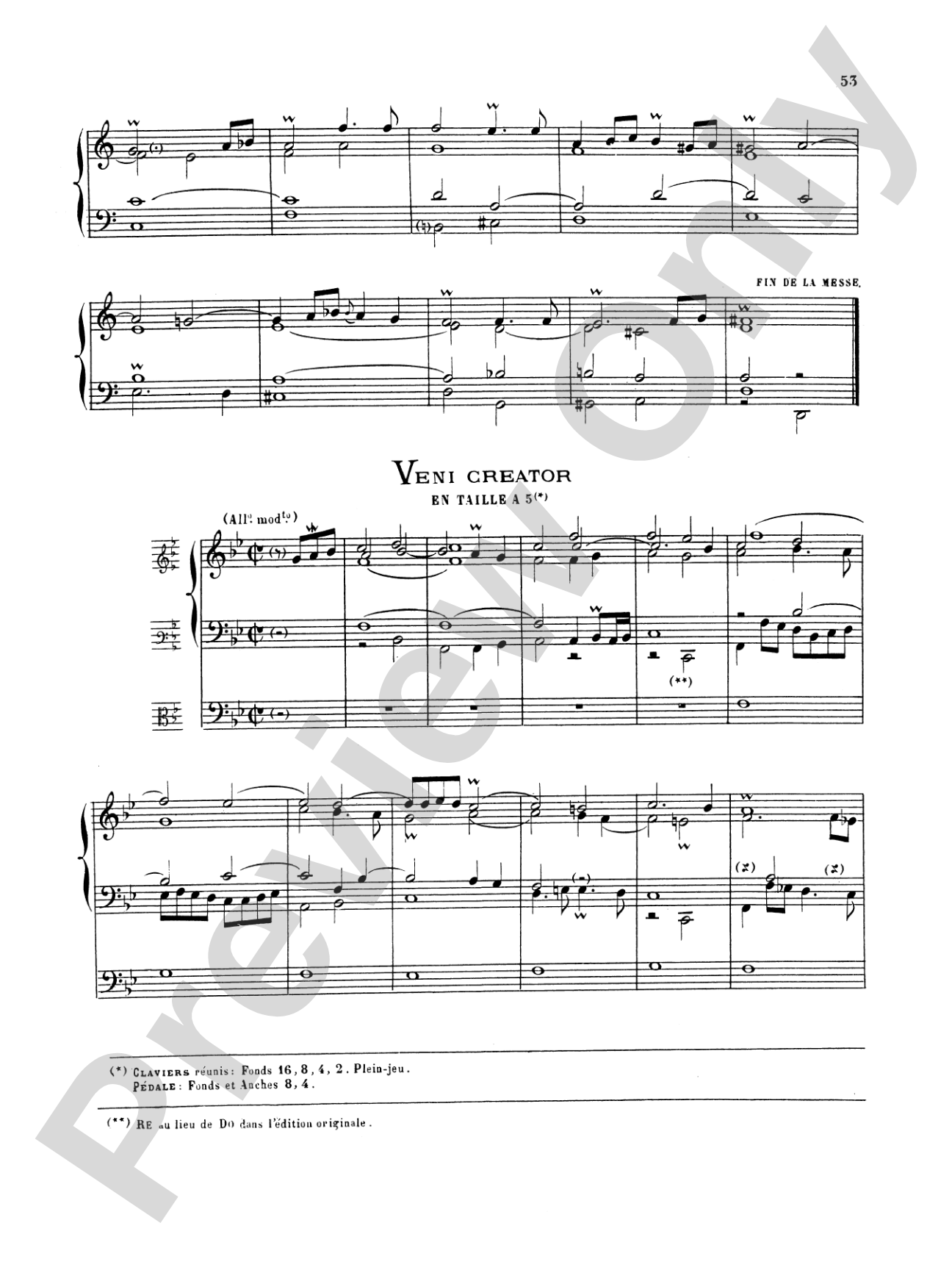
Expertly arranged Organ Collection by Nicolas De Grigny from the Kalmus Edition series. This is from the Baroque era.

Don't just read it, hear it, play along with it, and watch your students grow with it. In MakeMusic Cloud, Grigny: Organ Book comes alive with professional accompaniment, adjustable tempo, and built-in practice tools that turn solo practice into real progress.

Sample Audio
No sample audio found.
Sample Video
Additional Details
Series: Kalmus Edition
Publisher: Alfred Music
Page Count: 100
SKU: 00-PC-0009938

More about this title

About the Composer: Nicolas De Grigny

Nicolas De Grigny (1671-1703) was a French Baroque organist and composer whose output, though modest in volume, stands among the most important organ music of the seventeenth century. He served as organist at the Cathedral of Reims and spent time in Italy studying the works of Frescobaldi, an influence evident in his harmonic language and ornamental style. Despite his early death at thirty-two, Grigny's organ works circulated widely in manuscript and print, shaping the French organ repertoire for generations.

For organists and students, Grigny's music represents a crucial bridge between Italian and French keyboard idioms. His compositions demand technical facility, interpretive maturity, and a solid grasp of Baroque registration and ornamentation, making them essential study for anyone serious about the instrument's classical foundation.

Why we love this

Grigny's organ works offer density and sophistication without the extreme virtuosity demands of later Baroque composers, making this collection ideal for advancing students and intermediate organists who need substantial material that teaches genuine musical architecture. The Kalmus Edition presentation provides access to the complete organ works in a reliable, affordable format that has served conservatory curricula for decades.

What to expect

Grigny's organ works inhabit a reflective, architecturally precise world marked by elegant counterpoint and expressive harmonic motion. The music balances Baroque formality with genuine emotional depth, unfolding through carefully constructed phrases that reward both technical clarity and interpretive sensitivity.

Who it's for

This collection serves advanced student organists, college-level performers, and professional organists building their Baroque repertoire. It is equally valuable for church musicians seeking substantial liturgical music and for anyone studying the historical development of organ composition from the seventeenth century onward.

How to get the most out of it

  • Study the figured bass and harmonic progression carefully before adding ornamentation; Grigny's harmonic language rewards a clear understanding of the underlying structure.
  • Research period registration practices for French Baroque organs; the music's effectiveness depends significantly on appropriate stop choices and tonal balance.
  • Practice hand independence and pedal technique deliberately; Grigny writes idiomatically for the organ but expects secure coordination across all manuals and the pedal board.
  • Allow time for understanding the ornamental conventions of French Baroque notation, which differs from Italian practice; consulting period sources or recordings will clarify stylistic intent.

How to use it

Program individual works from this collection on recitals alongside later Baroque organ music to show stylistic evolution, or use selections in liturgical contexts where substantial Baroque organ music is appropriate. The collection's scope also makes it essential study material for organists preparing comprehensive programs or auditions.

Skills your students will build

  • Reading figured bass and realizing harmonic progressions
  • French Baroque ornamentation and stylistic convention
  • Hand and foot independence across multiple manuals and pedals
  • Counterpoint and voice leading in keyboard texture
  • Period-appropriate registration and tonal interpretation

You May Also Like