
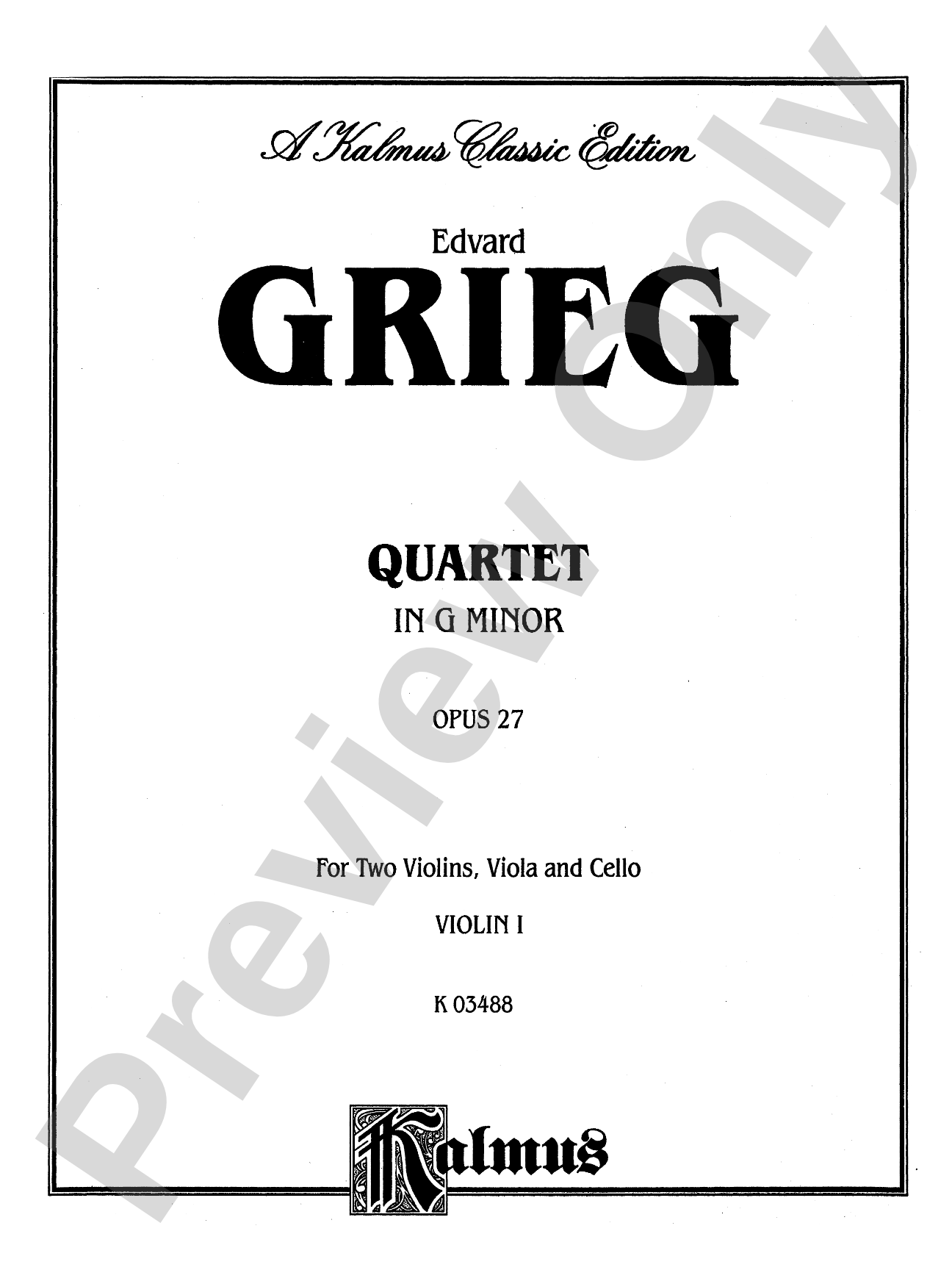

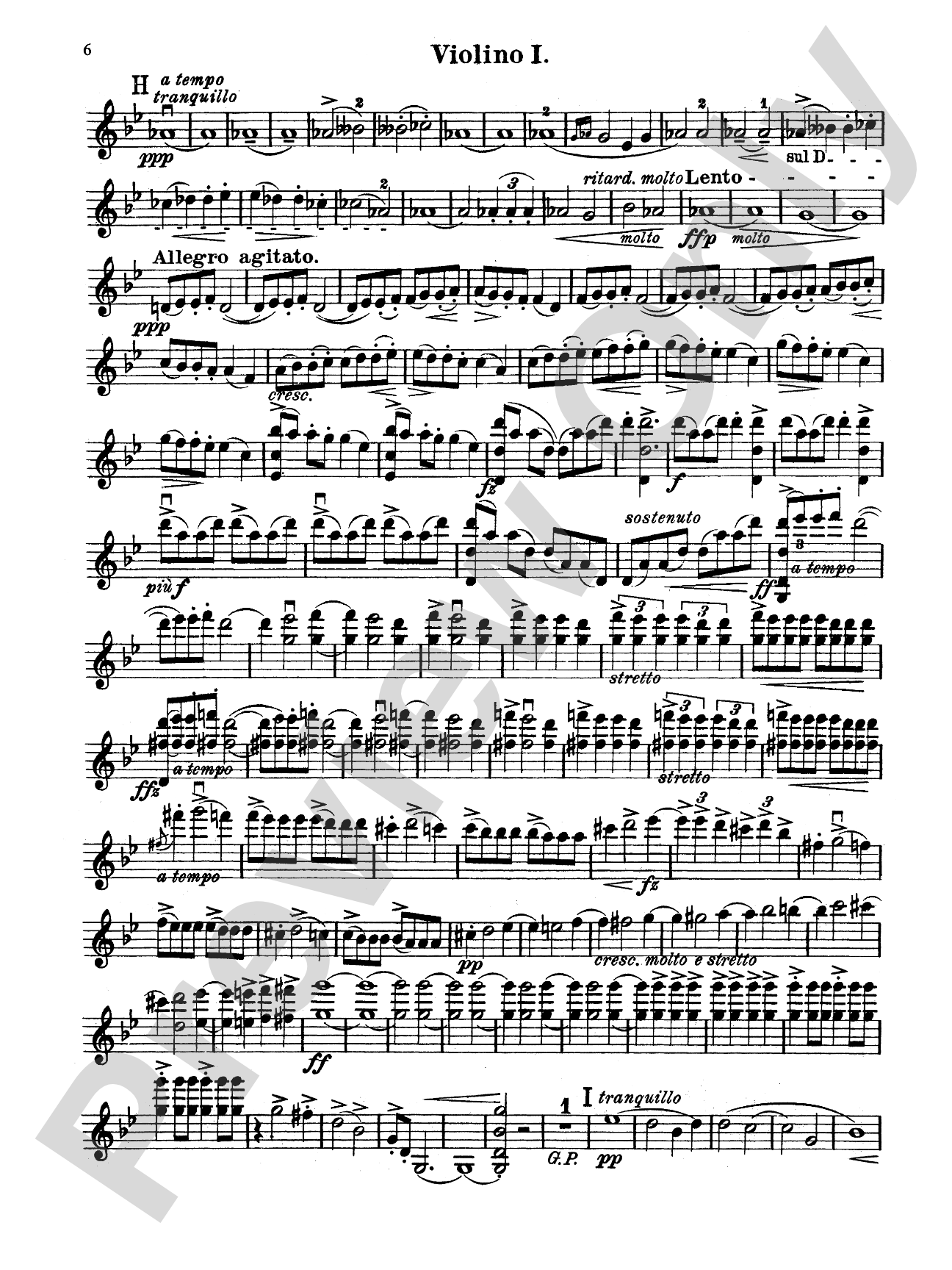
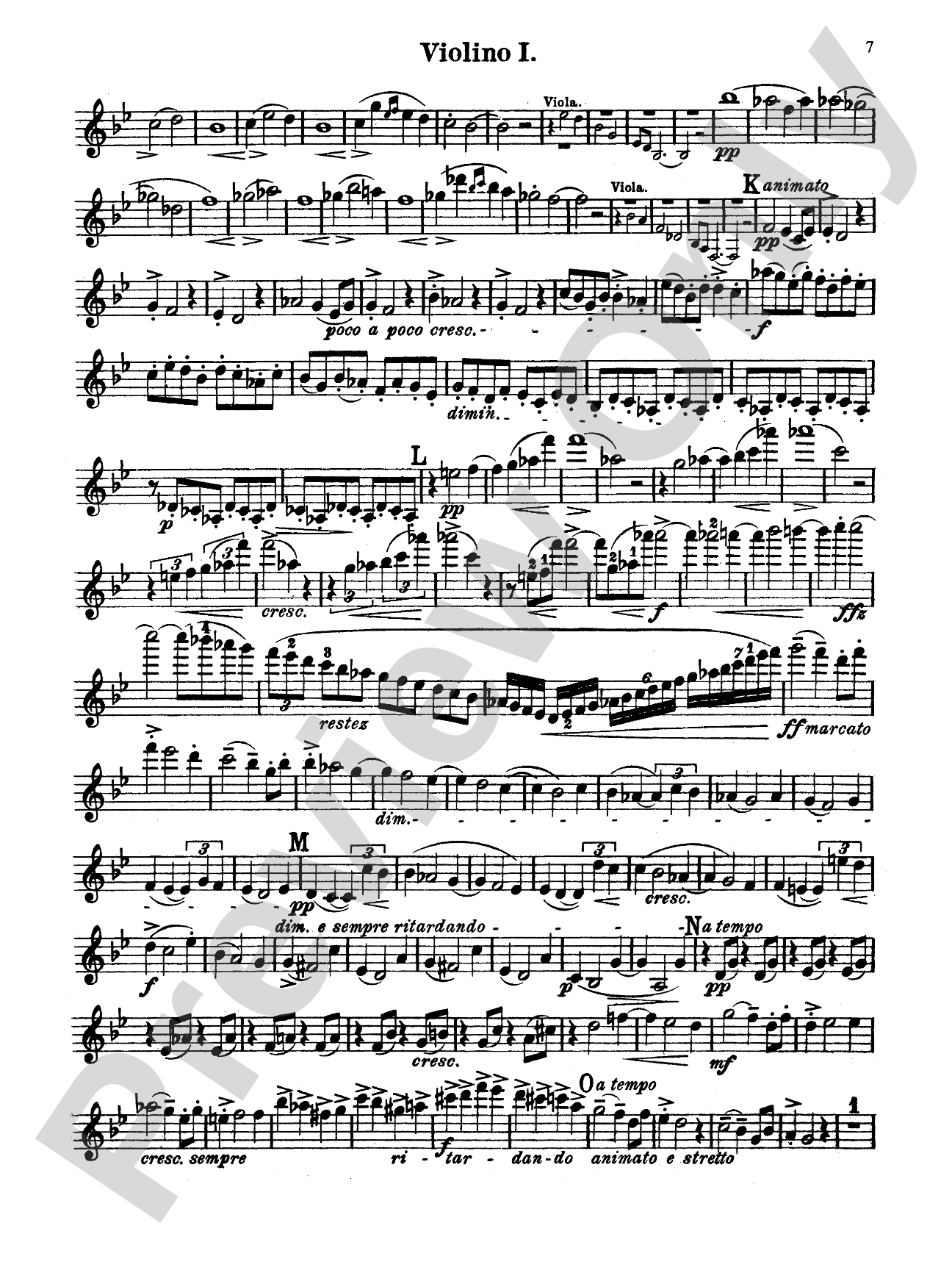
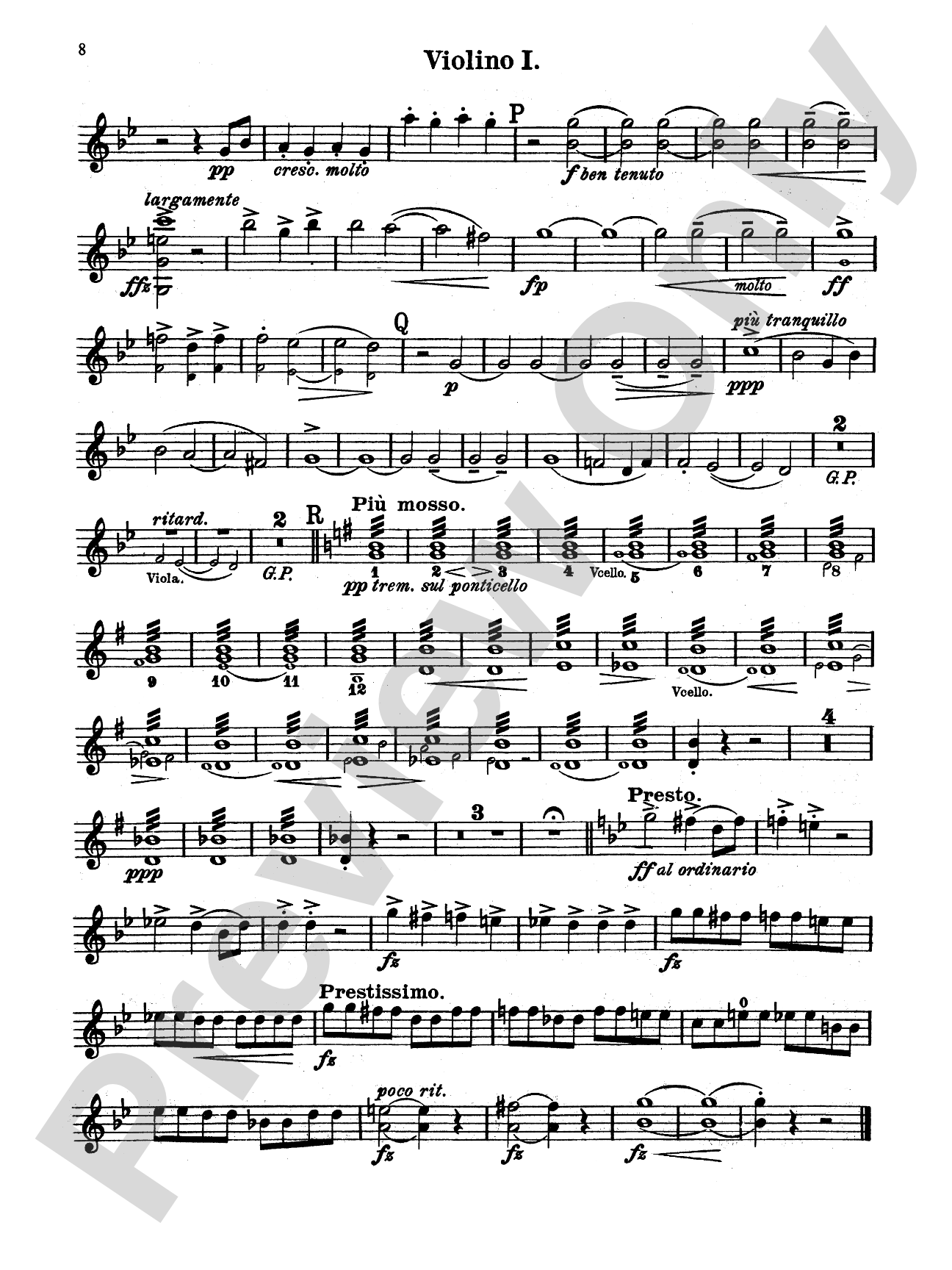
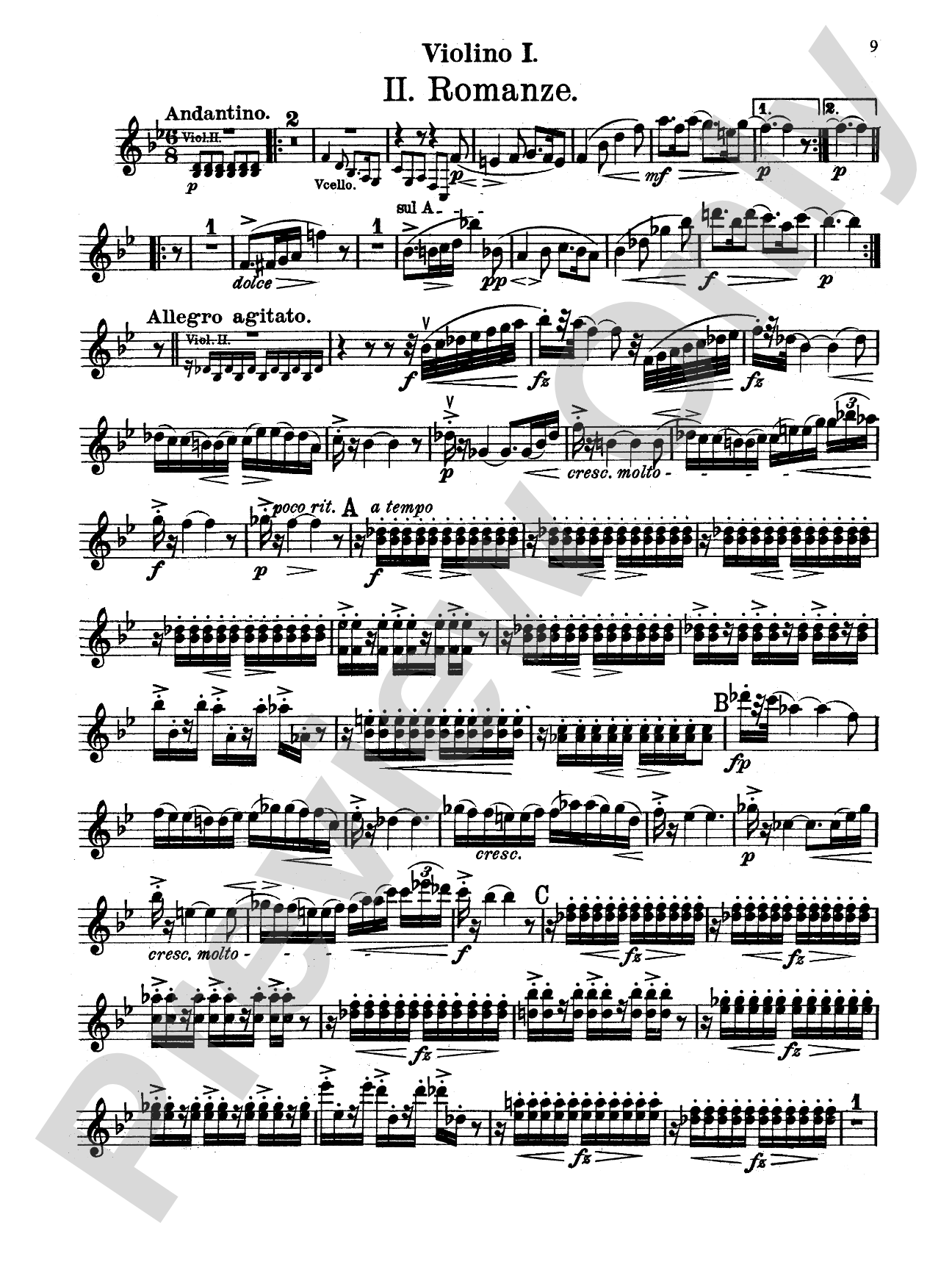
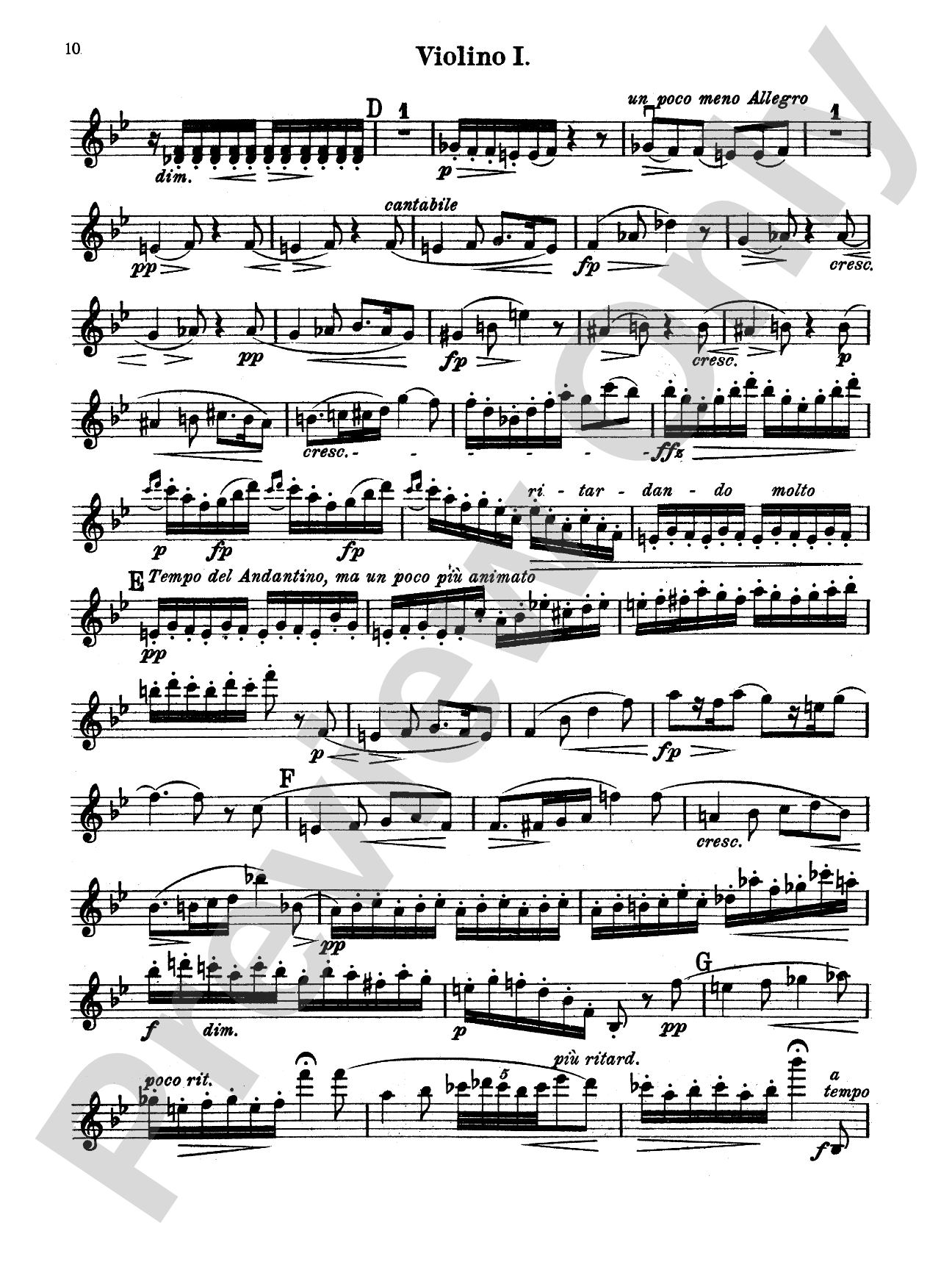
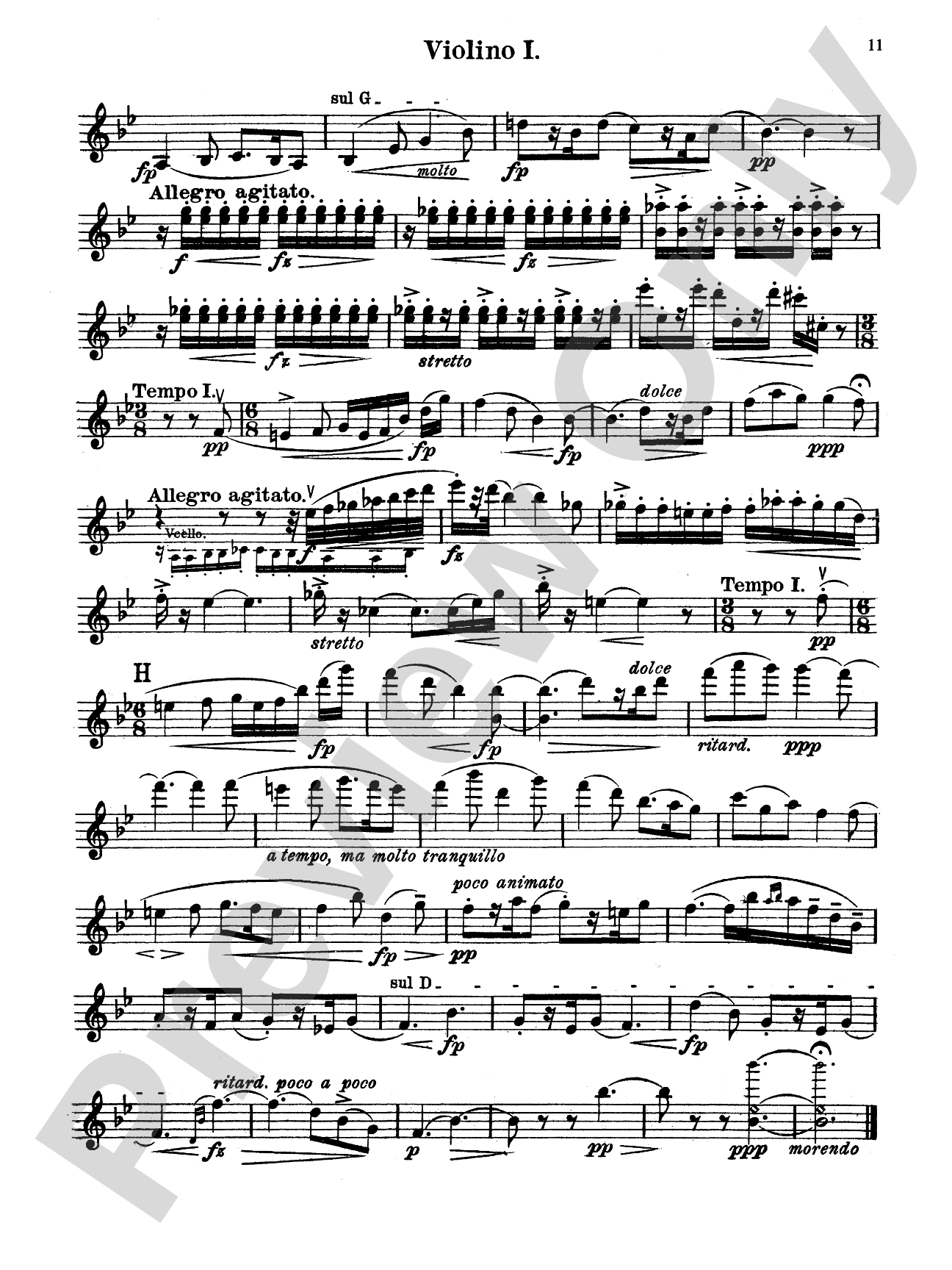
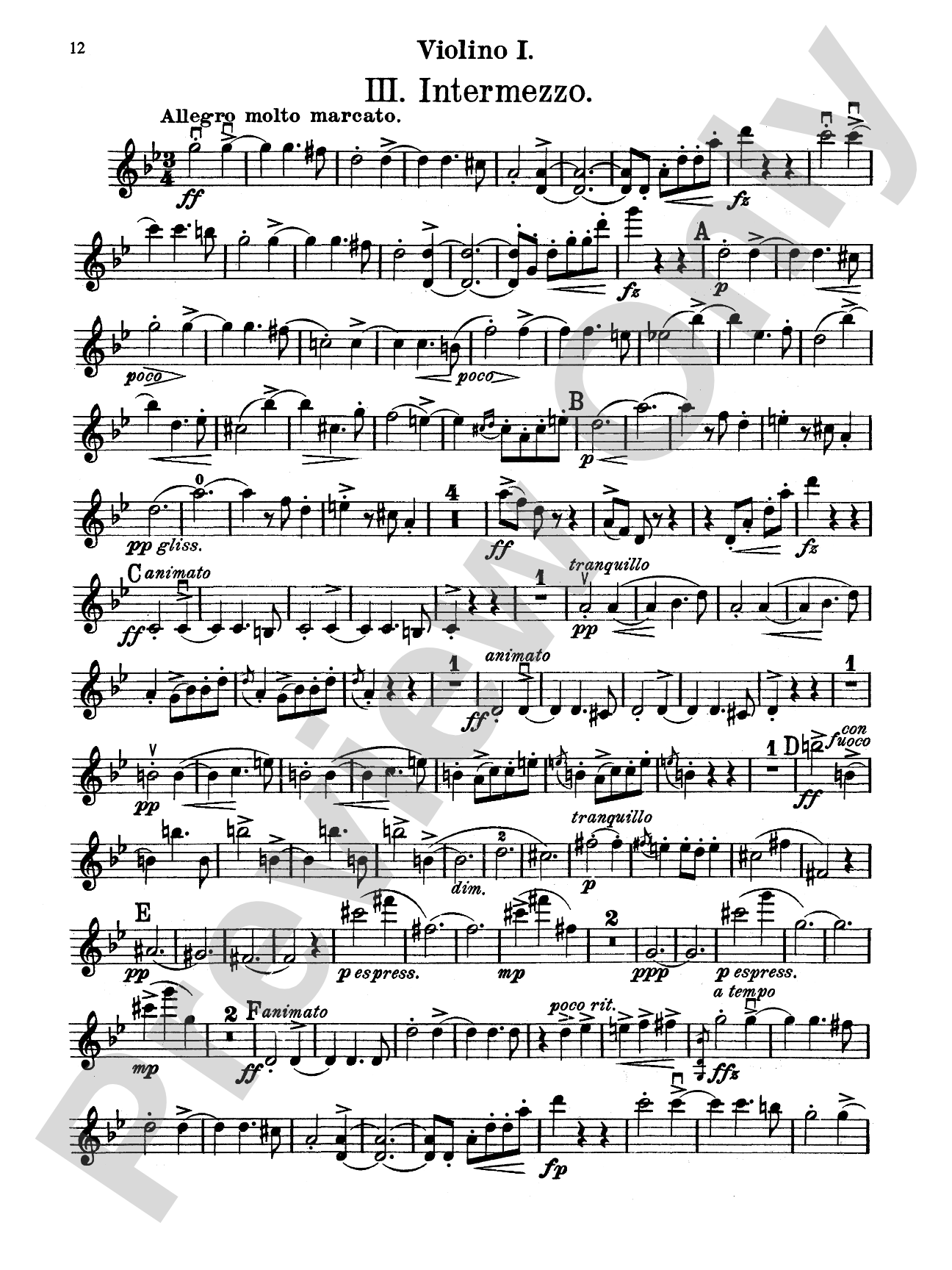
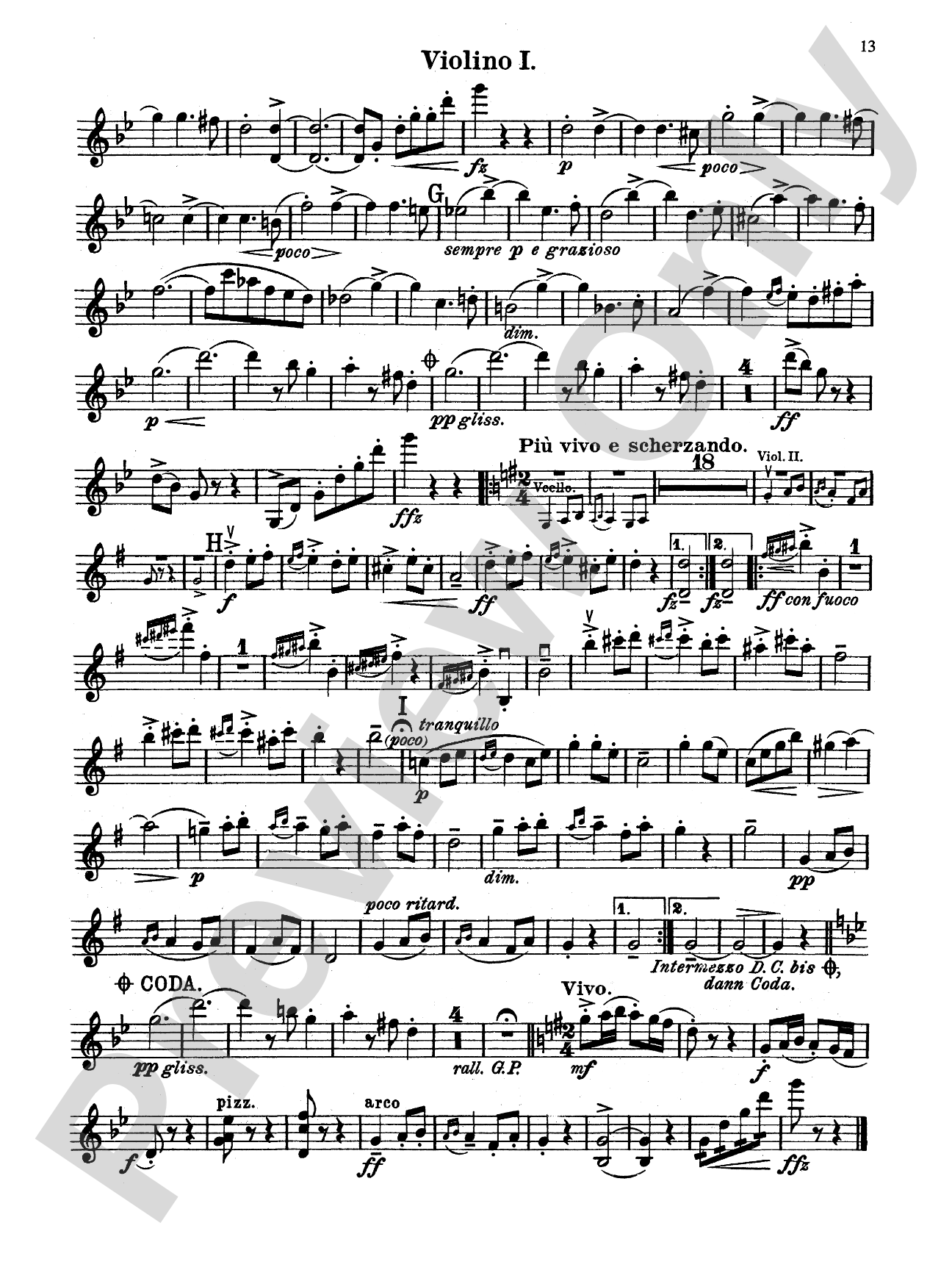
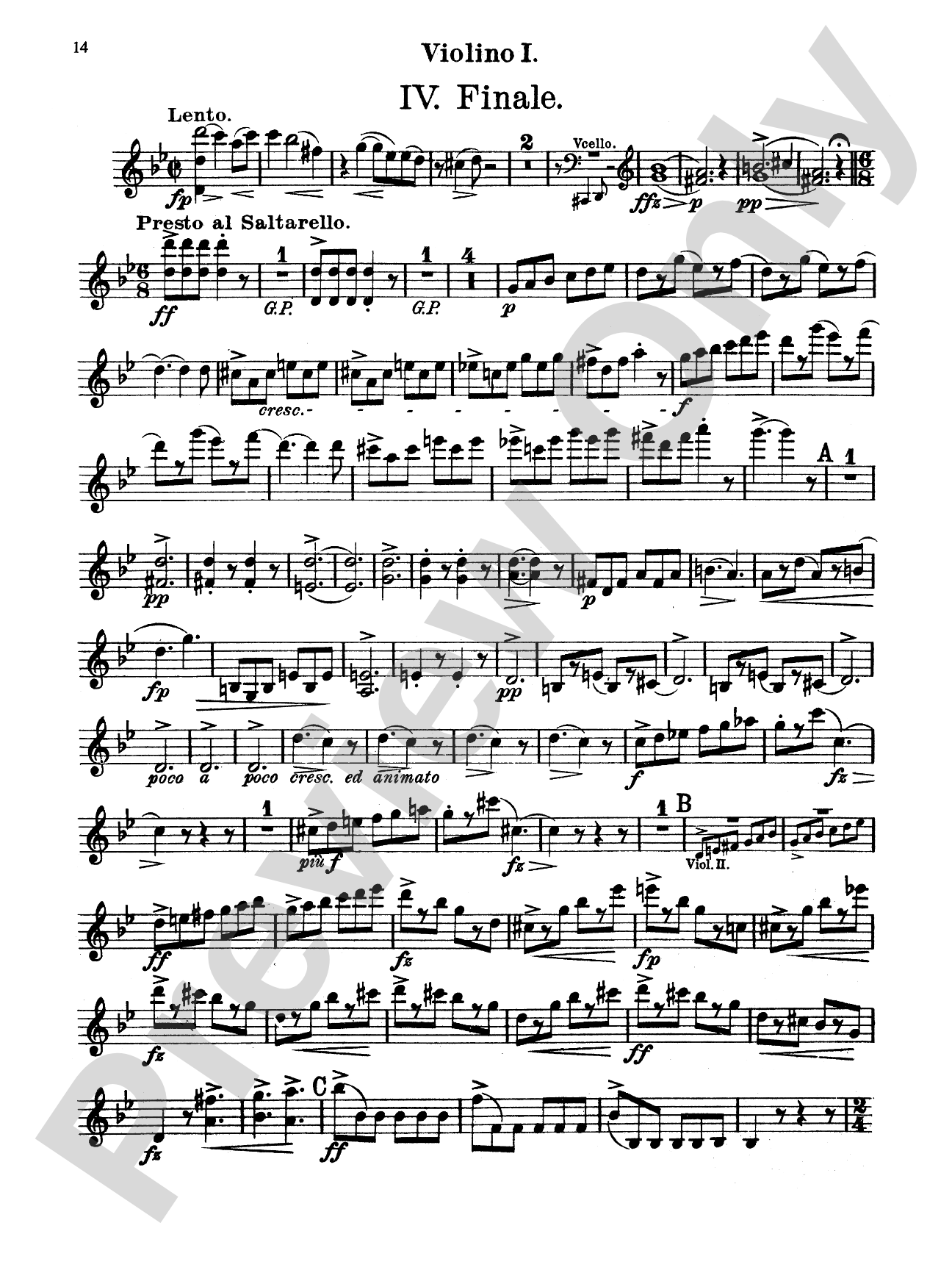
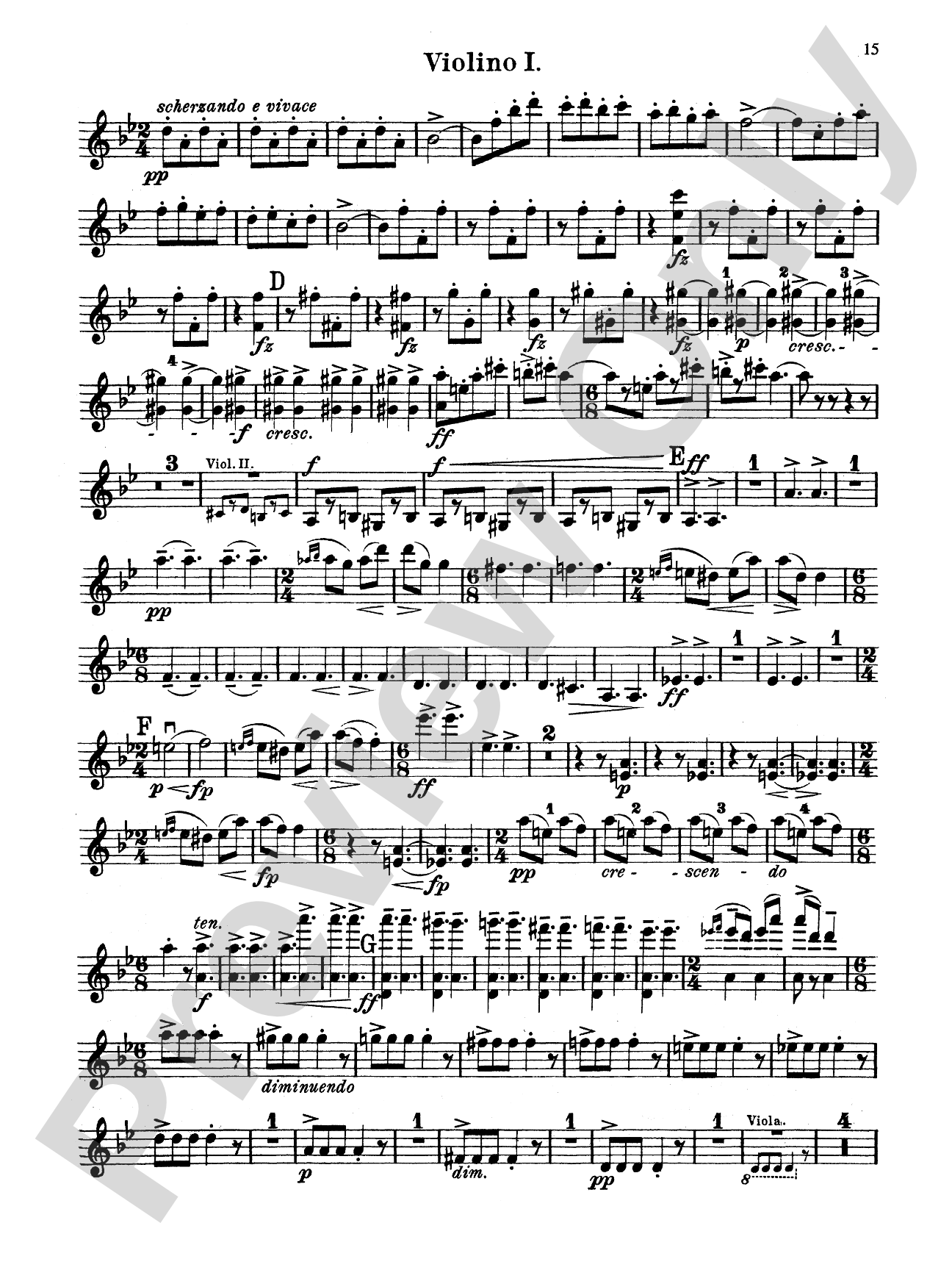
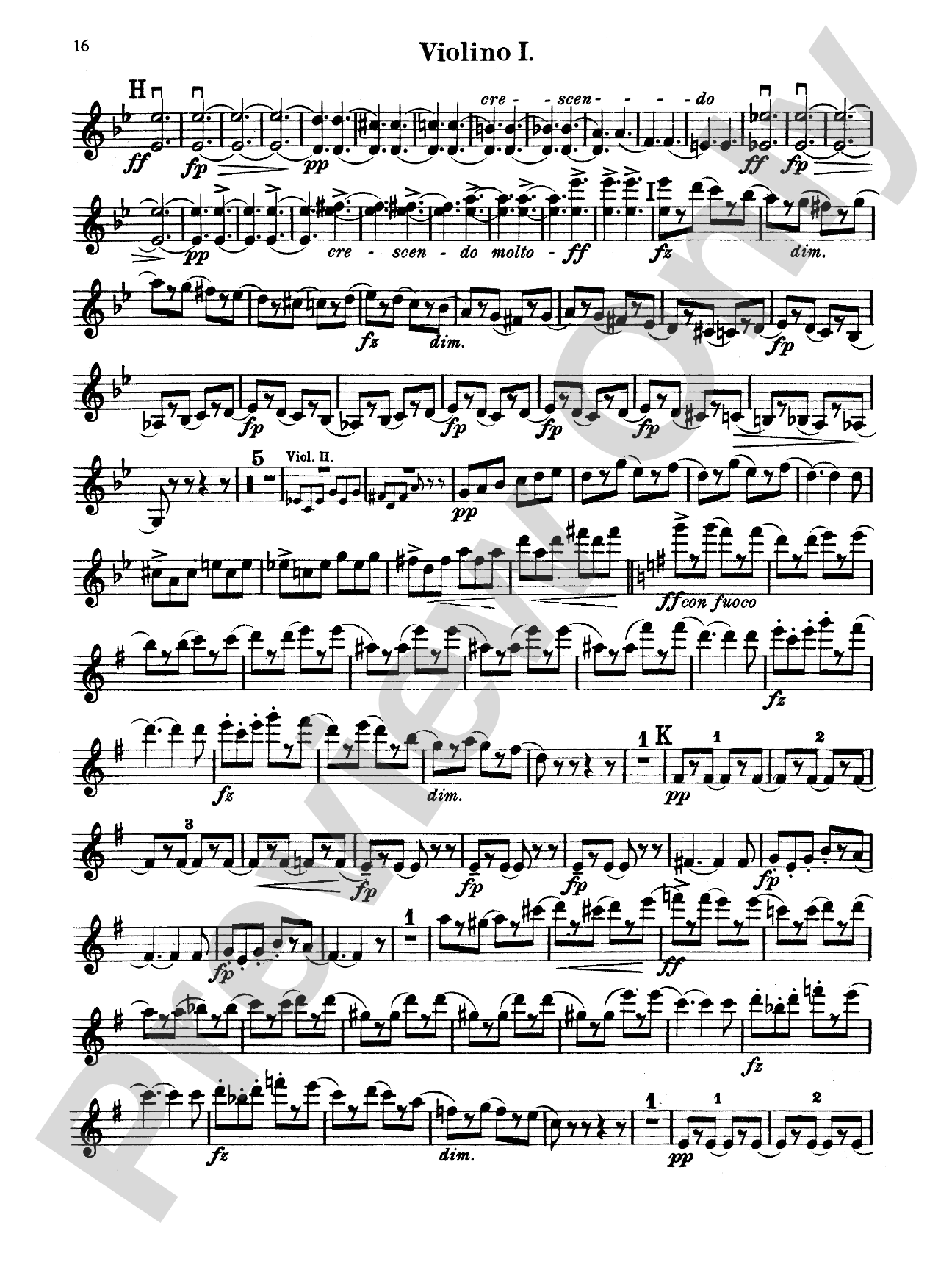
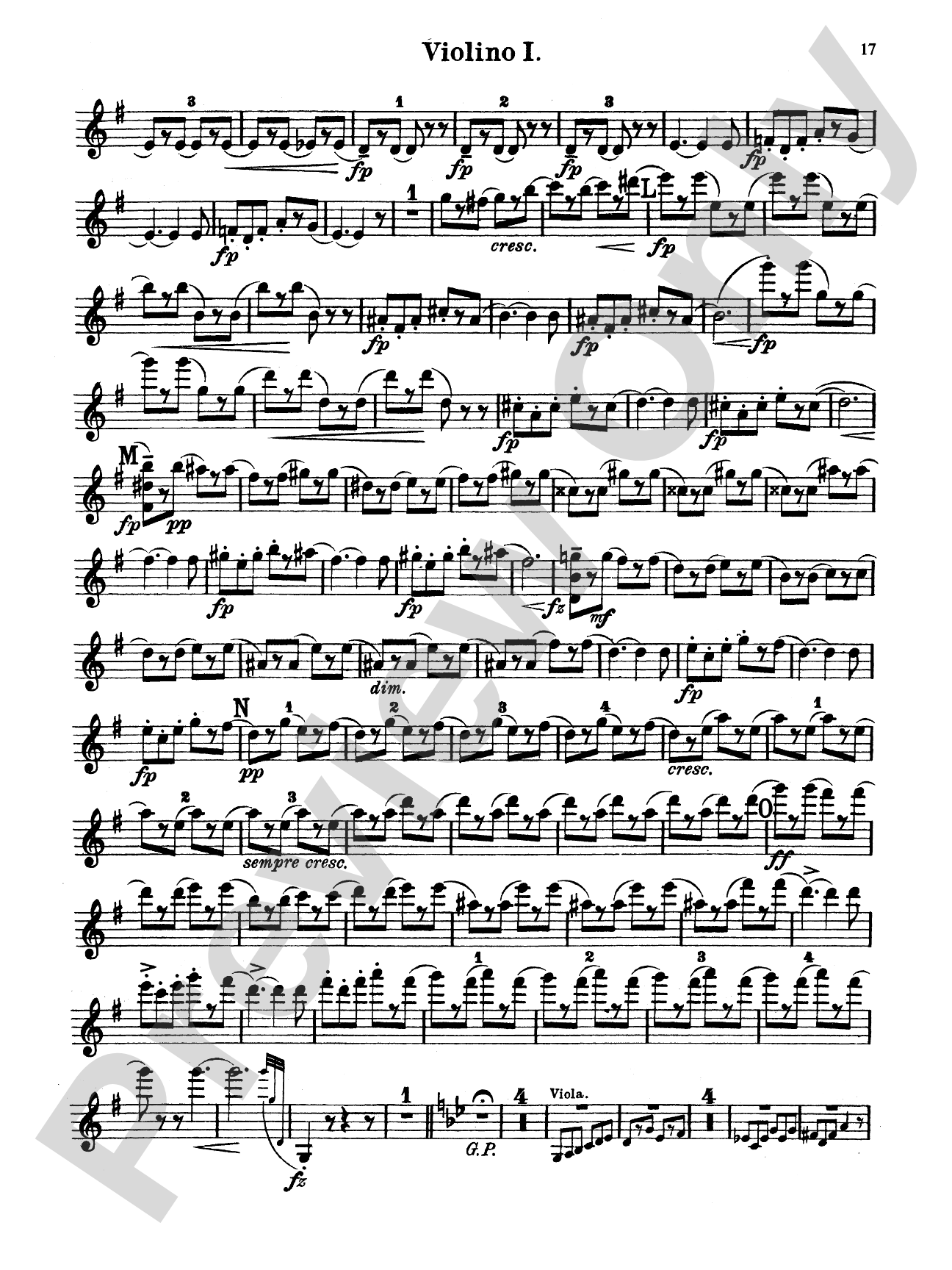
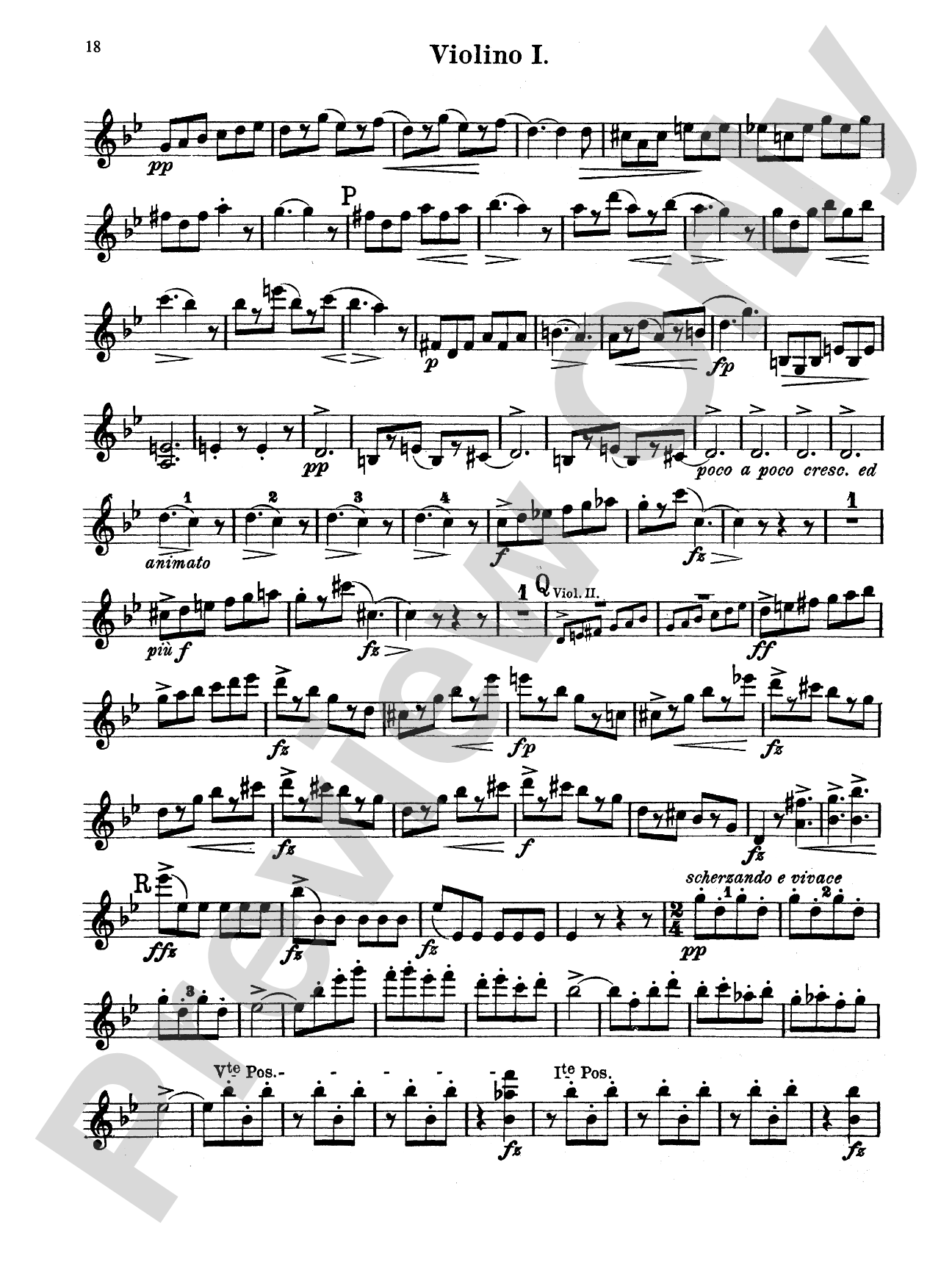
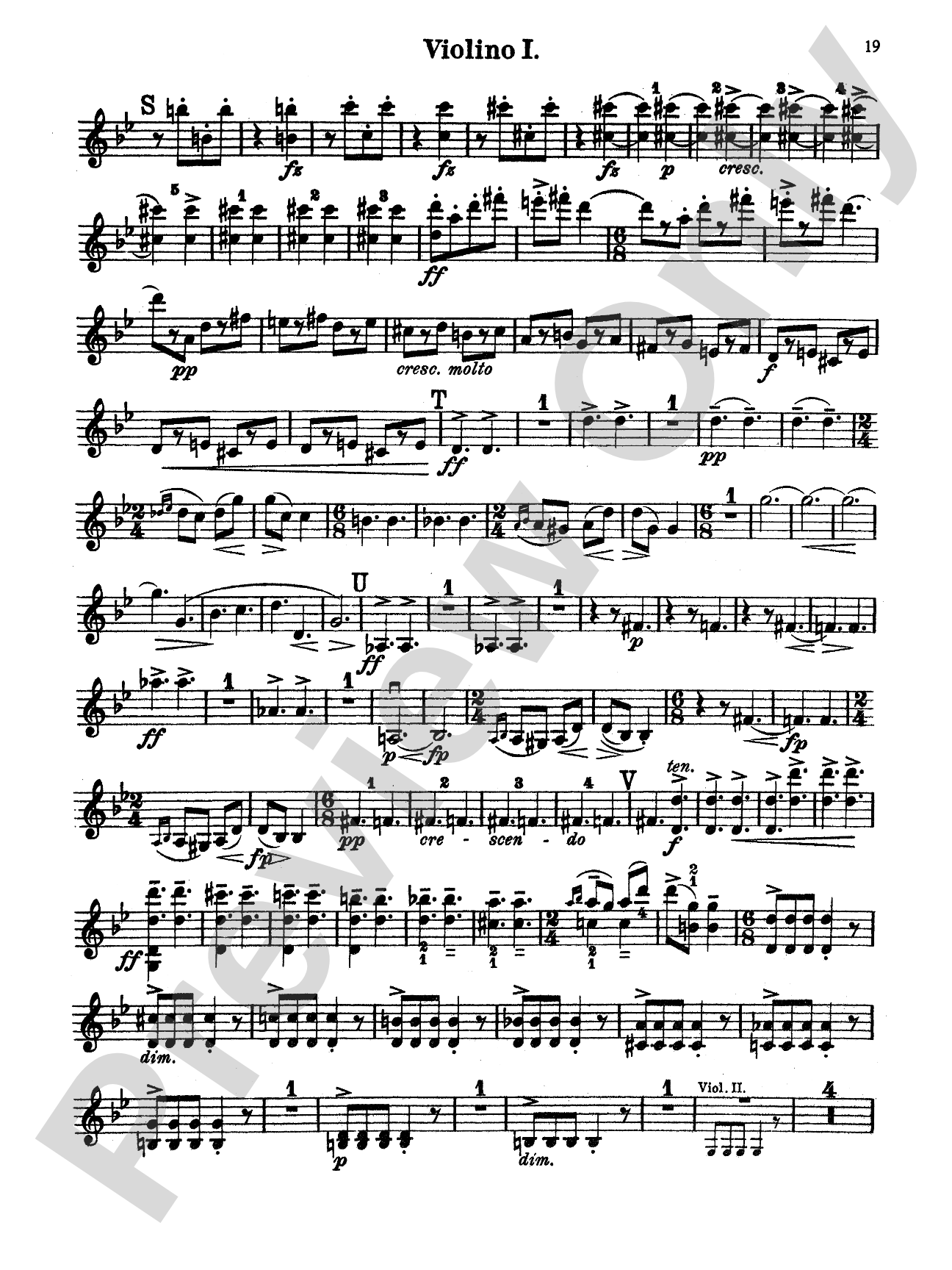
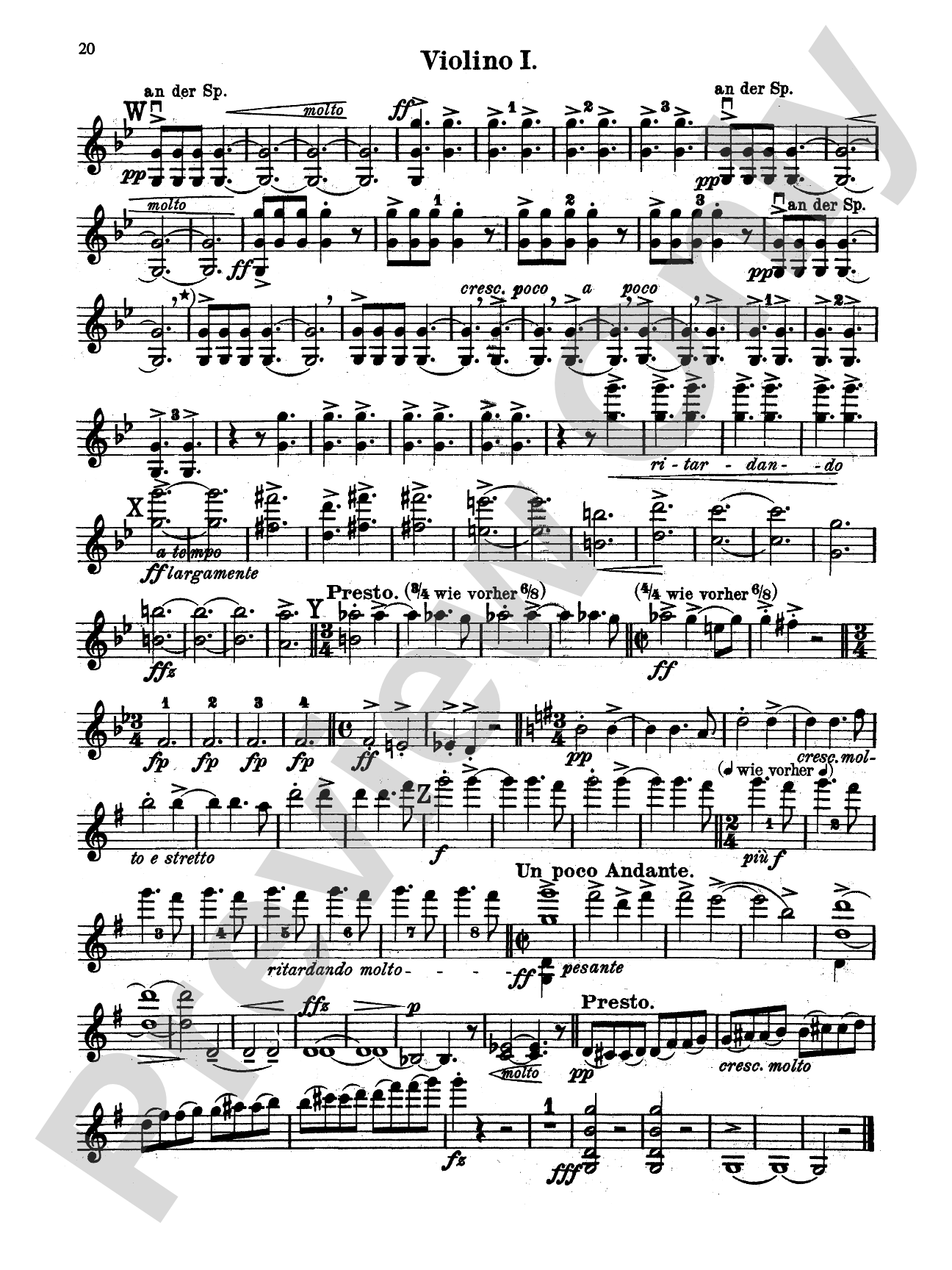

Grieg: String Quartet, Op. 27: String Quartet
By Edvard Grieg
Item: 00-PK-0003120

$14.99
Pickup currently not available
Buy Extra Parts (Digital PDF Download)
| Product | Price | Quantity |
|---|---|---|
| Grieg: String Quartet, Op. 27 | $2.99 | |
| Grieg: String Quartet, Op. 27 | $2.99 | |
| Grieg: String Quartet, Op. 27 | $2.99 | |
| Grieg: String Quartet, Op. 27 | $2.99 |
Parts Added to Cart!
Related Items
String Quartet, Opus 27: String Quartet |
$14.95
|
View |
Description


Don't just read it, hear it, play along with it, and watch your students grow with it. In MakeMusic Cloud, Grieg: String Quartet, Op. 27: String Quartet comes alive with professional accompaniment, adjustable tempo, and built-in practice tools that turn solo practice into real progress.
Open in the Player
Jump straight in and assign it today.
Start Your Free Trial
Open this title and explore the full library in minutes.
Sample Audio
No sample audio found.
Sample Video
No sample videos found.
Additional Details
Series:
Kalmus Edition
Publisher:
Alfred Music
Page Count:
76
SKU:
00-PK-0003120
More about this title
About the Composer: Edvard Grieg
Edvard Grieg (1843-1907) stands as Norway's most celebrated composer, establishing a distinct musical voice rooted in Scandinavian folk traditions while engaging fully with the harmonic language of German Romanticism. His chamber works, particularly his string quartets, showcase his gift for lyrical melody and inventive use of modal inflection, creating music that feels both intimate and architecturally substantial.
Greig's compositional legacy centers on his ability to elevate folk material without resorting to quotation. He taught students across Europe and contributed significantly to the repertoire for piano, voice, and small ensembles. His chamber music remains fundamental to string quartet curricula and concert programming.
Why we love this
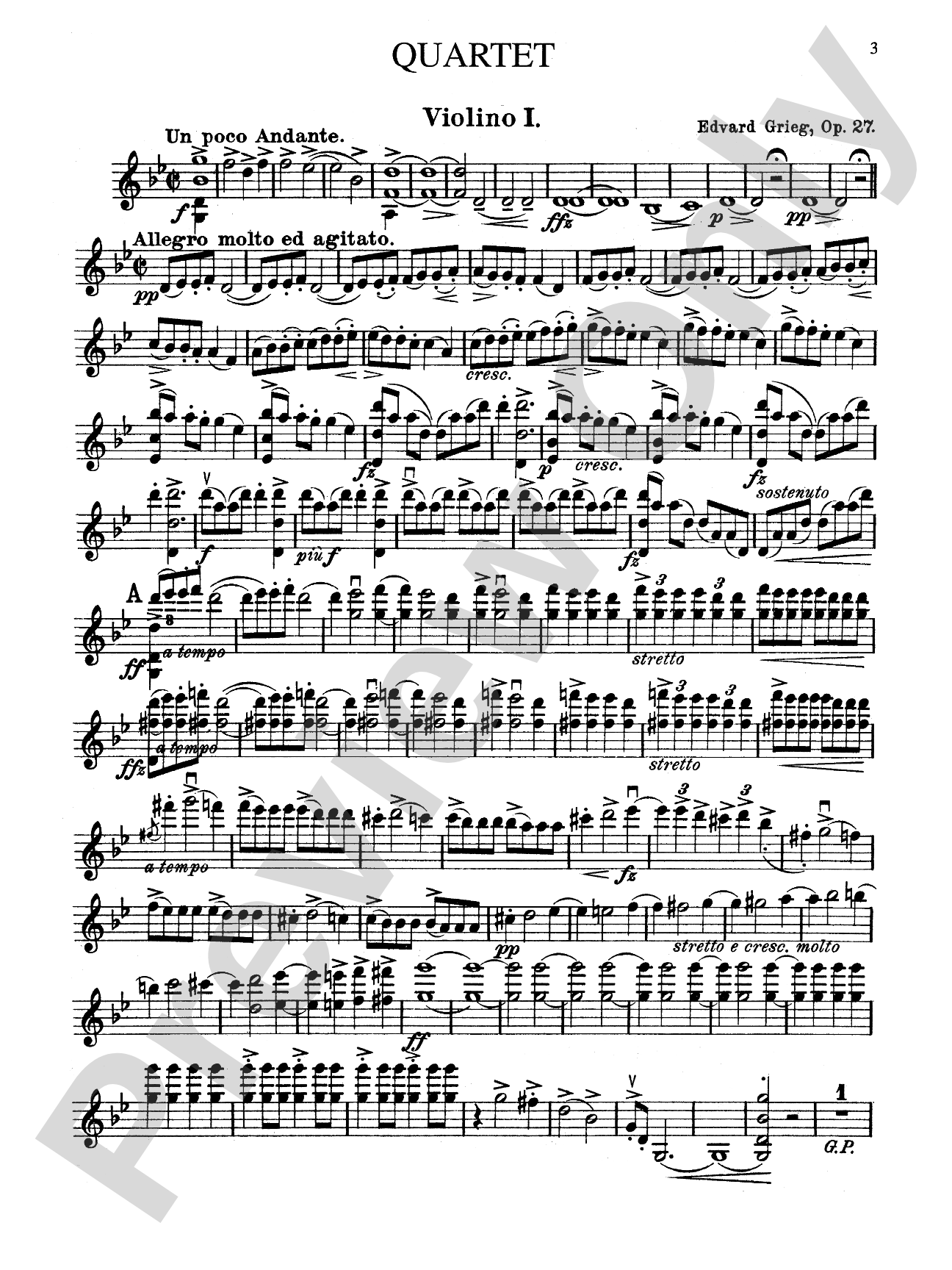
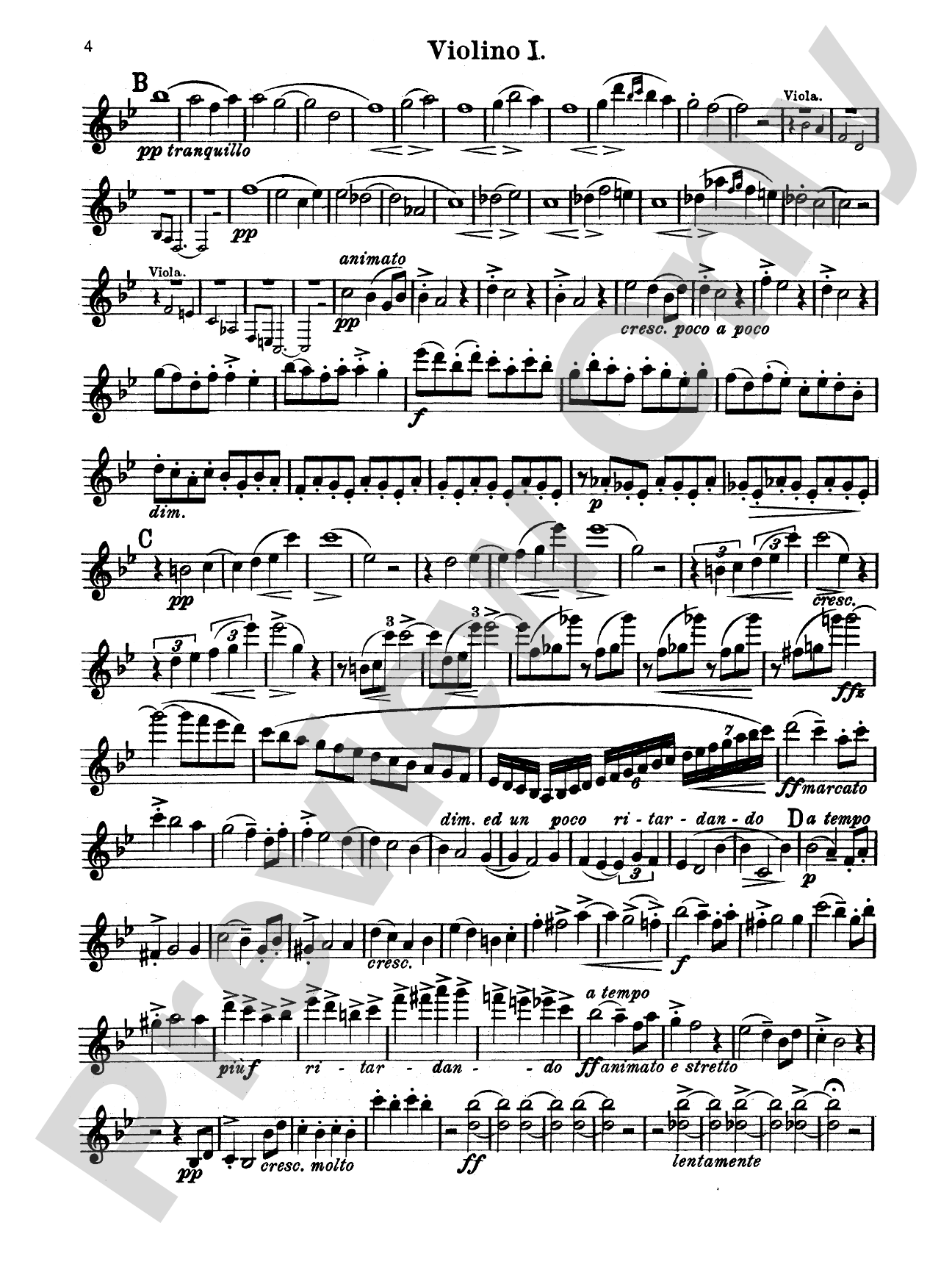
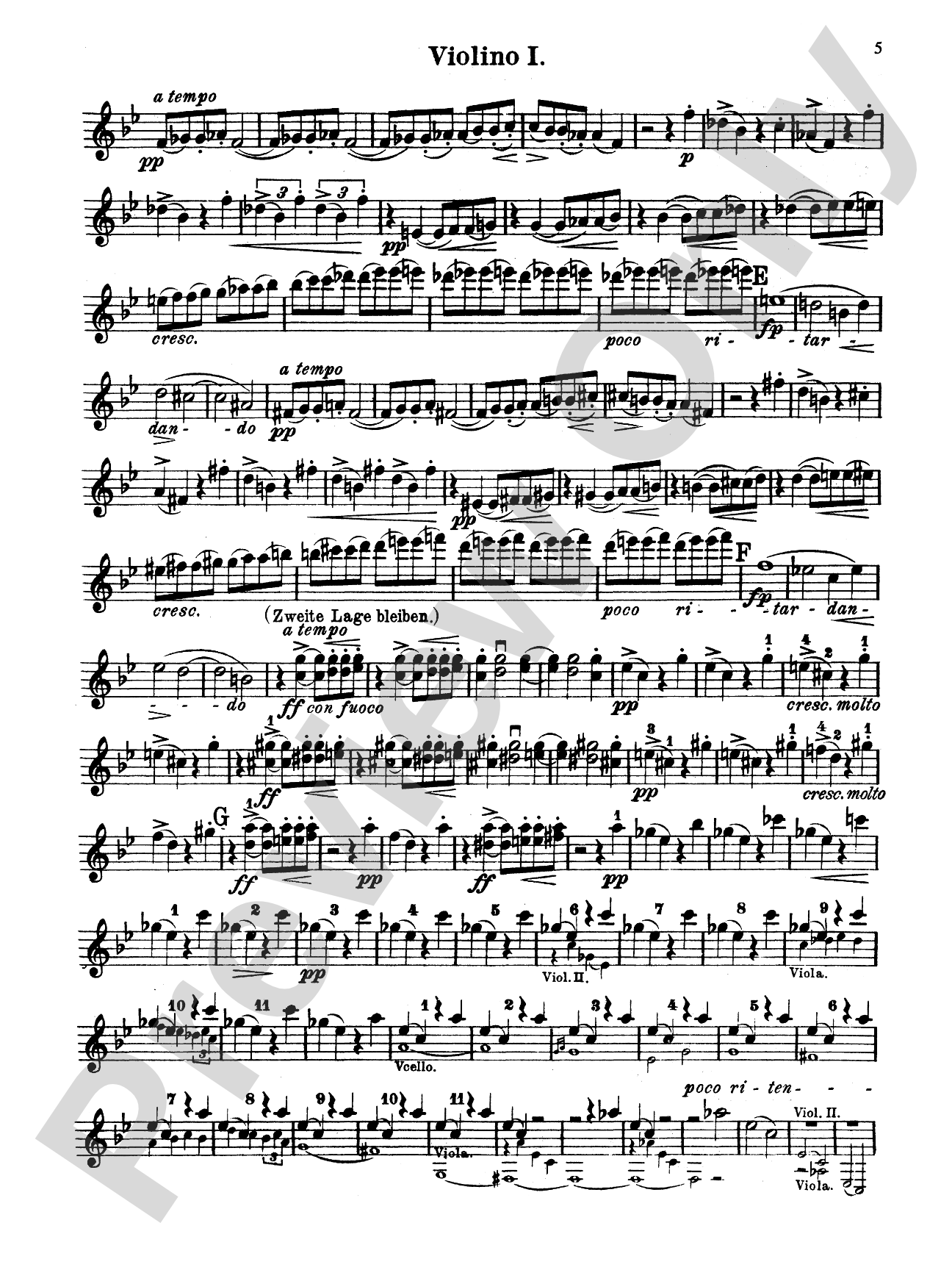
Op. 27 is Grieg's only string quartet, which alone makes it essential repertoire for groups ready to engage with Romantic chamber music at concert level. The score balances technical demands with lyrical writing that rewards careful ensemble work, and its substantial length (76 pages) provides the depth needed for festival and competition contexts. Chamber musicians treasure this work because it requires genuine listening and musical maturity while offering genuine rewards in performance.
What to expect
Grieg's quartet exudes Nordic lyricism infused with Romantic passion and architectural ambition. The opening movement unfolds with singing melodic lines and rich harmonic color; the inner movements offer introspection and dance-like energy; the finale builds to a grand, forceful conclusion that demands both technical command and musical conviction.
Who it's for
String quartets pursuing advanced Romantic repertoire for recitals, competitions, or festival performances will find this work both challenging and deeply rewarding. This quartet suits groups with solid intonation, rhythmic precision, and the ability to balance individual voices within an ensemble texture.
How to get the most out of it
- Attend carefully to the harmonic language in the opening movement. Grieg uses modal mixture and chromatic voice leading that can blur traditional tonal centers if ensemble intonation isn't precise. Mark potential trouble spots in rehearsal and isolate them.
- Balance textural clarity with the romantic richness of the writing. Avoid over-pedaling the sound; instead, use careful dynamic control and clean articulation to let Grieg's counterpoint emerge naturally.
- The outer movements contain substantial virtuosic passages that demand rhythmic lock between instruments. Use rehearsal markings to isolate fugal sections and complex rhythmic figures until they sit securely.
How to use it
Program this work alongside other chamber masterworks from the mid-Romantic period, or use it as the centerpiece of a concert devoted to Scandinavian composition. Its substantial length and demanding virtuosity make it ideal for a dedicated chamber concert rather than mixed programming.
Skills your students will build
- Reading complex harmonic language with chromatic voice leading and modal mixture
- Achieving intonation precision across extended harmonic progressions
- Balancing individual lines within dense four-part counterpoint
- Executing rapid scalar passages and arpeggio work at tempo
- Coordinating rhythmic entrances and articulation across the ensemble in fugal writing
- Sustaining ensemble cohesion through long-form sonata and variation structures