
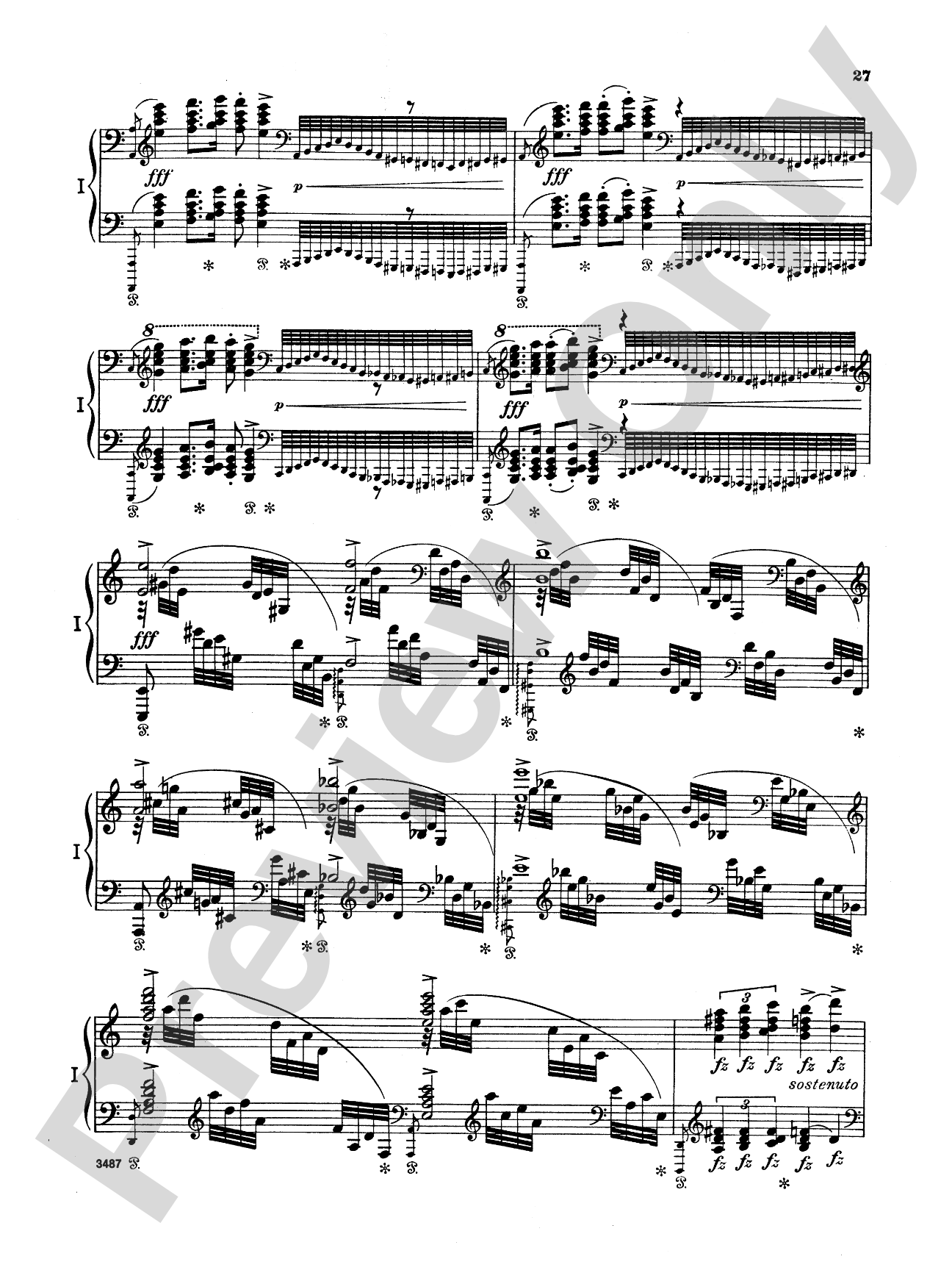
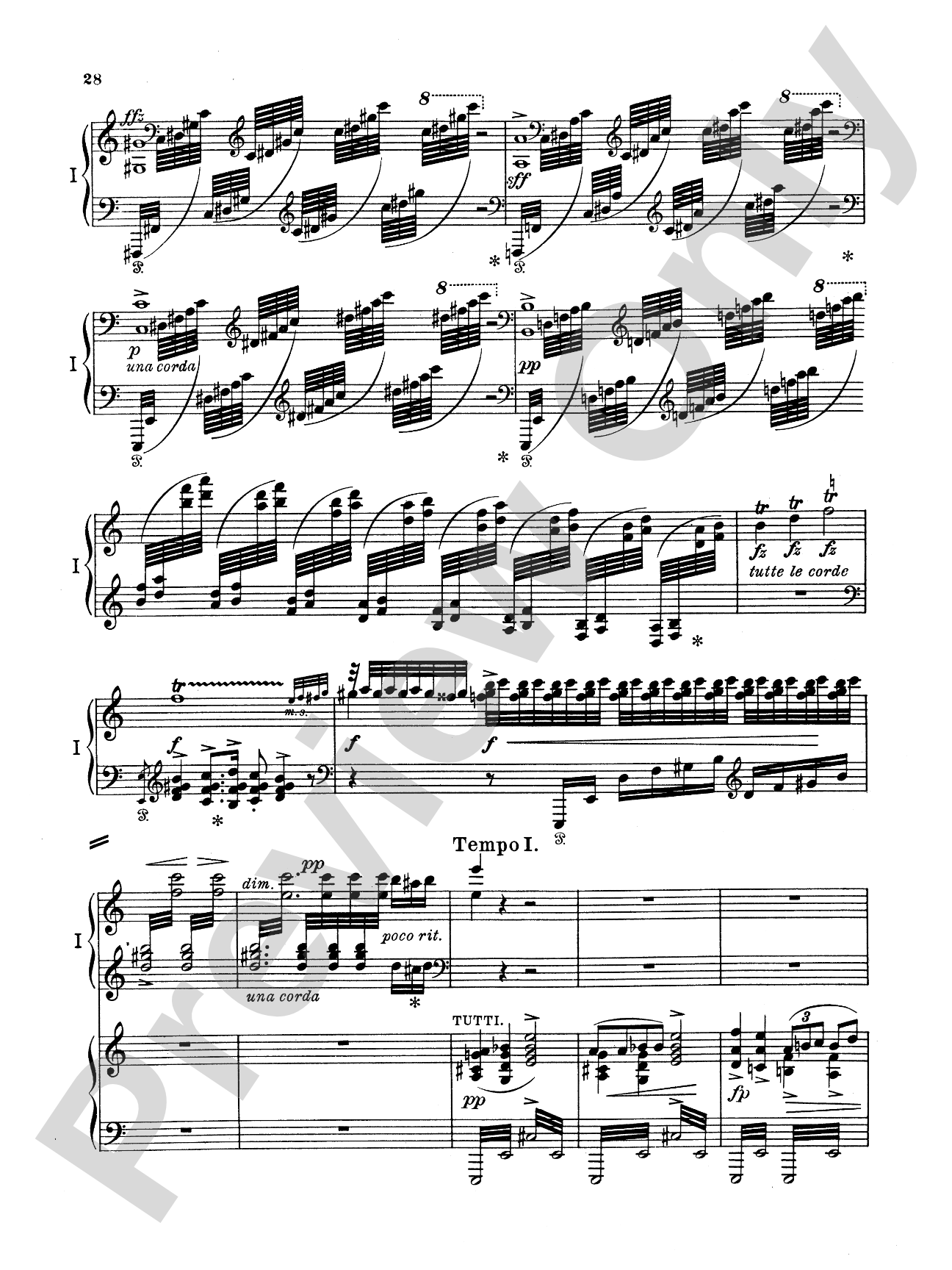
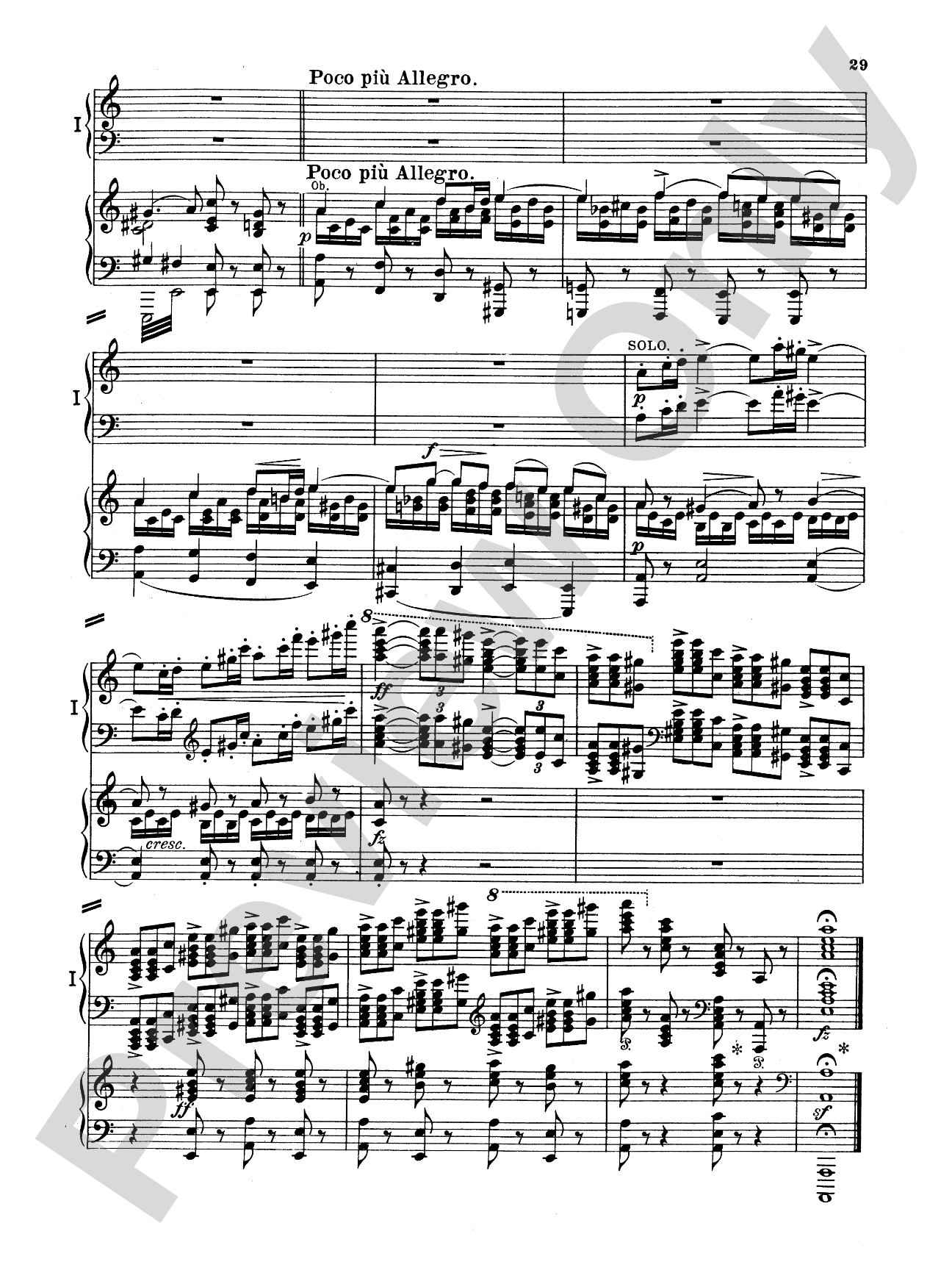

Grieg: Piano Concerto in A Minor, Op. 16: Piano Duo (2 Pianos, 4 Hands) Book (2 copies required)
By Edvard Grieg
Level: Advanced
Item: 00-PK-0003119

$12.99
Pickup currently not available
Buy Extra Parts (Digital PDF Download)
| Product | Price | Quantity |
|---|---|---|
| Grieg: Piano Concerto in A Minor, Op. 16 | $3.95 | |
| Grieg: Piano Concerto in A Minor, Op. 16 | $3.99 | |
| Grieg: Piano Concerto in A Minor, Op. 16 | $3.95 |
Parts Added to Cart!
Related Items
Piano Concerto in A Minor, Opus 16: Piano Duo (2 Pianos, 4 Hands) Book (2 copies required) |
$12.95
|
View |
Description
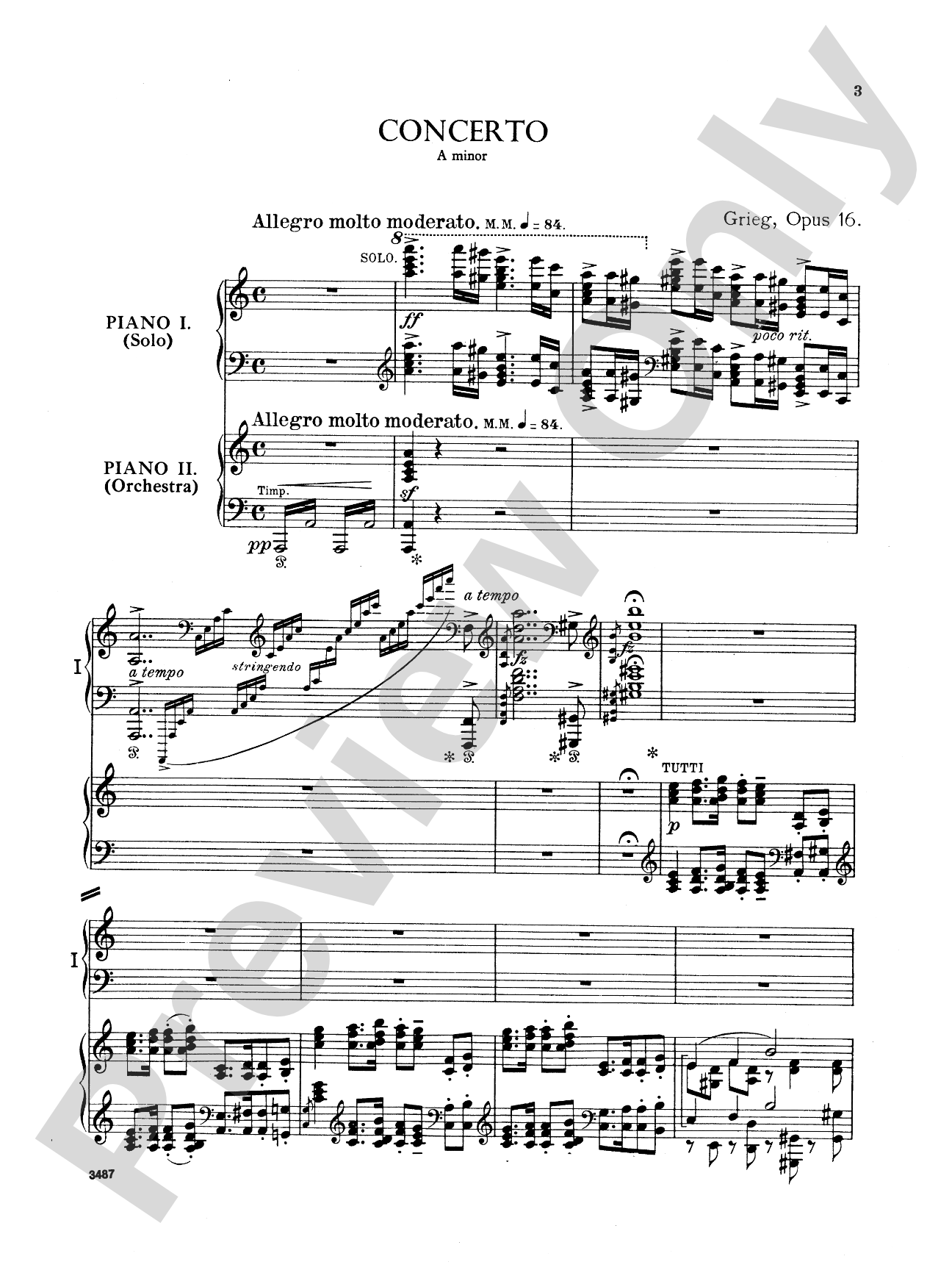
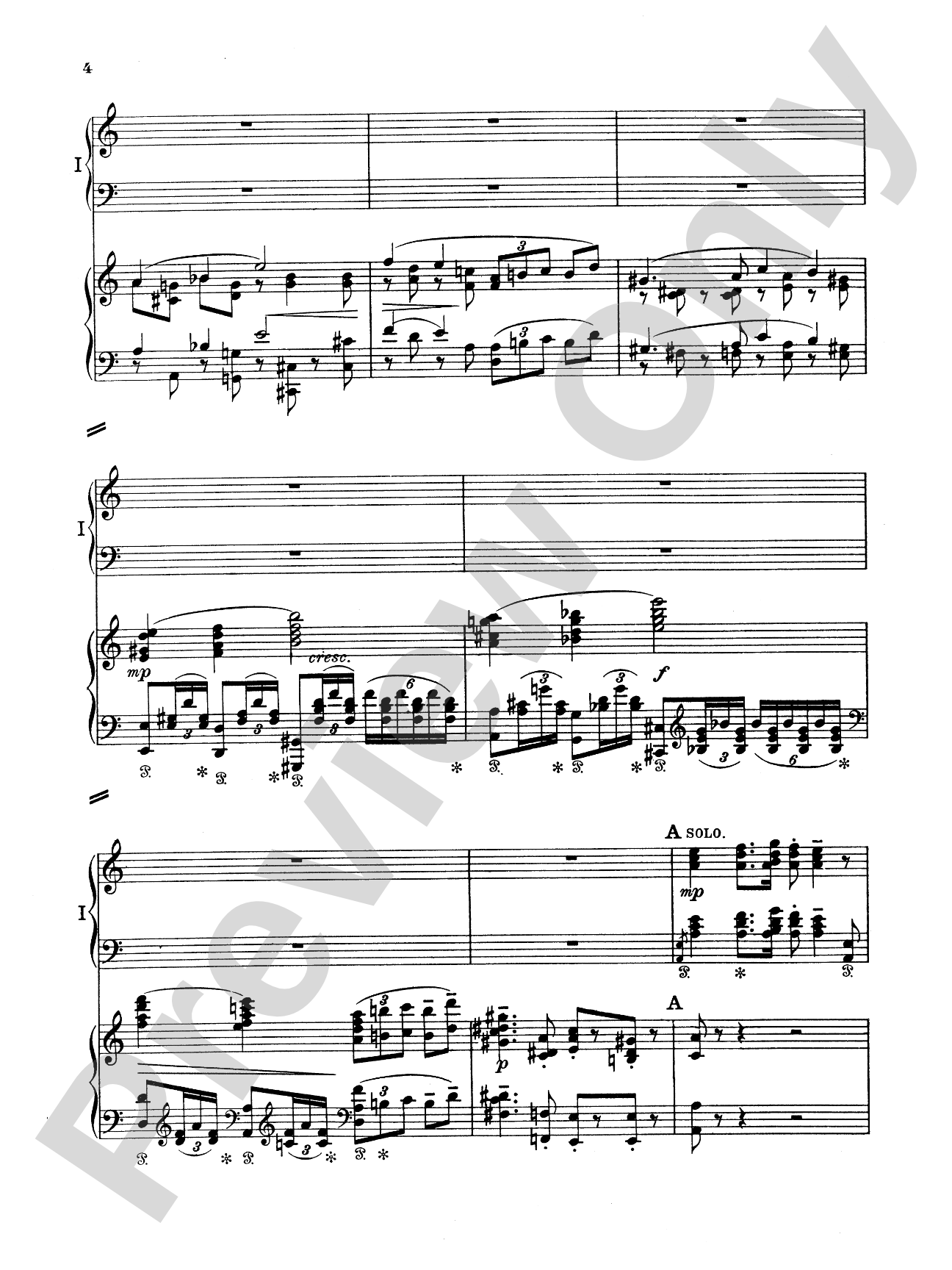
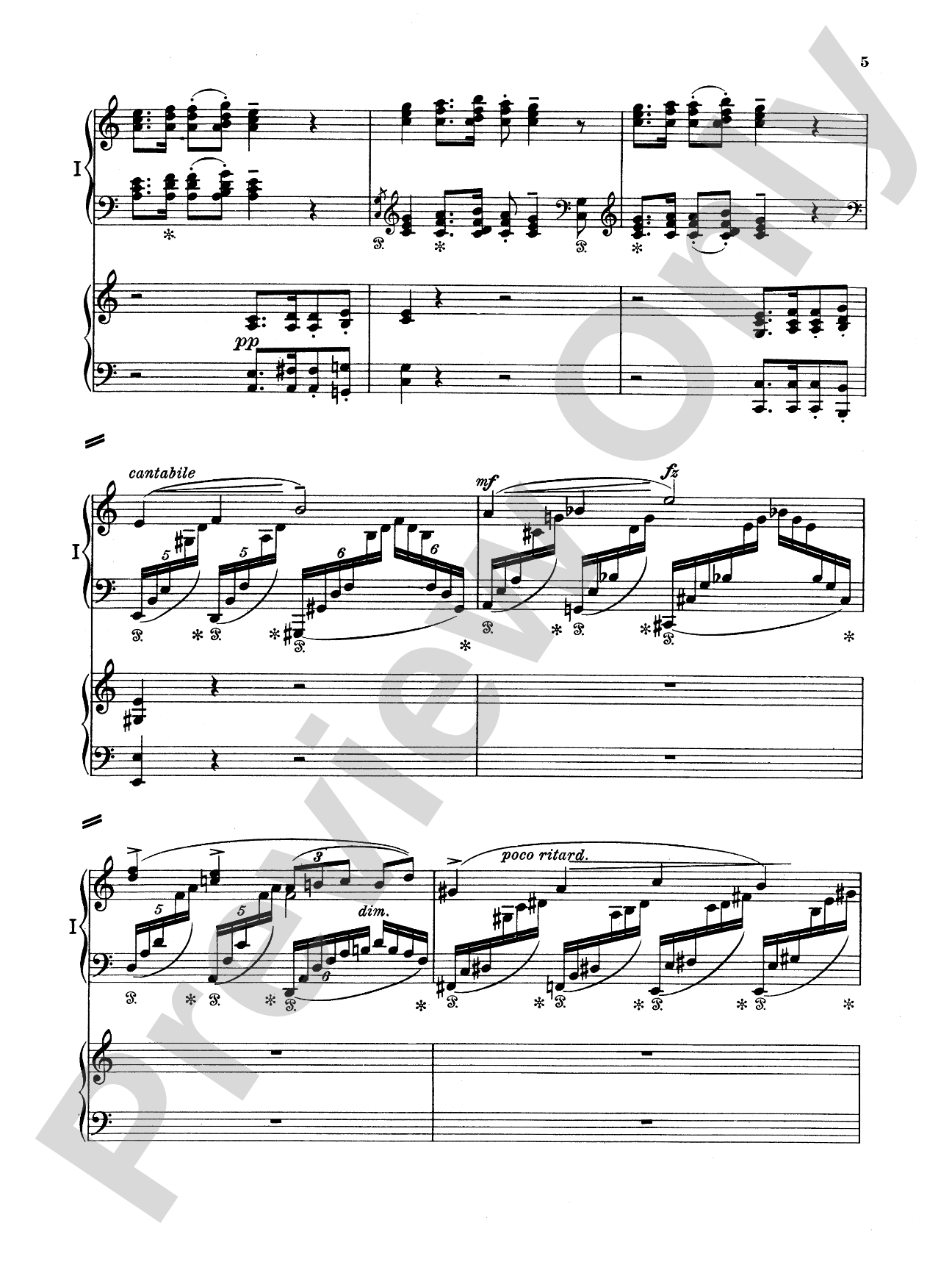
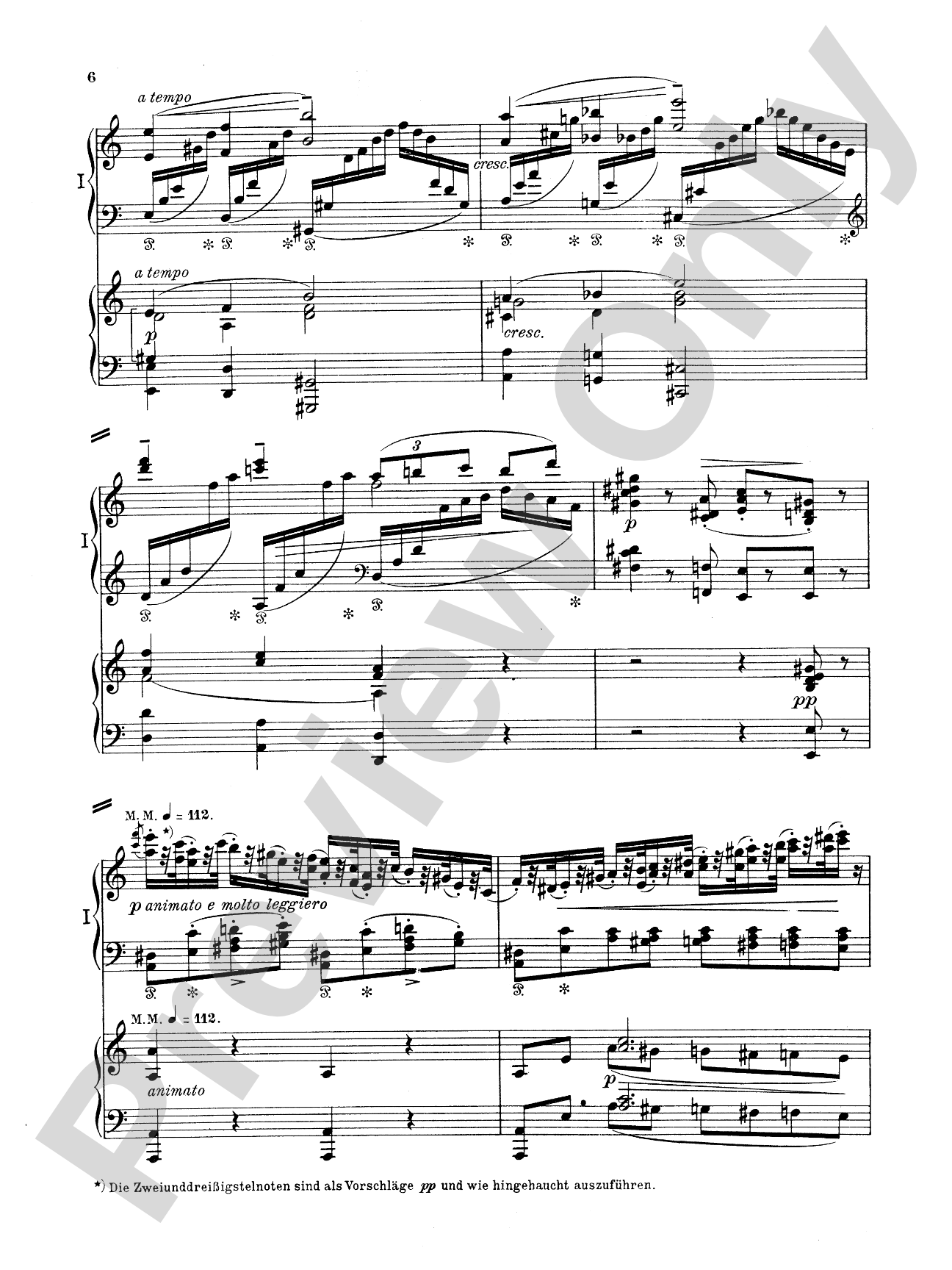
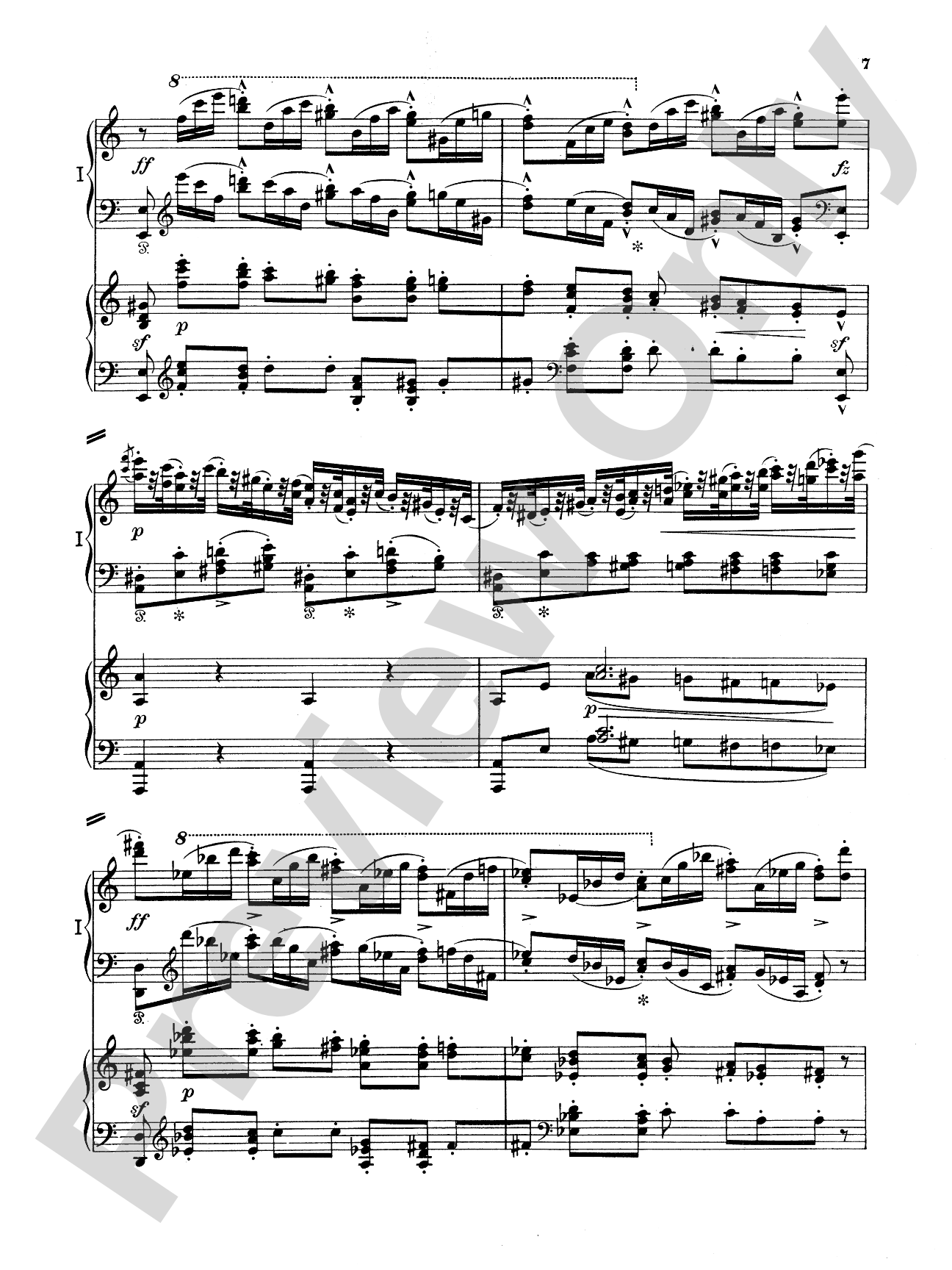
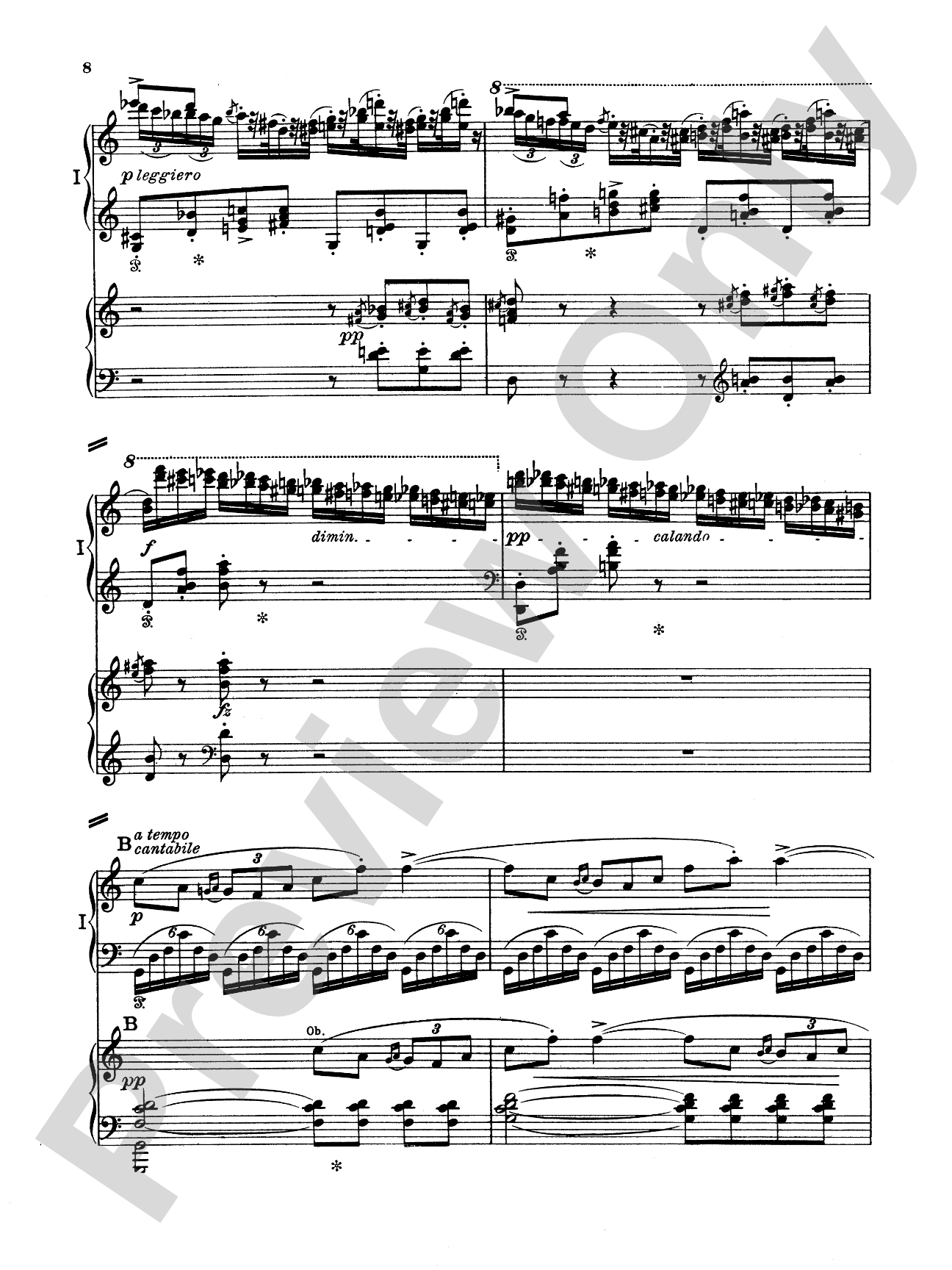
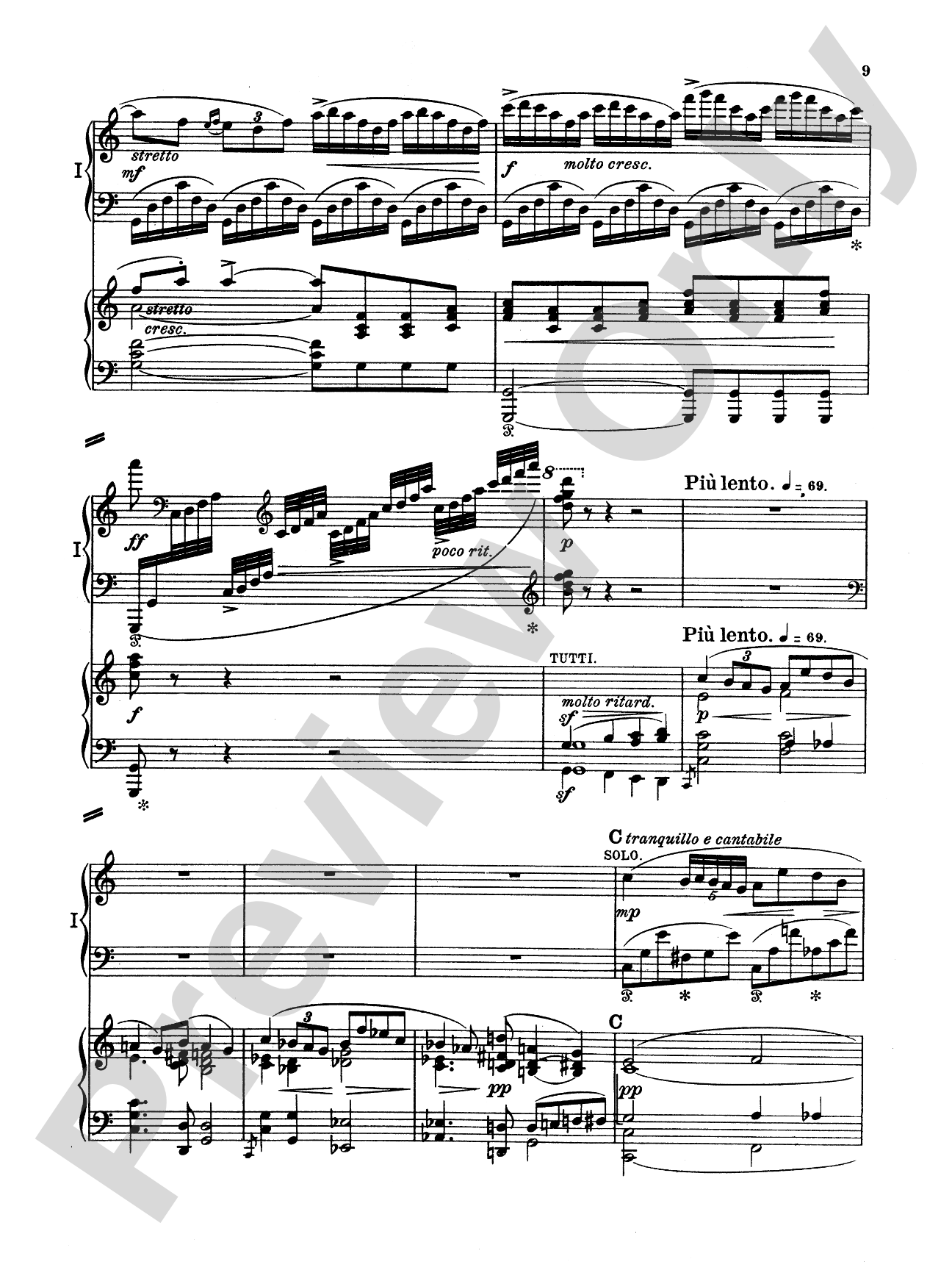
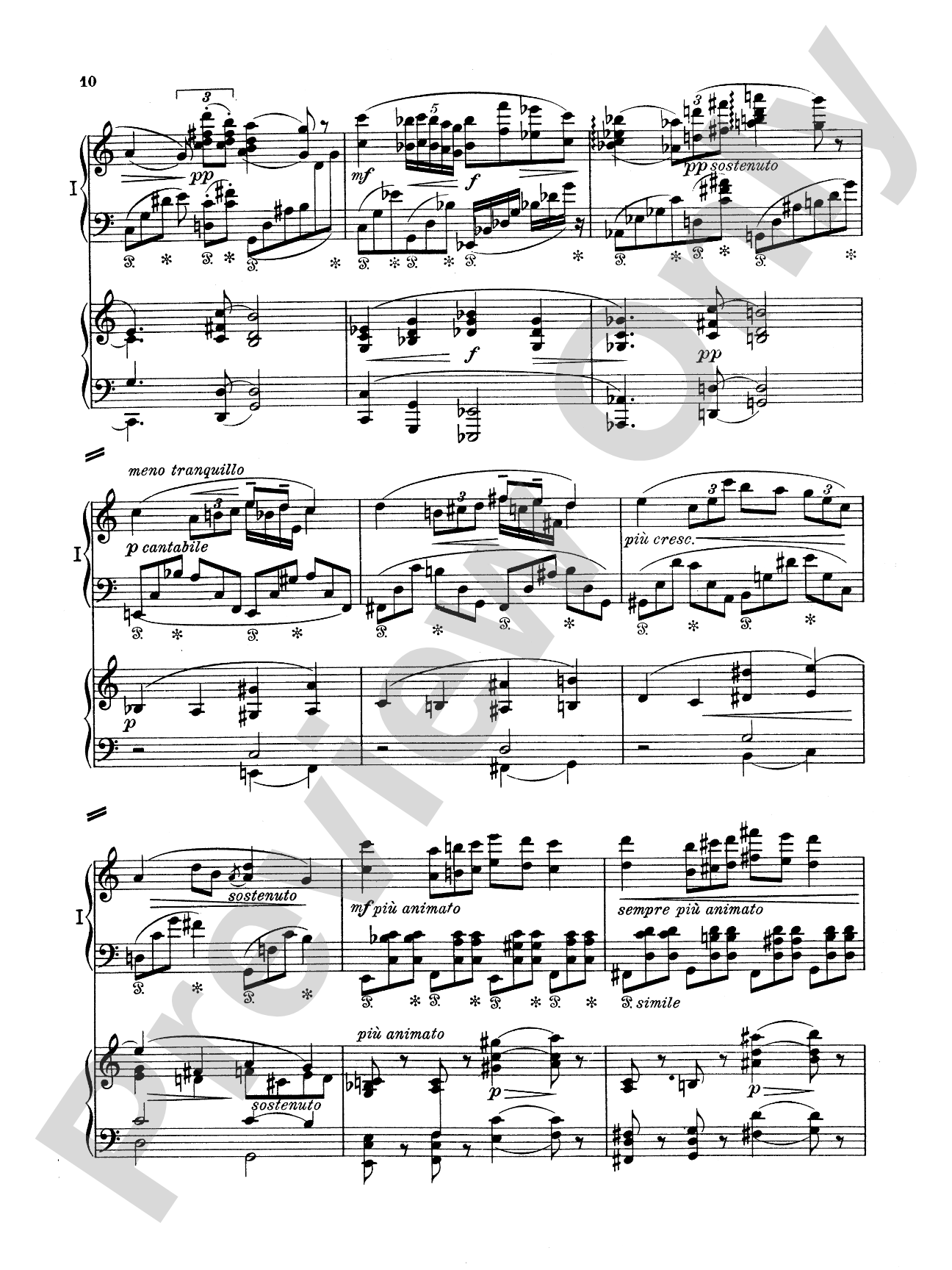
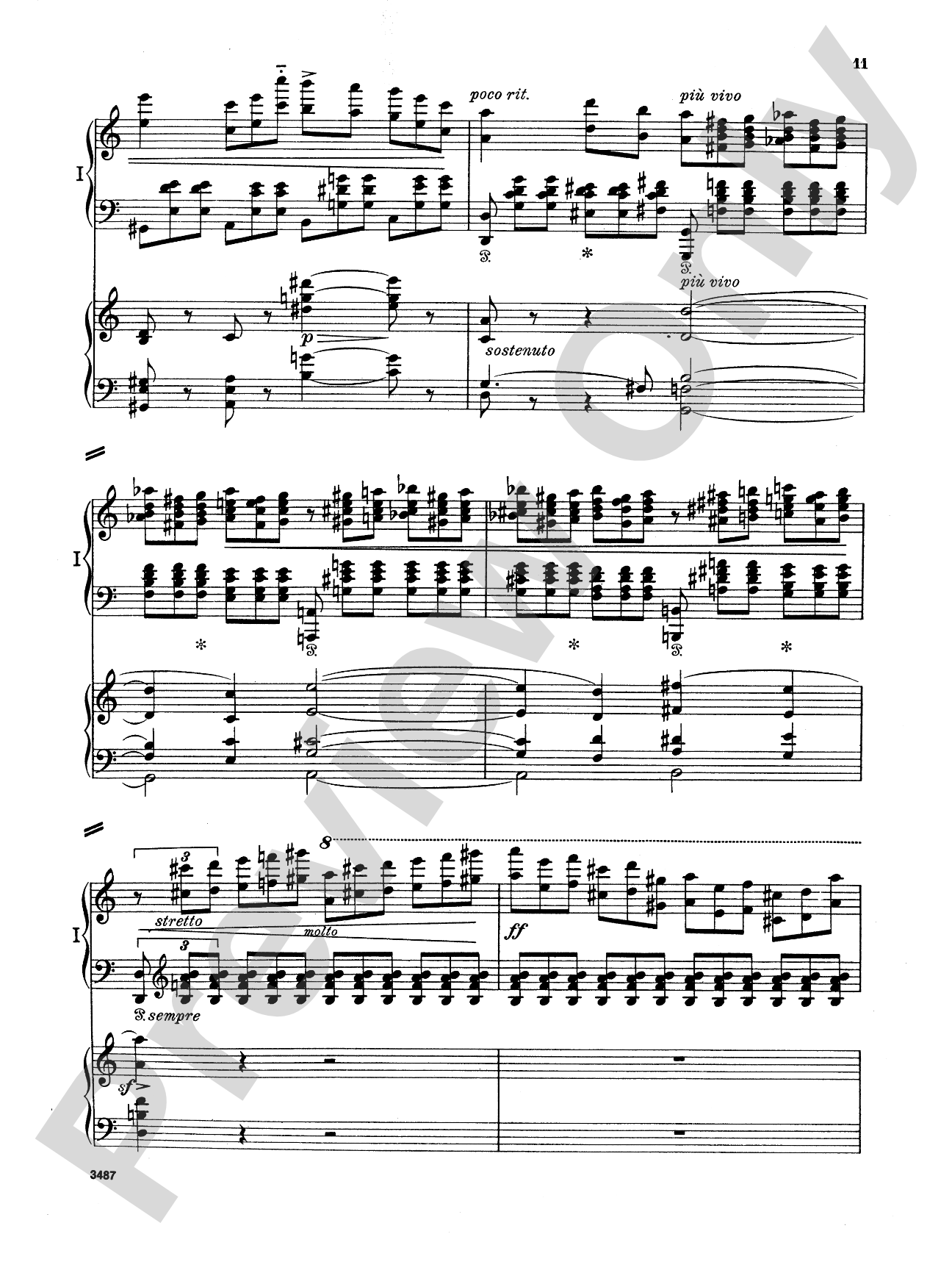
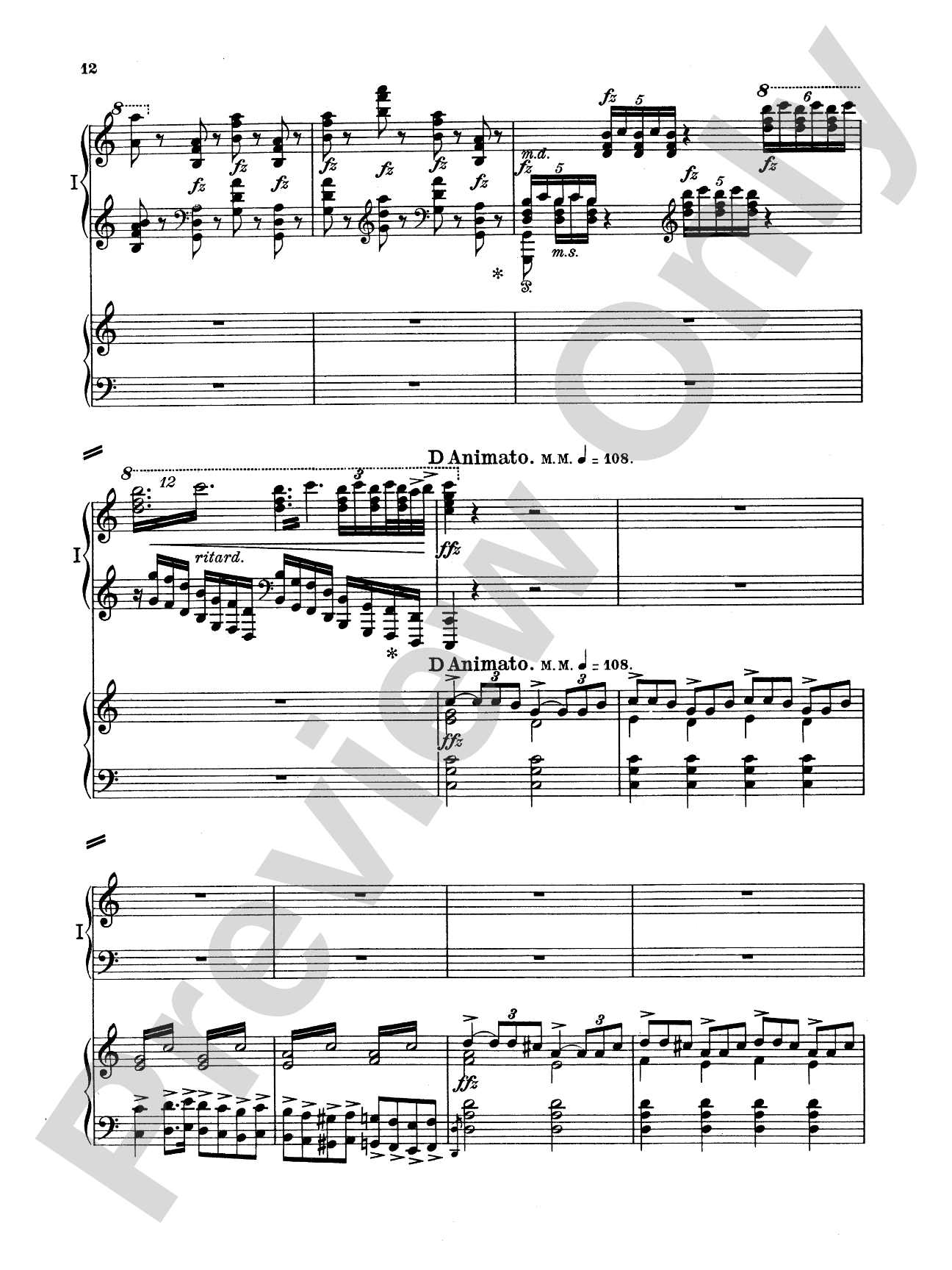
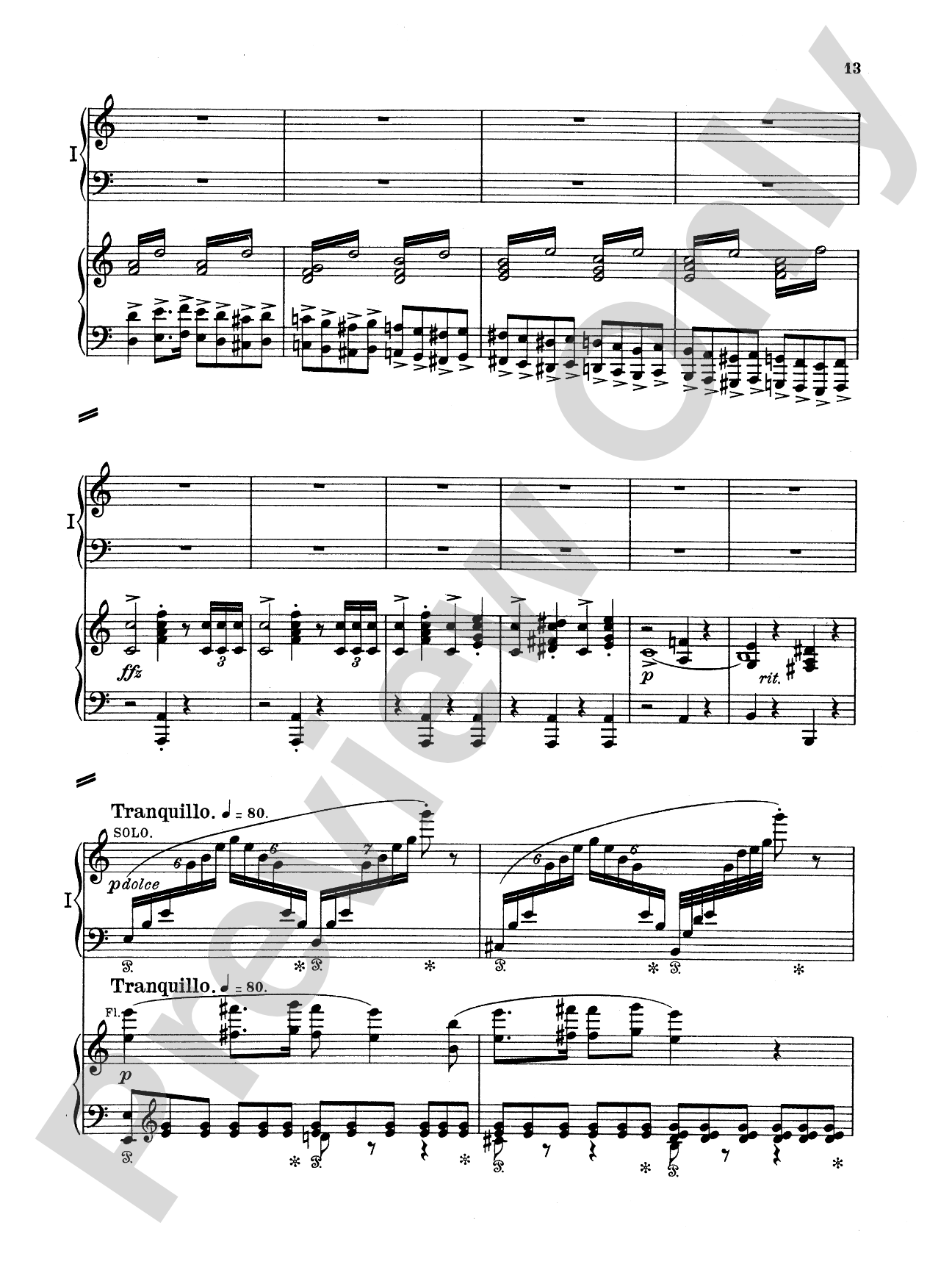
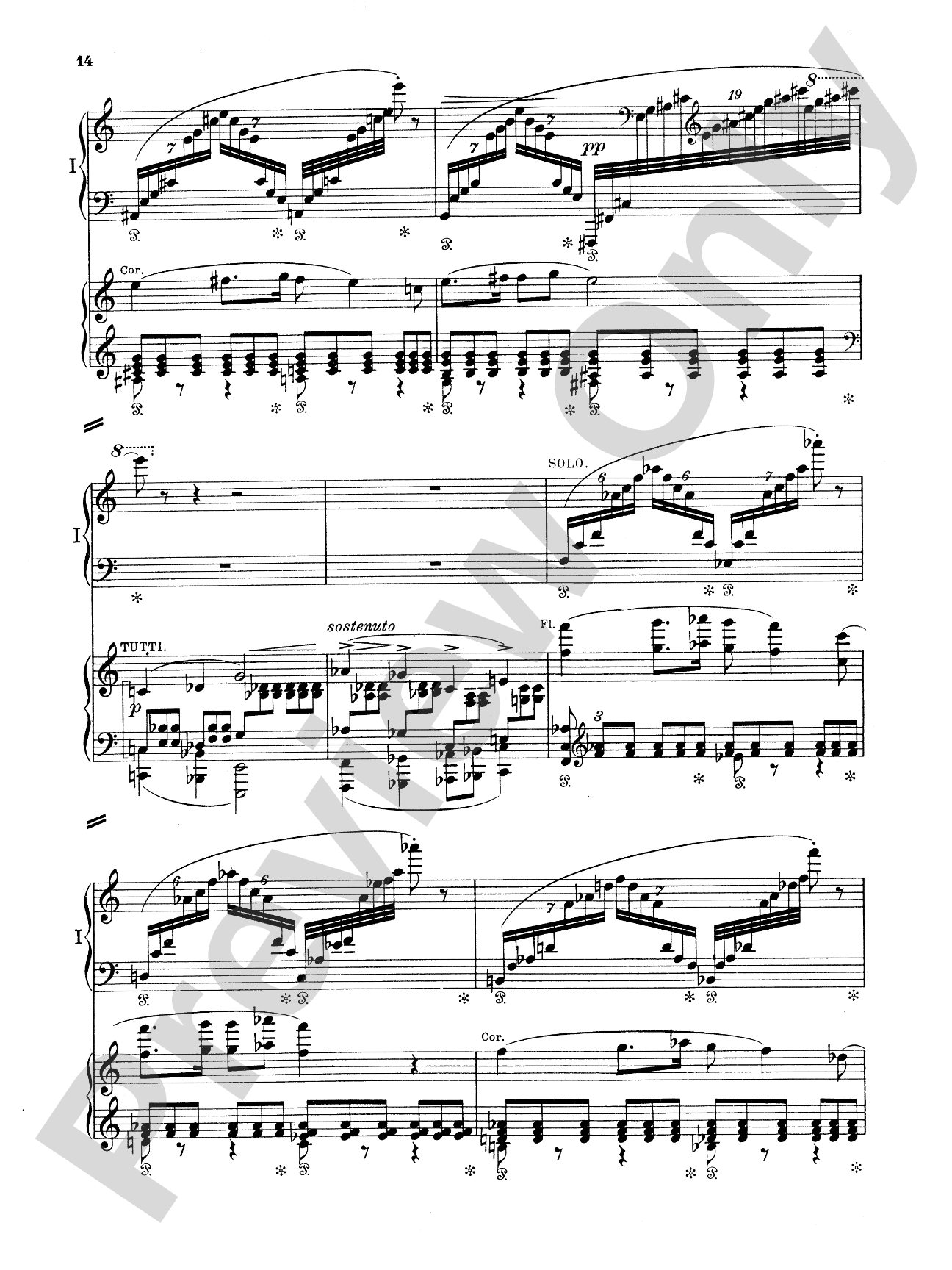
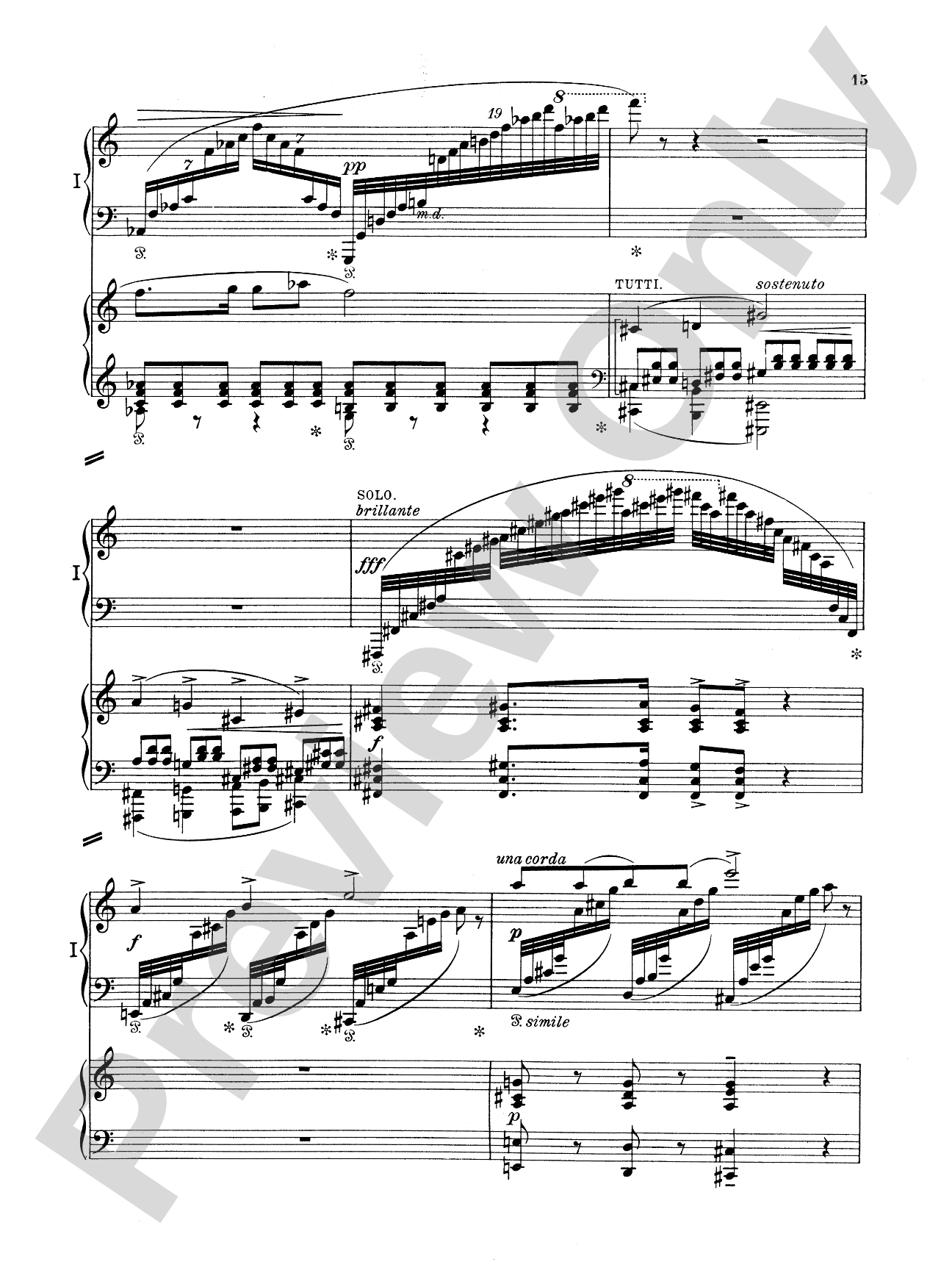
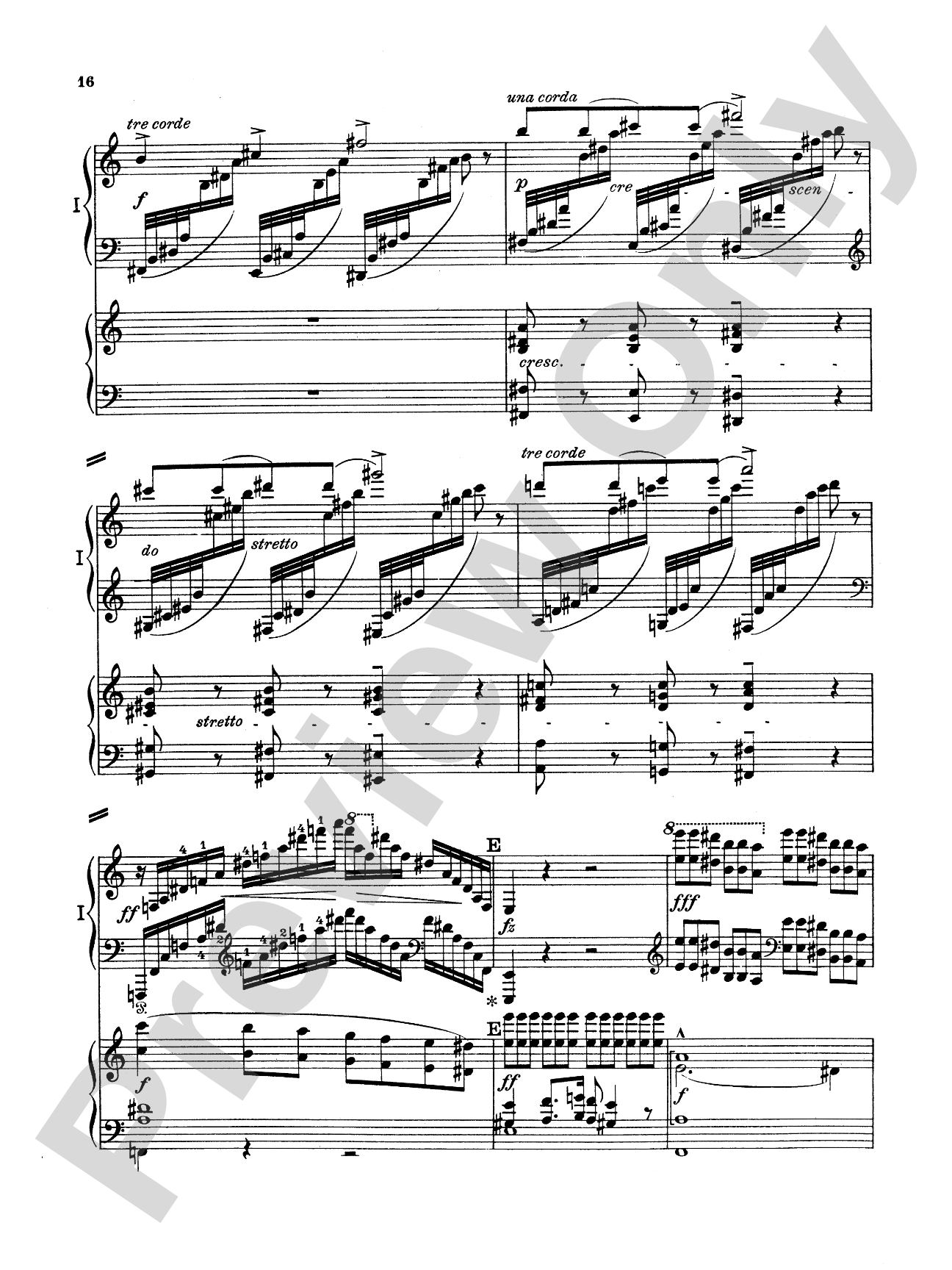
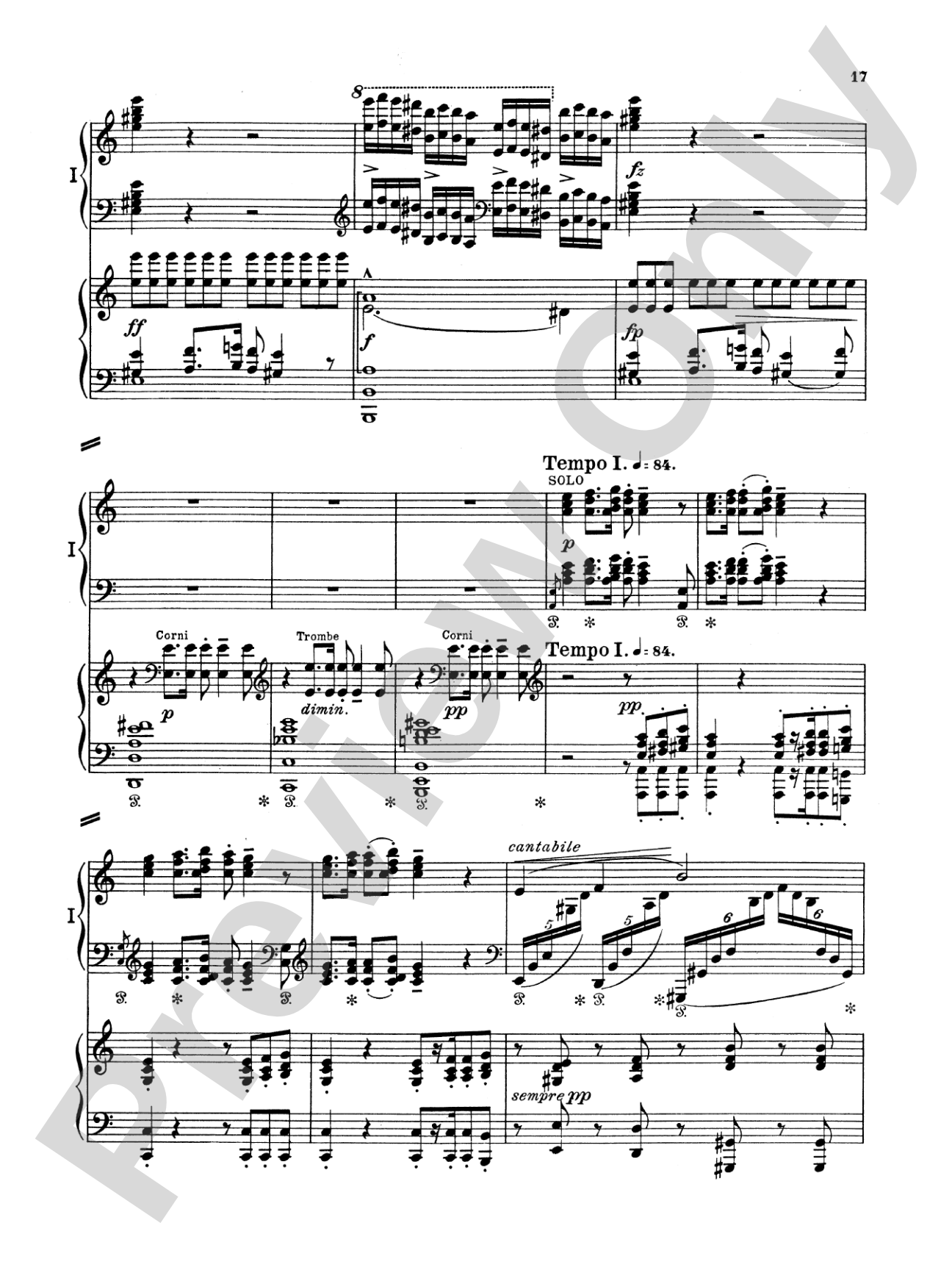
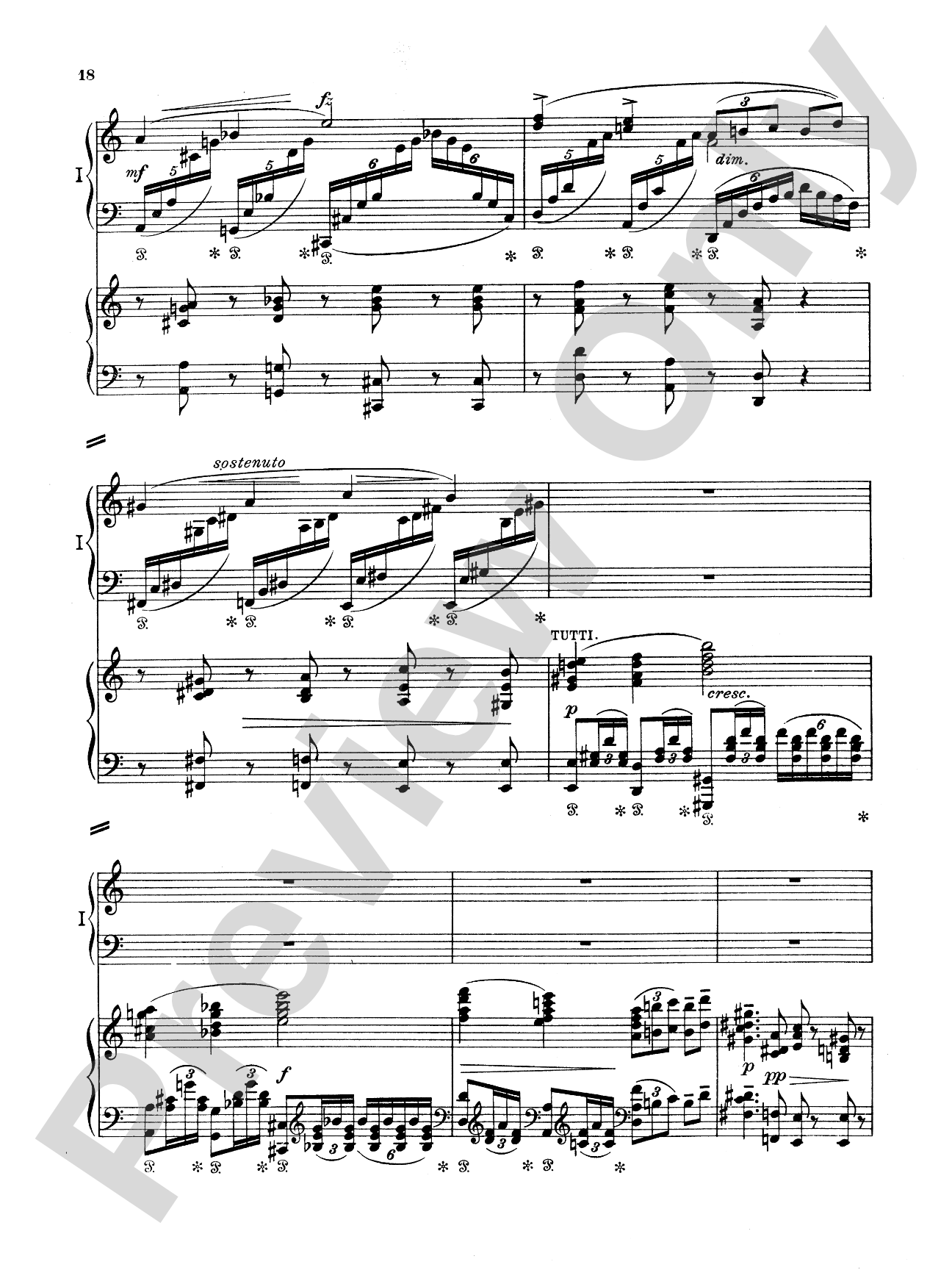
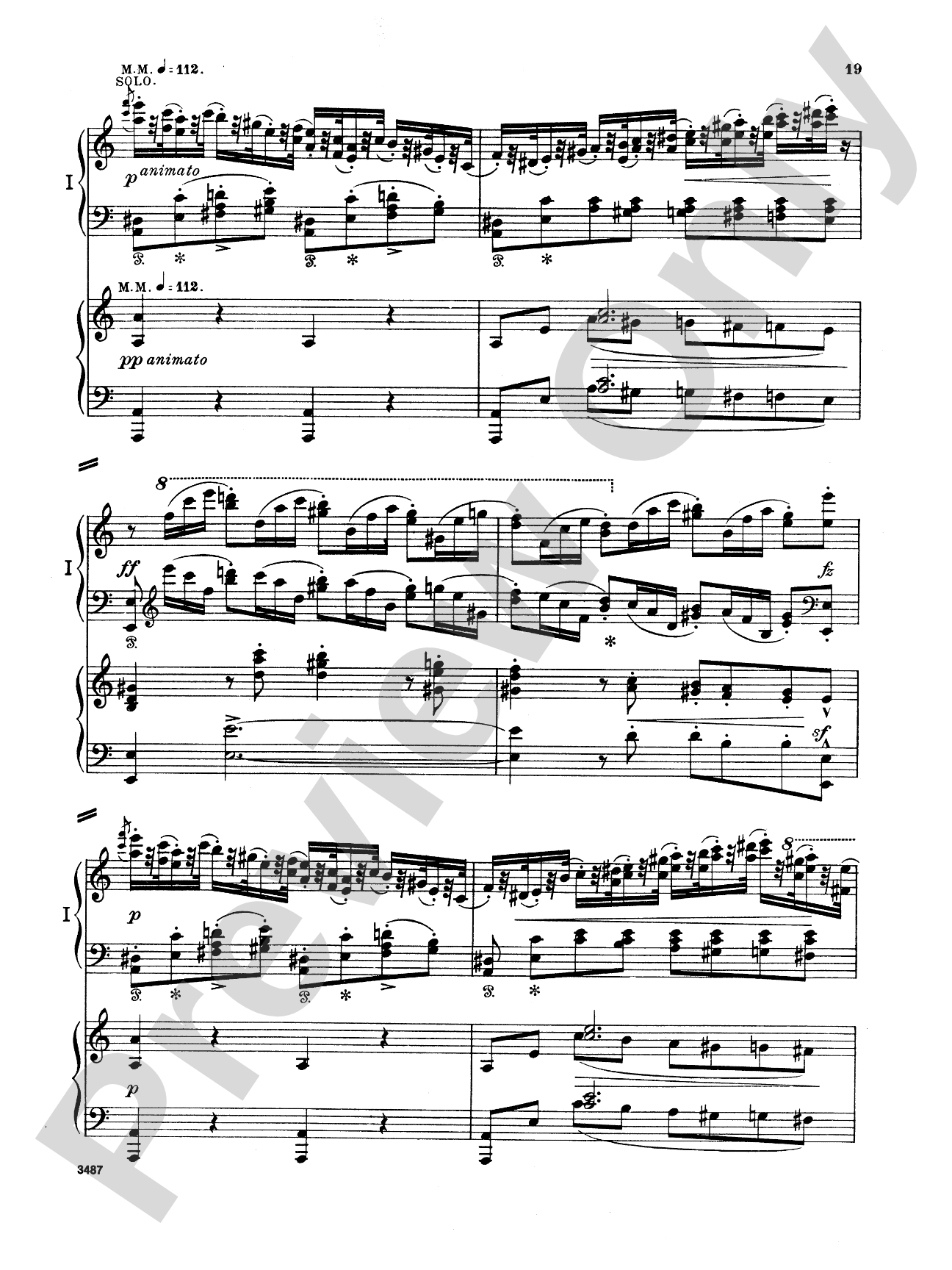
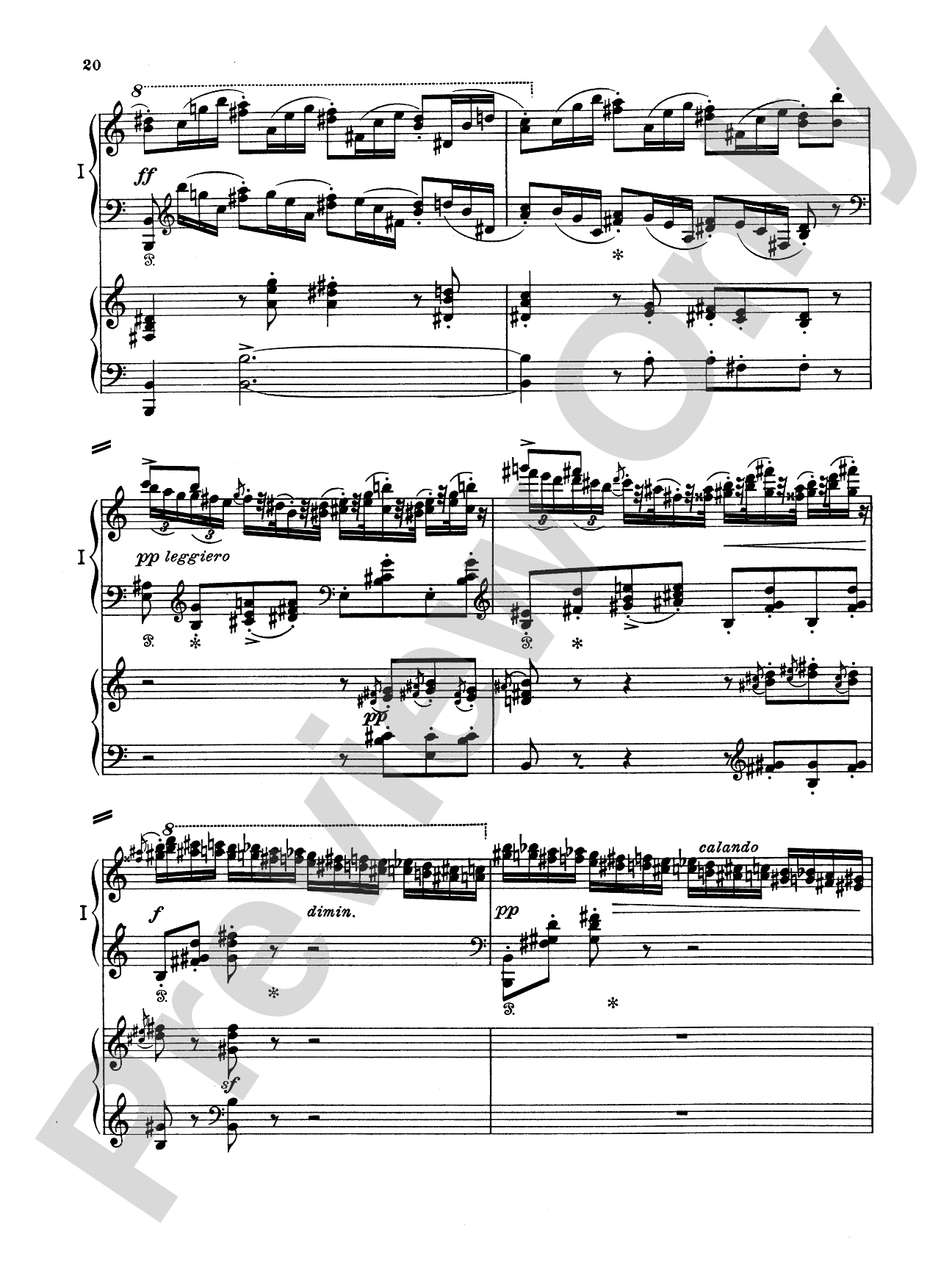
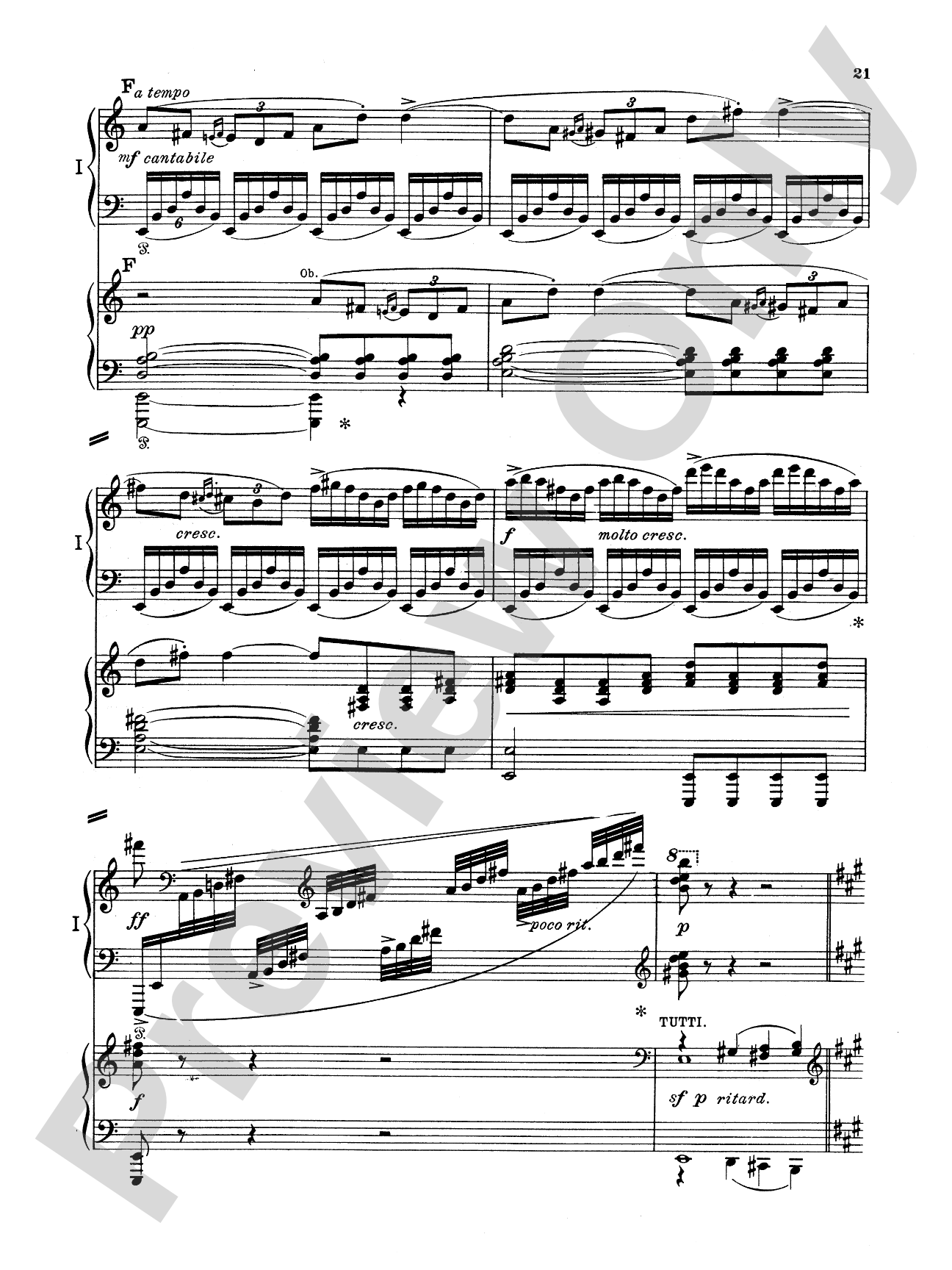
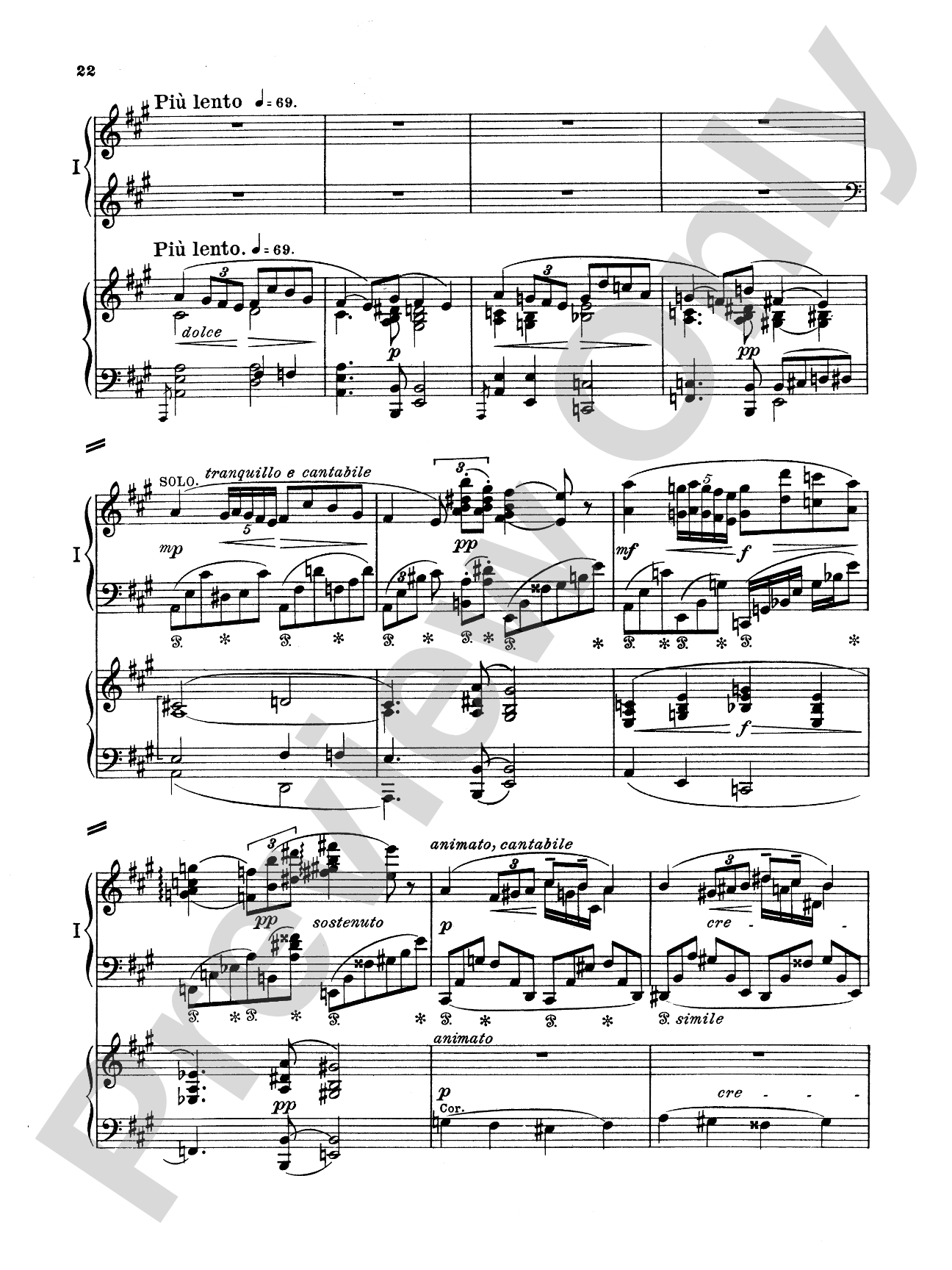
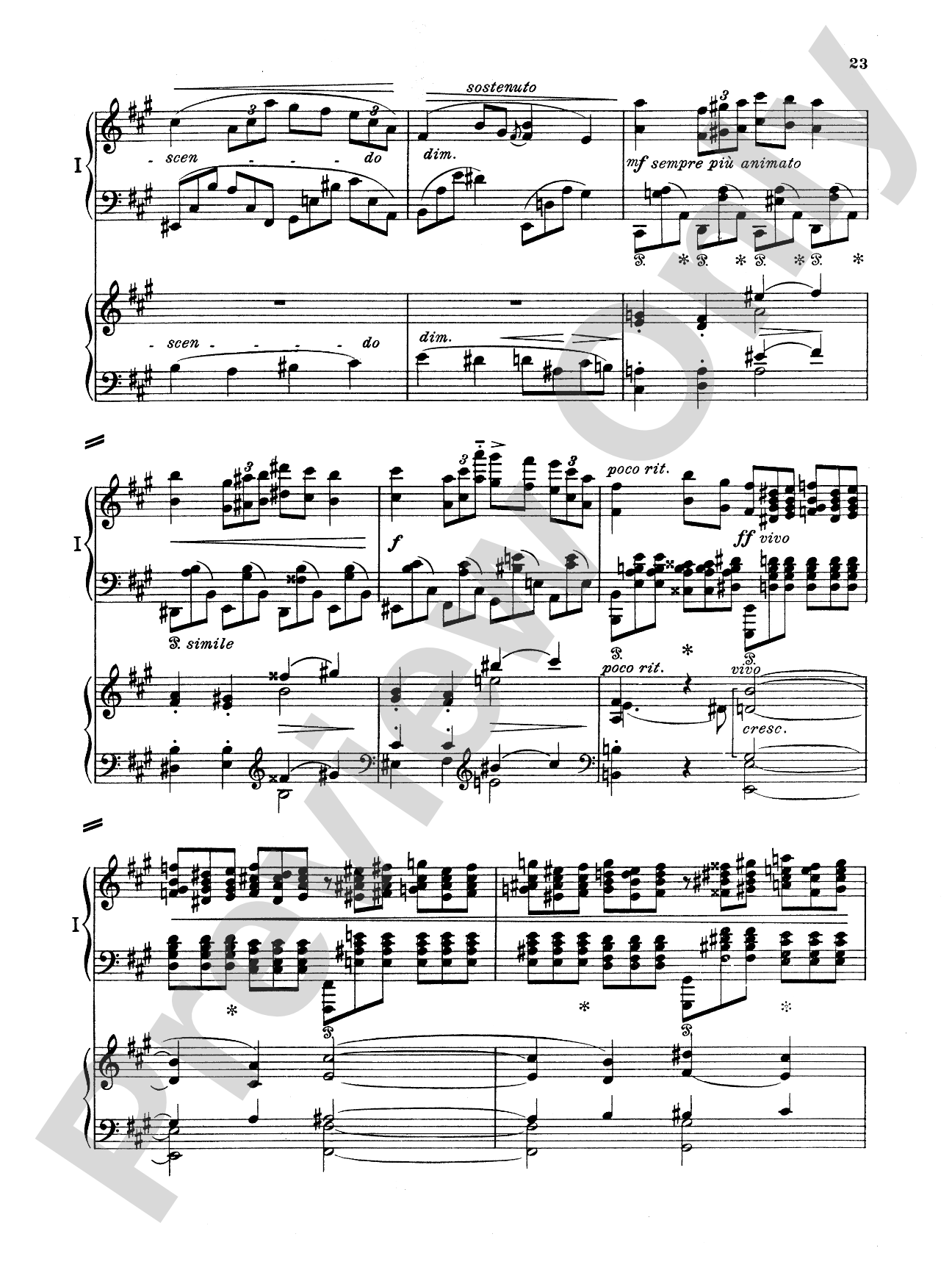
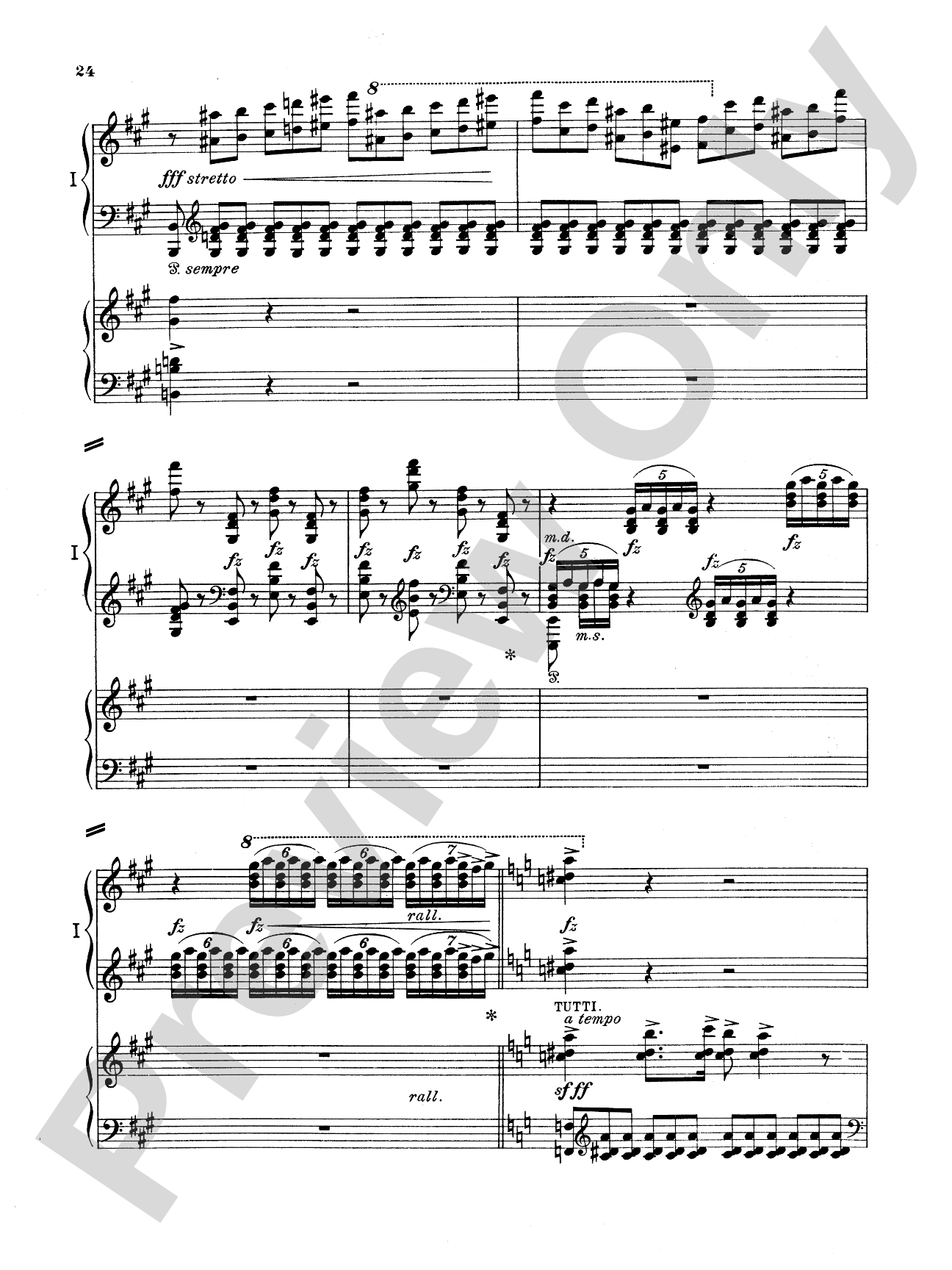
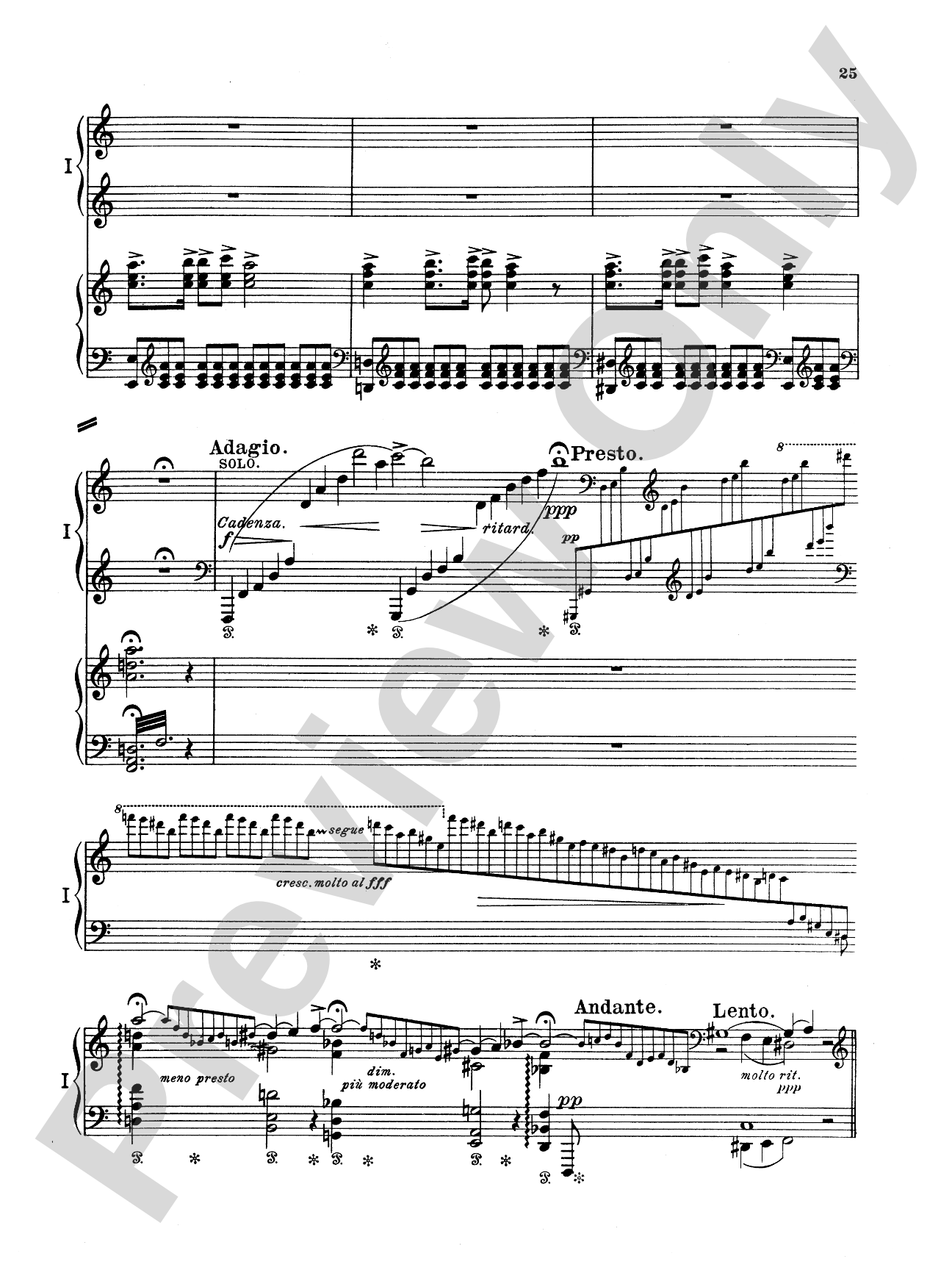
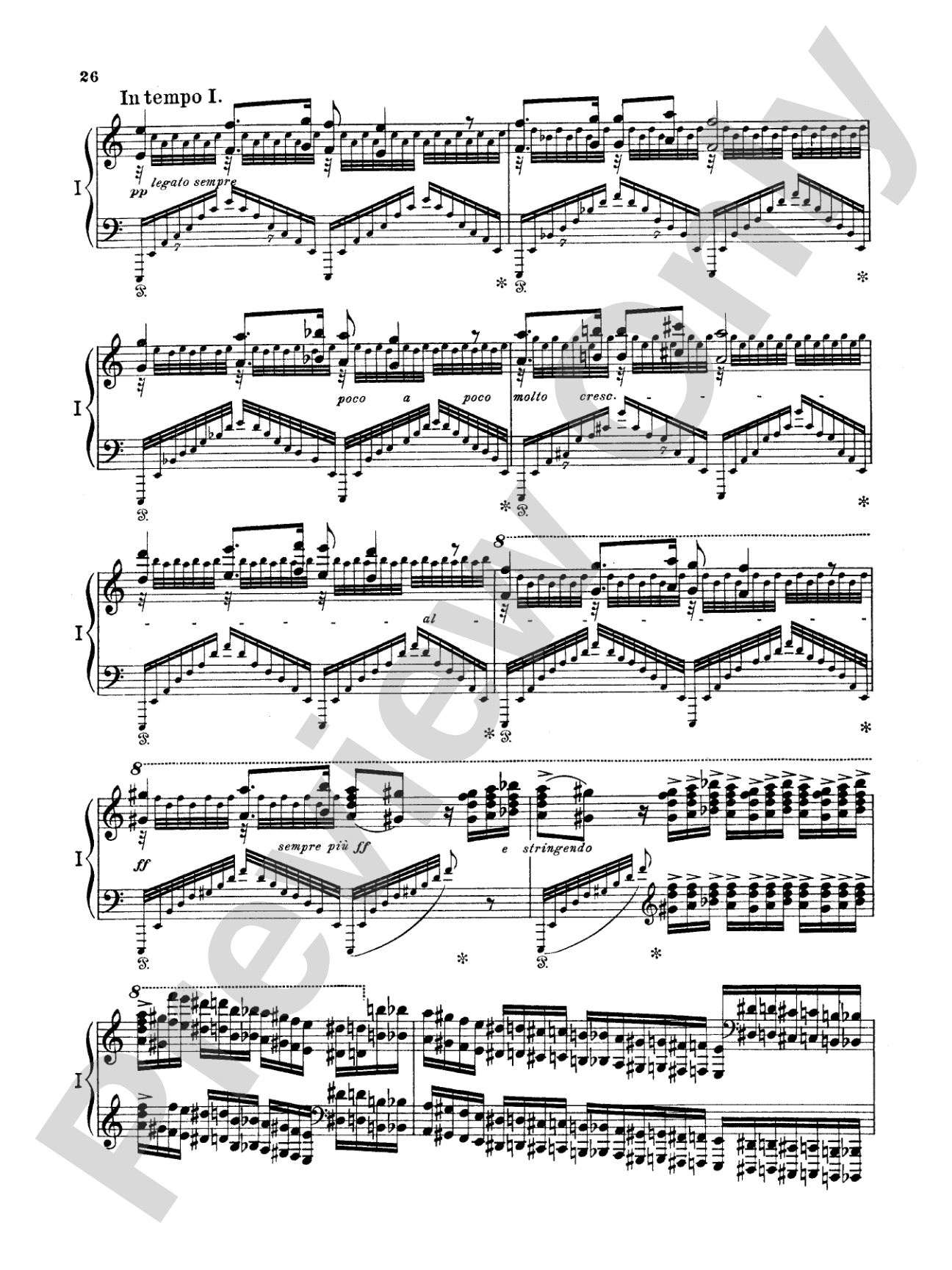
The Piano Concerto in A minor, Op. 16, by Edvard Grieg (1843--1907), was written in 1868, and was the only concerto Grieg completed. It is one of his most popular works and among the most popular of all piano concertos. This score is for two pianos, four hands, with the second piano part being a reduction of the orchestral score. Two copies are needed for full performance. 65 pages.


Don't just read it, hear it, play along with it, and watch your students grow with it. In MakeMusic Cloud, Grieg: Piano Concerto in A Minor, Op. 16: Piano Duo (2 Pianos, 4 Hands) Book (2 copies required) comes alive with professional accompaniment, adjustable tempo, and built-in practice tools that turn solo practice into real progress.
Open in the Player
Jump straight in and assign it today.
Start Your Free Trial
Open this title and explore the full library in minutes.
Sample Audio
No sample audio found.
Sample Video
No sample videos found.
Additional Details
Series:
Kalmus Edition
Publisher:
Alfred Music
Page Count:
64
SKU:
00-PK-0003119
More about this title
About the Composer: Edvard Grieg
Edvard Grieg (1843, 1907) stands as Norway's most celebrated composer, and his Piano Concerto in A Minor remains his only completed concerto. Written in 1868 when Grieg was in his mid-twenties, the work immediately established itself as a cornerstone of the Romantic piano repertoire, combining virtuosic keyboard writing with the lyrical sensibility that defines his best music.
Grieg's compositional voice draws deeply from Norwegian folk music and the landscape of his homeland, yet his harmonic language and formal sophistication place him firmly within the European Romantic tradition. The Piano Concerto showcases both sides of his genius: sweeping melodic lines, dramatic dynamic contrasts, and the kind of pianistic brilliance that keeps audiences and performers engaged with this work more than 150 years after its premiere.
Why we love this
This two-piano reduction opens the Piano Concerto to collaborative pianists who want to engage with one of the Romantic era's most rewarding scores without requiring an orchestra. The orchestral reduction captures Grieg's brilliant instrumentation convincingly, allowing two advanced pianists to experience the full dramatic arc of the work together. Programming this piece signals serious musical ambition and offers a recital highlight that audiences recognize and celebrate.
What to expect
The concerto opens with an urgent, cascading theme that establishes both virtuosity and emotional depth. Grieg's harmonic language moves between moments of crystalline lyricism and richly colored, almost orchestral textures. The work pulses with the rhythmic vitality of Scandinavian dance while maintaining the grand scale and emotional scope of 19th-century concerto form.
Who it's for
Advanced pianists seeking substantial duo repertoire that preserves the scope and ambition of a major concerto. This is ideal for advanced students preparing for conservatory auditions, professional duos building their recital programs, or master classes exploring Romantic keyboard literature.
How to get the most out of it
- Balance the first piano's lyrical passages against the second piano's orchestral color; resist the temptation to have either part dominate consistently.
- Pay close attention to Grieg's dynamic markings and expressive indications. The concerto relies on subtle gradations of tone rather than extremes.
- Work with your partner to shape the large harmonic progressions across both instruments; this requires sensitive listening and agreement on phrasing architecture.
- The cadenza sections demand clarity of articulation from the first piano while the second provides supportive figuration; rehearse these passages separately before combining them.
How to use it
This concerto works beautifully as a recital centerpiece or as the anchor of a Romantic-era program. You might pair it with smaller character pieces by Grieg for contrast, or with other Scandinavian composers to explore the Romantic nationalism movement. Consider programming it mid-season when your advanced pianists have had time to prepare thoroughly.
Skills your students will build
- Ensemble communication across two pianos and coordinating independent musical lines
- Interpreting Romantic-era harmony and rubato within a structurally demanding form
- Balancing solo and accompaniment roles while maintaining equal musical authority
- Reading complex textures that combine keyboard writing with implied orchestral color
- Managing stamina through extended passages of rapid figuration and sustained lyricism