
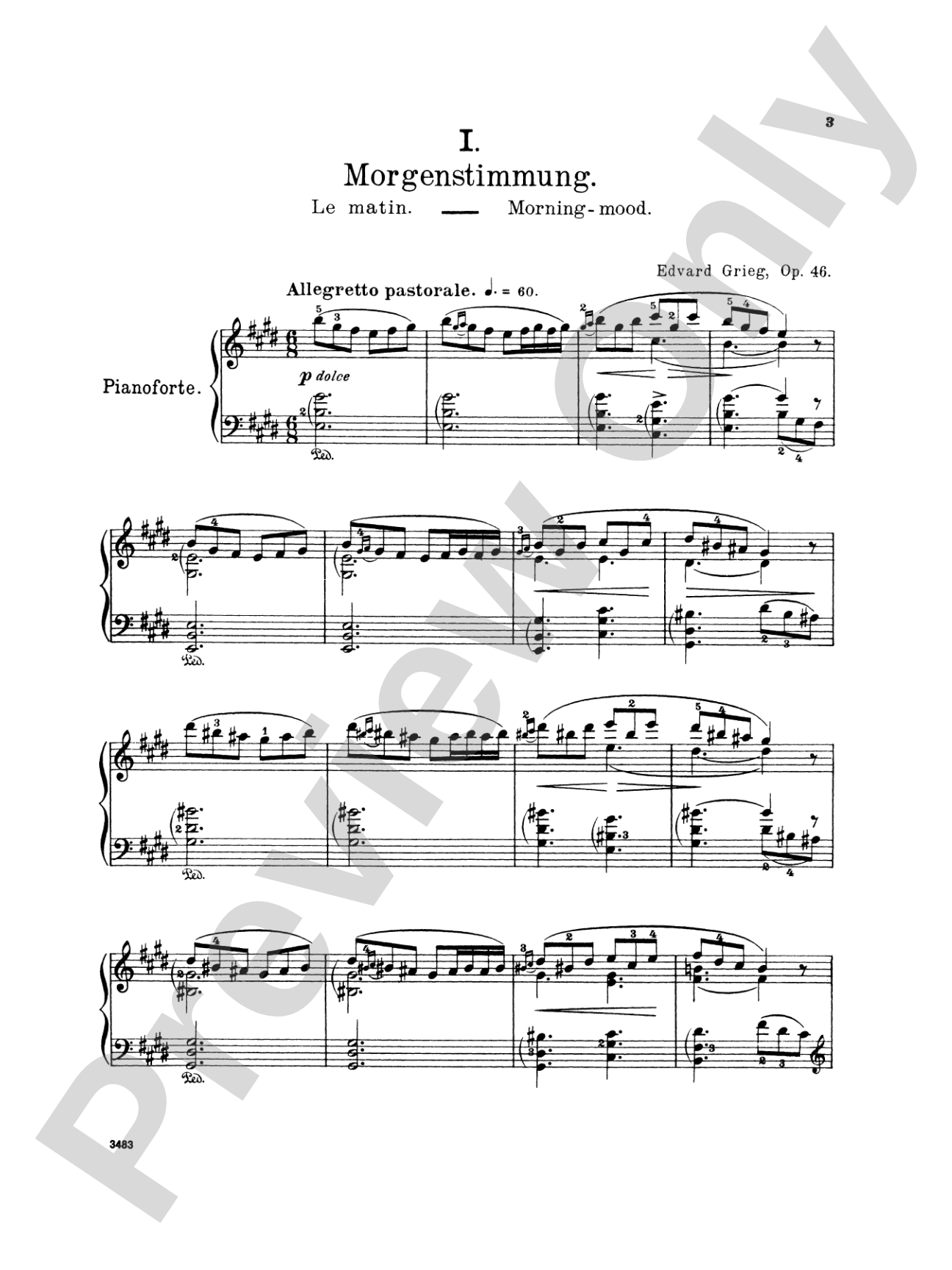
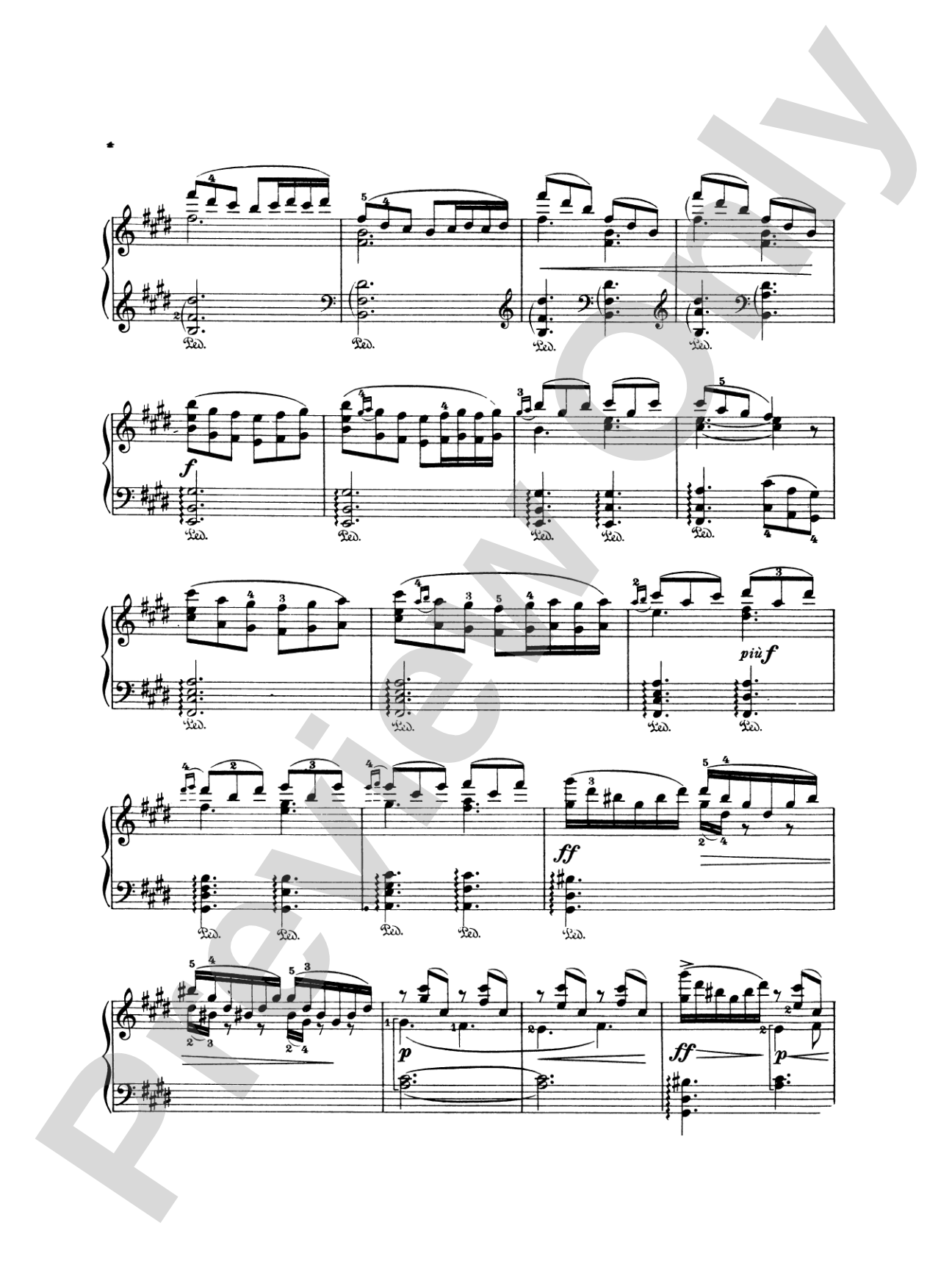
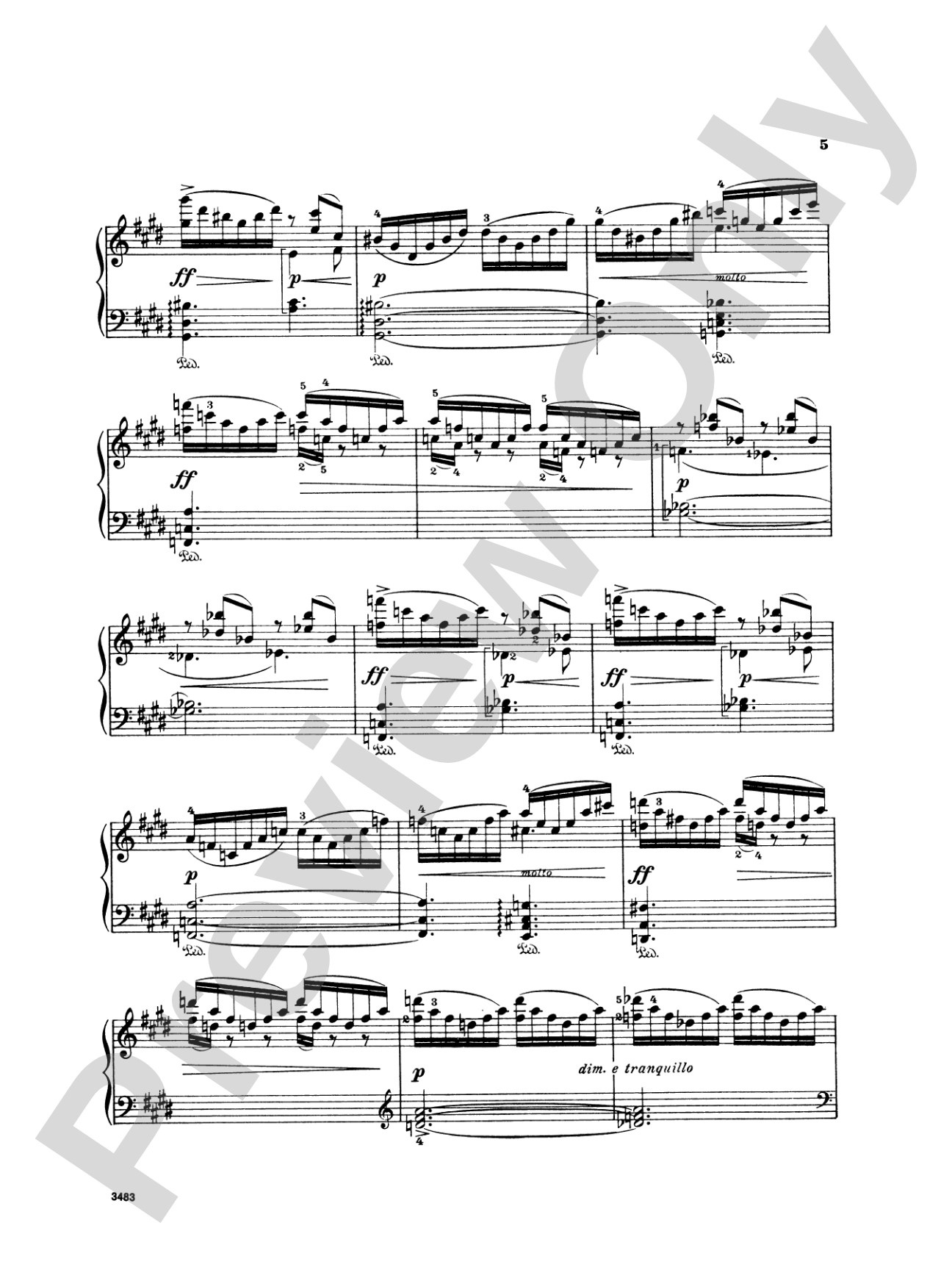
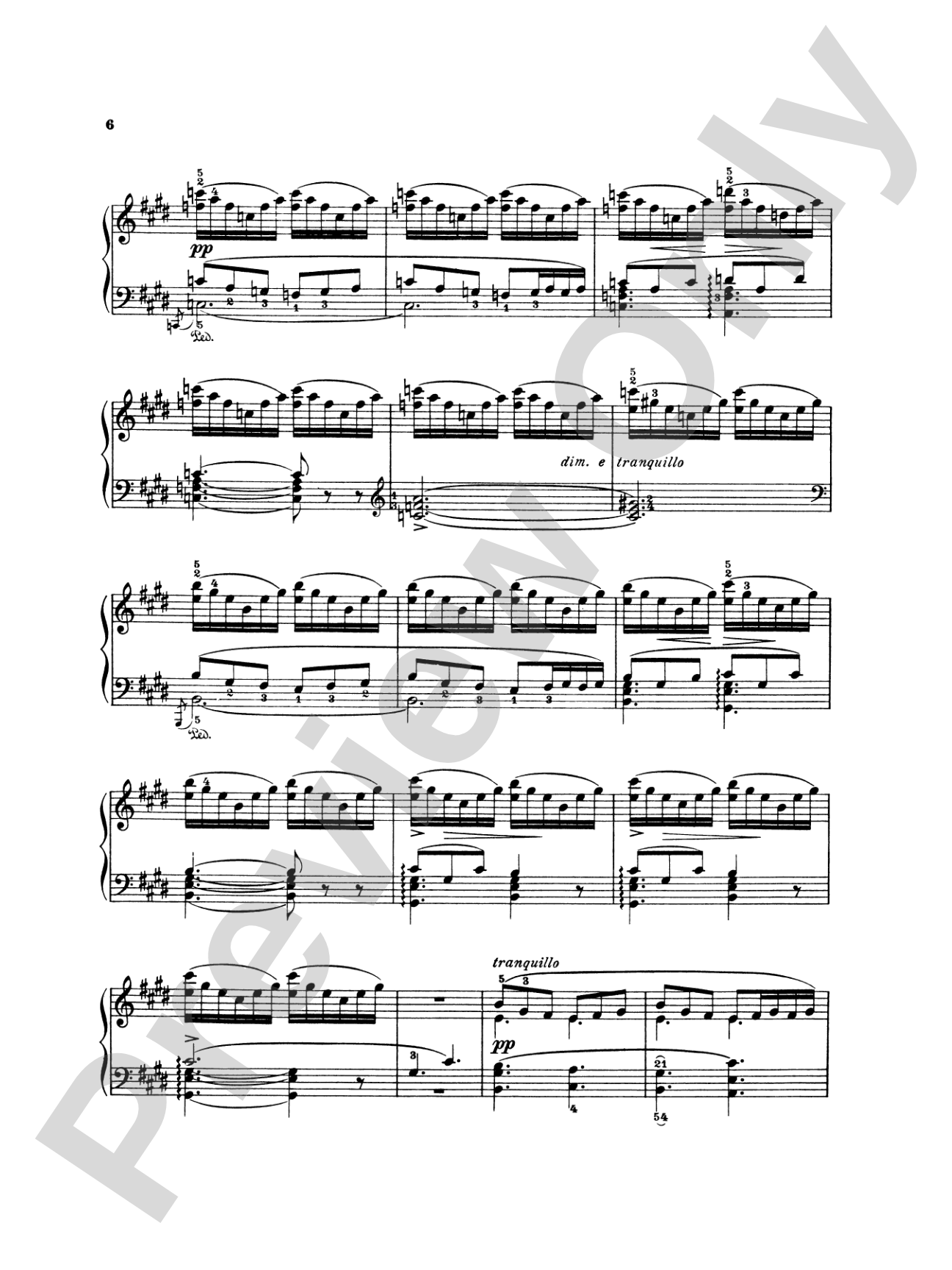
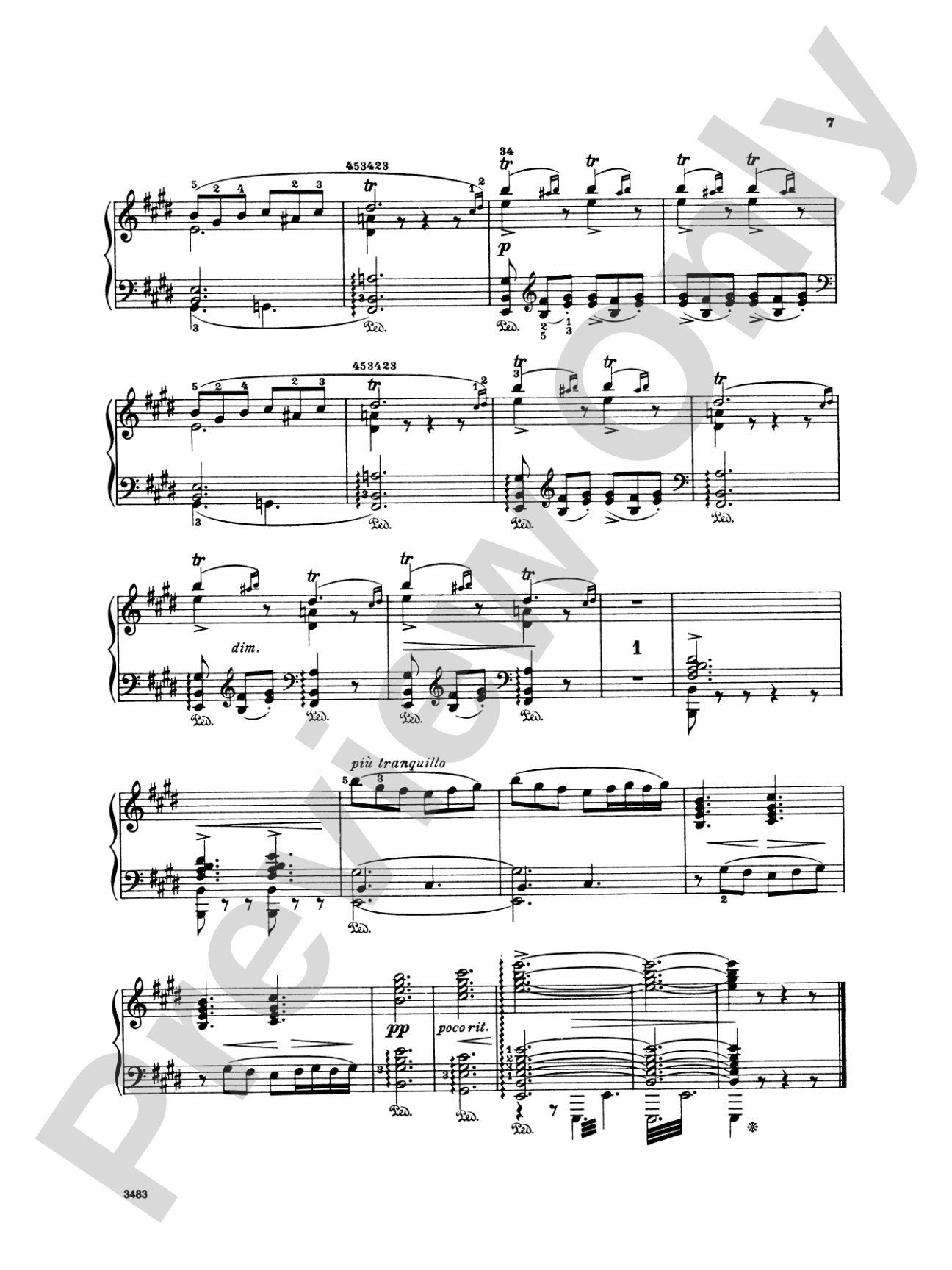

Grieg: Peer Gynt Suite No. 1: Piano
By Edvard Grieg
Level: Intermediate / Advanced
Item: 00-PK-0003116

$9.99
Pickup currently not available
Buy Extra Parts (Digital PDF Download)
| Product | Price | Quantity |
|---|---|---|
| Grieg: Peer Gynt Suite No. 1 | $1.99 | |
| Grieg: Peer Gynt Suite No. 1 | $1.99 | |
| Grieg: Peer Gynt Suite No. 1 | $1.99 | |
| Grieg: Peer Gynt Suite No. 1 | $1.99 |
Parts Added to Cart!
Related Items
Peer Gynt Suite No. 1: Piano |
$9.95
|
View |
Description
Expertly arranged piano solo from our Kalmus Edition.


Don't just read it, hear it, play along with it, and watch your students grow with it. In MakeMusic Cloud, Grieg: Peer Gynt Suite No. 1: Piano comes alive with professional accompaniment, adjustable tempo, and built-in practice tools that turn solo practice into real progress.
Open in the Player
Jump straight in and assign it today.
Start Your Free Trial
Open this title and explore the full library in minutes.
Sample Audio
No sample audio found.
Sample Video
No sample videos found.
Additional Details
Series:
Kalmus Edition
Publisher:
Alfred Music
Page Count:
20
SKU:
00-PK-0003116
More about this title
About the Composer: Edvard Grieg
Edvard Grieg (1843, 1907) was a Norwegian composer whose music became the voice of Scandinavian nationalism in the Romantic era. He had a gift for melody that felt both intimate and expansive, and his harmonic language, rooted in folk tradition but colored with chromatic inventiveness, influenced generations of composers who followed.
Peer Gynt Suite No. 1 stands as one of Grieg's most performed works. Originally composed as incidental music for Henrik Ibsen's play, these four movements have become concert staples. For pianists, this suite offers the chance to inhabit Grieg's lyrical world directly, without the orchestra's mediation.
Why we love this
This arrangement captures the orchestral breadth of Grieg's theatrical masterwork while respecting what a single pianist can manage. The familiar themes from "Morning Mood" and "In the Hall of the Mountain King" remain instantly recognizable, yet hearing them reimagined for solo piano reveals layers of harmonic detail often buried in the orchestration. Intermediate-advanced students get to play repertoire that sounds substantial without requiring the virtuosity of the concert transcriptions.
What to expect
Moving between moods as varied as dawn breaking over Norwegian fjords, a troll's mischievous scheming, and the melancholy of a homeland left behind. The suite unfolds like a story, with each movement offering its own emotional landscape while remaining connected through Grieg's characteristic harmonic language and Nordic sensibility.
Who it's for
Intermediate to advanced pianists who want to explore substantial Romantic-era repertoire beyond the usual sonatina cycle. This arrangement works for students preparing recitals, competitive playing, or simply for the satisfaction of performing music that carries real historical weight and cultural recognition.
How to get the most out of it
- Pay attention to the dynamic and tempo variations within each movement; Grieg's sense of pacing shifts frequently, and respecting these transitions keeps the suite from feeling episodic.
- Balance melody and accompaniment carefully, especially in "Morning Mood," where the famous tune can overshadow the gentle harmonic underpinning that gives the piece its character.
- Use the pedal deliberately rather than continuously; the piano arrangement benefits from clarity between harmonic sections, particularly in movements with sustained sonorities.
- Observe the articulation markings scrupulously; Grieg's staccatos and legatos create the narrative shape and emotional intent of each movement.
How to use it
Include this as a standalone suite in a recital, or program individual movements separately to anchor different halves of a program. The Kalmus arrangement's manageable length makes it ideal for competitions or festival appearances where substantial solo repertoire is valued but lengthy concertos aren't required.
Skills your students will build
- Voicing within block chords to project melody through texture
- Tempo flexibility and rubato within a Romantic framework
- Sustaining long lines across register changes
- Pedal technique for color and clarity in harmonic progressions
- Musical storytelling across multiple contrasting movements