Grieg: Lyric Pieces, Op. 43 Sheet Music Preview

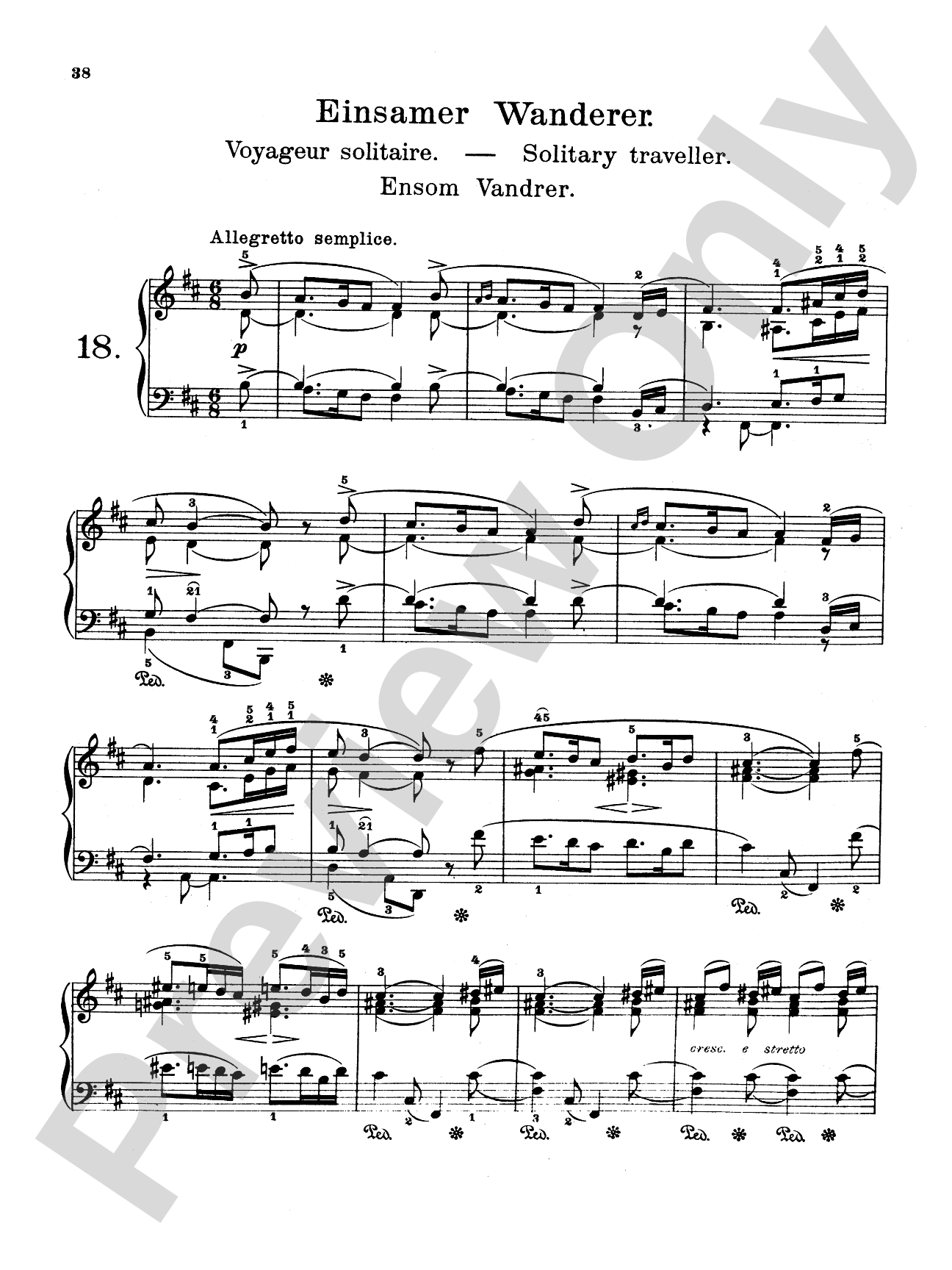
Grieg: Lyric Pieces, Op. 43

By Edvard Grieg

Item: 00-PC-0007320

Digital Download
$0.99
Description
A collection of piano solos composed by Edvard Grieg.

Don't just read it, hear it, play along with it, and watch your students grow with it. In MakeMusic Cloud, Grieg: Lyric Pieces, Op. 43 comes alive with professional accompaniment, adjustable tempo, and built-in practice tools that turn solo practice into real progress.

Sample Audio
No sample audio found.
Sample Video
Additional Details
Series: Kalmus Edition
Publisher: Alfred Music
Page Count: 20
SKU: 00-PC-0007320

More about this title

About the Composer: Edvard Grieg

Edvard Grieg (1843-1907) was a Norwegian composer whose music defined Romantic nationalism in Scandinavia. He drew deeply from Norwegian folk traditions, modal harmony, and the character of his homeland, creating a distinctive voice that influenced generations of composers across Europe. His piano works remain central to the Romantic repertoire.

The Lyric Pieces, published across ten opus numbers over four decades, showcase Grieg's gift for miniature forms filled with poetic atmosphere and harmonic color. These works established him as a master of the character piece and secured his position as one of the nineteenth century's most performed composers.

Why we love this

Grieg's Op. 43 pieces contain some of his most immediately engaging writing, balancing accessibility with genuine sophistication. Each movement reveals different facets of his compositional voice, from delicate lyricism to rhythmic vitality, making this collection ideal for students learning how a master craftsman sustains interest across contrasting moods and textures. Teachers appreciate these pieces because they reward careful listening and thoughtful interpretation without demanding virtuosic display.

What to expect

These pieces inhabit a world of Norwegian reflection and lyrical beauty, colored by modal melodies and unexpected harmonic turns that feel both intimate and subtly sophisticated. Grieg's piano writing balances delicate transparency with warm, resonant textures, inviting performers and listeners into contemplative moments interrupted by brief passages of gentle vitality. The overall arc moves from nocturnelike reverie through varied character sketches, each piece a small world unto itself.

Who it's for

Intermediate to advanced piano students seeking repertoire that bridges Romantic technique and musical maturity. Teachers working with students ready to move beyond exercise-based materials into expressive, stylistically coherent works that reward close study. Pianists preparing for competitions, recitals, or simply deepening their understanding of nineteenthcentury piano literature.

How to get the most out of it

  • Let the underlying harmonic color guide your tempo choices. Grieg's progressions often move more slowly than surface rhythms suggest; resist rushing through transitional passages.
  • Explore the pedal as a harmonic tool rather than an atmospheric effect. Many pieces depend on the resonance of held chords to create their distinctive sound world.
  • Pay attention to Grieg's dynamic markings and articulations as structural markers. A shift from legato to staccato often signals a change in character or formal function, not merely texture.
  • Balance melodic clarity with supporting voices. The folk-like melodies need breathing room, but the accompaniment patterns provide essential rhythmic and harmonic foundation.

How to use it

Program individual pieces as recital selections or group several together as a thematic set exploring Romantic miniatures. These works fit naturally in concerts pairing Grieg with other Scandinavian or Germanic Romantic composers, or use them to introduce students to the Lyric Pieces tradition across multiple opus collections. They work equally well in pedagogy as performance pieces, offering teaching material rich enough to sustain a semester's focus.

Skills your students will build

  • Understanding harmonic color and modal inflection in Romantic piano writing
  • Pedal control and resonance management in pieces relying on harmonic blending
  • Shaping melodic lines that sit above active accompaniment patterns
  • Interpreting articulation and dynamic markings as formal and expressive signposts
  • Building stylistic coherence across a multi-movement collection

You May Also Like