
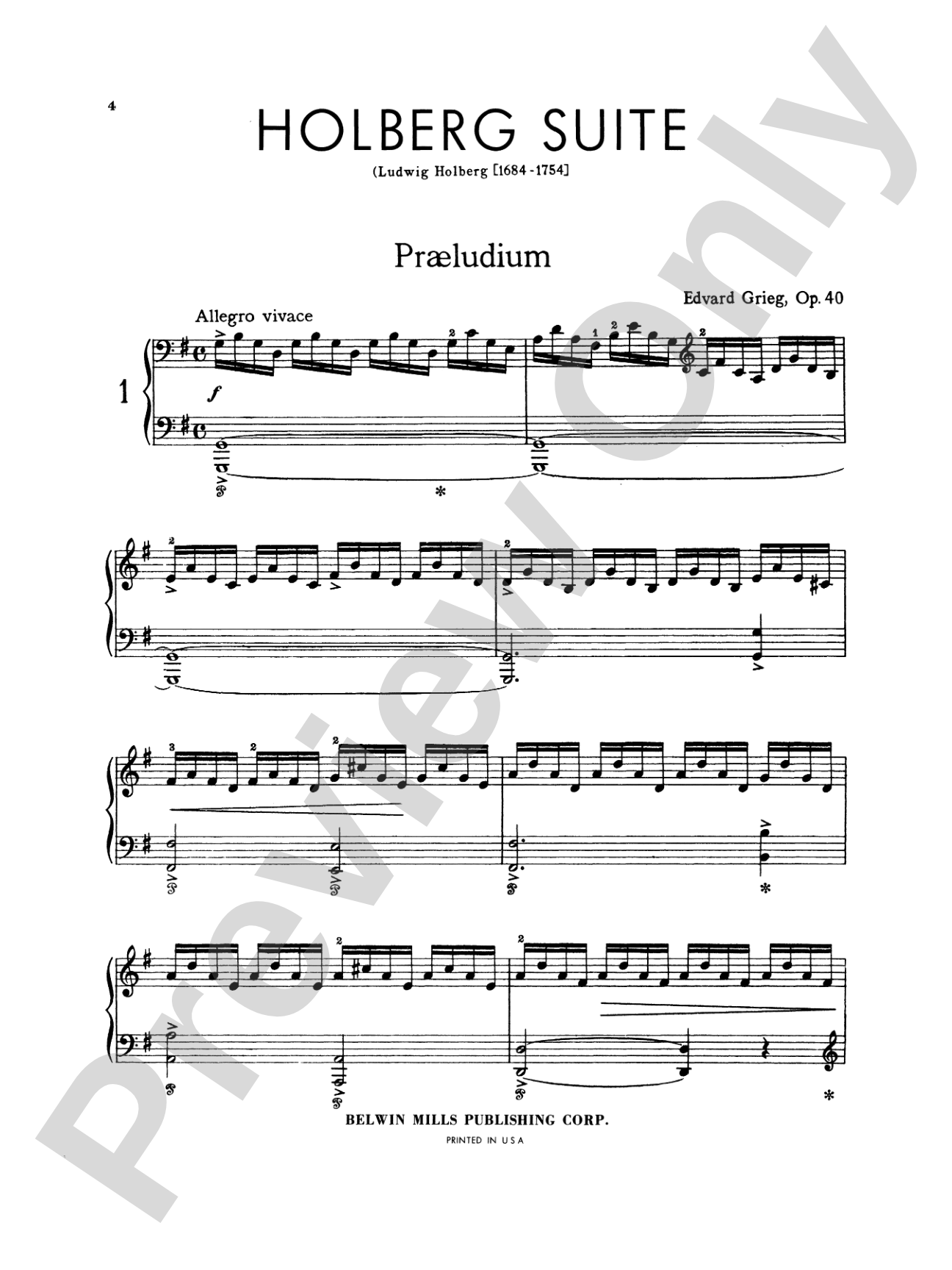
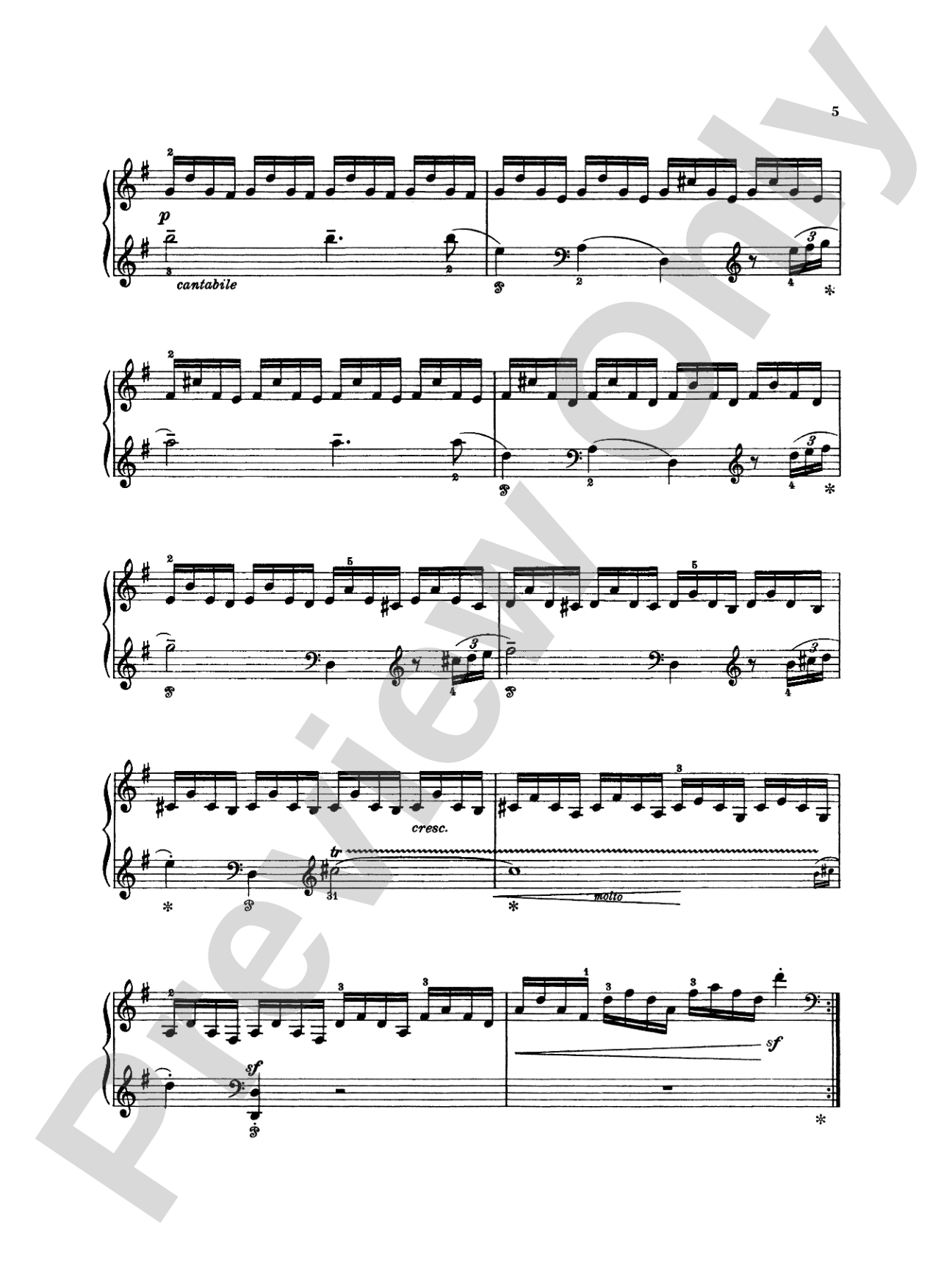
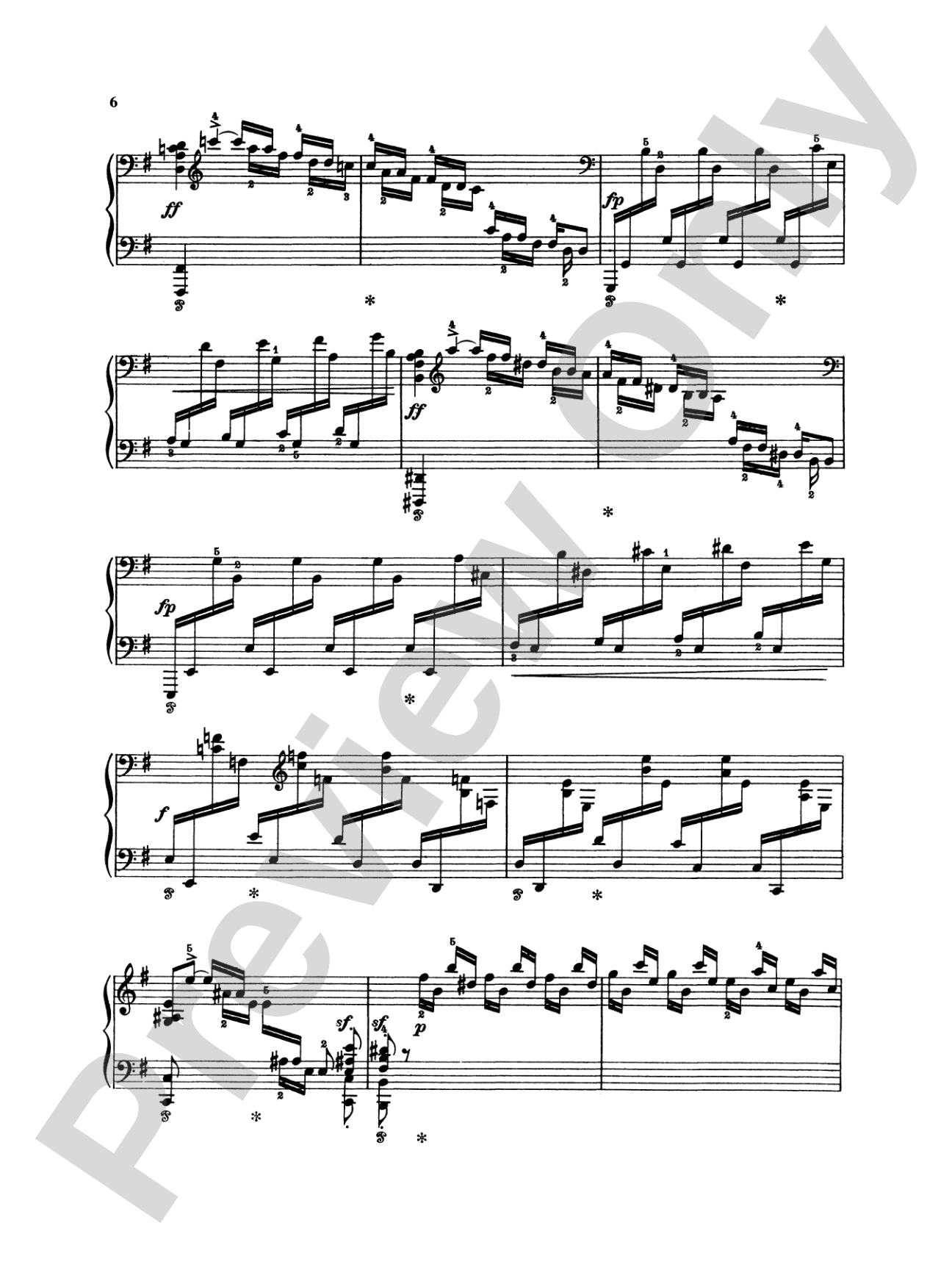
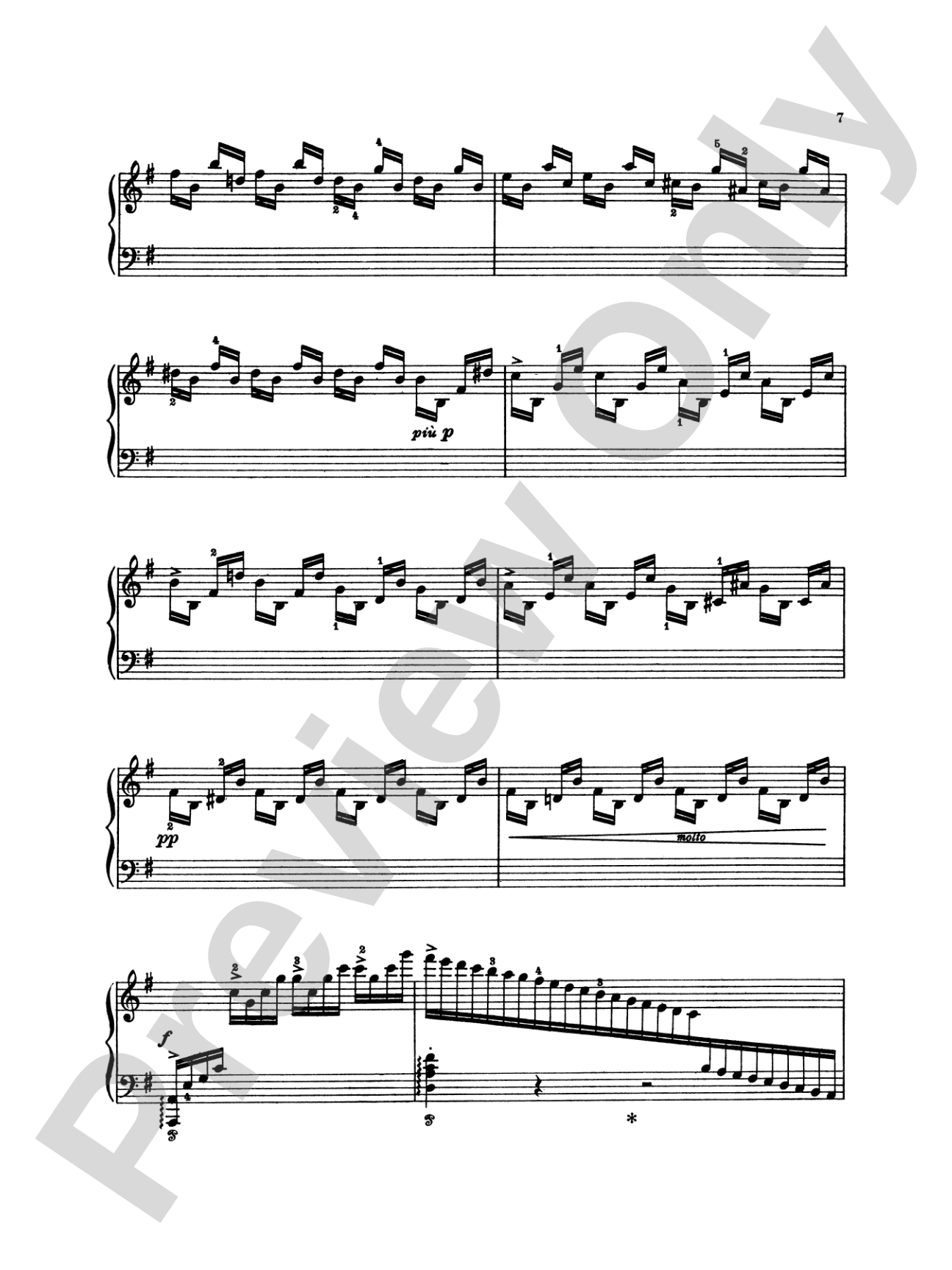

Grieg: Holberg Suite, Op. 40: Piano
By Edvard Grieg
Level: Intermediate / Advanced
Item: 00-PK-0003710

$9.99
Pickup currently not available
Buy Extra Parts (Digital PDF Download)
| Product | Price | Quantity |
|---|---|---|
| Grieg: Holberg Suite, Op. 40 | $0.99 | |
| Grieg: Holberg Suite, Op. 40 | $0.99 | |
| Grieg: Holberg Suite, Op. 40 | $0.99 | |
| Grieg: Holberg Suite, Op. 40 | $0.99 | |
| Grieg: Holberg Suite, Op. 40 | $0.99 |
Parts Added to Cart!
Related Items
Holberg Suite, Opus 40: Piano |
$9.95
|
View |
Description
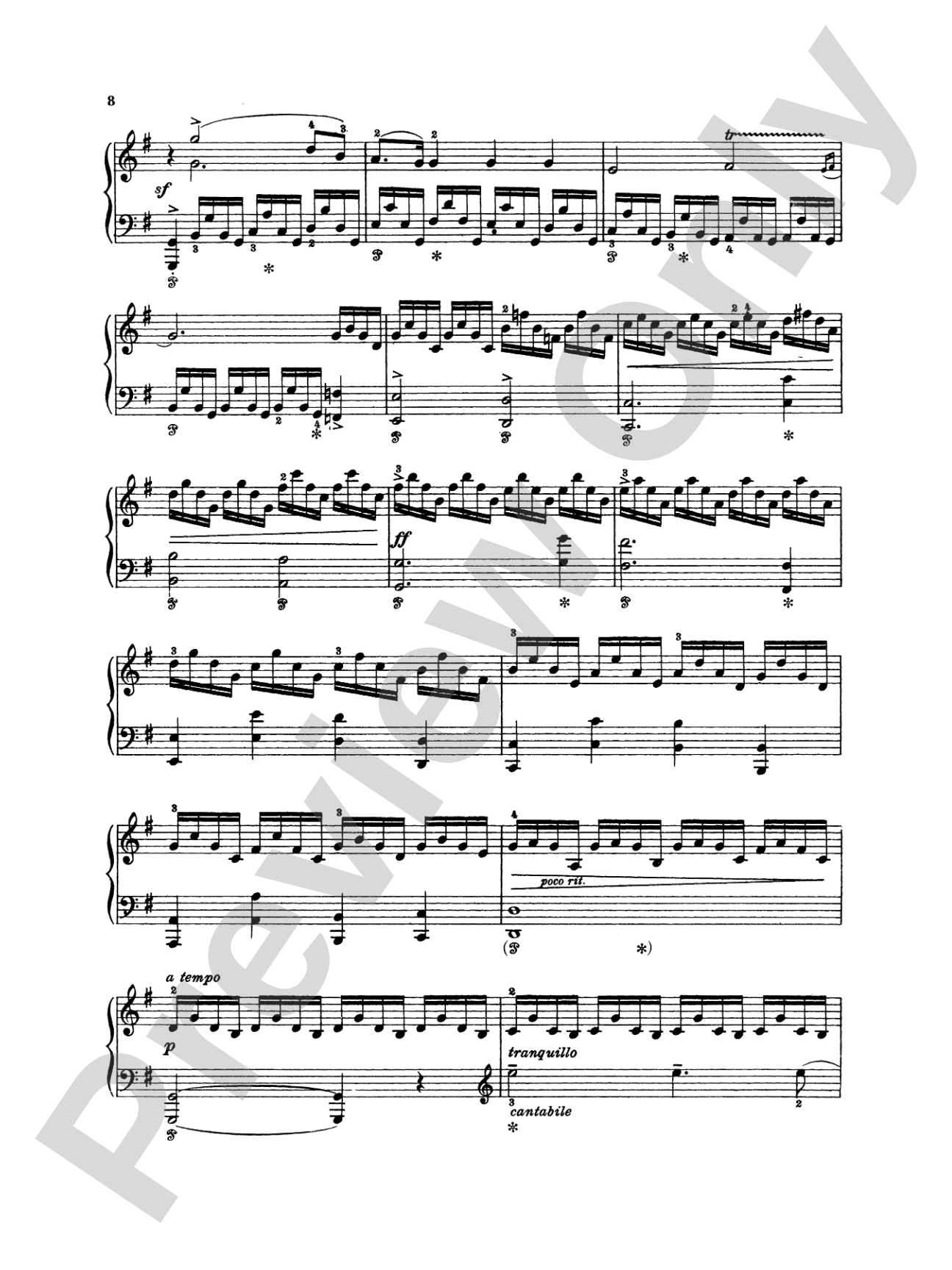
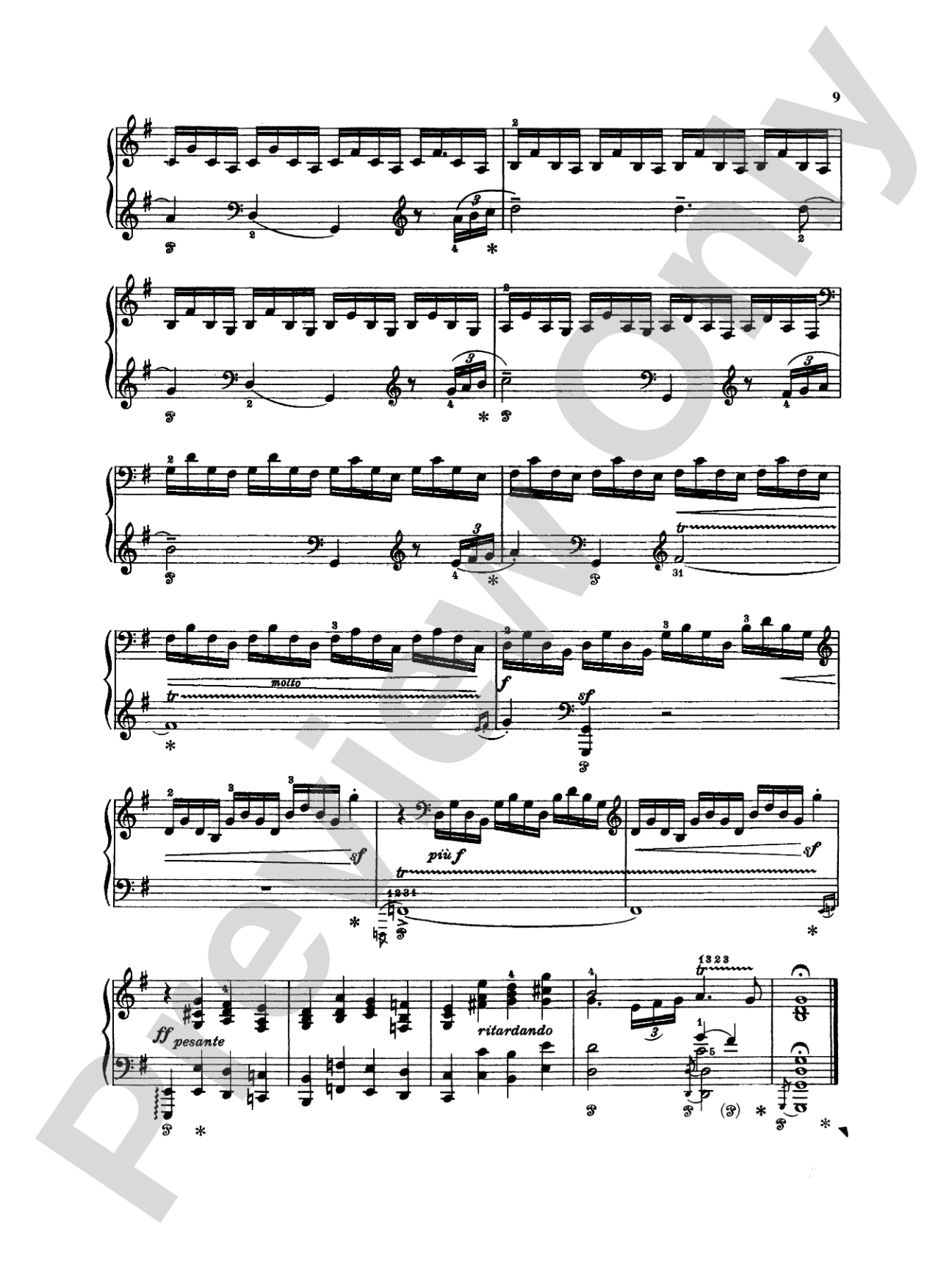
Titles: Praeludium * Sarabande * Gavotte * Air * Rigaudon.


Don't just read it, hear it, play along with it, and watch your students grow with it. In MakeMusic Cloud, Grieg: Holberg Suite, Op. 40: Piano comes alive with professional accompaniment, adjustable tempo, and built-in practice tools that turn solo practice into real progress.
Open in the Player
Jump straight in and assign it today.
Start Your Free Trial
Open this title and explore the full library in minutes.
Sample Audio
No sample audio found.
Sample Video
No sample videos found.
Additional Details
Series:
Kalmus Edition
Publisher:
Alfred Music
Page Count:
24
SKU:
00-PK-0003710
More about this title
About the Composer: Edvard Grieg
Edvard Grieg (1843-1907) shaped the sound of Norway through music that blended Romantic expression with folk idioms drawn from his native country. A virtuoso pianist and prolific composer, he created a vast body of works for solo piano, chamber ensembles, and orchestra that remain central to the concert repertoire and the piano studio.
Grieg's harmonic innovations and gift for melody made him a bridge between the Romantic tradition and modern music. His deep connection to Norwegian culture infused even his most formal works with a distinctive character that students and professionals continue to discover across their musical lives.
Why we love this
The Holberg Suite sits at that rare intersection where technical sophistication meets genuine musical substance. Written to honor the 200th anniversary of Danish-Norwegian playwright Ludvig Holberg, Grieg crafted five movements that demand real pianistic control while offering genuine interpretive space; the Sarabande's expressive range and the Rigaudon's rhythmic clarity separate capable players from those who merely execute notes.
What to expect
Five movements steeped in the courtly elegance of an earlier age, yet filtered through Grieg's unmistakably Romantic harmonic palette. The Sarabande speaks with lyrical introspection while the Rigaudon dances with spirited vitality; throughout, Grieg's voice-leading and unexpected harmonic turns keep the ear engaged even as the surface recalls baroque forms.
Who it's for
Intermediate to advanced pianists seeking repertoire that combines Romantic sensibility with structural clarity. This suite works equally well for recital performance, competitive festival entries, or students exploring the Romantic era through a composer whose harmonic language remains fresh and engaging.
How to get the most out of it
- Treat the Praeludium's rapid figurations as ornamental rather than bombastic; the piece sets a courtly tone, not a virtuosic one.
- Shape the Sarabande's phrases with long-line thinking, allowing harmonic shifts to emerge naturally rather than pressing each chord change.
- Balance the Gavotte's staccato articulation with transparent voicing in the left hand so that dance rhythms don't feel mechanical.
- Use pedal judiciously throughout; Grieg's voice-leading often benefits from clarity, especially in the Air where independent melodic lines need definition.
How to use it
The suite's five-movement structure works beautifully as a complete recital segment or as the centerpiece of a program exploring Romantic approaches to older dance forms. Its length and difficulty make it suitable for student recitals at the upper-intermediate level, competitions, or as a capstone repertoire selection in a piano studio working through canonical literature.
Skills your students will build
- Sustaining long melodic lines while maintaining independence between hands
- Navigating harmonic chromaticism and unexpected voice-leading shifts
- Executing ornamental figurations with clarity and control
- Interpreting baroque dance forms through a Romantic harmonic language
- Managing pedal use to balance resonance with textural clarity