Gretchaninoff: Glass Beads, Op. 123 Sheet Music Preview

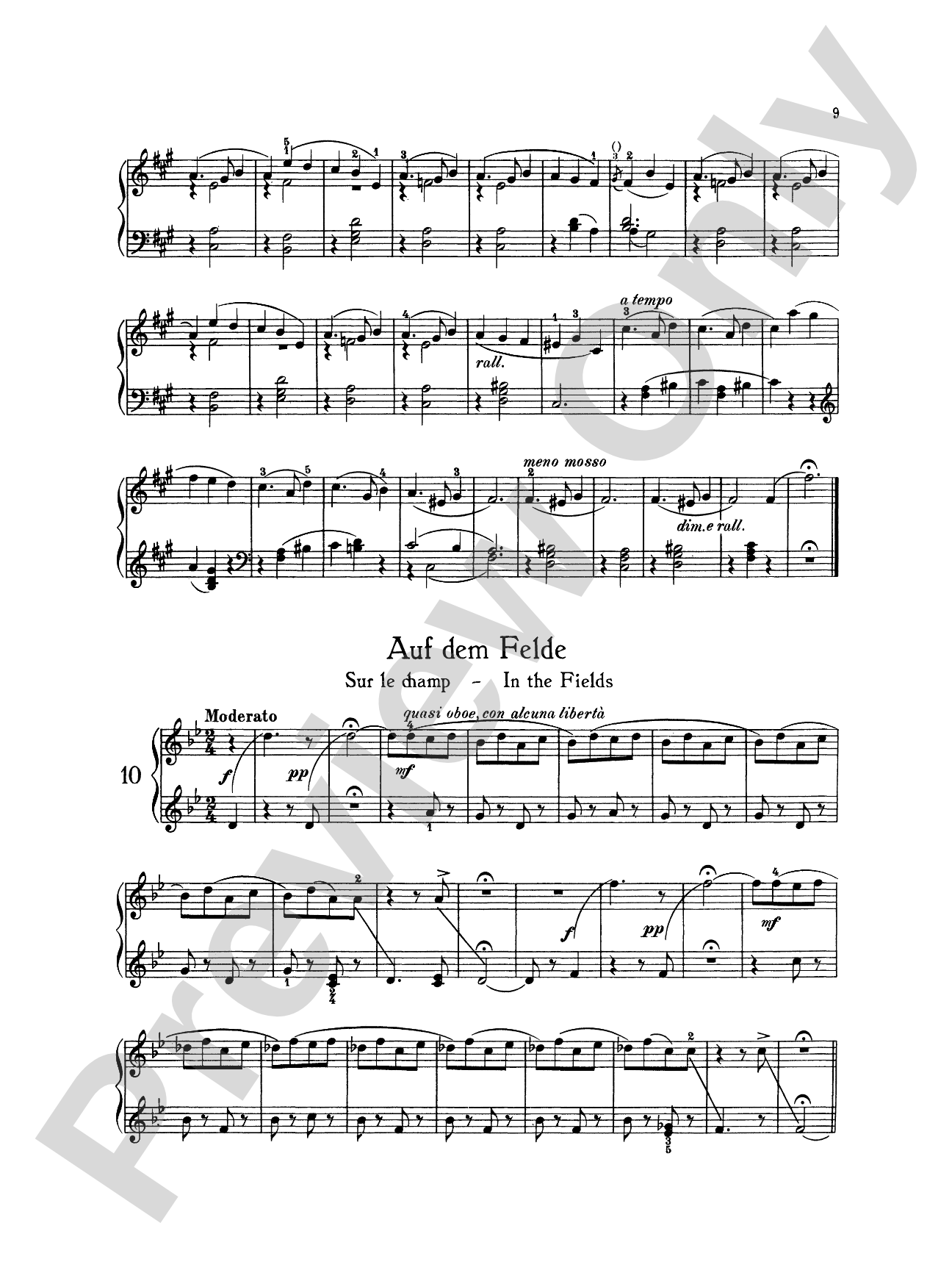
Gretchaninoff: Glass Beads, Op. 123

By Alexander Gretchaninoff

Level: Intermediate / Advanced

Item: 00-PC-0007466

Digital Download
$0.99
Description
Expertly arranged piano solo from our Kalmus Edition.

Don't just read it, hear it, play along with it, and watch your students grow with it. In MakeMusic Cloud, Gretchaninoff: Glass Beads, Op. 123 comes alive with professional accompaniment, adjustable tempo, and built-in practice tools that turn solo practice into real progress.

Sample Audio
No sample audio found.
Sample Video
Additional Details
Series: Kalmus Edition
Publisher: Alfred Music
Page Count: 12
SKU: 00-PC-0007466

More about this title

About the Composer: Alexander Gretchaninoff

Alexander Gretchaninoff (1864-1956) was a Russian composer and pedagogue whose output spanned nearly seven decades. Though overshadowed by his more famous contemporaries, Gretchaninoff earned respect for his prolific contributions to piano literature, vocal music, and chamber works that balanced accessibility with genuine musical substance.

Gretchaninoff's compositional voice remained rooted in Russian Romanticism even as the 20th century unfolded around him. His gift for lyrical melody and clear harmonic language made his works natural choices for teaching and recital repertoire. He emigrated to Paris in 1925 and later to New York, where he continued composing and teaching until his death, leaving behind a legacy of music that rewards both student pianists and serious musicians.

Why we love this

Gretchaninoff writes with an elegant restraint that feels almost classical in its clarity, yet remains thoroughly modern in its harmonic language. Glass Beads offers pianists a genuinely rewarding work that sits at the intersection of technique and musicality, where neither overwhelms the other. Programming this piece signals knowledge of a rich but underexplored corner of the piano repertoire.

What to expect

Glass Beads evokes its title through delicate textures and moments of quiet luminosity. The piece combines introspection with occasional bursts of warmth, creating a soundworld that feels intimate rather than grand. There is a quality of reflection throughout, as if examining small objects in shifting light.

Who it's for

Intermediate to advanced pianists ready to move beyond standard Romantic repertoire into the 20th century without abandoning lyricism. This work suits pianists preparing for university auditions or recitals where distinctive programming enhances a strong application.

How to get the most out of it

  • Attend to the character shifts within each section; Gretchaninoff rarely sustains one mood for long, and pianists who treat this as a single trajectory rather than a series of connected moments will miss its subtle architecture.
  • Balance clarity of articulation with the piece's lyrical intent. These are not etudes, but the writing demands clean fingerwork without sacrificing singing tone.
  • Let the harmonic movement breathe. Gretchaninoff's progressions are often unexpected, and rushing through them erases their color.

How to use it

Place this as a recital centerpiece when you want to introduce pianists to Russian composers beyond the canonical few. It works especially well on a program pairing music from different national schools of the early 20th century, or as a bridge between Romantic and contemporary repertoire.

Skills your students will build

  • Pedaling clarity and color in early 20th-century harmonic language
  • Independent voice management across three and four voice textures
  • Stylistic navigation between Romantic melody and modern chromatic harmony
  • Interpretive choices based on harmonic movement rather than structural signposts

You May Also Like