
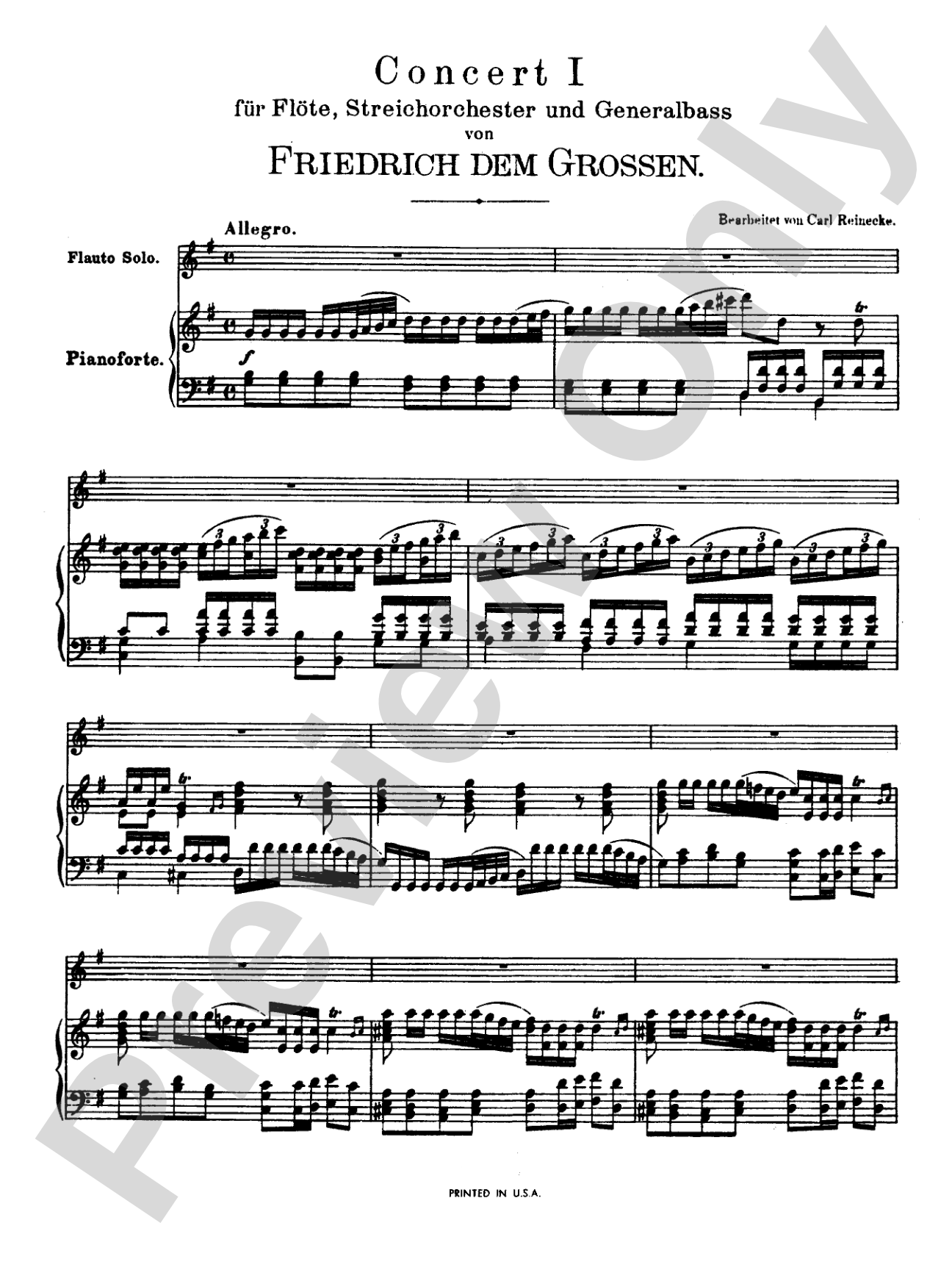
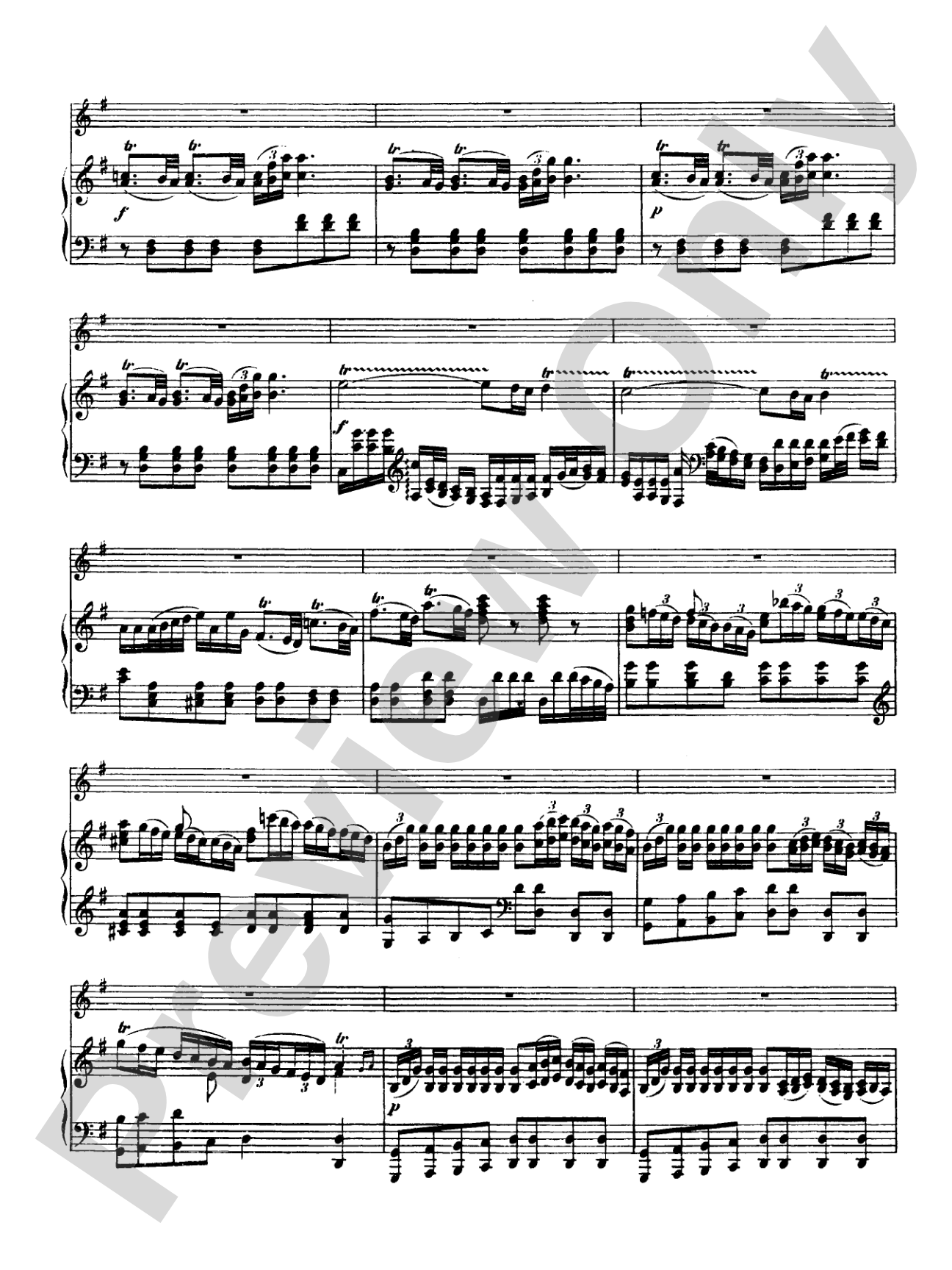
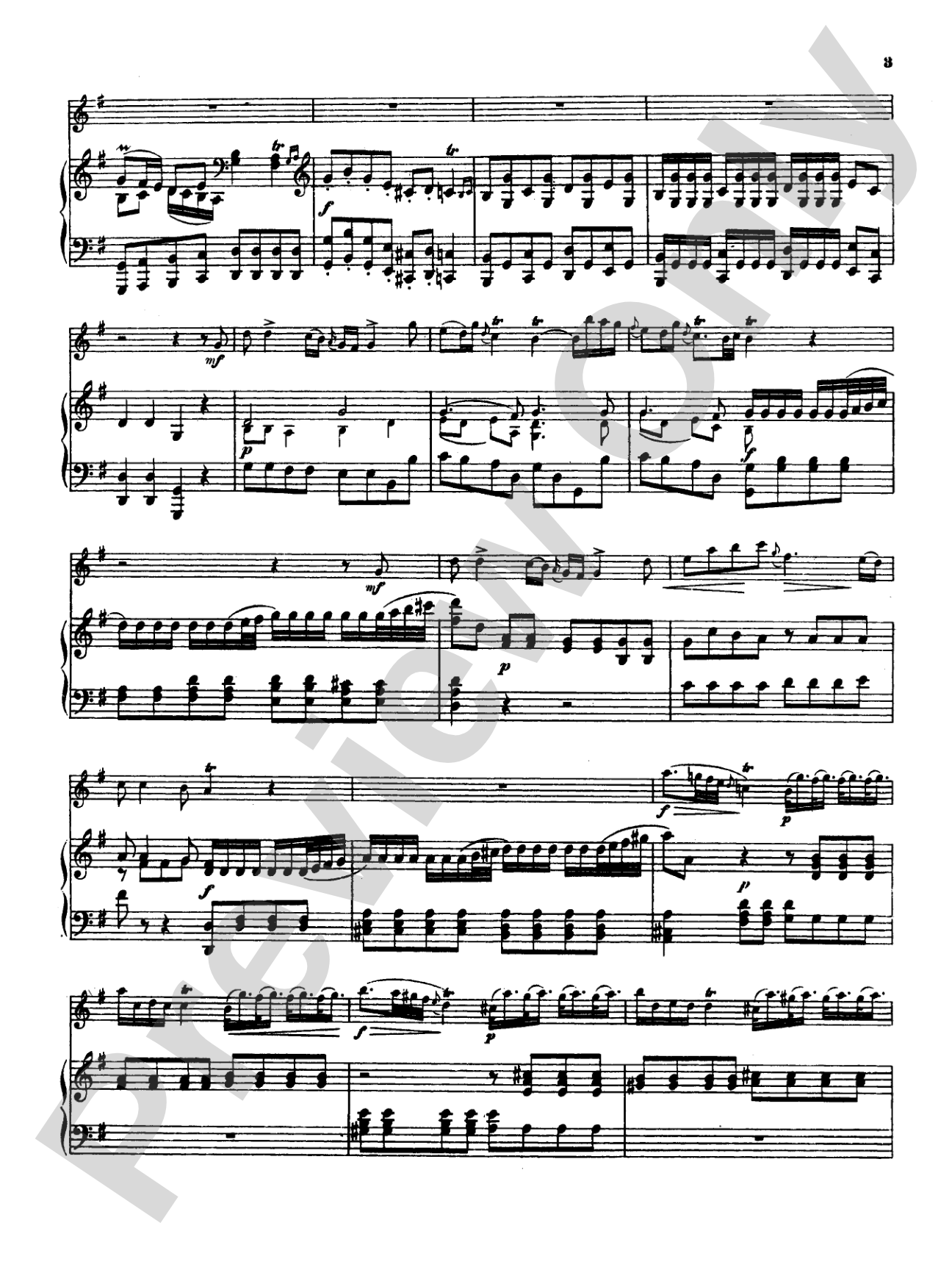
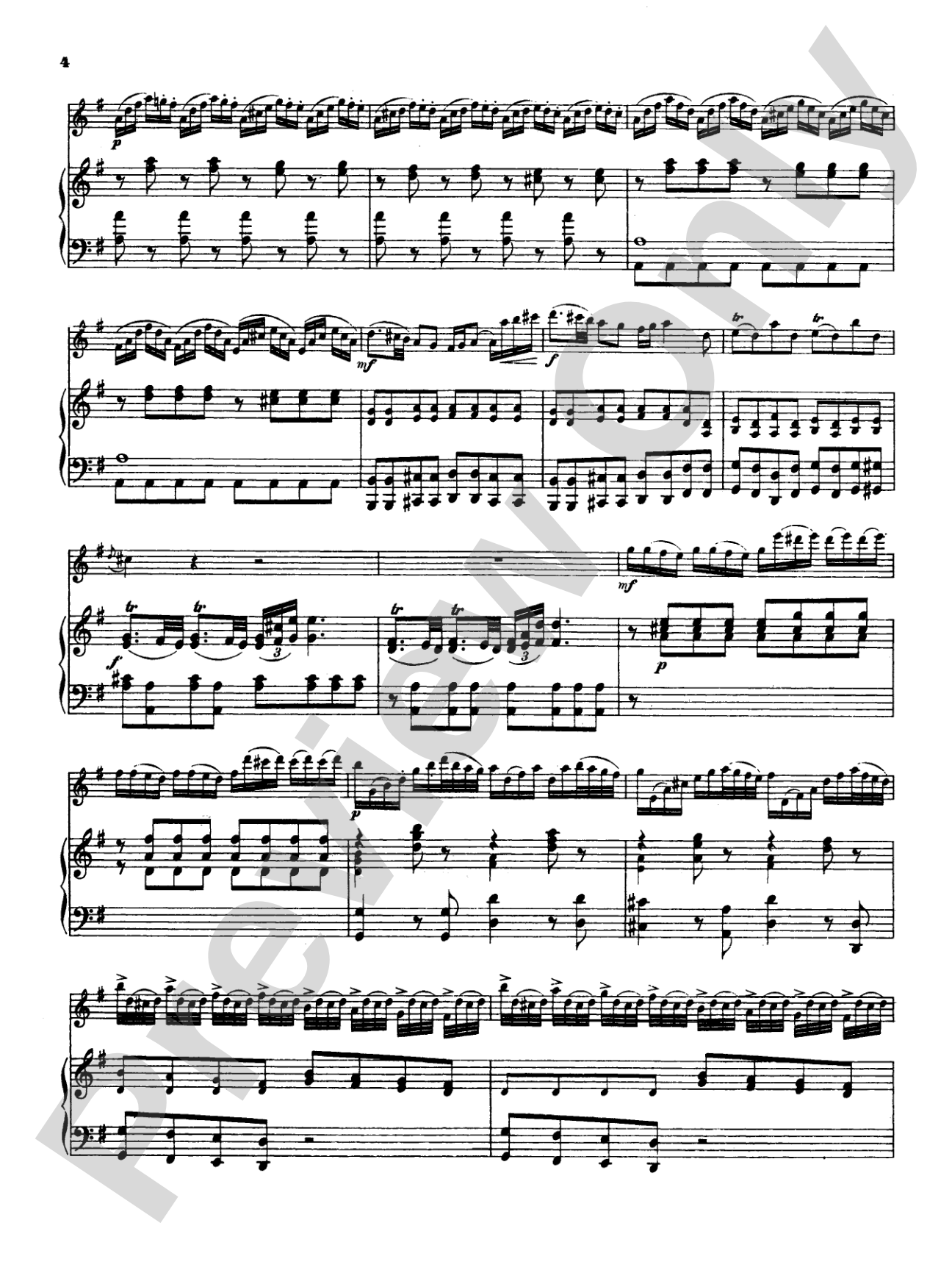
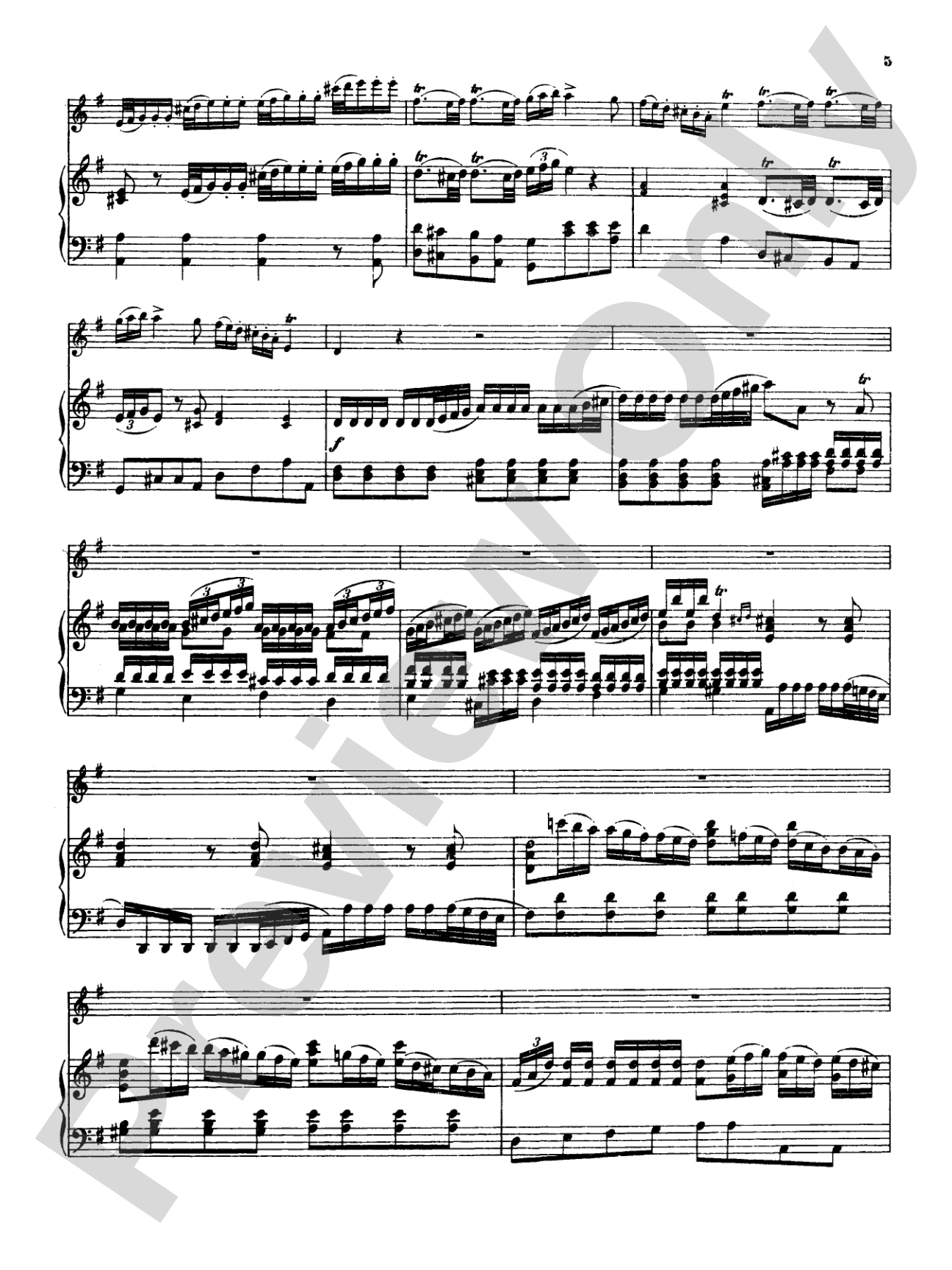
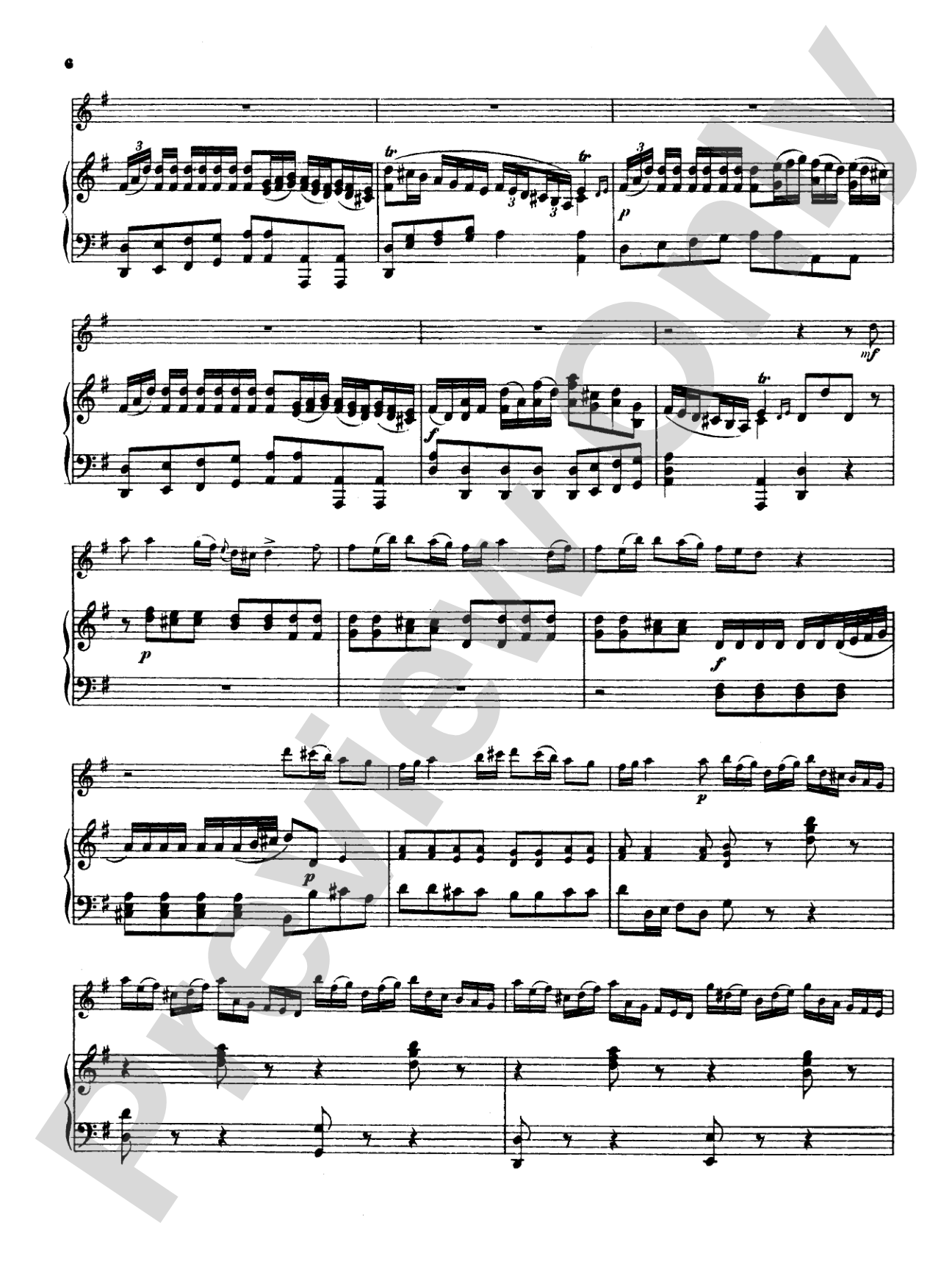
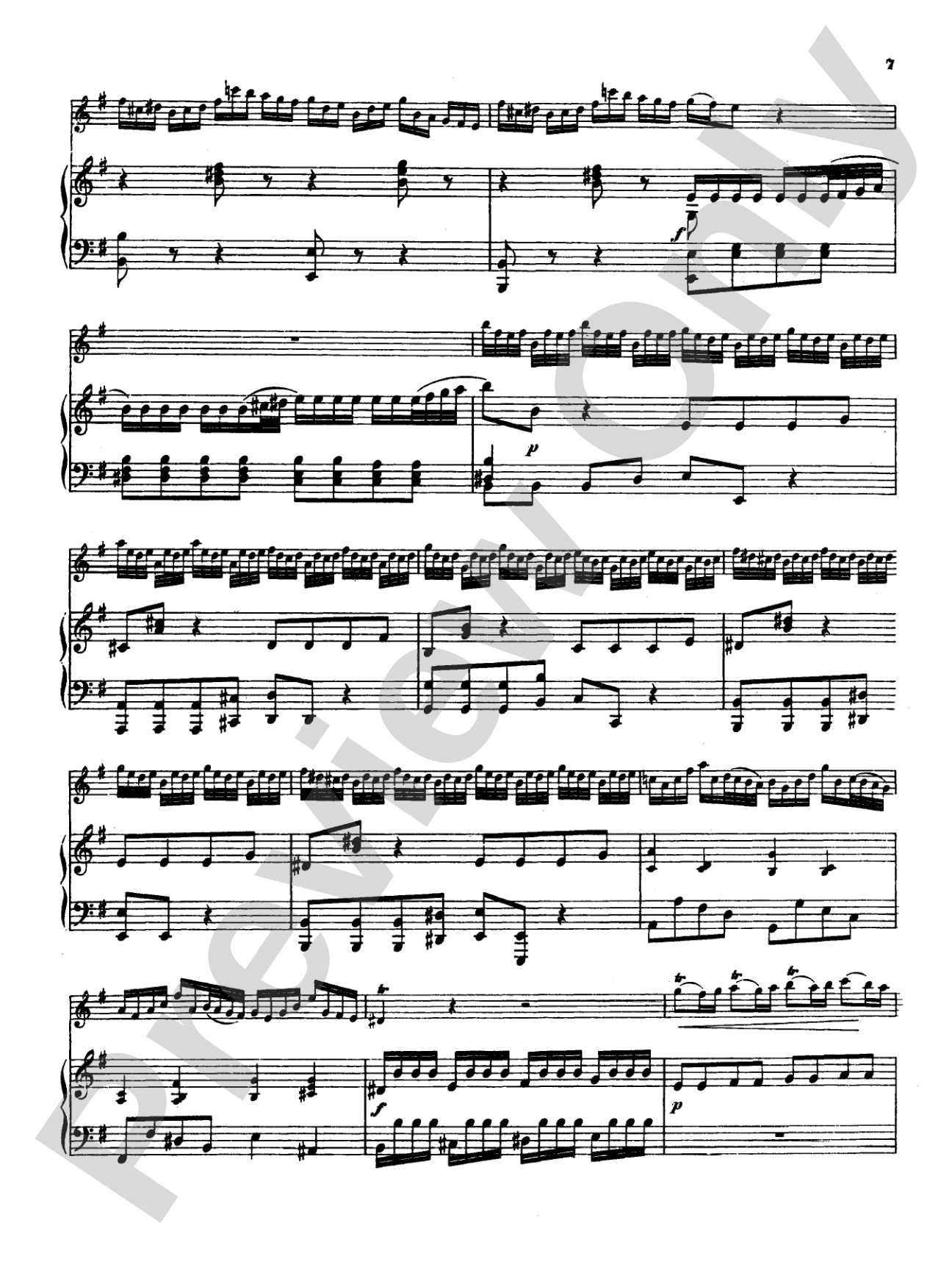
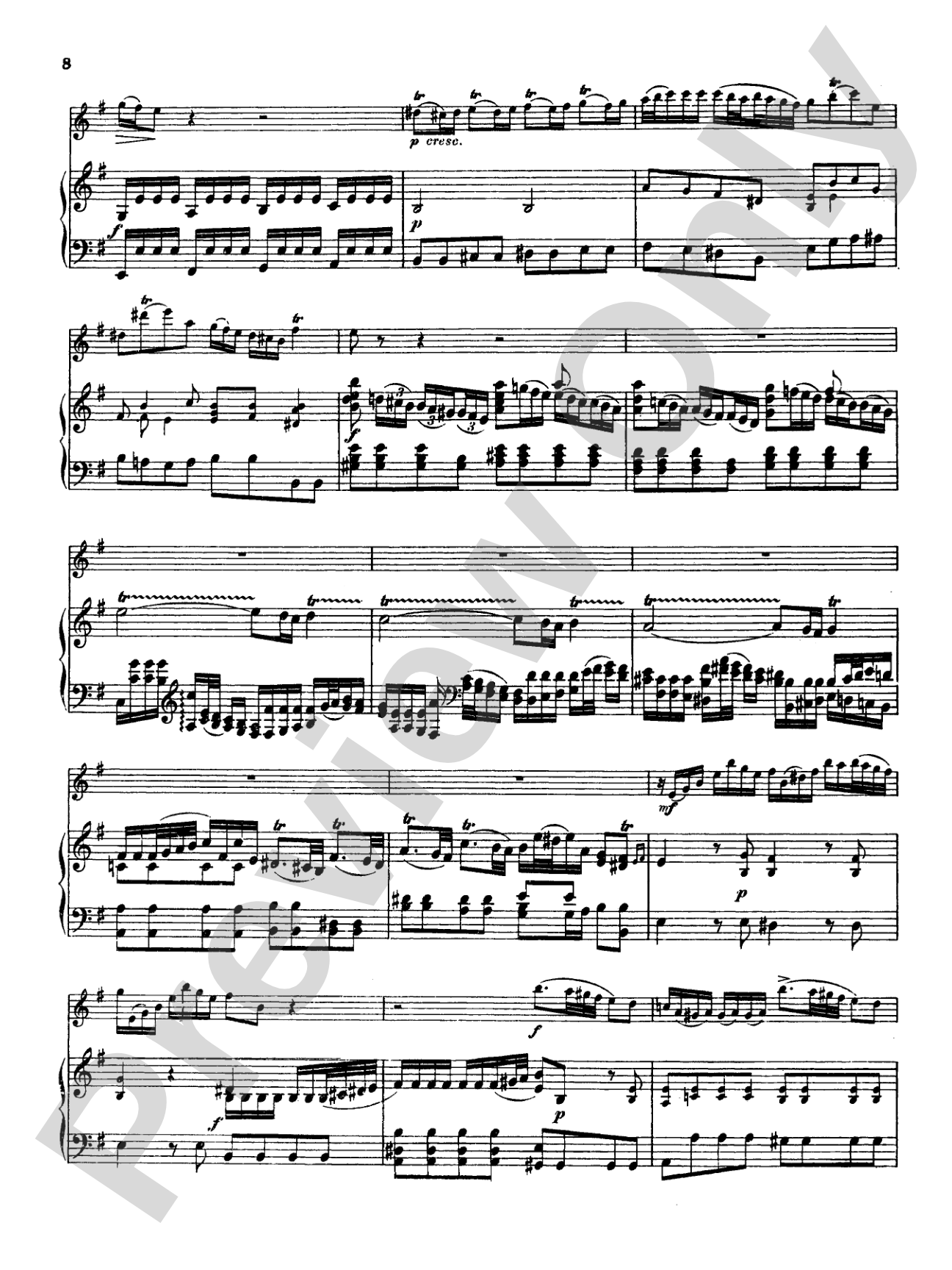
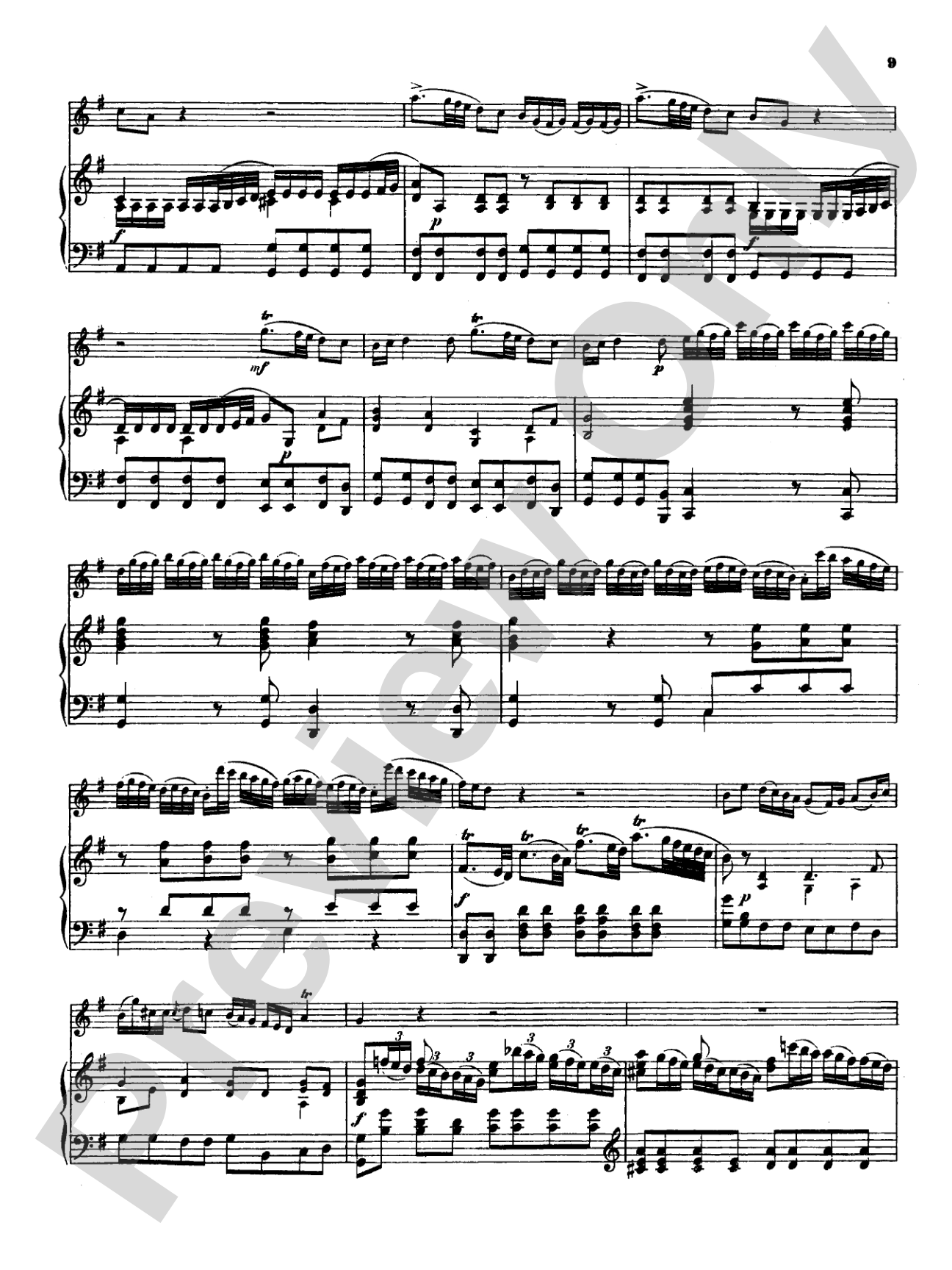
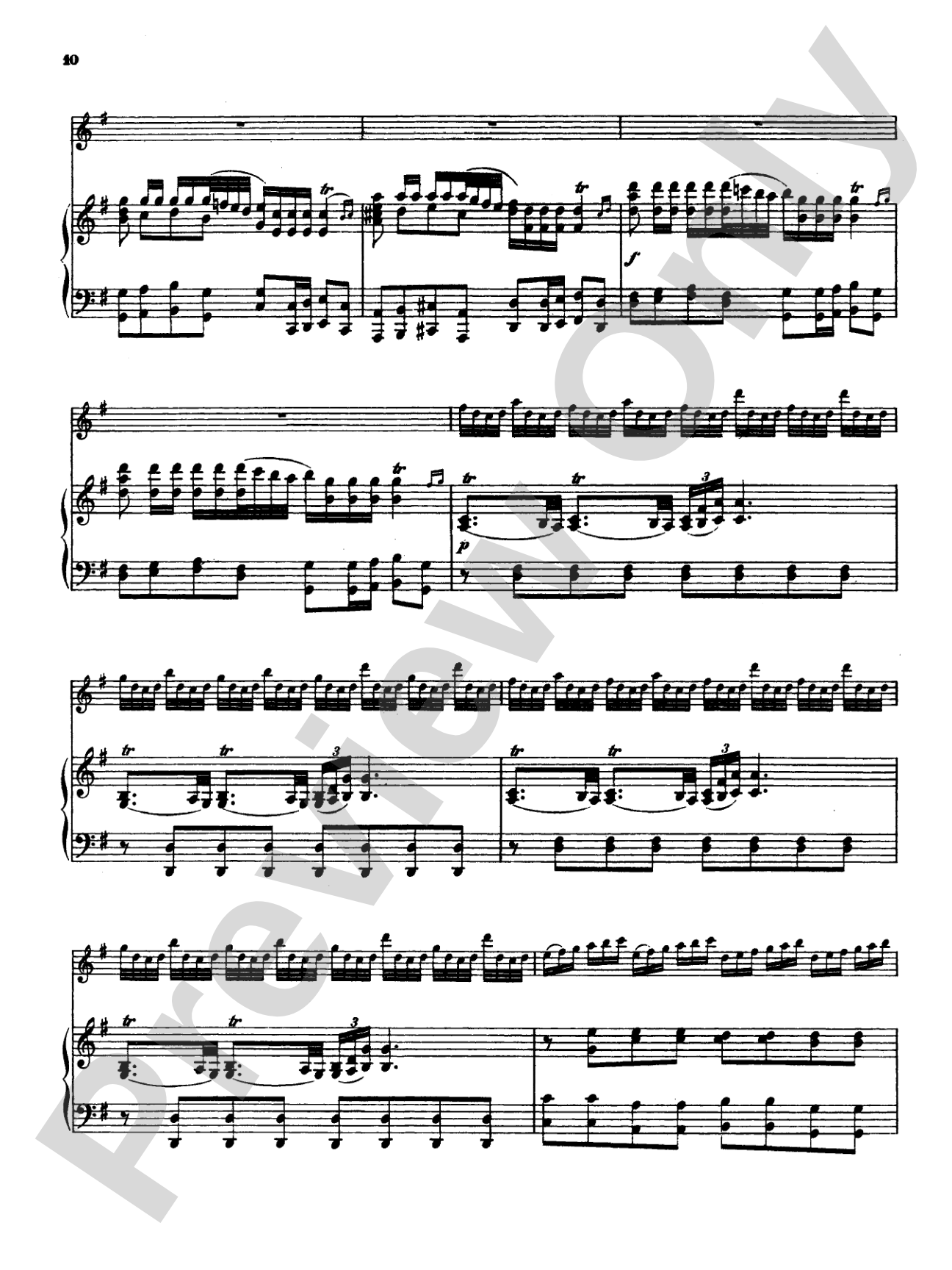
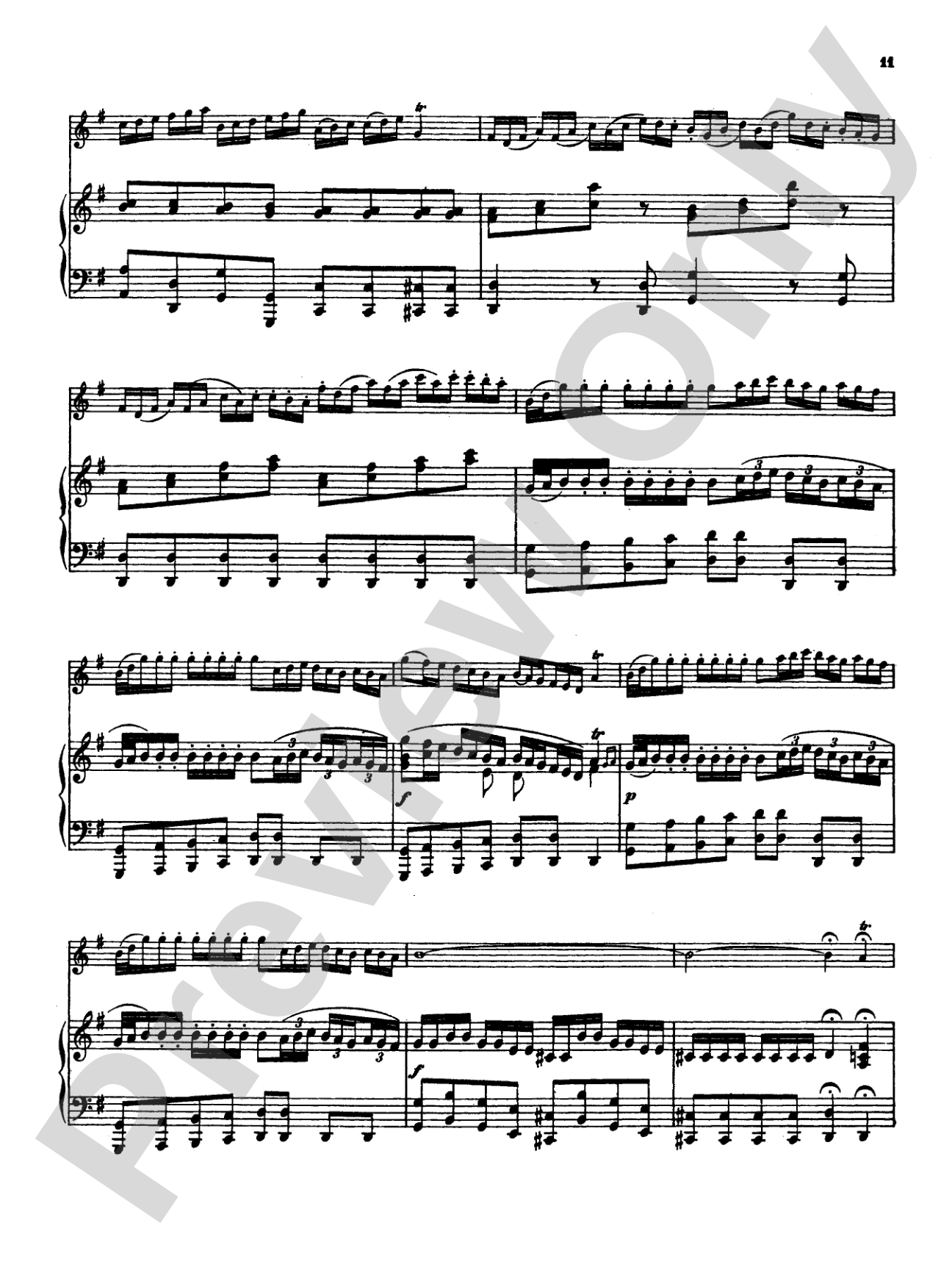
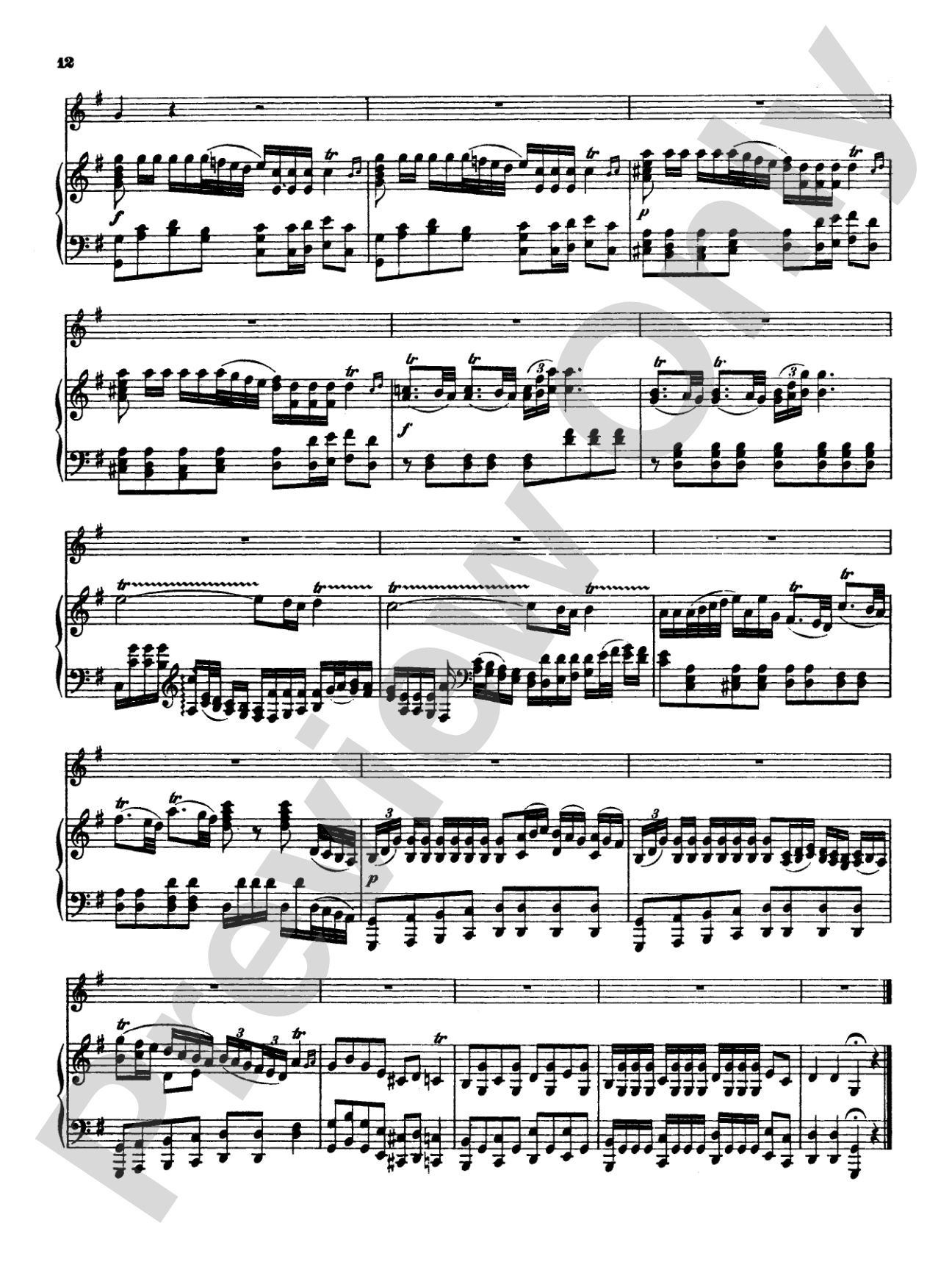
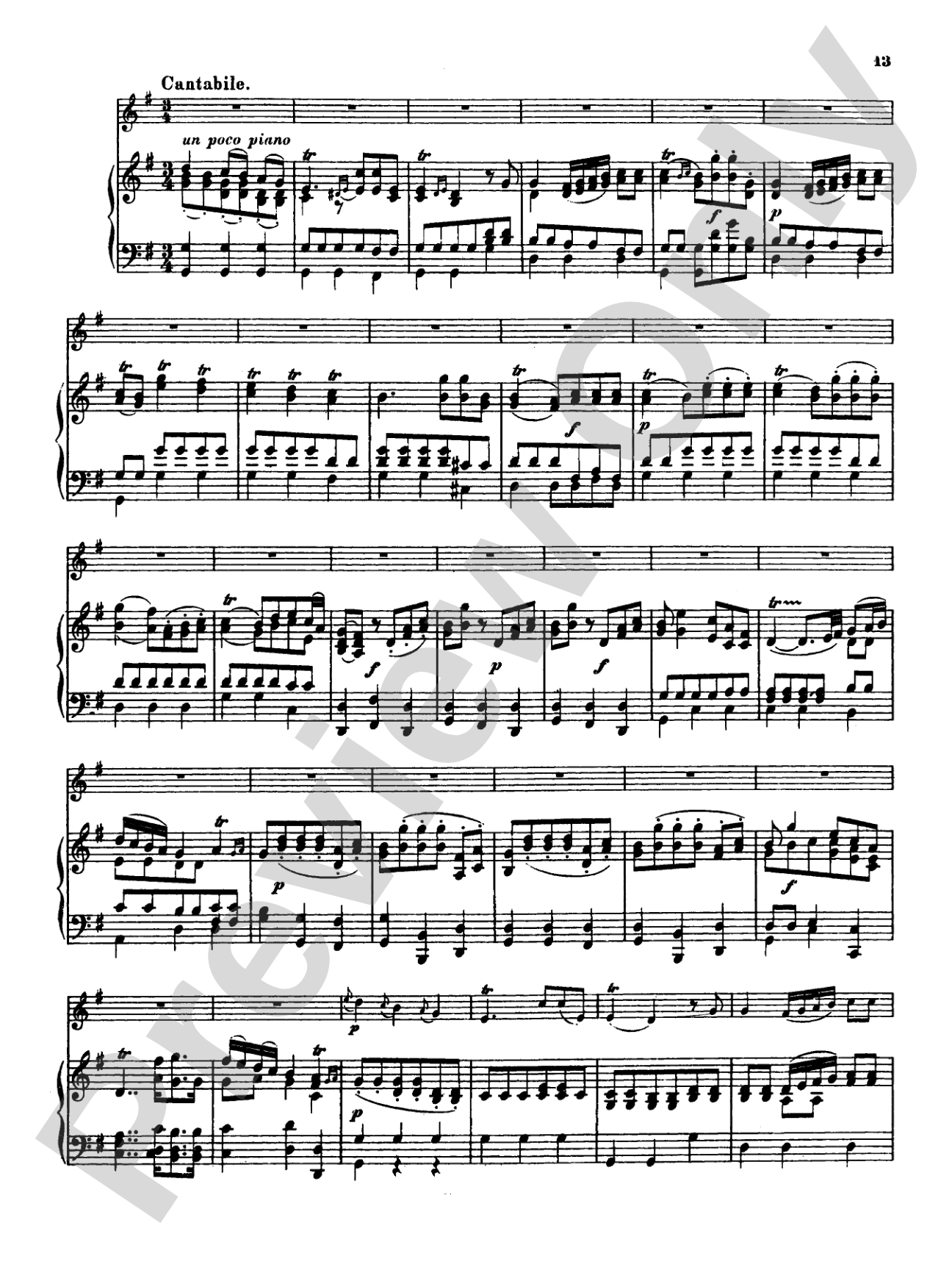
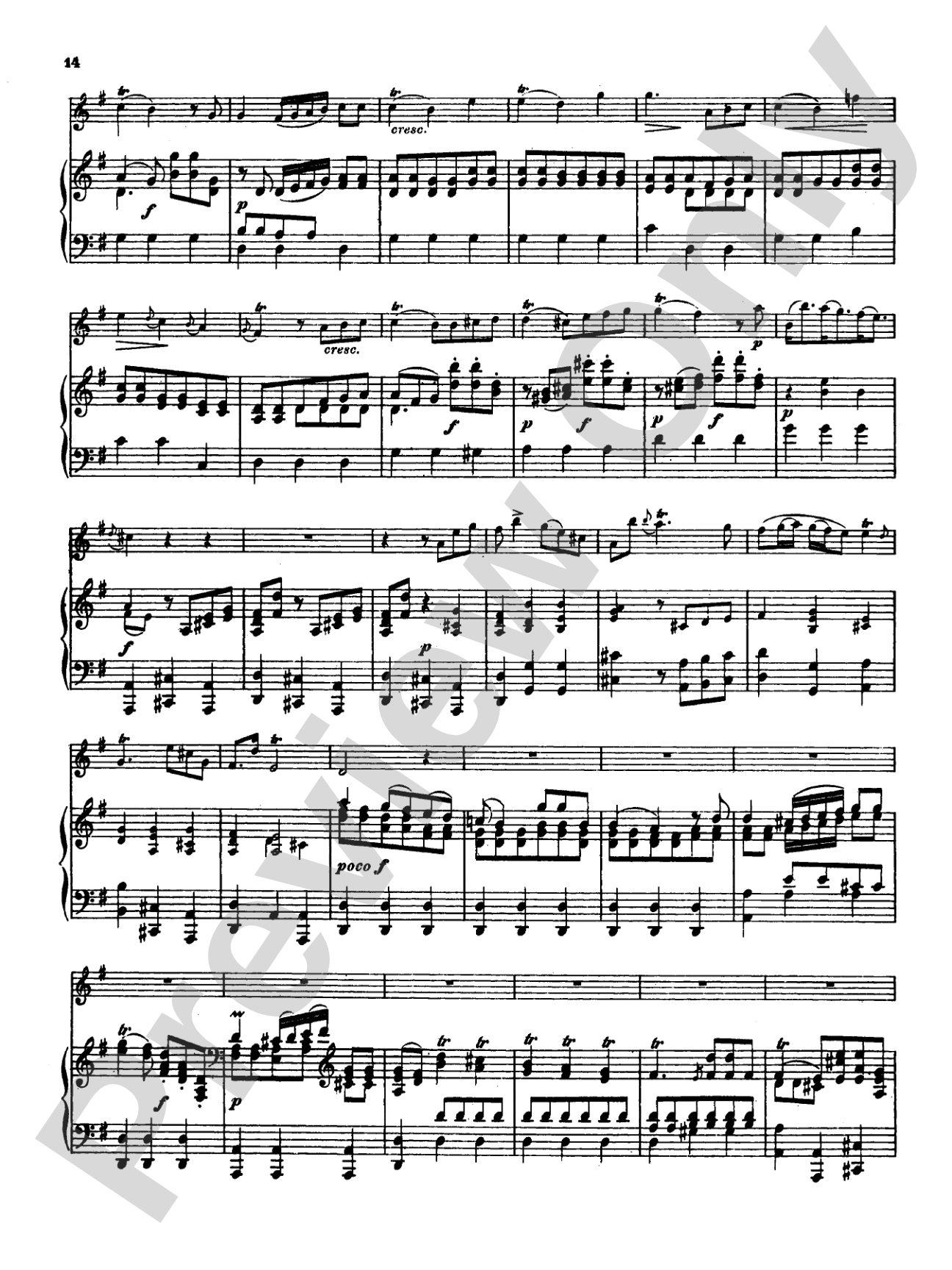
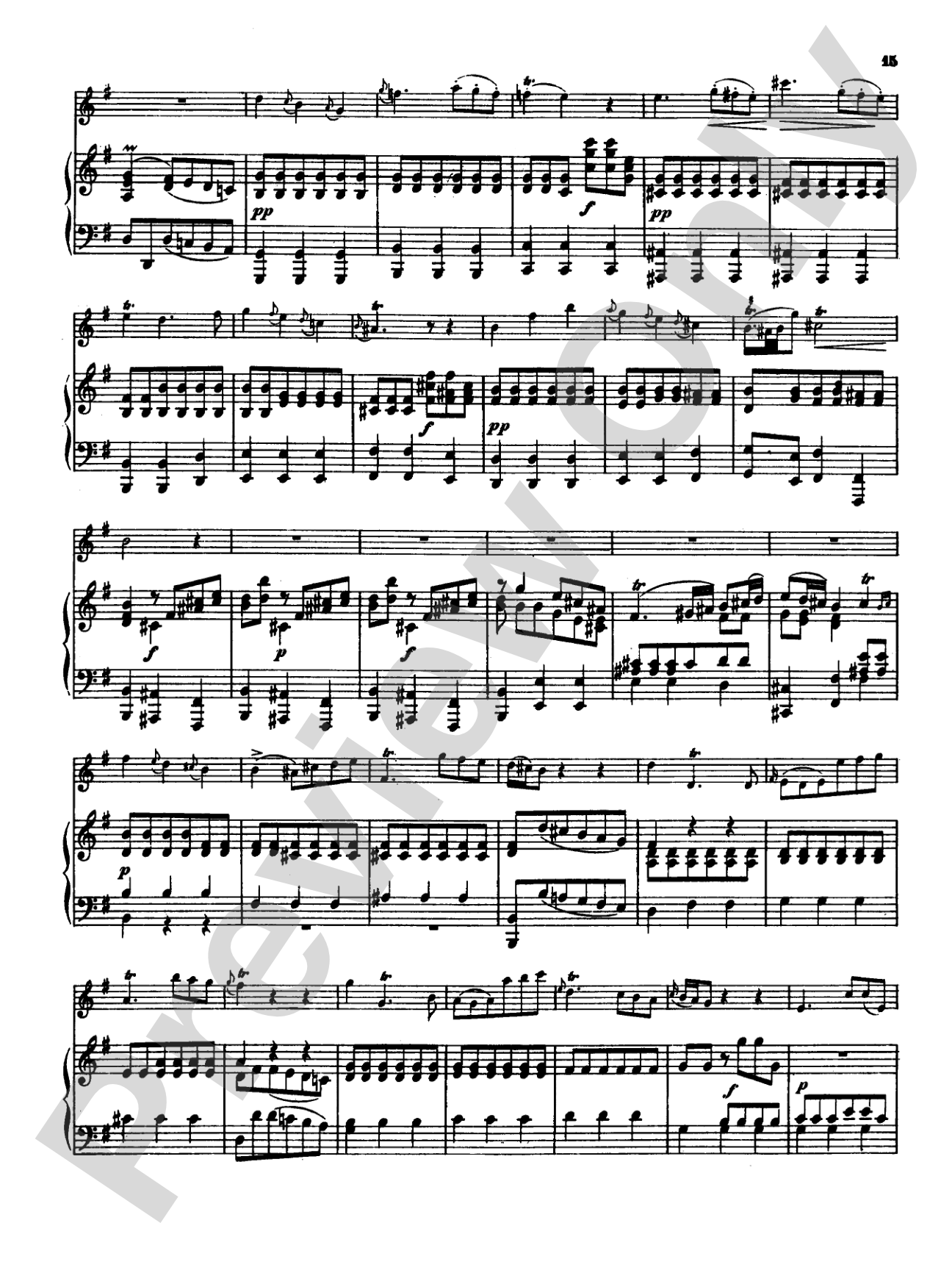
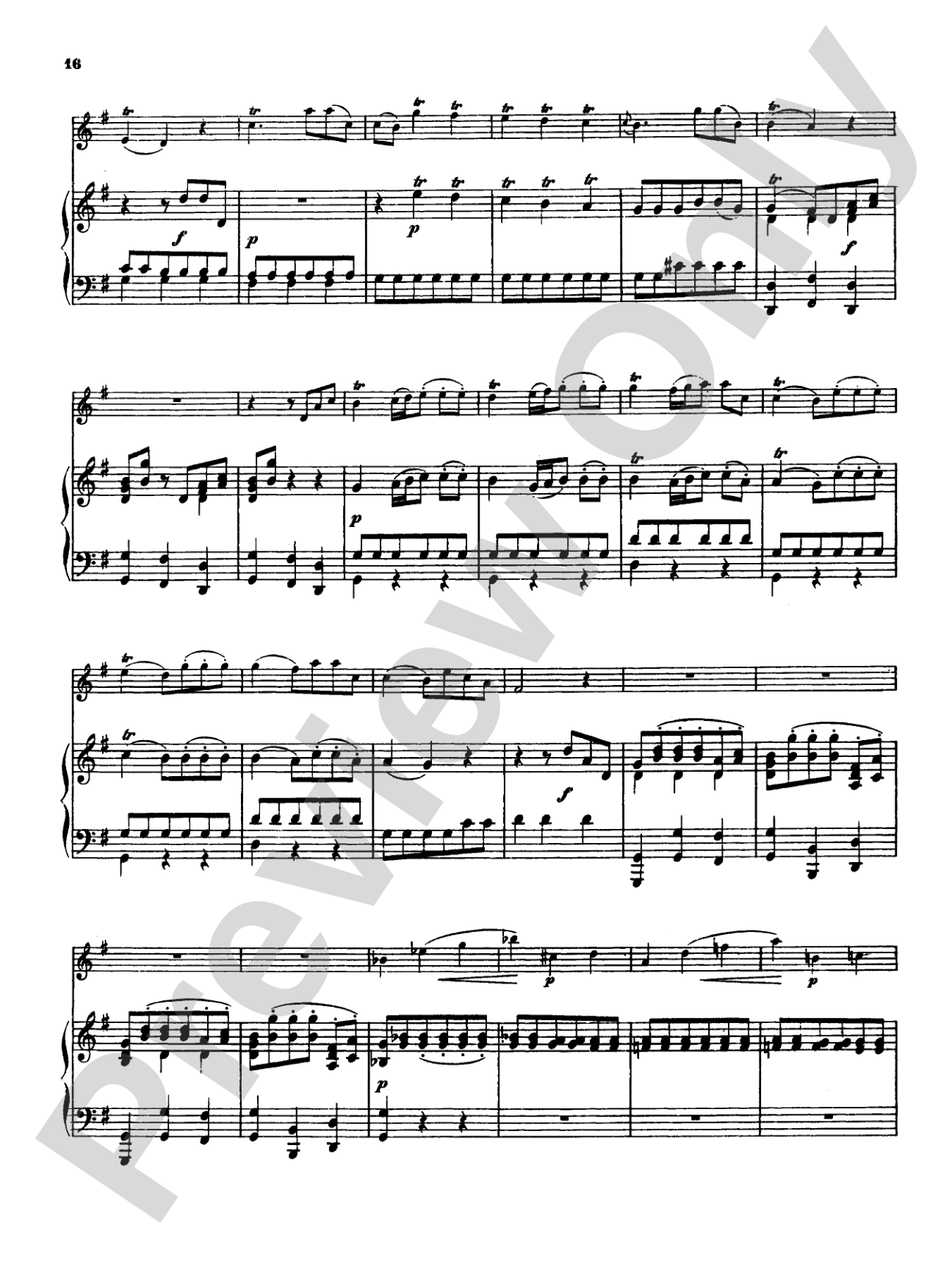
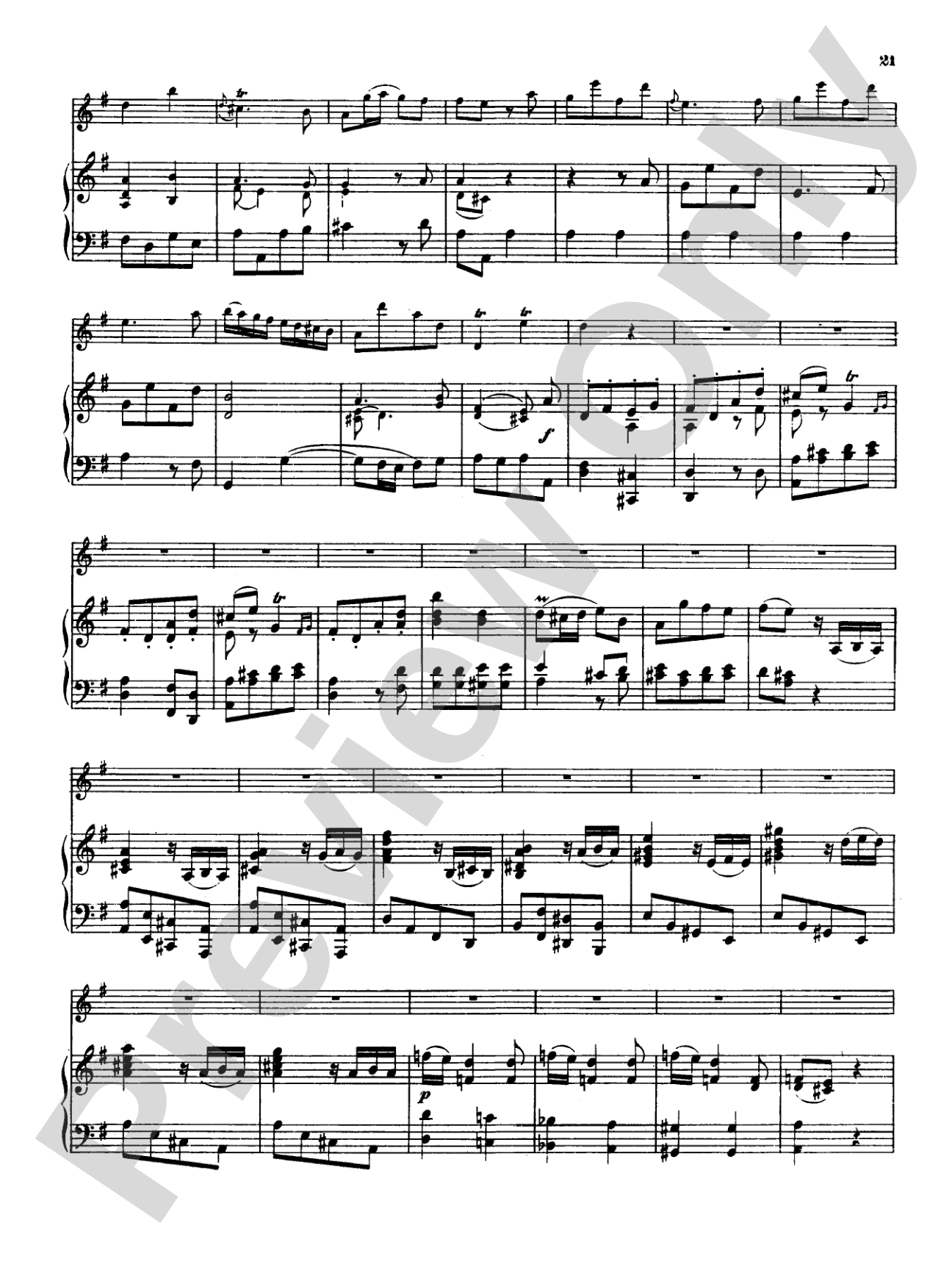
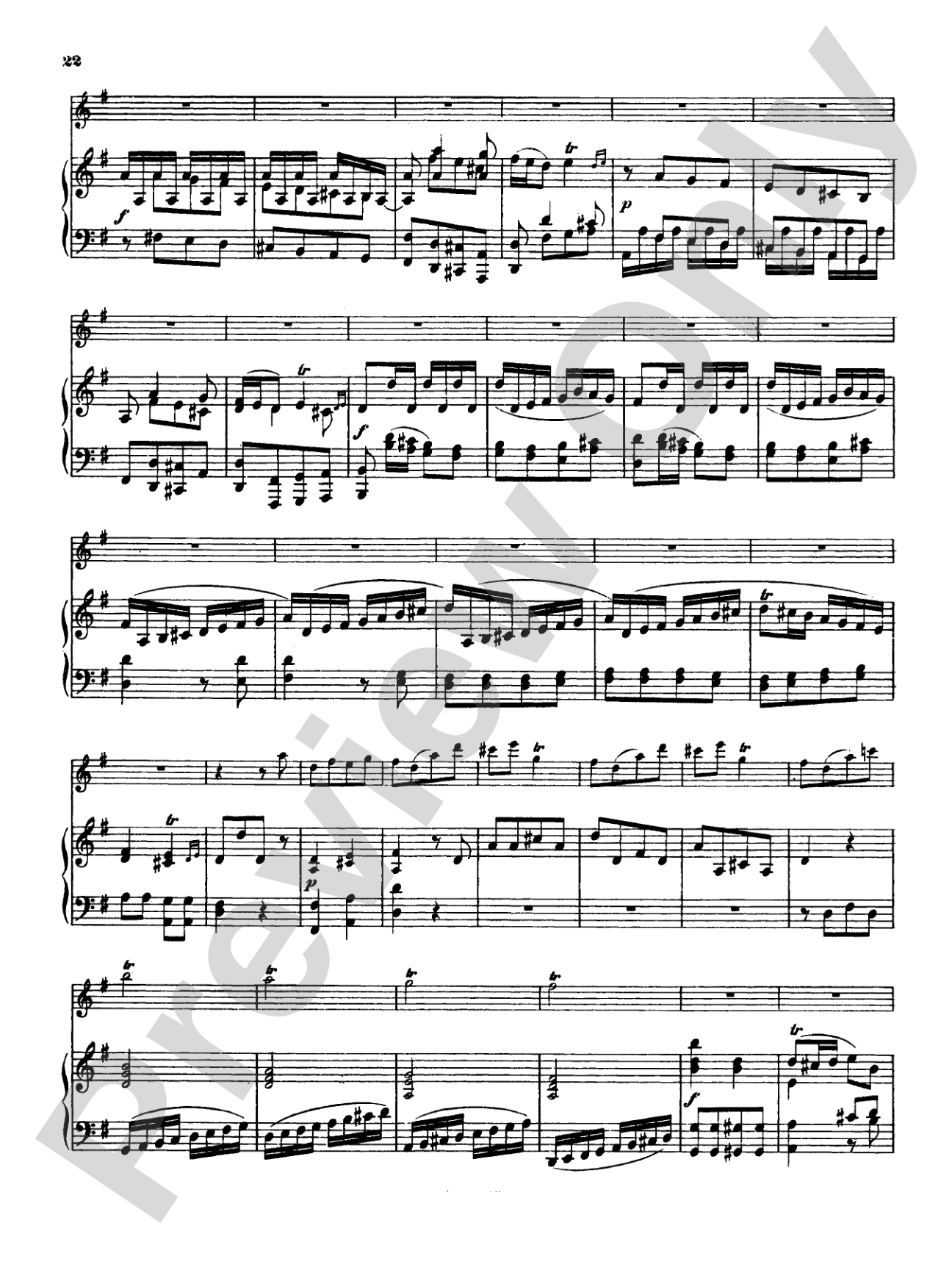
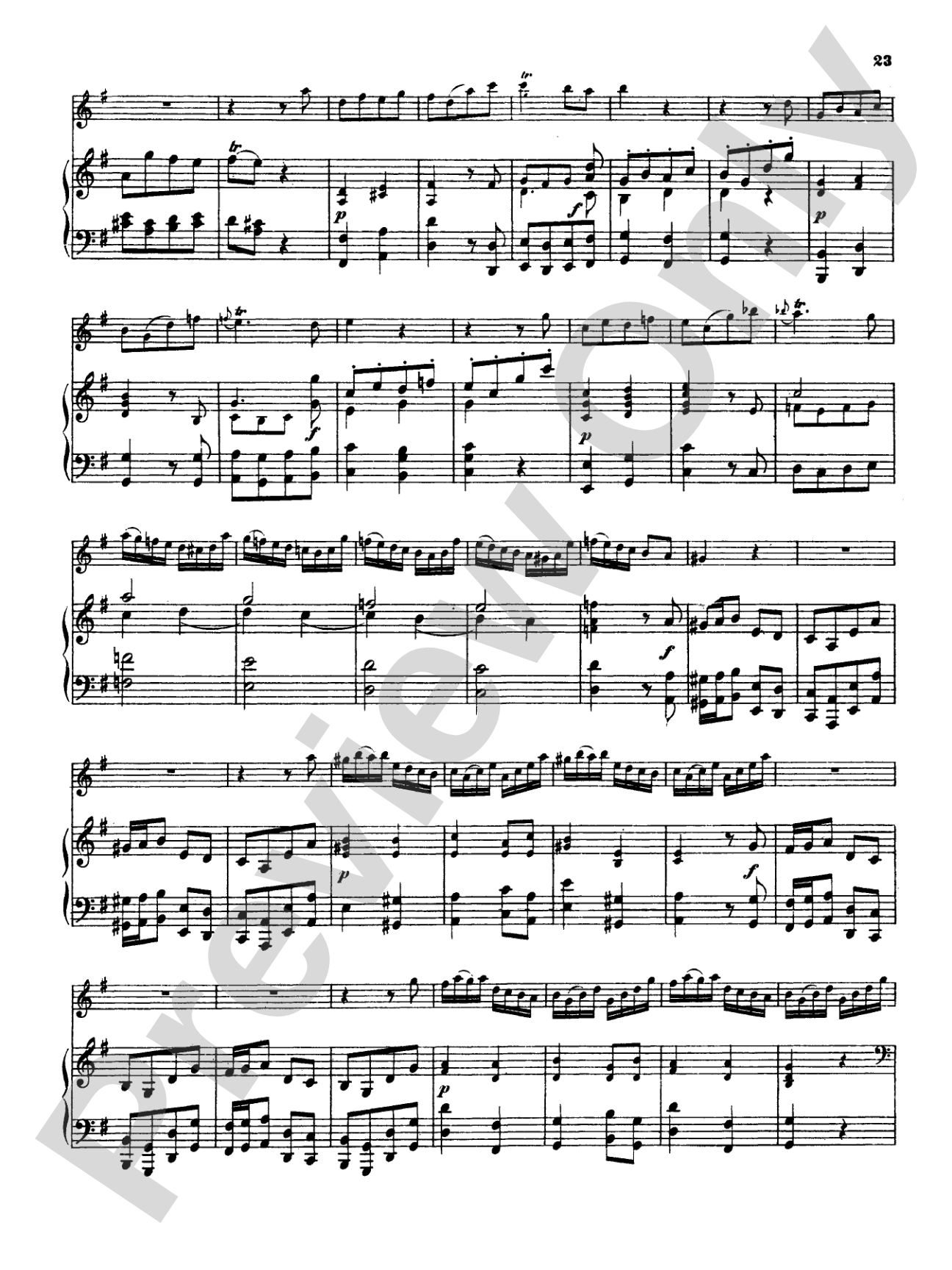
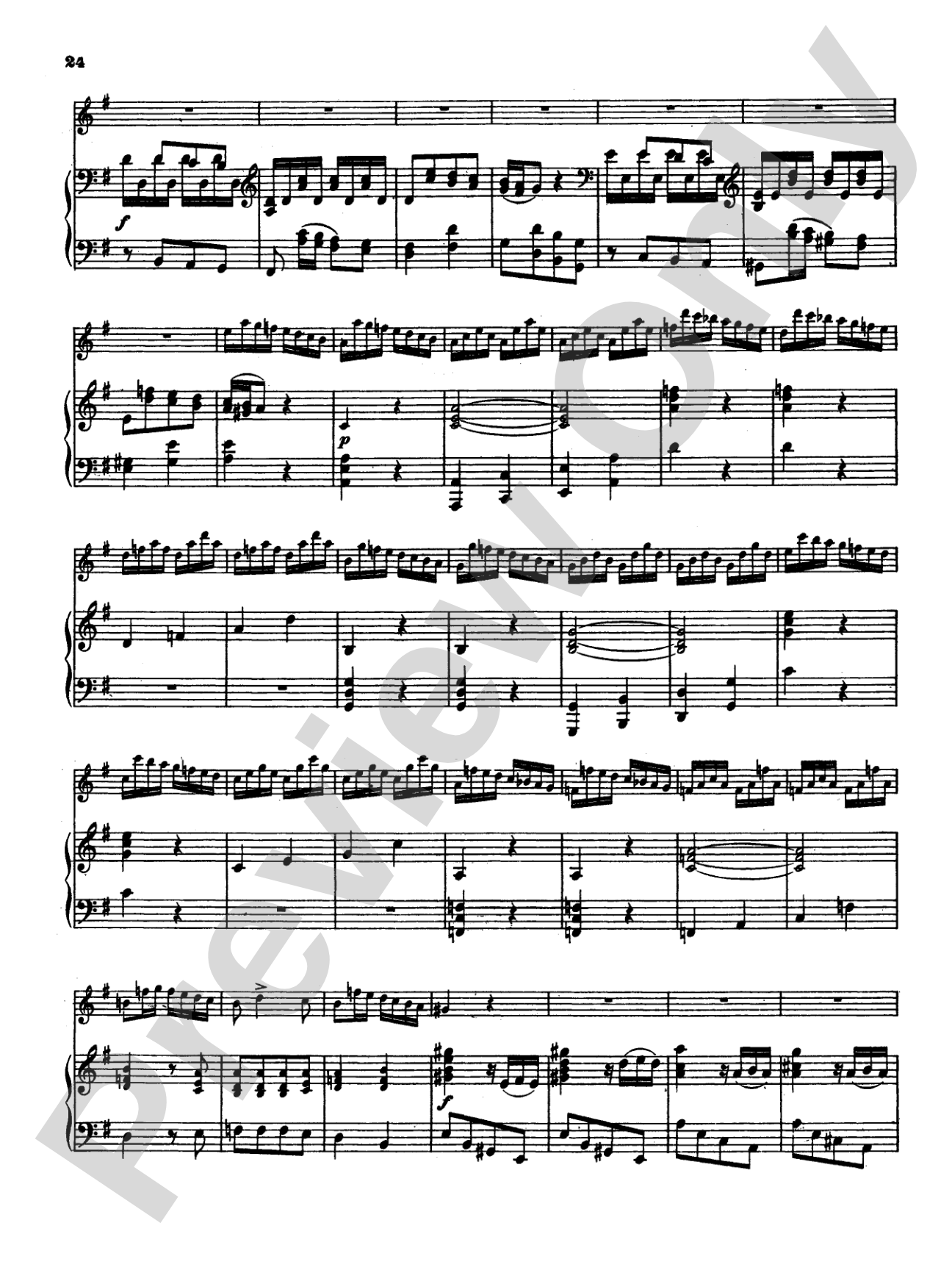

Great: Four Concertos for Flute and Piano: Flute Book
By Frederick the Great
Item: 00-PK-0002780

$14.99
Pickup currently not available
Buy Extra Parts (Digital PDF Download)
| Product | Price | Quantity |
|---|---|---|
| Great: Four Concertos for Flute and Piano | $2.95 | |
| Great: Four Concertos for Flute and Piano | $2.99 | |
| Great: Four Concertos for Flute and Piano | $2.99 | |
| Great: Four Concertos for Flute and Piano | $2.95 |
Parts Added to Cart!
Related Items
Four Concertos for Flute and Piano: Flute Book |
$14.99
|
View |
Description
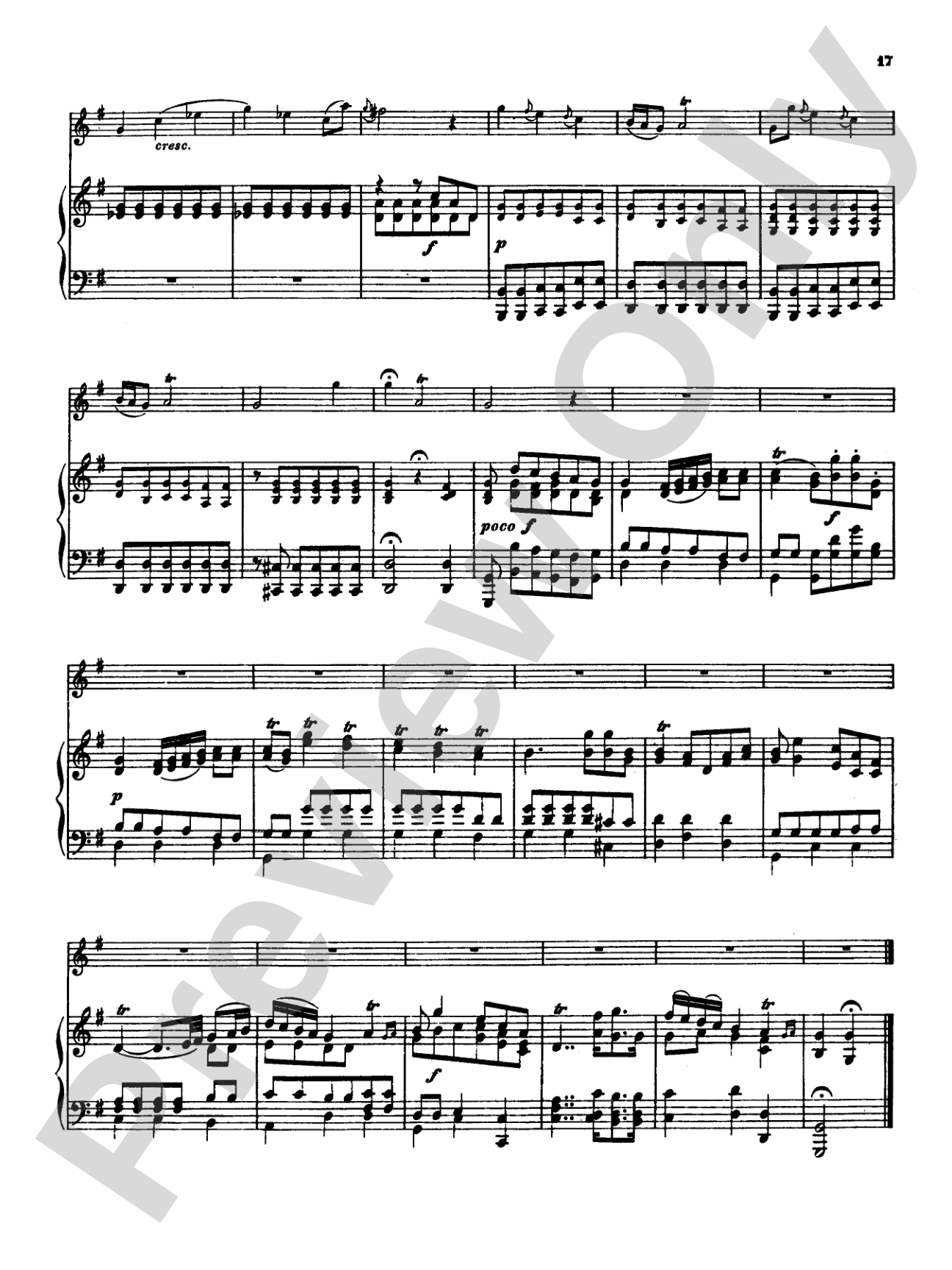
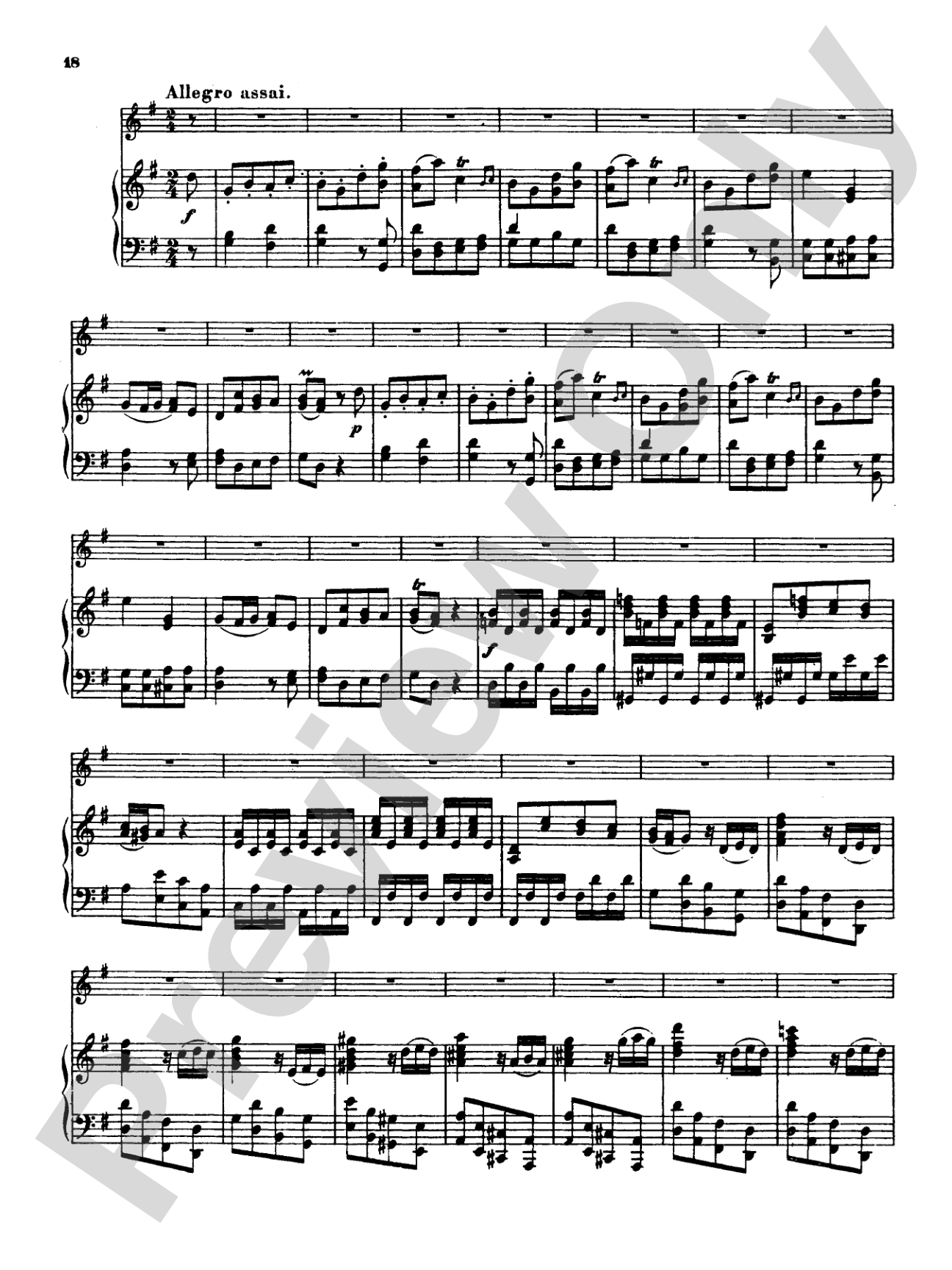
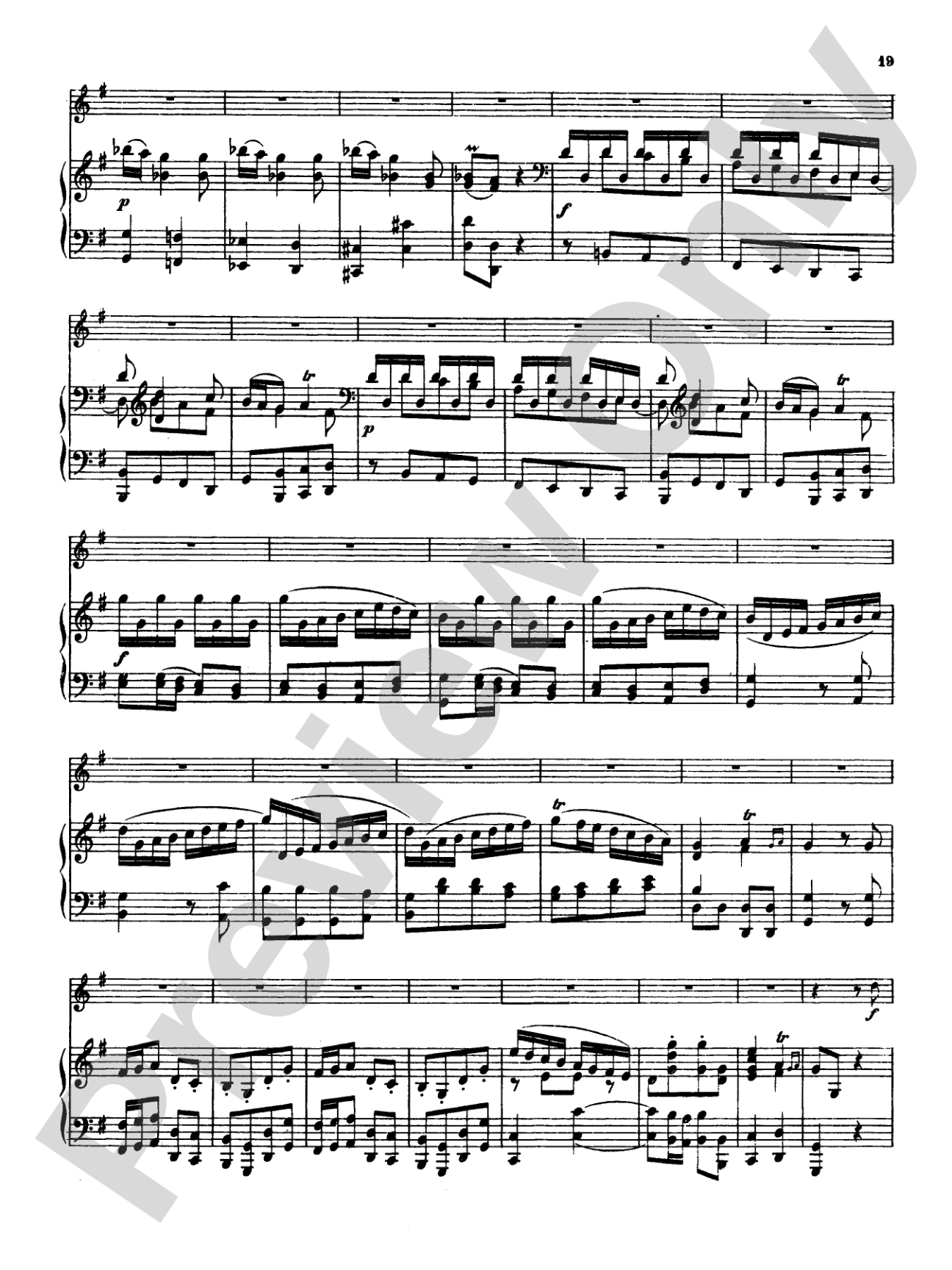
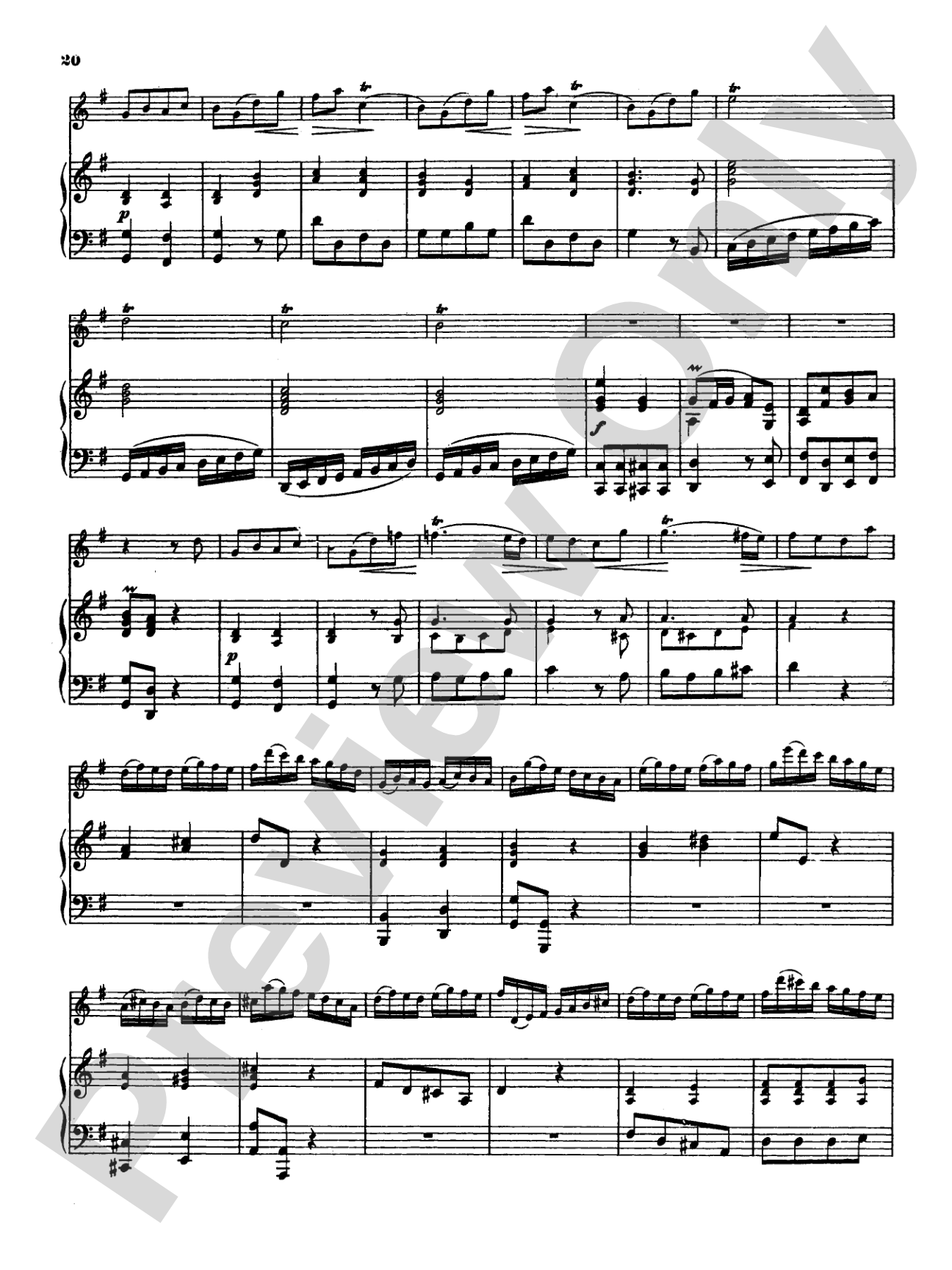
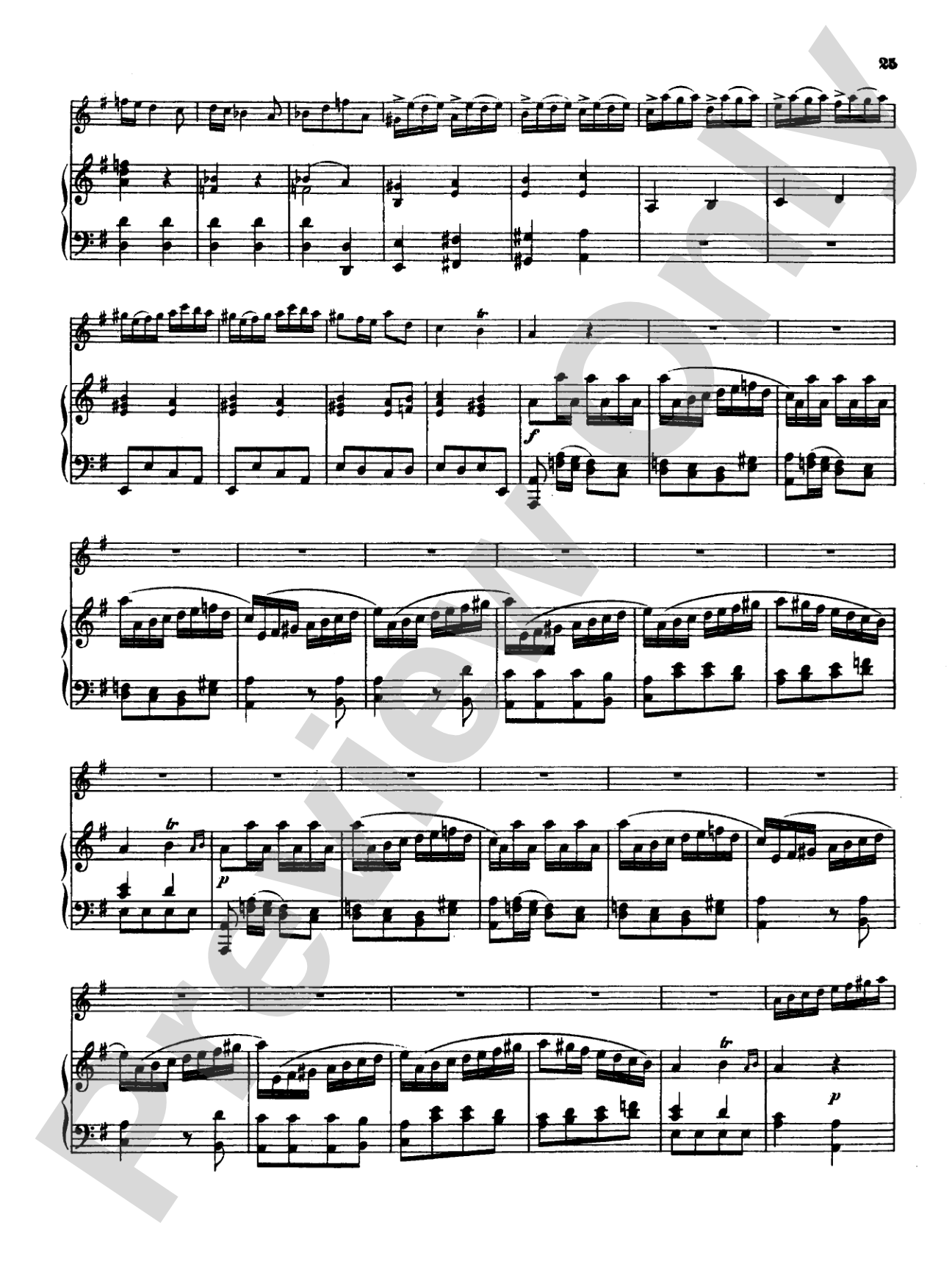
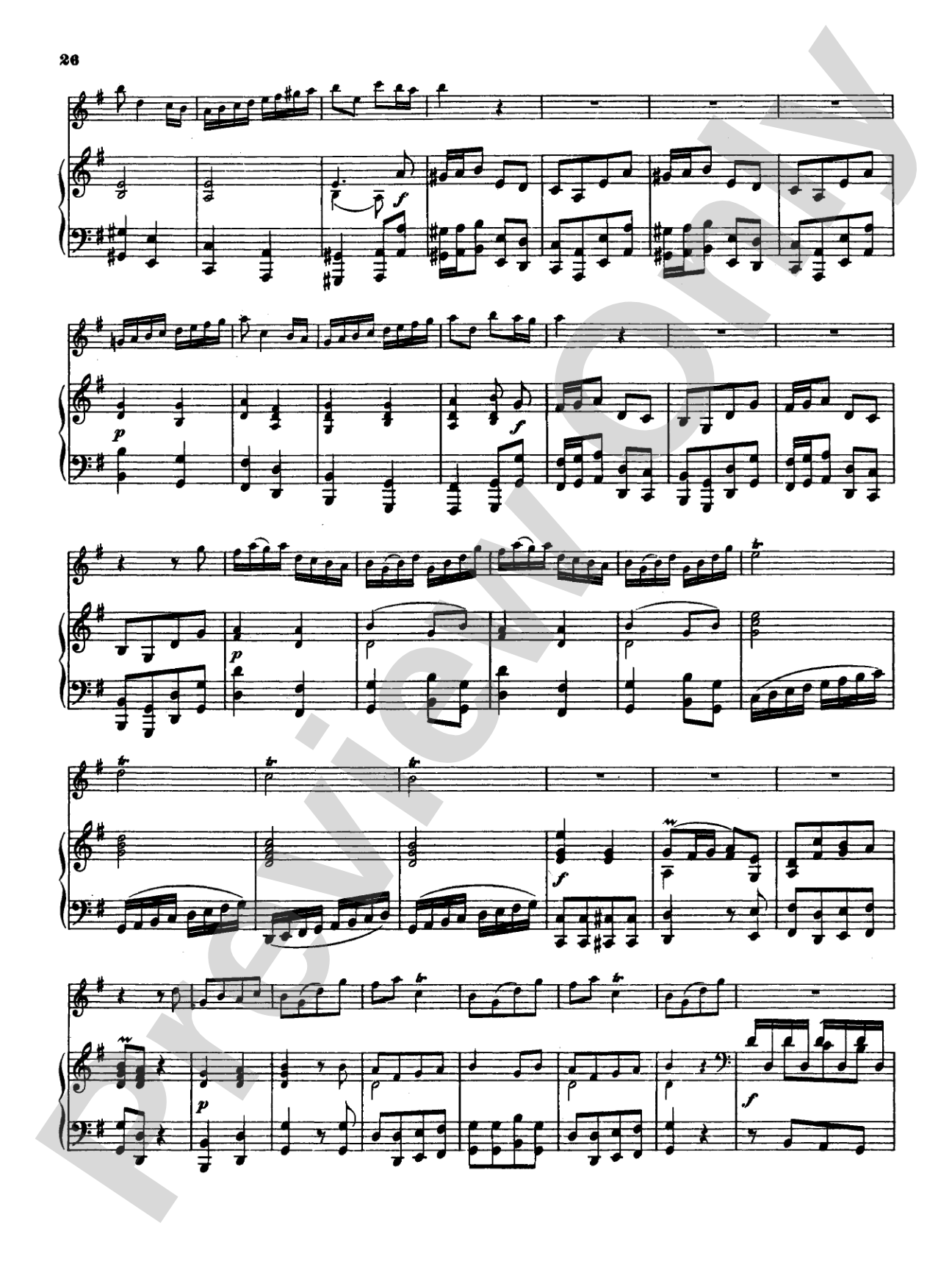
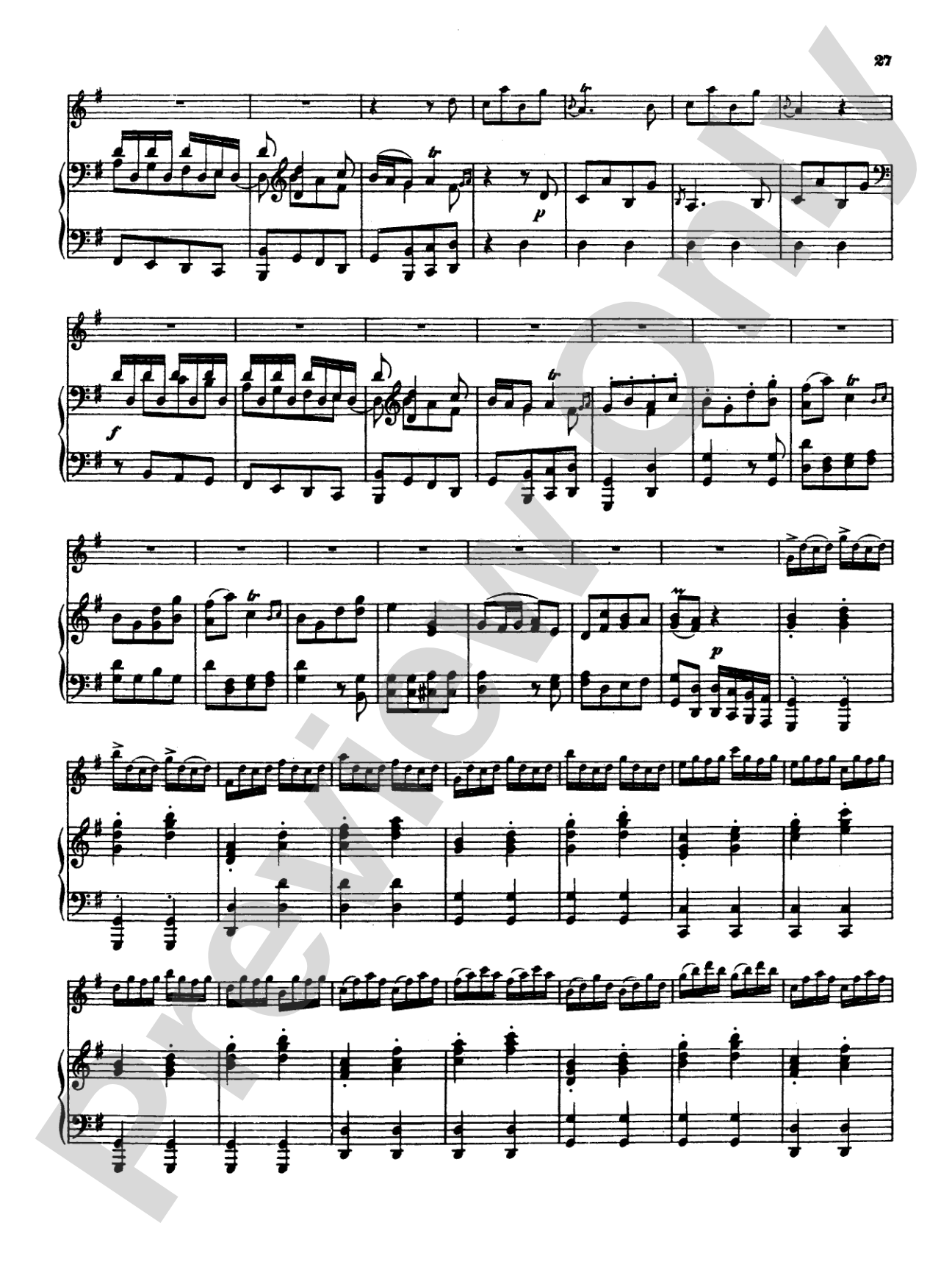
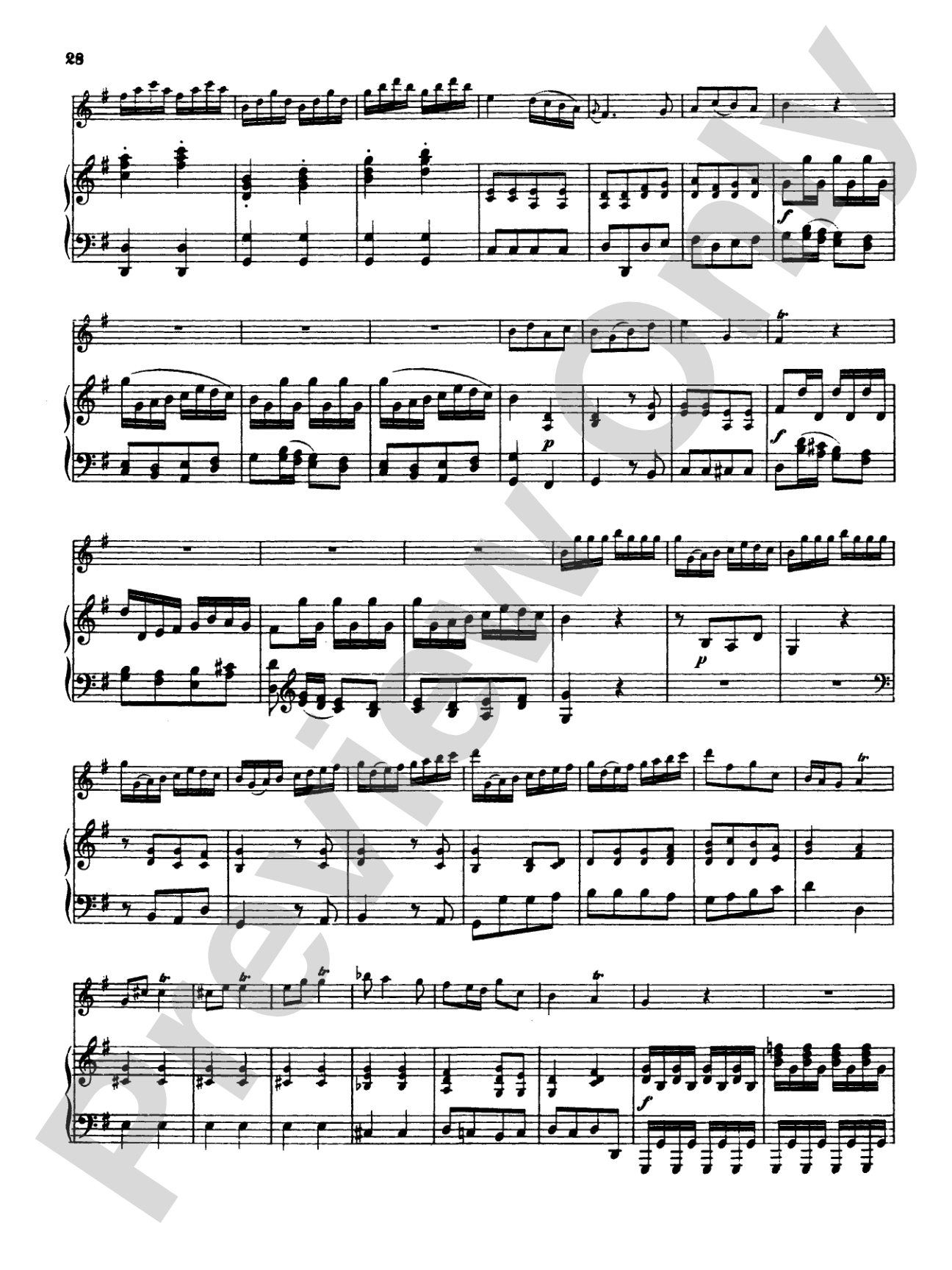
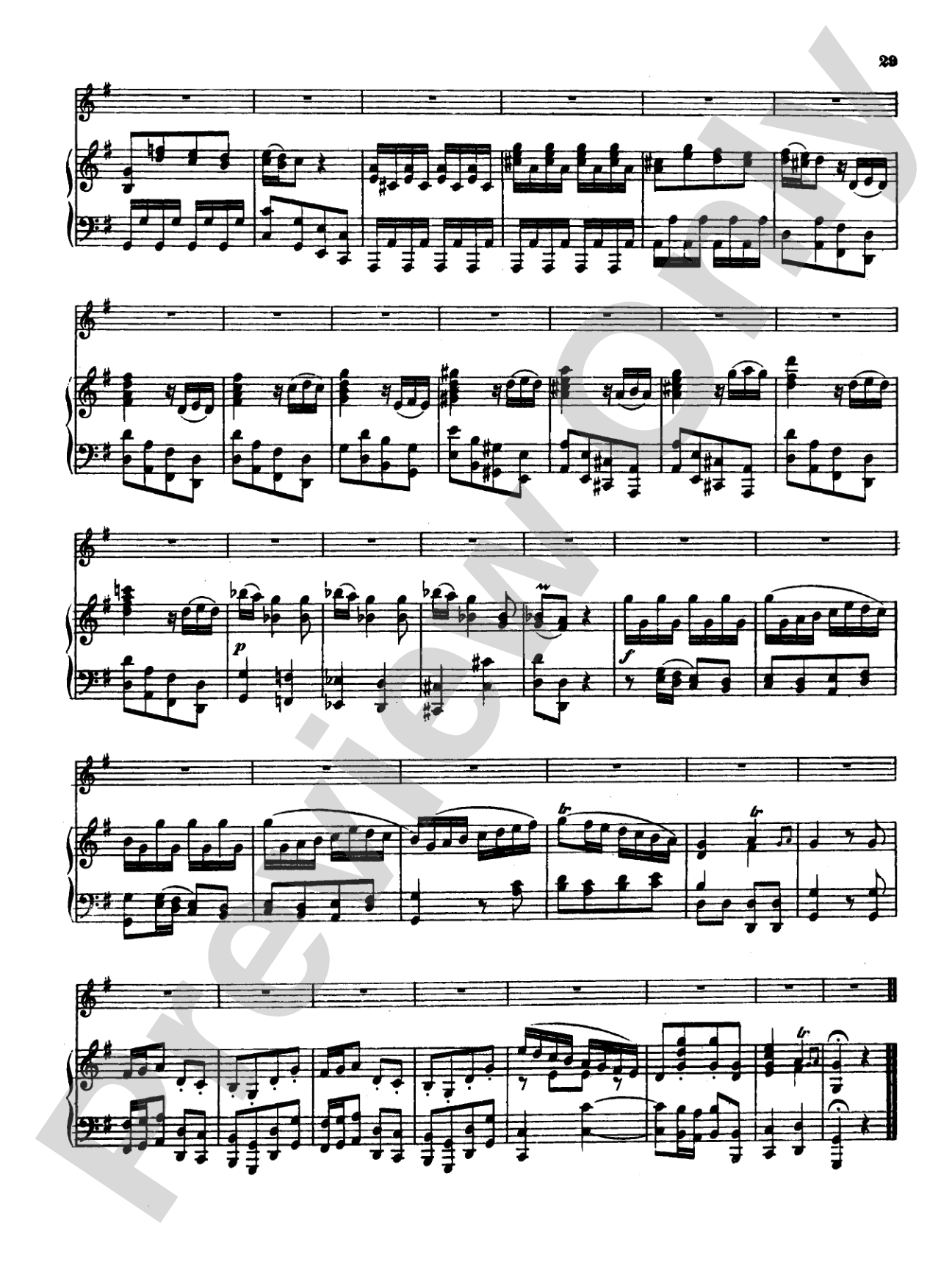
Kalmus continues its series of flute music by Frederick the Great with this freshly printed volume of his four concertos for flute and orchestra. This cleanly printed edition includes the flute part and a piano reduction of the orchestral parts for the concertos in C major, D major, and the two concertos in G major.


Don't just read it, hear it, play along with it, and watch your students grow with it. In MakeMusic Cloud, Great: Four Concertos for Flute and Piano: Flute Book comes alive with professional accompaniment, adjustable tempo, and built-in practice tools that turn solo practice into real progress.
Open in the Player
Jump straight in and assign it today.
Start Your Free Trial
Open this title and explore the full library in minutes.
Sample Audio
No sample audio found.
Sample Video
No sample videos found.
Additional Details
Series:
Kalmus Edition
Publisher:
Alfred Music
Page Count:
24
SKU:
00-PK-0002780
More about this title
About the Composer: Frederick the Great
Frederick II of Prussia (1712-1786), known as Frederick the Great, was a monarch who pursued music with the intensity he applied to statecraft and military strategy. An accomplished flutist trained by renowned pedagogue Johann Joachim Quantz, Frederick composed prolifically for his instrument, leaving behind around 100 flute concertos and numerous sonatas. His musical output reflects the galant style of the mid-18th century, balancing the ornamental elegance of the Rococo with the structural clarity emerging from the Classical period.
Frederick's concertos remain central to the flute repertoire because they demand both technical facility and musical maturity from performers. Written during an era when the flute was still developing mechanically, these works showcase the expressive capabilities of the instrument while respecting its technical limitations. For music educators and serious flute students, Frederick's concertos offer direct access to authentic 18th-century flute writing from a composer who understood the instrument intimately.
Why we love this
Four substantial concertos in a single volume gives flute students a cohesive study of mid-Classical style without the logistical complexity of managing separate parts or incomplete editions. The piano reduction makes these works accessible to studios and smaller programs while preserving the harmonic and textural integrity of the original orchestrations. Performing these concertos signals serious artistic intent and prepares advanced students for the technical and musical demands of 19th-century solo flute literature.
What to expect
These concertos balance courtly refinement with genuine lyricism. Lyrical passages flow with natural cantabile phrasing, while faster figuration crackles with energy and precision. The C major and D major concertos offer contrasting moods, while the two G major works reveal Frederick's skill at developing similar ideas across different emotional registers, creating a satisfying arc through the four movements.
Who it's for
Advanced intermediate to advanced flute students preparing for competitions, recitals, or college auditions. Teachers seeking authentic Classical-era repertoire that bridges Baroque technique and Romantic expression will find these concertos invaluable for building performance maturity and historical understanding.
How to get the most out of it
- Balance ornamentation with forward motion. Frederick's melodic writing invites embellishment, but resist the temptation to linger on every turn and trill; maintain harmonic momentum through the phrase.
- Coordinate articulation style across movements. The D major and G major concertos may benefit from different levels of clarity; listen to period recordings to hear how articulation shapes phrasing across these works.
- Voice the cadences deliberately. The piano reduction often carries important inner voices that support your melodic line; work closely with your accompanist to clarify harmonic arrivals.
How to use it
Program the C major or D major concerto on a solo recital to anchor the Classical section of your concert. Alternatively, pair one of the G major concertos with a contemporary Baroque sonata to highlight the stylistic transition between eras. These works suit faculty recitals equally well, offering colleagues a chance to partner with flutists on repertoire that deepens understanding of 18th-century flute practice.
Skills your students will build
- Ornamentation and trills in Classical style (turns, mordents, appoggiature)
- Cantabile phrasing across longer melodic lines
- Fast passagework with clarity and rhythmic precision
- Harmonic awareness and cadential arrival
- Stylistic distinction between Baroque and Classical articulation