
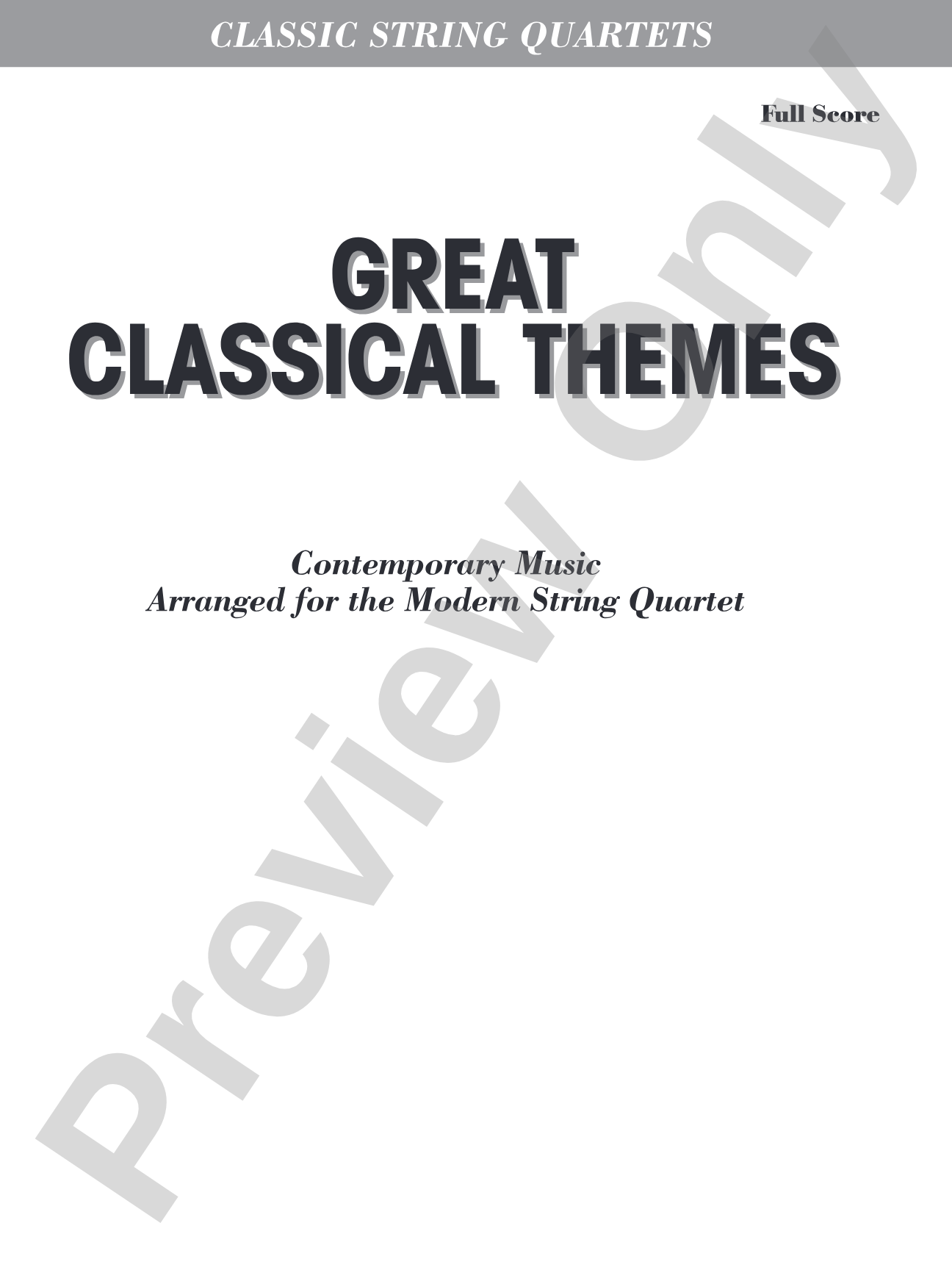
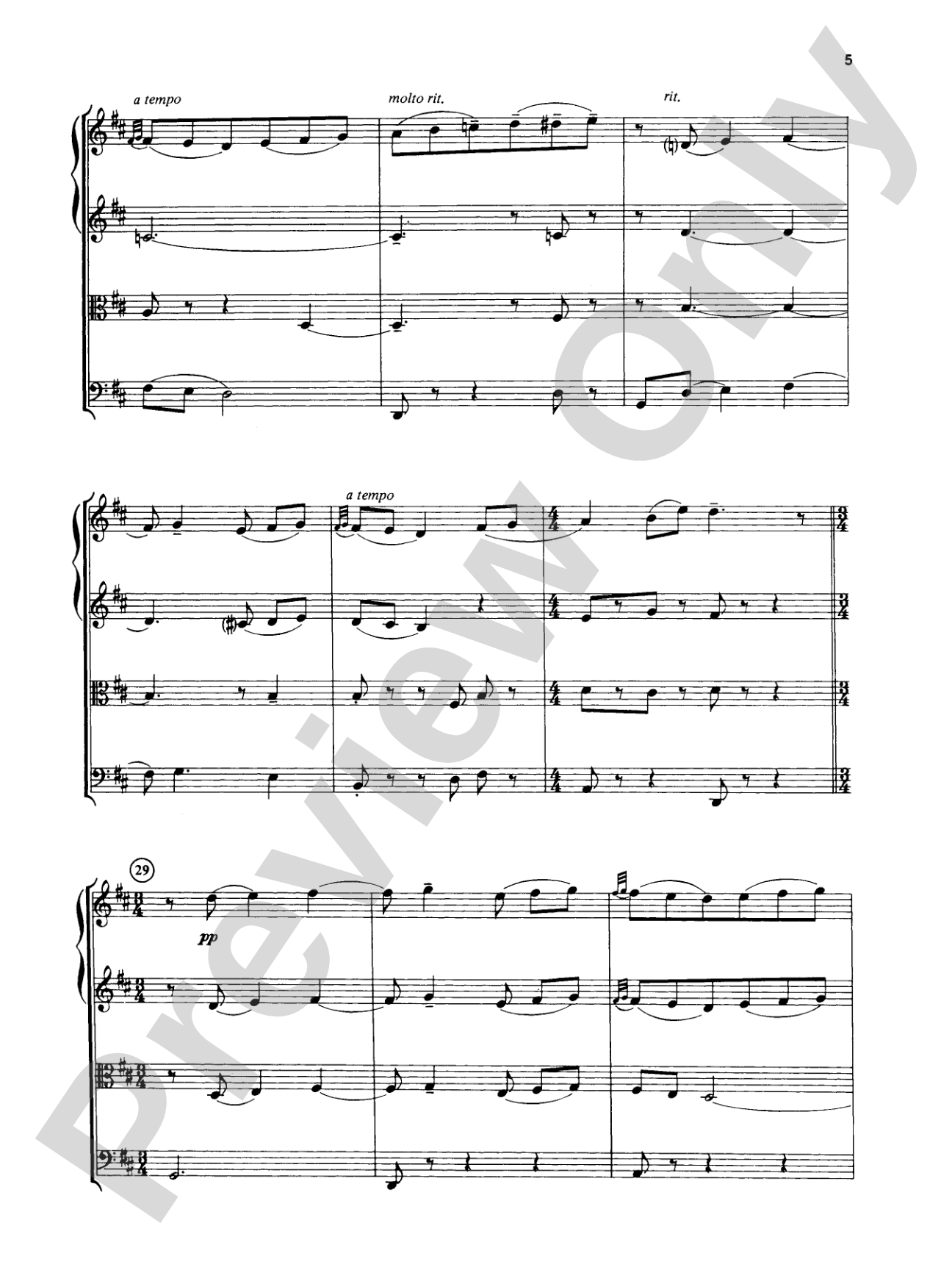
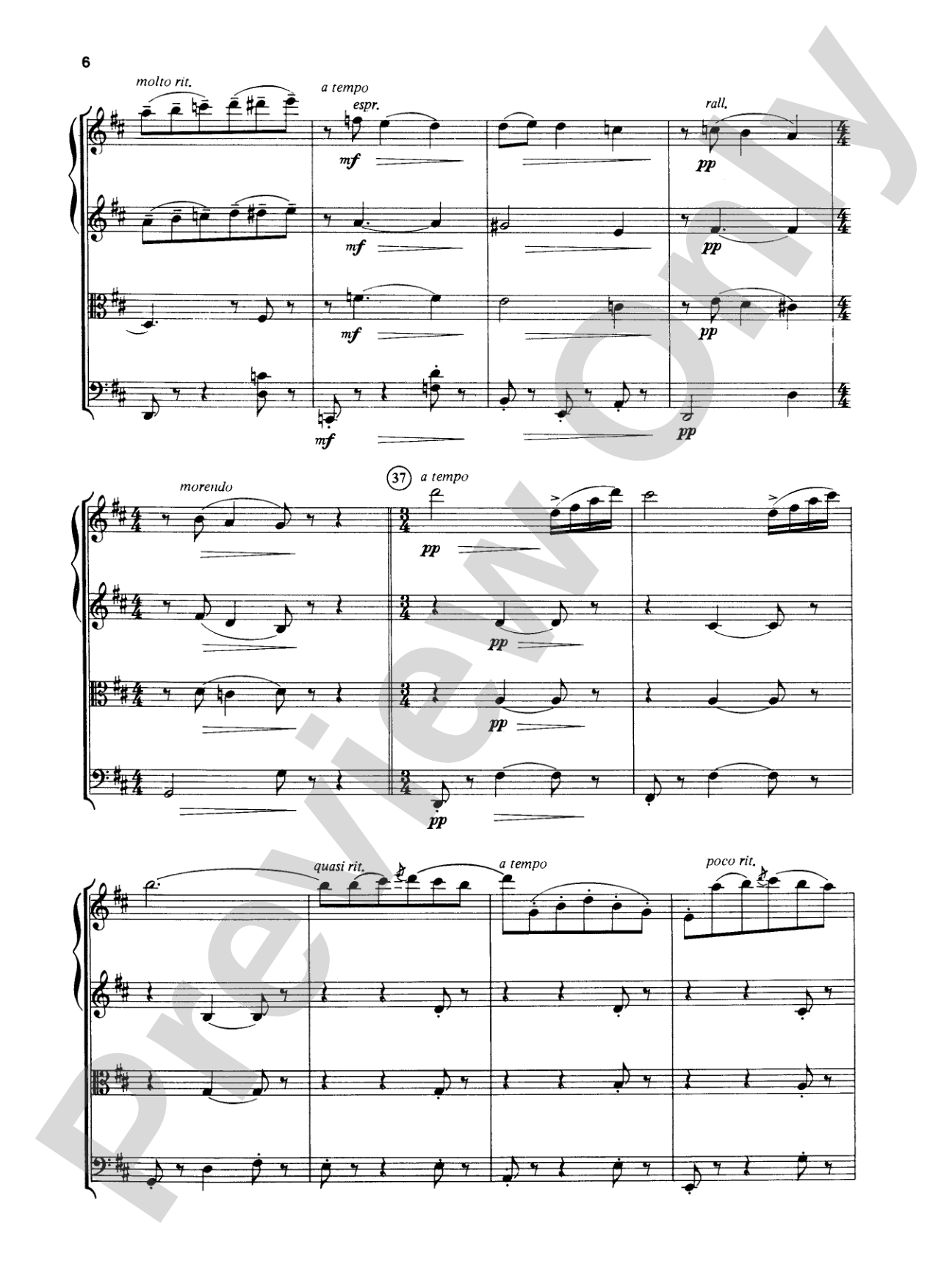
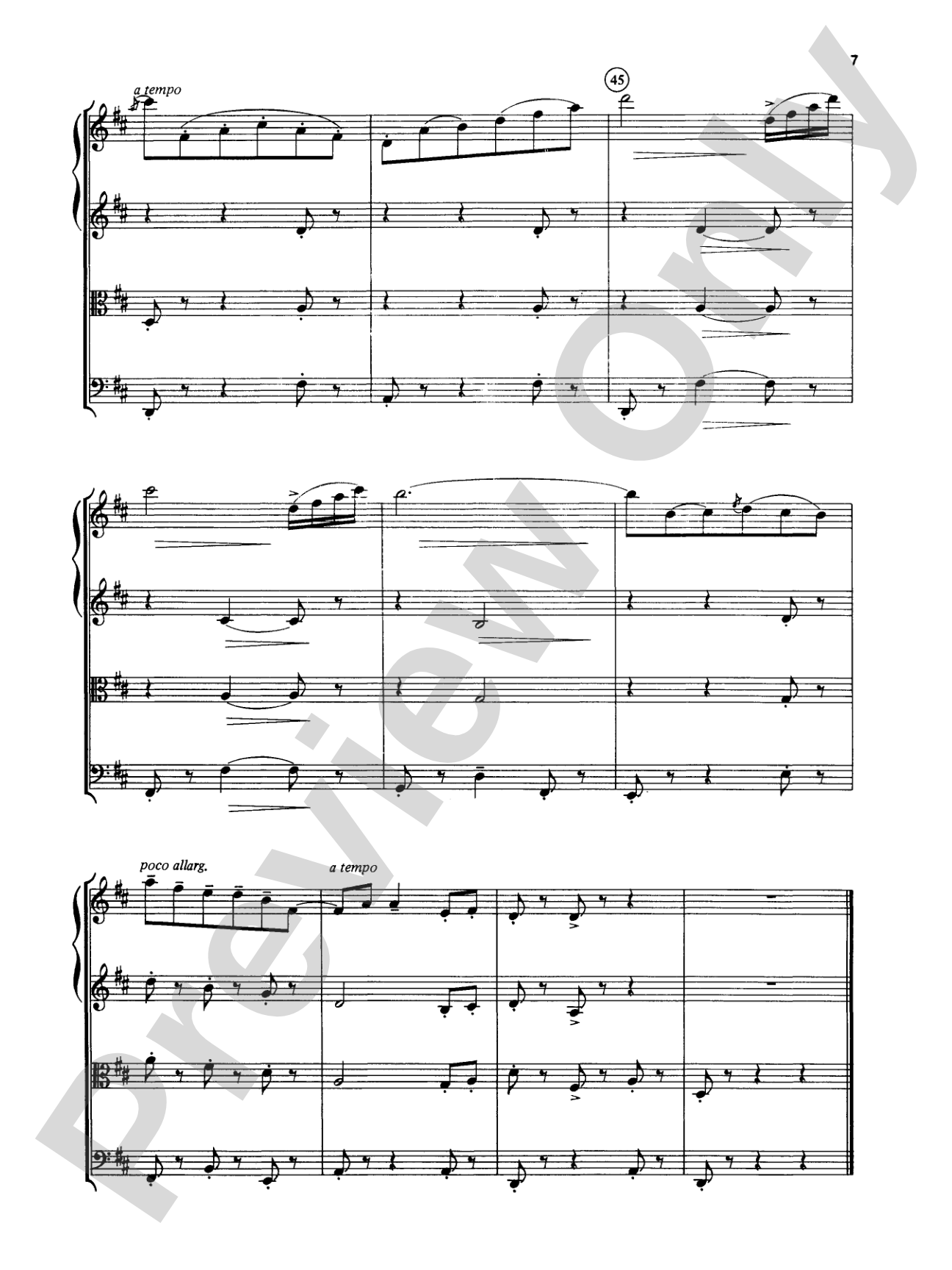
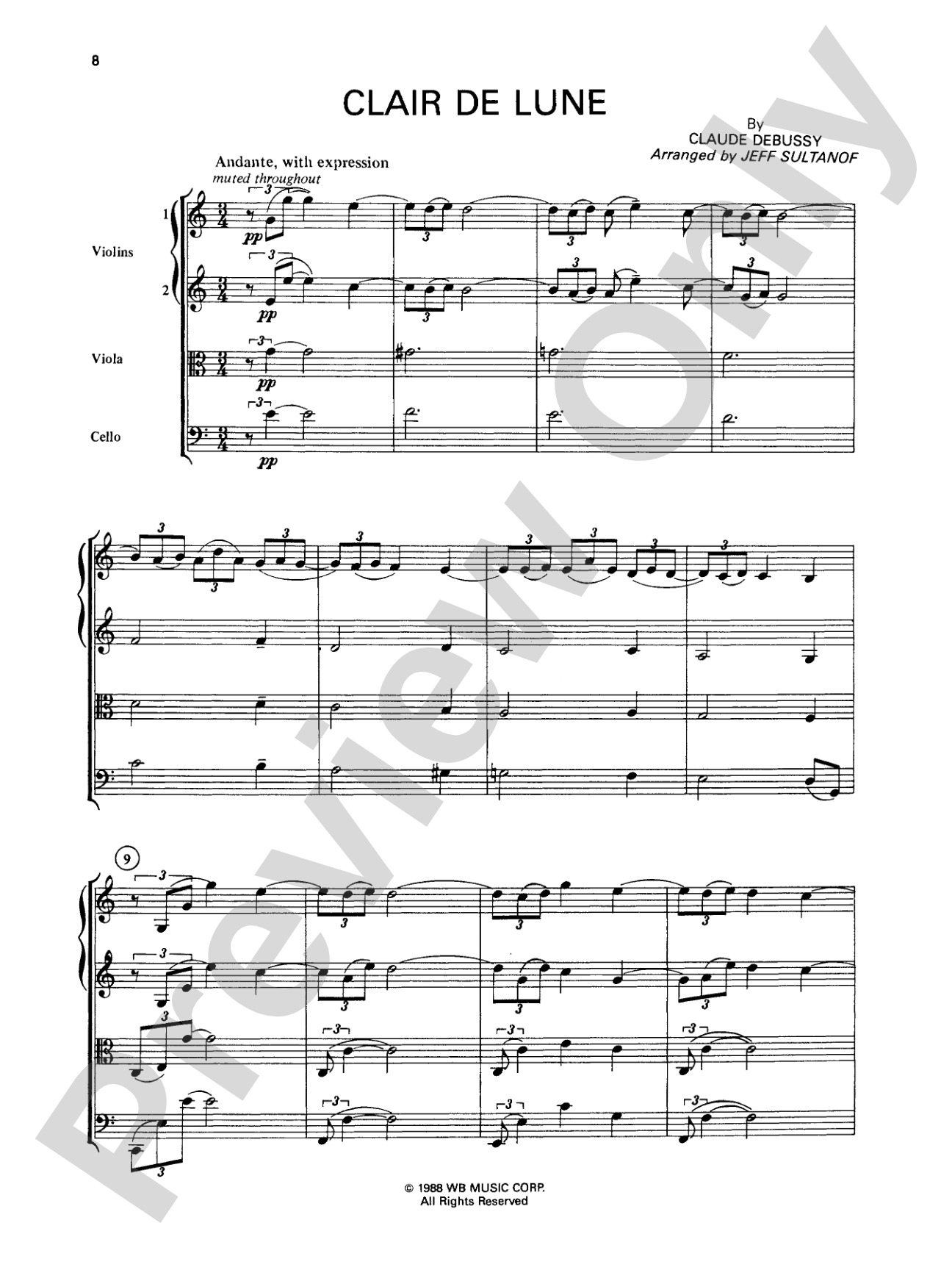
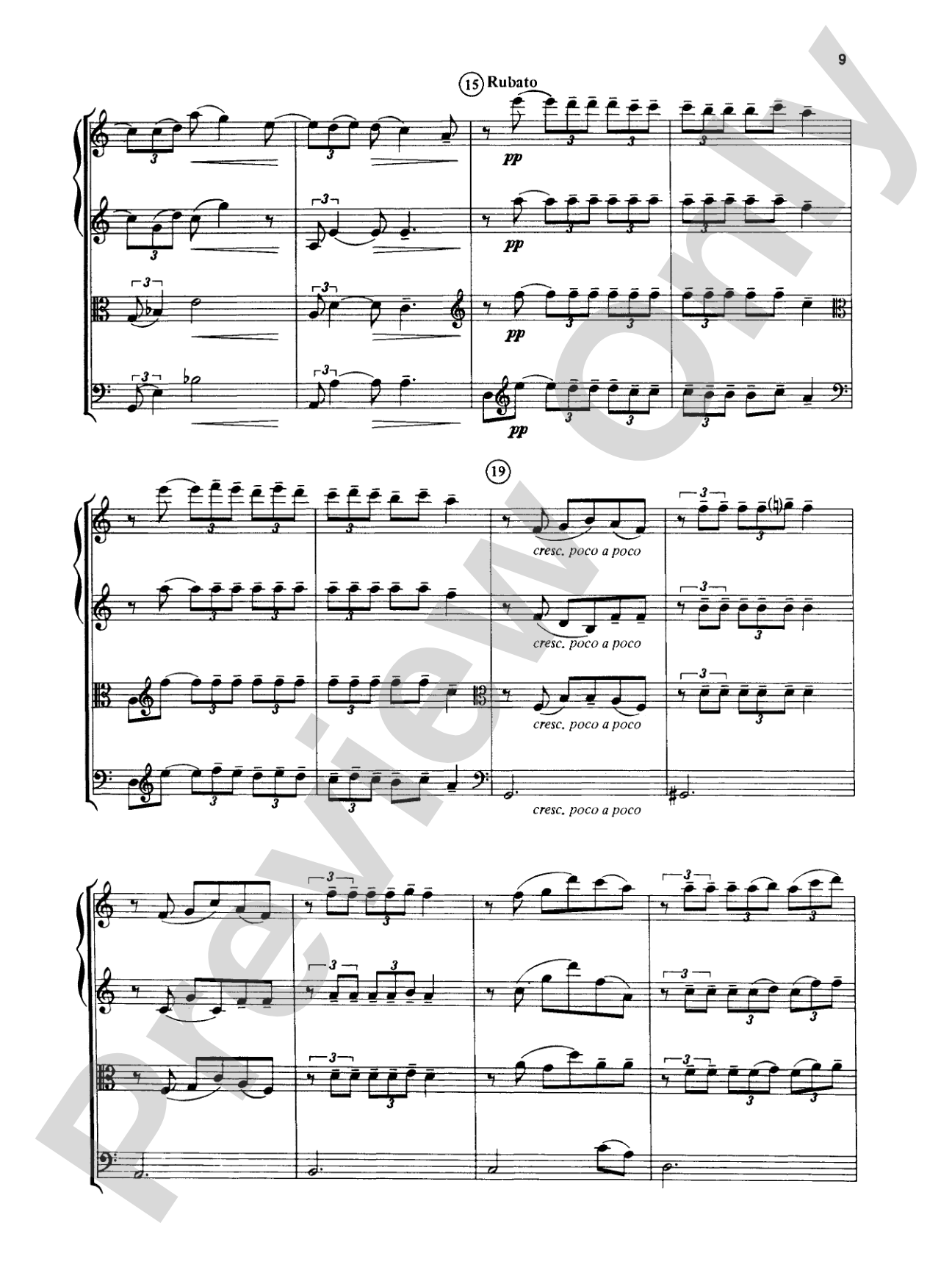
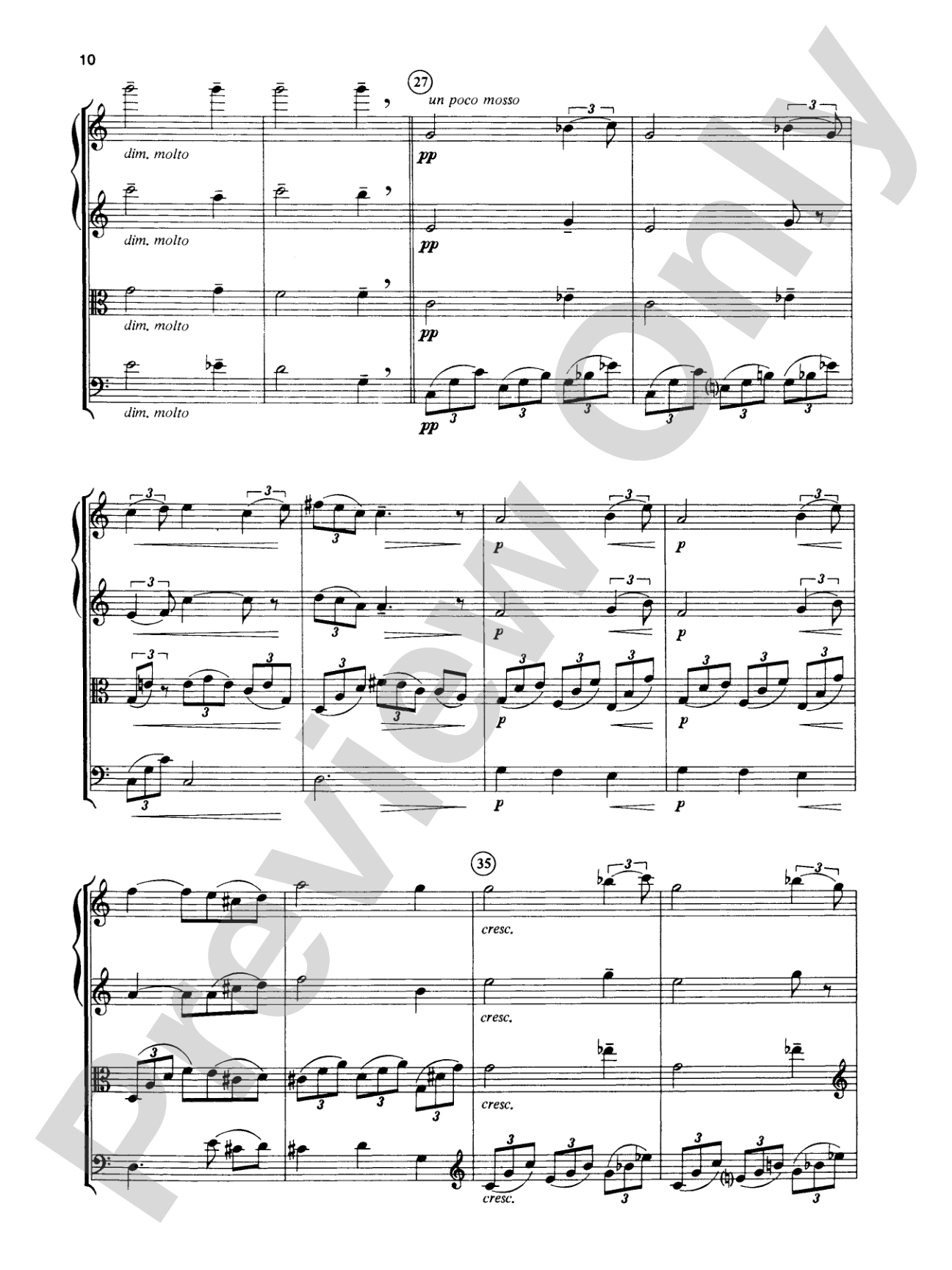
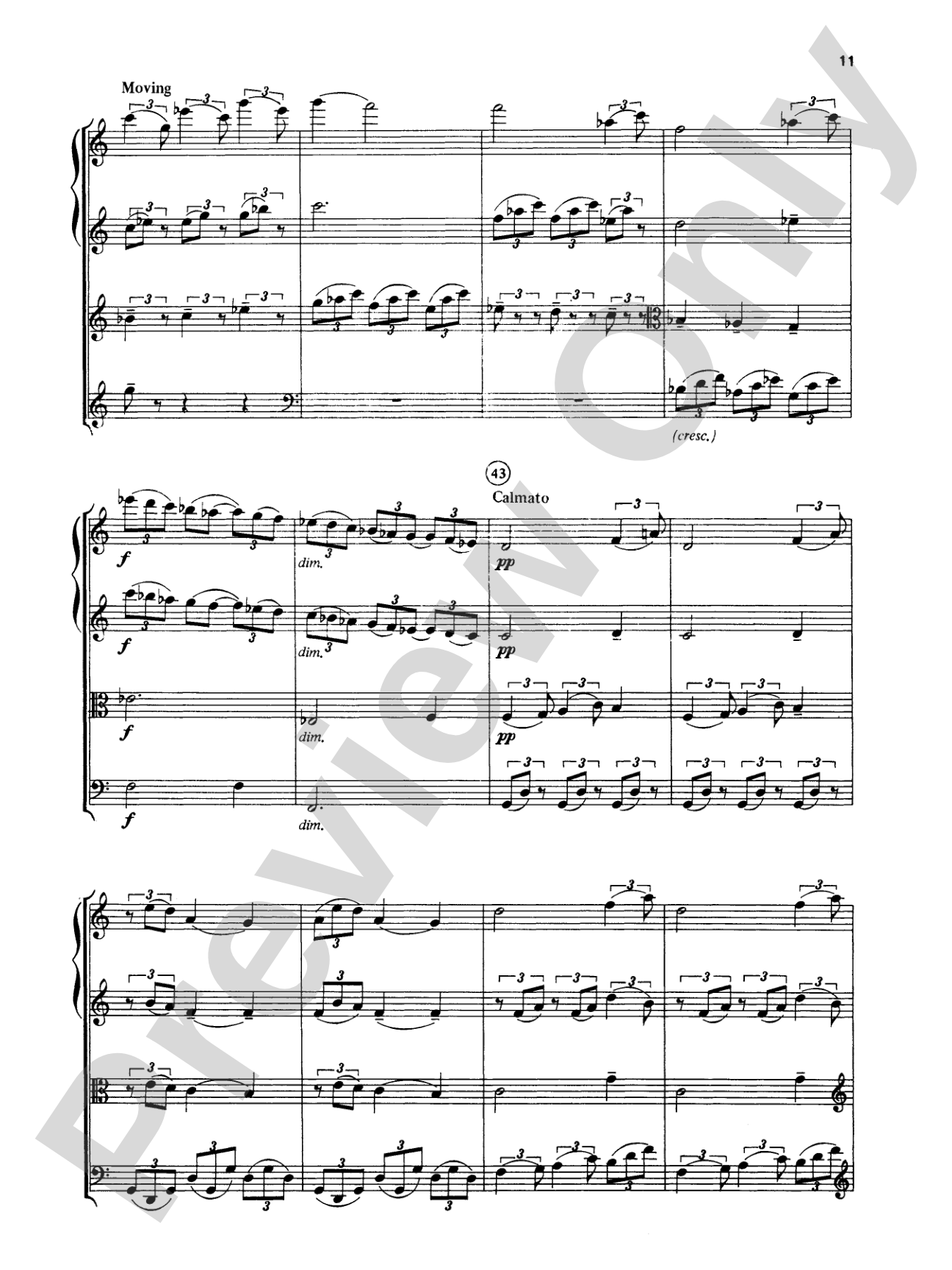
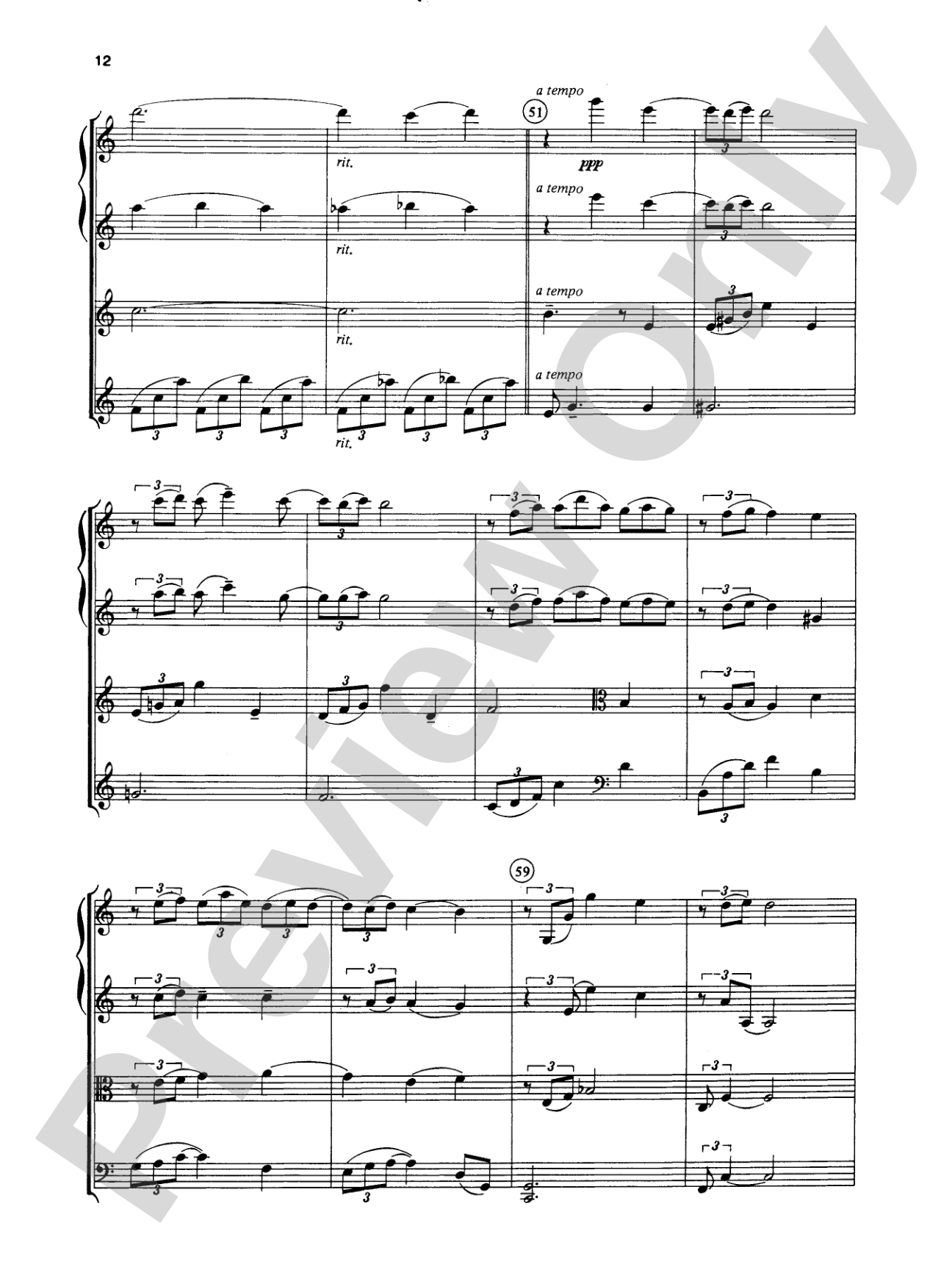
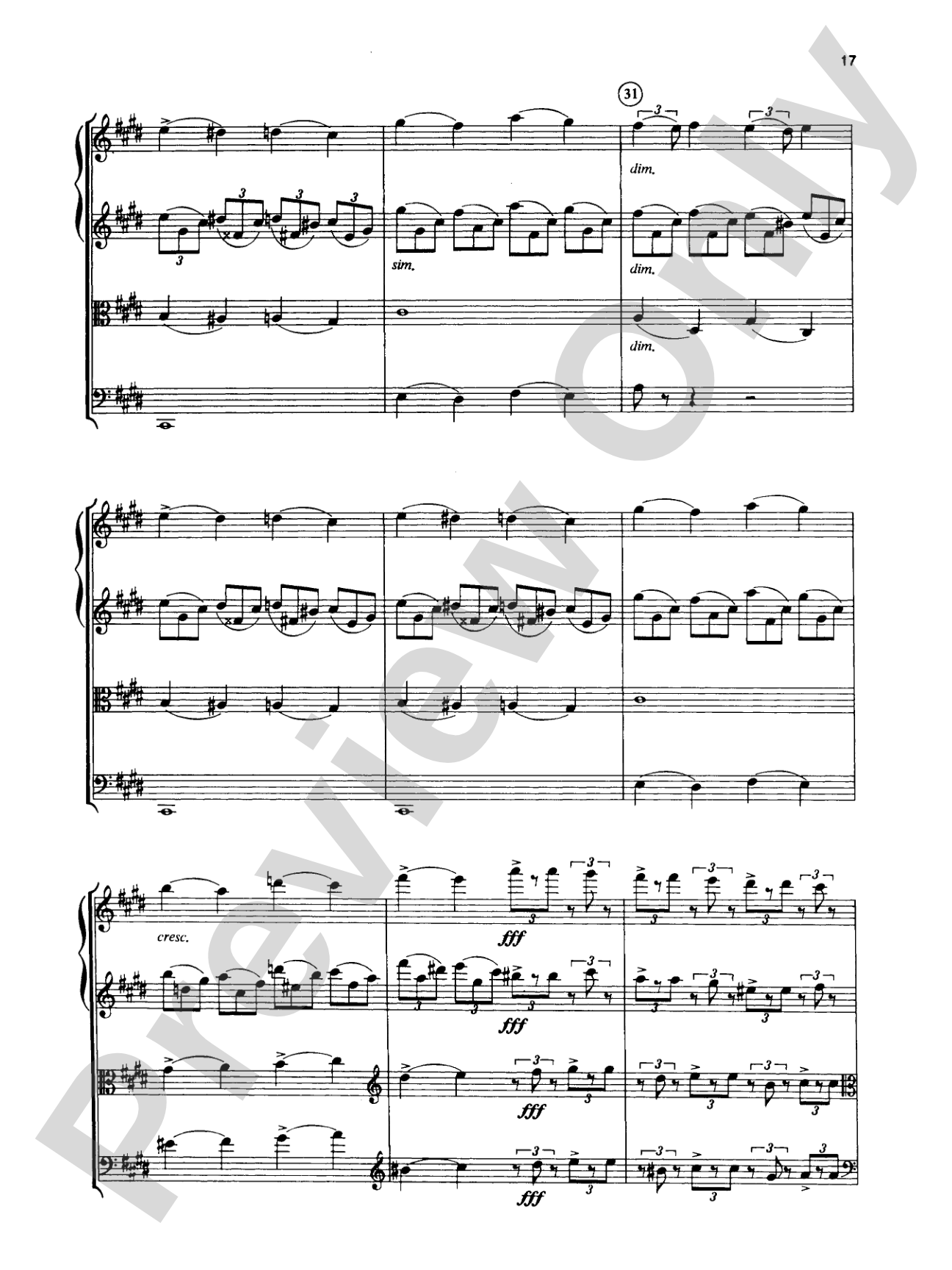
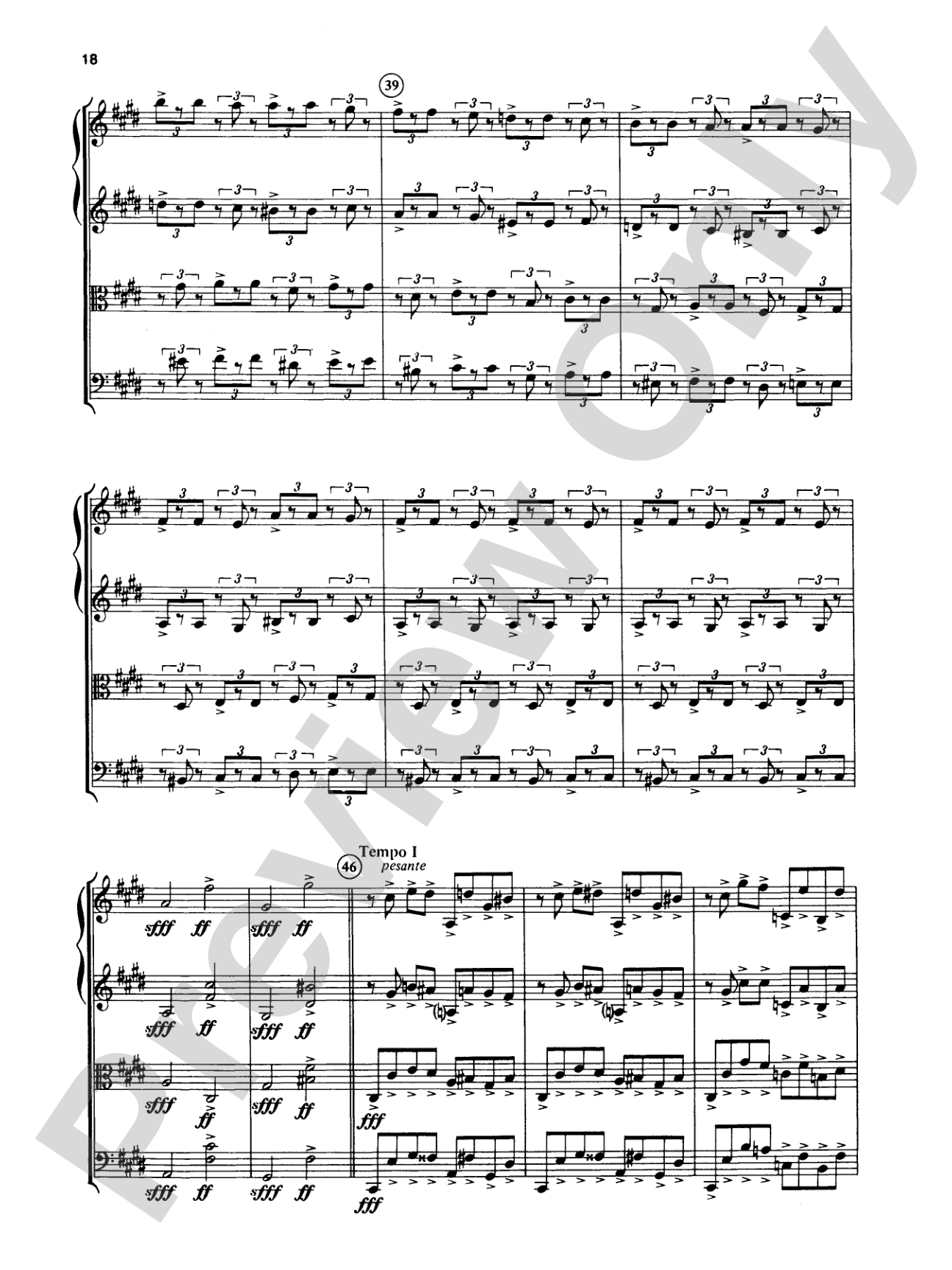
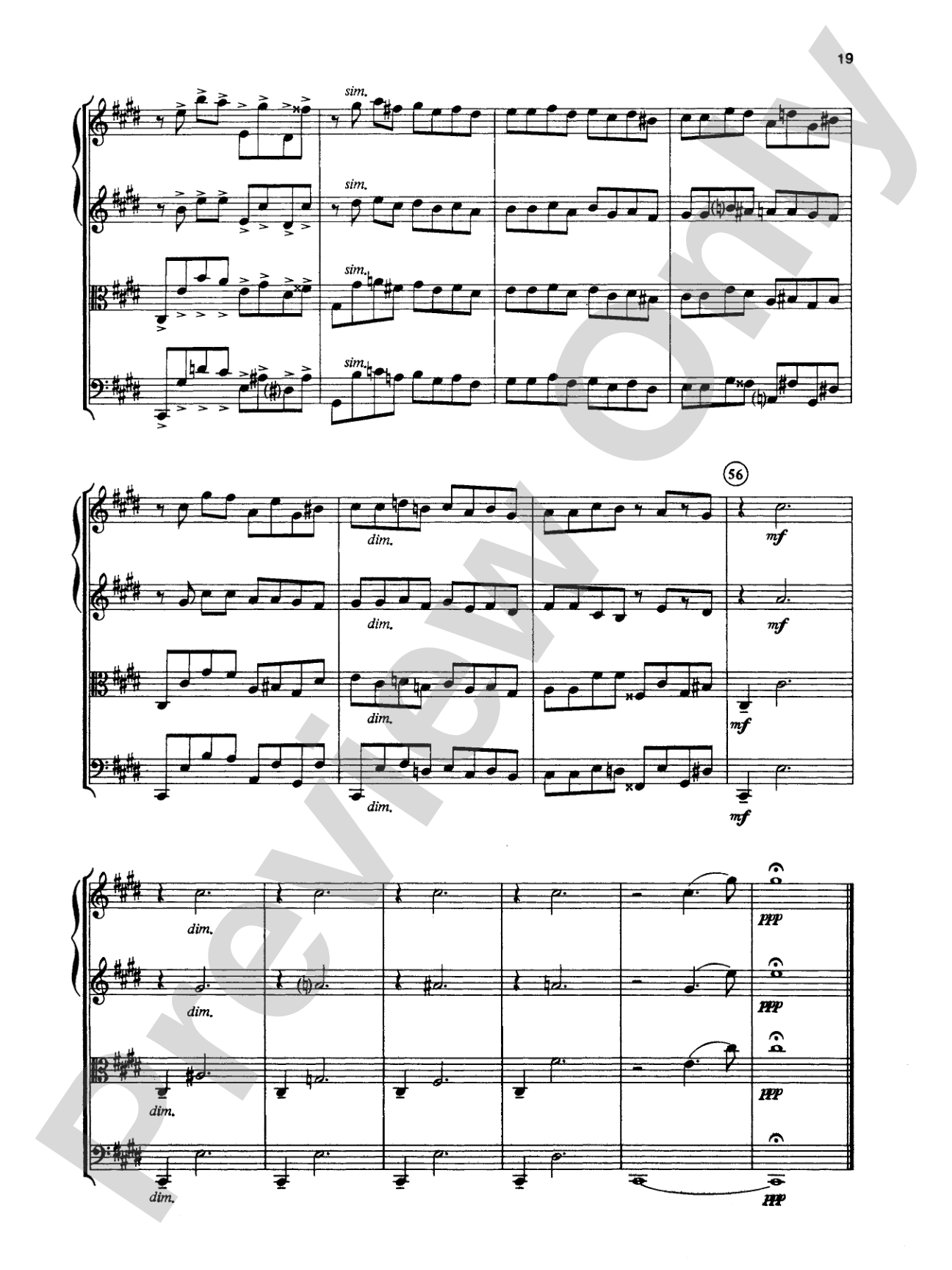
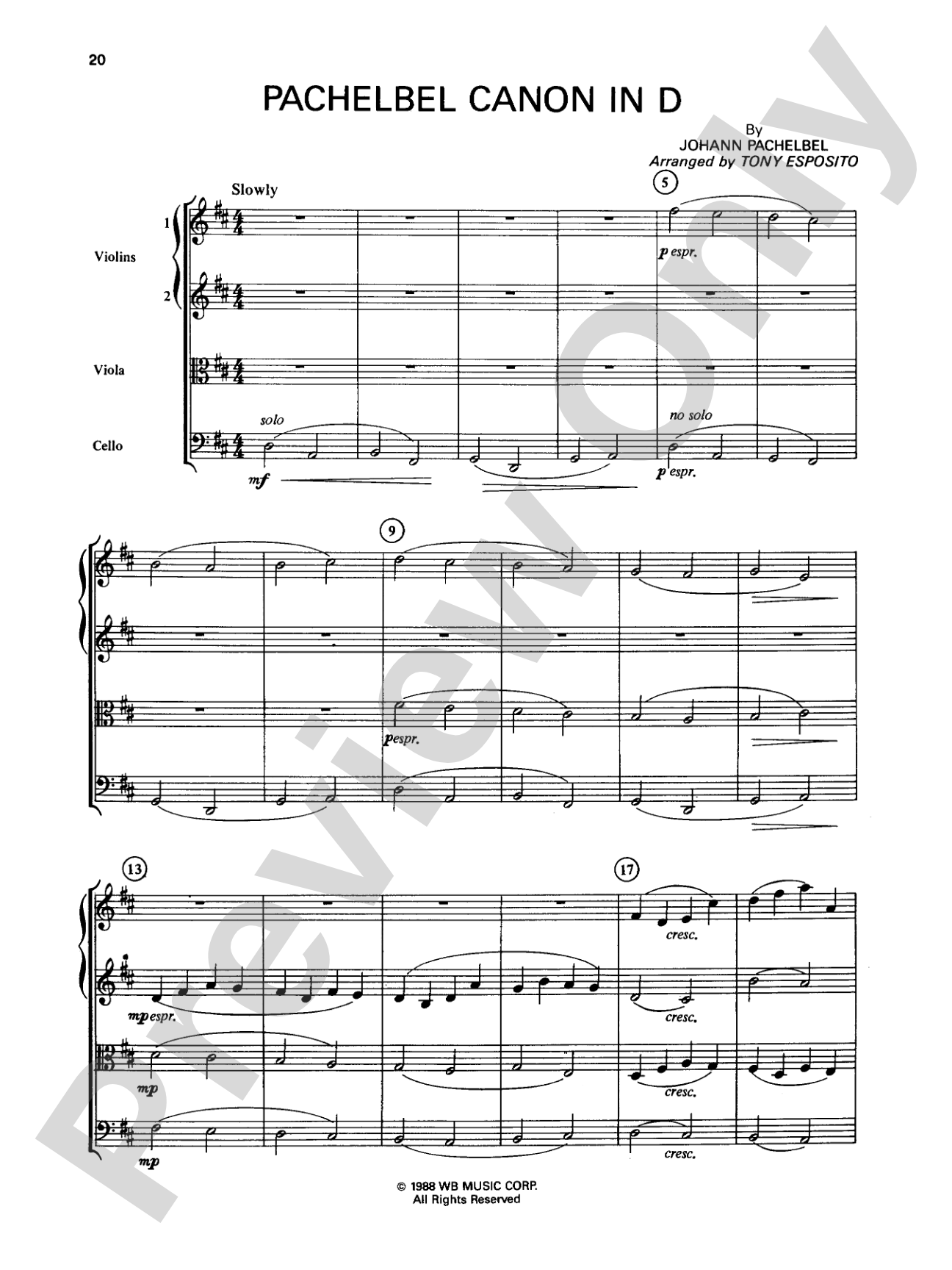
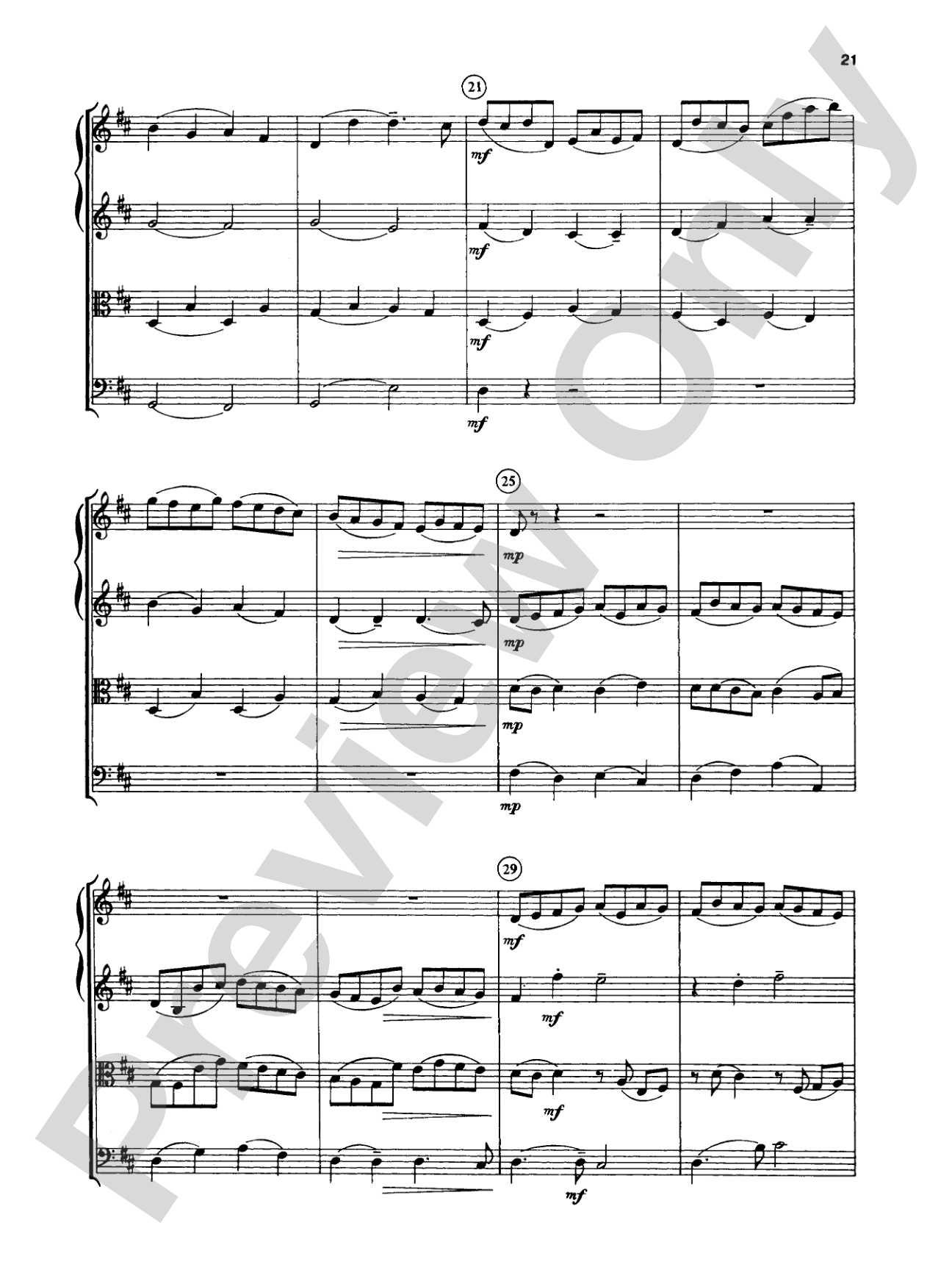
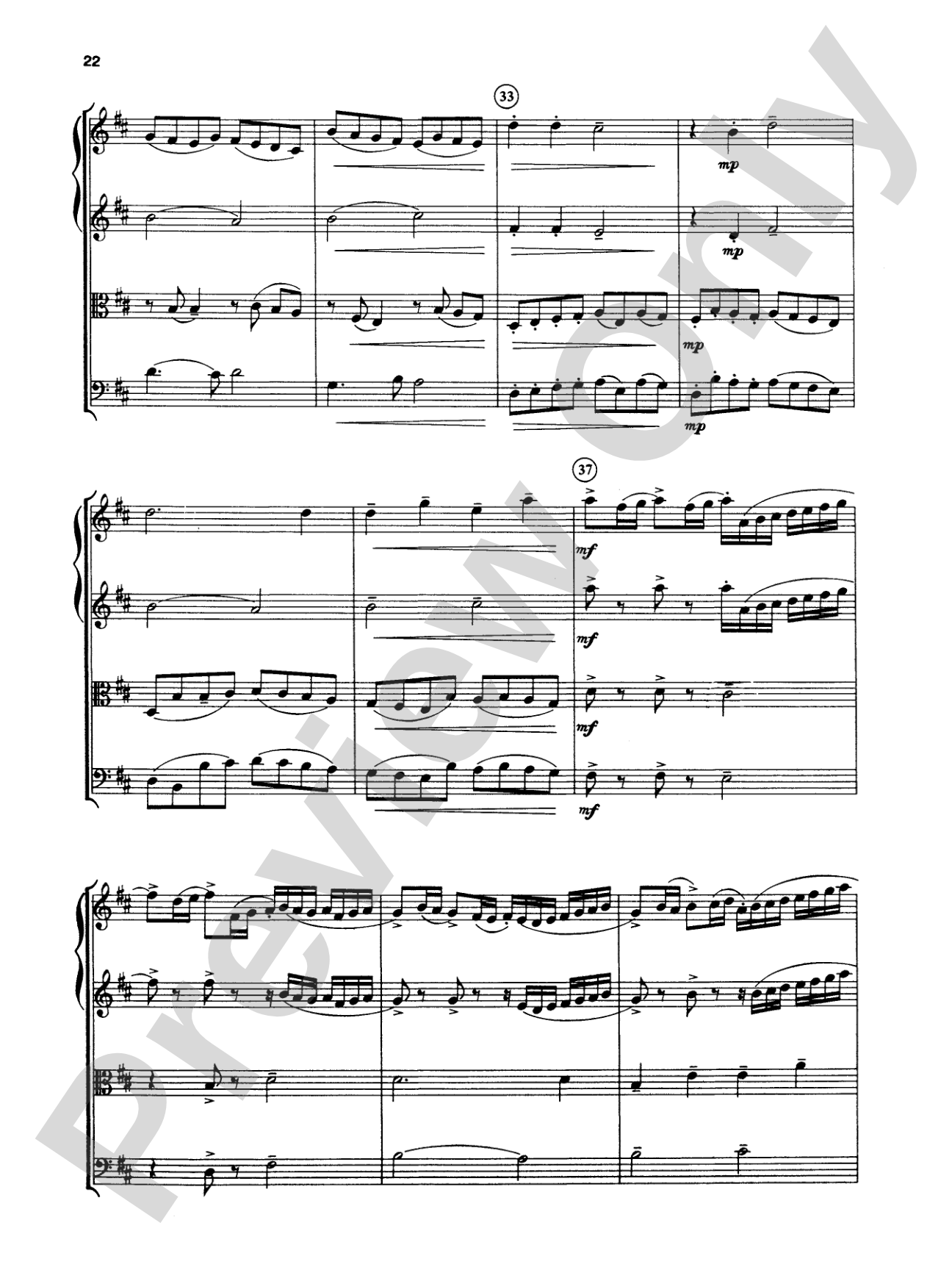
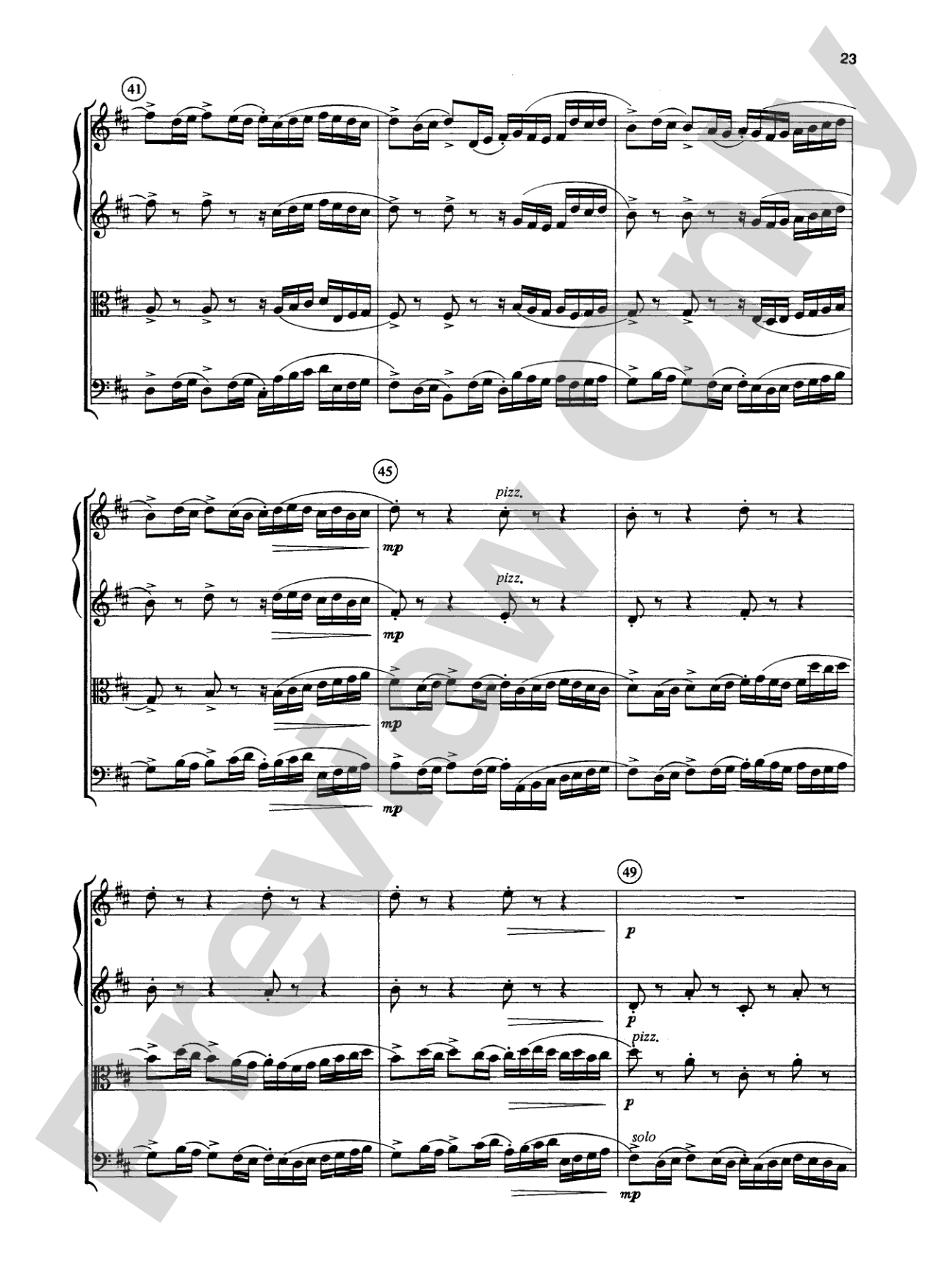
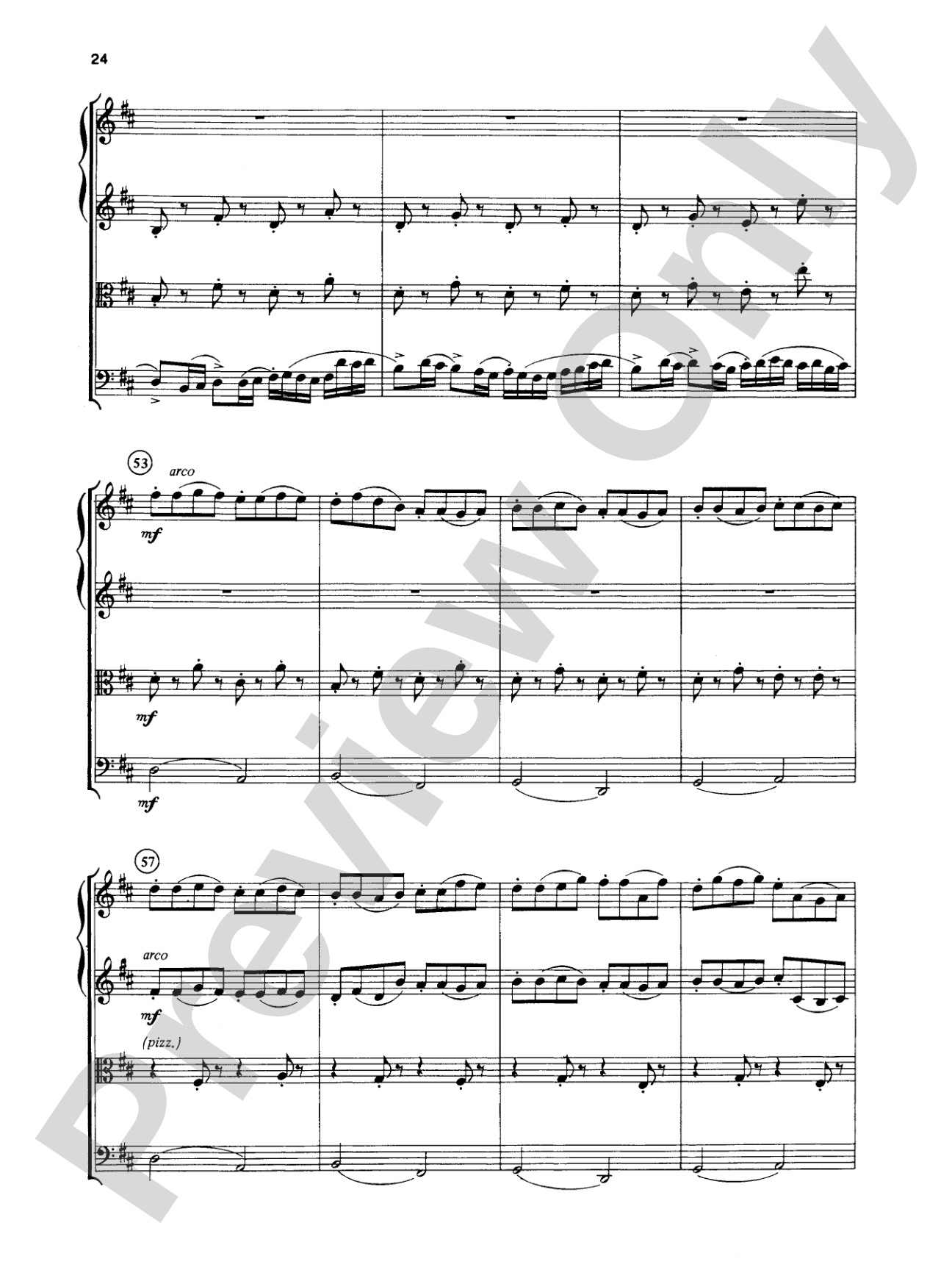
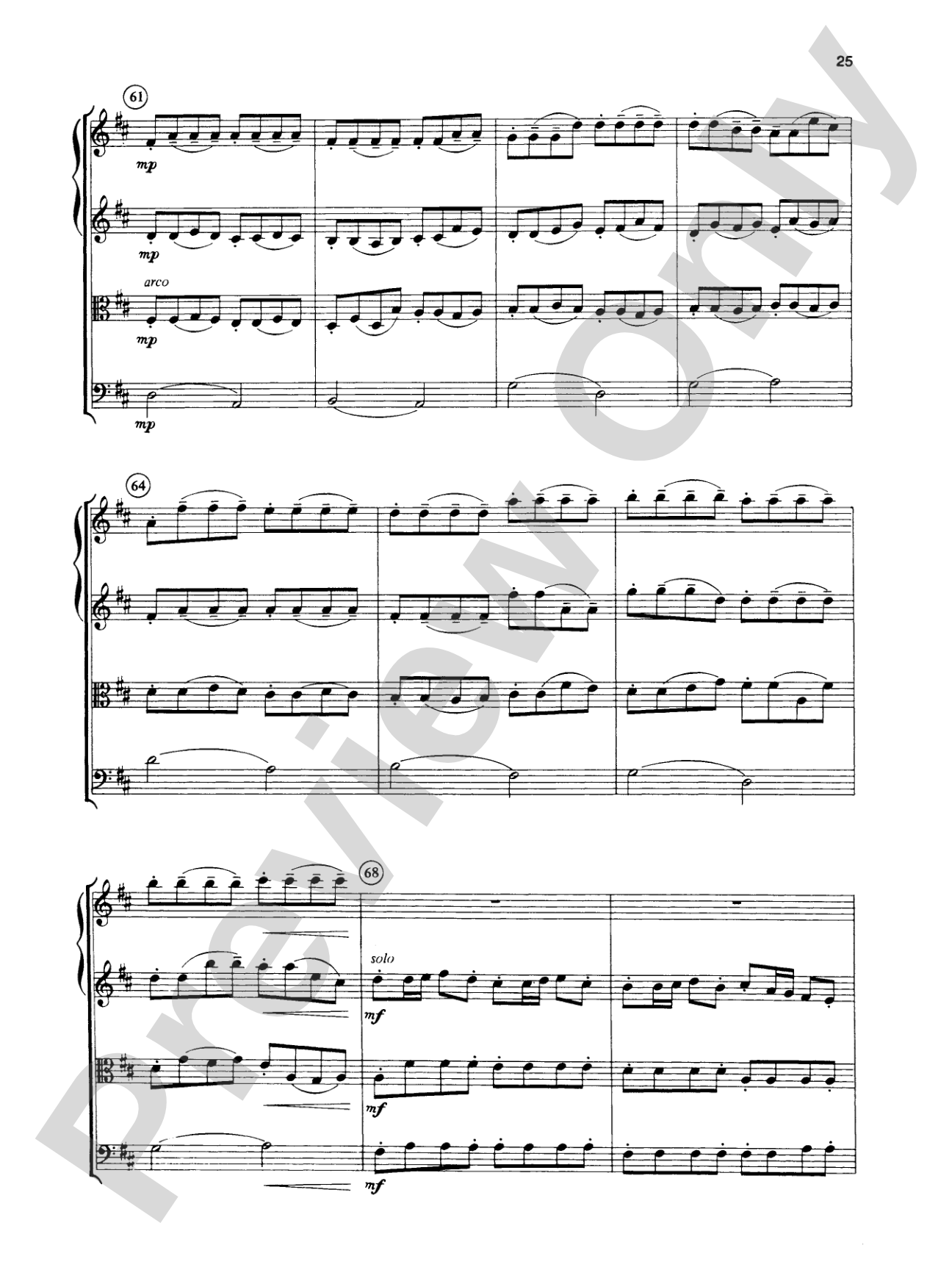
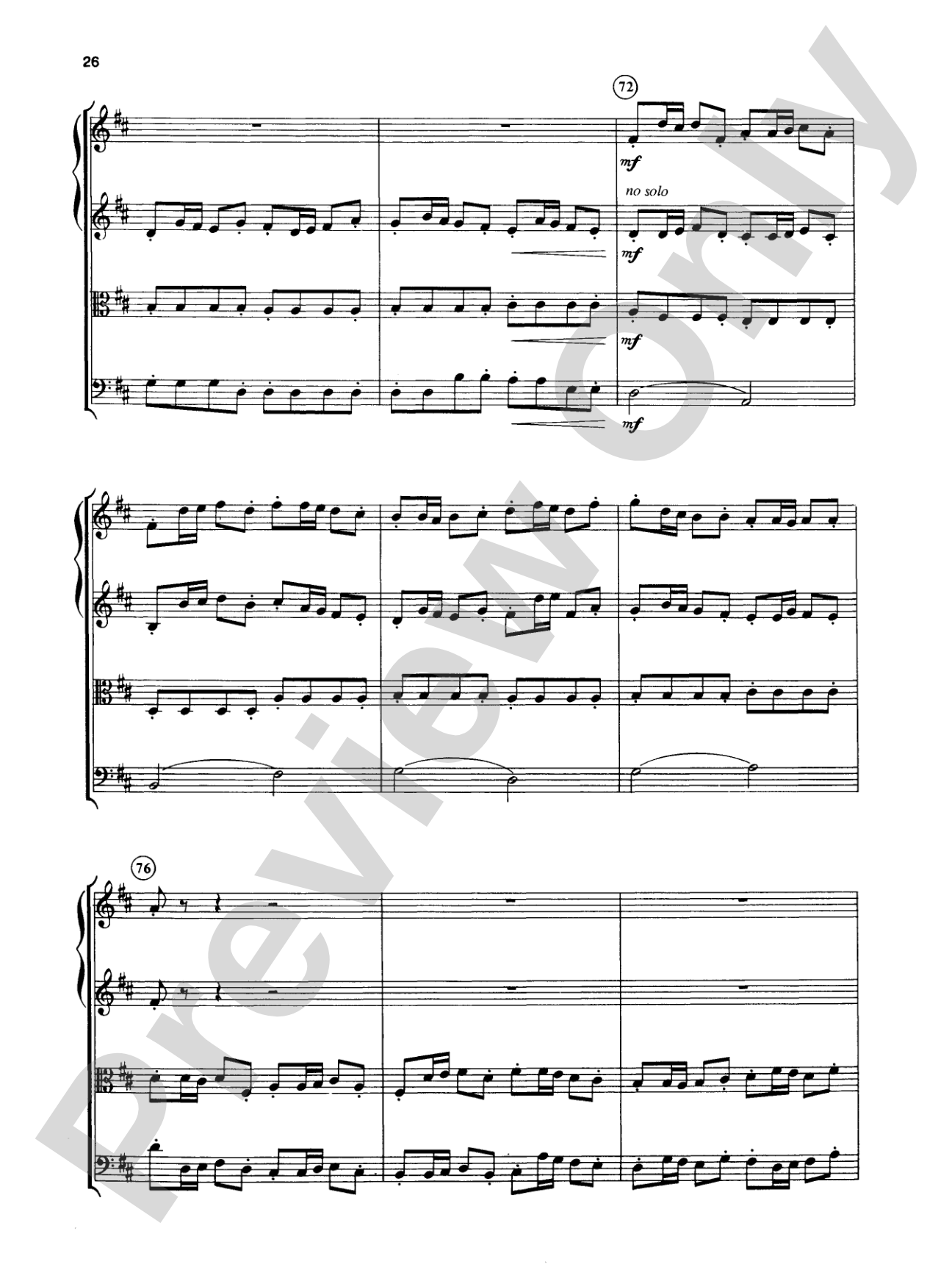
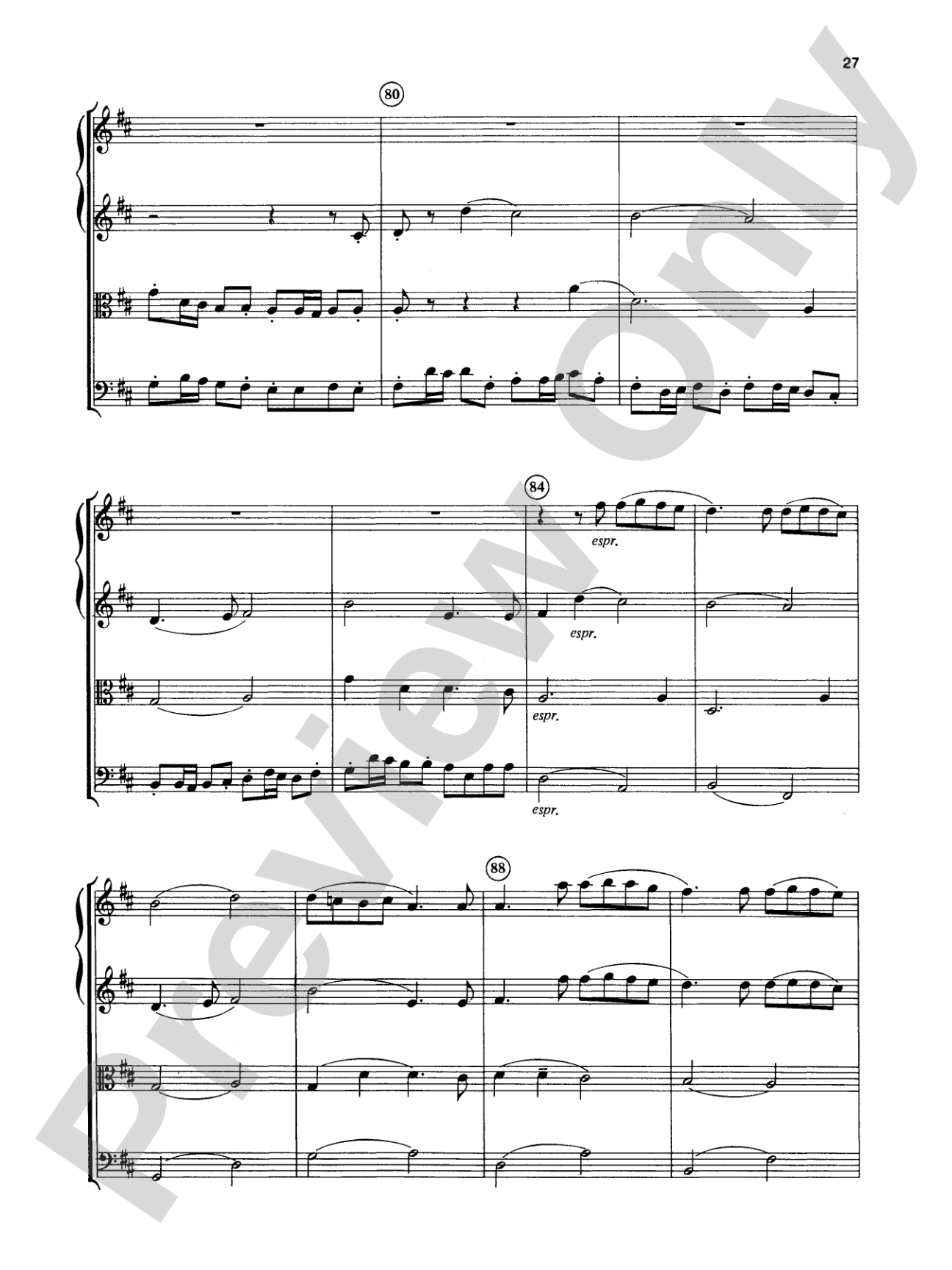
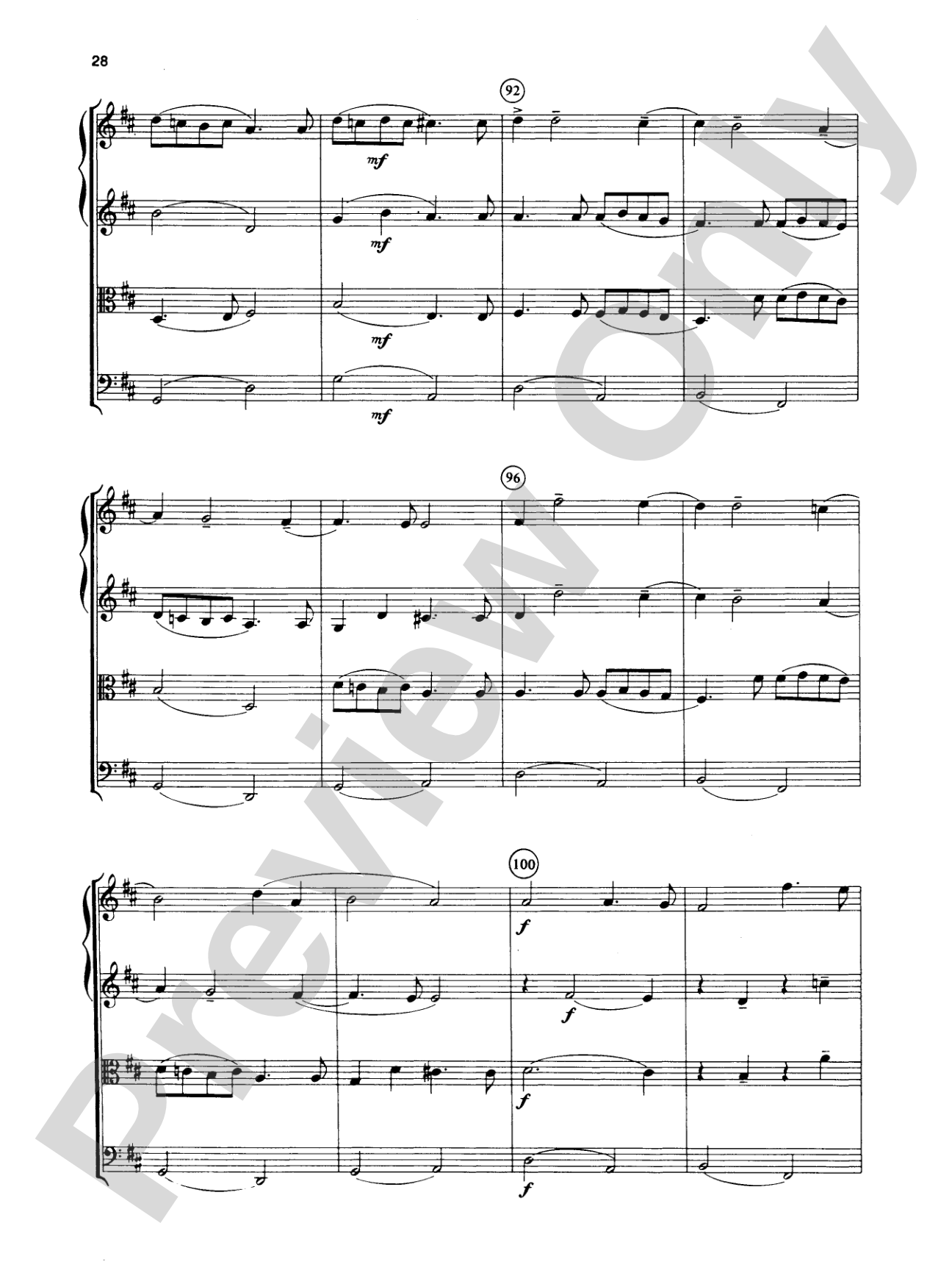
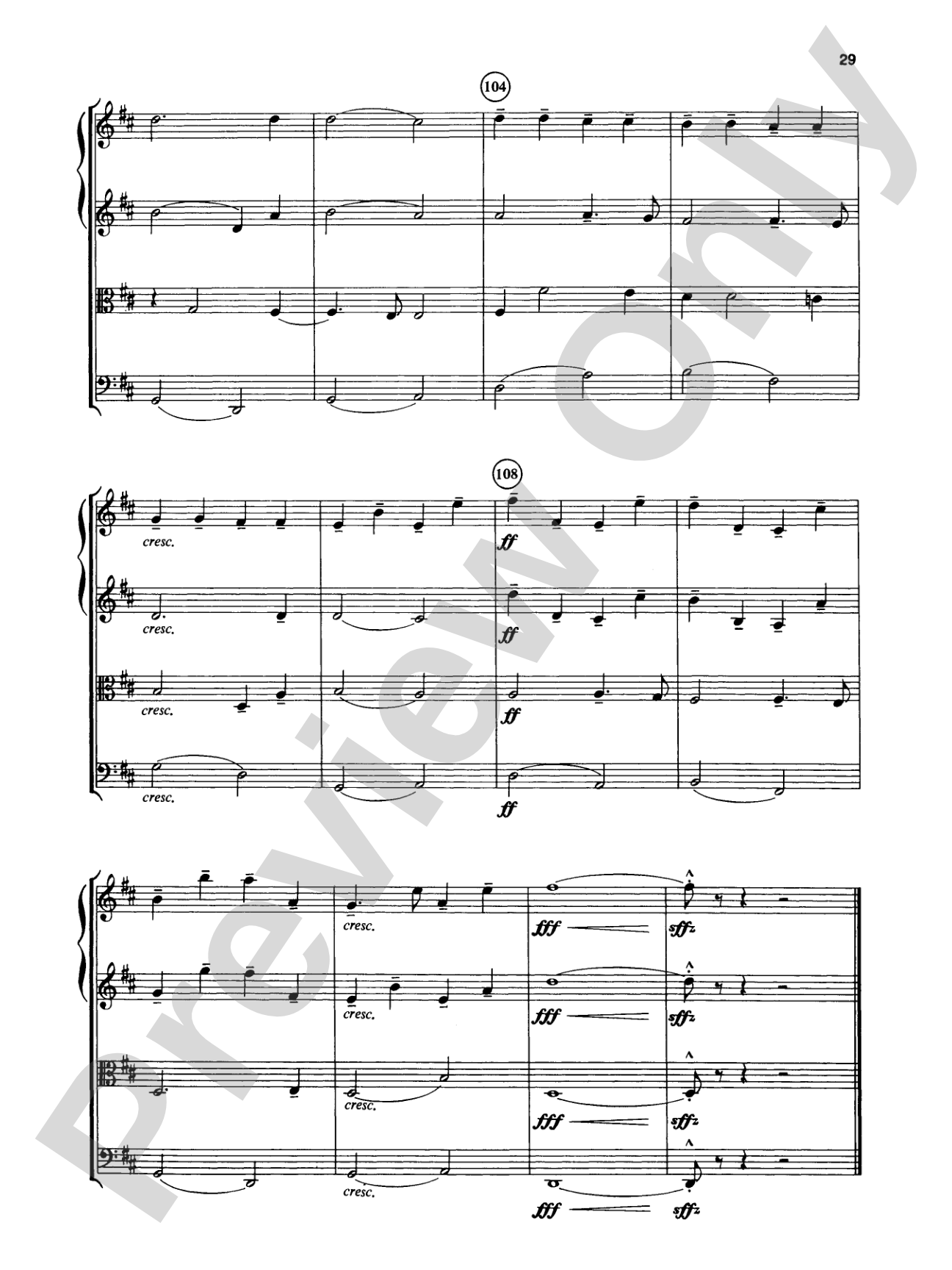
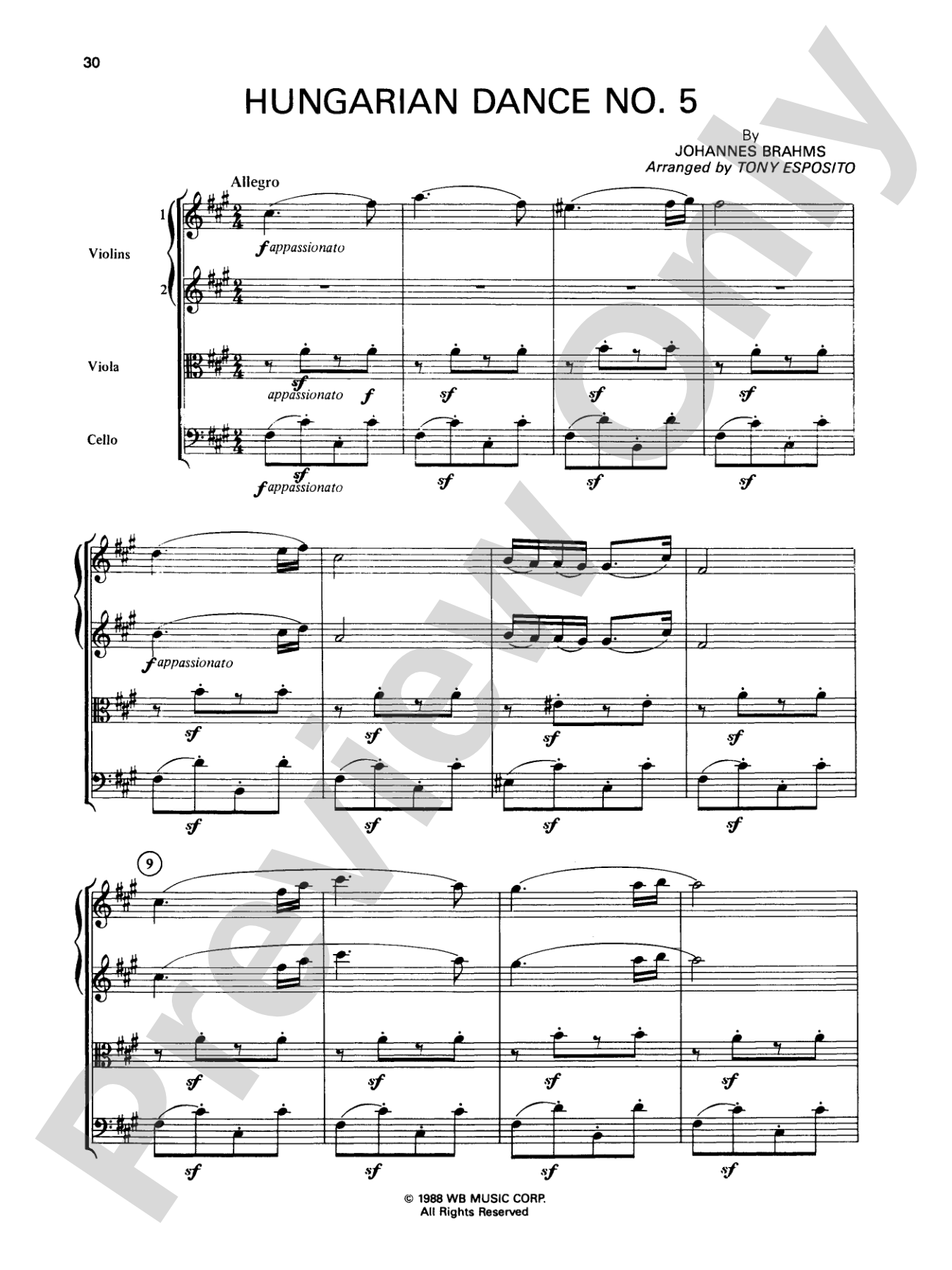
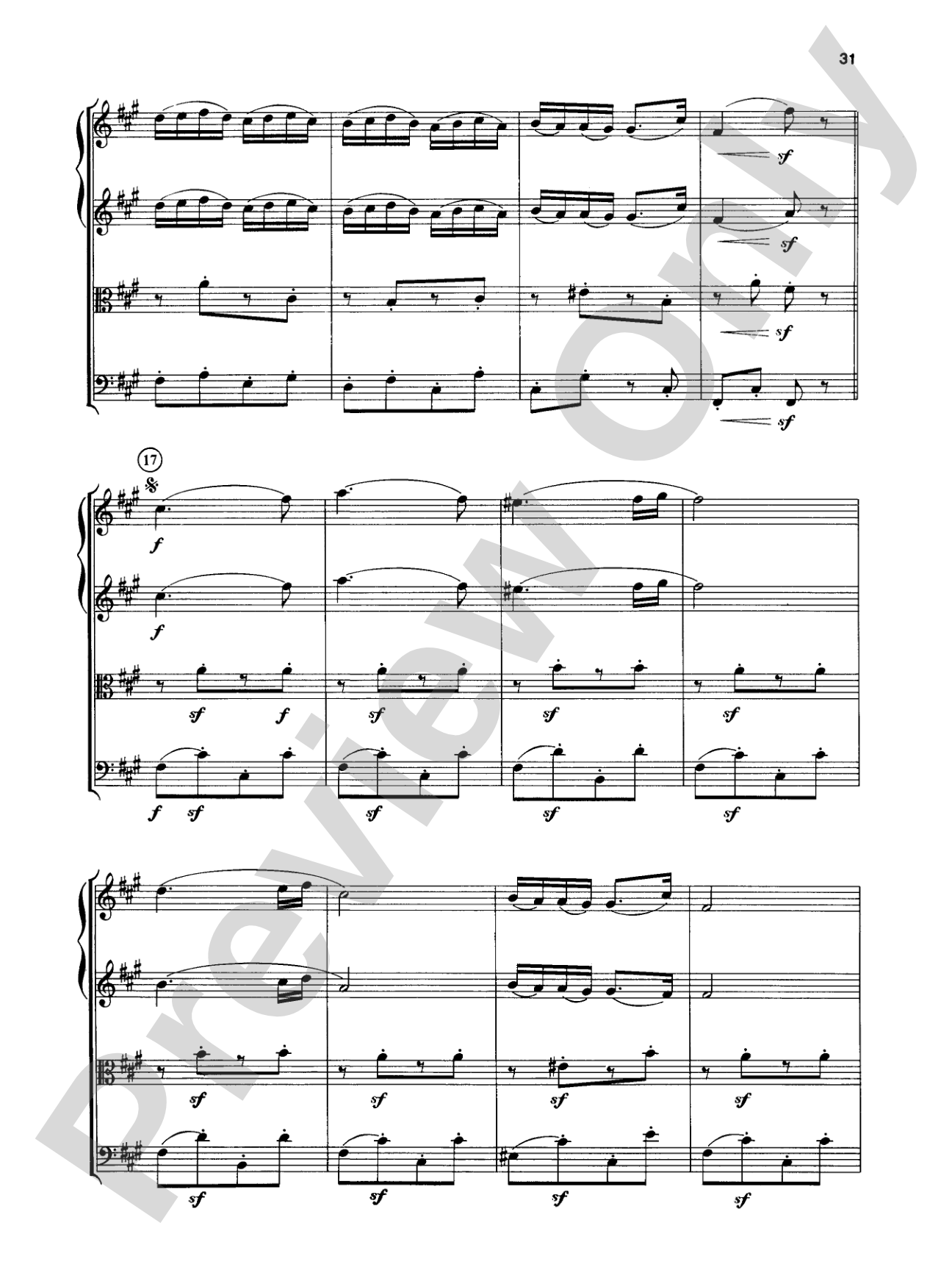
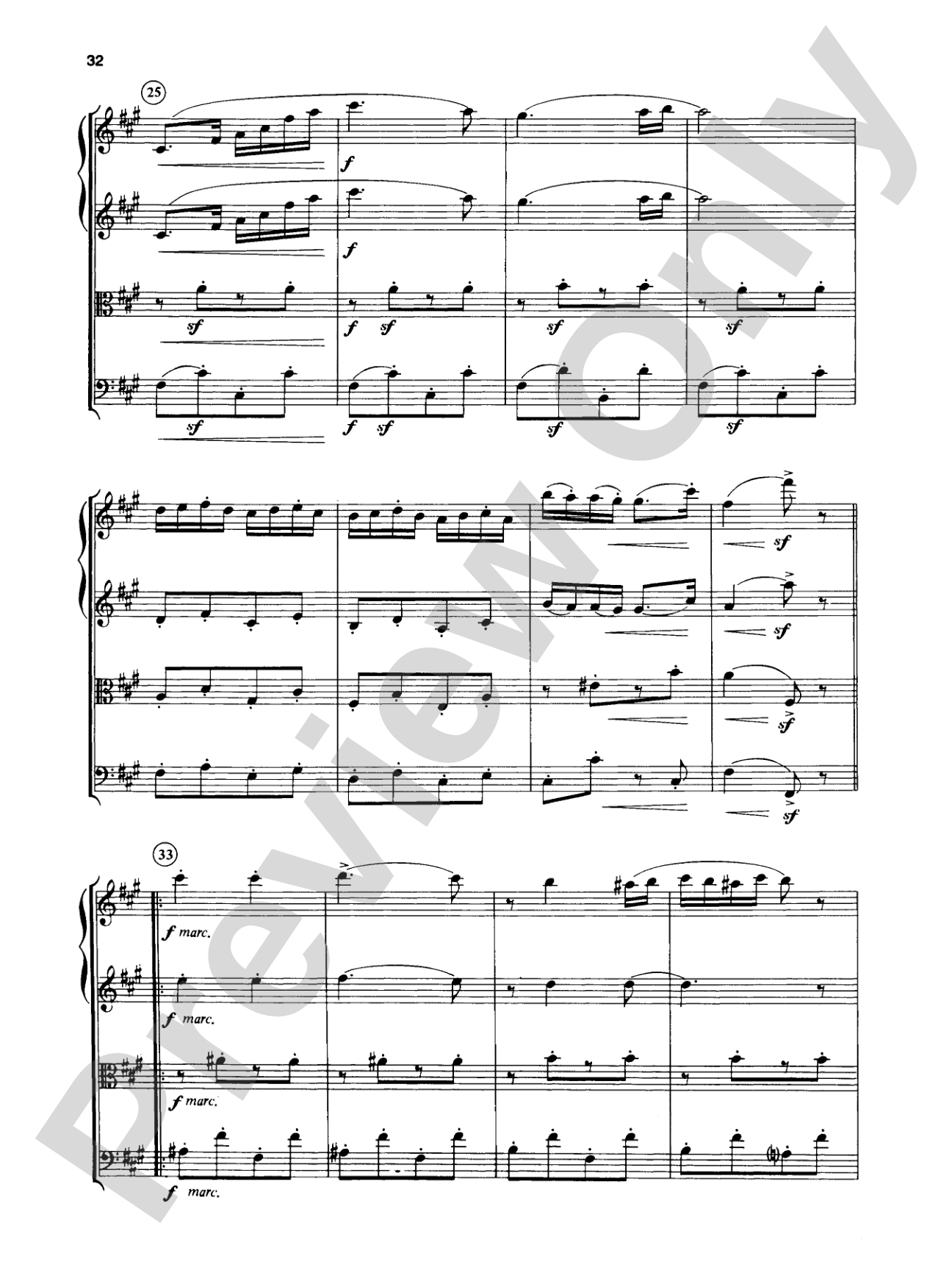
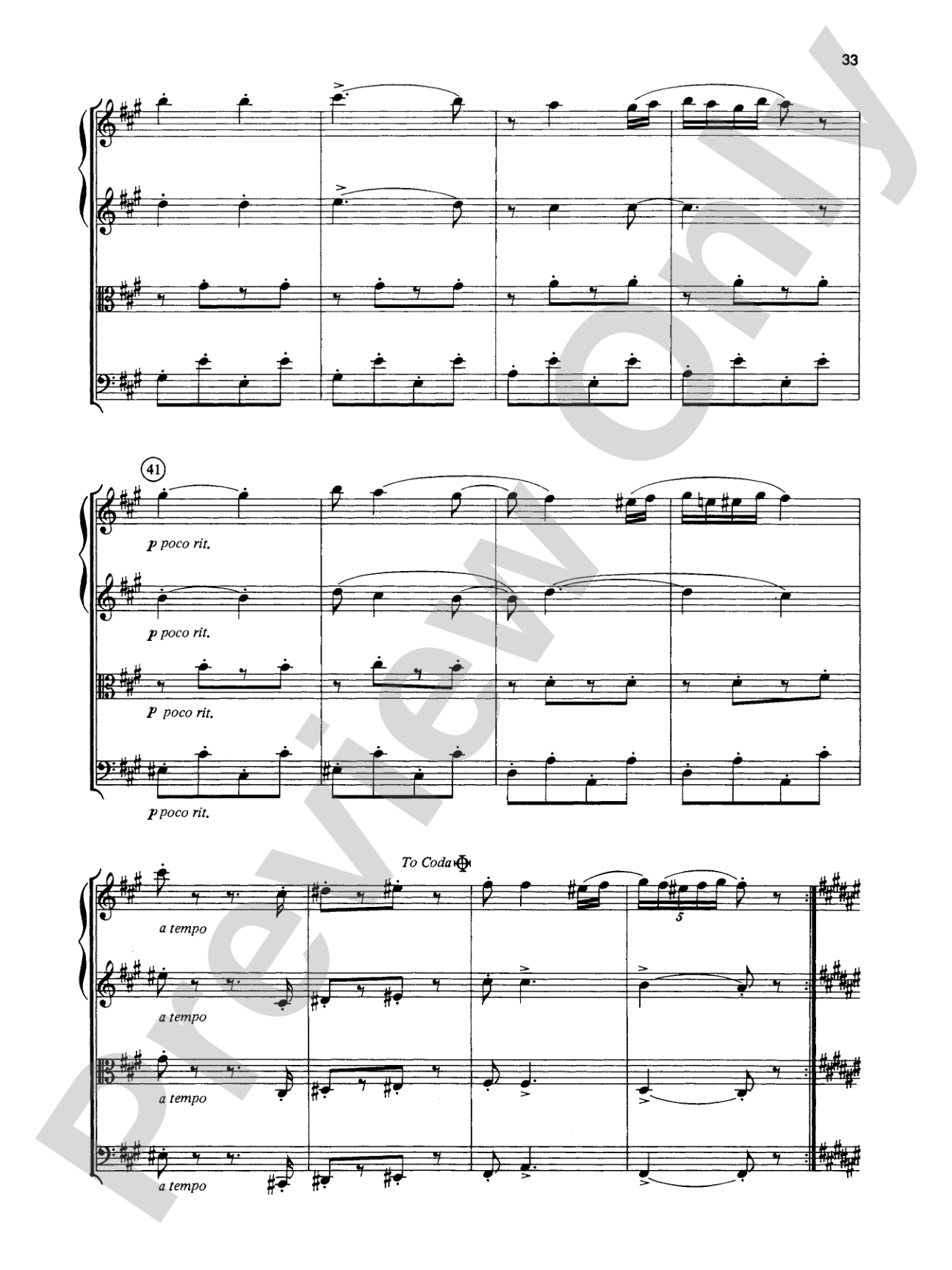
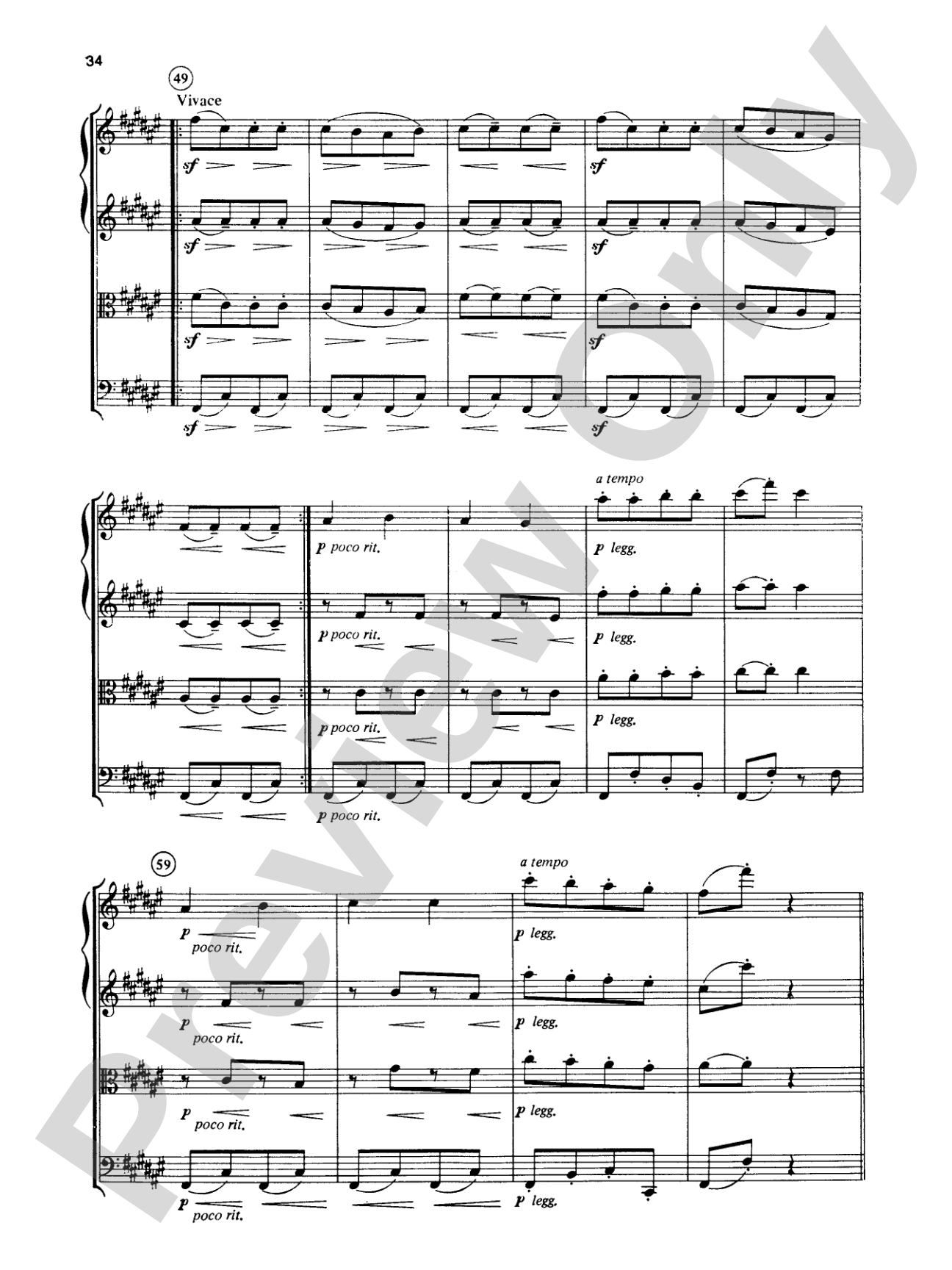
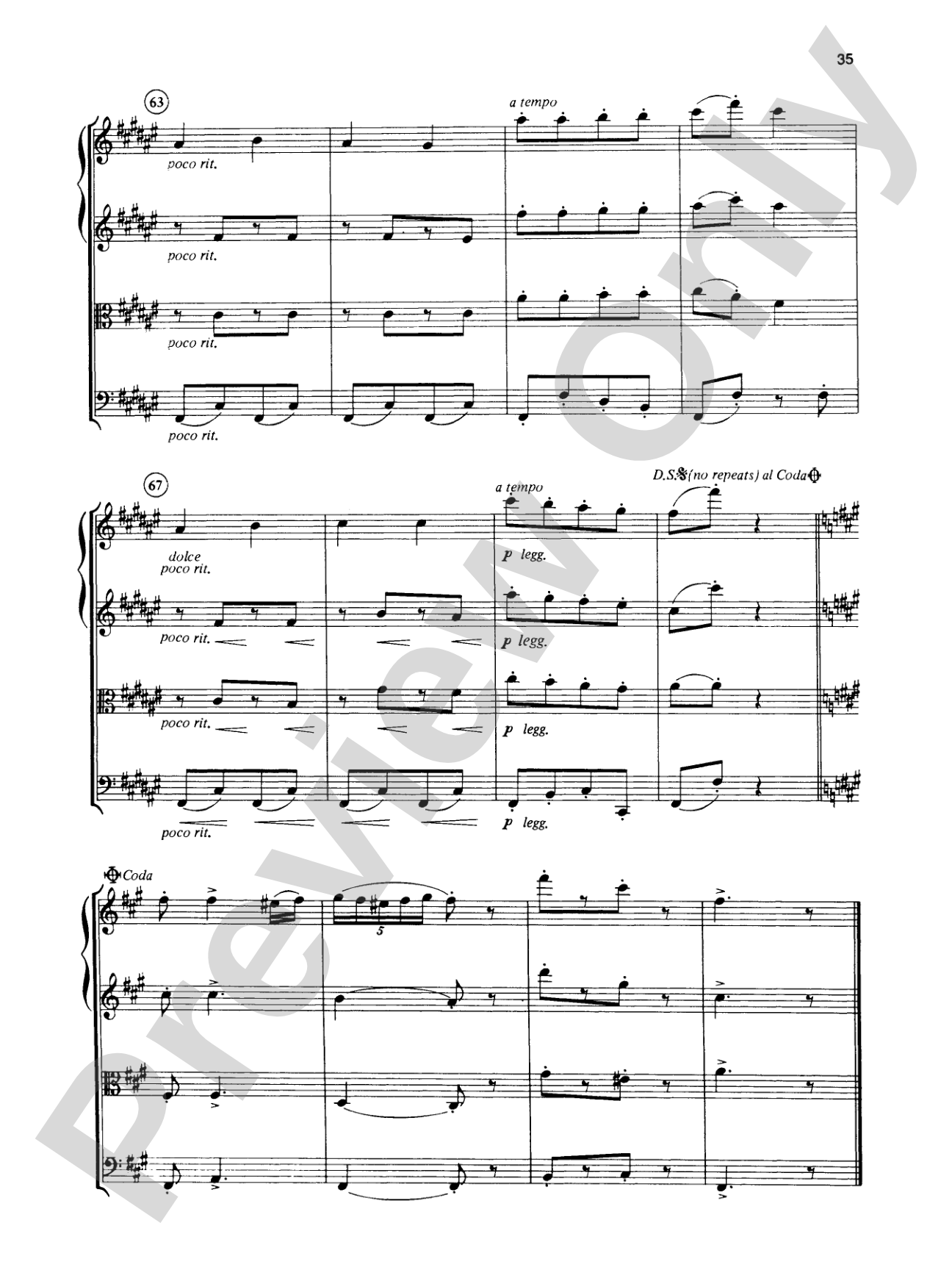
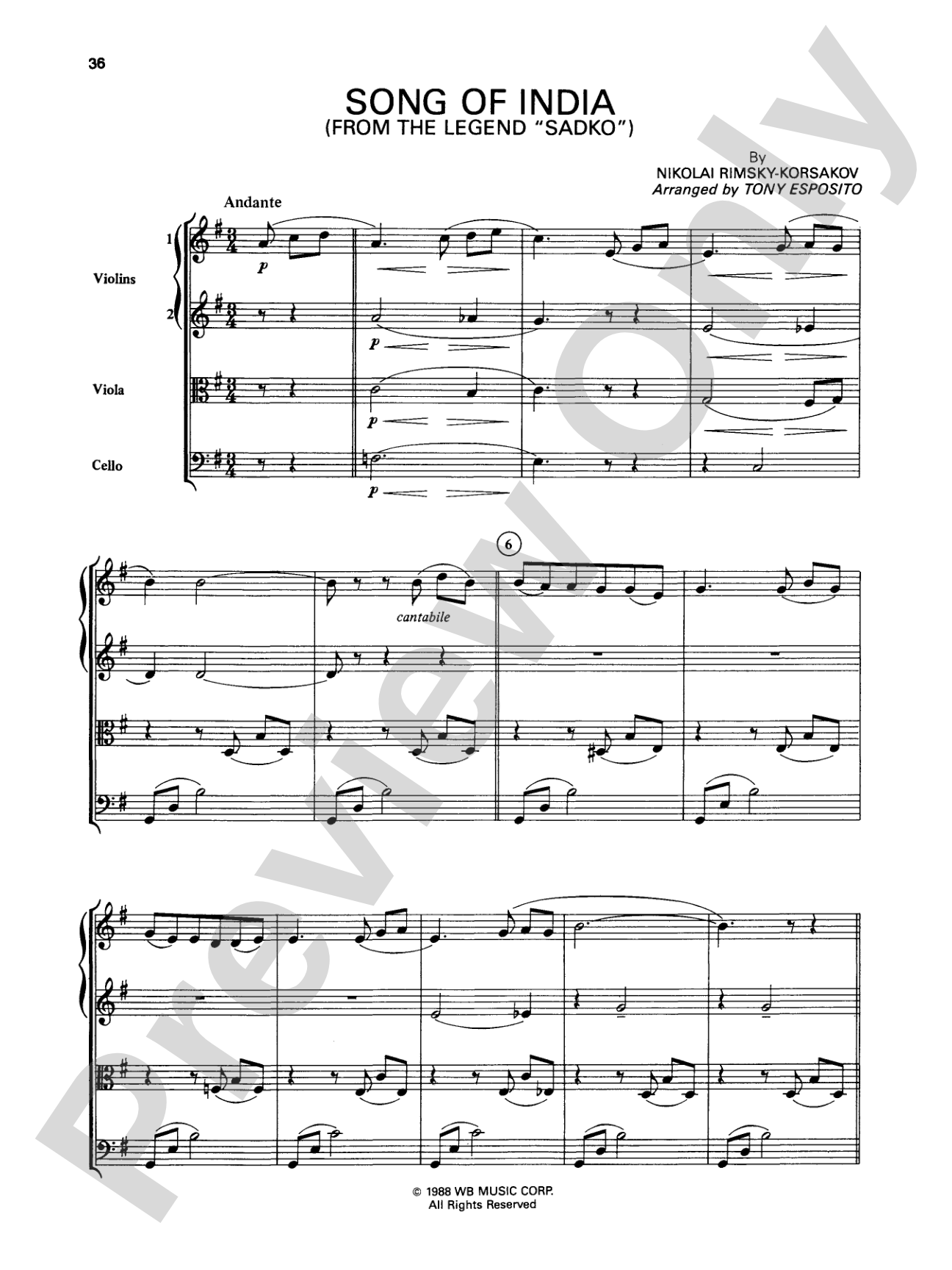
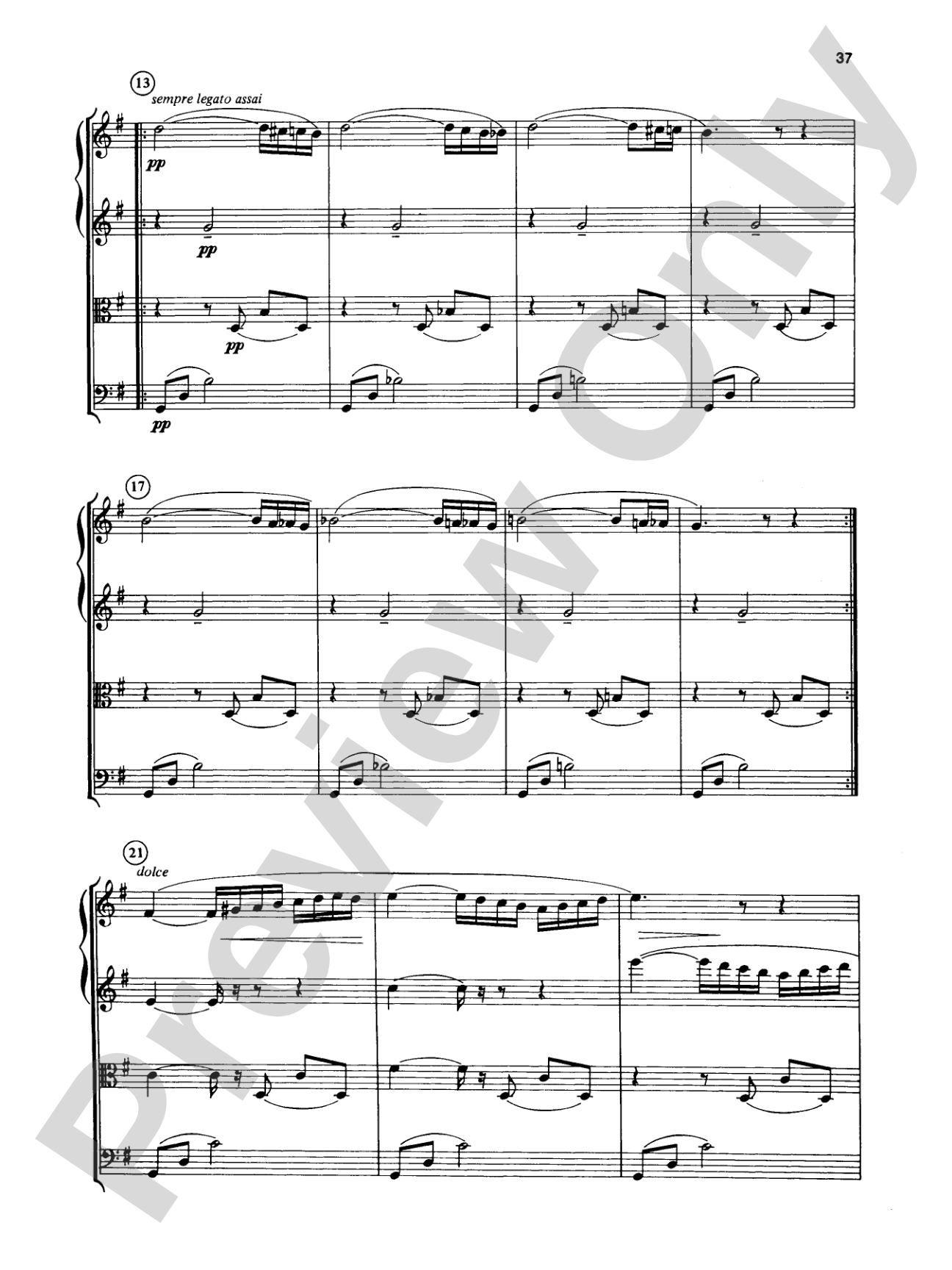
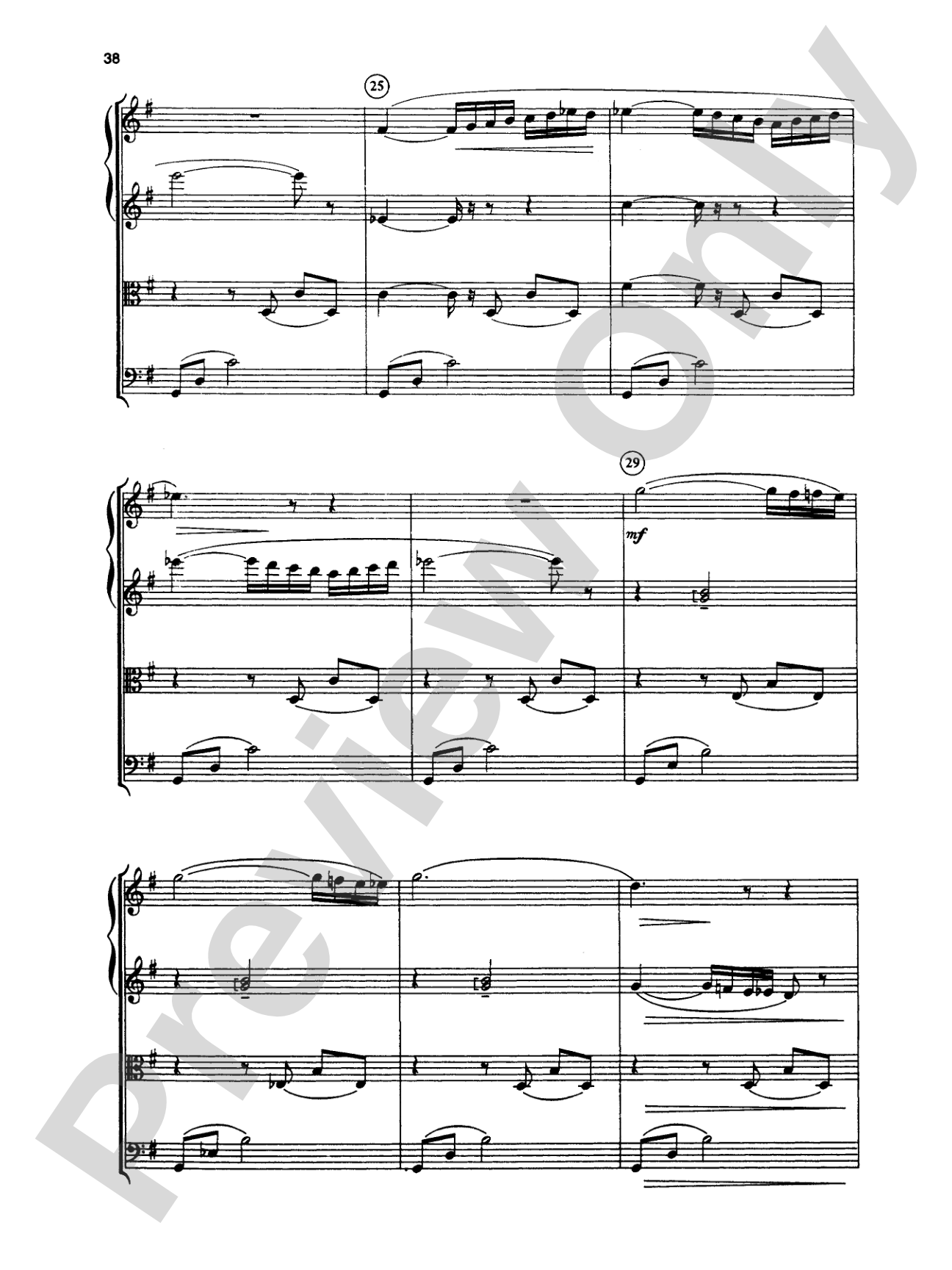
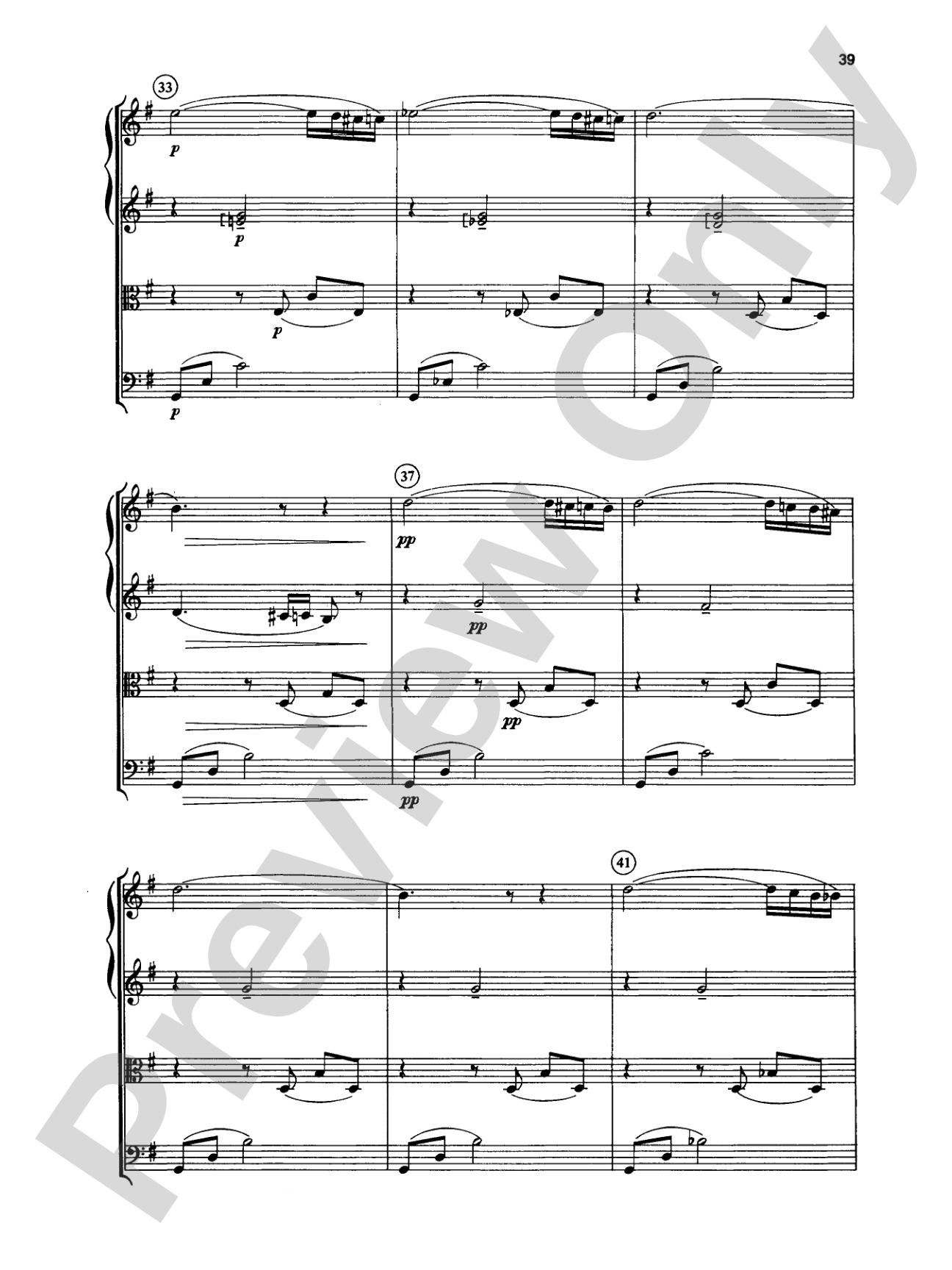
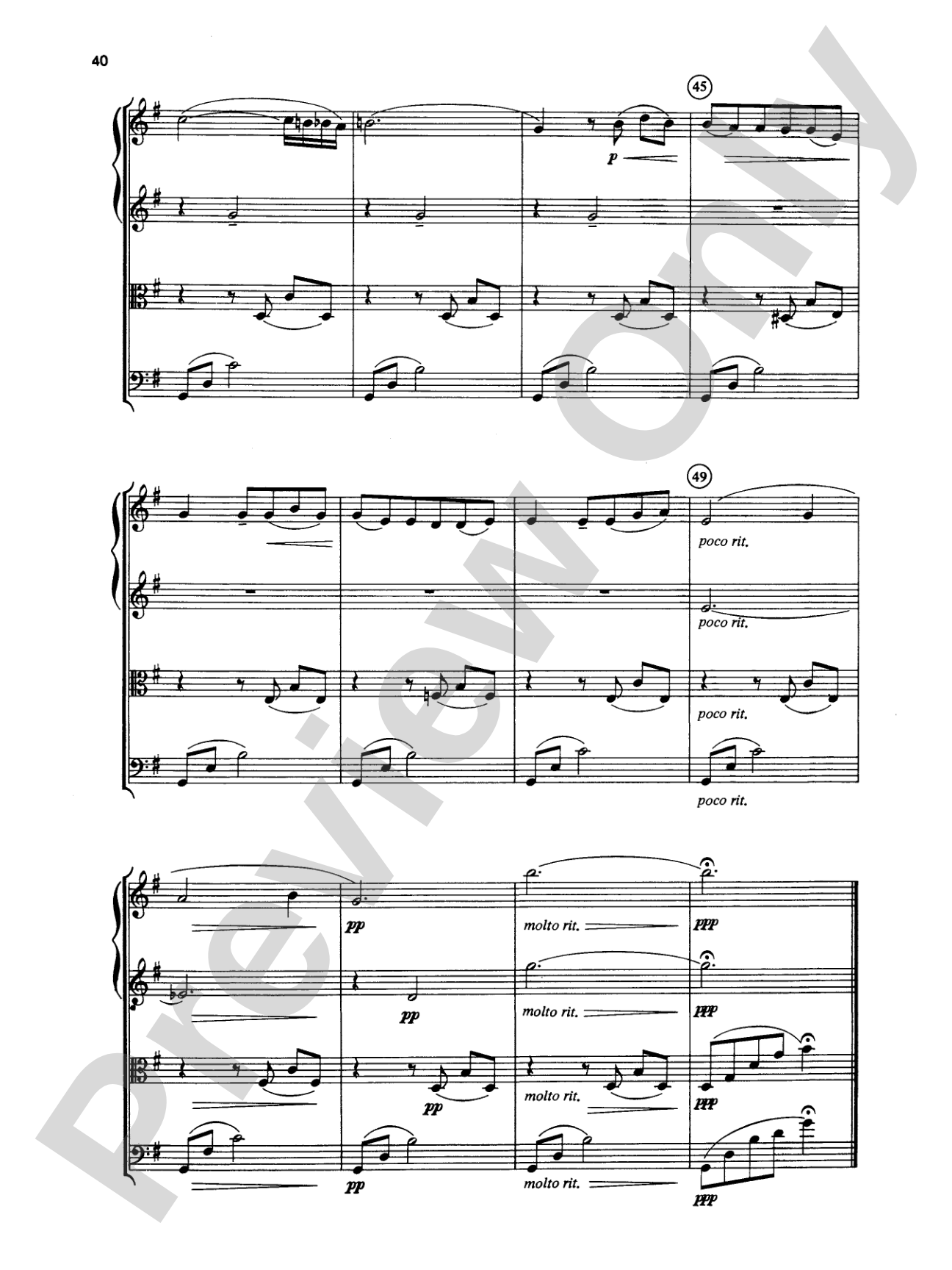

Great Classical Themes: Score
Arr. Tony Esposito and Jeff Sultanof
Item: 00-PR-0004424
$8.00
Pickup currently not available
Description
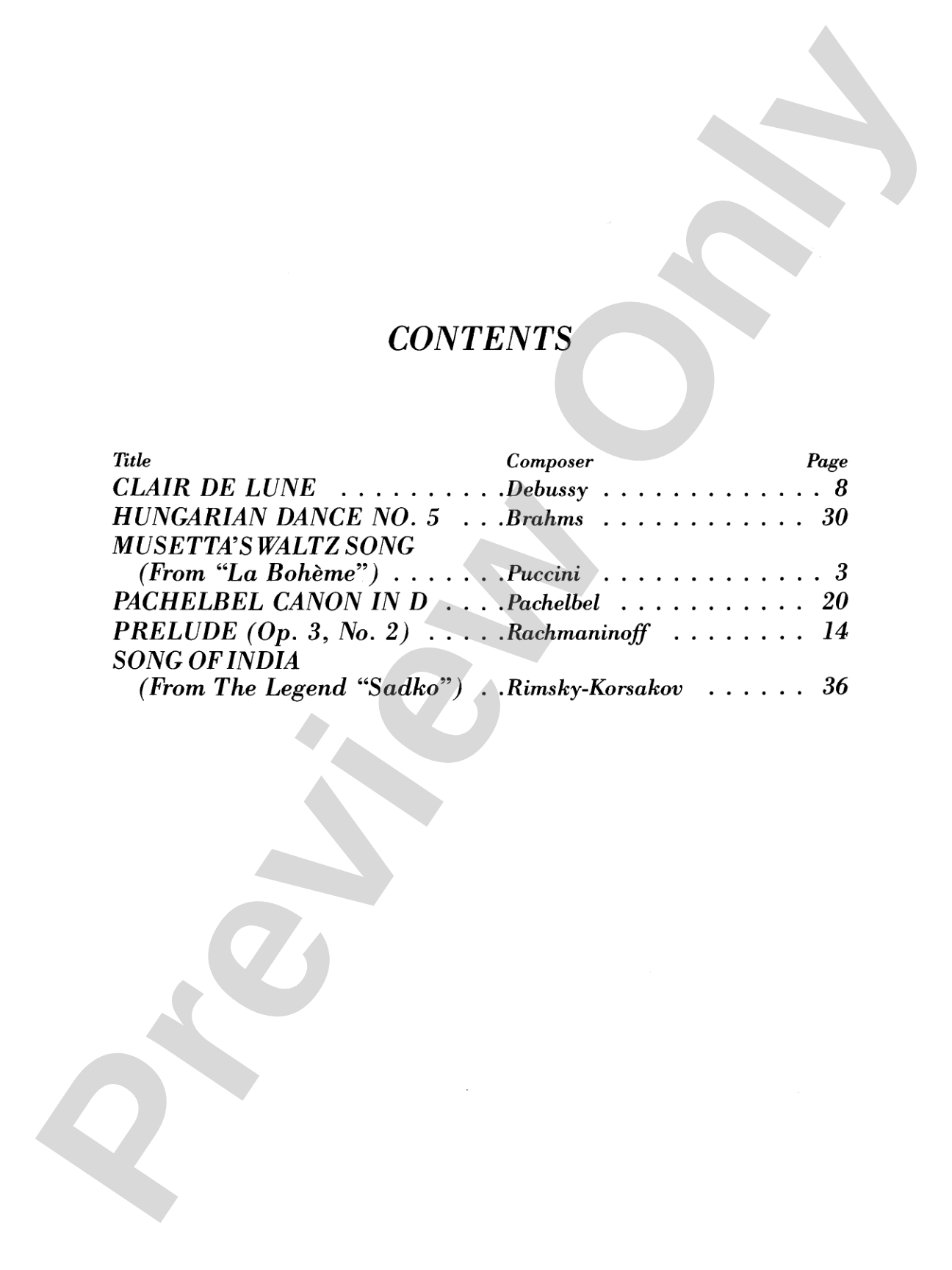
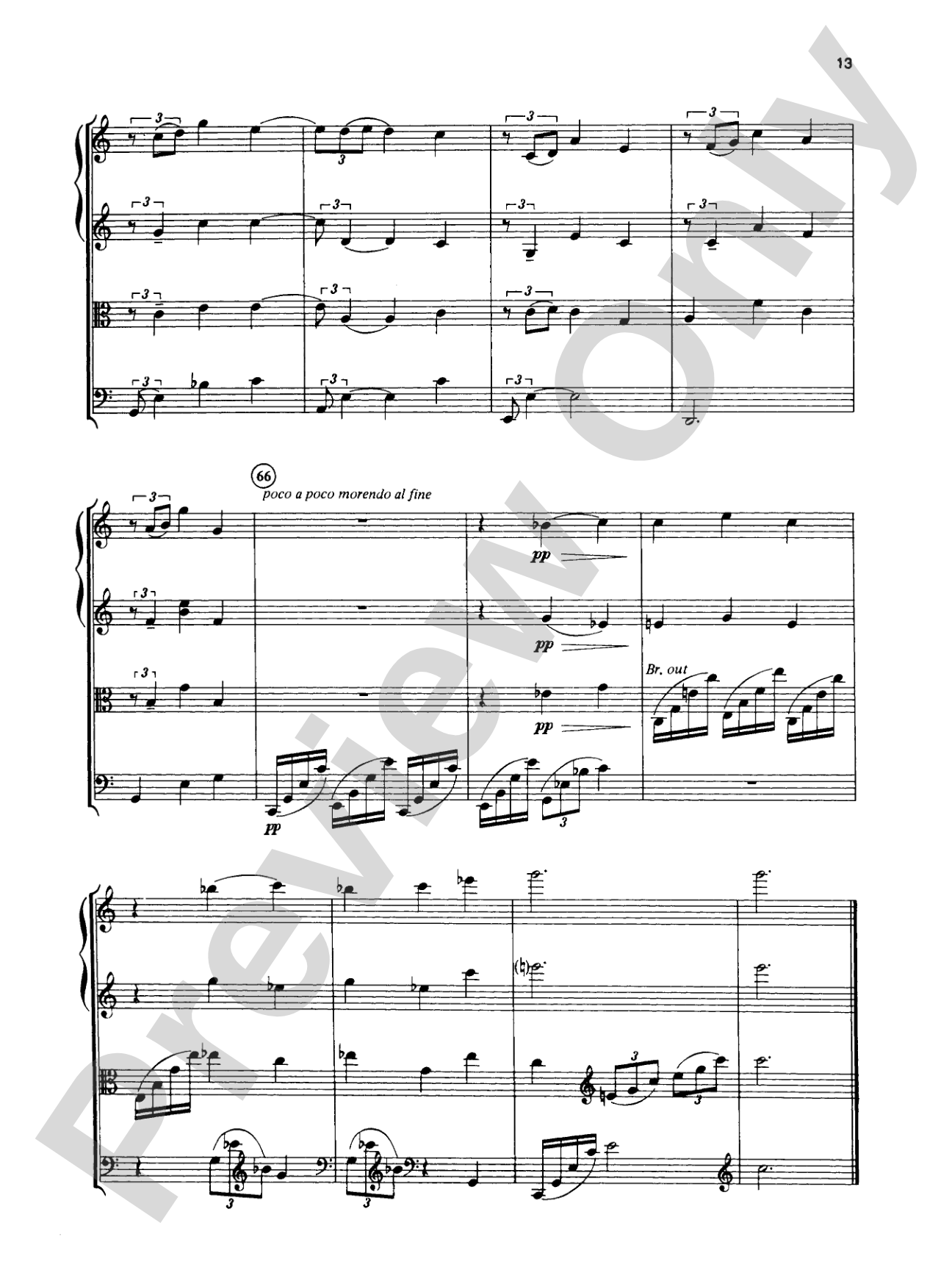
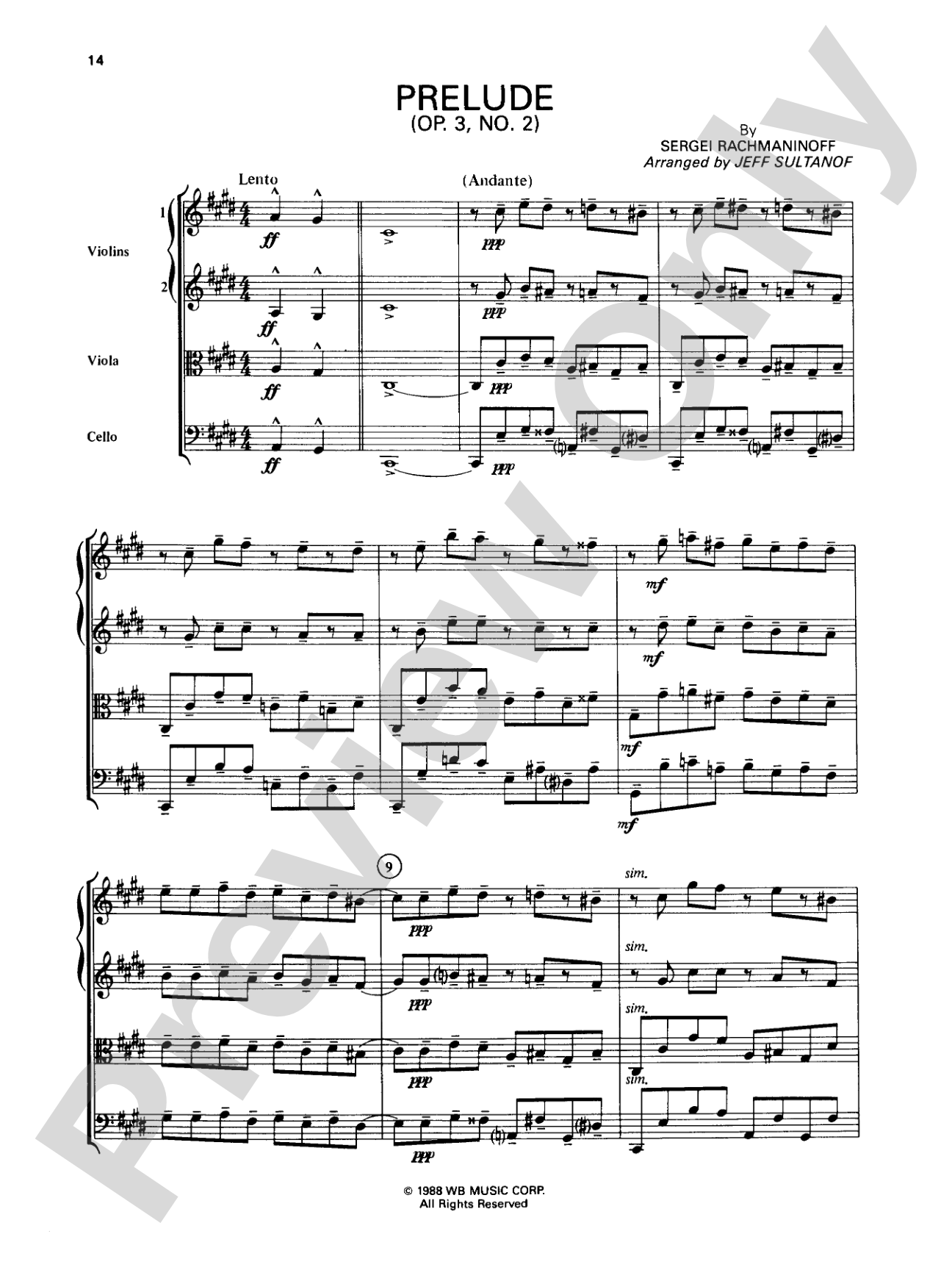
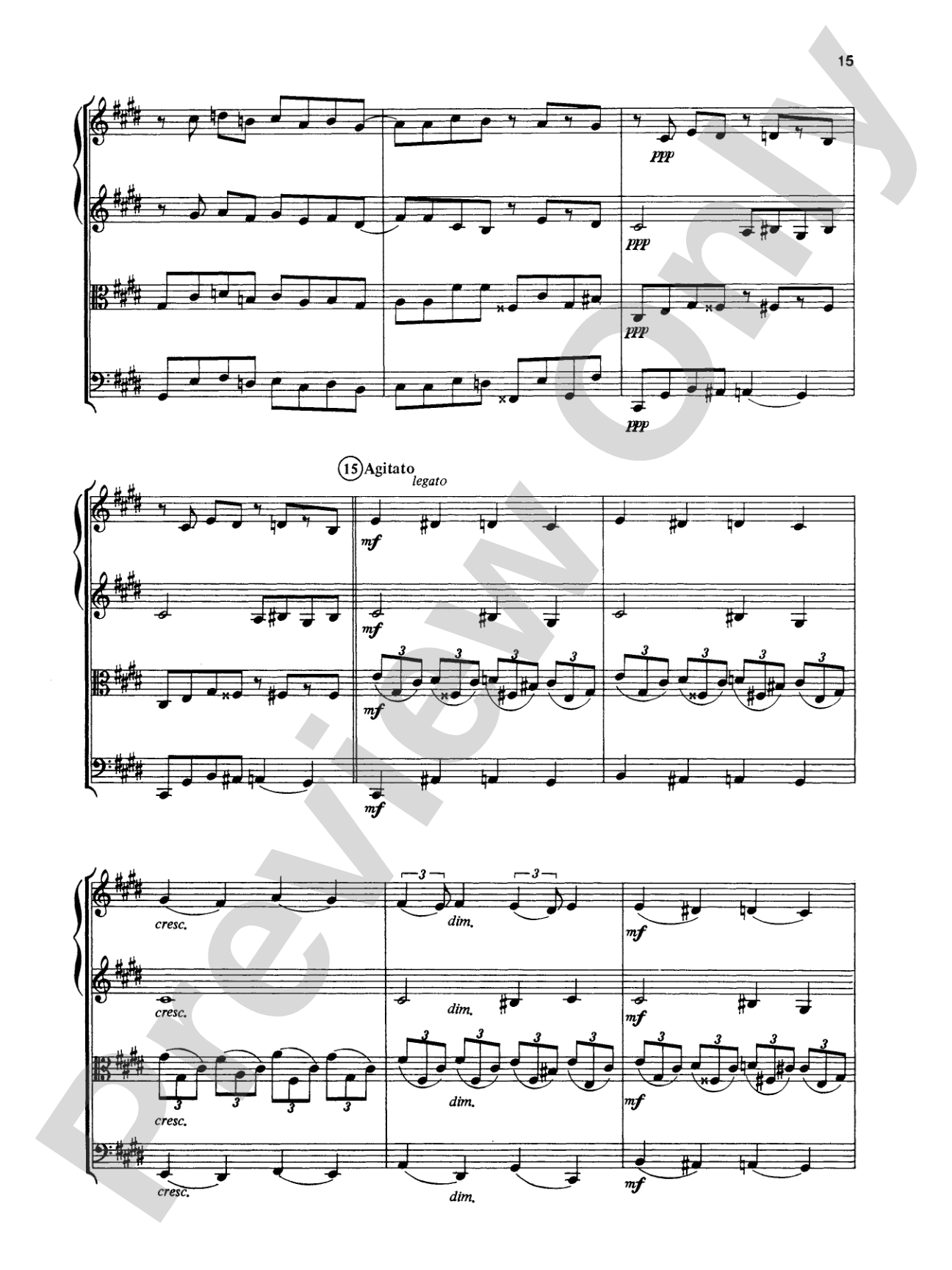
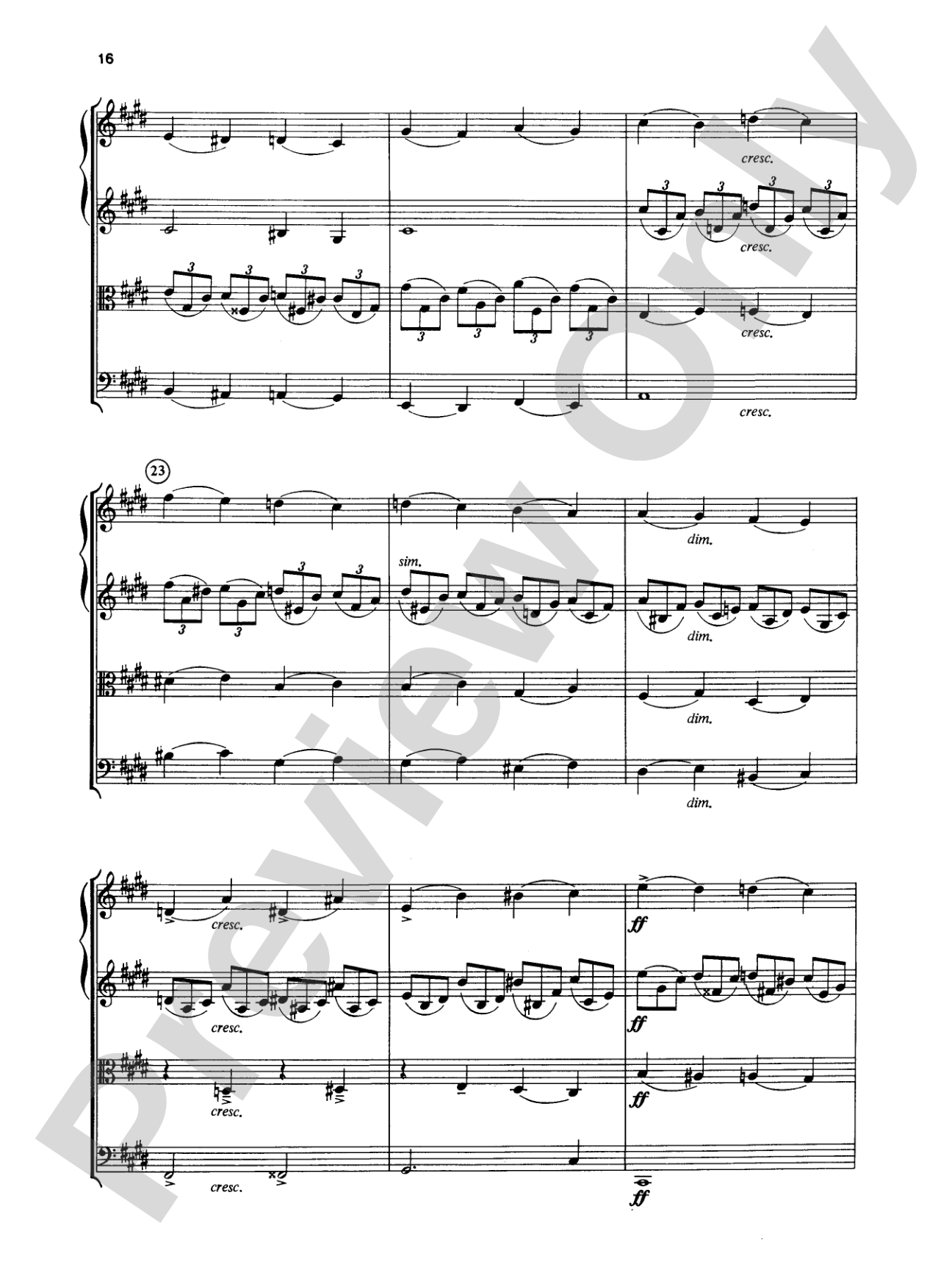
Clair de Lune (Debussy) * Hungarian Dance No. 5 (Brahms) * Prelude (Op. 3, No. 2) (Rachmaninoff) * Pachelbel's Canon in D and others.


Don't just read it, hear it, play along with it, and watch your students grow with it. In MakeMusic Cloud, Great Classical Themes: Score comes alive with professional accompaniment, adjustable tempo, and built-in practice tools that turn solo practice into real progress.
Open in the Player
Jump straight in and assign it today.
Start Your Free Trial
Open this title and explore the full library in minutes.
Sample Audio
No sample audio found.
Sample Video
No sample videos found.
Additional Details
Series:
Classic String Quartets
Publisher:
Alfred Music
Page Count:
48
SKU:
00-PR-0004424
More about this title
About the Arranger: Tony Esposito
Tony Esposito has built a reputation as an arranger who understands how to make substantial classical works accessible to student ensembles without compromising their musical integrity. His arrangements prioritize clarity of texture and idiomatic writing for each instrument, allowing young players to engage with masterworks they might not otherwise encounter in their standard repertoire.
Working alongside co-arranger Jeff Sultanof, Esposito has contributed arrangements across multiple instrumental and vocal genres, demonstrating fluency in orchestration and score preparation for educational contexts.
Why we love this
This collection gives string quartet programs legitimate concert repertoire with immediate audience recognition. The arrangements maintain the harmonic richness and emotional core of each piece while distributing the musical material so every player has something to voice rather than one part carrying the melody. You get contest-ready scores that students will be excited to perform.
What to expect
Moving between the intimate impressionism of Debussy, the passionate Hungarian vitality of Brahms, and the romantic sweep of Rachmaninoff, this collection offers emotional range within familiar classical territory. Each piece is instantly recognizable to audiences, yet hearing it through a string quartet arrangement reveals details and voicings that make even well-known works feel fresh.
Who it's for
String quartet ensembles working at the intermediate to advanced level who want proven repertoire for festivals, competitions, or concert programs. This is ideal for established youth quartets or college non-majors ensembles seeking accessible yet substantive classical material.
How to get the most out of it
- Establish the character of each piece in your first rehearsal rather than waiting for technical issues to resolve. Clair de Lune demands attention to the gentle, shimmering quality from the opening; Hungarian Dance No. 5 requires clear rhythmic energy. Naming what you're after helps everyone tune their ears early.
- Balance the violin parts carefully in pieces where both instruments carry melodic material. String quartets at this level often let the first violin dominate by default. These arrangements typically require genuine dialogue between parts to sound complete.
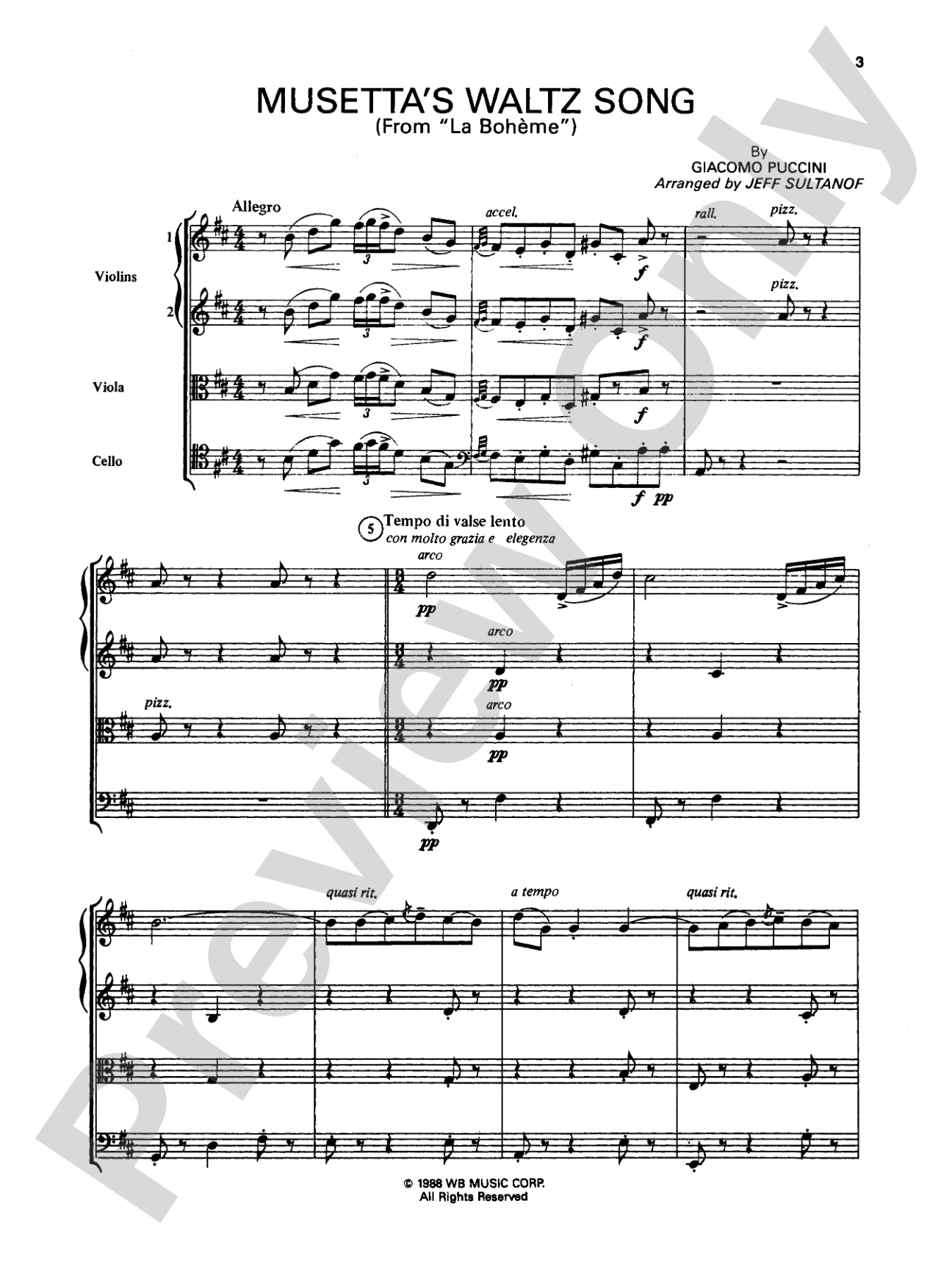
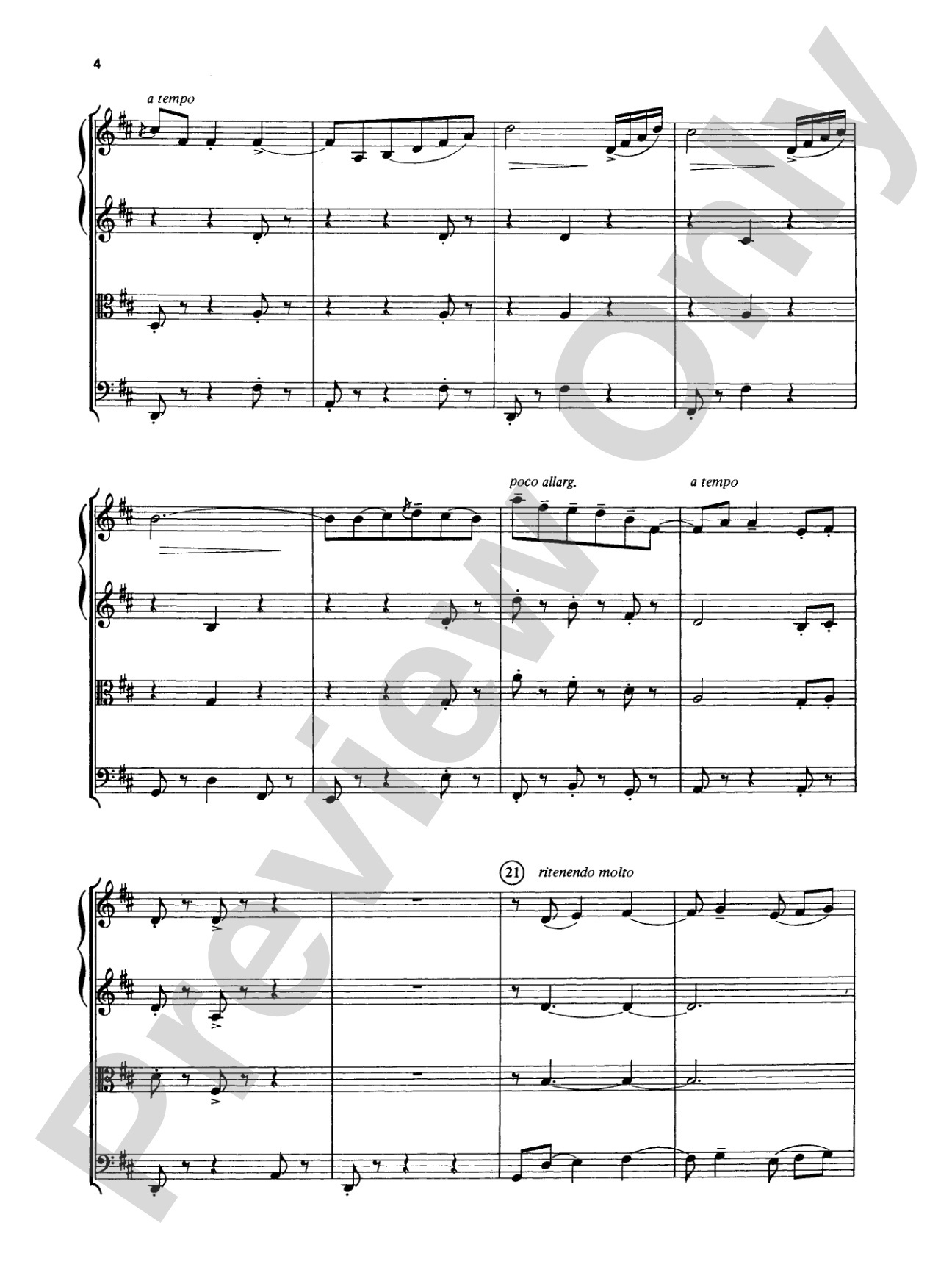
- Use the full score during rehearsal to understand how Esposito and Sultanof have voiced each arrangement, then switch to parts once the ensemble grasps the overall structure. This approach prevents players from being isolated in their individual lines.
How to use it
Program multiple pieces from this collection to build a classical-themed concert set, or select individual pieces to anchor a mixed repertoire program. The variety of styles and moods means you can open a concert with Canon in D, move into a more substantial middle work, and close with something dramatic. Festival competitions often welcome this repertoire because it demonstrates technical control across different musical styles.
Skills your students will build
- Balancing independent melodic lines while maintaining ensemble cohesion
- Playing impressionistic harmonies with tonal subtlety (Clair de Lune)
- Managing rhythmic vitality and syncopation across multiple parts (Hungarian Dance No. 5)
- Sustaining long lyrical phrases with consistent tone quality
- Reading and interpreting detailed dynamic and articulation markings in arrangement contexts