
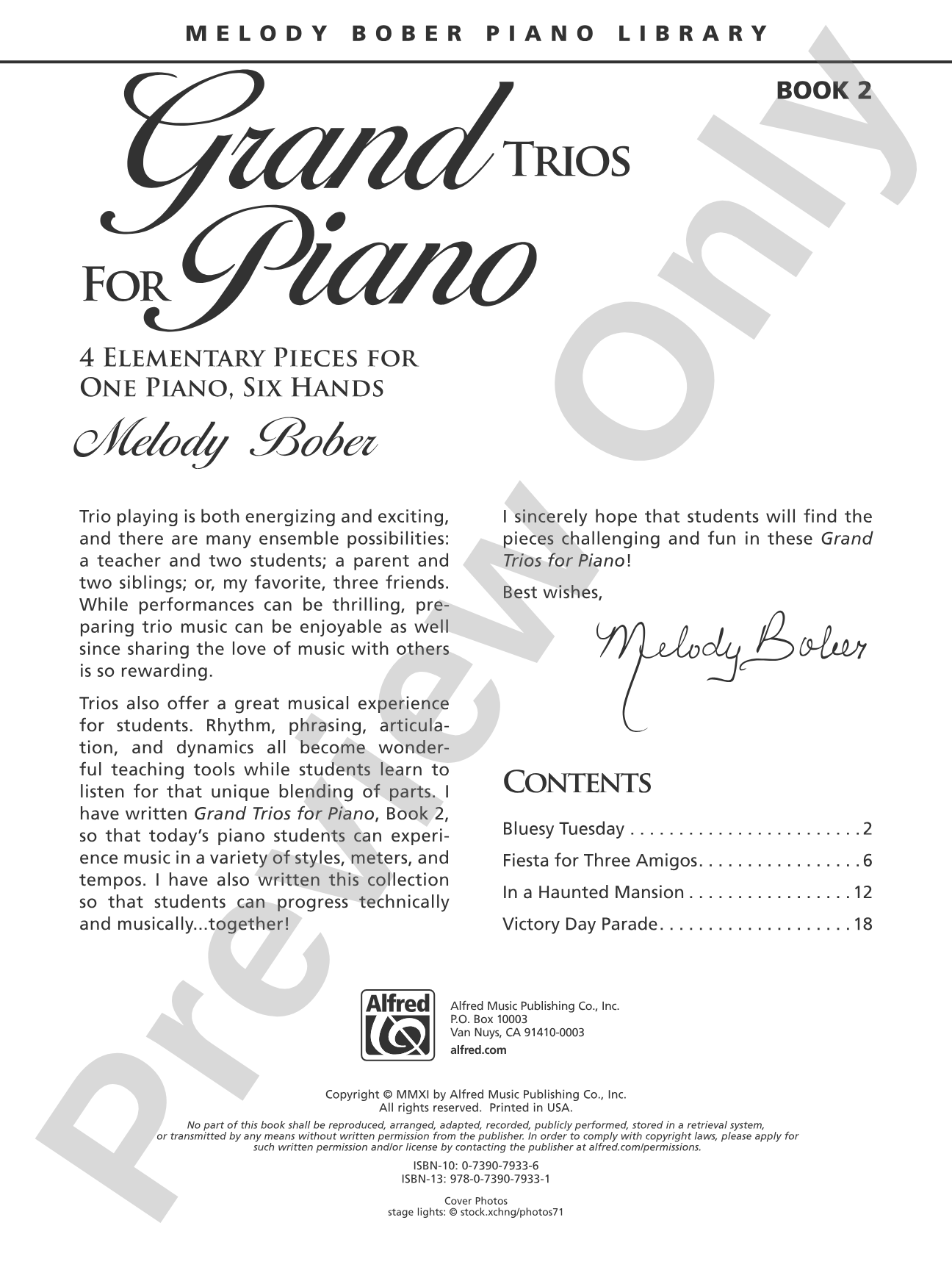

Grand Trios for Piano, Book 2: 4 Elementary Pieces for One Piano, Six Hands: Piano
4 Elementary Pieces for One Piano, Six Hands
By Melody Bober
Level: Elementary
Item: 00-PB-0000738
$6.99
Pickup currently not available
Related Items
Grand Trios for Piano, Book 2: Piano Trio (1 Piano, 6 Hands) Book |
$6.99
|
View |
Description
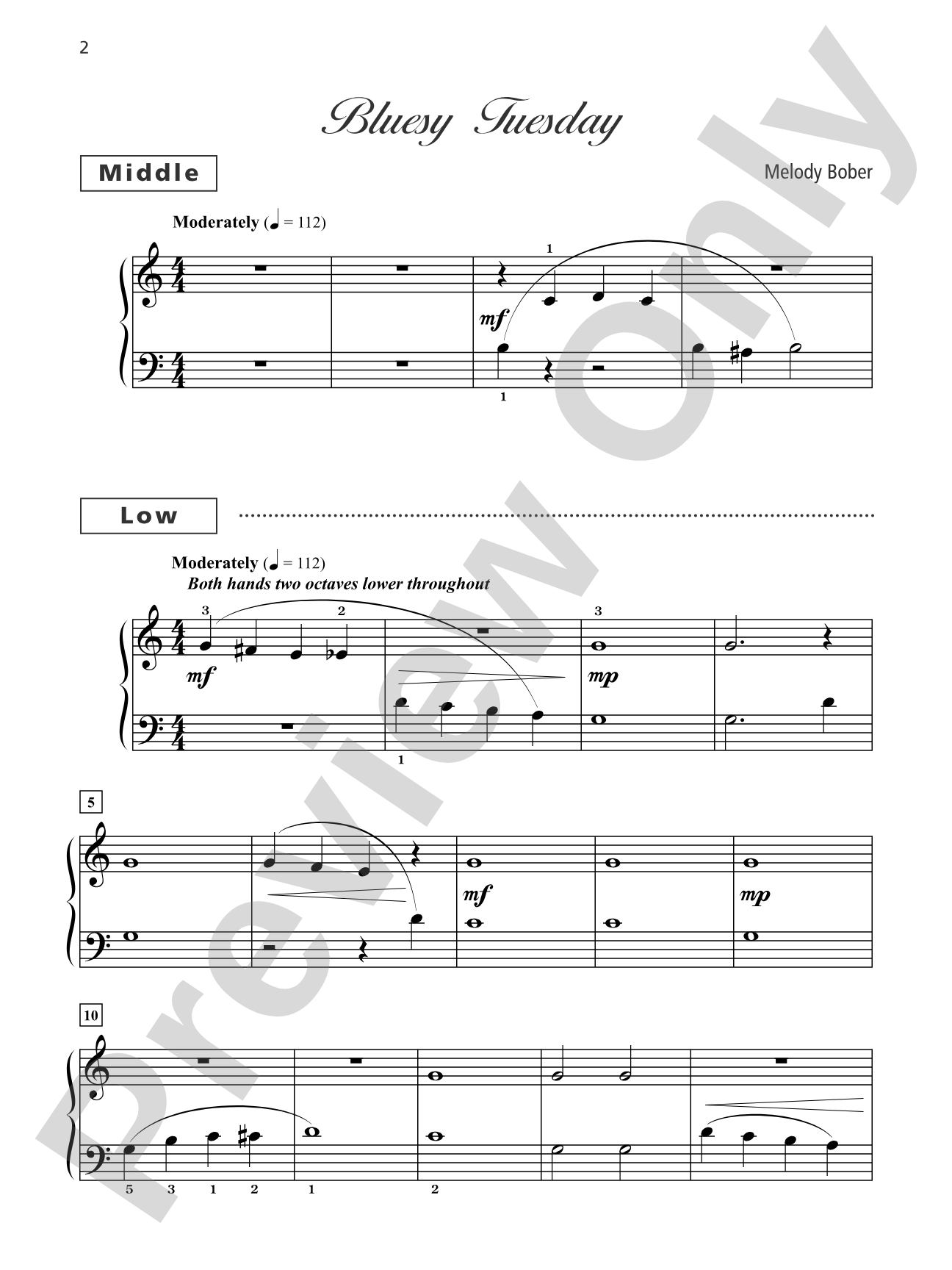
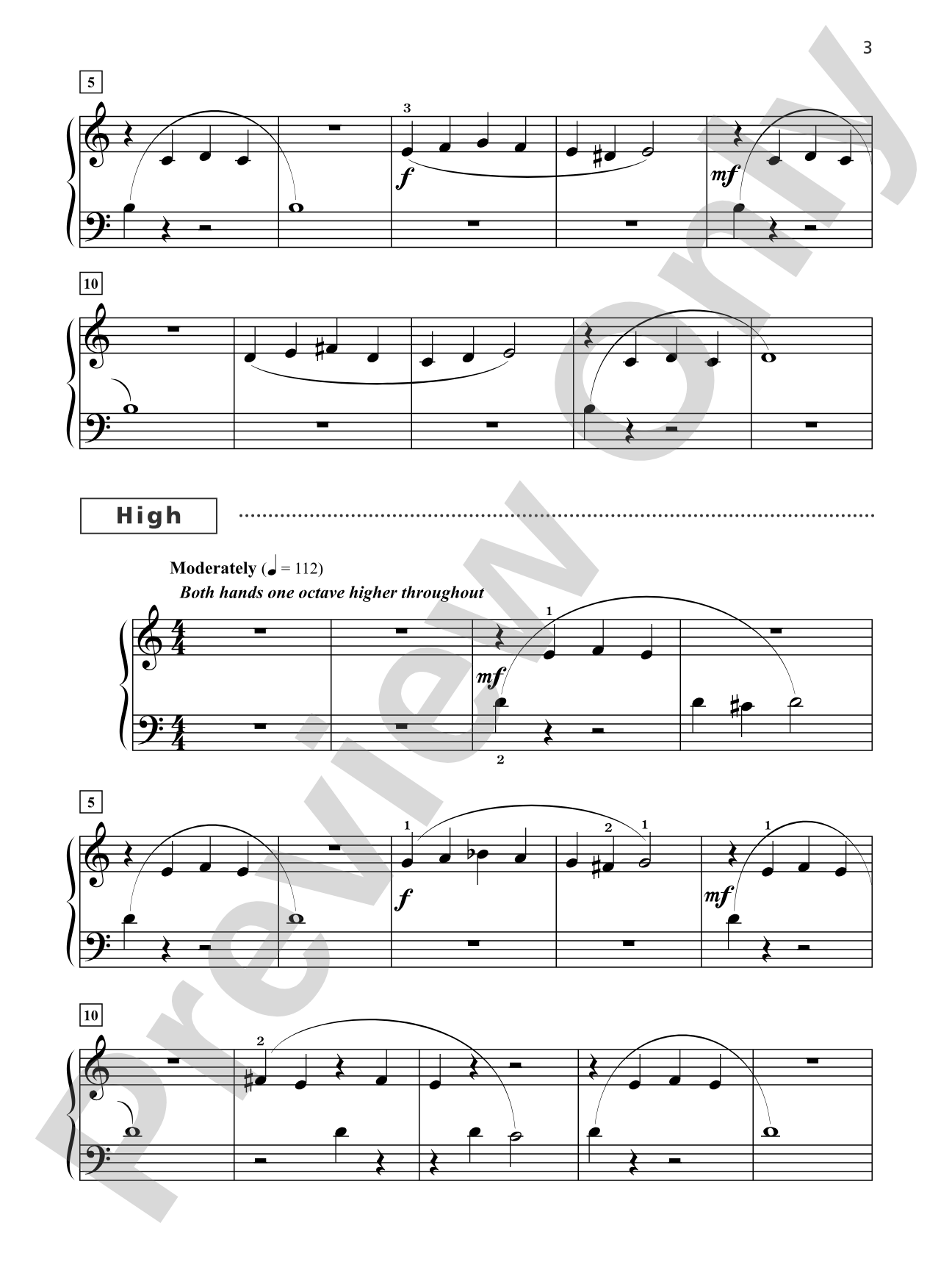
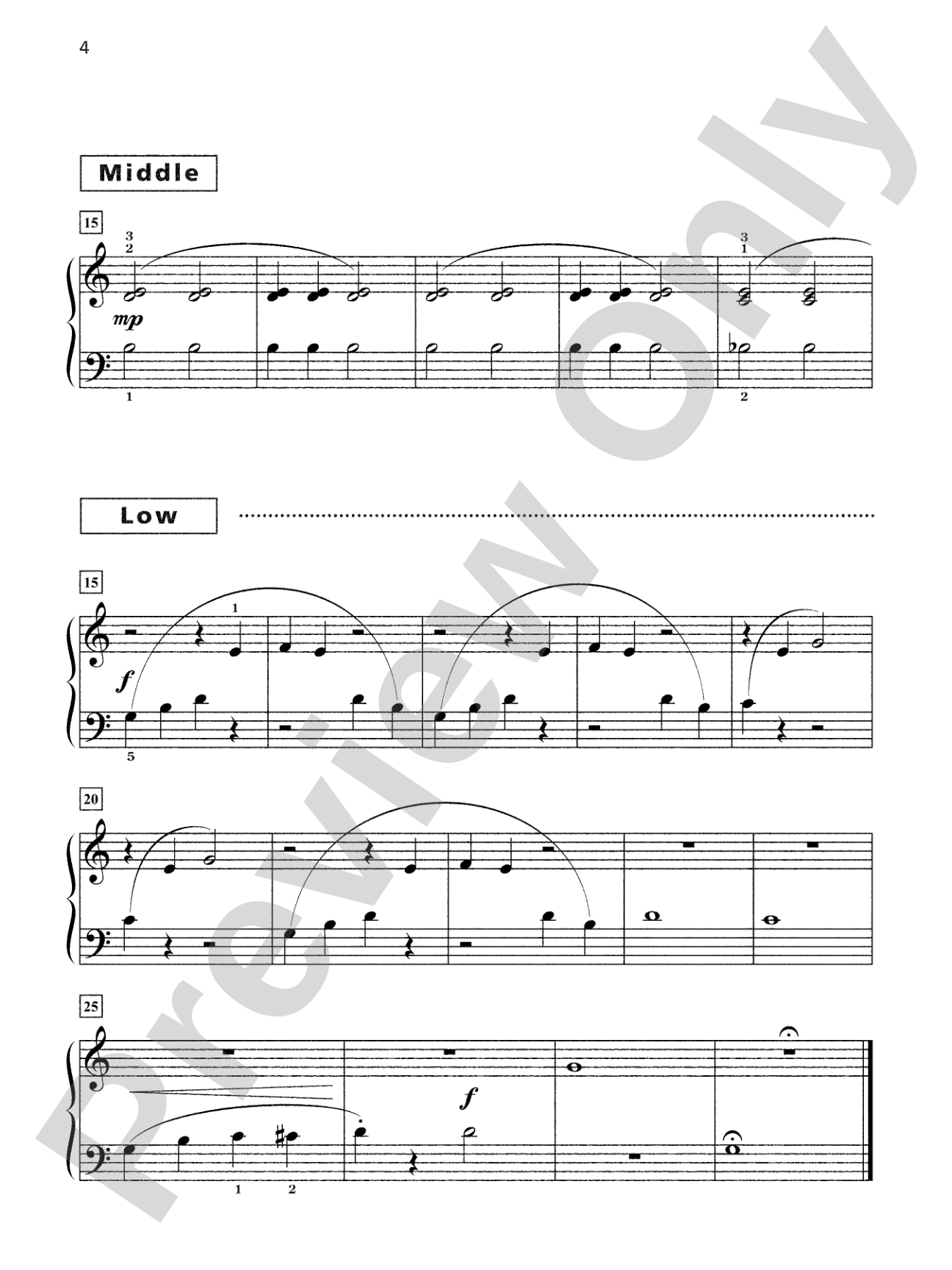
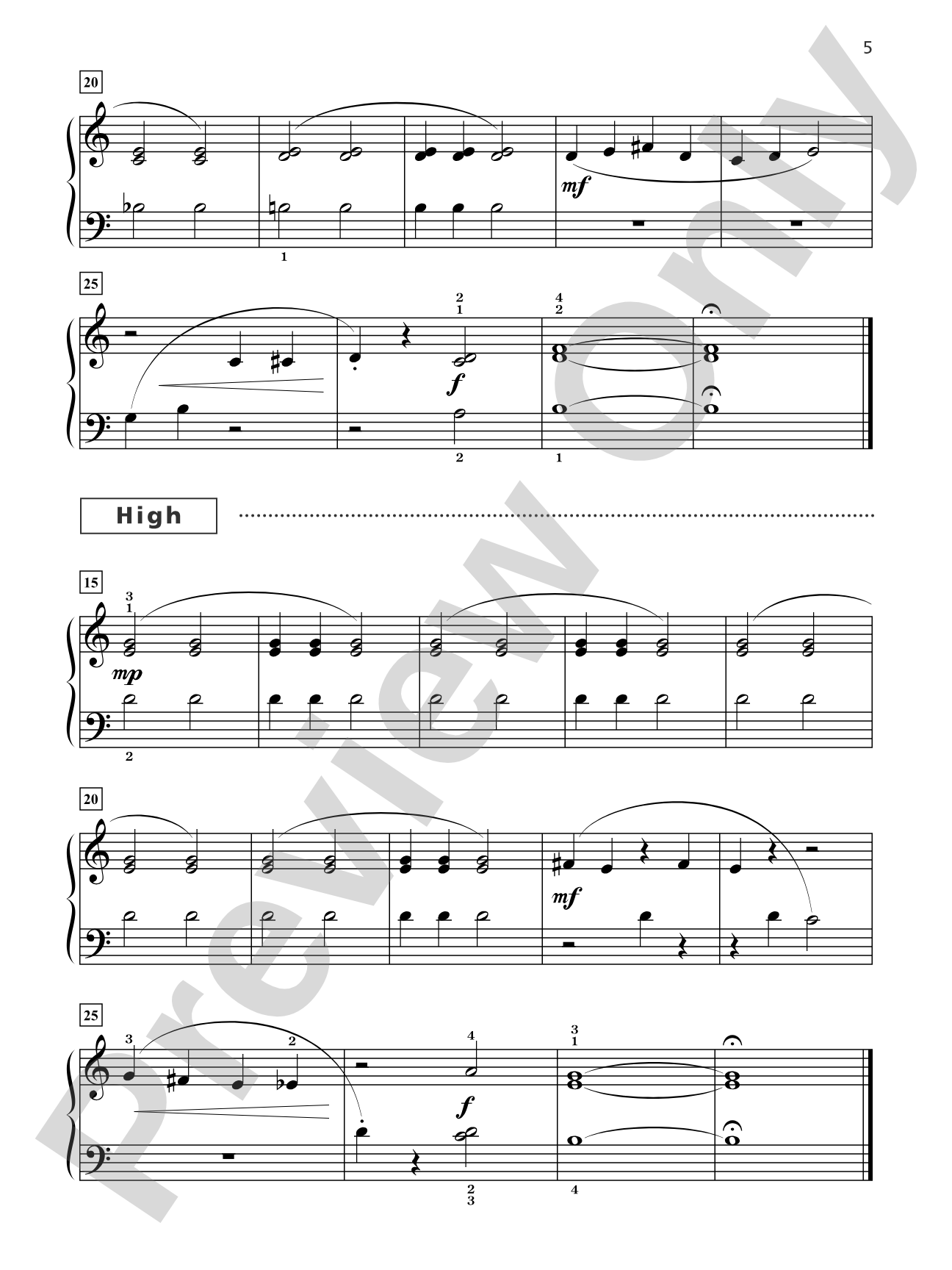
The joy of ensemble playing with six hands at the piano is captured in this series of trios by educational music author Melody Bober. Written with the elementary-level piano student in mind, the pieces in this collection have easy movement around the keyboard and simple hands-together coordination. All three parts are equal in difficulty. A variety of keys, styles, and meters are featured. Titles: Bluesy Tuesday * Fiesta for Three Amigos * In a Haunted Mansion * Victory Day Parade. A Federation Festivals 2024-2028 selection.


Grand Trios for Piano, Book 2: 4 Elementary Pieces for One Piano, Six Hands: Piano isn't in MakeMusic Cloud just yet...but it could be. Let us know you'd like to see it, and you'll help shape what comes next. In the meantime, start a free trial and dive into thousands of interactive titles your students can play along with today.
Request This Title
Tell us you want it.
Start Your Free Trial
Explore everything that's ready to play right now.
Sample Audio
No sample audio found.
Sample Video
No sample videos found.
Additional Details
Series:
Grand Trios for Piano
Publisher:
Alfred Music
Page Count:
24
SKU:
00-PB-0000738
More about this title
About the Composer: Melody Bober

Melody Bober composes music specifically designed to deepen students' musical understanding while sustaining their enthusiasm for piano study. She earned a bachelor's degree in music education from the University of Illinois at Champaign-Urbana (summa cum laude) and completed a Master of Arts in piano performance at Minnesota State University, Moorhead, training under accomplished pianists Joel Shapiro and Andrew Froelich, as well as music educator Mary Hoffman and jazz musician Tony Caramia.
Beyond her private teaching studio, Bober has spent two decades in public school music education and additional time teaching at the university level. She remains active as a church pianist, accompanist, and former music director, while also serving as a sought-after clinician and workshop presenter for piano teachers throughout North America. She lives in Minnesota with her husband Jeff.
Why we love this
Six-hand piano trios unlock a specific kind of joy in group piano study: three students playing equal parts simultaneously on one instrument removes the hierarchy of melody versus accompaniment and creates genuine collaborative music-making. Bober's writing in this collection respects that equality while keeping the technical demands appropriate for elementary players, and the stylistic variety (from blues to fiesta to spooky mansion) means students experience real musical genres rather than abstract exercises.
What to expect
These pieces embrace vivid storytelling through sound. Whether students are swaying through the bluesy groove of Tuesday's slow burn, dancing to the Latin energy of a fiesta with friends, tiptoeing through a haunted house's creaking shadows, or marching triumphantly in a parade, each title sets a distinct mood that elementary players can grasp and express.
Who it's for
This collection serves elementary piano students ready to experience genuine ensemble playing without the independent part preparation that large-group piano instruction requires. Teachers looking for motivating repertoire that rewards group practice while keeping technical demands manageable will find these trios ideal for recitals, school performances, or simply to reinvigorate students' excitement about making music together.
How to get the most out of it
- Establish a clear seating arrangement before the first rehearsal so all three players can see the keyboard and each other comfortably. Assign specific hand positions at the piano (one player typically covers lower register and one higher register, with the middle player flexible) and stay consistent.
- Work through entrance timing away from the piano first by having each part clap its rhythm separately, then together, so all three students internalize how their parts interlock before adding keyboard coordination.
- Balance the three parts by listening for which one is dominating the texture in each section, then adjust dynamics or hand independence accordingly. These pieces work best when no single part overwhelms the collaborative sound.
- Record yourselves performing each piece and play it back to the trio. Hearing their own music builds ownership and highlights timing issues or balance problems that feel invisible during the performance itself.
How to use it
Program one or more of these trios on a studio recital to showcase group collaboration and offer a visual treat for audiences (watching three hands play one piano catches attention). They also work beautifully in spring concerts or end-of-year celebrations where mixed-level pianists can contribute equally without needing specialized repertoire preparation.
Skills your students will build
- Ensemble timing and listening to multiple parts simultaneously
- Hand independence and shared keyboard navigation with two other players
- Reading and executing rhythm patterns in various meters (simple and compound)
- Playing in multiple keys with confidence at elementary level
- Pedaling coordination when indicated, with three players sharing one pedal system