

Grand One-Hand Solos for Piano, Book 3: 8 Late Elementary Pieces for Right or Left Hand Alone: Piano
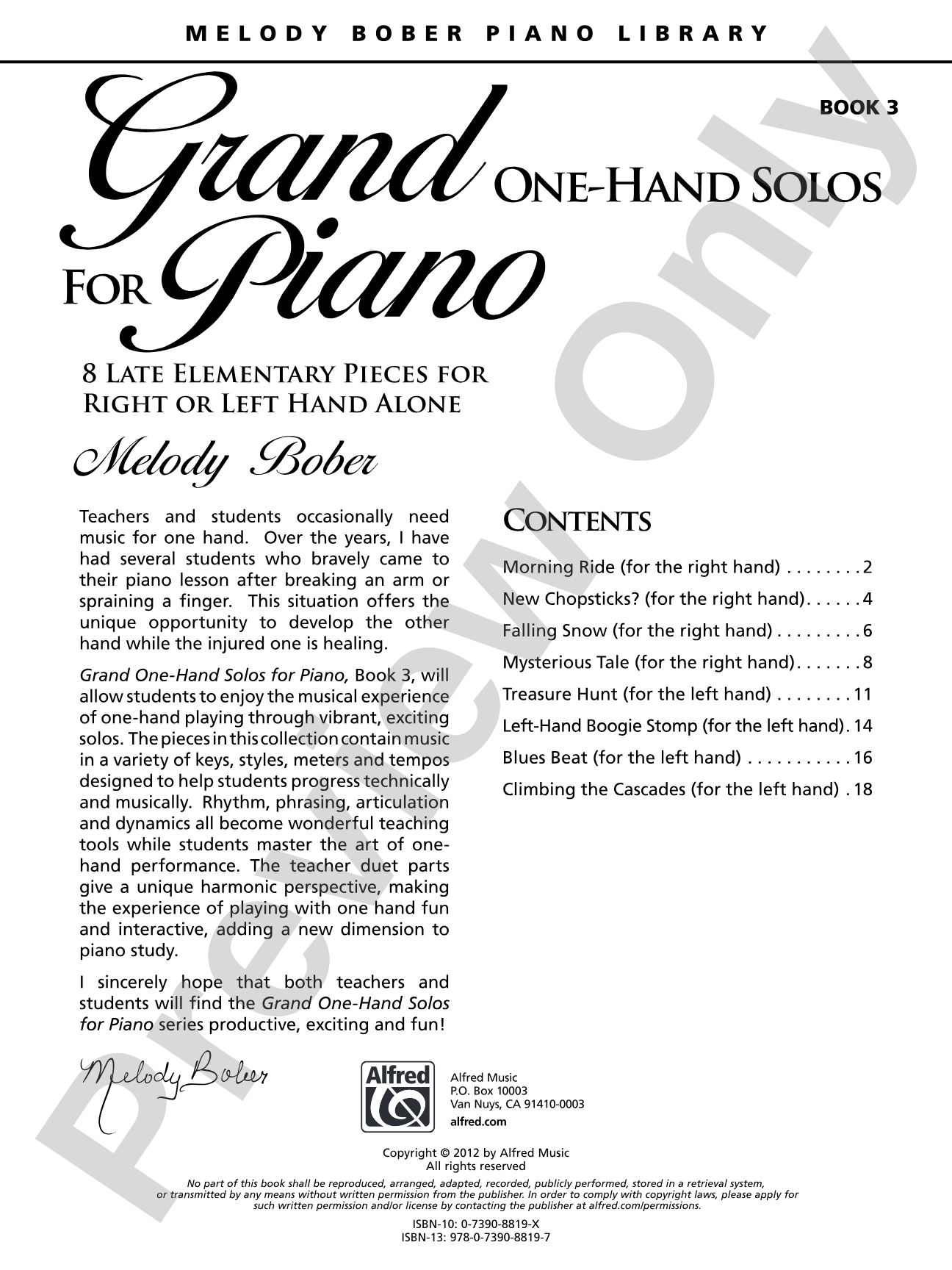
8 Late Elementary Pieces for Right or Left Hand Alone
By Melody Bober
Level: Late Elementary
Item: 00-PB-0000729
$6.99
Pickup currently not available
Related Items
Grand One-Hand Solos for Piano, Book 3: Piano Book |
$6.99
|
View |
Description
Students with an injured arm or hand can continue their piano studies in spite of their injury with this series by Melody Bober. Each volume features pieces written especially for the right or left hand in a variety of styles, keys, meters, and tempos. Book 3 contains eight pieces---four for the right hand and four for the left hand---each one providing the unique opportunity to develop the other hand while still progressing technically and musically.
"This collection is perfect for isolating and curing reading and technical weaknesses associated with a particular hand, as well as developing awareness that one hand is capable of voicing and artistic performance."
---Yiyi Ku, MusicTeachersHelper.com
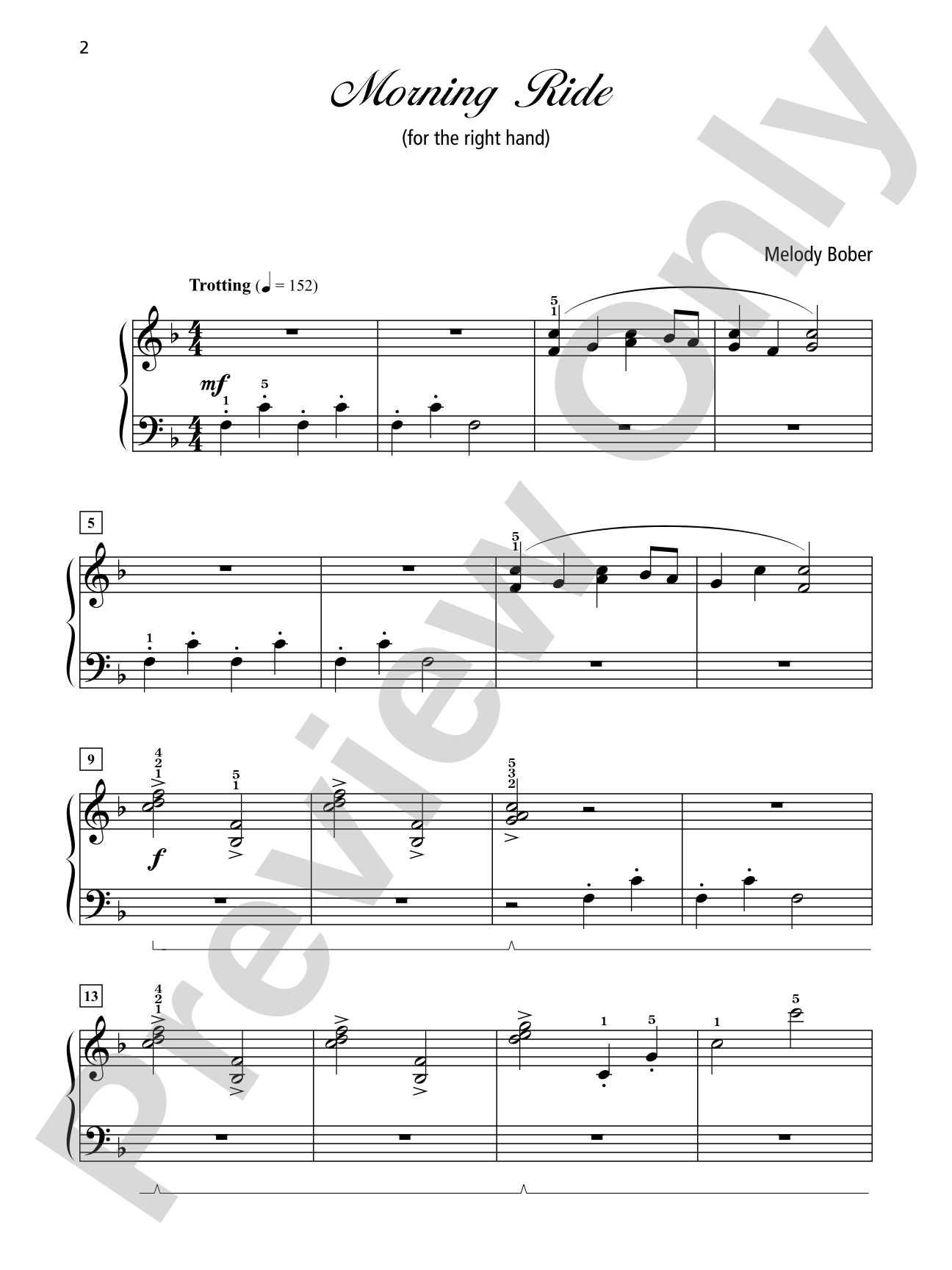
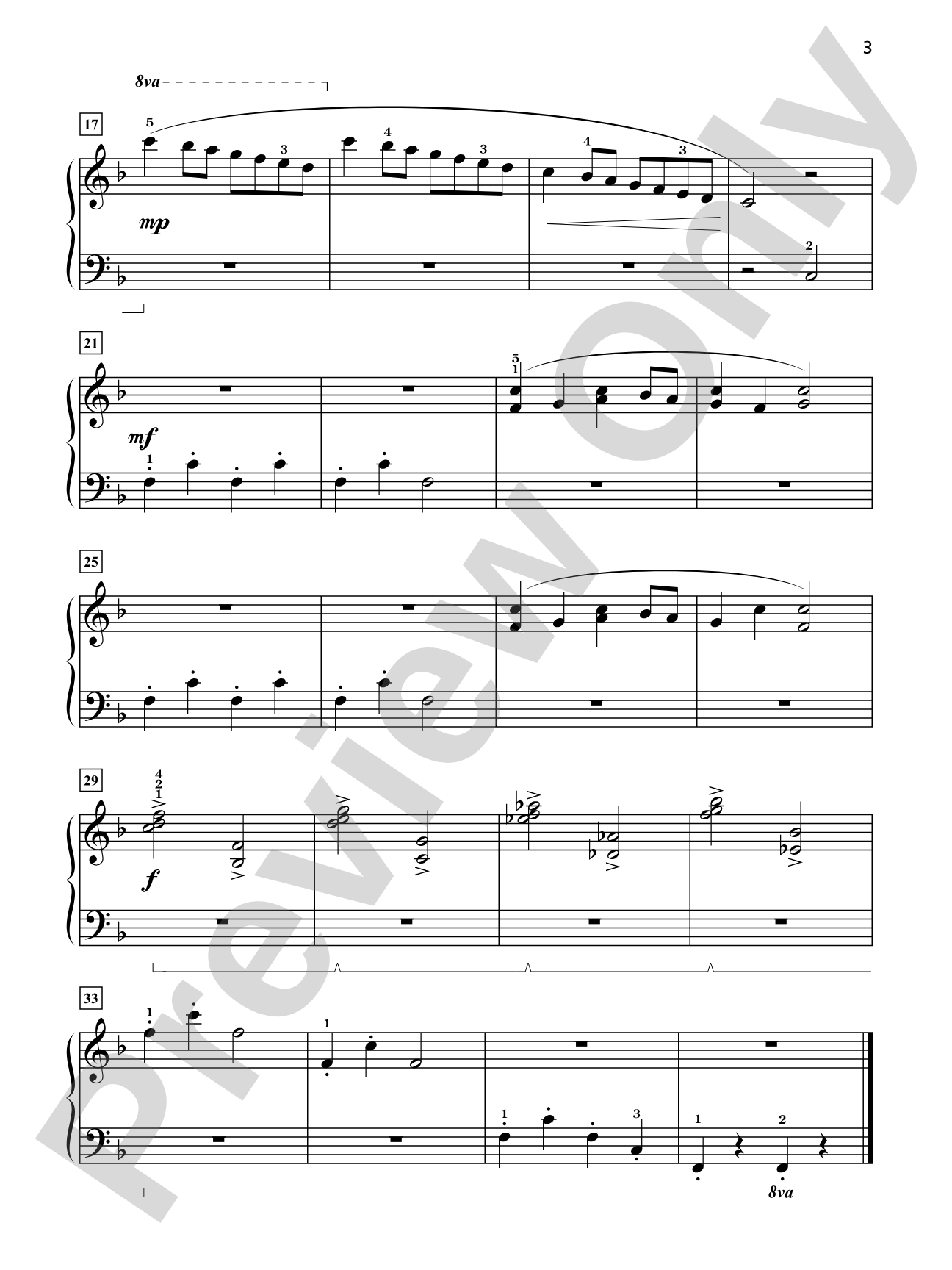
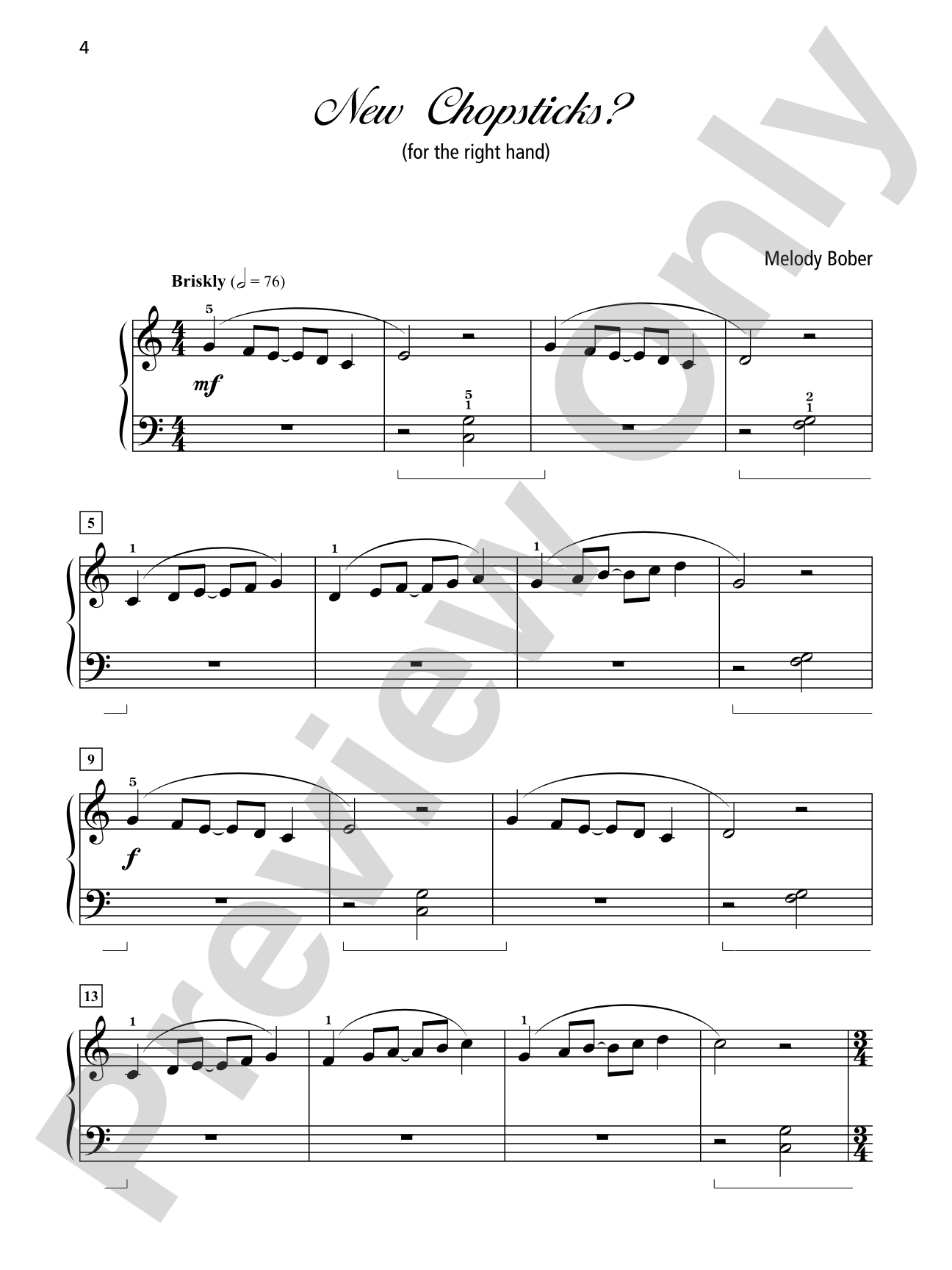
Titles: Morning Ride (RH) * New Chopsticks? (RH) * Falling Snow (RH) * Mysterious Tale (RH) * Treasure Hunt (LH) * Left-Hand Boogie Stomp (LH) * Blues Beat (LH) * Climbing the Cascades (LH). A Federation Festivals 2024-2028 selection.


"This collection is perfect for isolating and curing reading and technical weaknesses associated with a particular hand, as well as developing awareness that one hand is capable of voicing and artistic performance."
---Yiyi Ku, MusicTeachersHelper.com
Titles: Morning Ride (RH) * New Chopsticks? (RH) * Falling Snow (RH) * Mysterious Tale (RH) * Treasure Hunt (LH) * Left-Hand Boogie Stomp (LH) * Blues Beat (LH) * Climbing the Cascades (LH). A Federation Festivals 2024-2028 selection.
Grand One-Hand Solos for Piano, Book 3: 8 Late Elementary Pieces for Right or Left Hand Alone: Piano isn't in MakeMusic Cloud just yet...but it could be. Let us know you'd like to see it, and you'll help shape what comes next. In the meantime, start a free trial and dive into thousands of interactive titles your students can play along with today.
Request This Title
Tell us you want it.
Start Your Free Trial
Explore everything that's ready to play right now.
Sample Audio
No sample audio found.
Sample Video
Additional Details
Series:
Grand One-Hand Solos for Piano
Publisher:
Alfred Music
Page Count:
20
SKU:
00-PB-0000729
More about this title
About the Composer: Melody Bober

Melody Bober brings two decades of teaching experience across public school, private studio, and university settings to her compositional work. She holds a bachelor's degree in music education from the University of Illinois at Champaign-Urbana (graduated summa cum laude) and a Master of Arts in piano performance from Minnesota State University, Moorhead, where she studied with renowned pianists Joel Shapiro and Andrew Froelich.
Beyond the studio, Bober serves as an active church pianist and has directed music programs in worship settings. Her reputation as both clinician and composer has made her a sought-after presenter at piano teacher conferences and workshops throughout North America. She draws on her rich educational background and practical experience to create pieces that genuinely motivate students while building genuine musical understanding.
Why we love this
This collection recognizes a real pedagogical need: students whose injuries or physical limitations temporarily prevent two-handed playing shouldn't have to stop progressing musically. Bober writes with the maturity and variety of a full piano piece (eight different keys, styles, and tempos across the book) while respecting the technical constraints of single-hand work. The balance between stylistic interest and genuine technical development makes these pieces feel like real repertoire, not workarounds.
What to expect
These pieces range from the gentle imagery of falling snow to the energetic swagger of a boogie stomp, offering melodic material that sounds like genuine solo repertoire rather than reduced arrangements. Each piece unfolds with its own character, making the solo-hand constraint feel like a stylistic choice rather than a limitation.
Who it's for
Students recovering from hand or arm injury who need to maintain their piano progress without two-handed playing. Teachers seeking focused technical work on a specific hand, or pianists who want to strengthen independence and awareness in either the right or left hand alone.
How to get the most out of it
- Focus on hand independence by practicing the single-hand line with full attention to voice leading, phrasing, and dynamic shape. Without the other hand to anchor attention, each line must stand on its own musical merit.
- Record yourself playing different pieces and listen back to identify uneven rhythms or rushed passages. Solo hand playing can expose tempo inconsistencies that dual-hand work might mask.
- Experiment with pedal strategically, especially in the blues and contemporary pieces. A single hand has limited ability to create texture, so judicious pedal use can add harmonic richness without muddying the melody.
- Once the piece is secure, work on character and artistic choices. Ask yourself what story or mood each piece conveys, then shape dynamics and articulation to serve that interpretation.
How to use it
Use individual pieces as recital selections for students managing hand or arm recovery, allowing them to perform at an age-appropriate level without interrupting their musical development. The variety of styles also makes these useful as supplementary technical work during lesson weeks when a student needs focused attention on one hand's reading, fingering patterns, or artistic control.
Skills your students will build
- Single-hand melodic independence and voice leading awareness
- Right-hand reading and left-hand reading in varied keys and meters
- Technical control and evenness in one hand without the support of the other
- Stylistic interpretation across multiple genres (classical, contemporary, jazz-influenced)
- Hand position and finger technique specific to melodic line playing
- Pedal use to enhance texture and sustain in single-hand contexts