
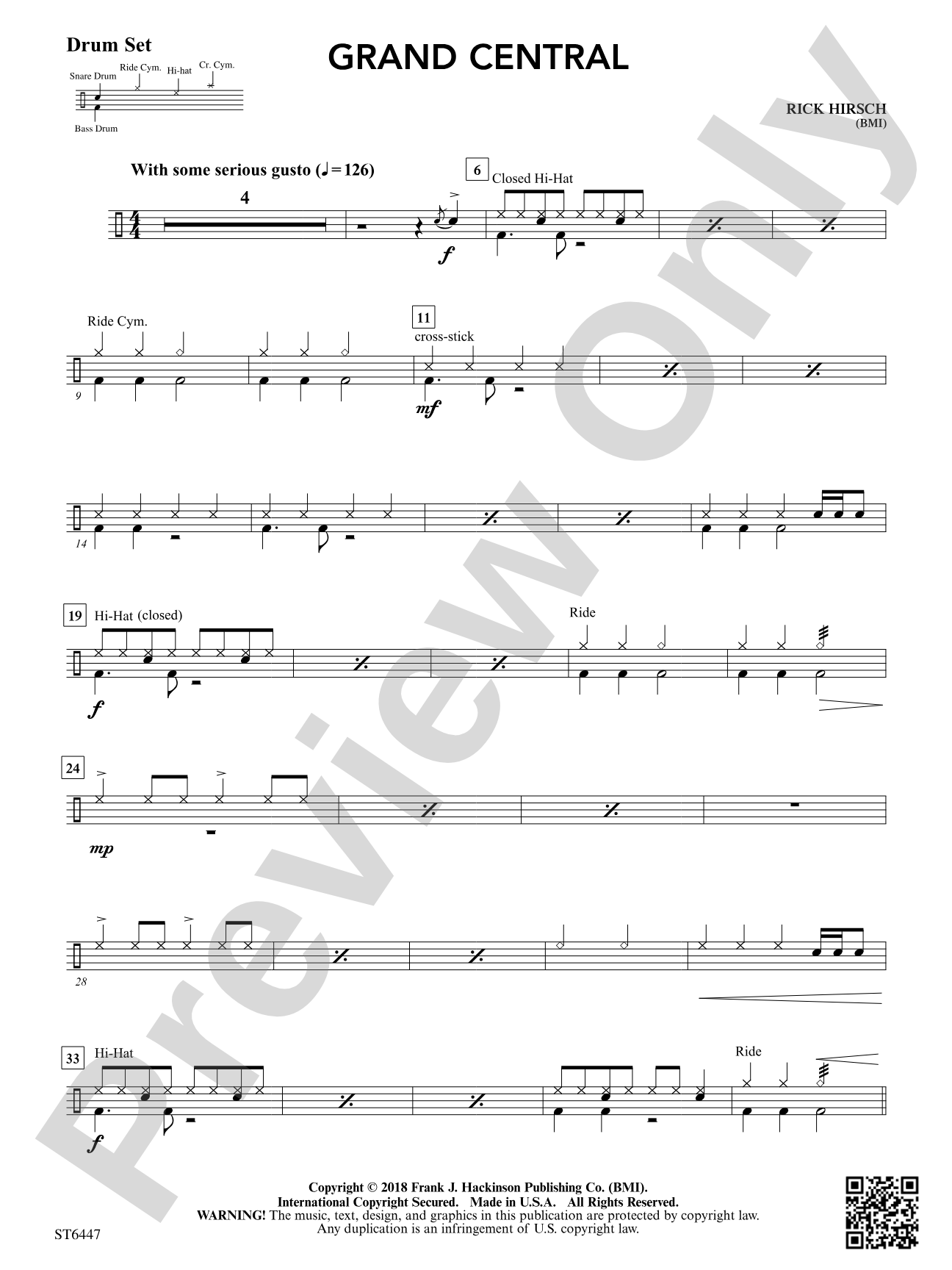

Grand Central: Opt. Drum Set
By Rick Hirsch
Grade: 3
Item: 98-PC-DST6447_ODS
$7.00
Pickup currently not available
Description
Generate the hustle and bustle of New York City with this exciting new piece that includes a section for improvisation and an optional drum set part. Grand Central is a groovy, energetic work that your students will love. Guide notes are included for students who want to experiment with improvisation, and the piece is guaranteed to get your audience on their feet!


Discover MakeMusic Cloud: thousands of interactive titles your students can play along with today.
Sample Audio
1
Audio File
--:--
0:00
0:00
Sample Video
Additional Details
Series:
FJH String Orchestra
Publisher:
The FJH Music Company, Inc.
SKU:
98-PC-DST6447_ODS
More about this title
About the Composer: Rick Hirsch
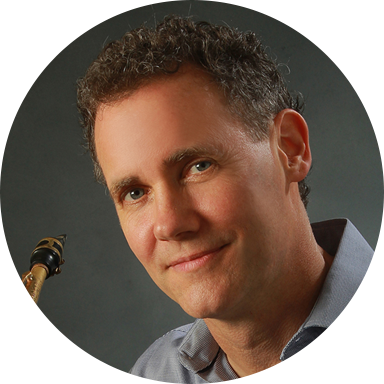
Rick Hirsch holds degrees from the University of Massachusetts Amherst and Northern Illinois University, and has built a multifaceted career as both composer and arranger. Early in his professional life, he served as a personal music copyist for jazz legends Bob Mintzer and Toshiko Akiyoshi, and has since composed works for notable artists including Yusef Lateef, Eddie Henderson, and the Capitol Quartet. His guest conducting appearances at All-State and District Jazz Bands are frequent, and he has taught at the university level, including a position at Penn State University.
In 2017, Hirsch released the debut album Pocono Git-Down with his ensemble BIG OL' BAND, a project celebrating the jazz communities and musical energy found in smaller cities and regions often overlooked by mainstream attention. His work consistently bridges the worlds of contemporary composition, jazz, and educational music.
Why we love this
Hirsch brings a distinctly contemporary energy to string orchestra writing, infusing this piece with the groove and rhythmic vitality of a jazz sensibility without losing sight of what makes string players thrive. The included improvisation section transforms a potentially passive ensemble into active musical decision-makers, and the optional drum set part anchors the funky, energetic character while giving your rhythm section something genuinely interesting to play.
What to expect
Grand Central captures the kinetic rush of a crowded transit hub in motion: urgent, syncopated, layered with interweaving lines that suggest the crisscrossing paths of thousands of people. The groovy undercurrent and invitation to improvisation give the piece a modern jazz sensibility that feels freshly composed rather than educational-standard.
Who it's for
String orchestras at the Grade 3 level seeking contemporary, engaging concert repertoire that will energize both performers and audiences. Directors working with younger or less experienced ensembles will appreciate the accessible writing that never sacrifices musicality or groove for simplicity.
How to get the most out of it
- Study the guide notes for the improvisation section well before rehearsal so you can confidently steer students toward interesting harmonic and melodic choices.
- Lock the groove early by establishing a clear, consistent pulse with your conducting; the piece's appeal rests entirely on its rhythmic precision and forward momentum.
- Balance the violin and viola lines prominently when they carry the main theme, but don't let the bass section slip into the background during rhythmic passages where they define the style.
- If you include the drum set part, give that player room to breathe and interact with the string ensemble; the piece thrives on the call-and-response energy between sections.
How to use it
Program this as an audience opener or mid-concert energy booster; its upbeat character and novelty appeal make it perfect for spring concerts, pops programs, or any context where you want to showcase your ensemble's musicality while keeping the energy high and the mood light. It pairs well alongside more traditional repertoire as a contemporary contrast.
Skills your students will build
- Maintaining rhythmic precision in syncopated, groove-based writing
- Improvisation within harmonic guidelines and structural frameworks
- Balancing ensemble blend while executing rhythmic figures across multiple voices
- Responding to conducted changes in dynamics and articulation in contemporary styles
- Collaborative listening between melodic and rhythmic sections