
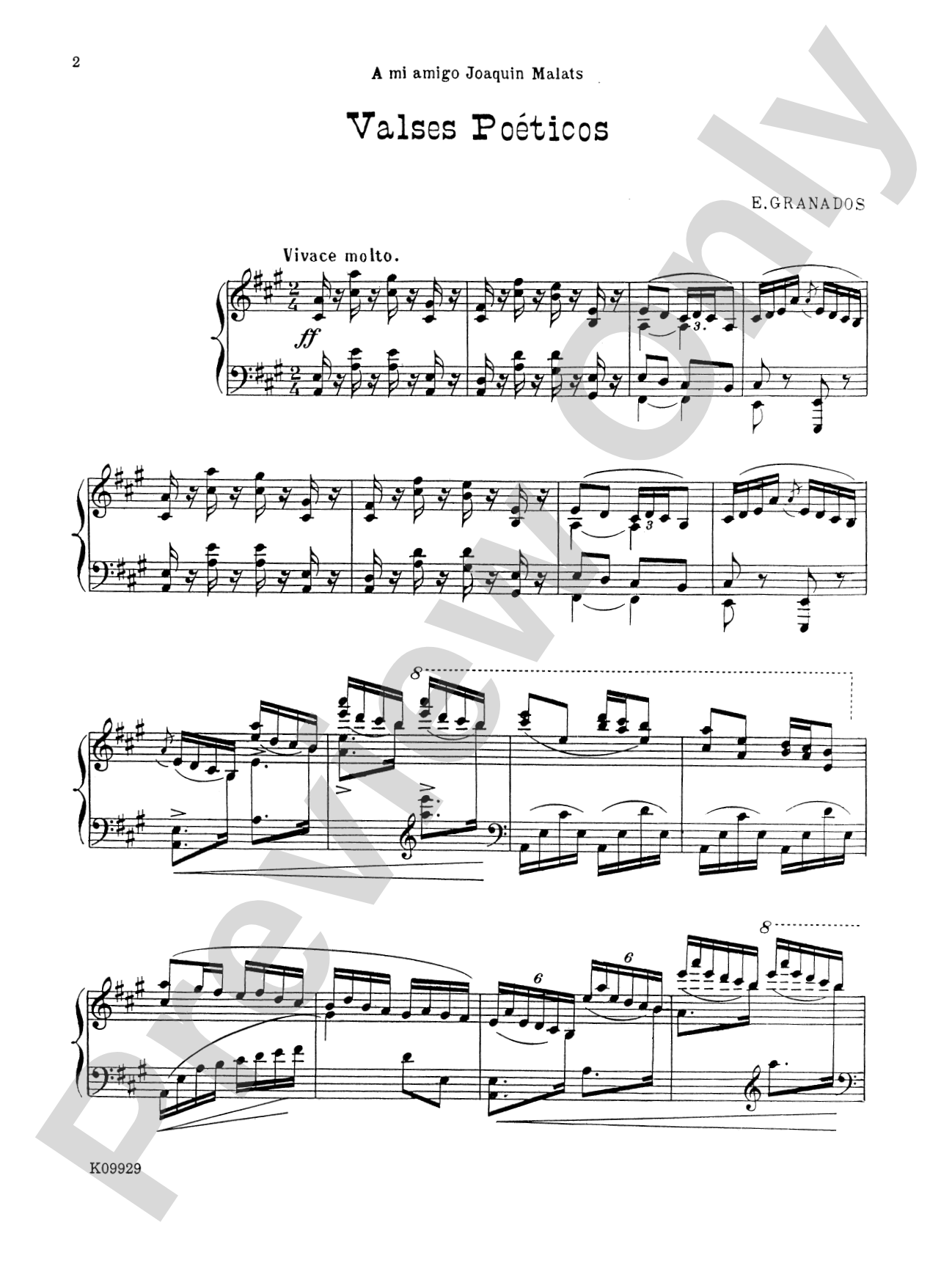
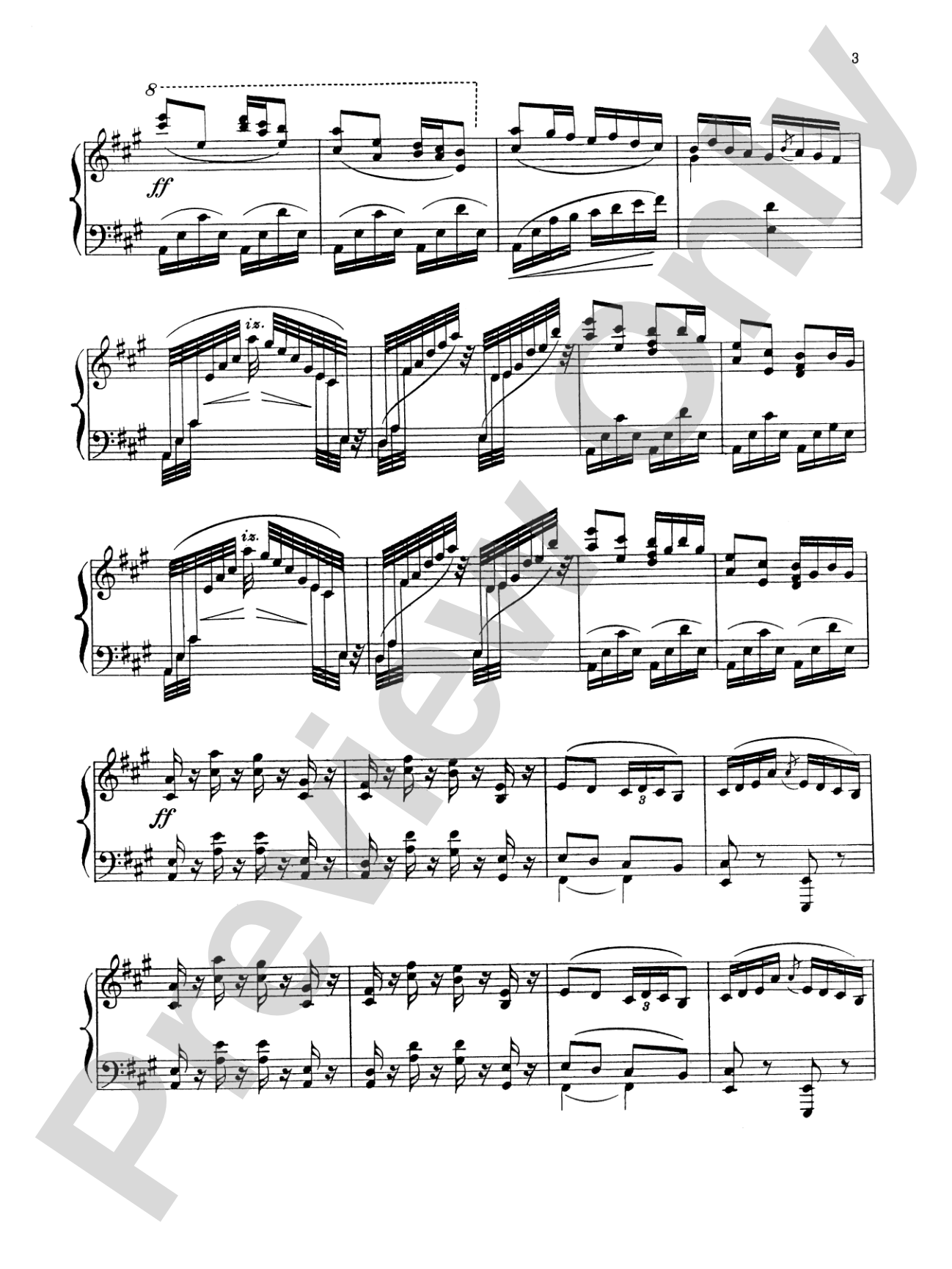
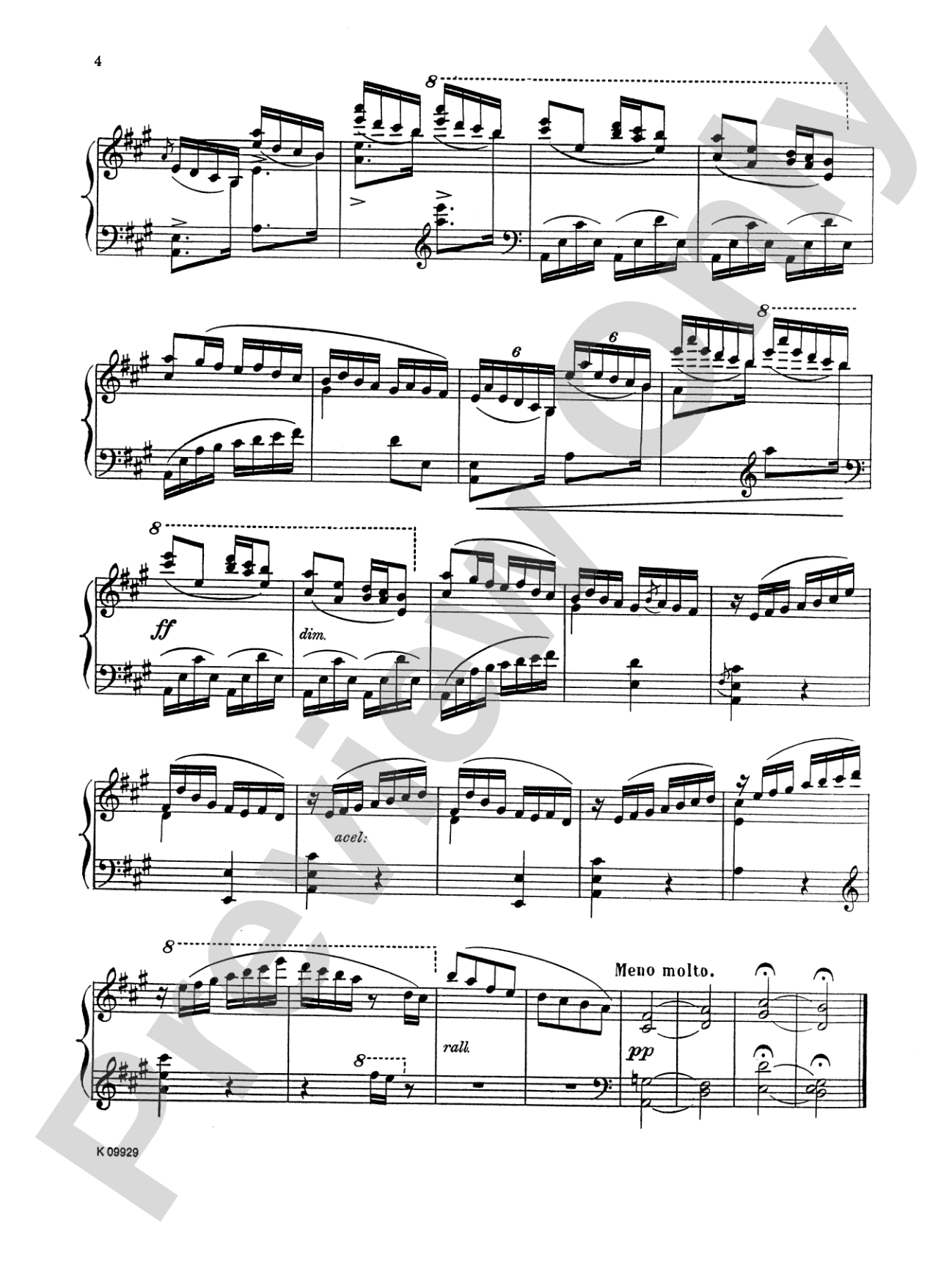

Granados: Valses Poéticos: Piano
By Enrique Granados
Item: 00-PK-0003911

$7.99
Pickup currently not available
Buy Extra Parts (Digital PDF Download)
| Product | Price | Quantity |
|---|---|---|
| Granados: Valses Poéticos | $0.99 | |
| Granados: Valses Poéticos | $0.99 | |
| Granados: Valses Poéticos | $0.99 | |
| Granados: Valses Poéticos | $0.99 | |
| Granados: Valses Poéticos | $0.99 | |
| Granados: Valses Poéticos | $0.99 | |
| Granados: Valses Poéticos | $0.99 | |
| Granados: Valses Poéticos | $0.99 |
Parts Added to Cart!
Related Items
Valses Poéticos: Piano |
$7.95
|
View |
Description


Don't just read it, hear it, play along with it, and watch your students grow with it. In MakeMusic Cloud, Granados: Valses Poéticos: Piano comes alive with professional accompaniment, adjustable tempo, and built-in practice tools that turn solo practice into real progress.
Open in the Player
Jump straight in and assign it today.
Start Your Free Trial
Open this title and explore the full library in minutes.
Sample Audio
No sample audio found.
Sample Video
No sample videos found.
Additional Details
Series:
Kalmus Edition
Publisher:
Alfred Music
Page Count:
16
SKU:
00-PK-0003911
More about this title
About the Composer: Enrique Granados
Enrique Granados (1867, 1916) was a Spanish pianist and composer whose gift for melody and harmonic color made him one of the most performed Romantic composers for piano. He studied in Paris and Barcelona, absorbing influences from both French impressionism and Spanish folk traditions. His compositions blend lyrical invention with sophisticated technique, demanding equal parts musicality and virtuosity from performers.
Granados' most famous work, Goyescas, established his reputation as a master of the character piece. The Valses Poéticos represent a different facet of his output: intimate, dance-inspired miniatures that showcase his ability to write memorable melodies within formal constraints. These waltzes remain staples of the advanced amateur and professional piano repertoire.
Why we love this
The Valses Poéticos showcase Granados at his most elegant, blending the salon waltz tradition with Spanish harmonic language and subtle chromaticism. Each waltz reads as a complete character study, offering pianists a collection where every piece rewards close listening and individual interpretive choice. For recitals seeking repertoire that balances technical facility with genuine lyrical depth, these waltzes are endlessly satisfying.
What to expect
Intimate and refined, these waltzes evoke the elegant dance halls of turn-of-the-century Spain filtered through a deeply personal poetic sensibility. The music flows with natural grace yet carries emotional nuance beneath its surface charm, inviting listeners into a private conversation rather than a public spectacle.
Who it's for
Pianists at the intermediate-to-advanced level seeking salon repertoire with artistic substance. Students preparing recitals or competitions will find these pieces reward both technical development and interpretive maturity, while teachers can draw on individual waltzes for study of Spanish harmonic language, form, and character writing.
How to get the most out of it
- Honor the rubato inherent to Spanish salon music; let phrasing breathe naturally rather than adhering to strict metronomic time, especially in the opening and closing gestures of each waltz.
- Differentiate between waltz accompaniment patterns in the left hand and melody lines; the accompaniment should remain transparent and dance-like while the right hand sings through its character.
- Explore the harmonic colorations that emerge from Granados' chromatic voice-leading; these subtle shifts often suggest emotional direction within a single phrase.
- Balance the triple meter with forward momentum; these are not heavy or sentimental waltzes but rather intimate, poetic dances that should feel buoyant.
How to use it
Program individual waltzes as standalone recital pieces or perform several as a set to create a program centered on European salon music. These also serve excellently as encores or as transitional pieces between heavier Romantic works, offering audiences a moment of refined pleasure and pianistic clarity.
Skills your students will build
- Rubato and stylistic flexibility within the waltz tradition
- Chromatic harmony and voice-leading in Romantic composition
- Independence between melody and accompaniment layers
- Musical characterization and interpretive choice across a series
- Pedal control for sustaining harmonic color without muddiness