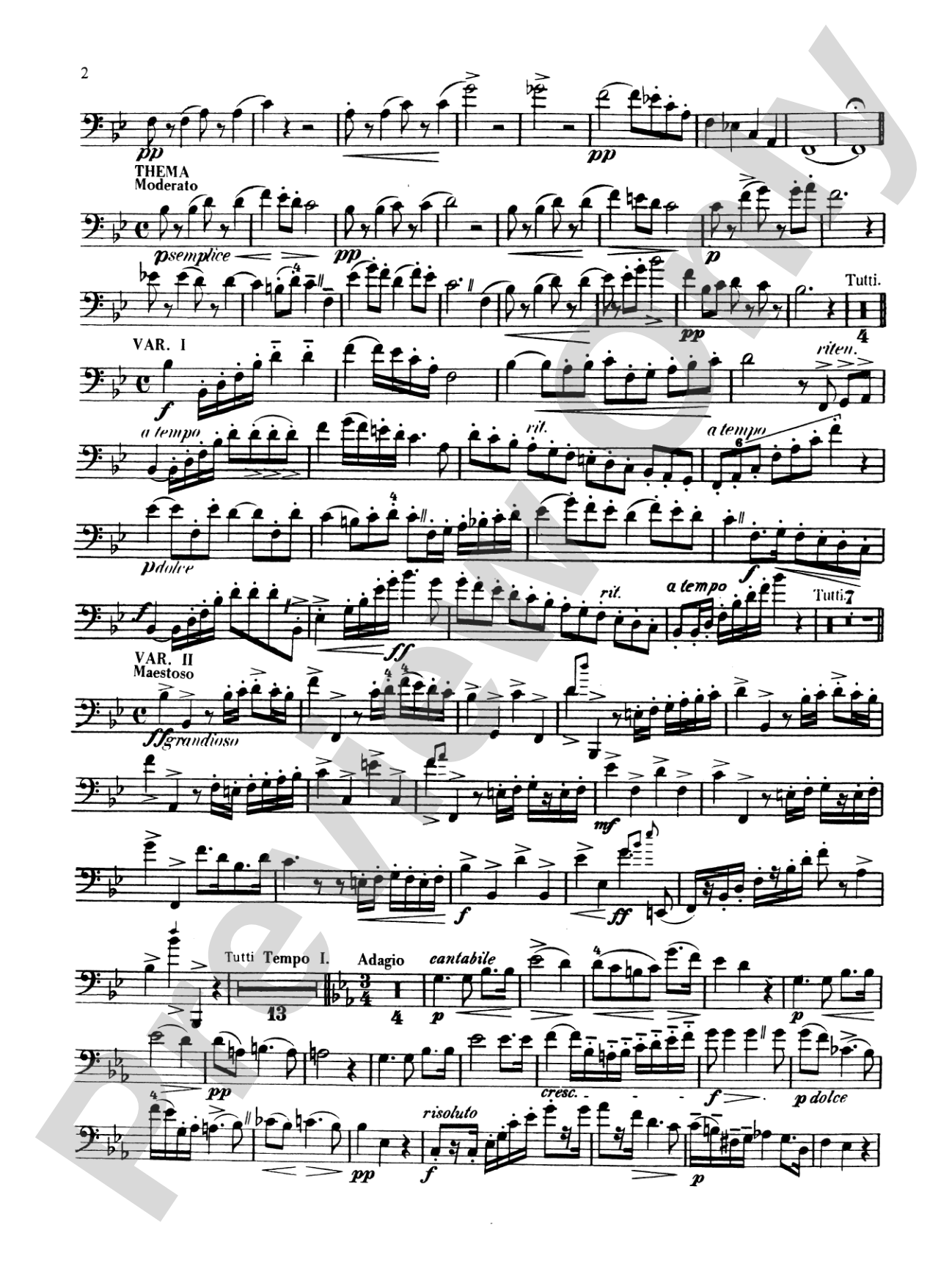
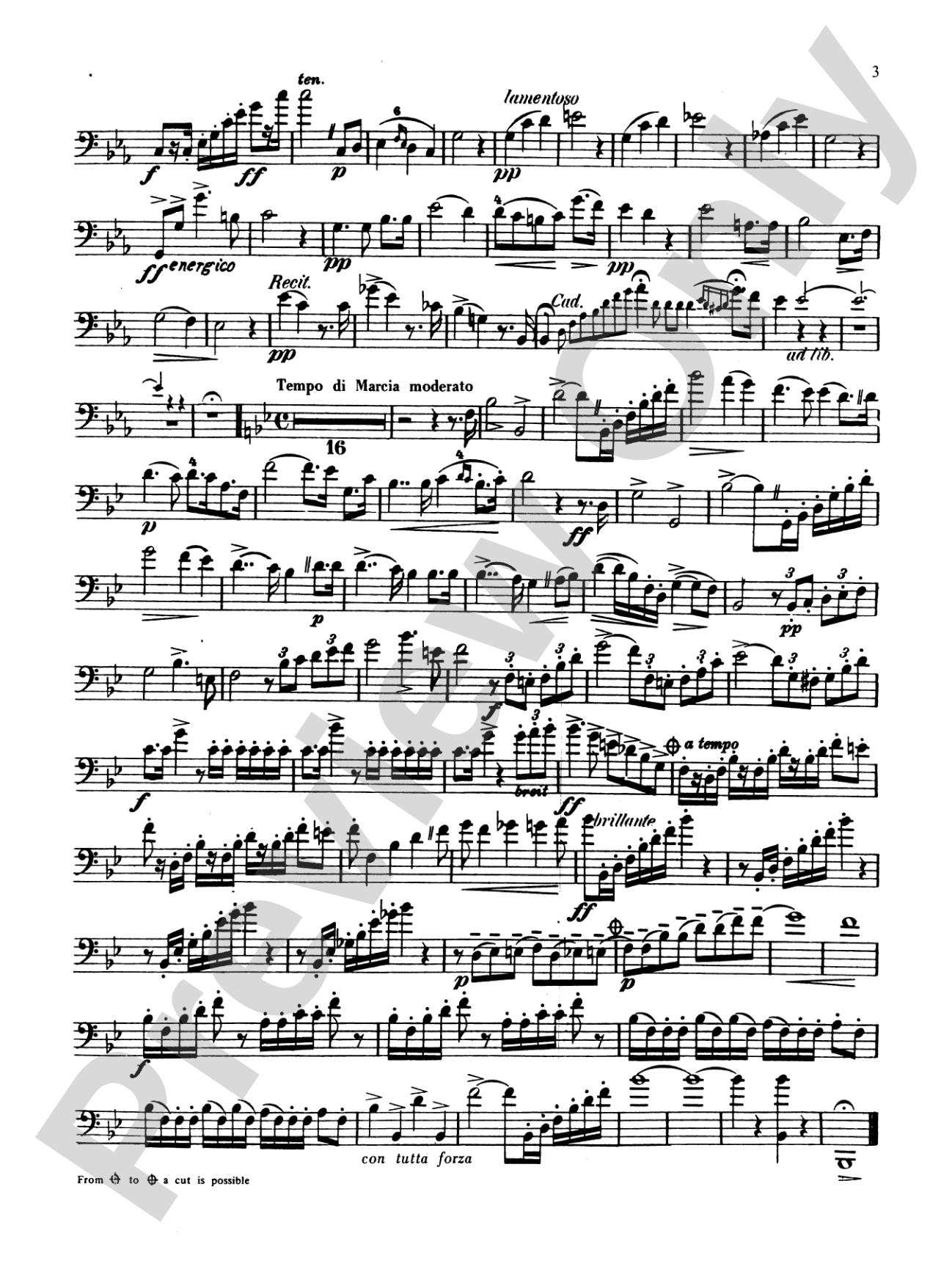
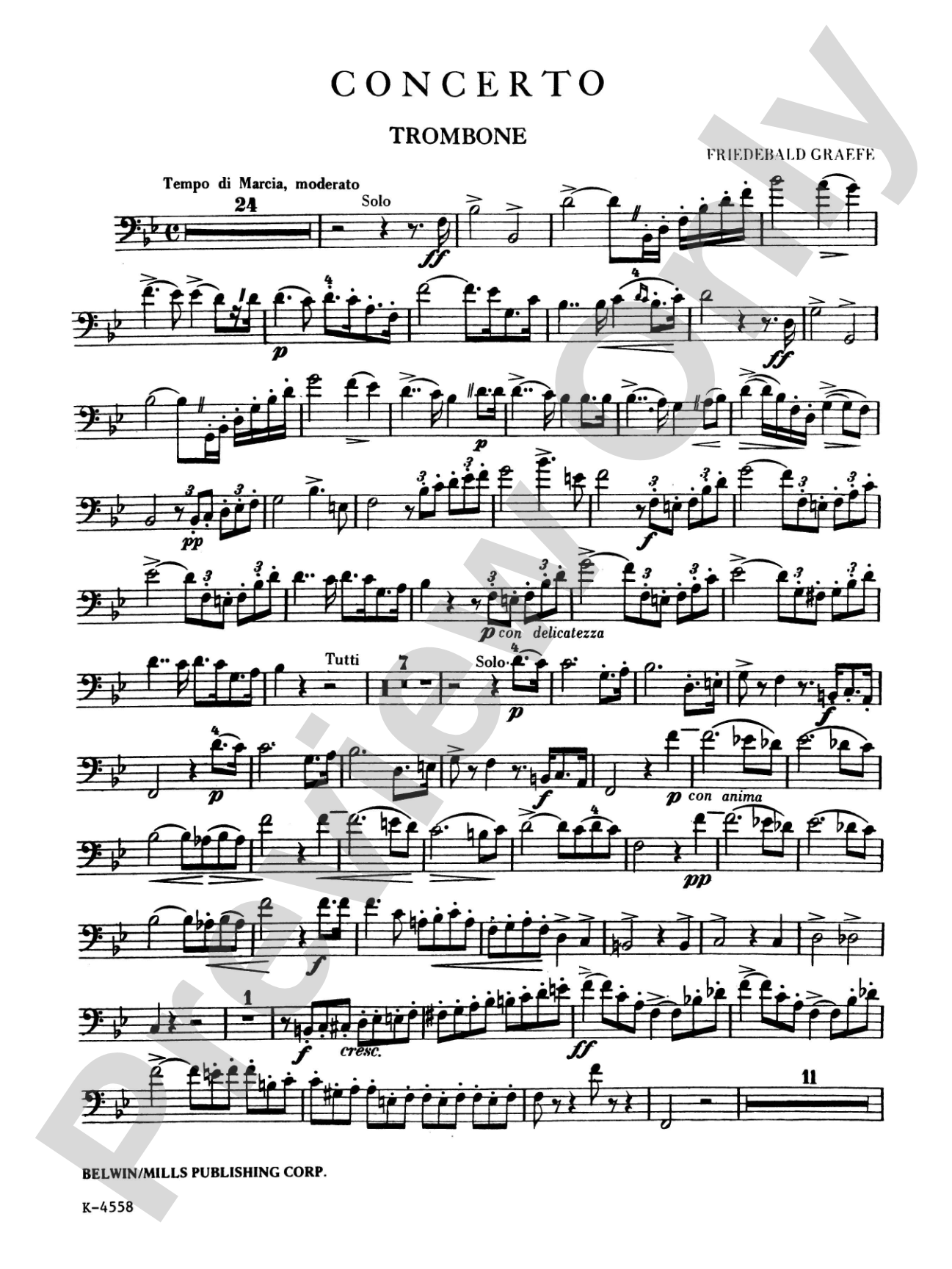
Graefe: Concerto Sheet Music Preview

Graefe: Concerto: Trombone Part(s)

By Friedebald Graefe

Item: 00-PK-0003554

Digital Download
makemusic Cloud badge
$9.99

Buy Extra Parts (Digital PDF Download)

Product Price Quantity
Graefe: Concerto $8.99

Parts Added to Cart!

Description
A Trombone solo, composed by Friedebald Graefe.

Don't just read it, hear it, play along with it, and watch your students grow with it. In MakeMusic Cloud, Graefe: Concerto: Trombone Part(s) comes alive with professional accompaniment, adjustable tempo, and built-in practice tools that turn solo practice into real progress.

Sample Audio
No sample audio found.
Sample Video
Additional Details
Series: Kalmus Edition
Publisher: Alfred Music
Page Count: 24
SKU: 00-PK-0003554

More about this title

About the Composer: Friedebald Graefe

Friedebald Graefe (1864-1927) was a German trombonist and composer who wrote extensively for his instrument during the late Romantic era. His compositions for trombone reflect deep knowledge of the instrument's technical capabilities and expressive range, positioning him as an important voice in the brass solo repertoire of his time.

Why we love this

Graefe's Concerto sits at the intersection of virtuosity and musicality, demanding both technical command and interpretive depth from the soloist. It's a substantial work that serves equally well for contest preparation or concert programming, offering the kind of rewarding challenges that keep advanced trombonists engaged.

What to expect

Graefe's writing unfolds with Romantic grandeur, balancing lyrical passages with brilliant passagework that showcases the trombone's agility and warmth. The concerto invites you to tell a story across its arc, moving from intimate expression to moments of assured virtuosity.

Who it's for

Advanced trombonists preparing for competitions, recitals, or auditions will find this concerto demanding and rewarding. The 24-page score requires solid technical foundation and mature musicianship, making it suitable for college-level players and accomplished high school soloists.

How to get the most out of it

  • Shape the melodic lines with careful dynamic control; Romantic-era concertos rely on singing phrasing rather than technical display alone.
  • Map out the passage work early in your preparation to identify where you need rhythmic precision versus where you can breathe with the phrase.
  • Ensure your sound projection remains warm and centered even in the upper register, where the writing demands both strength and control.
  • Work with an accompanist on balance and timing; the orchestral reduction requires sensitive partnership to support rather than overshadow the solo line.

How to use it

Feature this as a centerpiece solo on a concert showcasing advanced brass repertoire, or program it as a competition entry where substantial, historically significant works demonstrate serious artistry. Its length and scope make it a natural choice for a graduation recital or as the featured work on a professional trombonist's program.

Skills your students will build

  • Sustaining legit tone over extended phrases without loss of focus or center
  • Executing passage work and faster articulations with clarity and style
  • Navigating upper register writing with secure intonation and resonance
  • Interpreting Romantic-era phrasing conventions and structural architecture
  • Maintaining musical continuity and shape across a large solo form

You May Also Like