
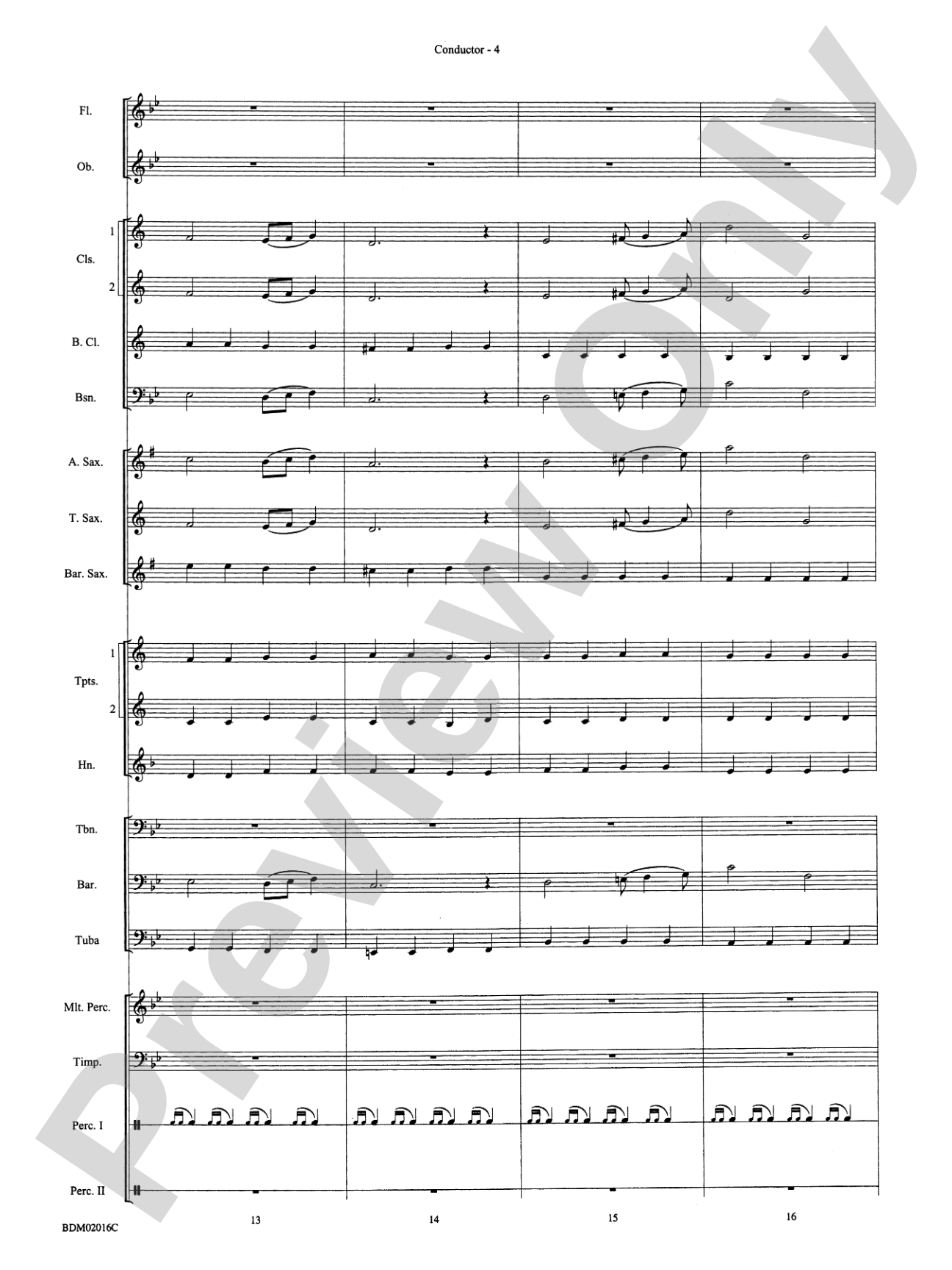
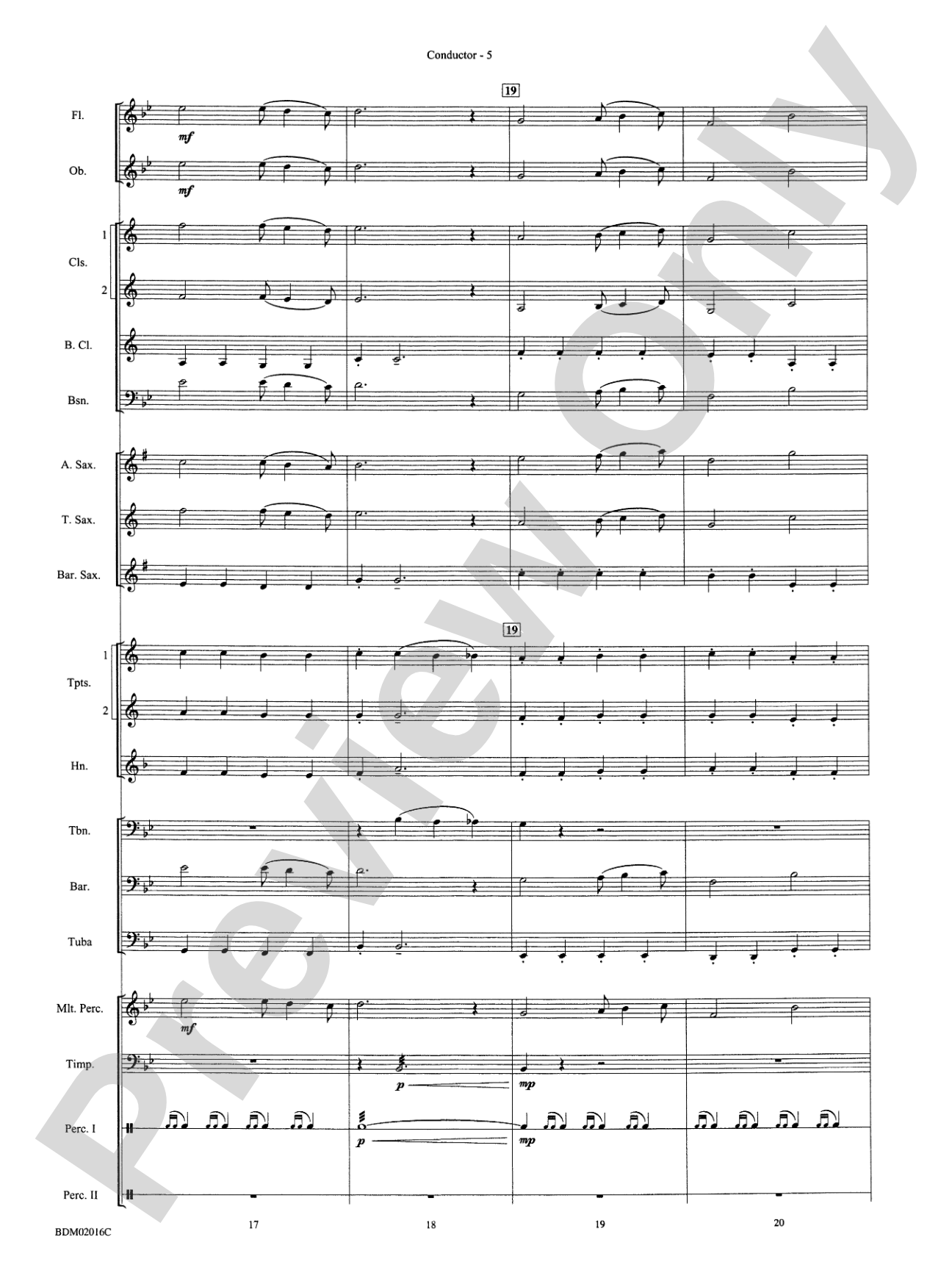
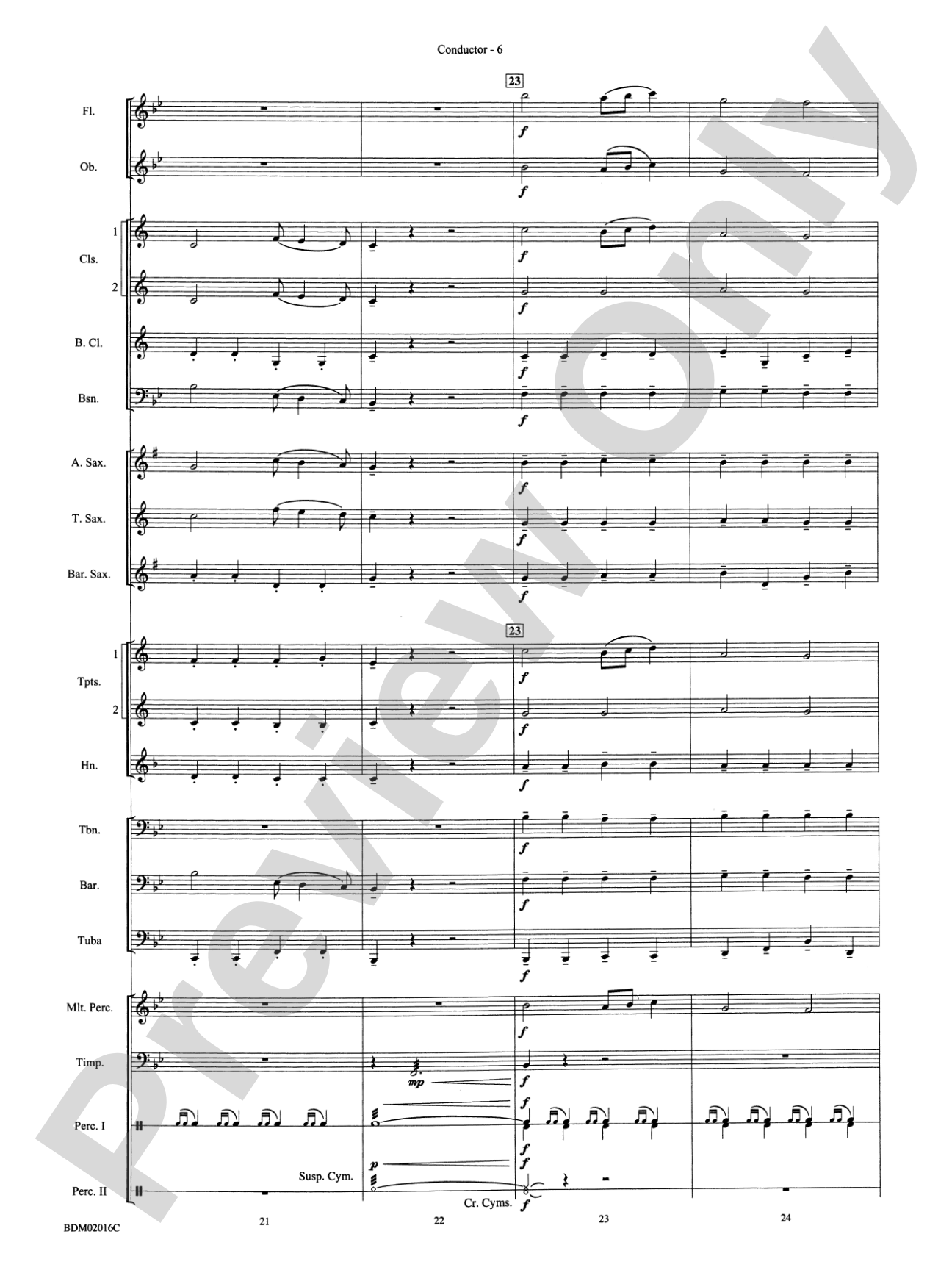
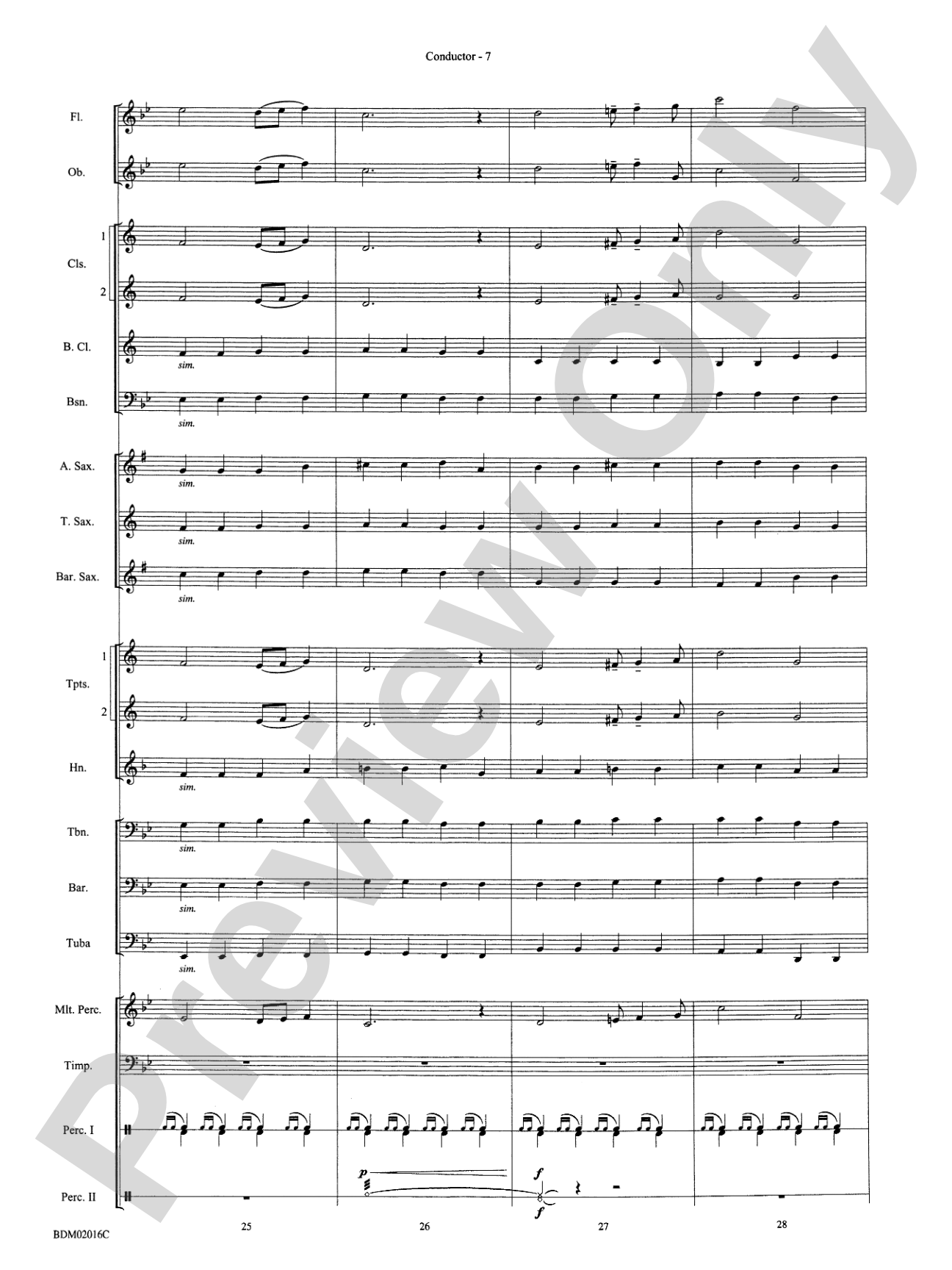
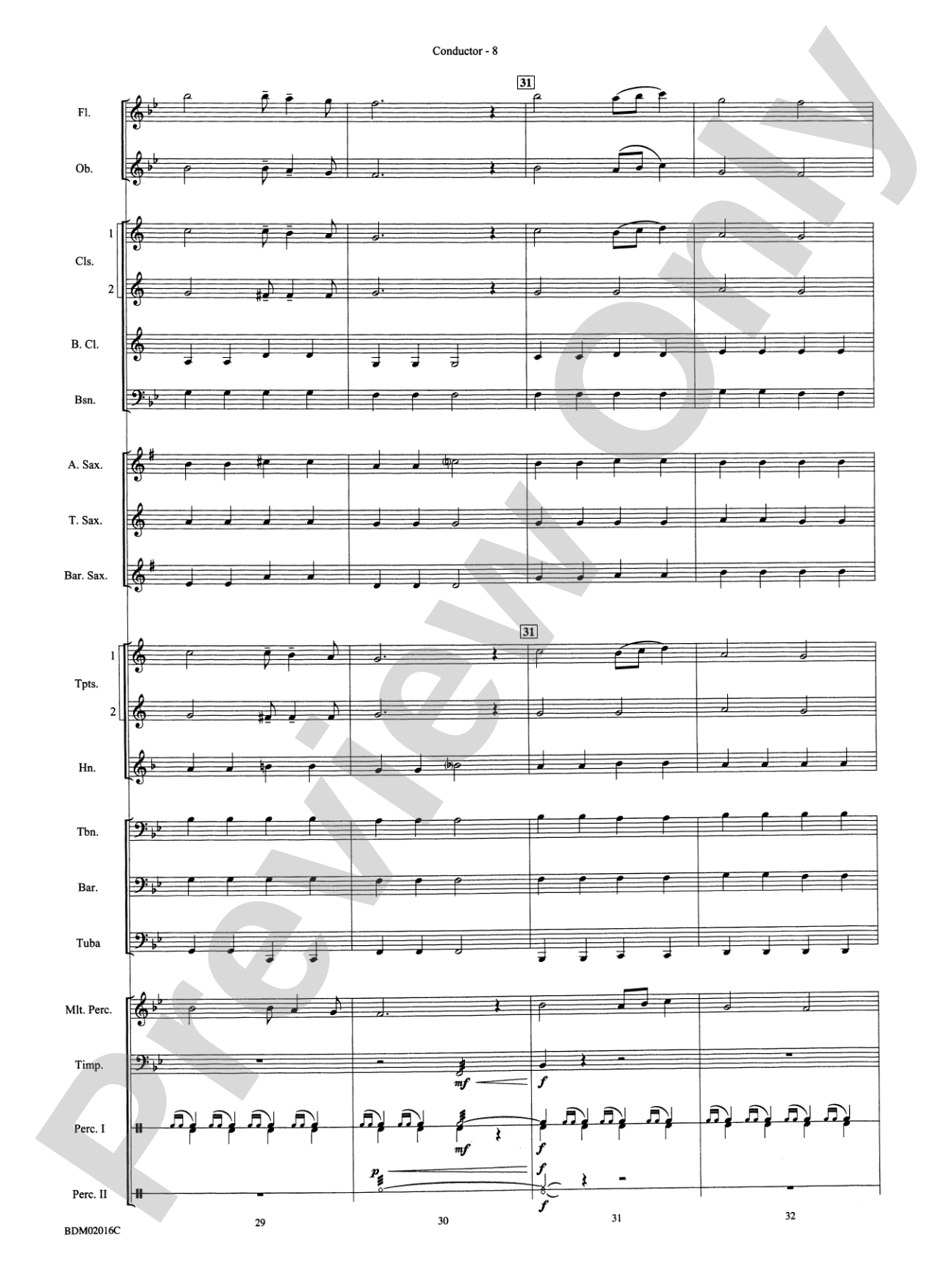
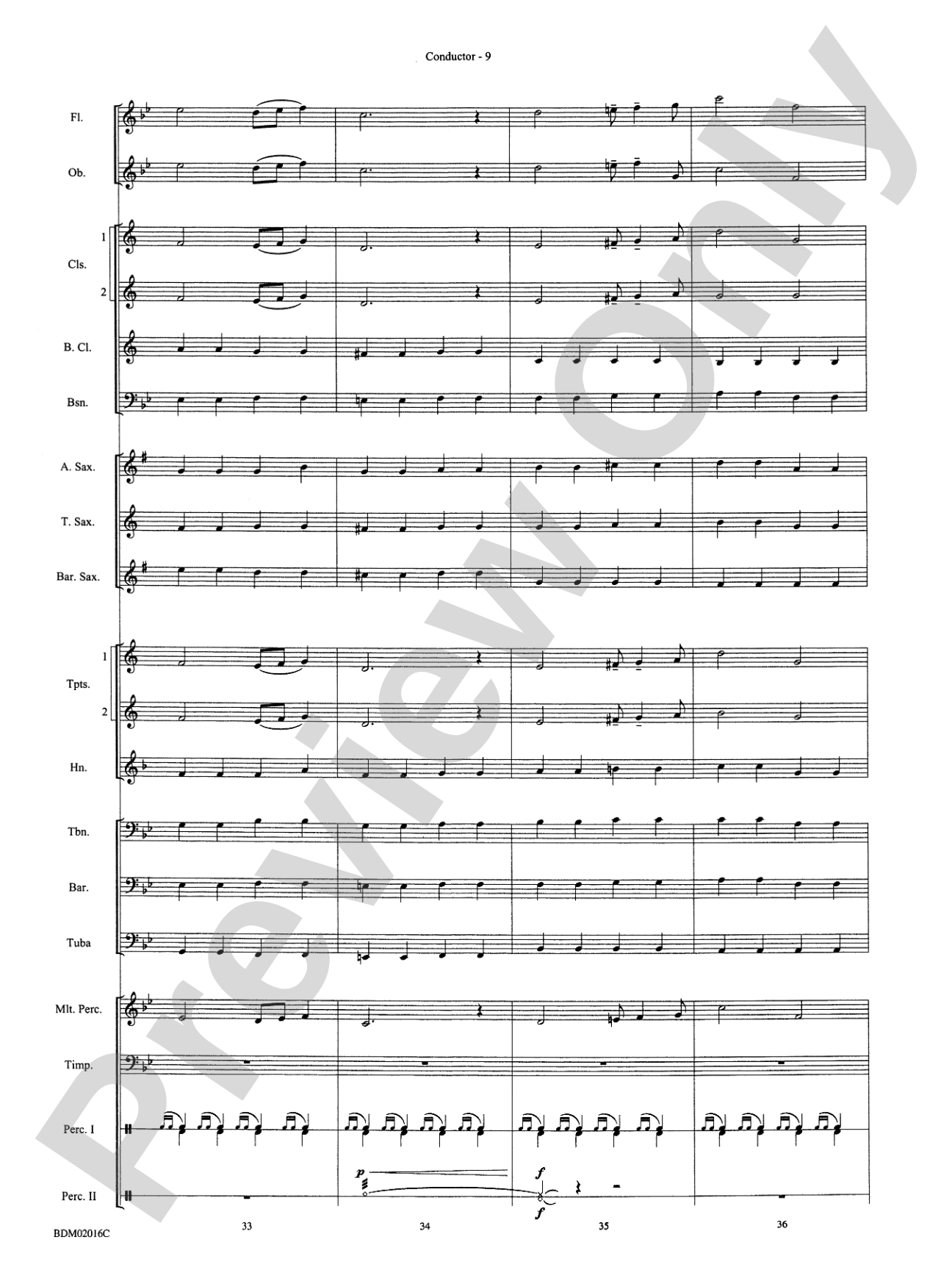
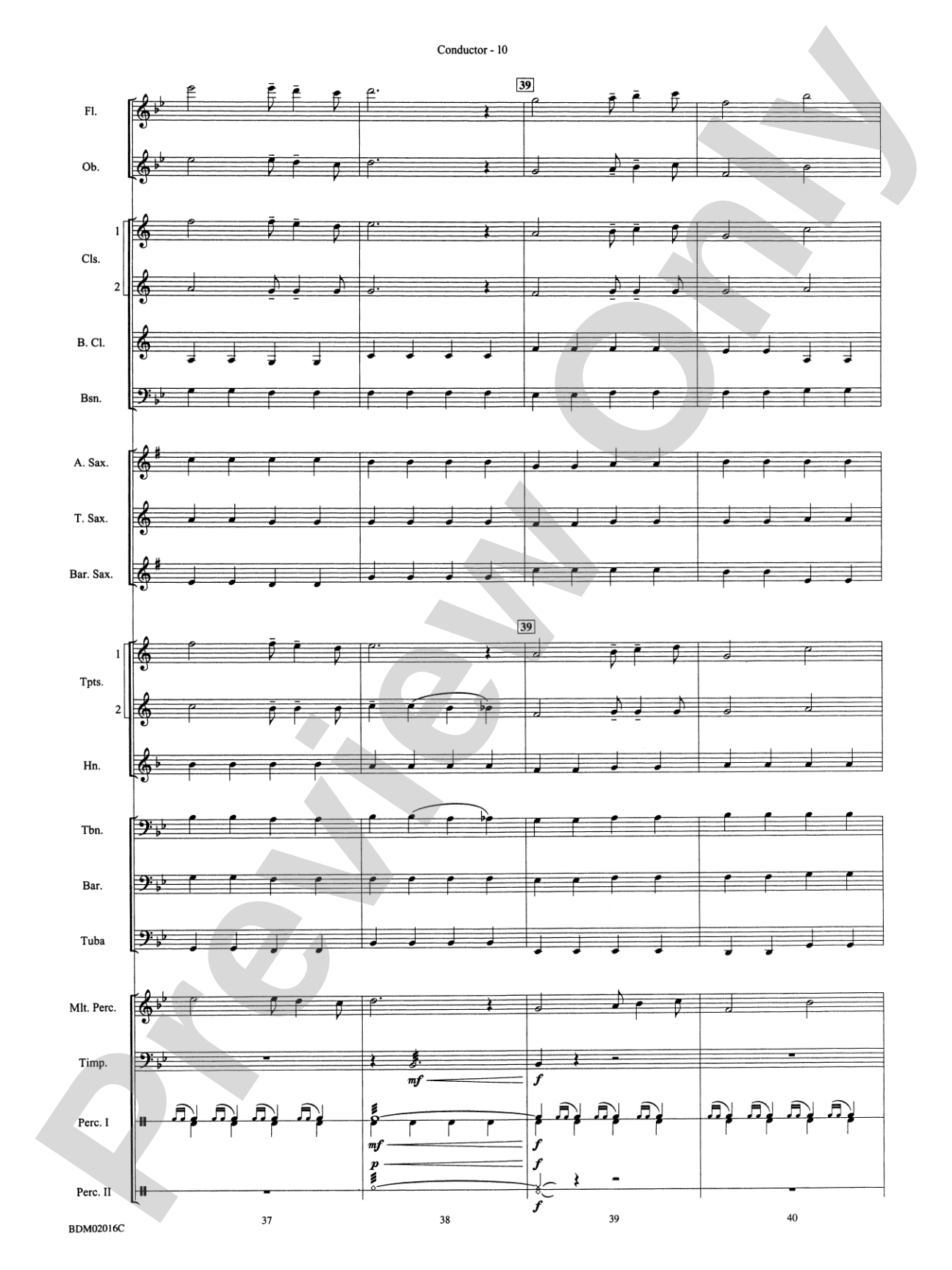
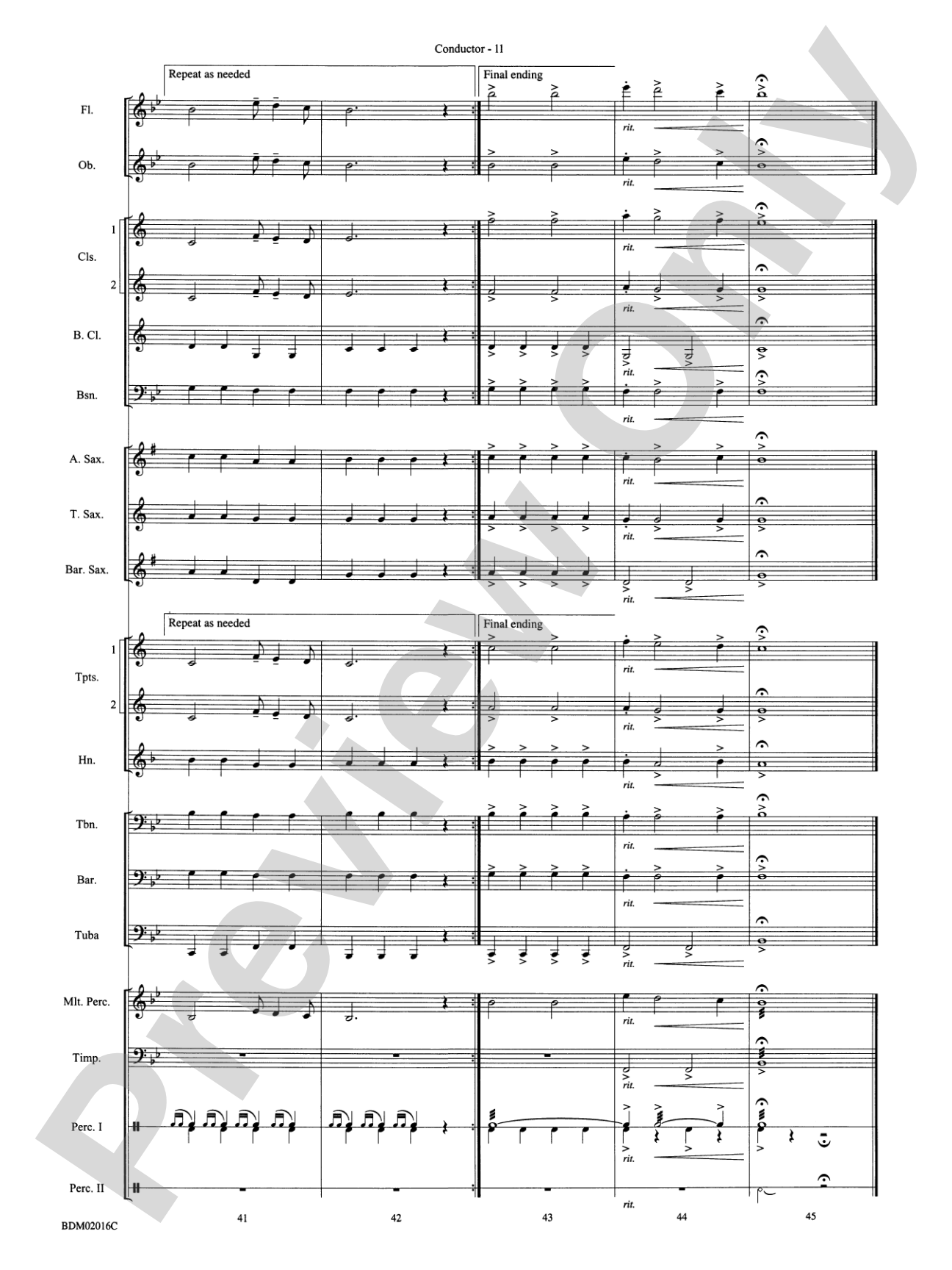
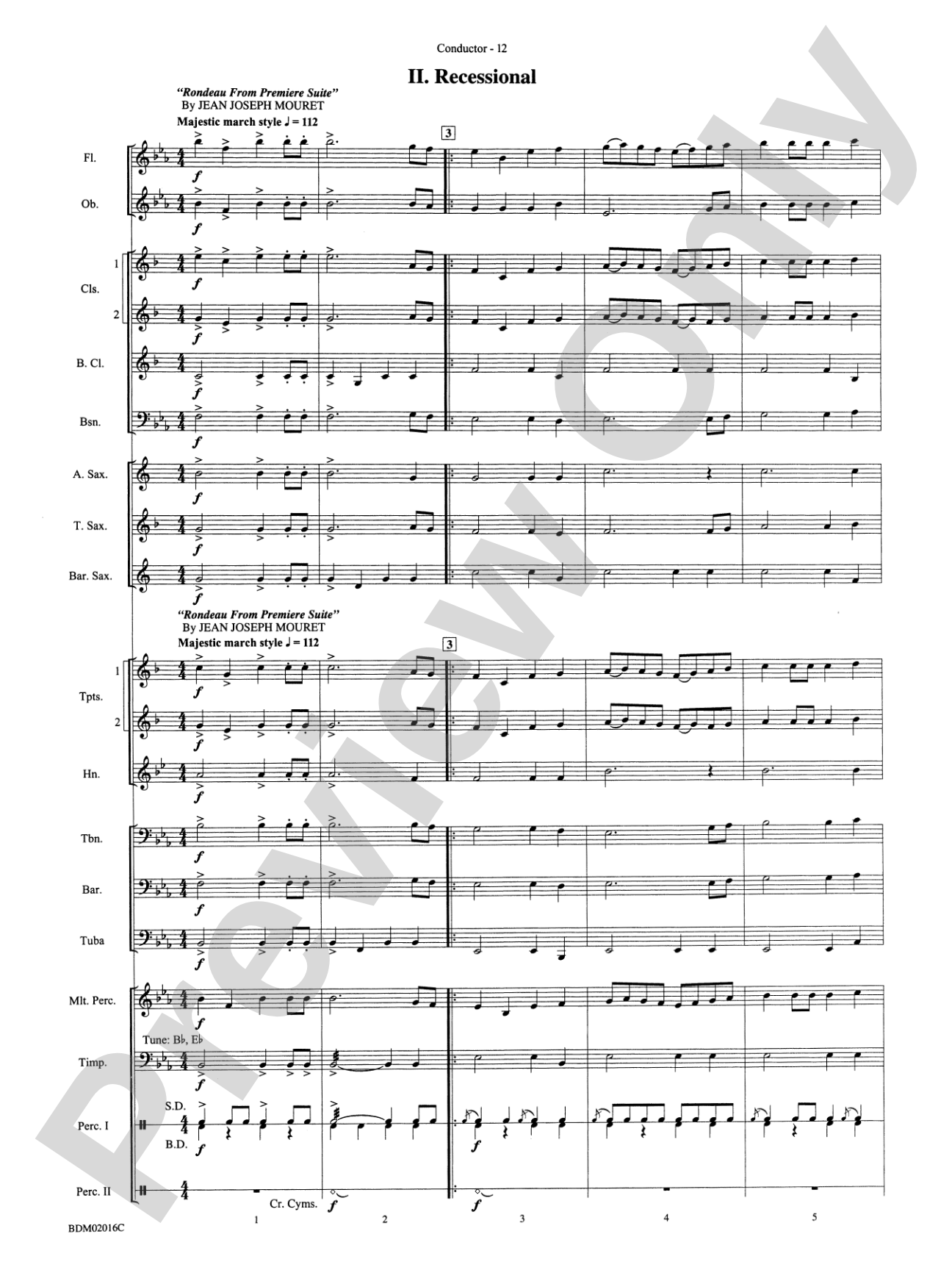
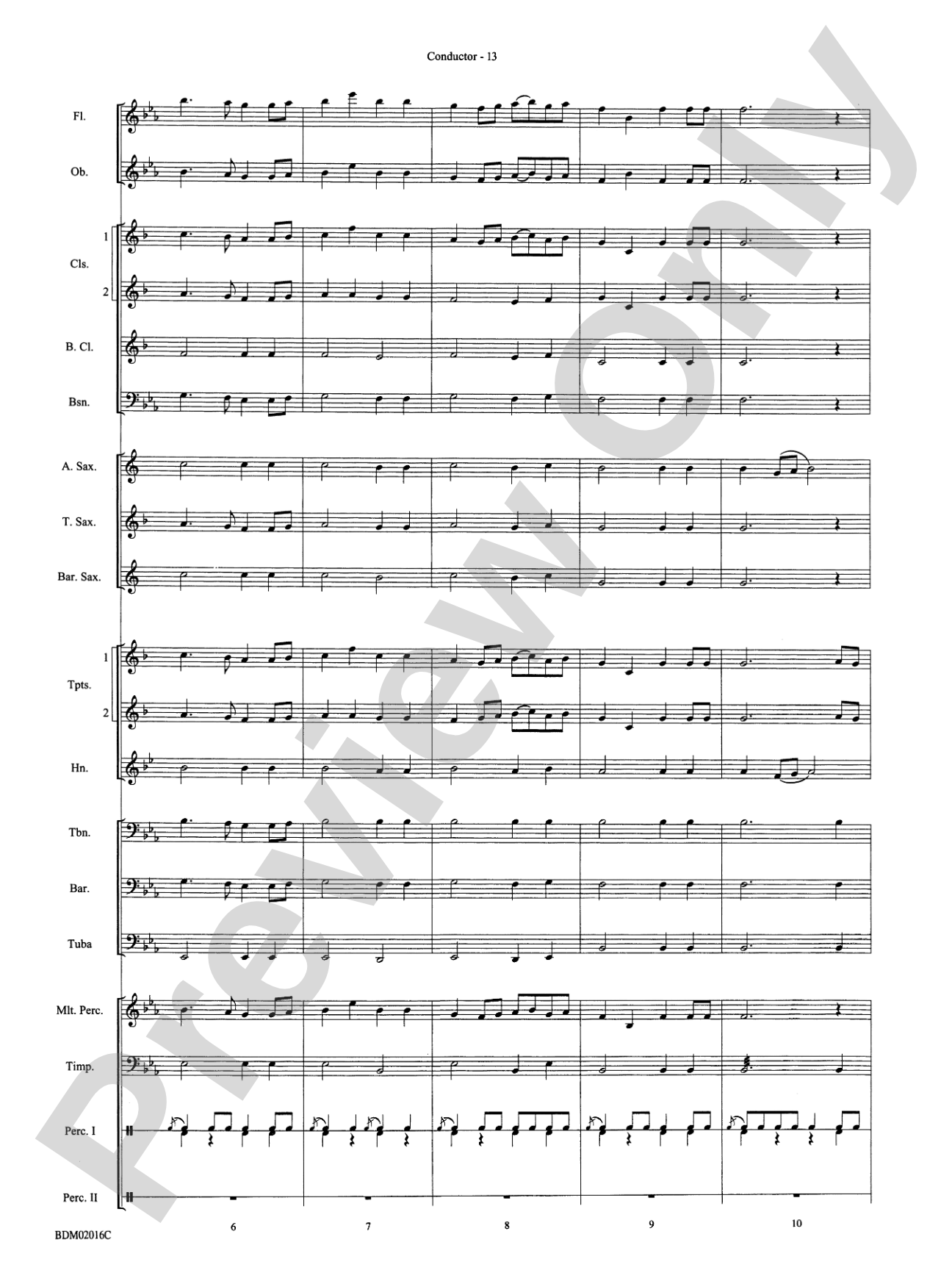
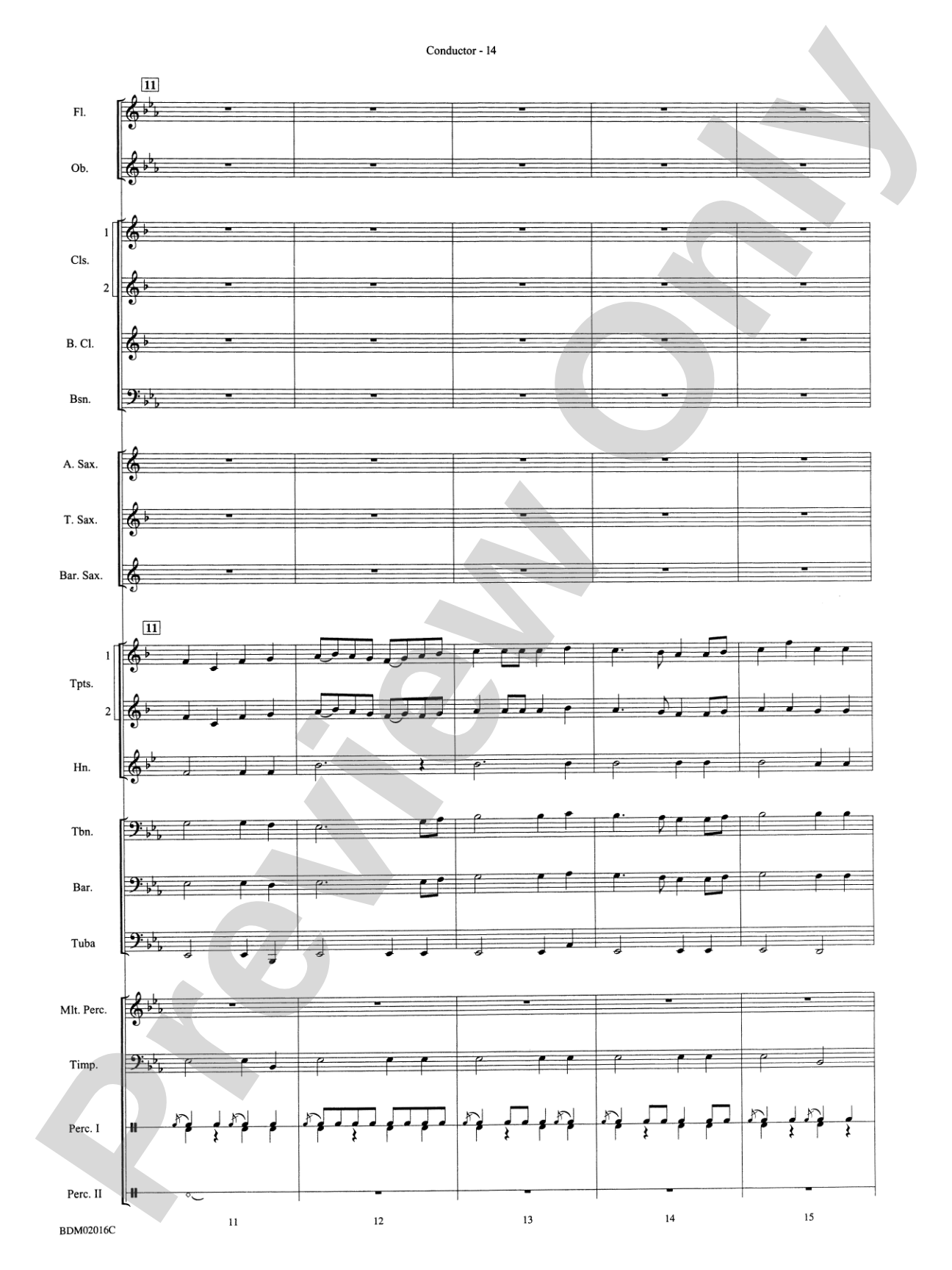
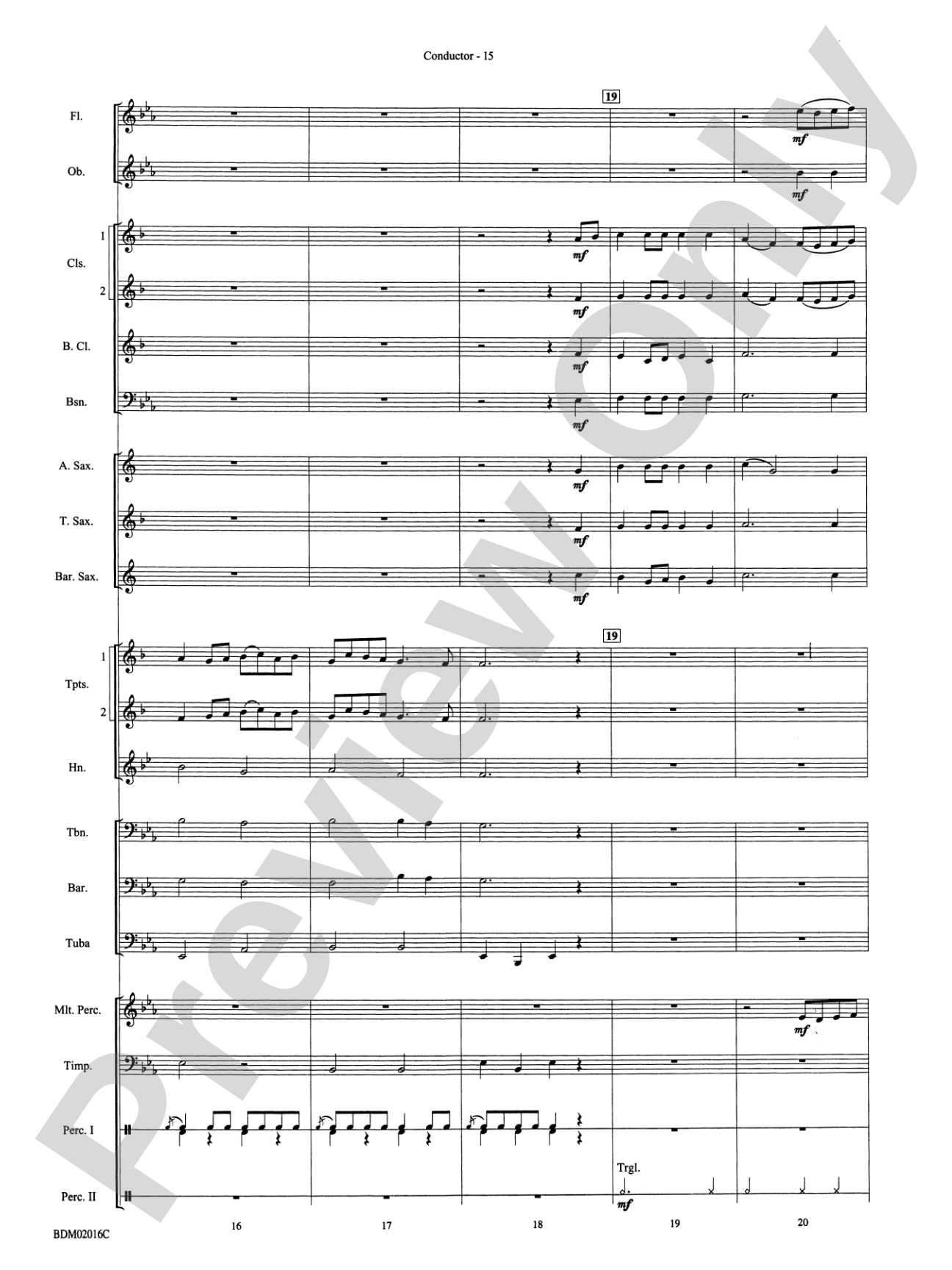
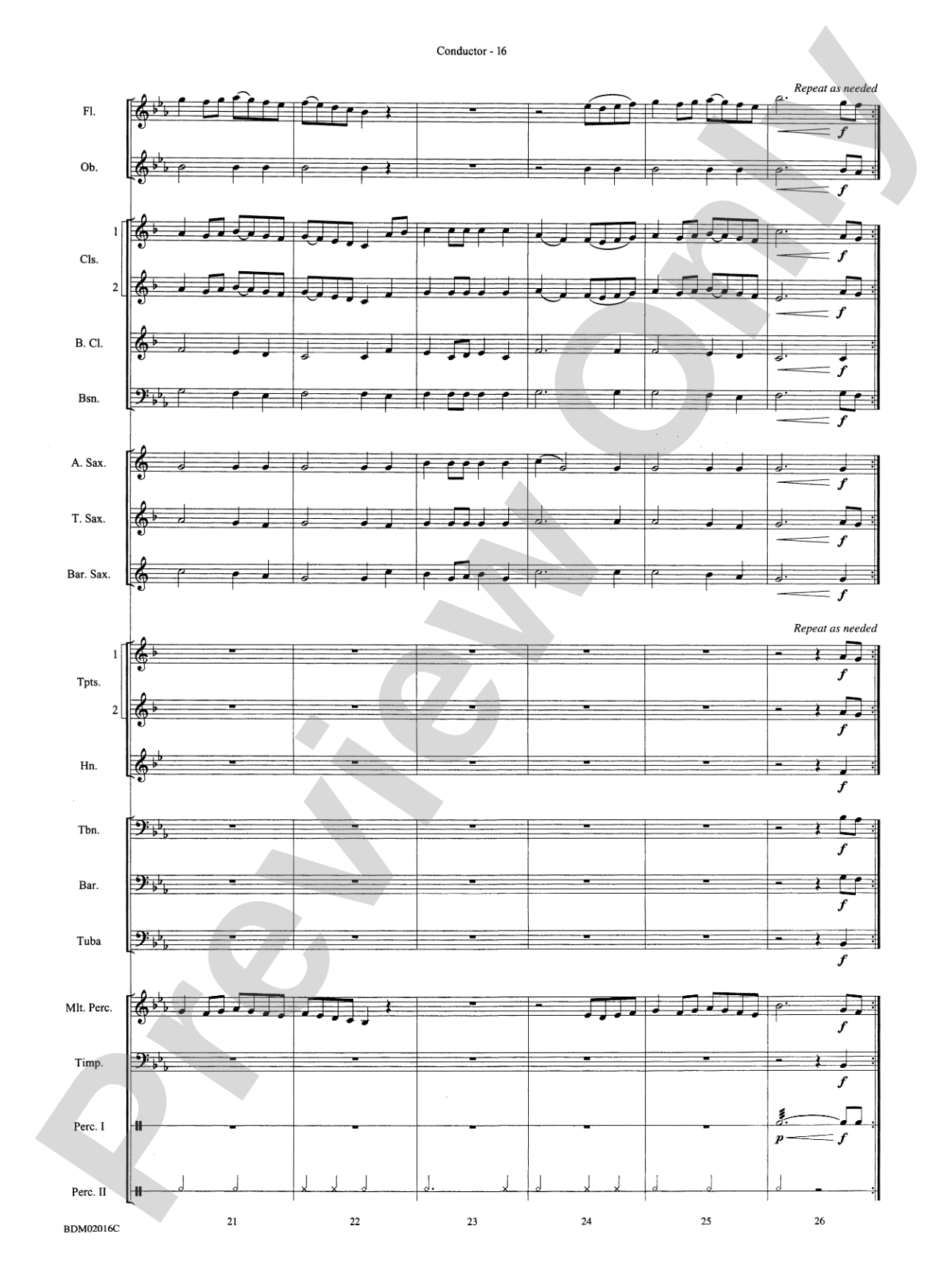
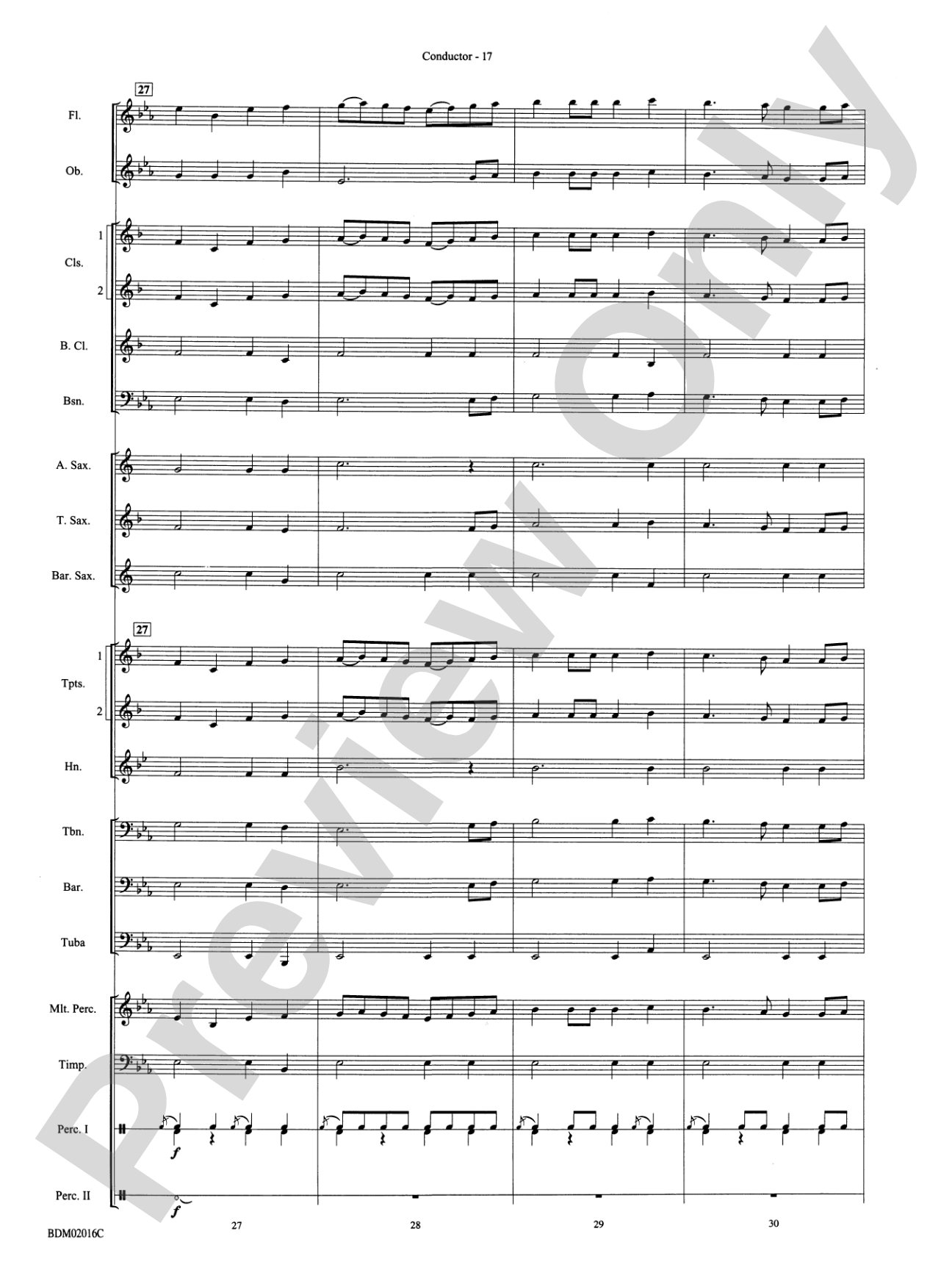
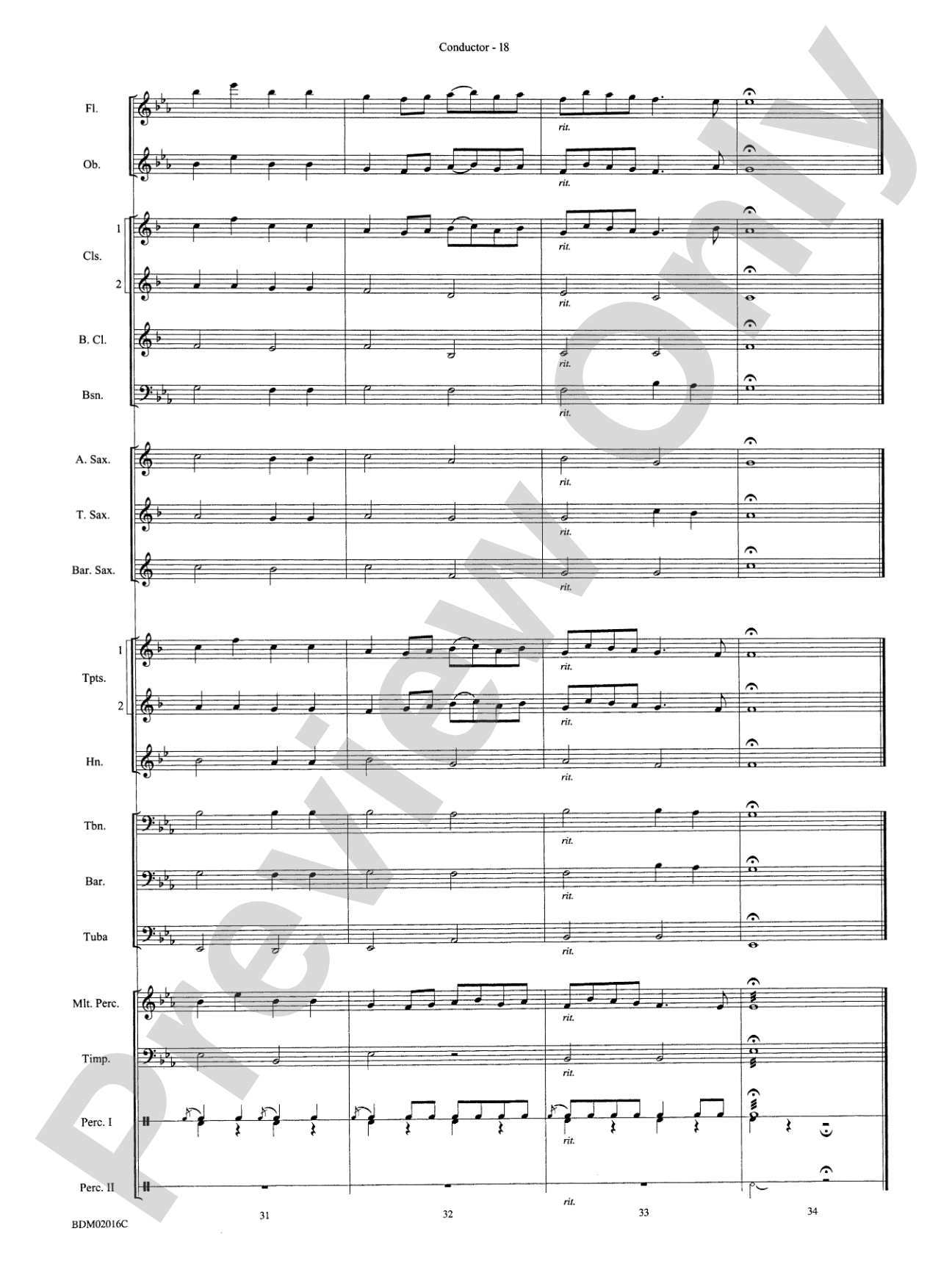


Graduation Suite (Processional: Pomp and Circumstance March No. 1 / Recessional: Rondeau from Premiere Suite): Concert Band Conductor Score & Parts
By Edward Elgar, Jean Joseph Mouret / arr. Michael Story
Grade: 2 (Easy)
Item: 00-PK-0002184

$62.00
Pickup currently not available
Buy Extra Parts (Digital PDF Download)
Parts Added to Cart!
Related Items
Graduation Suite (Processional: Pomp and Circumstance March No. 1 / Recessional: Rondeau from Premiere Suite): Concert Band Conductor Score & Parts |
$62.00
|
View | |
Graduation Suite (Processional: Pomp and Circumstance March No. 1 / Recessional: Rondeau from Premiere Suite): Concert Band Conductor Score |
$8.00
|
View |
Description
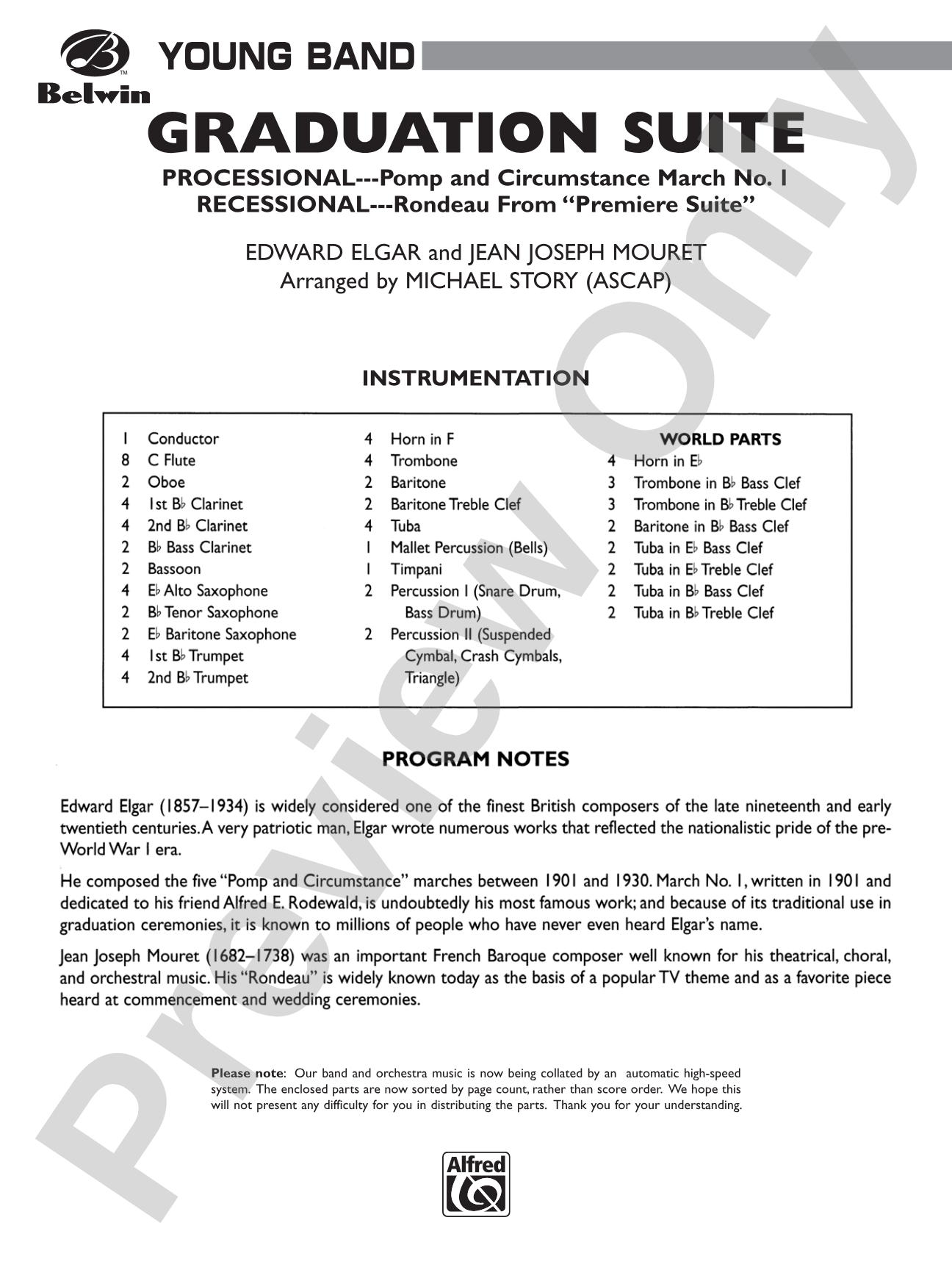
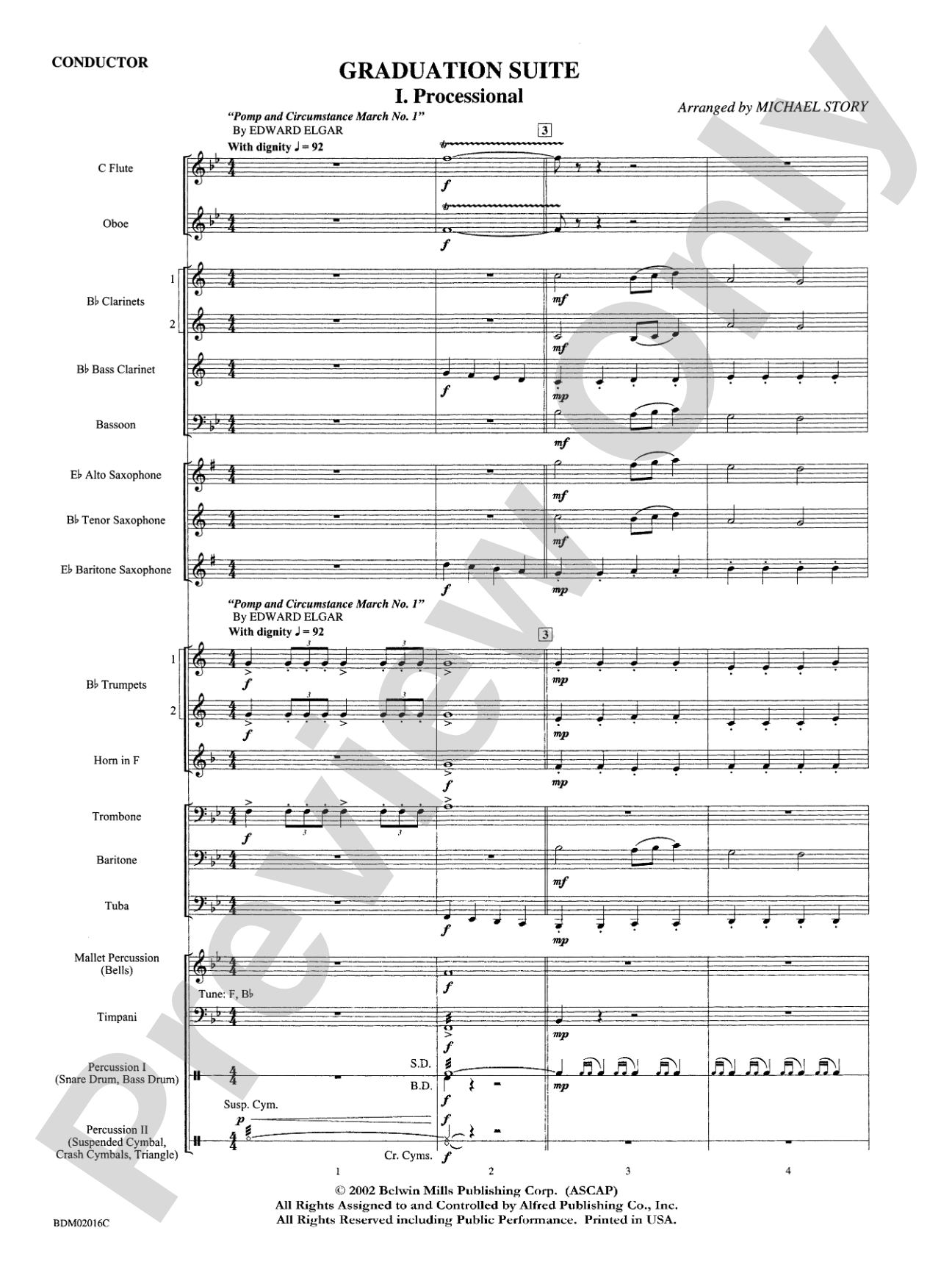
A must for any regal ceremony. The traditional "Pomp and Circumstance" has been scored for the young band as a processional and the majestic "Rondeau" from The Premiere Suite as the recessional. Although scored for young band, this arrangement would be an outstanding graduation choice for any high school band performing without graduating seniors. A welcome necessary arrangement for every library. (3:28)


Don't just read it, hear it, play along with it, and watch your students grow with it. In MakeMusic Cloud, Graduation Suite (Processional: Pomp and Circumstance March No. 1 / Recessional: Rondeau from Premiere Suite): Concert Band Conductor Score & Parts comes alive with professional accompaniment, adjustable tempo, and built-in practice tools that turn solo practice into real progress.
Open in the Player
Jump straight in and assign it today.
Start Your Free Trial
Open this title and explore the full library in minutes.
Sample Audio
1
Audio File
--:--
0:00
0:00
Sample Video
No sample videos found.
Additional Details
Series:
Belwin Young Band
Publisher:
Alfred Music
Page Count:
157
SKU:
00-PK-0002184
More about this title
About the Composer: Edward Elgar
Edward Elgar (1857-1934) stands as one of England's most celebrated composers, bridging the Romantic and early Modern periods. His "Pomp and Circumstance" marches, written between 1901 and 1930, became synonymous with ceremonial occasions and institutional pageantry worldwide. Elgar's gift for sweeping melodic lines and orchestral color made his work enduringly accessible to performers and audiences alike.
Jean Joseph Mouret (1682-1738) composed in the French Baroque tradition, crafting elegant chamber works and theatrical pieces that emphasized clarity and refinement. His "Rondeau" from the Première Suite exemplifies the courtly grace and structured joy of early 18th-century instrumental music. Though less widely performed than Elgar, Mouret's contribution to this pairing provides the recessional's stately character.
Why we love this
Michael Story's arrangement captures both pieces at the perfect Grade 2 level, keeping the harmonic integrity and memorable lines that make them instantly recognizable without sacrificing band texture. Programming these back-to-back gives you a complete ceremonial frame (processional and recessional) that feels authoritative yet entirely playable by young ensembles, solving the common challenge of finding complementary openers and closers that match in quality and impact.
What to expect
Formal and processional, built on lines so universally known they feel almost ancestral. The Elgar opens with stately confidence, its broad melody carrying decades of tradition and dignity; the Mouret shifts to elegant refinement, offering a measured, graceful exit that respects the solemnity of the moment while maintaining forward motion.
Who it's for
Band directors working with Grade 2 ensembles who need reliable, recognizable graduation music that honors the occasion without overextending their players. This arrangement also suits high school bands performing without senior members, offering the familiarity and ceremonial weight that graduation audiences expect.
How to get the most out of it
- Balance the melody prominently in the first section of "Pomp and Circumstance," but allow the harmony parts to establish the processional's stately foundation; this isn't a showcase for soloists.
- Maintain steady, unhurried tempo through both pieces; the dignity of the occasion depends on deliberate pacing, not rushing the familiar themes.
- Shape phrase endings with slight ritardandos where the notation suggests them, especially in transitions between sections, to keep the ceremonial forward momentum organic rather than mechanical.
How to use it
Open your graduation ceremony with the Elgar processional as the band and participants enter, then close with the Mouret recessional as everyone departs. This pairing eliminates the need to source two separate pieces and ensures musical continuity from beginning to end. The piece works equally well as part of a spring concert program if you're performing for an audience rather than as functional ceremony music.
Skills your students will build
- Sustaining long phrases with consistent tone and intonation
- Reading and executing steady march rhythms across full ensemble
- Balancing melodic lines against harmonic accompaniment
- Maintaining uniform tempo and style across both contrasting movements
- Responding to conductor-led ritardandos and phrase shaping