

Gottschalk: Album: Piano Book
By Louis Moreau Gottschalk
Item: 00-PK-0003110

$12.99
Pickup currently not available
Buy Extra Parts (Digital PDF Download)
| Product | Price | Quantity |
|---|---|---|
| Gottschalk: Album | $1.99 | |
| Gottschalk: Album | $1.99 | |
| Gottschalk: Album | $1.99 | |
| Gottschalk: Album | $1.99 | |
| Gottschalk: Album | $1.99 | |
| Gottschalk: Album | $1.99 |
Parts Added to Cart!
Related Items
Album: Piano Book |
$12.95
|
View |
Description
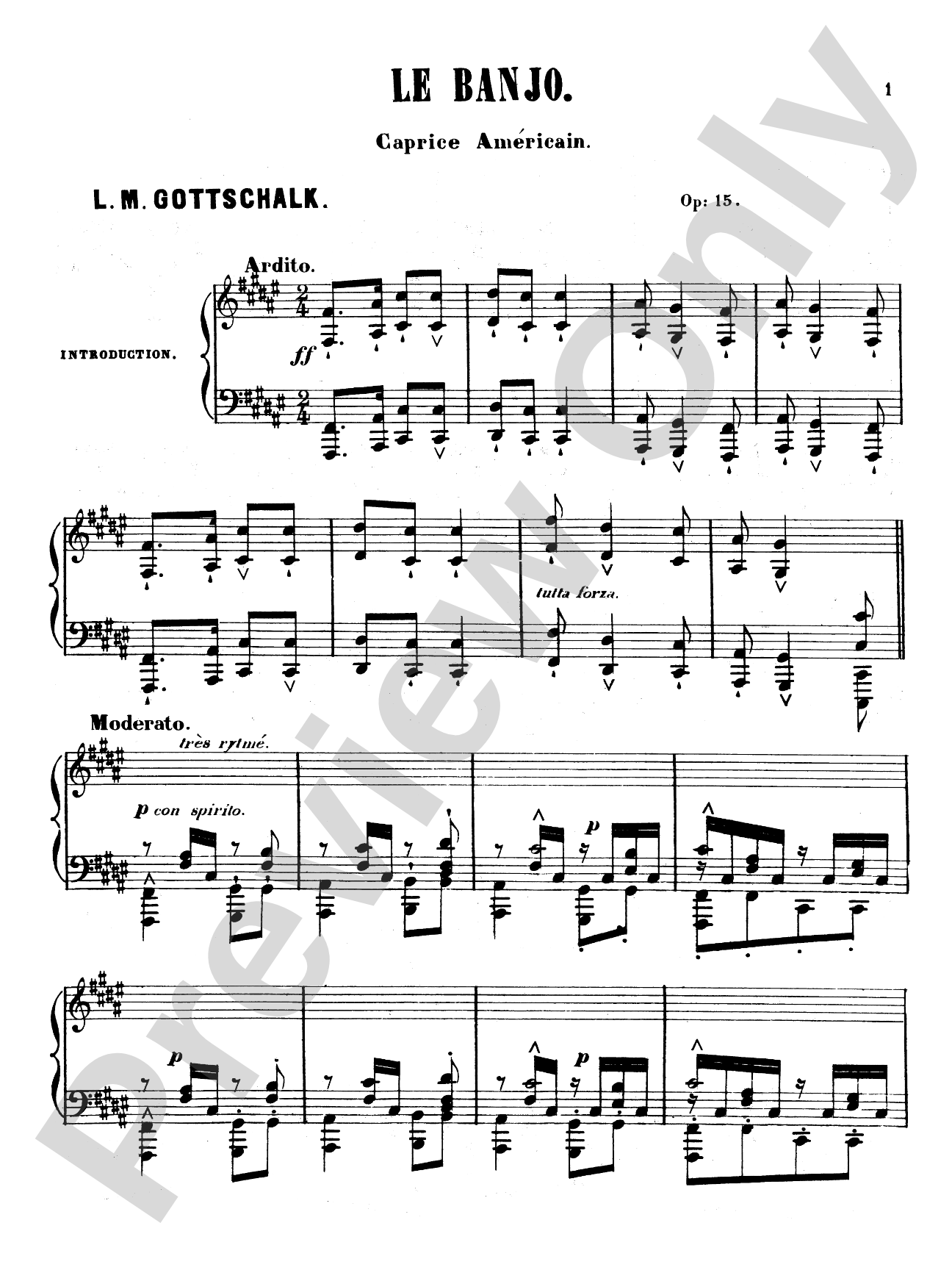
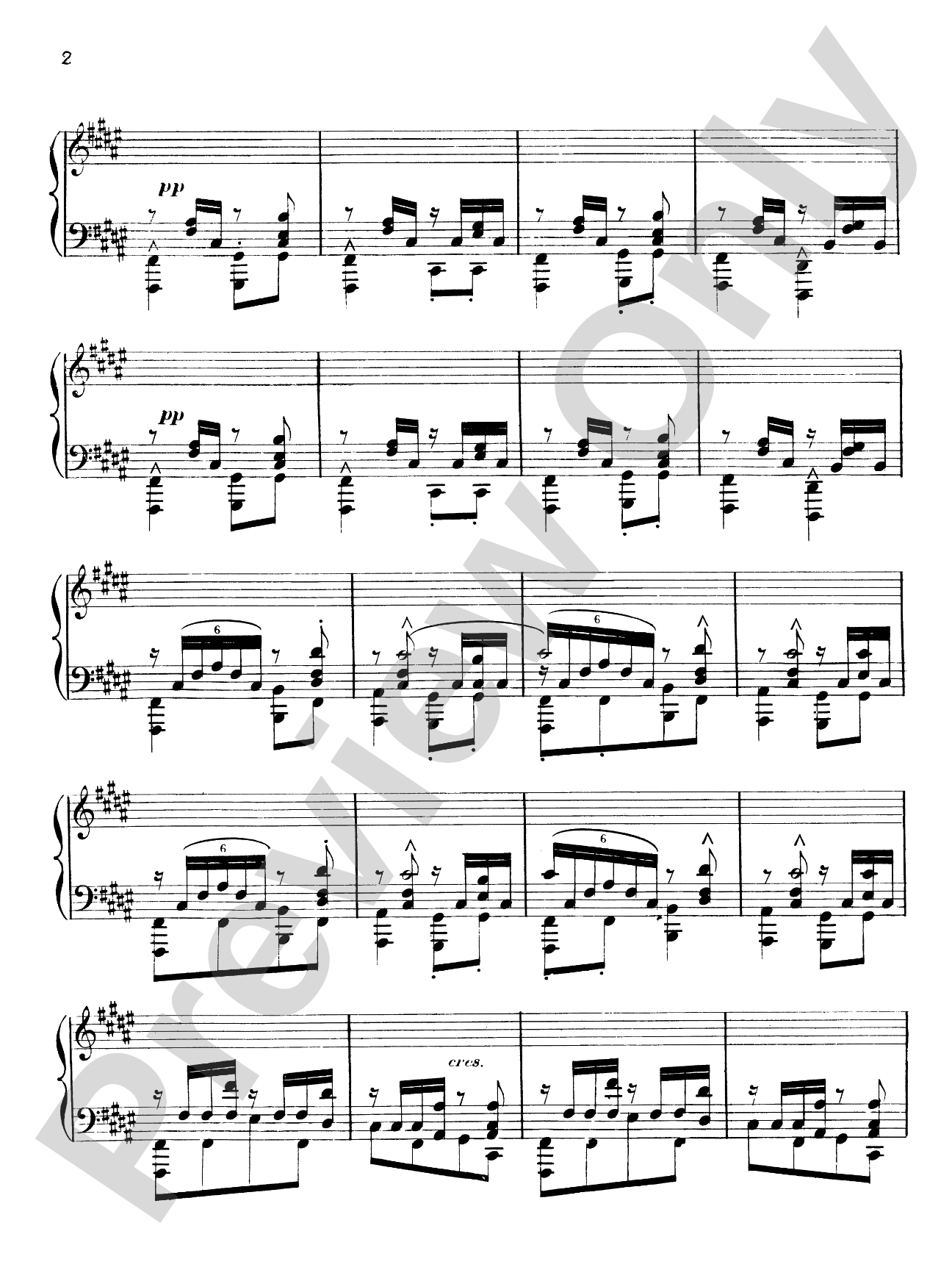
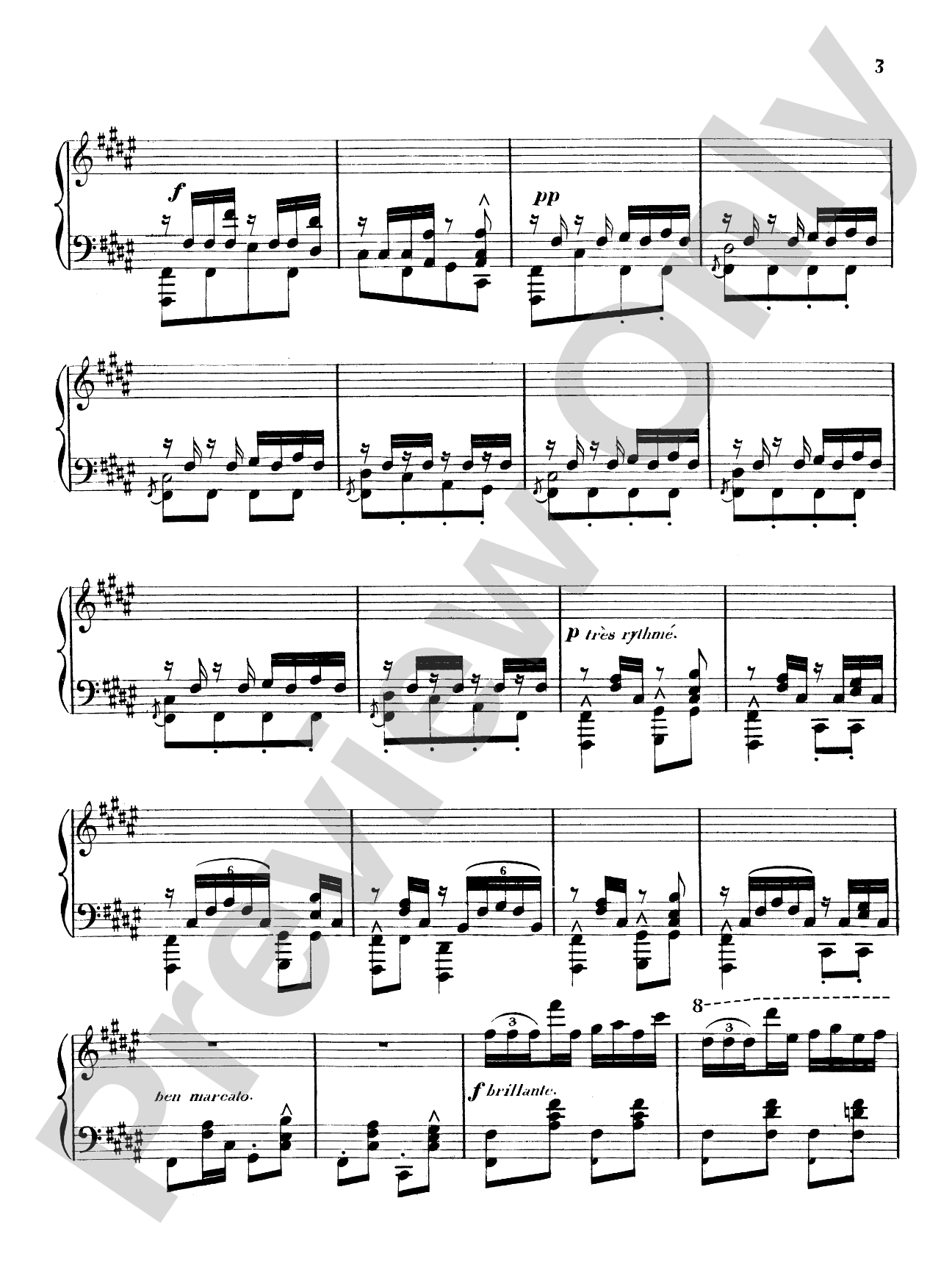
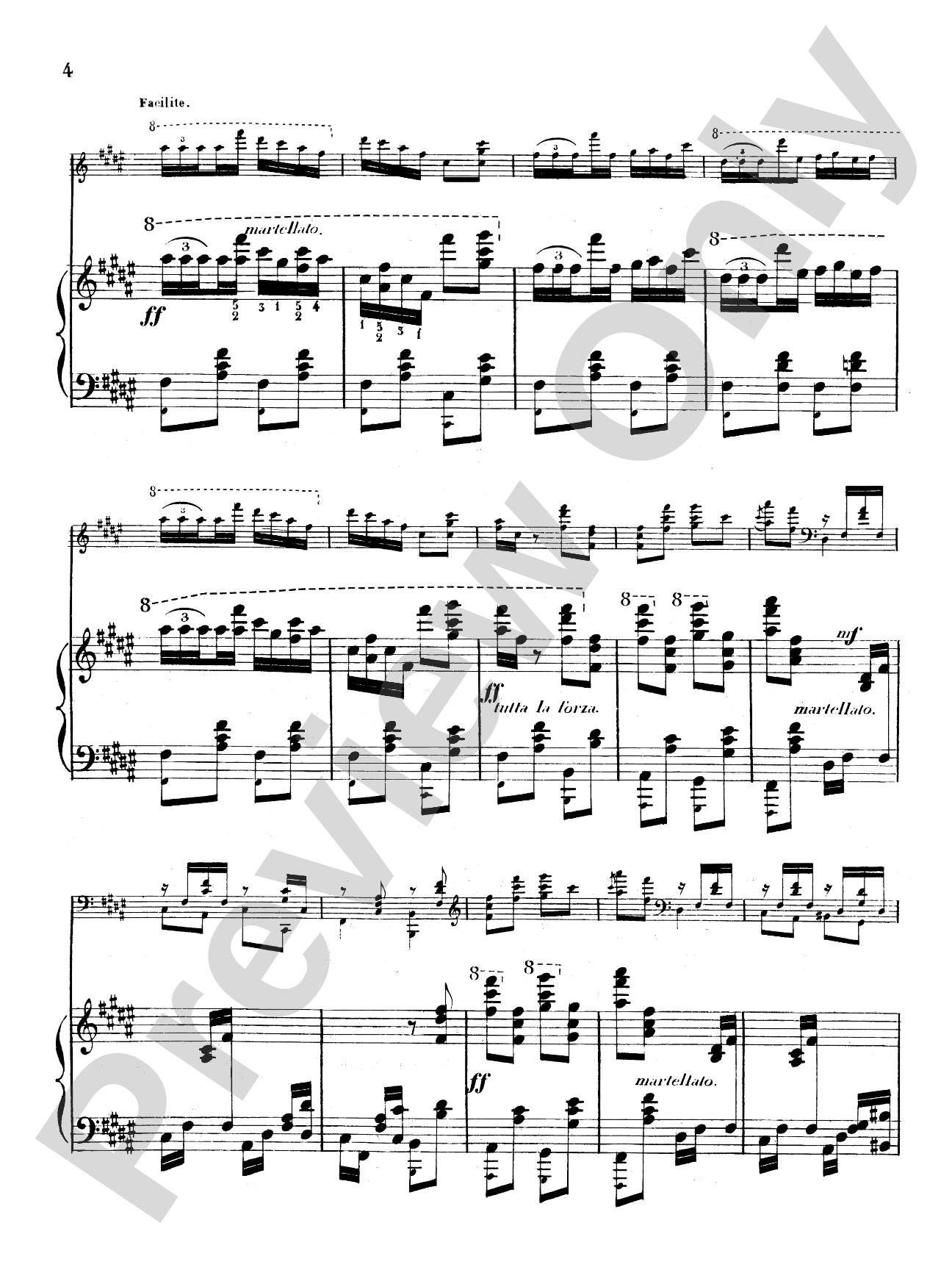
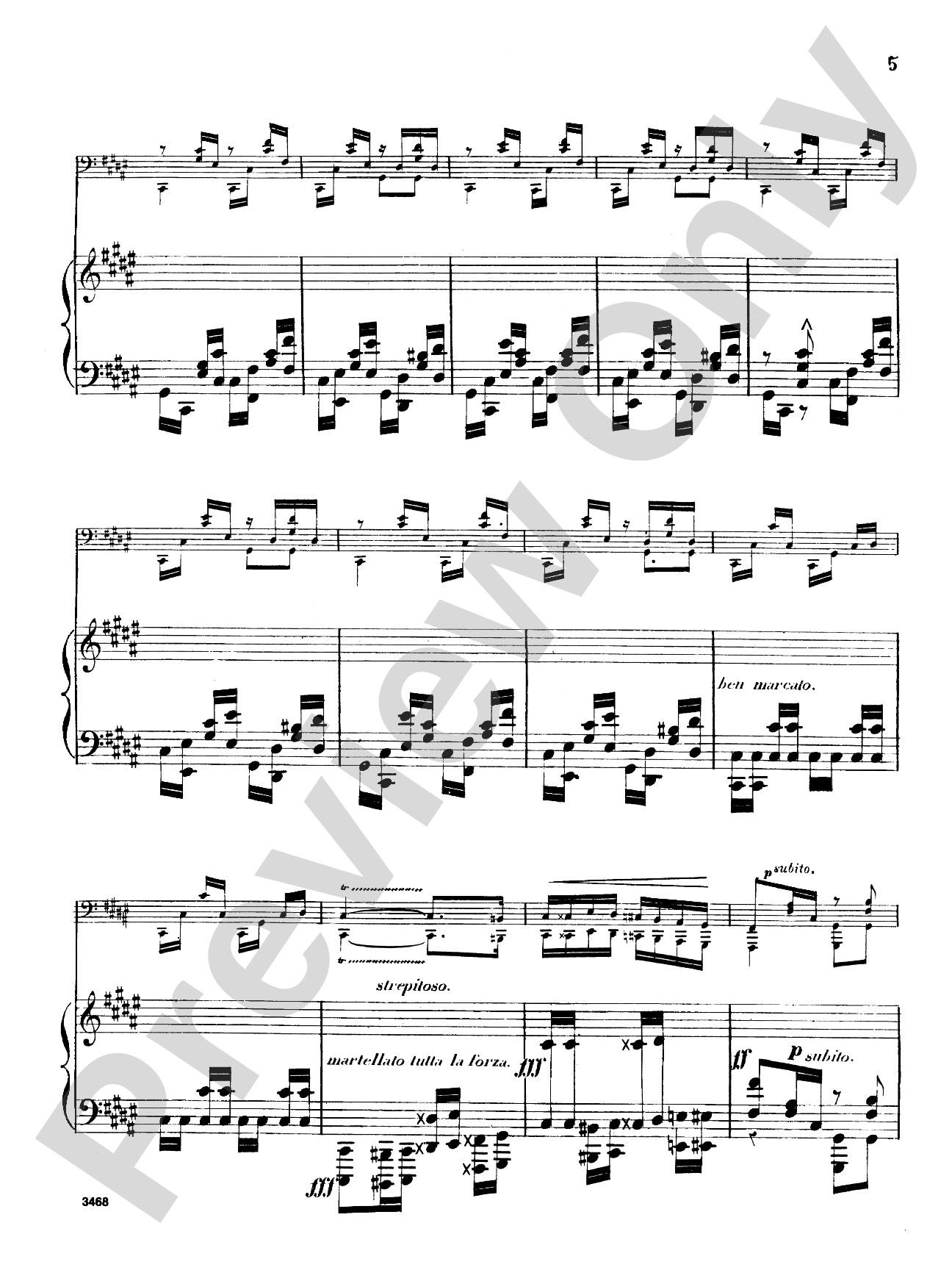
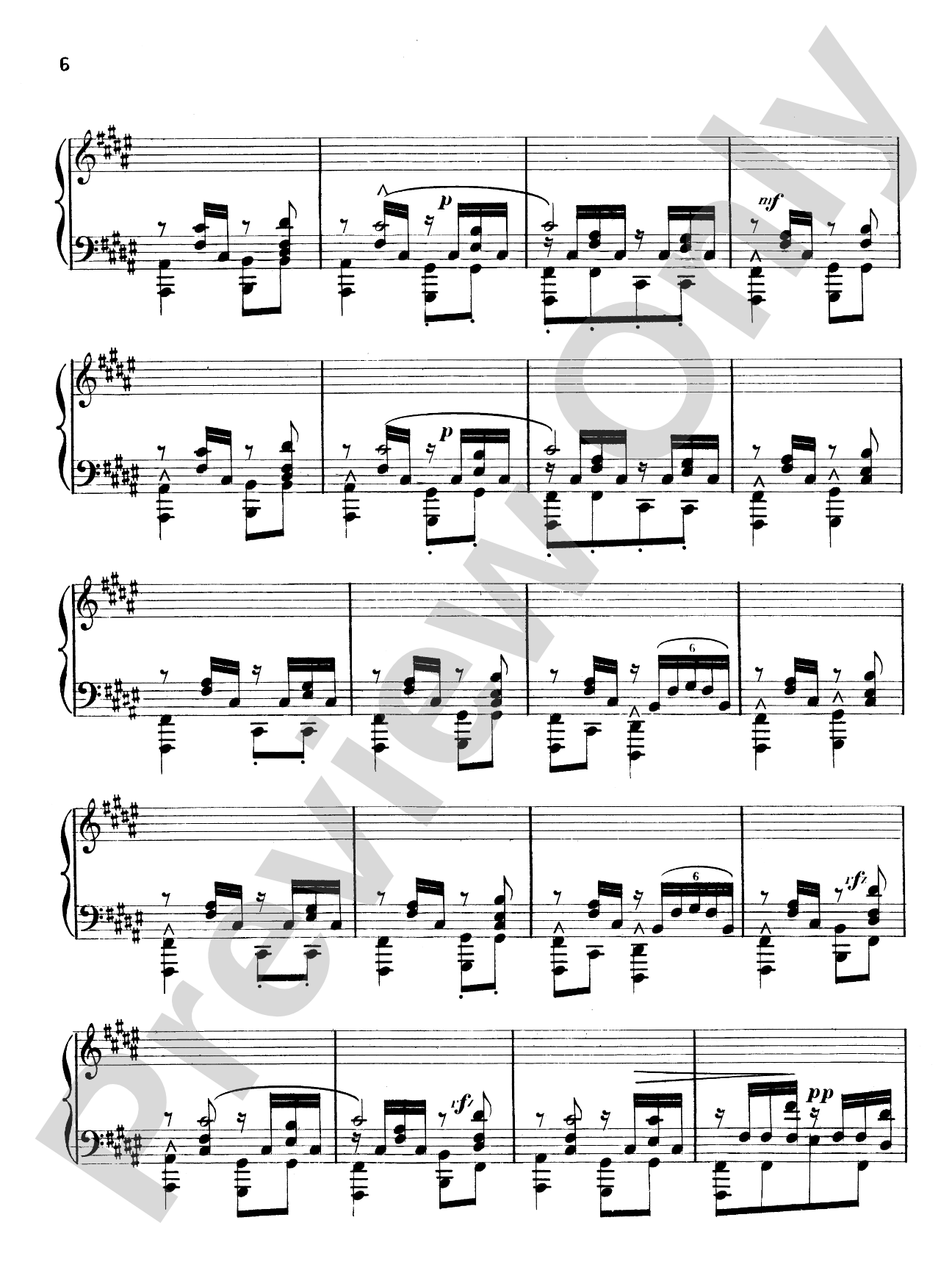
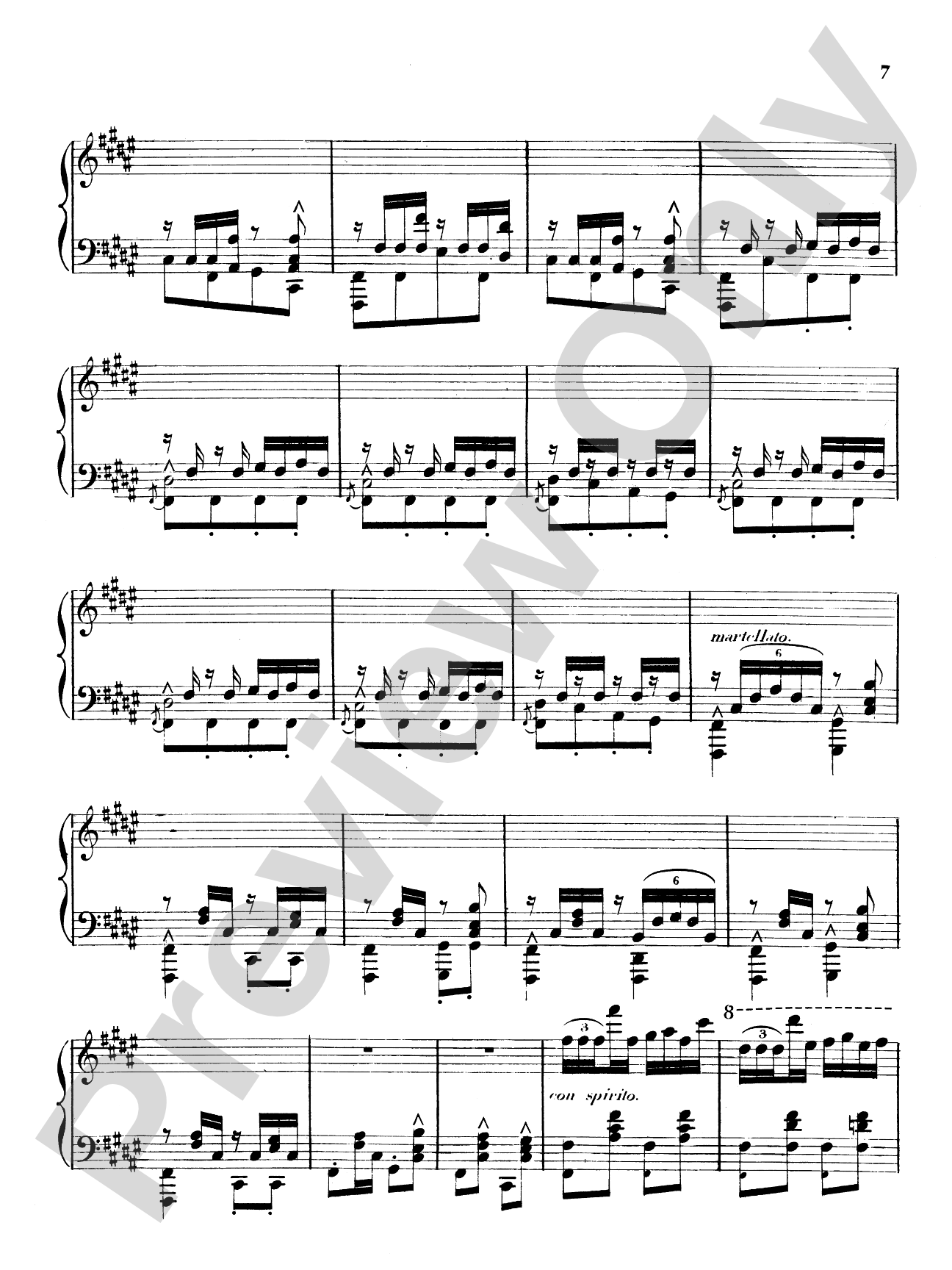
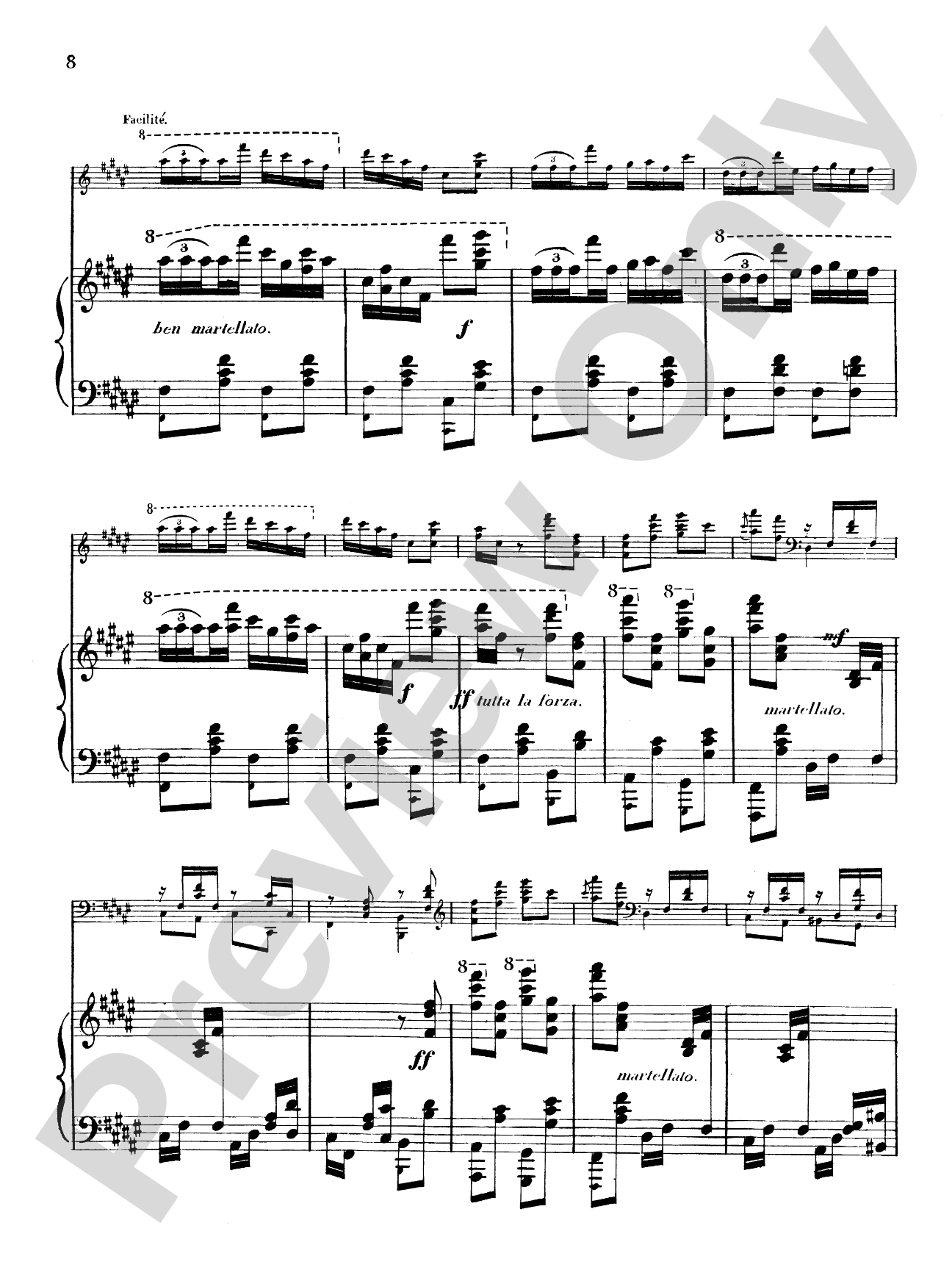
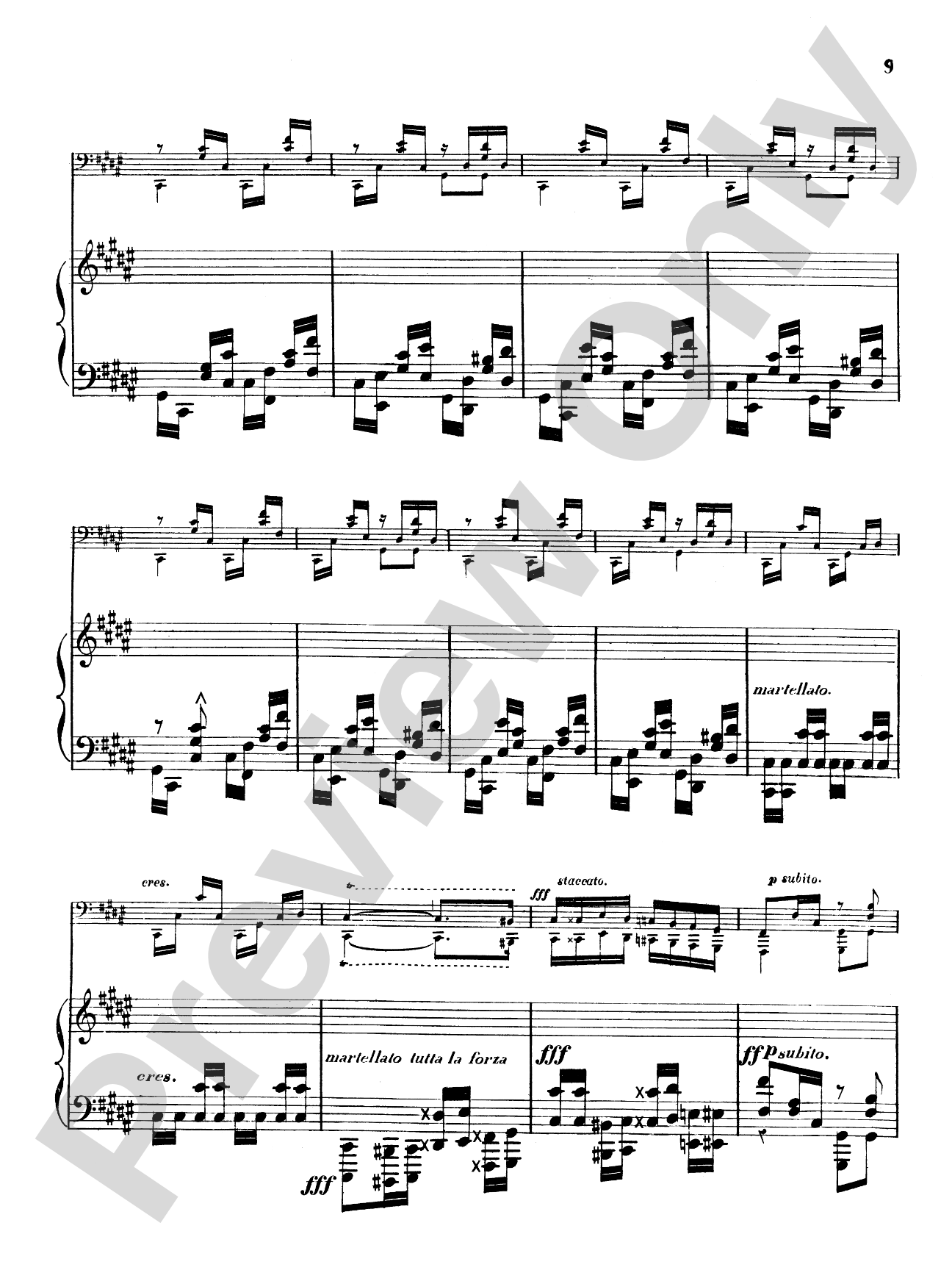
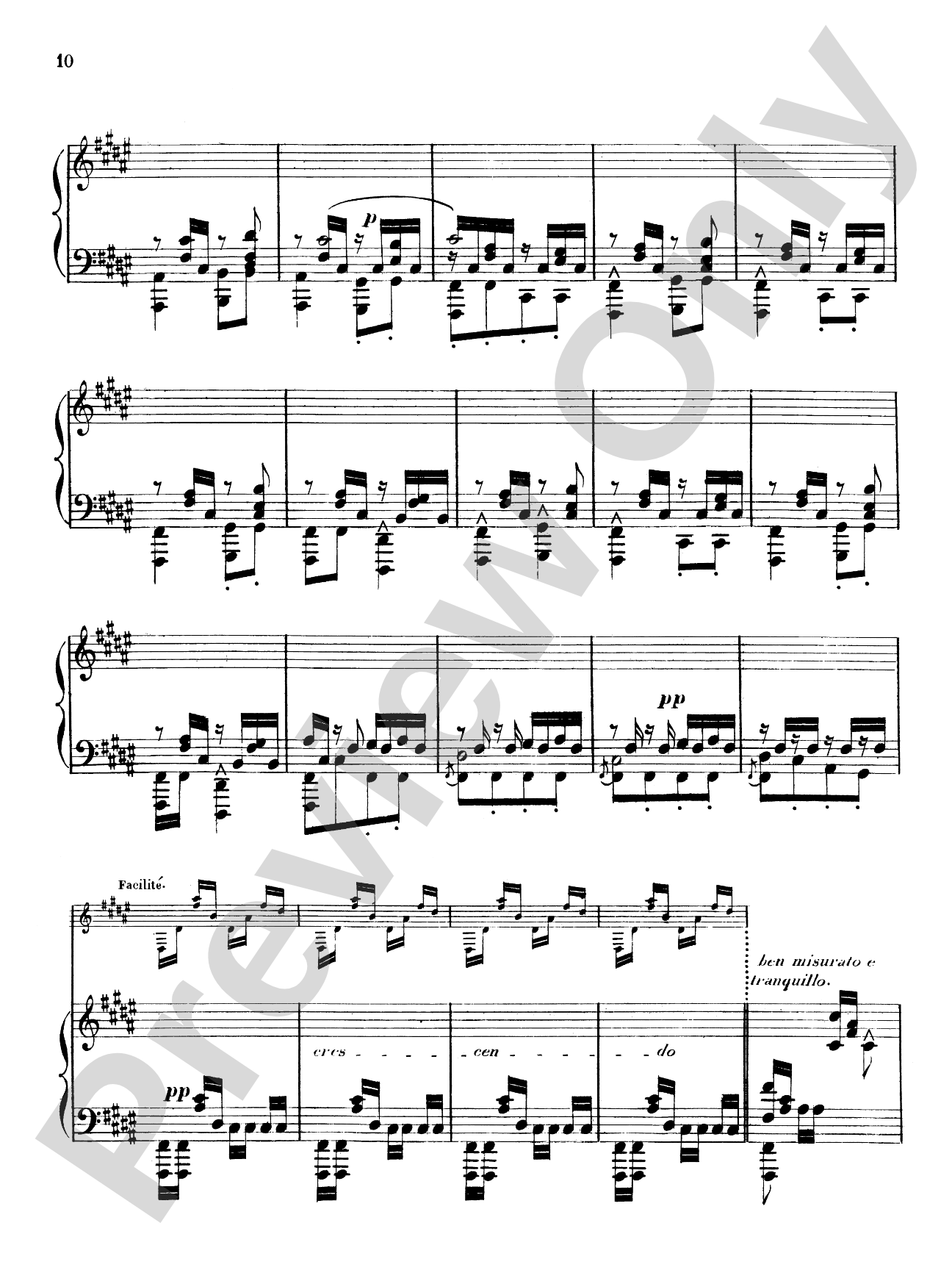
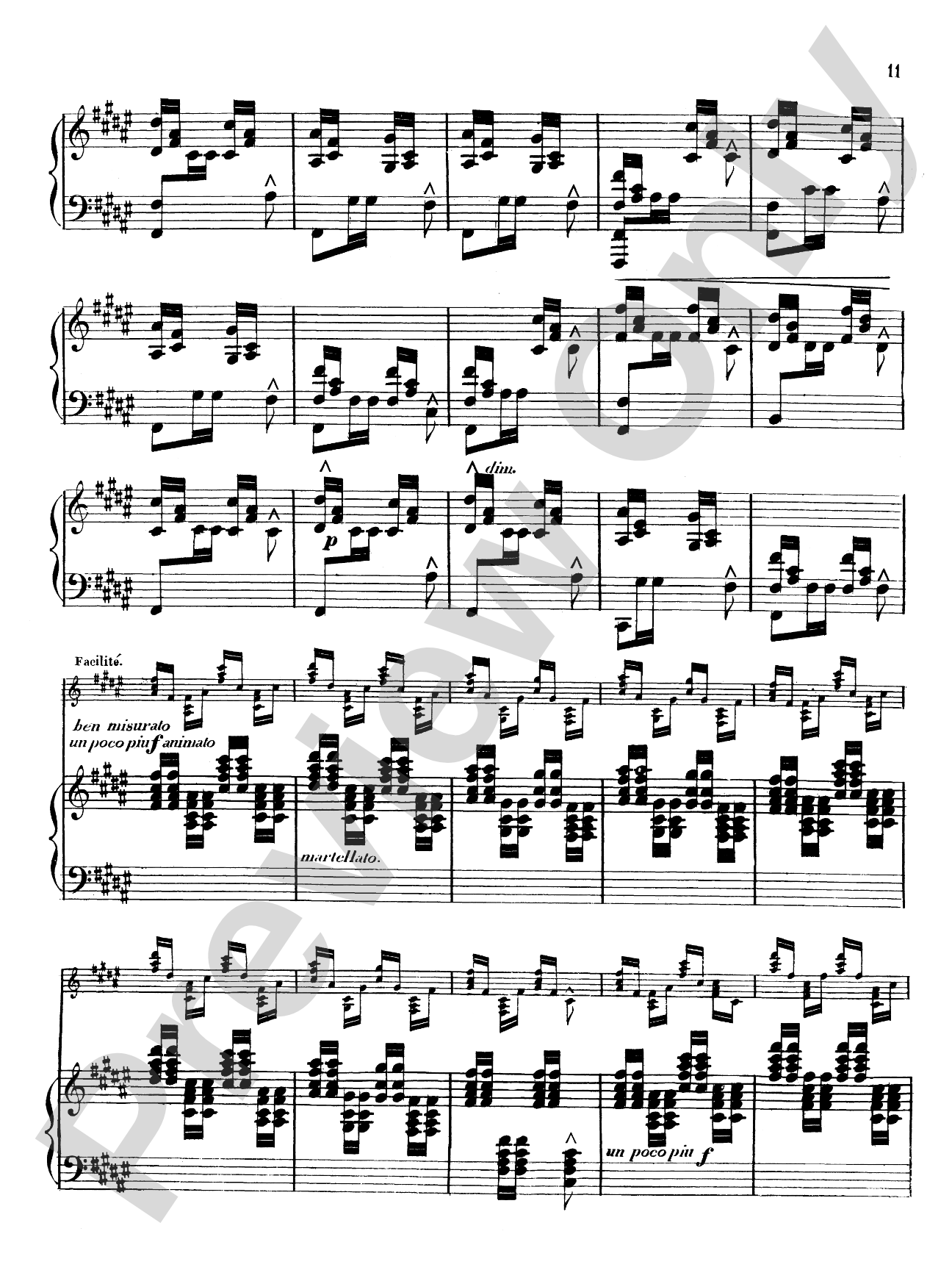
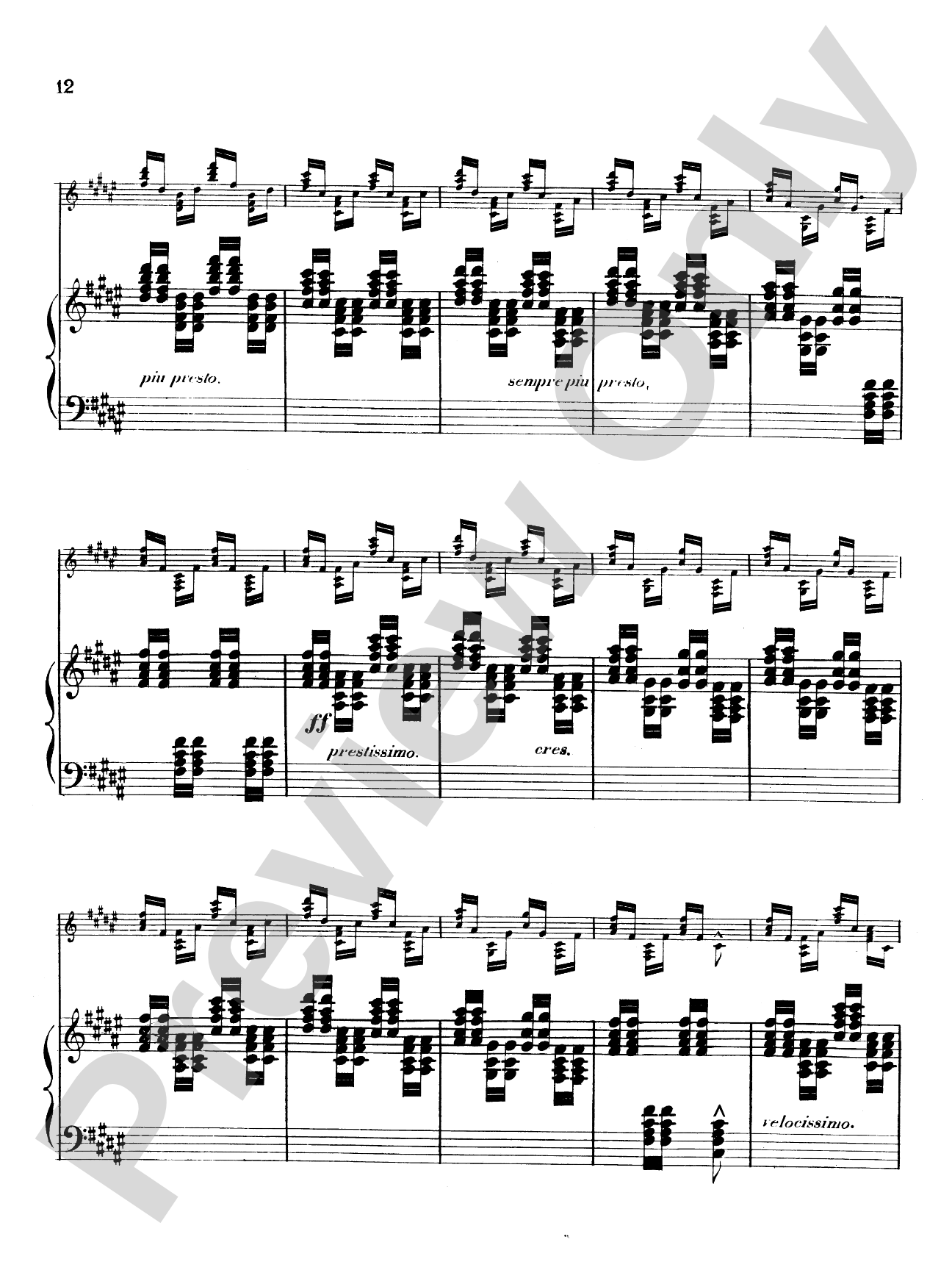
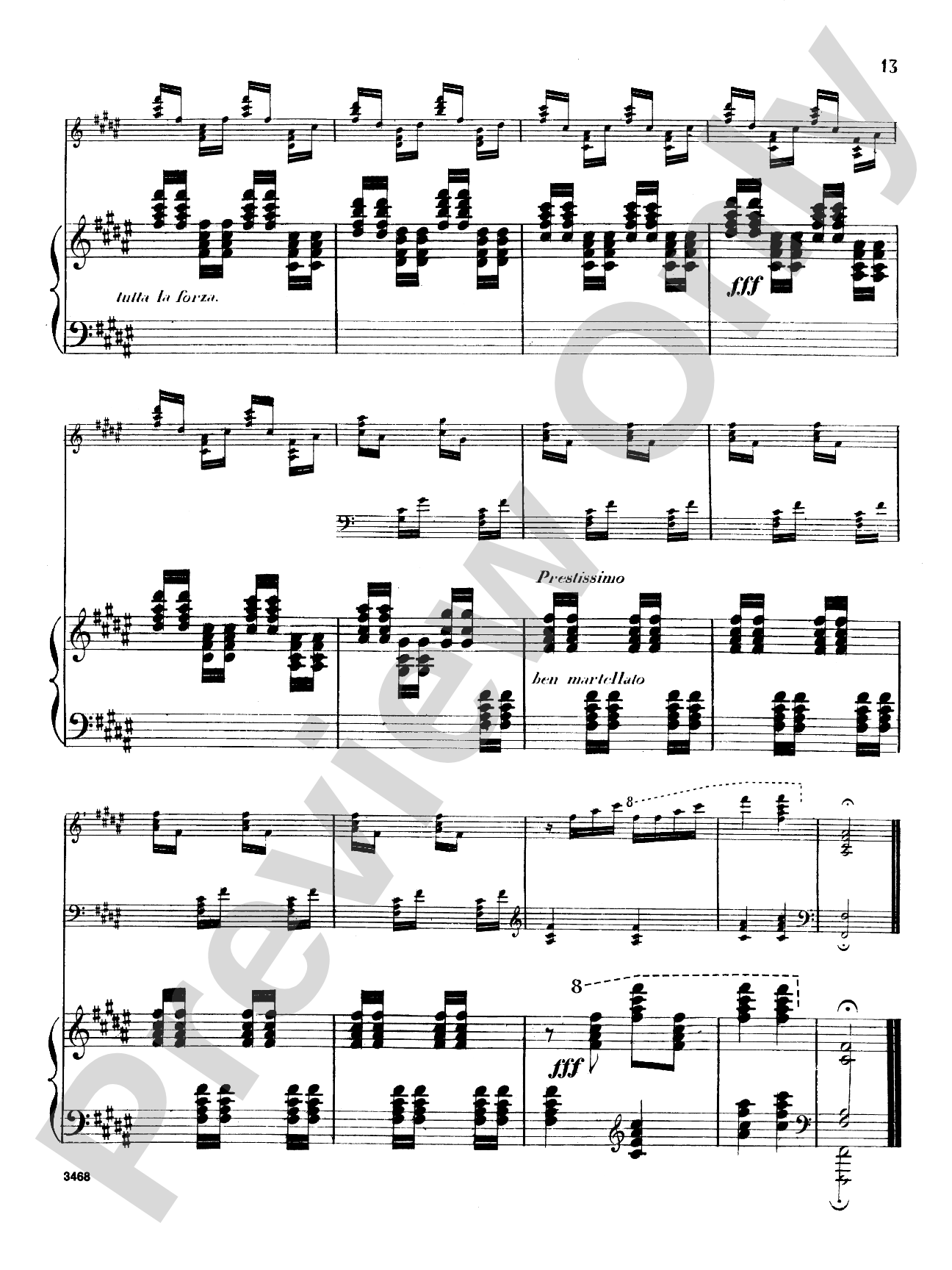
Titles: Le Banjo * Pasquinade * Pastorella * Scherzo Romantique * Tremolo * Valse Poetique.


Don't just read it, hear it, play along with it, and watch your students grow with it. In MakeMusic Cloud, Gottschalk: Album: Piano Book comes alive with professional accompaniment, adjustable tempo, and built-in practice tools that turn solo practice into real progress.
Open in the Player
Jump straight in and assign it today.
Start Your Free Trial
Open this title and explore the full library in minutes.
Sample Audio
No sample audio found.
Sample Video
No sample videos found.
Additional Details
Series:
Kalmus Edition
Publisher:
Alfred Music
Page Count:
80
SKU:
00-PK-0003110
More about this title
About the Composer: Louis Moreau Gottschalk
Louis Moreau Gottschalk (1829, 1869) was an American pianist and composer who became one of the nineteenth century's most celebrated virtuosos. Born in New Orleans, he absorbed the rhythms and colors of Creole and African American music from childhood, elements that would distinguish his work from his European contemporaries. He studied in Paris under Chopin's circle, earning recognition as a serious artist while maintaining the showman's instinct that made him a sensation on both sides of the Atlantic.
Gottschalk's compositions occupy a fascinating middle ground between concert hall ambition and popular appeal. He wrote prolifically for solo piano, often drawing on Caribbean and Latin American idioms that fascinated European audiences. His catalog includes virtuosic salon pieces, character sketches, and works of genuine structural sophistication. For American music education, Gottschalk represents a crucial bridge: he demonstrates how vernacular rhythms and local color can inhabit sophisticated musical forms without compromising artistic integrity.
Why we love this
This collection captures Gottschalk at his most inventive, moving well beyond his famous "Banjo" and "Last Hope" into character pieces that showcase his harmonic adventurousness and rhythmic sophistication. Each work presents different technical and musical challenges, making the book ideal for pianists developing interpretive maturity alongside advanced technique.
What to expect
These works shimmer with 19th-century salon elegance touched by exoticism and verve. Whether dancing through syncopated rhythms or singing lyrical melodies over shimmering accompaniment patterns, you encounter a composer deeply interested in keyboard color and emotional directness.
Who it's for
Advanced amateur pianists and serious students preparing recital repertoire will find substantial material here. Teachers seeking authentic American Romantic writing that challenges both technique and musicality will value Gottschalk's accessibility paired with genuine artistic depth.
How to get the most out of it
- Attend closely to Gottschalk's pedal indications and dynamic shadings; they are central to the romantic orchestral sonorities he pursues on the keyboard.
- The syncopated rhythms in "Le Banjo" and "Pasquinade" require clarity in hand independence; practice sections with isolated rhythmic patterns before adding harmonic texture.
- Shape "Tremolo" and "Valse Poetique" with long-range harmonic breathing rather than phrase-by-phrase gestures, allowing the Romantic lyricism to unfold gradually.
- Explore the recorded performances of Gottschalk specialists when preparing these works; interpretive traditions around ornament speed and rubato have evolved considerably.
How to use it
This collection works beautifully in recitals exploring American Romanticism or as a bridge between European and American musical traditions. Individual pieces suit student recitals at the advanced level; "Le Banjo" and "Valse Poetique" pair especially well with contemporary American piano music or with classical-era composers.
Skills your students will build
- Syncopated rhythm control across both hands simultaneously
- Pedal technique for achieving orchestral sonority and harmonic blending
- Lyrical phrase shaping and Romantic-era rubato
- Rapid figuration and hand independence in virtuosic passages
- Harmonic analysis of 19th-century chromaticism and tonal ambiguity