Gordon Goodwin's Big Phat Band Play-Along Series: Tenor Saxophone, Volume 2 Cover Image

Gordon Goodwin's Big Phat Band Play-Along Series: Tenor Saxophone, Volume 2: Tenor Saxophone Book & Online Audio/Software

$24.99 USD
Sale price  $24.99 USD Regular price 
Skip to product information
Gordon Goodwin's Big Phat Band Play-Along Series: Tenor Saxophone, Volume 2 Cover Image

Gordon Goodwin's Big Phat Band Play-Along Series: Tenor Saxophone, Volume 2: Tenor Saxophone Book & Online Audio/Software

By Gordon Goodwin

Grade: 5-6

Item: 00-42578

$24.99
Shipped

One moment…

Description
Gordon Goodwin's Big Phat Band Play-Along Series, Volume 2 teaches you the art of ensemble playing. Using actual charts from Gordon's recent albums, you will learn volumes of information about style, phrasing, tone, dynamics, technique, articulation, playing in time, and improvisation. Stylistically, the charts include swing tempos from medium to very fast, and funk and Latin grooves. Five books are available: alto saxophone, tenor saxophone, trumpet, trombone, and drums. Each book contains solo sections, with chord changes for horns, and transcriptions of recorded solos by the Big Phat Band's lead players. And the TNT 2 Custom Mix software lets you listen to and play along with the outstanding players in the Big Phat Band.

Gordon Goodwin's Big Phat Band Play-Along Series: Tenor Saxophone, Volume 2: Tenor Saxophone Book & Online Audio/Software isn't in MakeMusic Cloud just yet...but it could be. Let us know you'd like to see it, and you'll help shape what comes next. In the meantime, start a free trial and dive into thousands of interactive titles your students can play along with today.

Sample Pages

Sample Audio
1 That's_How_We_Roll --:--
2 Why_We_Cant_Have_Nice_Things --:--

That's_How_We_Roll

0:00
0:00
Sample Video
Additional Details
Series: Jazz Play-Along Series
Publisher: Alfred Music
Page Count: 76
ISBN10: 1-4706-1133-3
ISBN13: 978-1-4706-1133-0
UPC: 038081475622
SKU: 00-42578
Instrumentation: Tenor Saxophone

More about this title

About the Composer: Gordon Goodwin
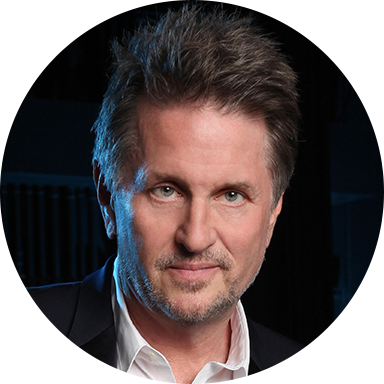
Gordon Goodwin

Gordon Goodwin began composing at five years old, writing complete pieces rather than fragments. His first big band chart, Hang Loose, was written when he was just thirteen. This early gift for orchestration caught the attention of film and television producers, leading to Emmy wins and Grammy nominations for his work on films including Bad Boys II, Con Air, Remember the Titans, and Star Trek: Nemesis.

Beyond his film and television success, Goodwin has written for and performed alongside major artists including Christina Aguilera, Ray Charles, and Quincy Jones. He has conducted major symphony orchestras across North America and Europe. In 2000, he founded Gordon Goodwin's Big Phat Band, which immediately made waves with its debut album Swingin' for the Fences, the first commercially available DVD audio release to earn Grammy nominations. His subsequent albums have continued to receive critical recognition and multiple Grammy nominations for Best Large Jazz Ensemble Album.

Why we love this

This book puts students directly into the vocabulary and demands of a working professional big band. The charts are drawn from actual Gordon Goodwin's Big Phat Band recordings, so you're teaching real jazz idioms, not simplified approximations. The TNT 2 Custom Mix software means students can isolate their part, hear themselves in context, or remove their section entirely to challenge their listening.

What to expect

The charts pulse with contemporary swagger. Medium to very fast swing tempos and funk and Latin grooves keep the energy high and the demands real. You're playing music that sounds like a modern professional recording, not a teaching arrangement. There's genuine satisfaction in hearing yourself trade solos and respond to band figures that were written for and recorded by world-class players.

Who it's for

Tenor saxophonists in grades 5 and 6 who have solid fundamentals and are ready to engage with authentic jazz repertoire and improvisation. This book works well for musicians preparing for jazz band auditions or students who want to understand how professional sections approach contemporary jazz styles. It's equally valuable in private study and in ensemble settings where a teacher can guide interpretation and solo exploration.

How to get the most out of it

  • Listen to the recorded solos first. The transcriptions in the book show exactly what the Big Phat Band's lead tenor player executed, but hearing the inflection, ghost notes, and phrasing decisions on the recording will teach you as much as the written notes.
  • Lock into the rhythm section feel. Study how the saxophone line sits relative to the drums and bass in the online audio. Goodwin's funk and Latin grooves demand rhythmic precision, not just note accuracy.
  • Use the chord changes to explore the solo sections. Work through the changes slowly first, then increase tempo using the software's playback controls. This builds the harmonic fluency needed for improvisation.
  • Pay attention to articulation markings and dynamics as compositional details. Goodwin writes with cinematic precision. A subtle change in attack or volume affects the overall character of the chart.

How to use it

Program these charts alongside traditional big band standards to show students how the jazz tradition continues to evolve. A tenor saxophonist working through this book during the season brings fresh, recorded-sound energy to your jazz ensemble when you reach the performance calendar. It also serves as repertoire for jazz soloist recitals, where the transcribed solos and chord changes allow advanced students to perform professionally arranged material with recorded accompaniment.

Skills your students will build

  • Swing phrasing and time feel at medium and very fast tempos
  • Funk and Latin groove pocket playing
  • Reading and executing dynamic and articulation markings as compositional intent
  • Improvising over jazz changes with band context
  • Listening and responding to ensemble figures and section interplay
  • Translating transcribed recorded solos into personal interpretation

You May Also Like