

Good Kings Marching!: Score
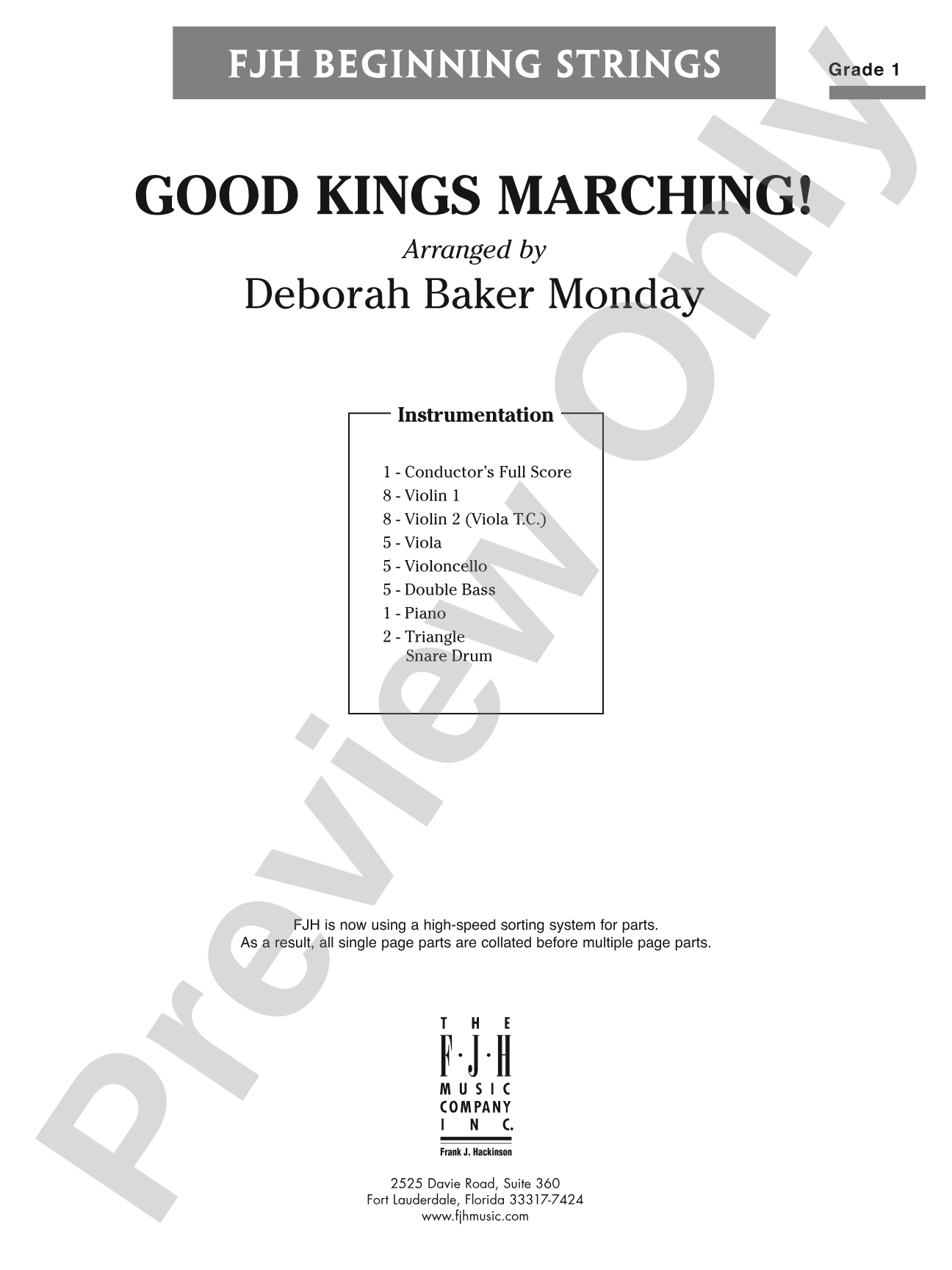
Arranged by Deborah Baker Monday
Grade: 1
Item: 98-DST6406S
$5.00
Pickup currently not available
Description
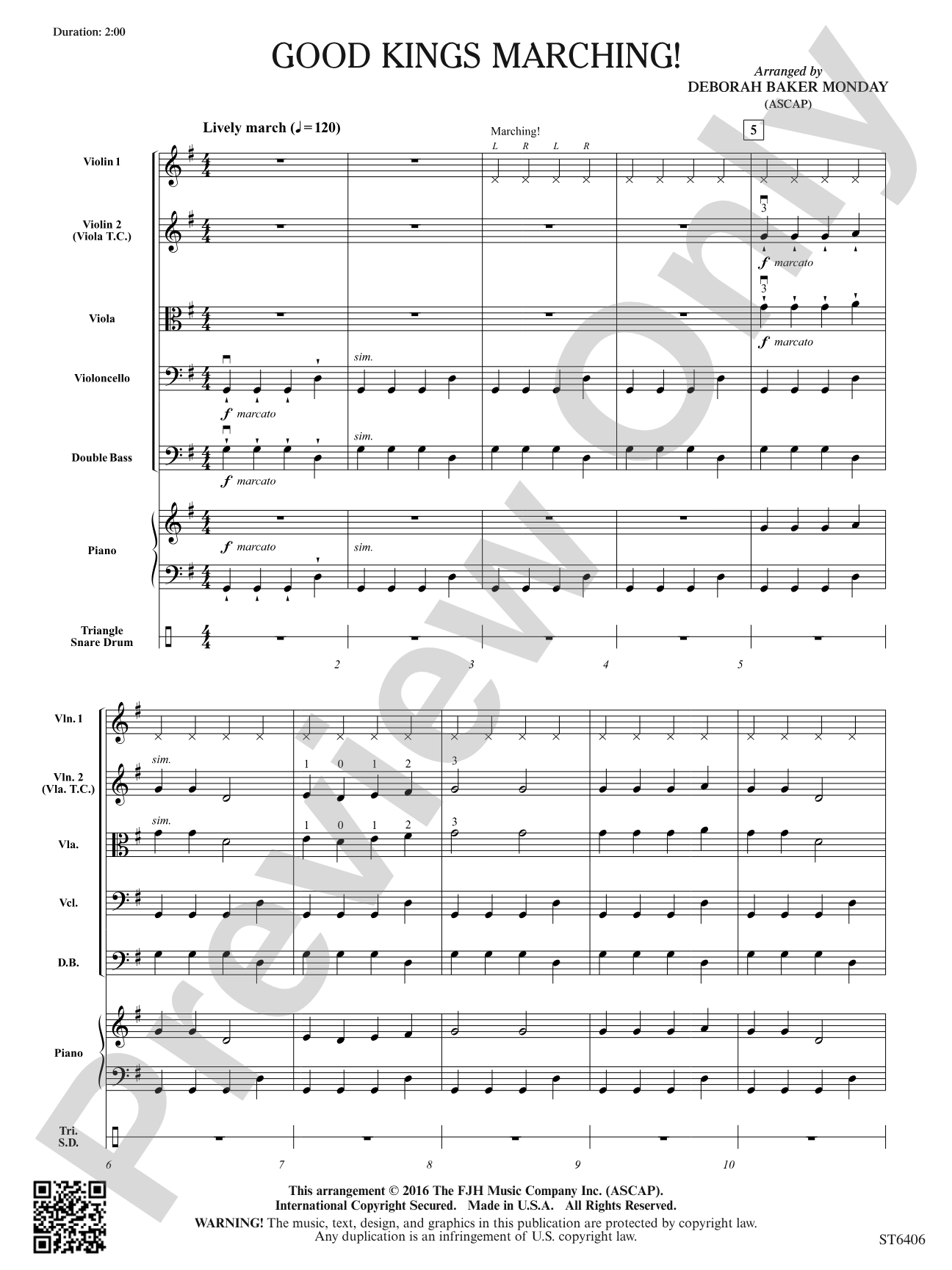
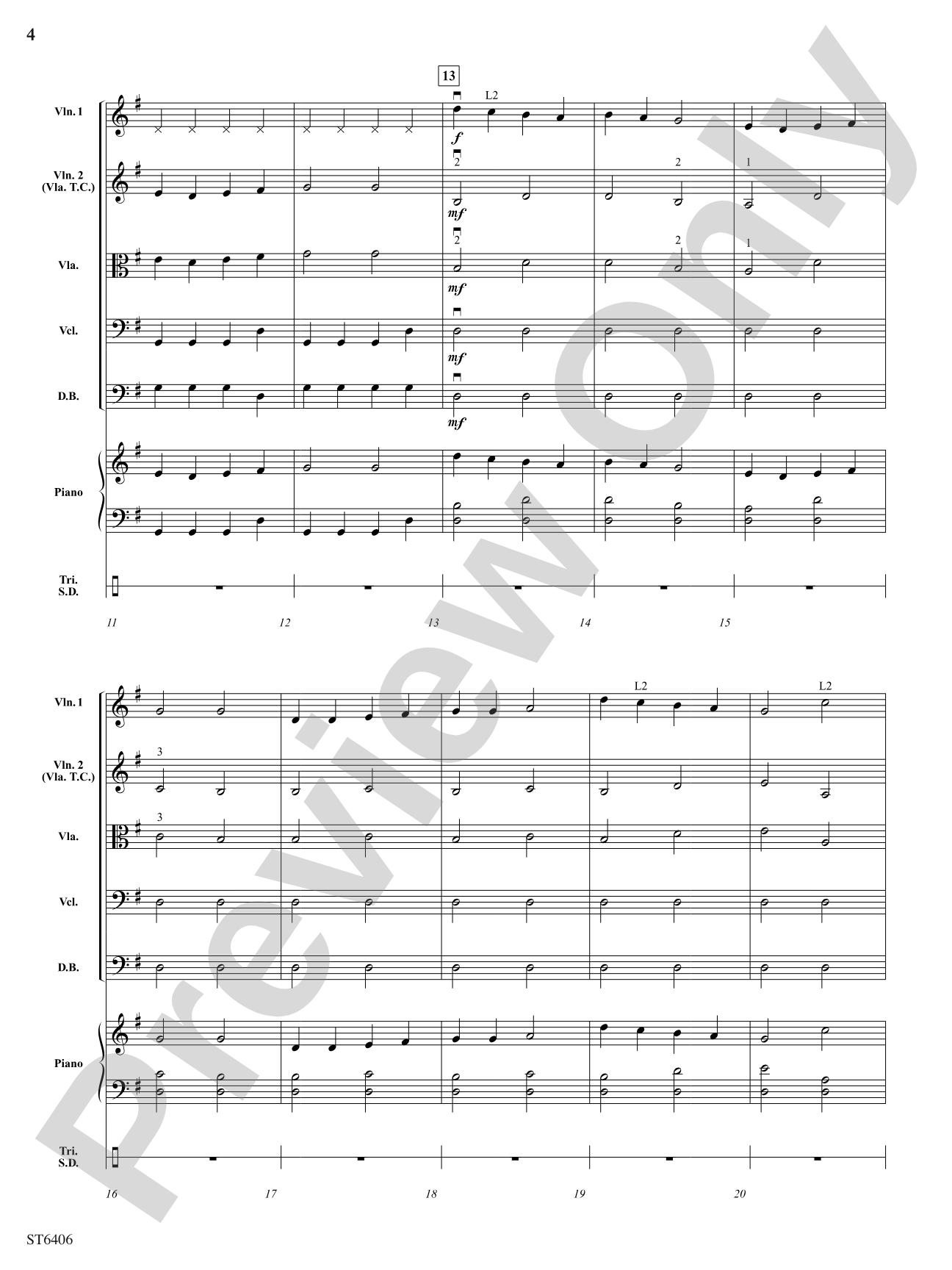
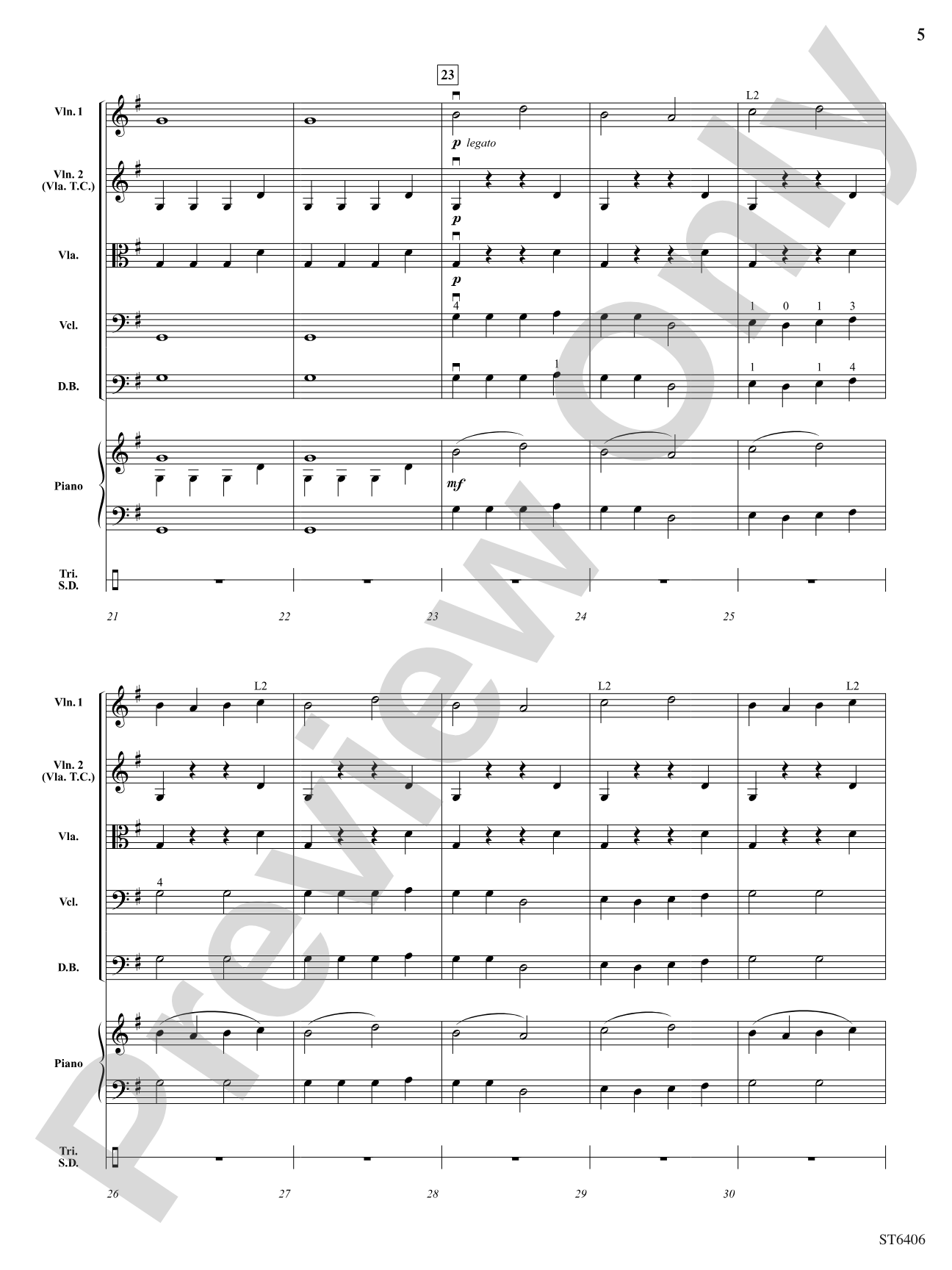
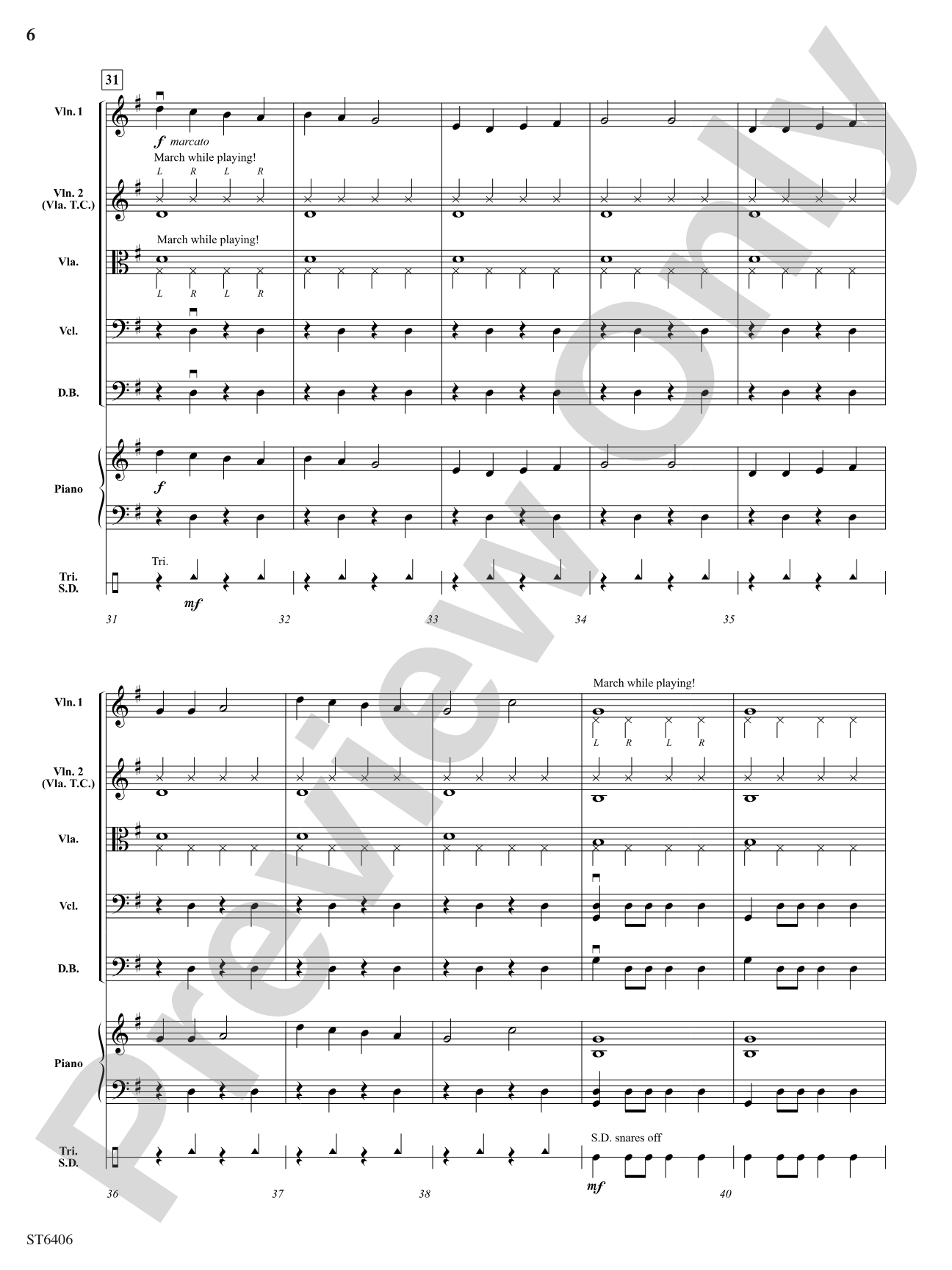
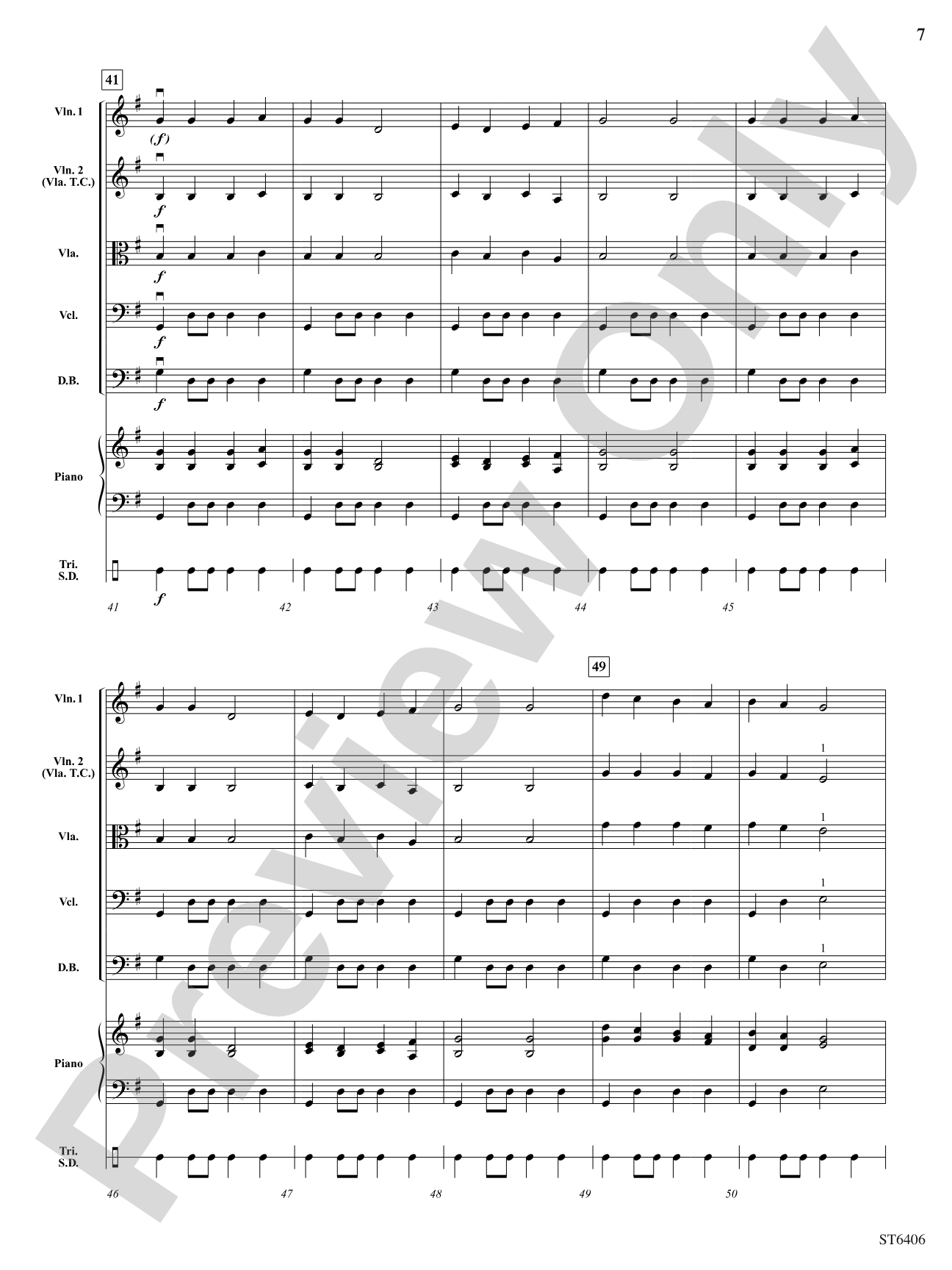
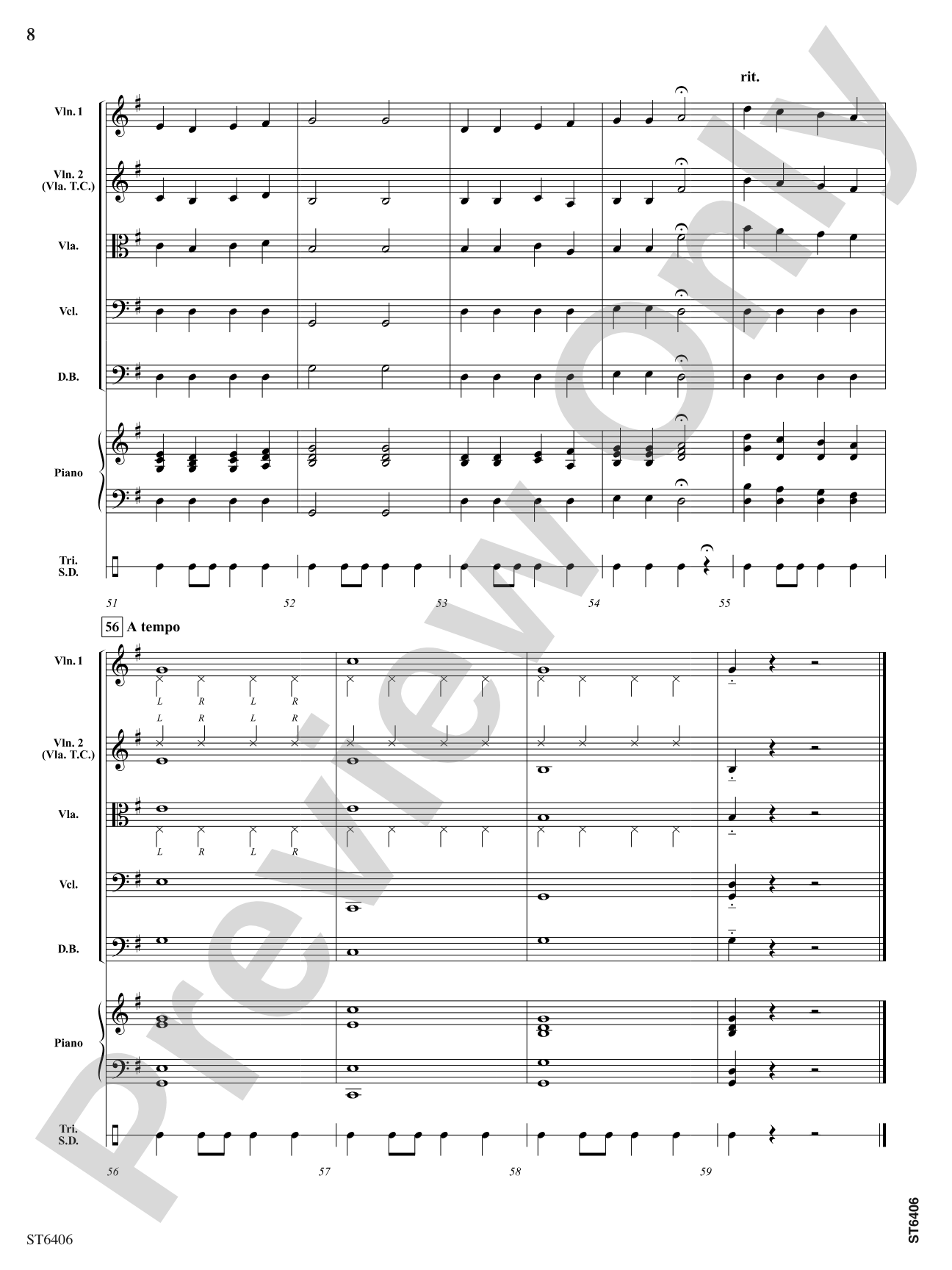
This new setting of Good King Wenceslas will be a welcome addition to any holiday concert. Students get into that action as they march while playing, and all sections take turns playing the melody. Students and teachers will be merrily surprised at how easily this selection comes together. Happy marching!


Don't just read it, hear it, play along with it, and watch your students grow with it. In MakeMusic Cloud, Good Kings Marching!: Score comes alive with professional accompaniment, adjustable tempo, and built-in practice tools that turn solo practice into real progress.
Open in the Player
Jump straight in and assign it today.
Start Your Free Trial
Open this title and explore the full library in minutes.
Sample Audio
1
Audio File
--:--
0:00
0:00
Sample Video
No sample videos found.
Additional Details
Series:
FJH Beginning Strings
Publisher:
The FJH Music Company, Inc.
SKU:
98-DST6406S
More about this title
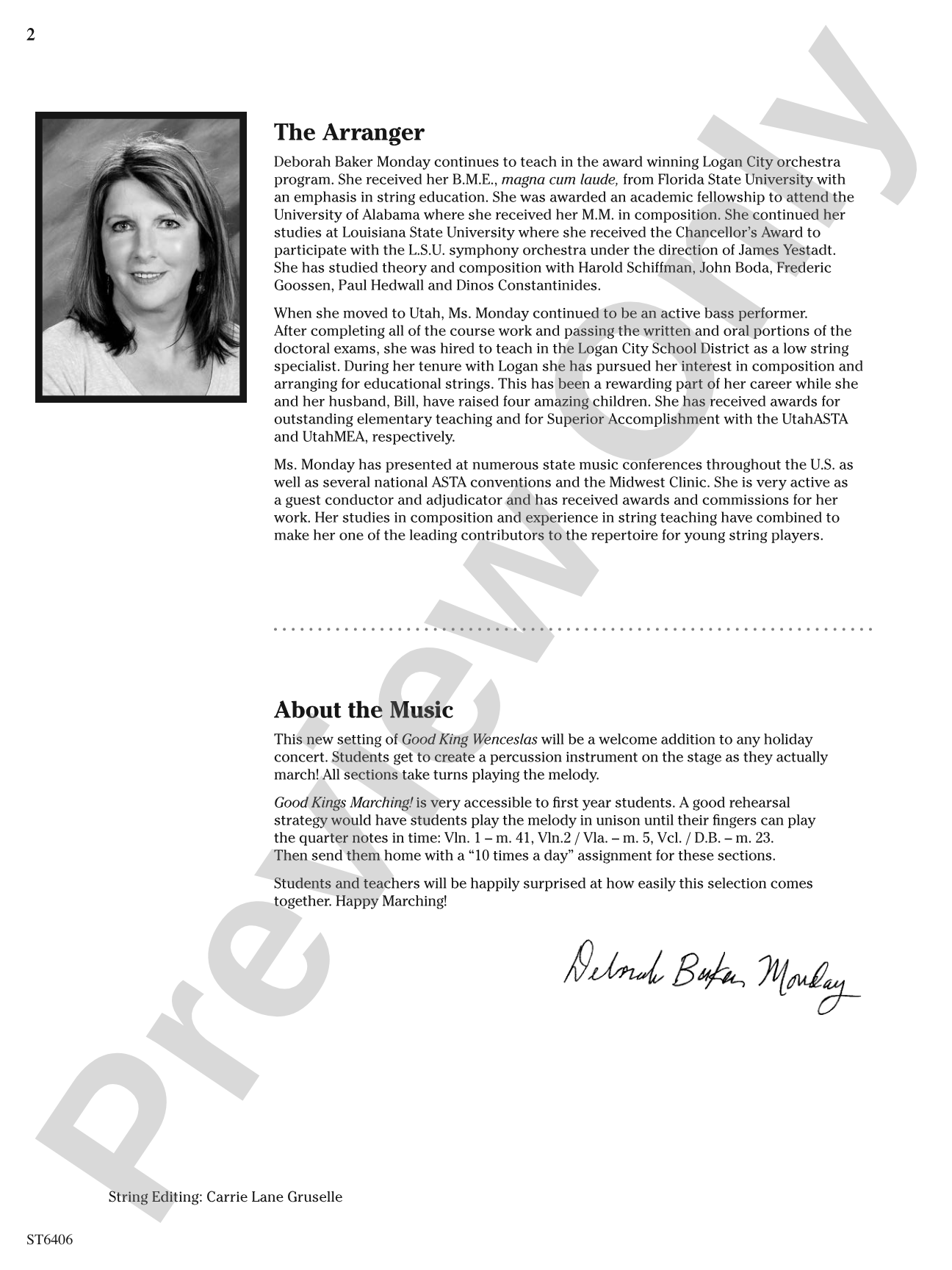
About the Arranger: Deborah Baker Monday
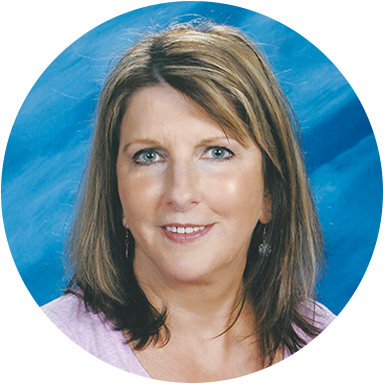
Deborah Baker Monday spent 25 years as a string specialist and conductor in the Logan City School District, where she built one of Utah's most respected orchestra programs. She earned her B.M.E. in string education from Florida State University and her M.M. in composition from the University of Alabama, studying composition with a distinguished roster of mentors including Harold Schiffman, John Boda, and Dinos Constantinides.
Now active as a guest clinician, conductor, and adjudicator, Monday has composed and arranged over 130 works for educational strings across seven publishing companies. Her contributions to string education have earned her the UtahASTA Composition Competition award (twice, in 2006 and 2011) and recognition as an Outstanding Elementary Educator. She presents regularly at state and national conferences, including the Midwest Clinic and the Ohio State String Teachers Workshop.
Why we love this
This arrangement captures the accessibility and charm of a beloved carol while giving every section of your string orchestra a moment to shine. The marching activity keeps students physically engaged and helps younger players internalize phrasing naturally, and the Grade 1 scoring means even your newest beginners can participate fully without drowning in complexity.
What to expect
Warm, processional, and gently joyful. The marching context gives the familiar carol a fresh sense of movement and purpose, while the melodic turns through different sections create natural opportunities for the sound to shift and breathe without losing momentum.
Who it's for
Beginning string orchestras at the elementary and early middle school level will find this arrangement perfectly suited to their abilities. It works equally well whether your students have just started strings or are finishing their first or second year of playing.
How to get the most out of it
- Establish a steady, confident tempo before students begin marching. Use your conducting gesture to anchor the pulse, especially during ensemble unisons where rhythmic precision matters most.
- Rotate the melody parts so different sections get to lead the singing line. This keeps everyone engaged and reinforces that no one voice carries the whole piece.
- Keep the marching movement controlled and deliberate. A slow, dignified pace works better than rushing, and it gives young players room to breathe between phrases.
- Balance the accompaniment figures so the melody reads clearly no matter which section carries it. This is easier than it sounds if violas and cellos stay light when violins have the tune.
How to use it
This is an ideal closer for a winter concert or a bright opener for a holiday program. The activity element appeals to younger audiences, and the straightforward arrangement allows directors to balance programming time efficiently when teaching and performing with developing ensembles.
Skills your students will build
- Playing melody as a section while maintaining rhythmic precision in ensemble unisons
- Sustaining accompaniment lines that support the melodic line (violas and cellos as harmonic foundation)
- Coordinating instrumental performance with physical movement without losing rhythmic accuracy
- Listening to other sections and adjusting balance when the melody moves from violins to lower strings