
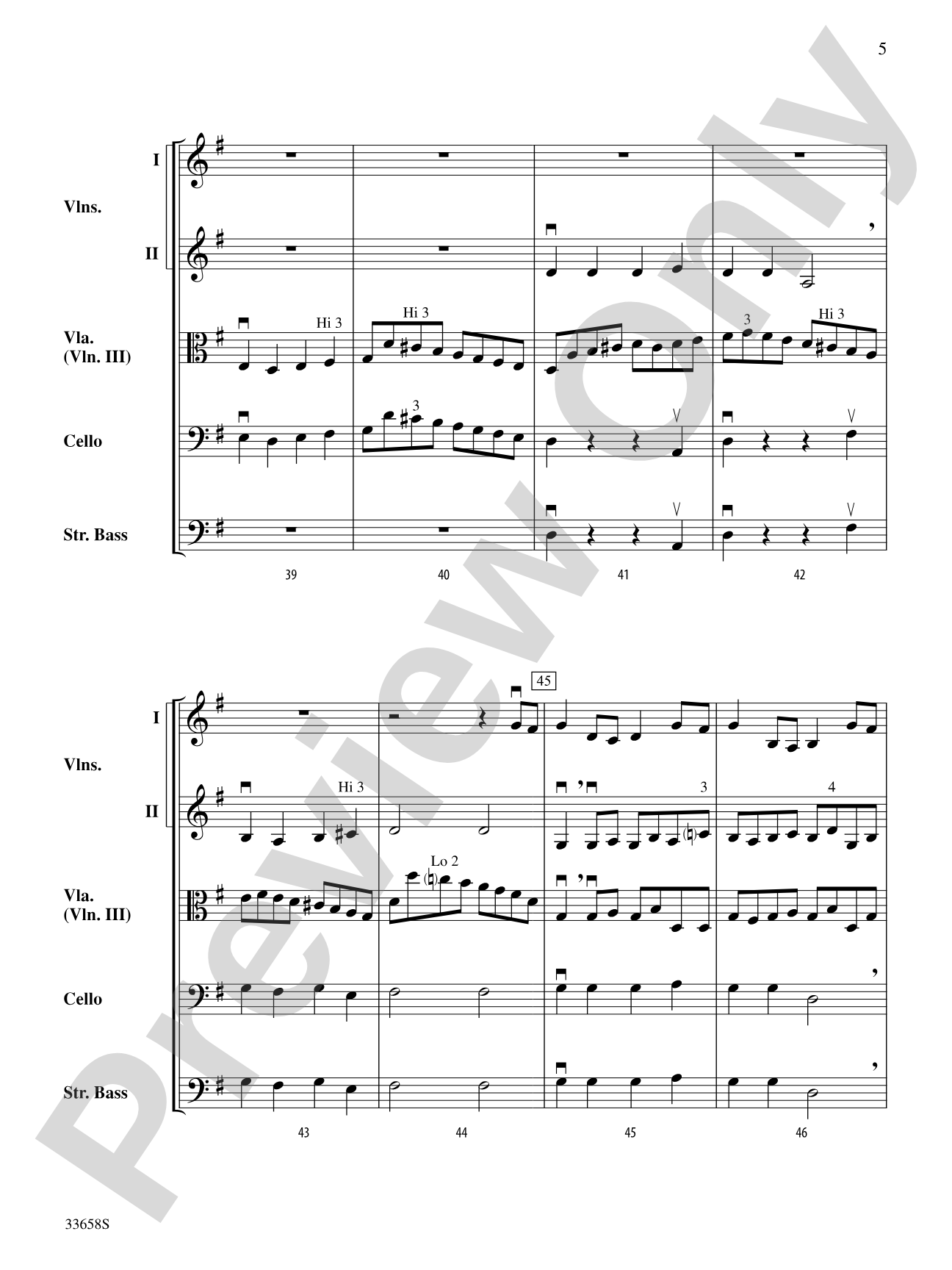
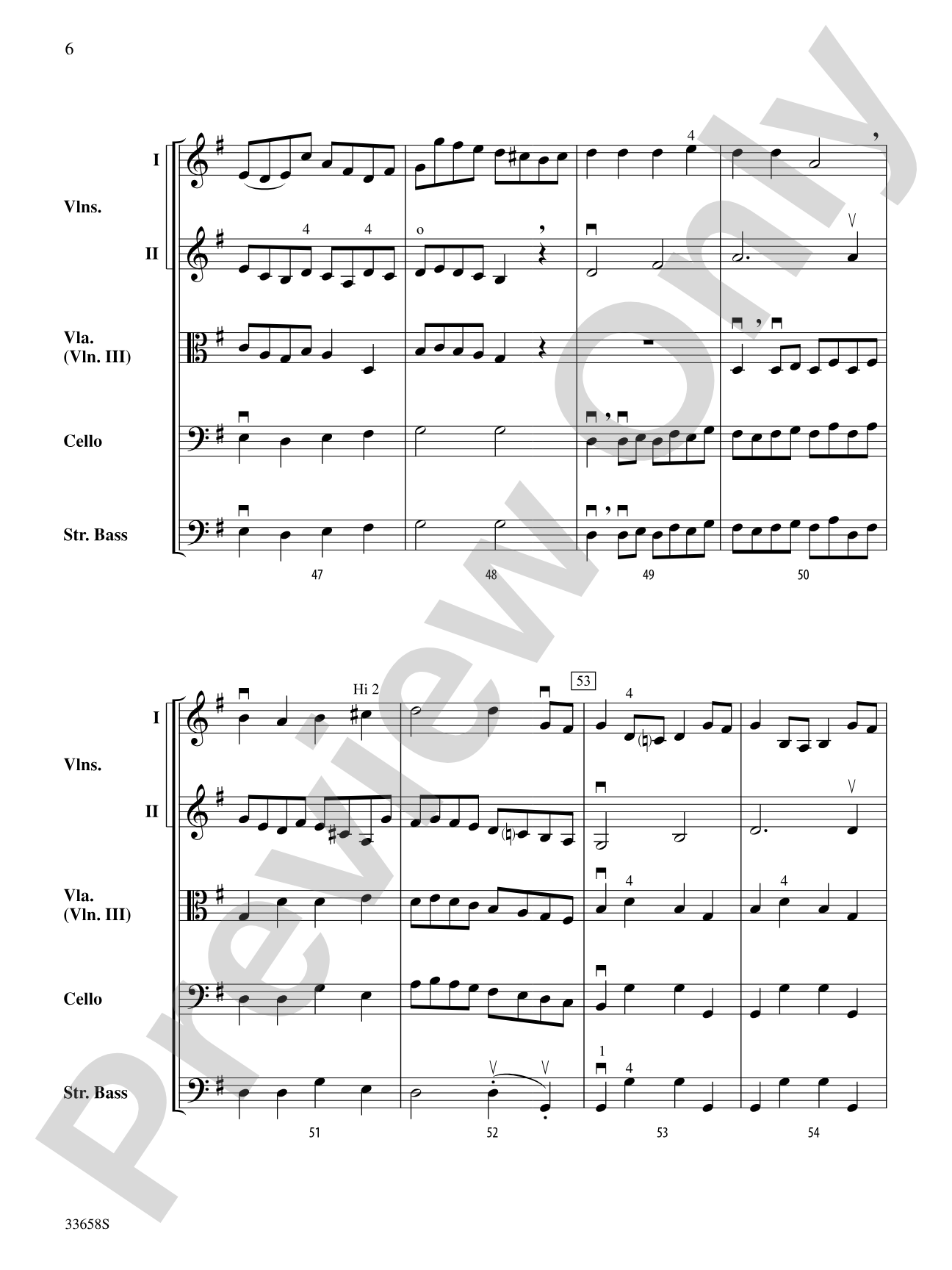
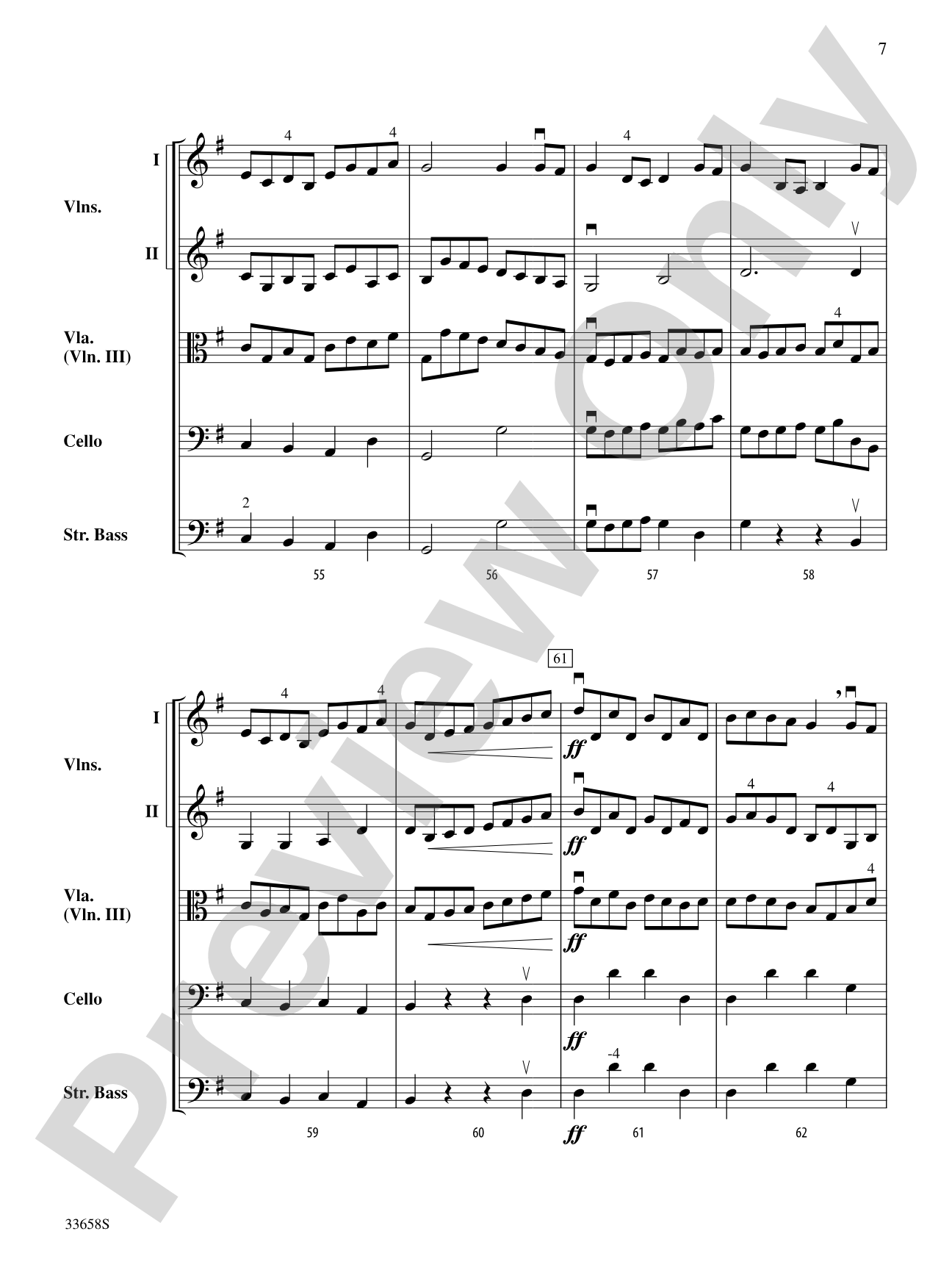
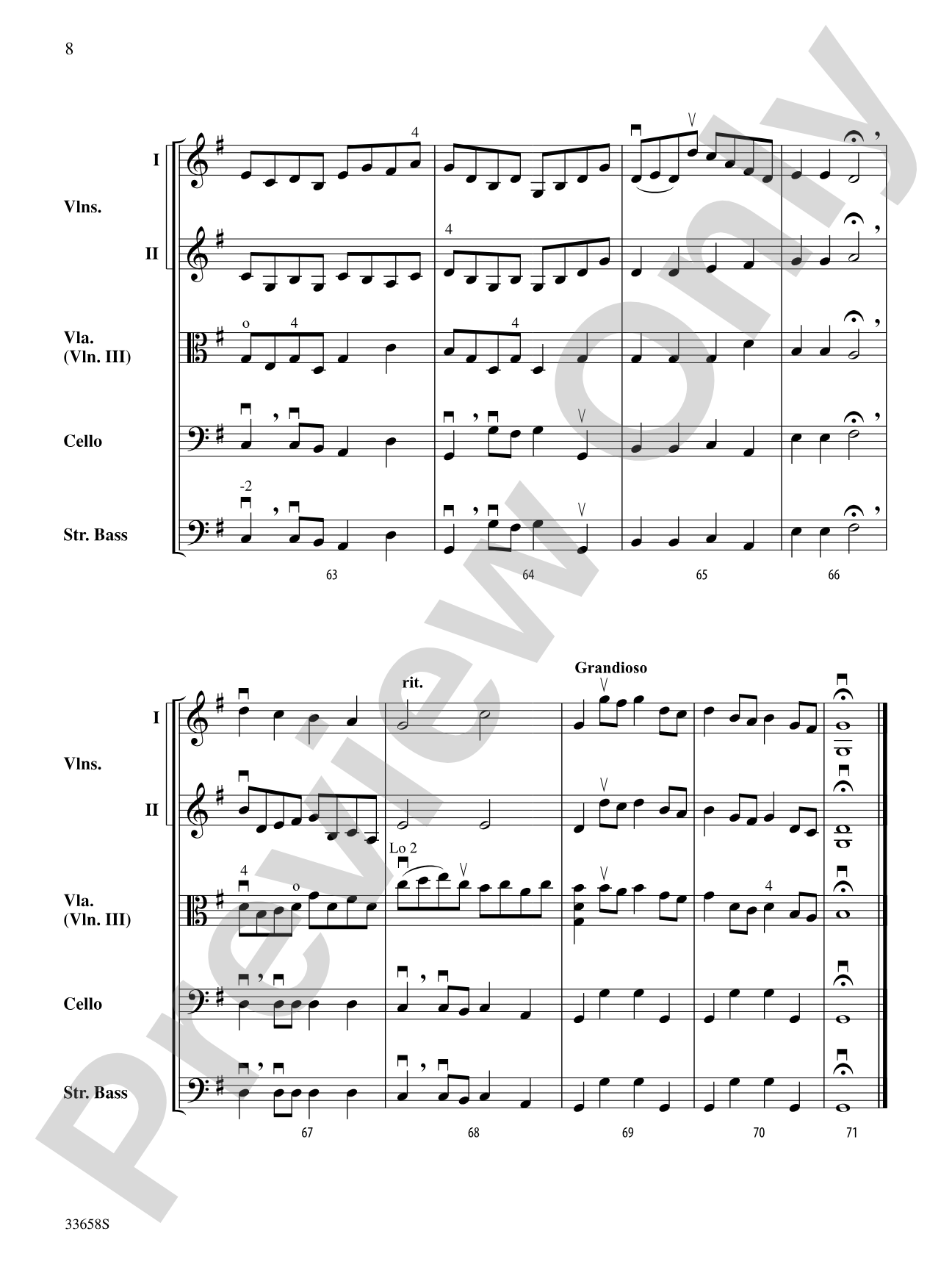

Good King Wenceslas: String Orchestra Conductor Score & Parts
Traditional / arr. Sandra Dackow
Grade: 2
Item: 00-PK-0004155

$46.00
Pickup currently not available
Buy Extra Parts (Digital PDF Download)
| Product | Price | Quantity |
|---|---|---|
| Good King Wenceslas: Score | $8.00 | |
| Good King Wenceslas: 1st Violin | $7.99 | |
| Good King Wenceslas: 2nd Violin | $7.99 | |
| Good King Wenceslas: 3rd Violin (Viola [TC]) | $7.99 | |
| Good King Wenceslas: Viola | $7.99 | |
| Good King Wenceslas: Cello | $7.99 | |
| Good King Wenceslas: String Bass | $7.99 | |
| Good King Wenceslas: Piano Accompaniment | $7.99 |
Parts Added to Cart!
Description
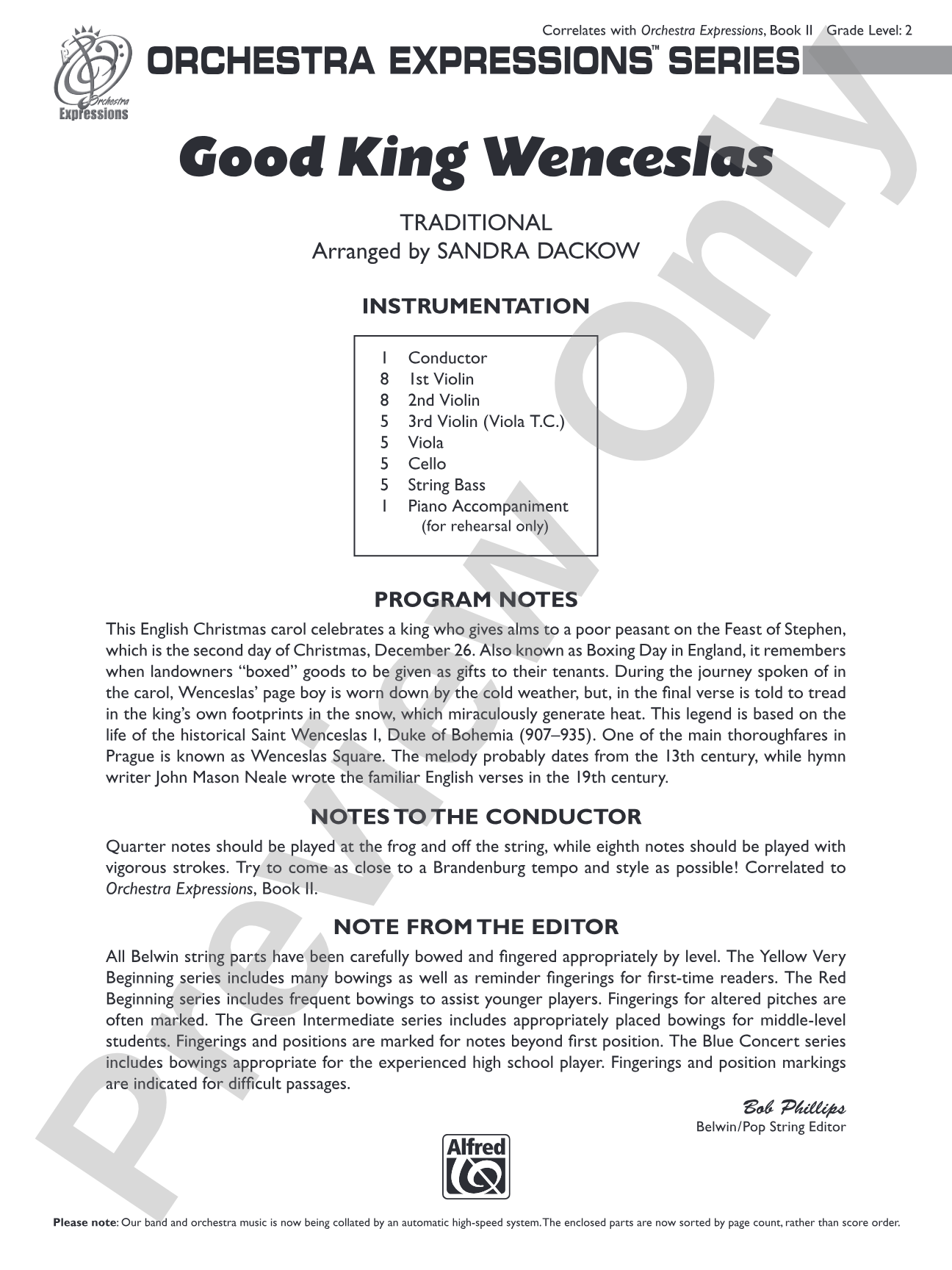
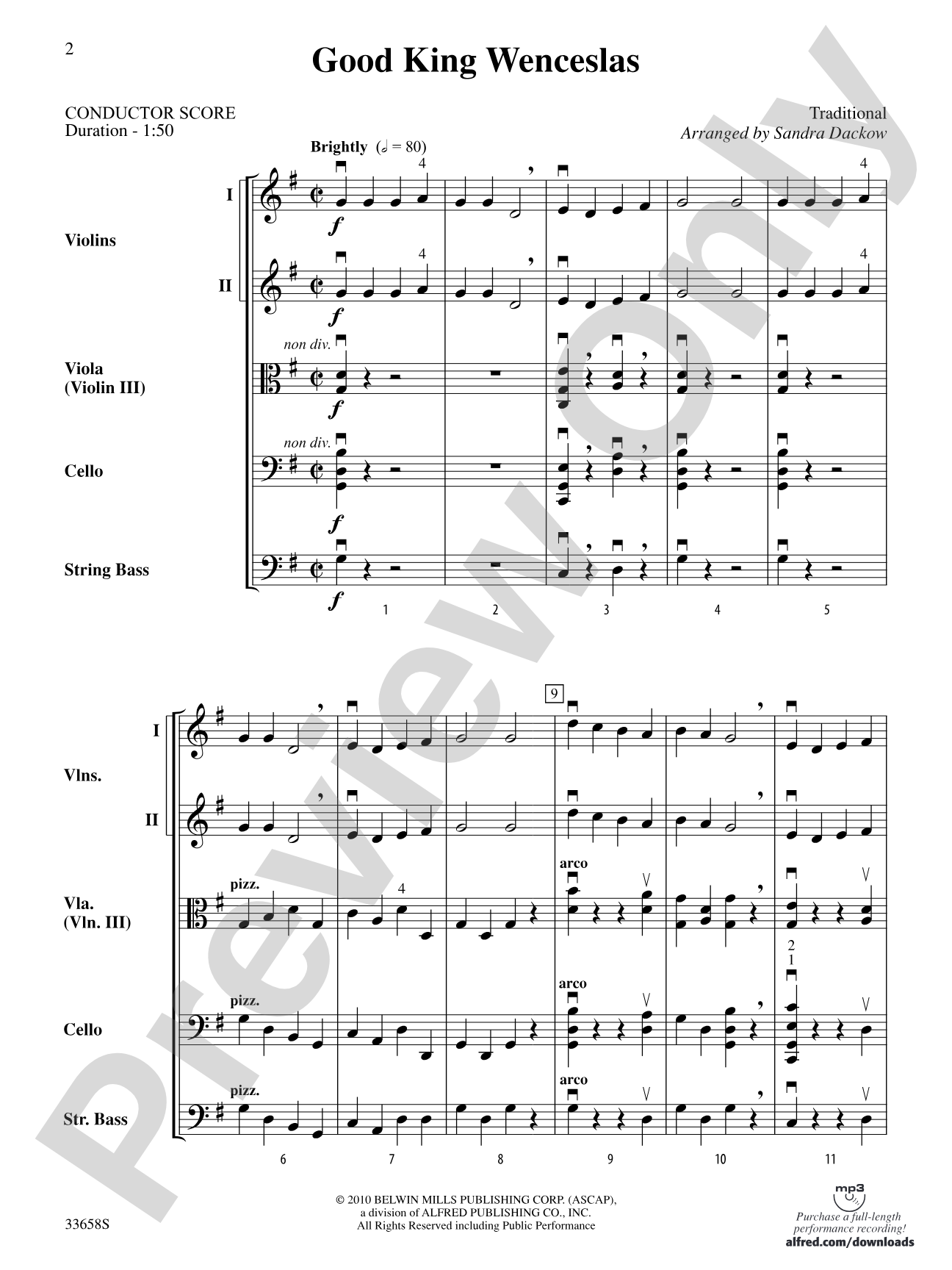
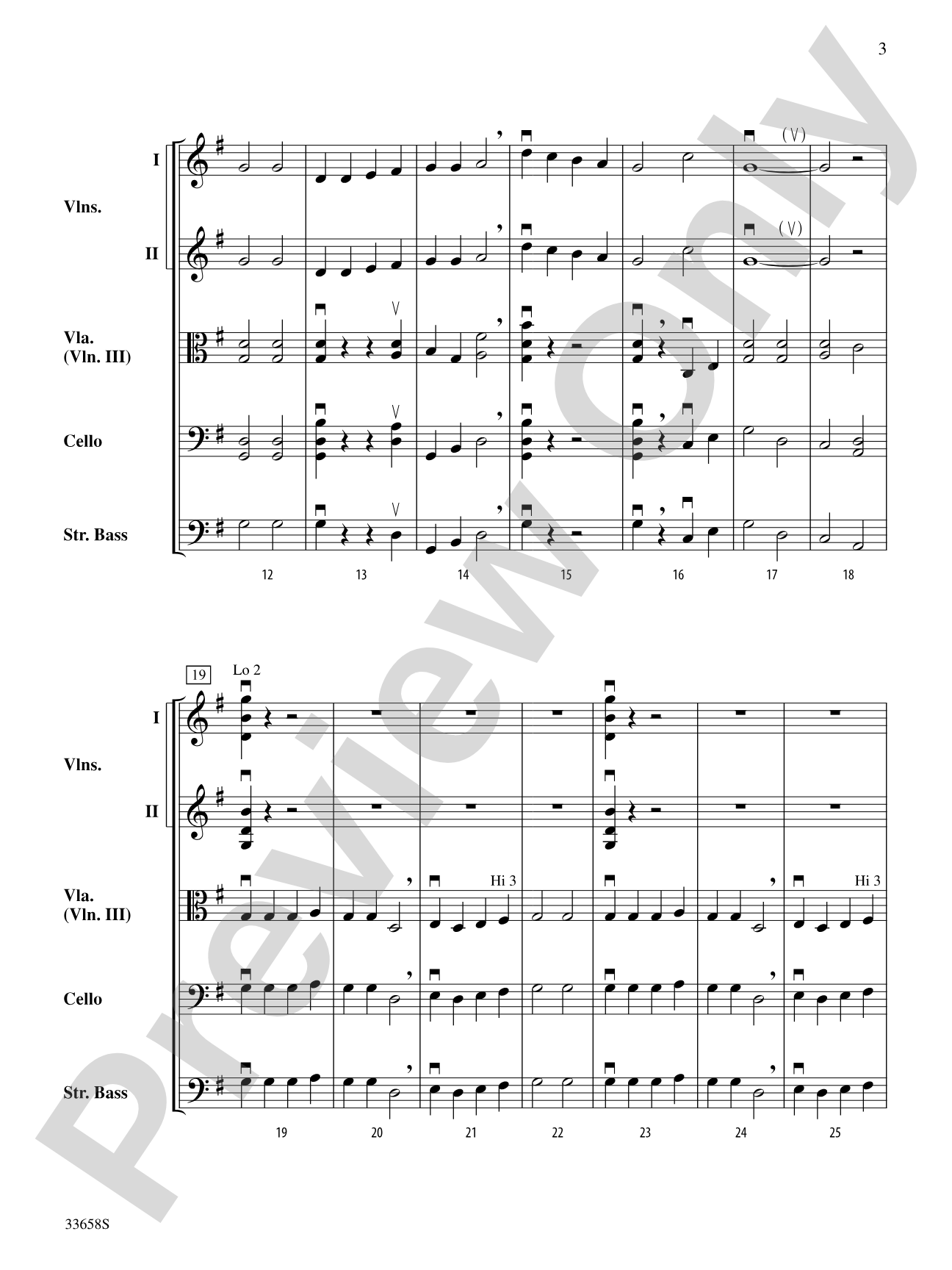
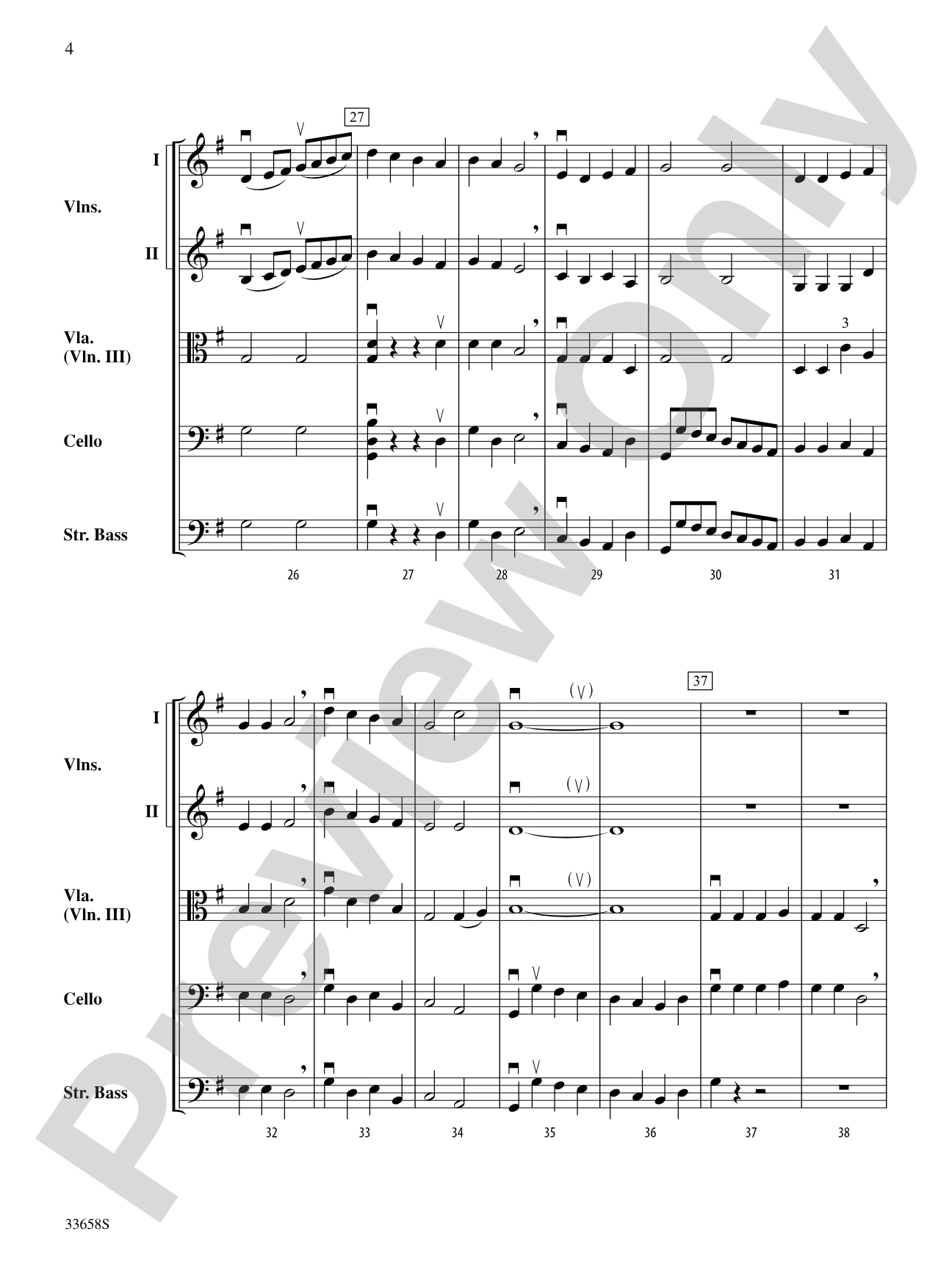
A lovely arrangement of the familiar Christmas carol that will delight all. Play it as close to a Brandenburg tempo and style as possible! Correlated to Orchestra Expressions, Book 2.


Don't just read it, hear it, play along with it, and watch your students grow with it. In MakeMusic Cloud, Good King Wenceslas: String Orchestra Conductor Score & Parts comes alive with professional accompaniment, adjustable tempo, and built-in practice tools that turn solo practice into real progress.
Open in the Player
Jump straight in and assign it today.
Start Your Free Trial
Open this title and explore the full library in minutes.
Sample Audio
1
Audio File
--:--
0:00
0:00
Sample Video
No sample videos found.
Additional Details
Series:
Orchestra Expressions
Publisher:
Alfred Music
Page Count:
76
SKU:
00-PK-0004155
More about this title
About the Arranger: Sandra Dackow
Sandra Dackow has established herself as a trusted arranger for young orchestras, with a keen ear for adapting familiar melodies into pedagogically sound yet musically satisfying arrangements. Her work within the Orchestra Expressions series demonstrates her commitment to meeting students at their level while maintaining artistic integrity and stylistic awareness.
Why we love this
Dackow captures the baroque sensibility of the carol without asking for technical virtuosity. Grade 2 orchestras rarely encounter arrangements that invite this kind of stylistic thinking, and the Brandenburg reference gives conductors a clear artistic target that students can hear and understand.
What to expect
The arrangement invites a sense of courtly elegance and gentle motion, like a procession witnessed from a distance. Familiar melodies emerge clearly against a web of supporting voices, creating texture without complexity.
Who it's for
Grade 2 string orchestras looking to program a recognizable holiday work that doesn't sacrifice musical integrity. Conductors seeking to teach baroque style and ornamentation through a piece students already know will find this arrangement particularly rewarding.
How to get the most out of it
- Shape the melodic lines with attention to phrase breathing; this arrangement rewards conductors who think of the carol as a sung melody rather than a mechanical tune.
- Maintain rhythmic clarity in the inner voices while allowing the top line to sing. Young string players often either drag or rush when they're not carrying the main theme.
- Consider the tempo as a brisk walking pace rather than a stately processional; the baroque character depends on forward motion and lightness.
How to use it
This works beautifully as an opening piece for a winter concert, setting a sophisticated tone before moving into other holiday selections. It also serves well as a bridge between autumn orchestra repertoire and holiday programming, since it correlates to Orchestra Expressions Book 2 and fits naturally into a school's sequential curriculum.
Skills your students will build
- Baroque phrasing and articulation style
- Inner voice independence while maintaining ensemble balance
- Reading and performing accompaniment figures with rhythmic precision
- Stylistic awareness through historical context (Brandenburg concerto model)