Gonna Be Aight Cover Image

Gonna Be Aight: Jazz Ensemble Conductor Score

$9.00 USD
Sale price  $9.00 USD Regular price 
Skip to product information
Gonna Be Aight Cover Image

Gonna Be Aight: Jazz Ensemble Conductor Score

By Drew Zaremba

Grade: 2.5

Item: 00-50463S

$9.00
Shipped

One moment…

Description
You, your band, and your tenor player will love this one! After a brief chorale intro, the funky reggae groove begins at 150 BPM. A written melody and some optional improv space for the tenor sax soloist. Nothing too complex or difficult in this effective chart. You'll be "Aight."

Gonna Be Aight: Jazz Ensemble Conductor Score isn't in MakeMusic Cloud just yet...but it could be. Let us know you'd like to see it, and you'll help shape what comes next. In the meantime, start a free trial and dive into thousands of interactive titles your students can play along with today.

Sample Pages

Sample Audio
0:00
0:00
Sample Video
Additional Details
Series: Belwin Young Jazz
Publisher: Alfred Music
Page Count: 16
ISBN10: 1-4706-8629-5
ISBN13: 978-1-4706-8629-1
UPC: 038081620220
SKU: 00-50463S

More about this title

About the Composer: Drew Zaremba
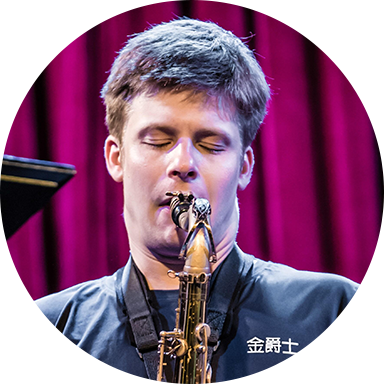
Drew Zaremba

Drew Zaremba has established himself as a conductor, composer, and arranger with commissions spanning orchestral ensembles, jazz orchestras, and chamber groups worldwide. He has written for the BBC Orchestra, Metropole Orkest, Dallas Symphony Orchestra, and soloists including Randy Brecker and Eddie Gomez. His work "Crossing Chinese Opera with Jazz," developed during a residency in Zhuhai, China, exemplifies his interest in cross-cultural musical dialogue.

Zaremba joined the University of Northern Colorado faculty in 2018, where he teaches jazz composition and arranging. His original compositions have been recorded by the University of North Texas Lab Bands and recognized with major awards, including the Sammy Nestico Award in 2018 and the Sherman/Barsanti Inspiration Award. He has published through Sierra Music and UNC Jazz Press and received a follow-up commission with the Airmen of Note.

Why we love this

Zaremba writes charts that work. The funky reggae groove sits at a comfortable tempo, the chorale framing gives your ensemble an immediate textural moment, and the optional tenor solo space lets your strongest player shine without demanding extended technical fireworks. This is exactly the kind of Grade 2.5 piece that sounds more sophisticated than it plays.

What to expect

The piece opens with quiet, ensemble restraint, then breaks into a relaxed, syncopated groove with reggae DNA. The overall vibe is confident and unpretentious, with a kind of musical ease that makes everyone in the room feel like they're part of something that swings.

Who it's for

Directors building a contemporary jazz repertoire that balances accessibility with style. Your tenor player gets a real solo opportunity without drowning in changes, and students at the Grade 2.5 level can execute the rhythmic and harmonic content successfully.

How to get the most out of it

  • Lock the groove early in rehearsal by isolating the rhythm section at 150 BPM; once the pocket is solid, the ensemble will settle in naturally.
  • Let the tenor soloist know the improv space is optional but encouraged; frame it as "your chance to set the tone," not as a technical gauntlet.
  • Shape the chorale intro with deliberate breath and space; the contrast makes the funk section hit harder when it arrives.
  • Bring out the written melody clearly during the A section so the band hears the song's backbone before any improvisation begins.

How to use it

Program this as a second-set opener at a concert or festival. The reggae-funk energy and uptempo groove provide a natural transition from ballads or classical pieces, and the accessible difficulty means you can rotate this into regular rehearsal rotation without derailing focus on more complex works.

Skills your students will build

  • Funky rhythmic subdivision and pocket playing at 150 BPM
  • Reading and executing reggae-inflected jazz phrasing
  • Ensemble entrances and section balance in a contemporary groove context
  • Listening to and supporting a tenor soloist's improvisation

You May Also Like