



Golden Harvest: String Orchestra Conductor Score & Parts
By Edmund J. Siennicki
Grade: 2
Item: 00-PK-0001082

$42.00
Pickup currently not available
Buy Extra Parts (Digital PDF Download)
| Product | Price | Quantity |
|---|---|---|
| Golden Harvest: Score | $6.00 | |
| Golden Harvest: 1st Violin | $7.99 | |
| Golden Harvest: 2nd Violin | $7.99 | |
| Golden Harvest: Viola | $7.99 | |
| Golden Harvest: 3rd Violin (Viola [TC]) | $7.99 | |
| Golden Harvest: Cello | $7.99 | |
| Golden Harvest: String Bass | $7.99 | |
| Golden Harvest: Piano Accompaniment | $7.99 |
Parts Added to Cart!
Description
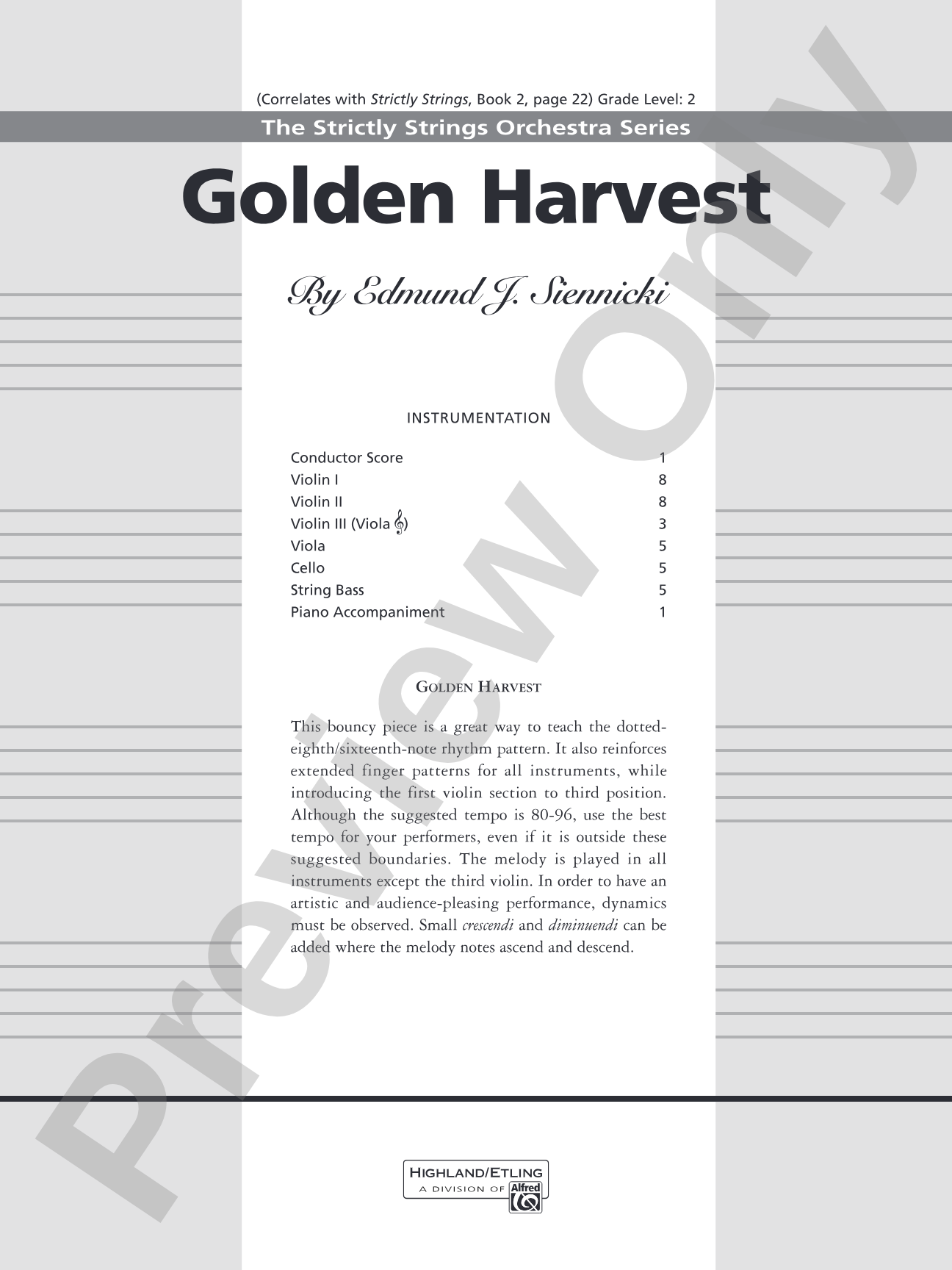
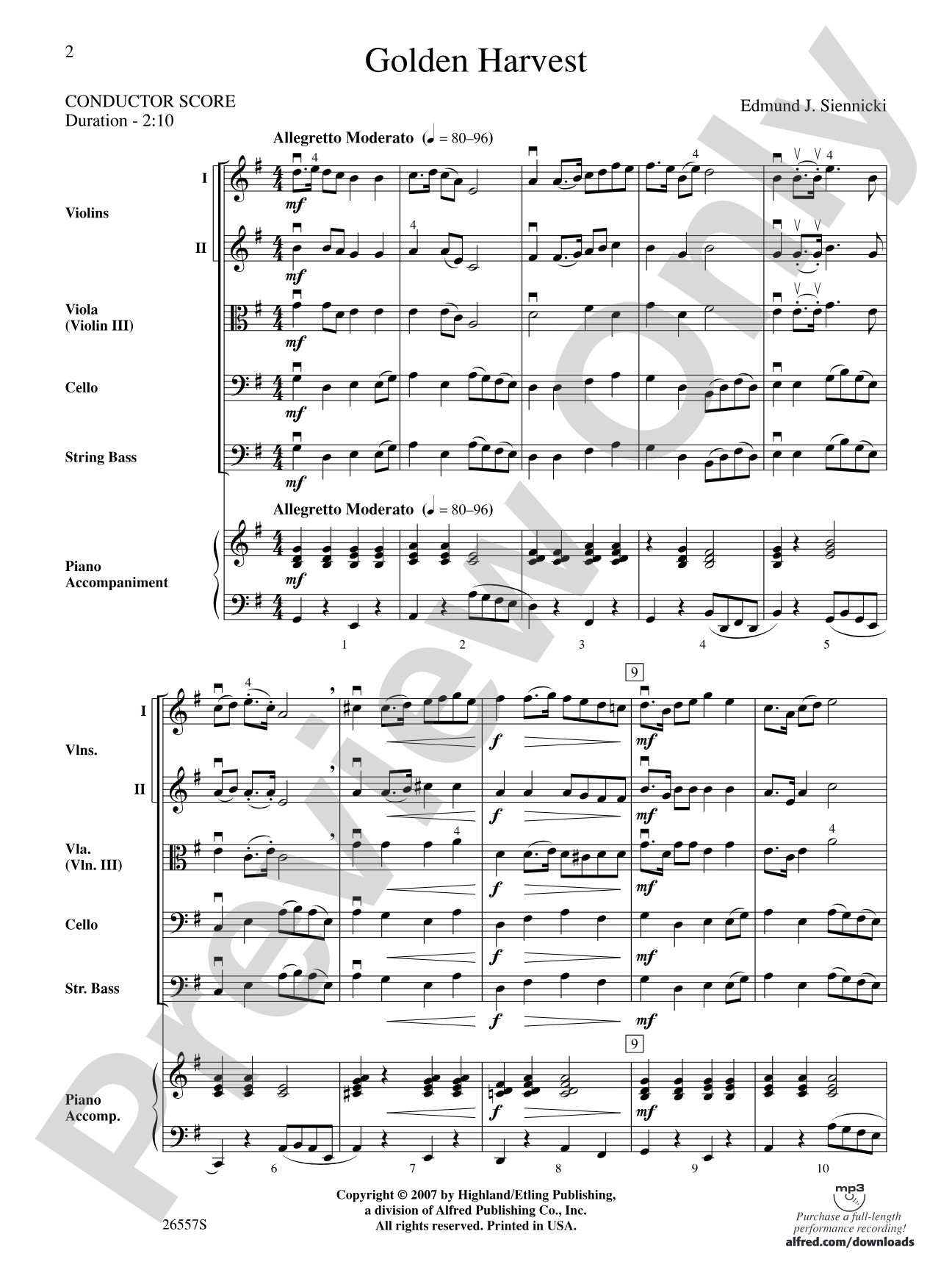
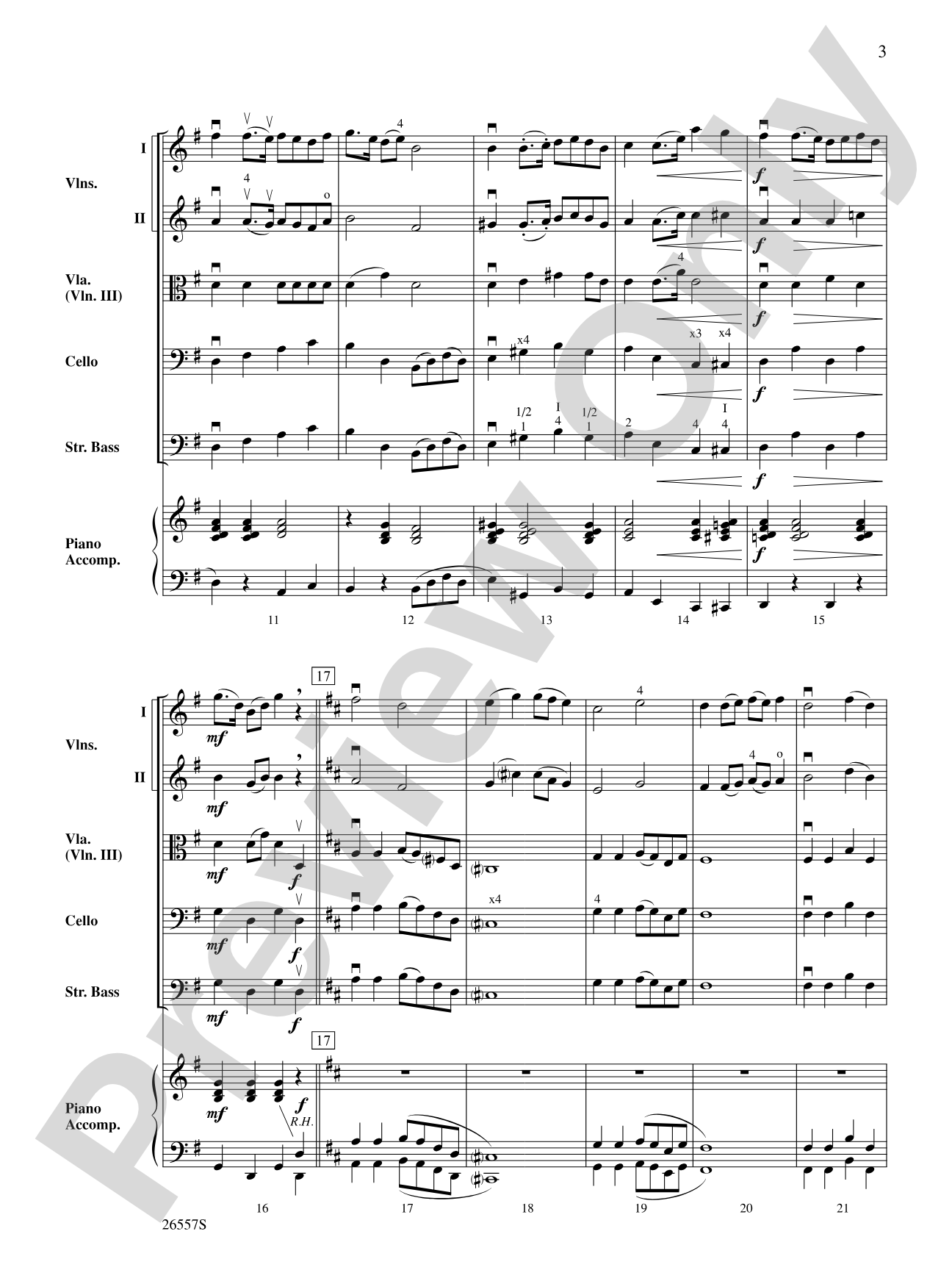
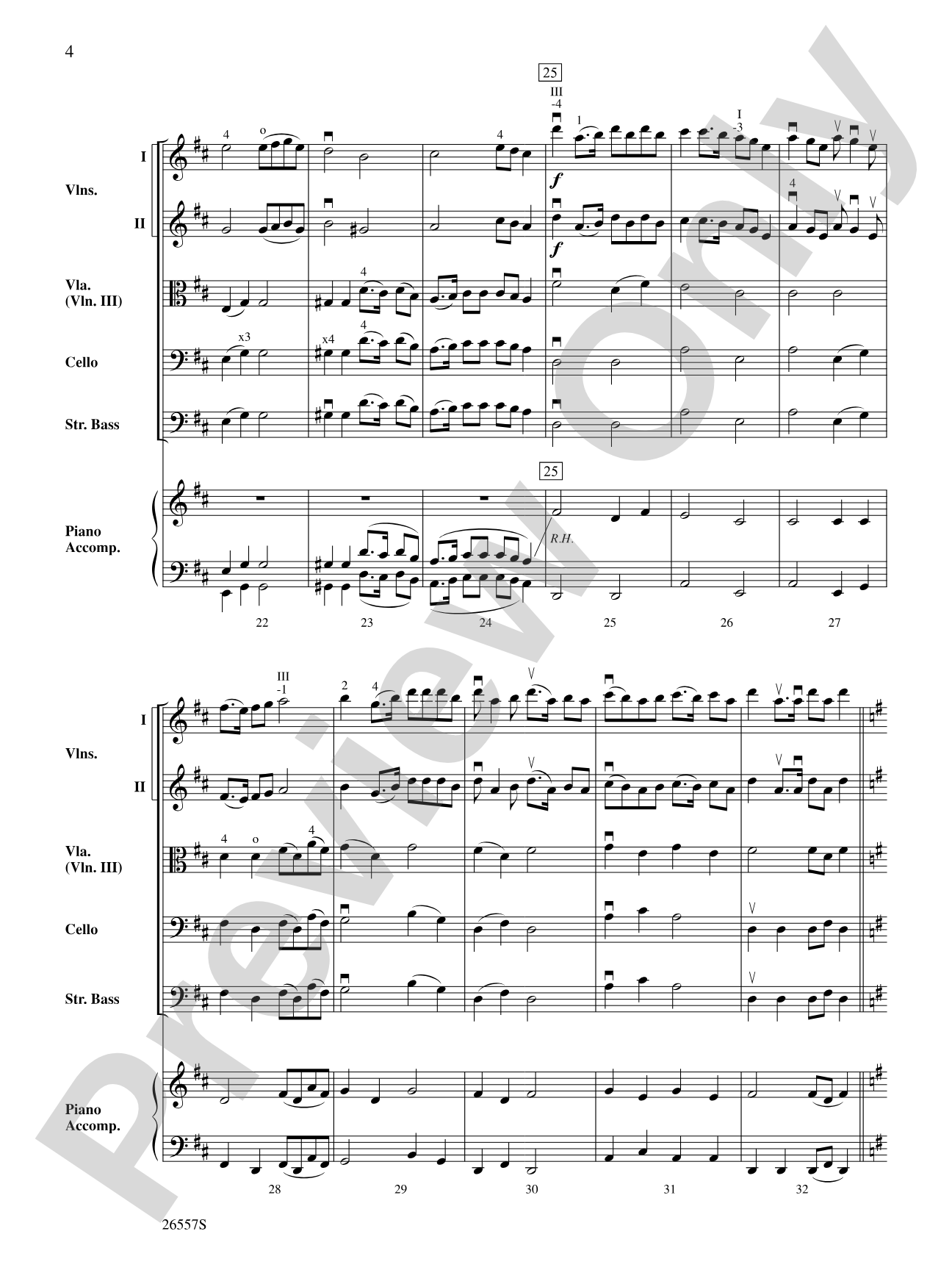
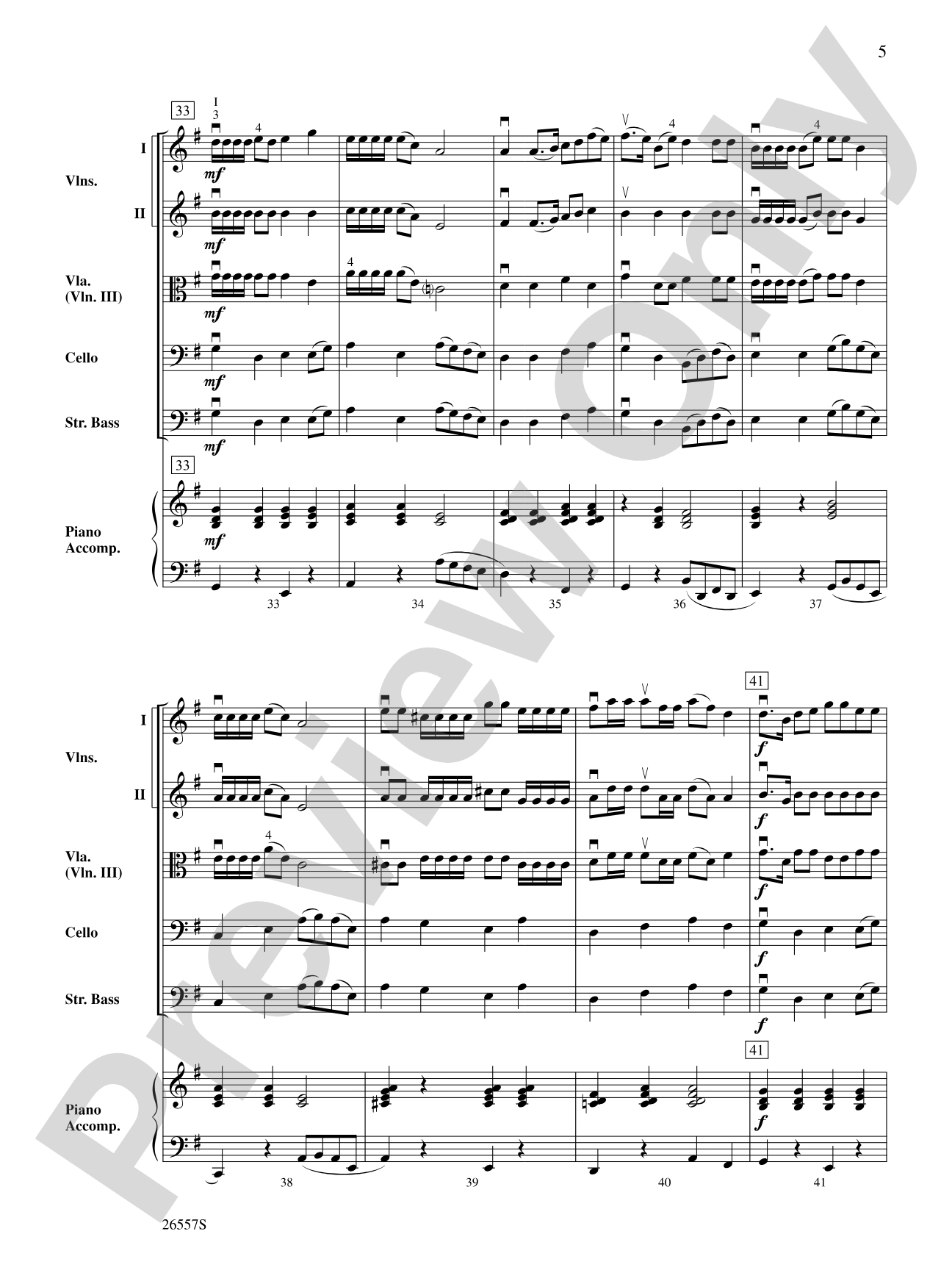
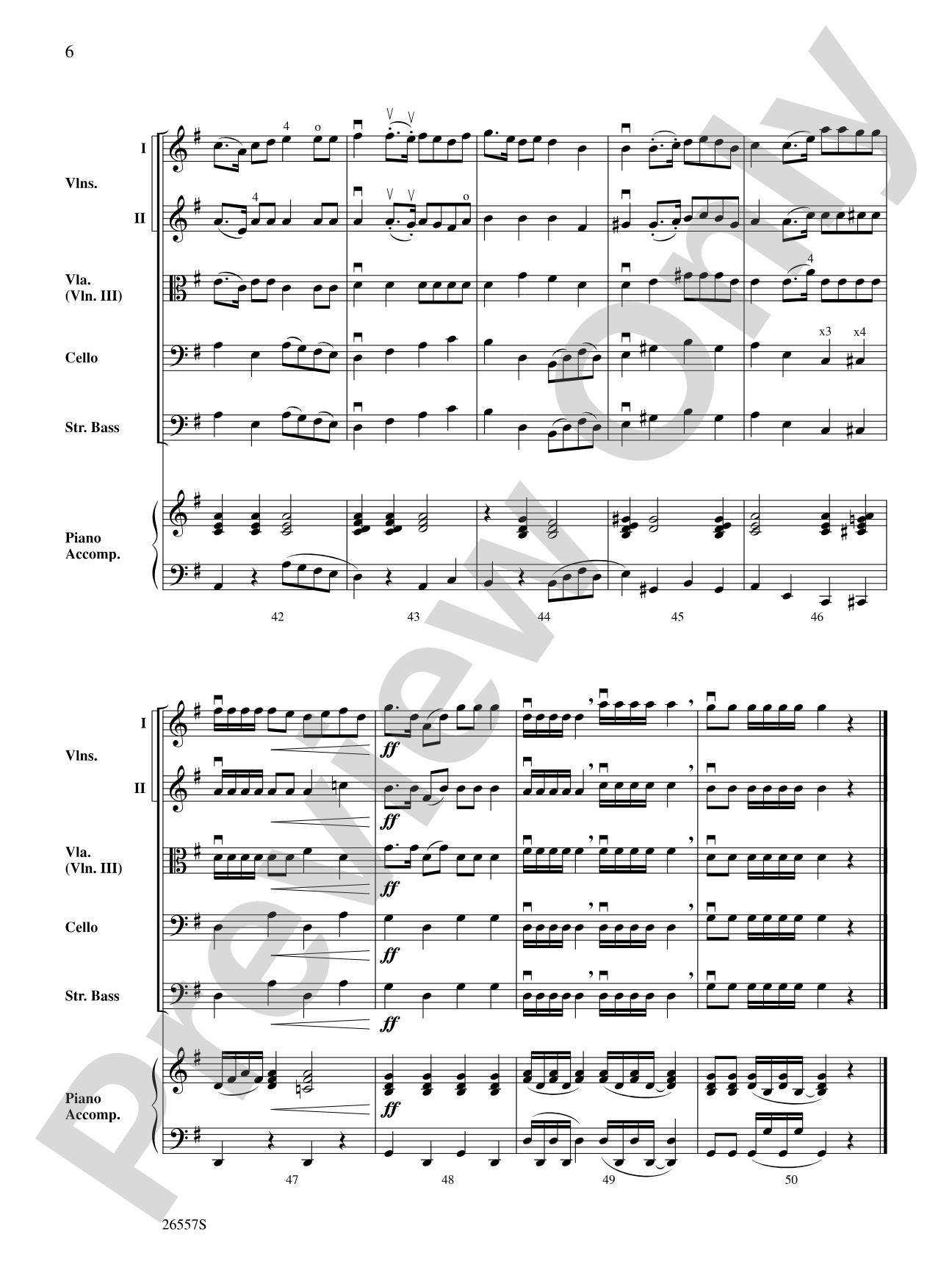
Teaching opportunities abound in this bouncy piece! The first violin part explores third position and all instruments have extended finger patterns. The use of dynamics is important, however, the piece is eminently playable by a young orchestra. Correlates with Stricktly Strings Book 2, page 22. This title is available in MakeMusic Cloud.


Don't just read it, hear it, play along with it, and watch your students grow with it. In MakeMusic Cloud, Golden Harvest: String Orchestra Conductor Score & Parts comes alive with professional accompaniment, adjustable tempo, and built-in practice tools that turn solo practice into real progress.
Open in the Player
Jump straight in and assign it today.
Start Your Free Trial
Open this title and explore the full library in minutes.
Sample Audio
1
Audio File
--:--
0:00
0:00
Sample Video
No sample videos found.
Additional Details
Series:
Highland/Etling Strictly Strings
Publisher:
Alfred Music
Page Count:
36
SKU:
00-PK-0001082
More about this title
About the Composer: Edmund J. Siennicki
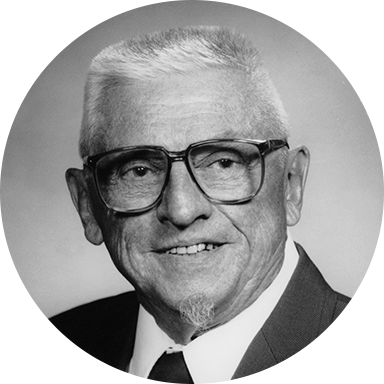
Edmund J. Siennicki's path as a composer began with a formative conversation at age 12 with Ignacy Jan Paderewski, an encounter that shaped his musical direction for decades to come. A Cleveland native educated at Kent State University and Teachers College, Columbia University, he studied composition with Herbert Elwell and electronic music with Sergio Barroso, while consulting with Vincent Persichetti on his developing craft.
As a performer, Siennicki played bassoon and piano throughout his professional life. His teaching career centered in Cleveland's junior high schools, though he also served on the faculty at Michigan and Kent State University. His compositional output spans roughly 200 published works, with multiple prizes from National School Orchestra composition contests and residencies at the MacDowell Colony. He has been recognized by ASCAP for two decades of consistent contributions to the field and continues to compose, visit schools, and lead clinics.
Why we love this
Siennicki understands what young orchestras can accomplish and what they need to work toward. Golden Harvest offers genuine musical substance without expecting more than Grade 2 players can deliver, making it ideal for building confidence alongside technical growth. The piece rewards careful dynamic shaping and intonation work while the extended finger patterns keep every section engaged.
What to expect
Golden Harvest bounces with the energy of its title, sunny and uplifting without sentimentality. The piece moves with purpose, inviting players to feel the momentum while attending to the subtle shifts in color that dynamics bring.
Who it's for
String orchestras at the Grade 2 level who are ready to tackle more involved technical demands and want to experience how dynamic contrast shapes musical expression. This piece suits programs looking for accessible concert or contest repertoire that doesn't compromise on musicianship.
How to get the most out of it
- Balance the third position passages in first violin against the ensemble so they emerge clearly without overwhelming the section; this solo writing deserves attention but works best when supported by solid background voicing.
- Shape the dynamics with intention throughout. Young players often miss how much character a piece gains when crescendos and diminuendos are executed gradually and deliberately rather than stepped.
- Drill the extended finger patterns in context during sectionals so players build muscle memory. Work through the transitions slowly, then gradually increase tempo once the patterns feel secure.
How to use it
Pair this with Grade 2 pieces of different character to create a balanced concert program that showcases variety while keeping difficulty consistent. It aligns with Strictly Strings Book 2 curriculum, making it an excellent choice when your ensemble has reached that level and is ready for supplemental concert material.
Skills your students will build
- Third position facility and shifting on violin
- Extended finger patterns across all string instruments
- Dynamic control and shaping (crescendo and diminuendo execution)
- Intonation awareness in more complex passages
- Balance and blend with soloistic writing in the ensemble