
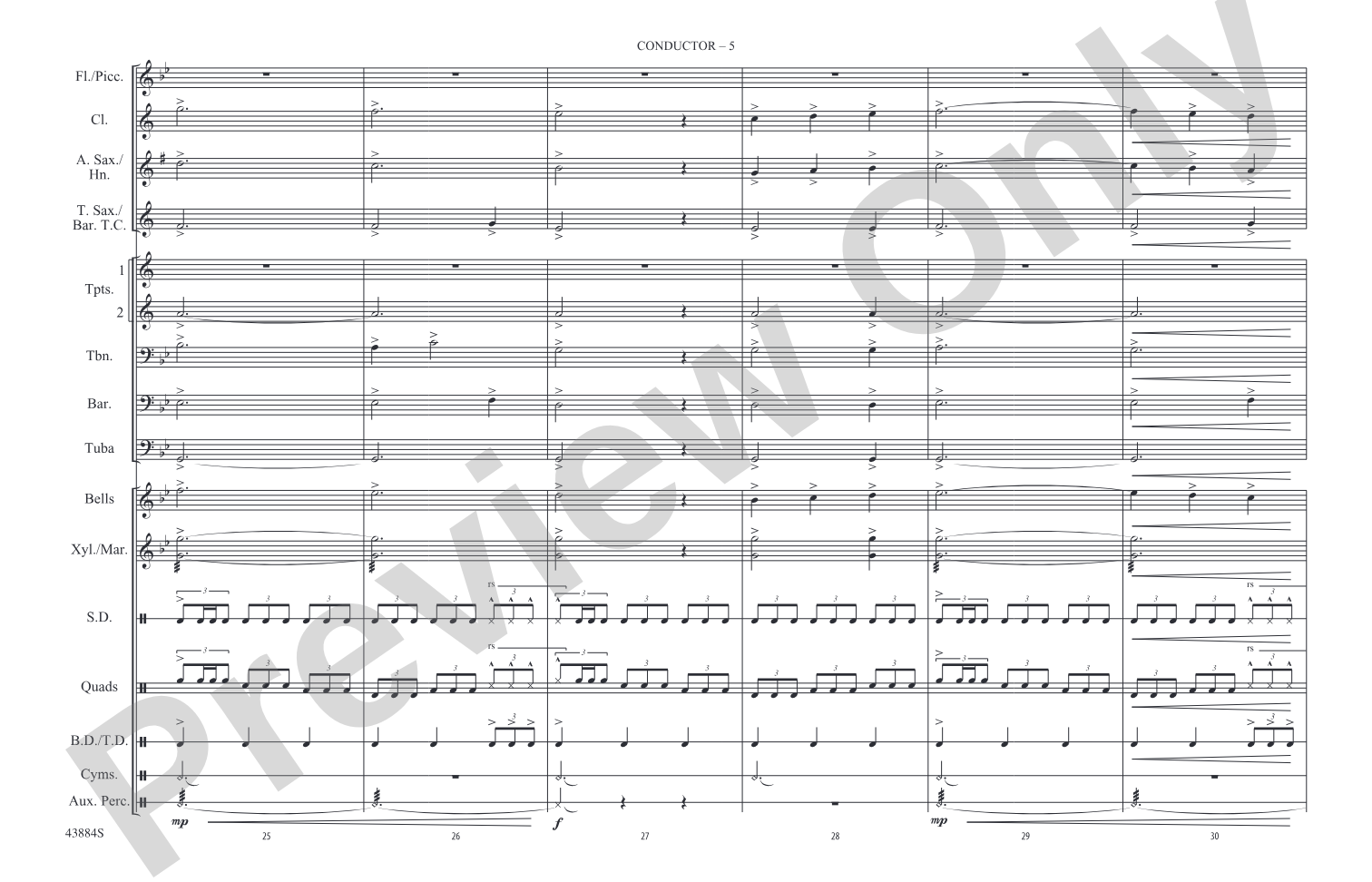
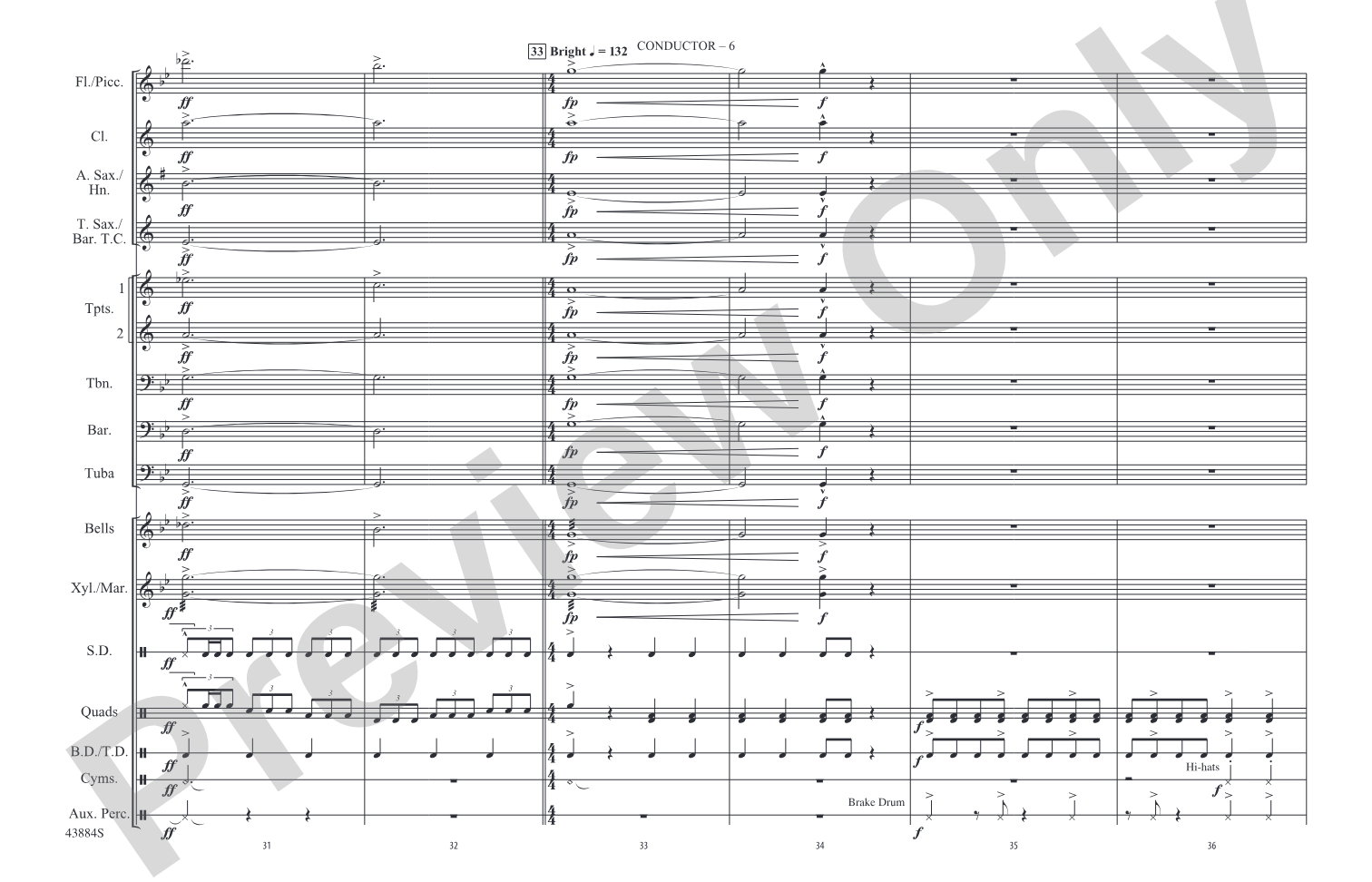
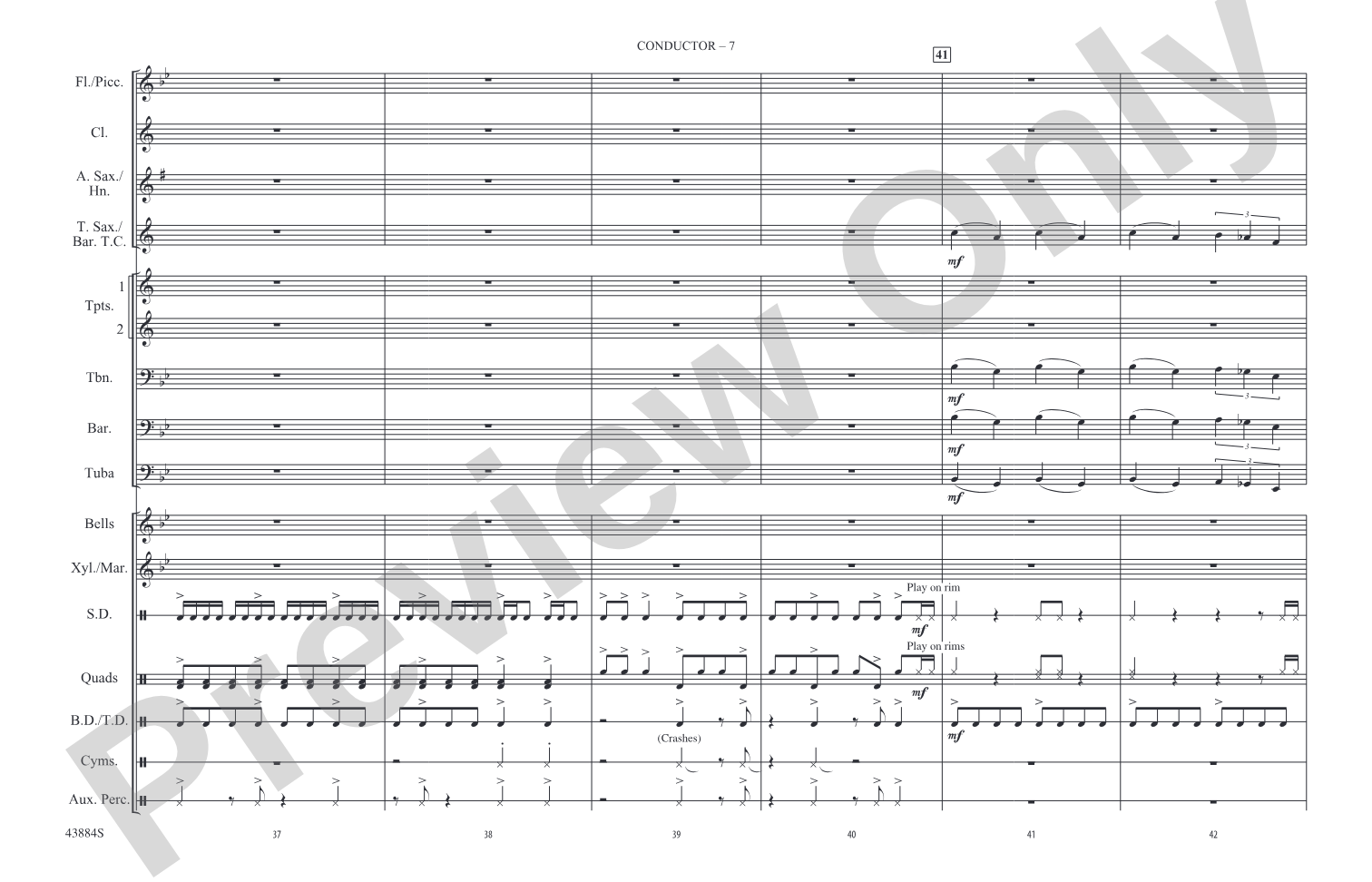
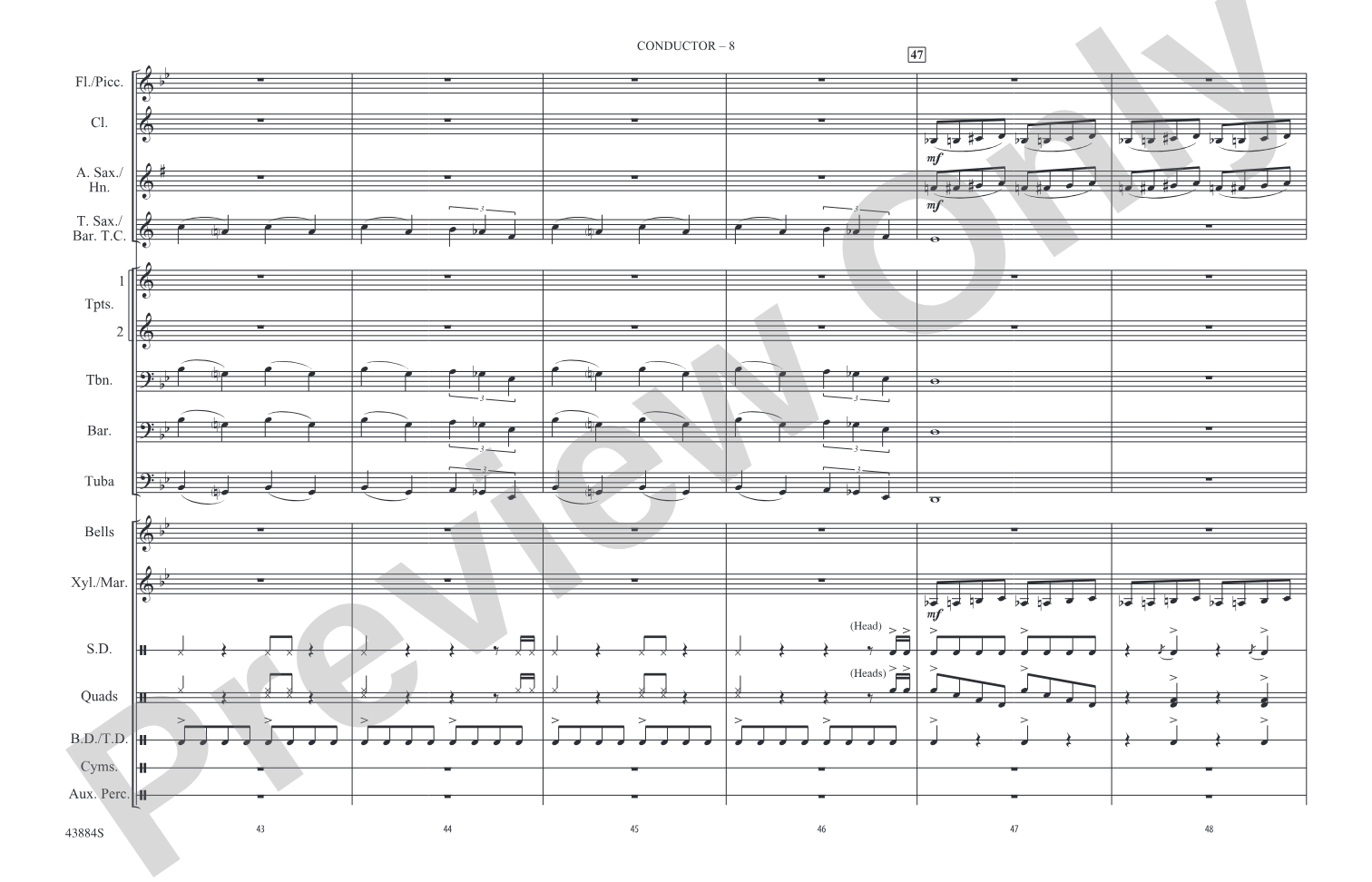

Godzilla, Part 2: Marching Band Conductor Score & Parts
Featuring: The Power Plant / Missing Spore / To Q Zone
Composed by Alexandre Desplat / arr. Mike Story
Grade: 2 (Easy)
Item: 00-PK-0006721

$60.00
Pickup currently not available
Buy Extra Parts (Digital PDF Download)
Parts Added to Cart!
Related Items
Godzilla, Part 2: Marching Band Conductor Score |
$7.00
|
View |
Description
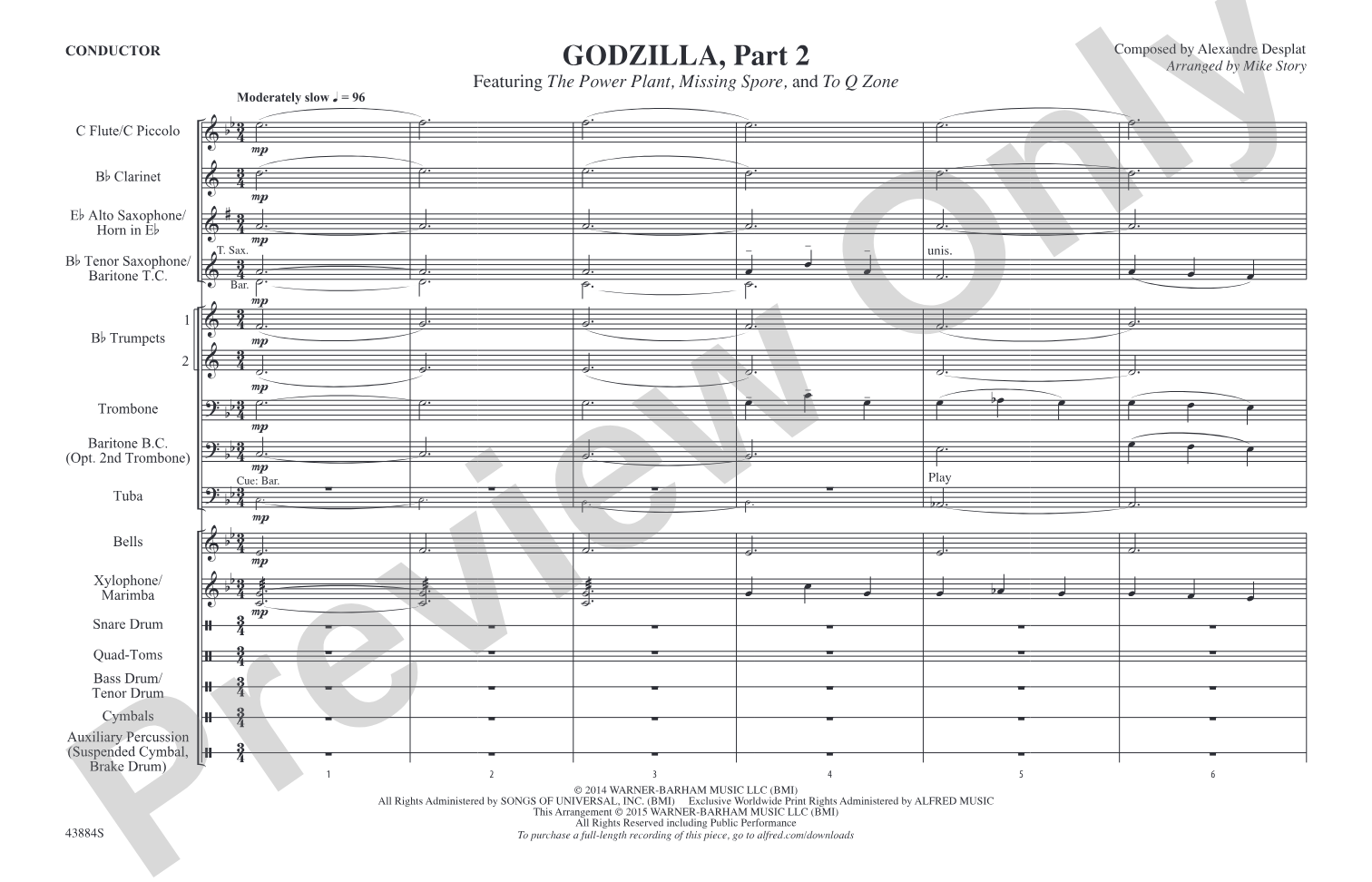
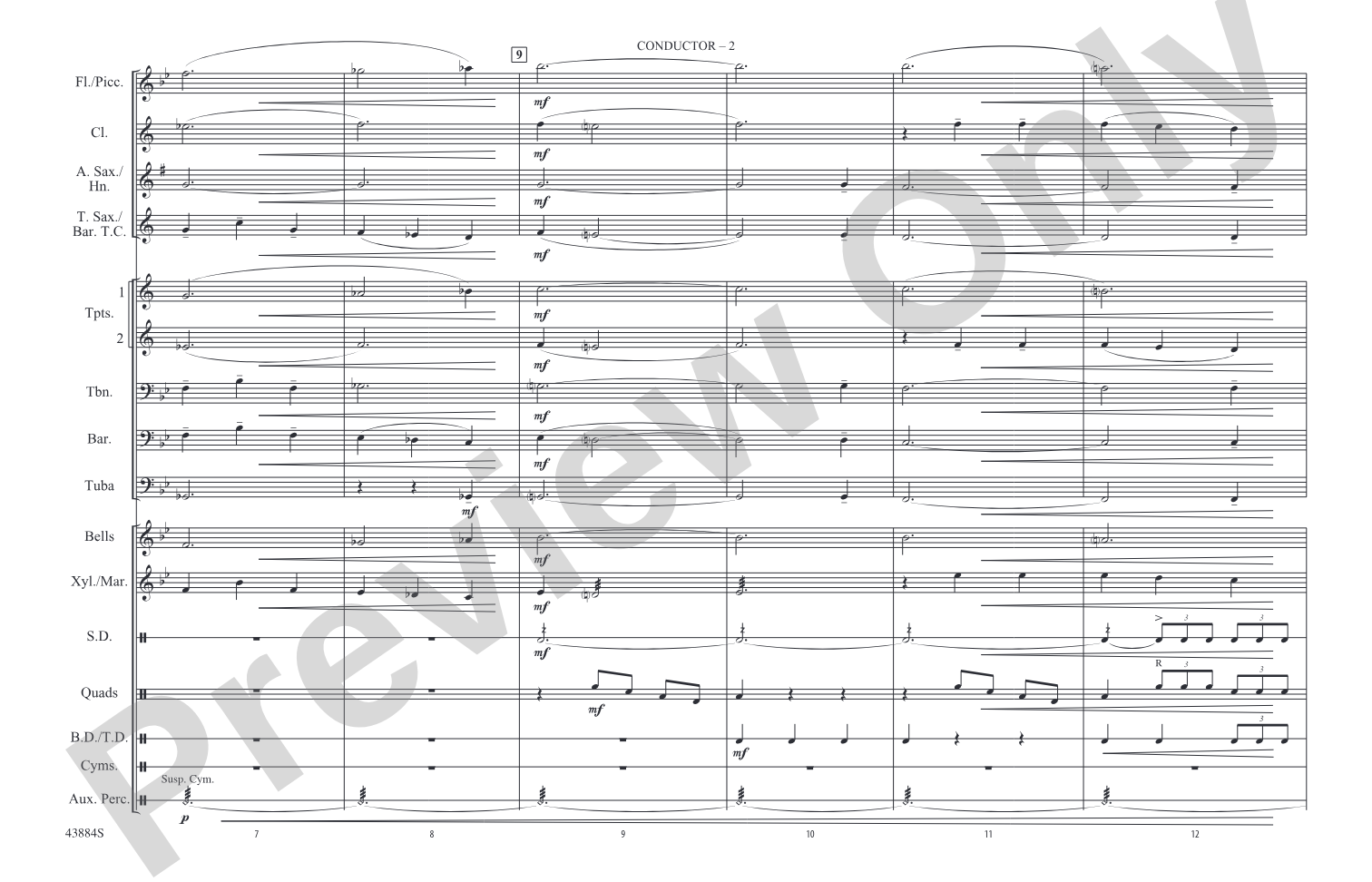
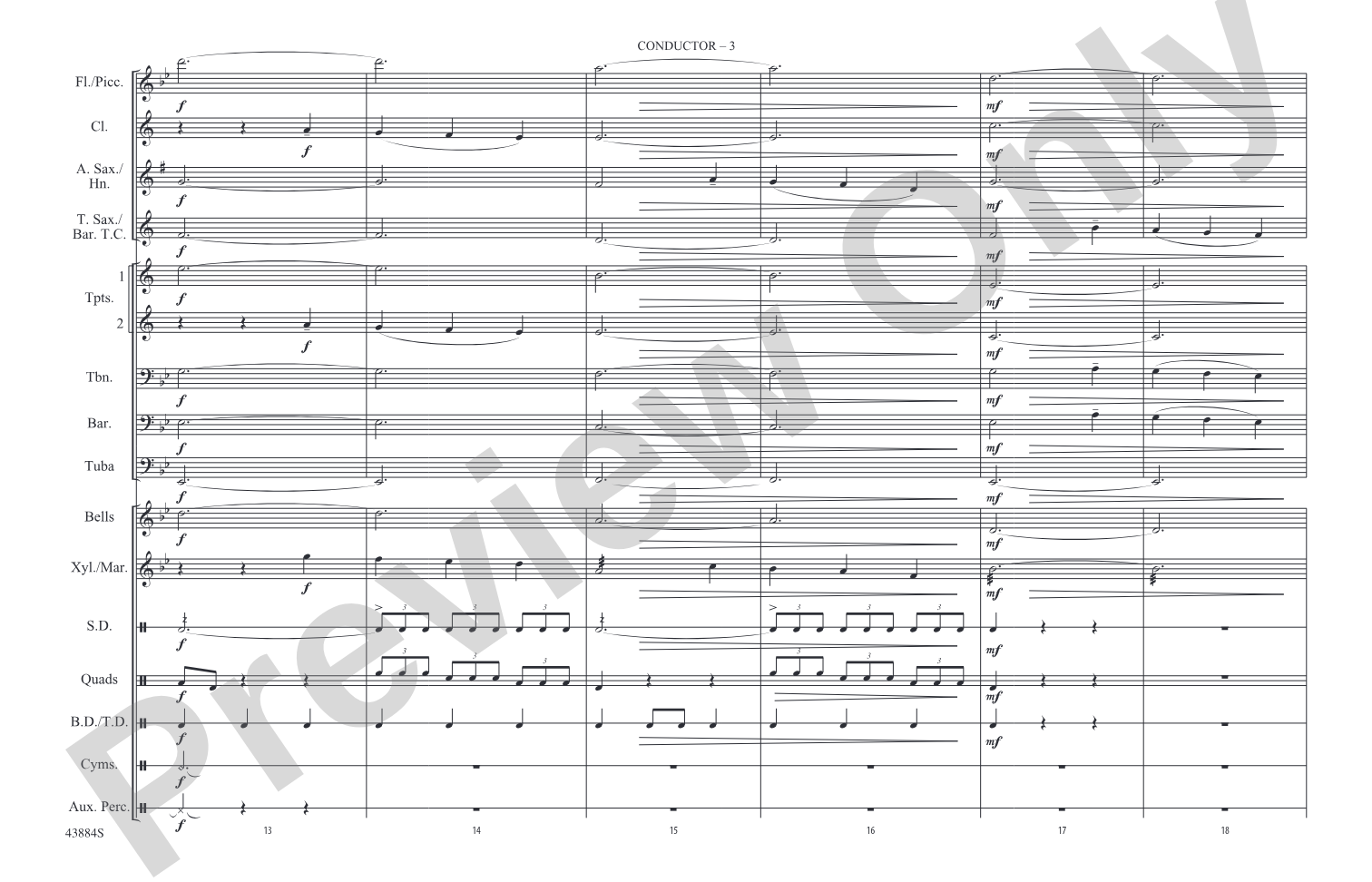
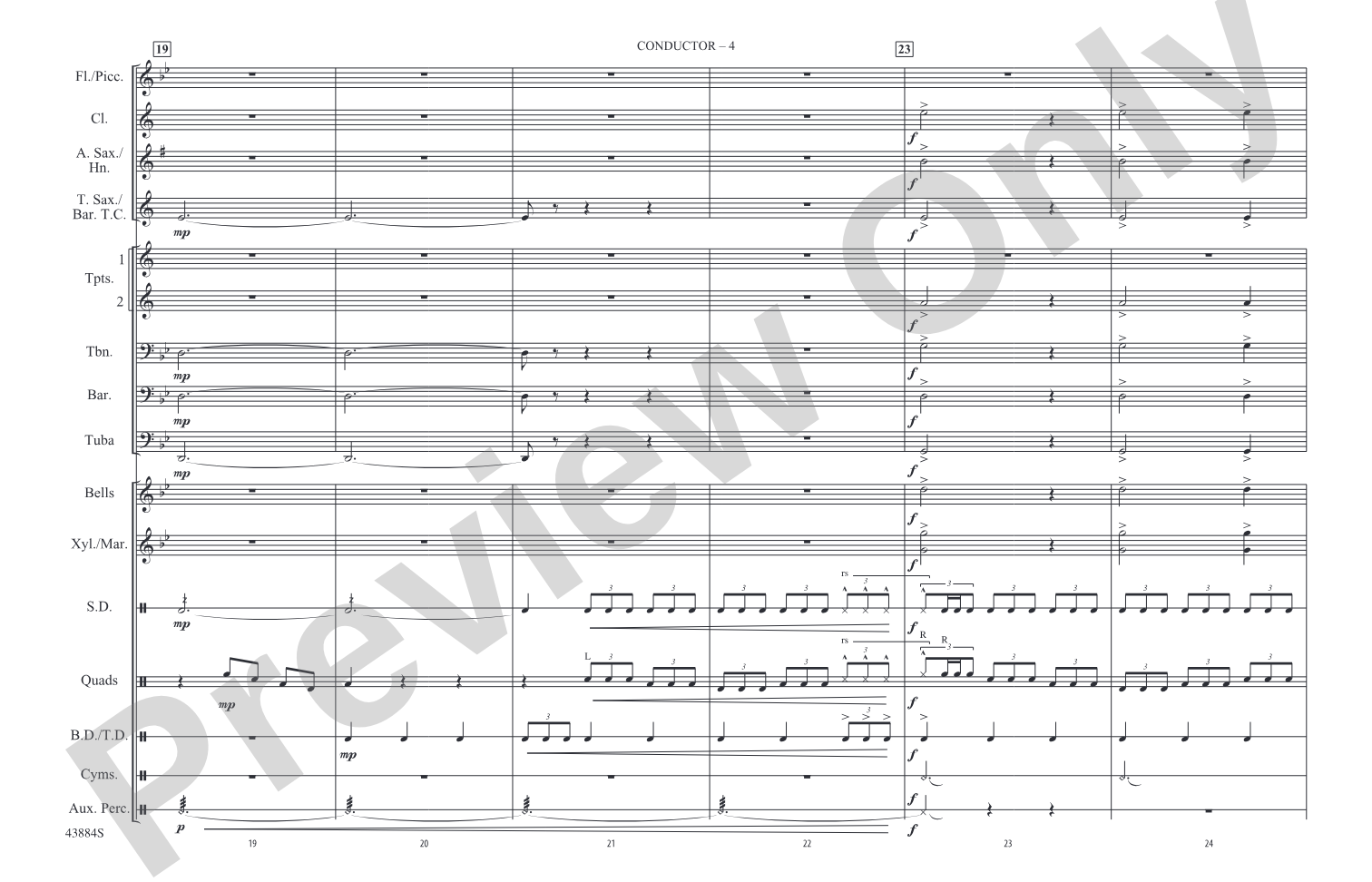
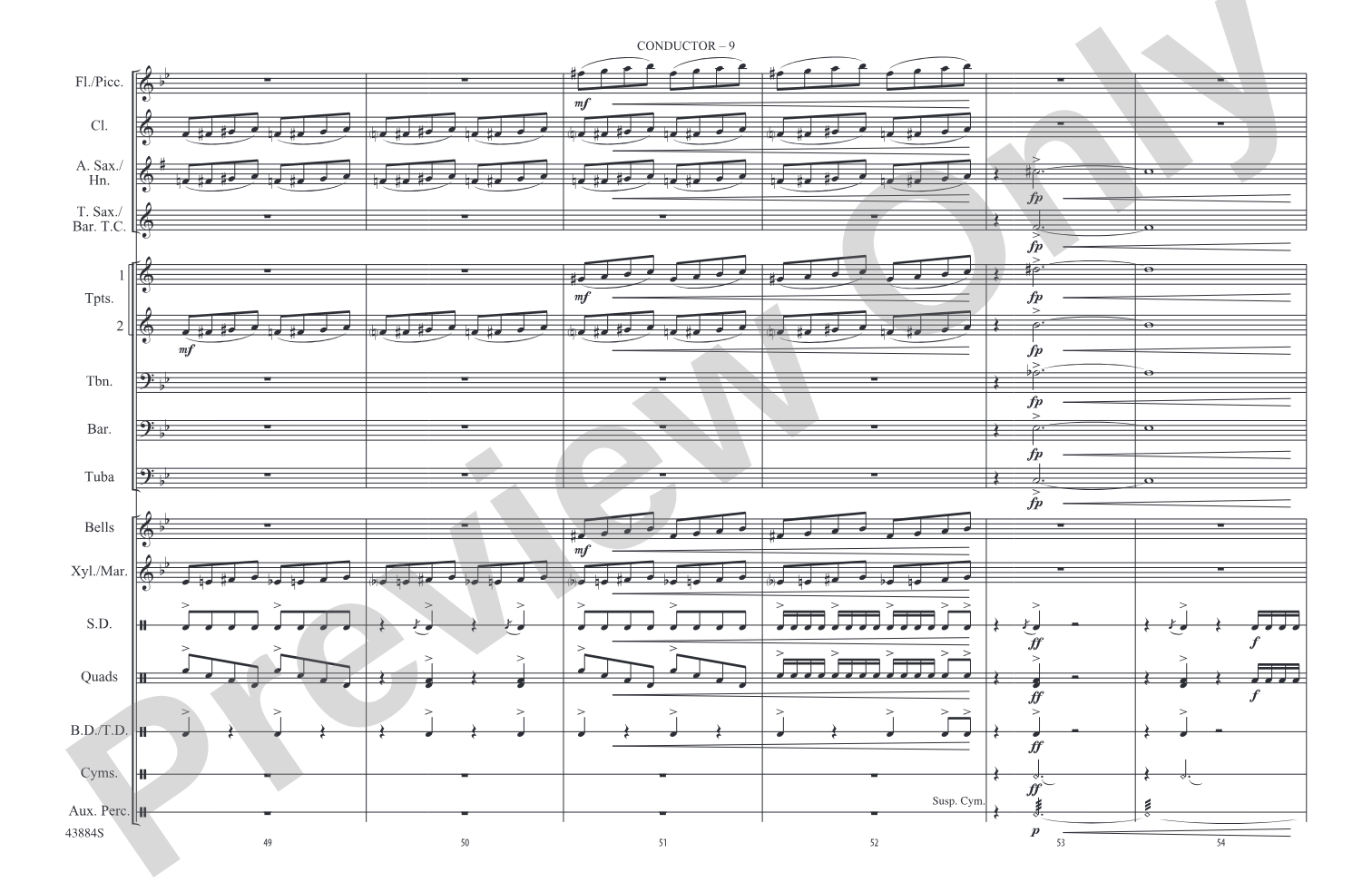
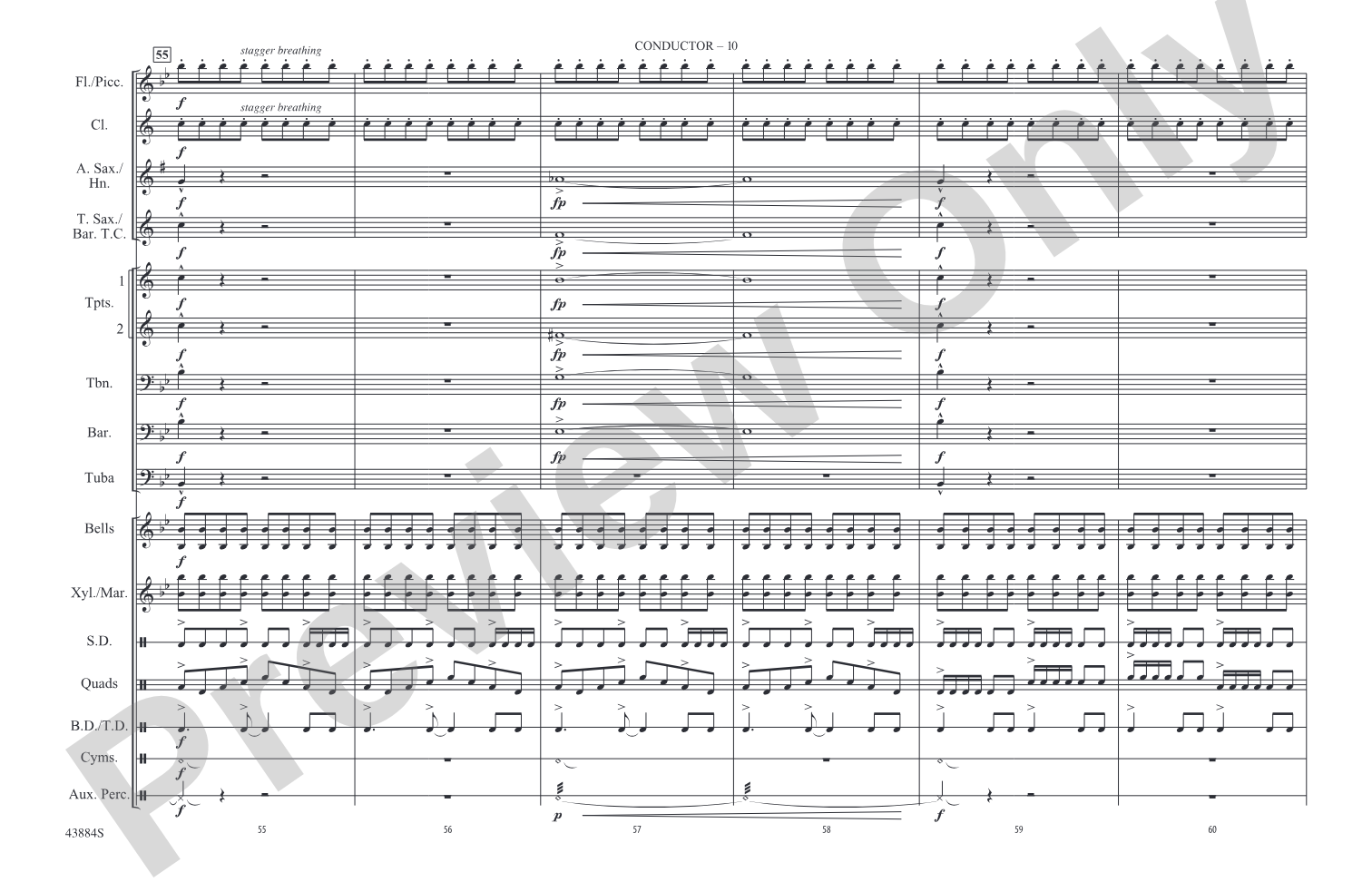
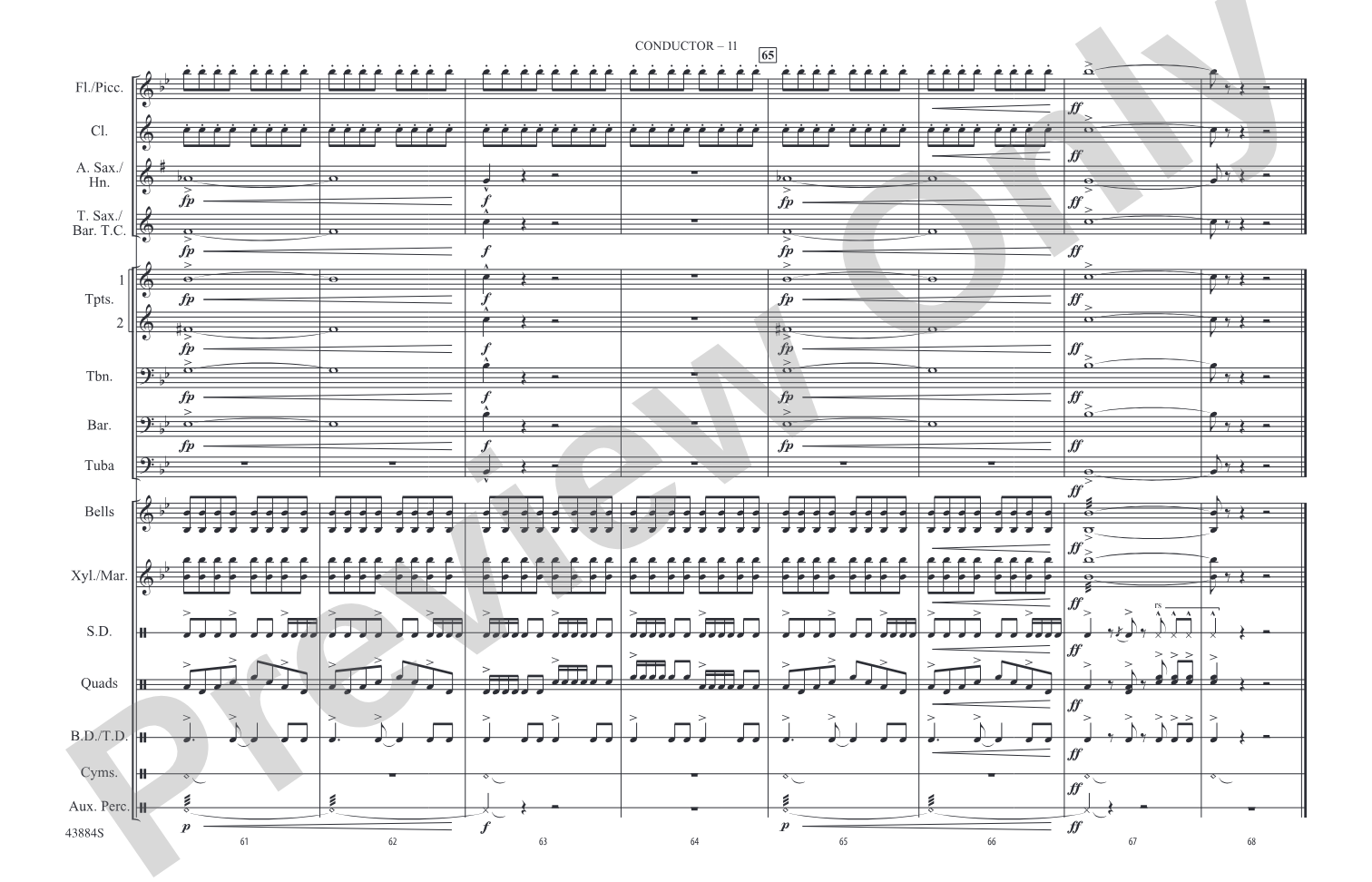
Part 2 of the Godzilla show begins slowly with a beautiful theme that builds to an intense middle section. This transitions into a short percussion feature before the energetic conclusion. (2:10)


Don't just read it, hear it, play along with it, and watch your students grow with it. In MakeMusic Cloud, Godzilla, Part 2: Marching Band Conductor Score & Parts comes alive with professional accompaniment, adjustable tempo, and built-in practice tools that turn solo practice into real progress.
Open in the Player
Jump straight in and assign it today.
Start Your Free Trial
Open this title and explore the full library in minutes.
Sample Audio
1
Audio File
--:--
0:00
0:00
Sample Video
No sample videos found.
Additional Details
Series:
Big and Easy
Publisher:
Alfred Music
Page Count:
136
SKU:
00-PK-0006721
More about this title
About the Composer: Alexandre Desplat
Alexandre Desplat has established himself as one of the most prolific and respected film composers working today, with a gift for crafting memorable themes that serve narrative and spectacle in equal measure. His work across major franchises demonstrates a keen understanding of orchestration and the balance between lyrical beauty and dramatic intensity, qualities that translate exceptionally well to the marching arts.
Why we love this
This excerpt captures everything that makes the Godzilla theme so effective: a slow, brooding opening that allows your ensemble to establish control and blend before ramping into the muscular, propulsive writing that defines the piece. Mike Story's marching band arrangement respects Desplat's intentions while crafting something that Grade 2 groups can execute with genuine impact.
What to expect
A slow unfurling of menace that builds into raw, kinetic energy. The opening breathes with restraint and darkly beautiful sonority before the ensemble collectively shifts into a driving, powerful sound that feels monumental without overwhelming younger players.
Who it's for
This is ideal for Grade 2 marching bands ready to tackle music with theatrical scope and structural clarity. Directors seeking a recognizable, crowd-engaging show selection that doesn't compromise musical substance will find this especially valuable.
How to get the most out of it
- Shape the opening theme with careful dynamic control and a unified approach to phrasing; this is where the audience commits to listening, so resist the urge to rush the slow section.
- Balance the transition into the middle section by gradually building intensity through the low brass and woodwind reinforcement rather than a sudden dynamic spike.
- Invest in the percussion feature as its own moment; coordinate mallets and timpani rolls with the front ensemble to create a cohesive wash of sound.
How to use it
Use this as the centerpiece of a show built around blockbuster themes or contemporary film music. At just over two minutes, it works brilliantly alongside other excerpts in the Big and Easy series or as a statement opener that signals you're tackling ambitious material.
Skills your students will build
- Controlling dynamics across a slow, legato opening phrase
- Building intensity through layered orchestration without rushing tempo
- Executing smooth transitions between contrasting musical sections
- Balancing melody against complex harmonic accompaniment
- Coordinating front ensemble with full band during the percussion feature