Godard: Four Piano Solos Sheet Music Preview

Godard: Four Piano Solos

By Benjamin Godard

Item: 00-PC-0013855

Digital Download
$1.99
Description
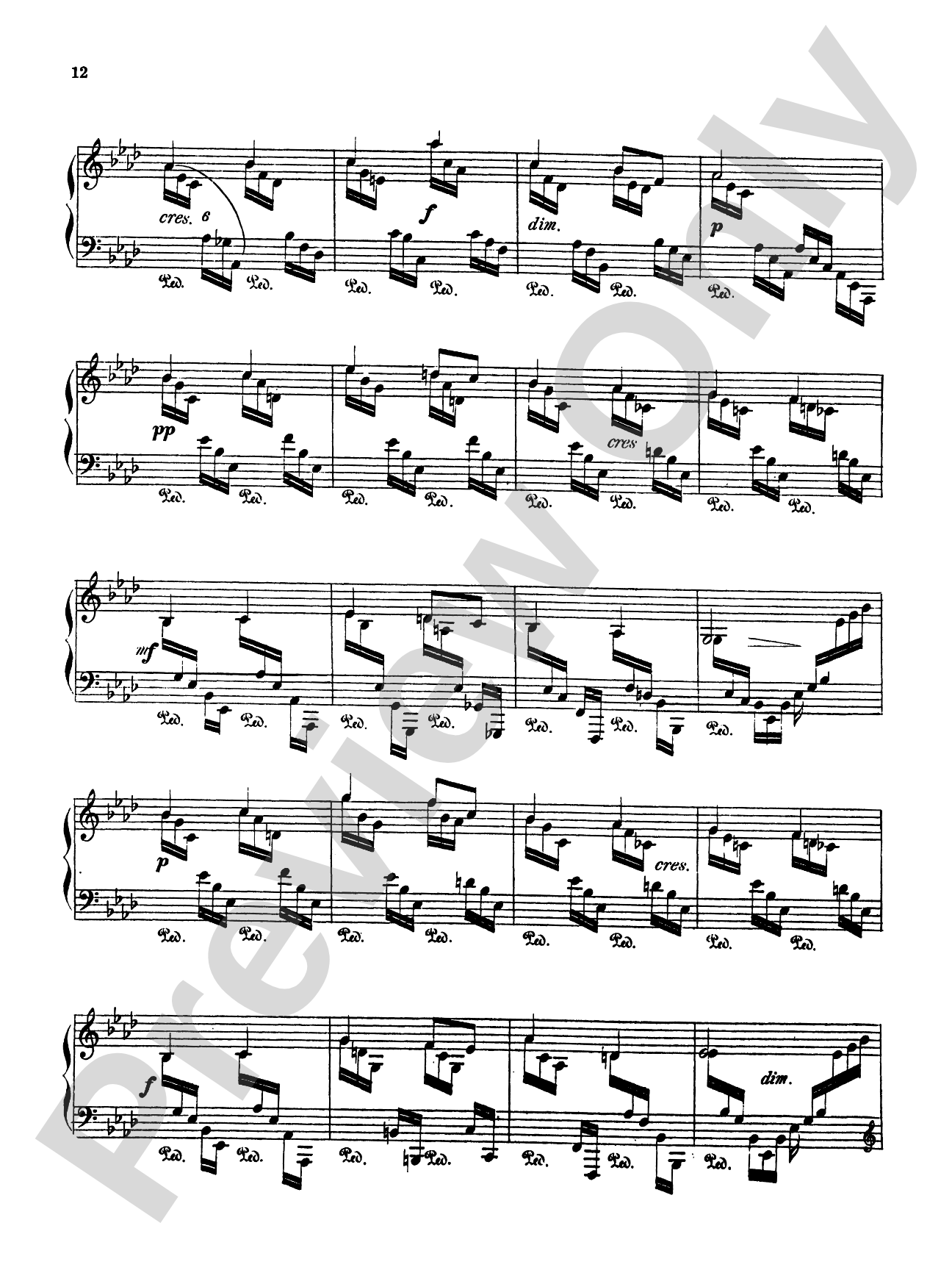
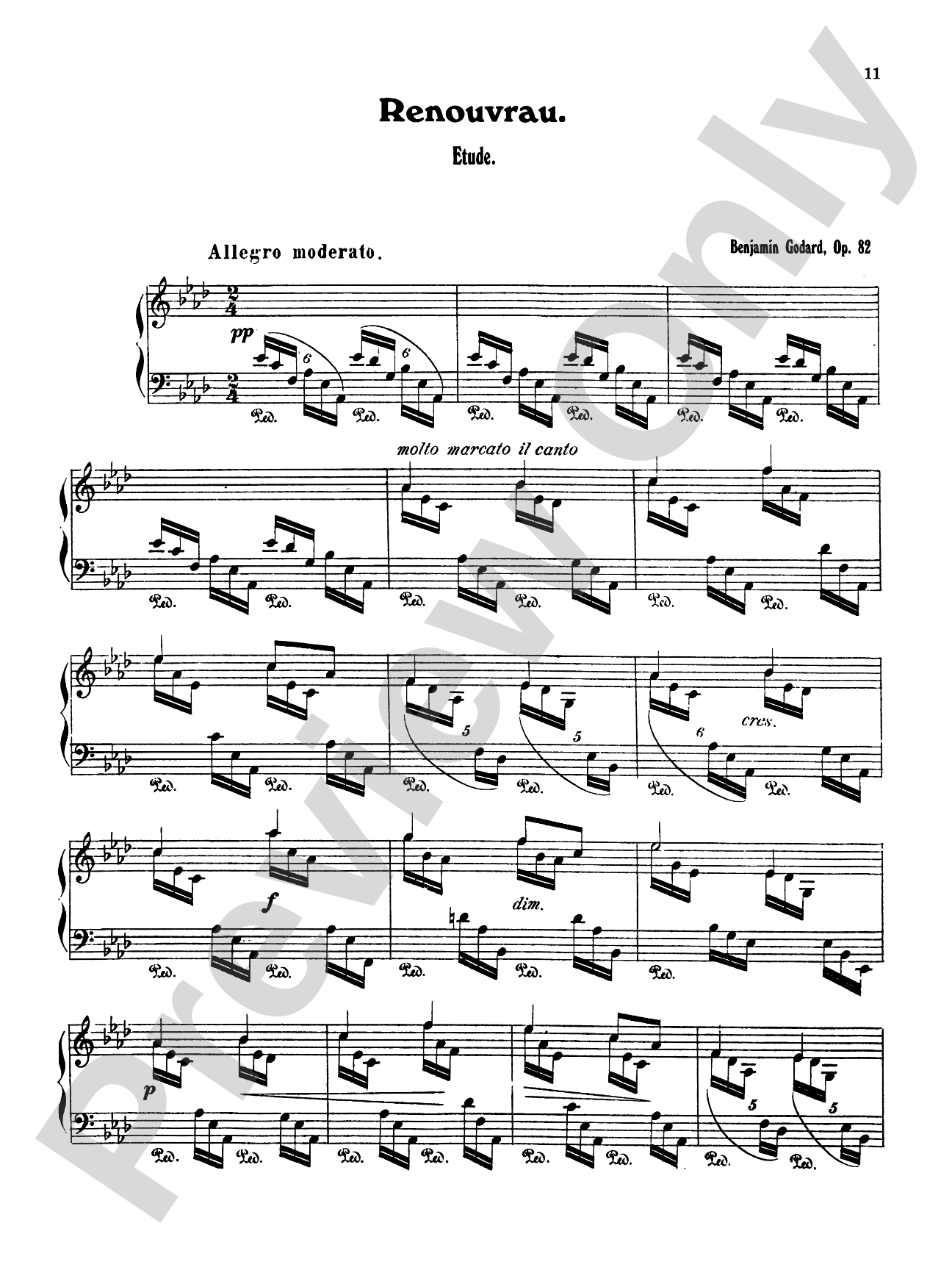
A collection of 4 Piano Solos by Benjamin Godard. Titles: Mazurka, Op. 54 * Renouveau, Op. 82 * Au Matin, Op. 83 * Fifth Valse, Op. 88.

Don't just read it, hear it, play along with it, and watch your students grow with it. In MakeMusic Cloud, Godard: Four Piano Solos comes alive with professional accompaniment, adjustable tempo, and built-in practice tools that turn solo practice into real progress.

Sample Audio
No sample audio found.
Sample Video
Additional Details
Series: Kalmus Edition
Publisher: Alfred Music
Page Count: 36
SKU: 00-PC-0013855

More about this title

About the Composer: Benjamin Godard

Benjamin Godard (1849-1895) was a French Romantic composer whose gift for lyrical melody and pianistic writing made him a fixture of salon music throughout Europe. Though largely overshadowed by his contemporaries, Godard maintained a prolific output across multiple genres, composing over 100 works that showcase a gift for crafting memorable, accessible themes within formal structures.

His piano works occupy a unique space in Romantic repertoire: technically manageable for advancing students, yet rich in harmonic color and dramatic scope. Godard's ability to balance elegance with substance made these solos particularly valuable for recital programming in the late 19th century and remains compelling for pianists seeking Romantic material beyond the most frequently performed works.

Why we love this

This collection offers four distinct character pieces that showcase the lighter, more intimate side of French Romanticism. Each piece presents genuine musical substance without the technical extremes of virtuoso literature, making them ideal for intermediate to advanced students who need to develop interpretive voice and period-appropriate style.

What to expect

These solos balance drawing-room elegance with genuine compositional craftsmanship. The collection moves easily between salon-style grace and moments of harmonic intrigue, creating a listening experience that feels both intimate and refined. Melodic lines sing through delicate figurations, while Godard's harmonic language adds surprise and color without departing from the Romantic mainstream.

Who it's for

Intermediate to advanced pianists preparing recital repertoire or building a diverse performance library spanning 19th-century European traditions. Teachers seeking accessible yet substantial Romantic material for students ready to move beyond pedagogical collections will find strong interpretive challenges here.

How to get the most out of it

  • Pay close attention to Godard's specific dynamic markings and voice leading in the left hand. His scoring often weaves an independent melodic line through what appears to be accompaniment texture.
  • In the waltzes and dances, maintain clarity in the rhythmic framework even while shaping phrase arcs. These pieces lose their character when they become too rubato-heavy.
  • Use the pedal judiciously to color harmonic shifts without blurring the articulation, particularly in passages where Godard moves quickly through related keys.
  • Approach the opening gestures of each piece with confidence. Godard favors direct, memorable themes that benefit from clear execution rather than excessive interpretive intervention.

How to use it

Godard's pieces work beautifully in thematic recital programming focused on French or Romantic keyboard literature. The variety of forms (mazurka, character piece, valse) allows you to program multiple works together without monotony, or to place individual pieces strategically between more demanding contemporary works as moments of stylistic contrast and rest.

Skills your students will build

  • Pedal control for harmonic coloring in Romantic style
  • Balancing melody and accompaniment in single-staff textures
  • Period-appropriate ornamentation and rubato in salon music
  • Maintaining rhythmic integrity within free phrasing
  • Harmonic analysis of key relationships and modulation in 19th-century European forms

You May Also Like