Gm2 (Greensleeves millennium 2) Cover Image

Gm2 (Greensleeves millennium 2): String Orchestra, Conductor Score & Parts

$40.00 USD
Sale price  $40.00 USD Regular price 
Skip to product information
Gm2 (Greensleeves millennium 2) Cover Image

Gm2 (Greensleeves millennium 2): String Orchestra, Conductor Score & Parts

By Shirl Jae Atwell

Grade: 3.5

Item: 36-52250296

$40.00
Shipped

One moment…

Description
This is a rockin' version of this ancient tune.

Gm2 (Greensleeves millennium 2): String Orchestra, Conductor Score & Parts isn't in MakeMusic Cloud just yet...but it could be. Let us know you'd like to see it, and you'll help shape what comes next. In the meantime, start a free trial and dive into thousands of interactive titles your students can play along with today.

Sample Pages

No sample pages found.

Sample Audio
No sample audio found.
Sample Video
Additional Details
Series: Latham Music - LudwigMasters
Publisher: Keiser Productions, Inc.
ISBN10: 1-63-361155-8
ISBN13: 978-1-63-361155-9
UPC: 659859245744
SKU: 36-52250296
Instrumentation: String Orchestra

More about this title

About the Composer: Shirl Jae Atwell
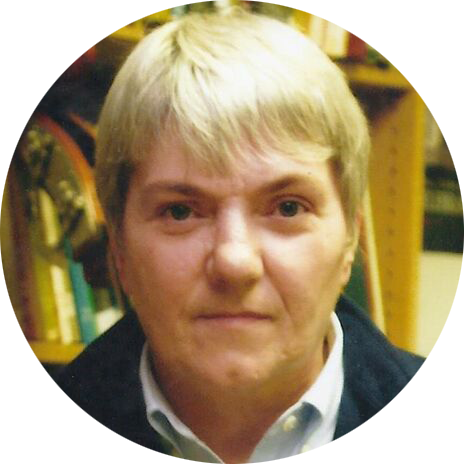
Shirl Jae Atwell

Shirl Jae Atwell holds degrees from Kansas State Teachers College and the University of Louisville (Master of Music Theory and Composition), with four additional years of post-graduate composition study at the University of South Carolina. Her work has earned national recognition, including the 1984 Clifford Shaw Memorial Award for Kentucky Composers, the 1996 National School Orchestra Association composition contest, and the 1997 Texas Orchestra Directors Association contest.

Atwell's catalog spans operas, ballets, orchestral suites, and string orchestra works that have been premiered by ensembles ranging from regional orchestras to university groups. Her ballet Lucy, which premiered with the Louisville Ballet in 2000, received an Emmy Award for its televised production. Six of her compositions are housed in the Paris Bibliothèque Internationale de Musique Contemporaine, reflecting her standing among contemporary classical composers.

Why we love this

A Grade 3.5 arrangement that actually sounds fresh and energized rather than dutiful. Atwell takes a medieval tune everyone knows and gives it genuine rhythmic drive, making it engaging for student musicians without sacrificing the string writing that lets younger players build solid technique.

What to expect

A medieval melody meets modern groove. The arrangement channels the recognizable anchor of Greensleeves while injecting contemporary rhythmic life and forward momentum that surprises listeners expecting a hushed, traditional rendering.

Who it's for

String orchestras at the intermediate level who want to program something familiar enough to be immediately appealing but rhythmically engaging enough to hold student interest and challenge their ensemble cohesion. Works equally well for middle school, high school, or community ensembles looking to add contemporary energy to a traditional tune.

How to get the most out of it

  • Keep the energy consistent throughout; a rock-inflected arrangement lives or dies on rhythmic stability, so lock the bow attacks across all sections from the first rehearsal.
  • Balance the melody line clearly so the ancient tune remains recognizable beneath the contemporary treatment, but don't let it overshadow the supporting voices that give the arrangement its groove.
  • Watch the dynamic transitions carefully; they'll likely be sudden and deliberate in this style, so mark them explicitly in parts and rehearse the contrast.

How to use it

Program this as a concert opener or closer to frame a set with classical arrangements, or pair it with other reimagined standards to showcase your orchestra's versatility. The accessibility of the source material makes it an excellent choice for a family concert or school assembly where you want to engage non-traditional audiences.

Skills your students will build

  • Maintaining ensemble rhythm and pulse in rock-influenced meters
  • Balancing multiple dynamic levels across voices while preserving forward motion
  • Responding to sudden dynamic and rhythmic shifts without losing precision
  • Creating articulation consistency across an entire section

You May Also Like