

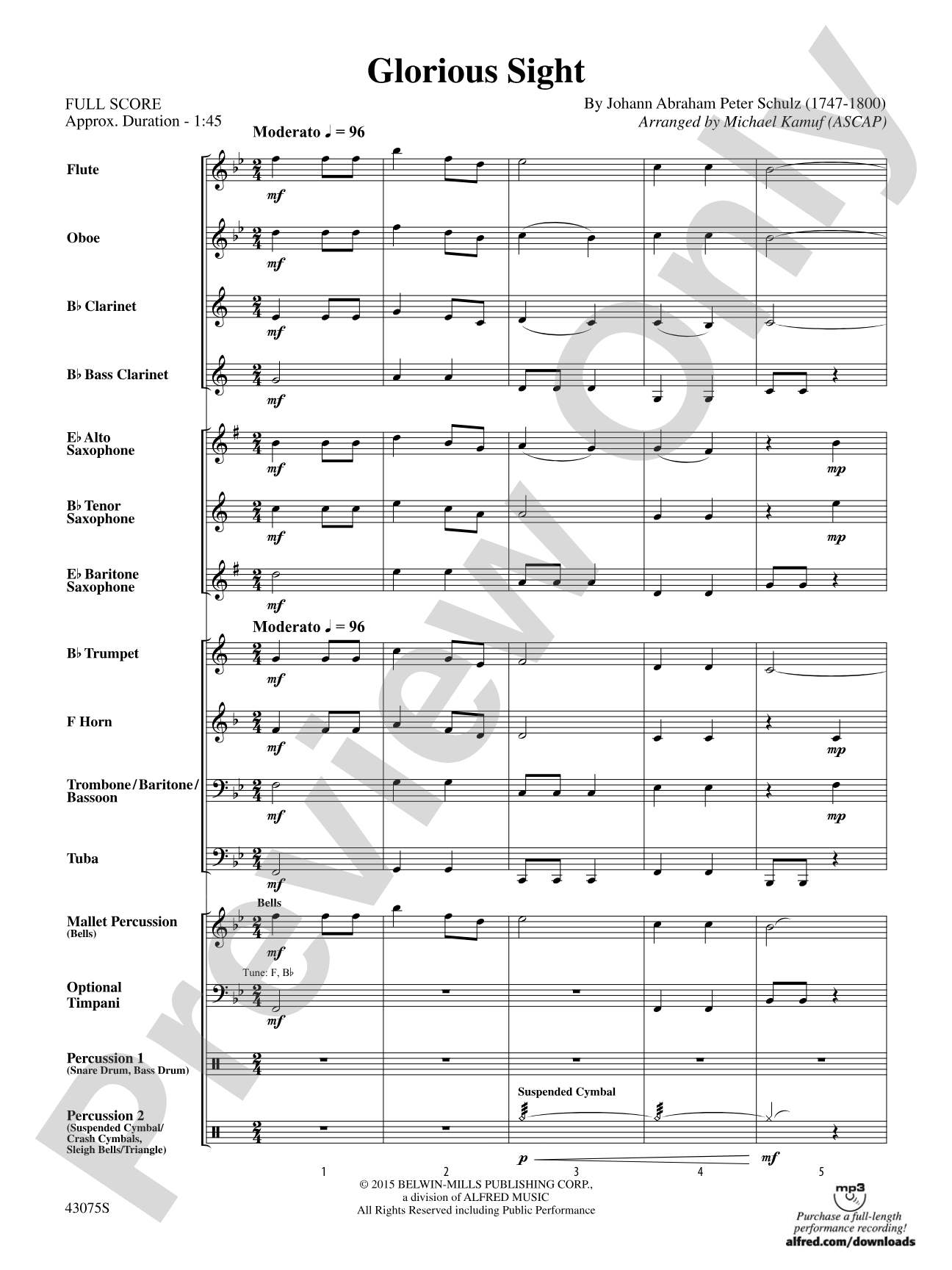
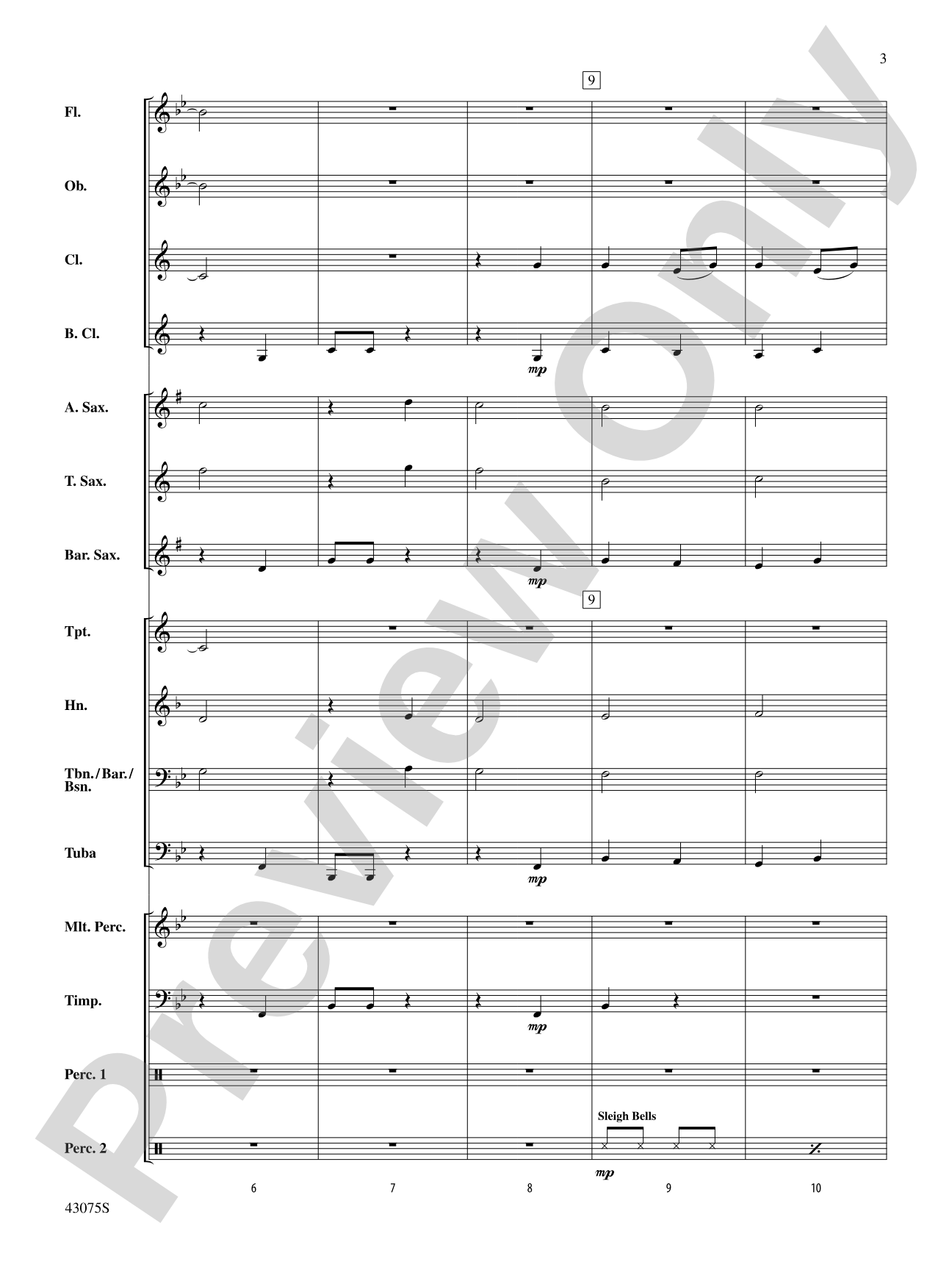
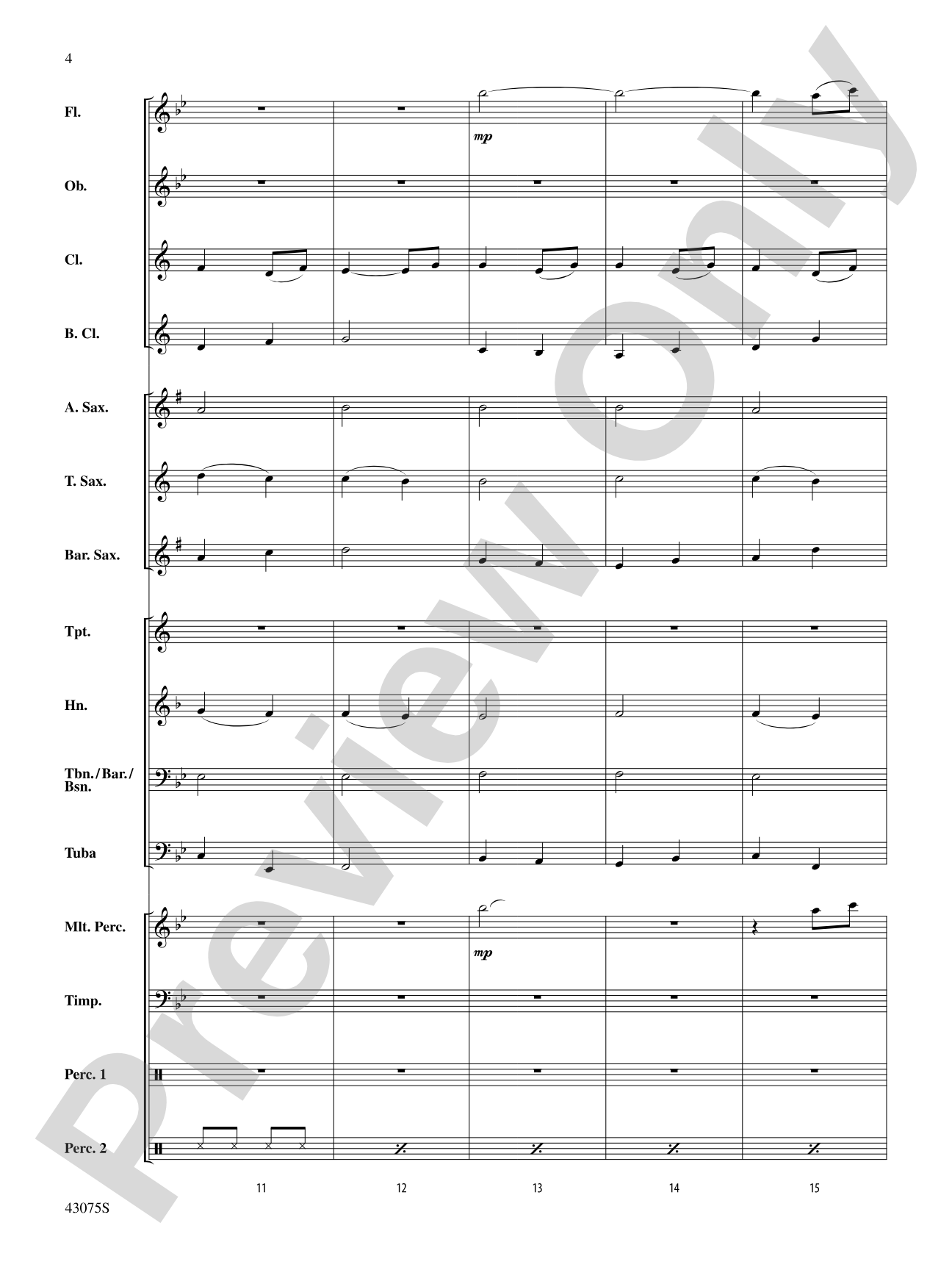
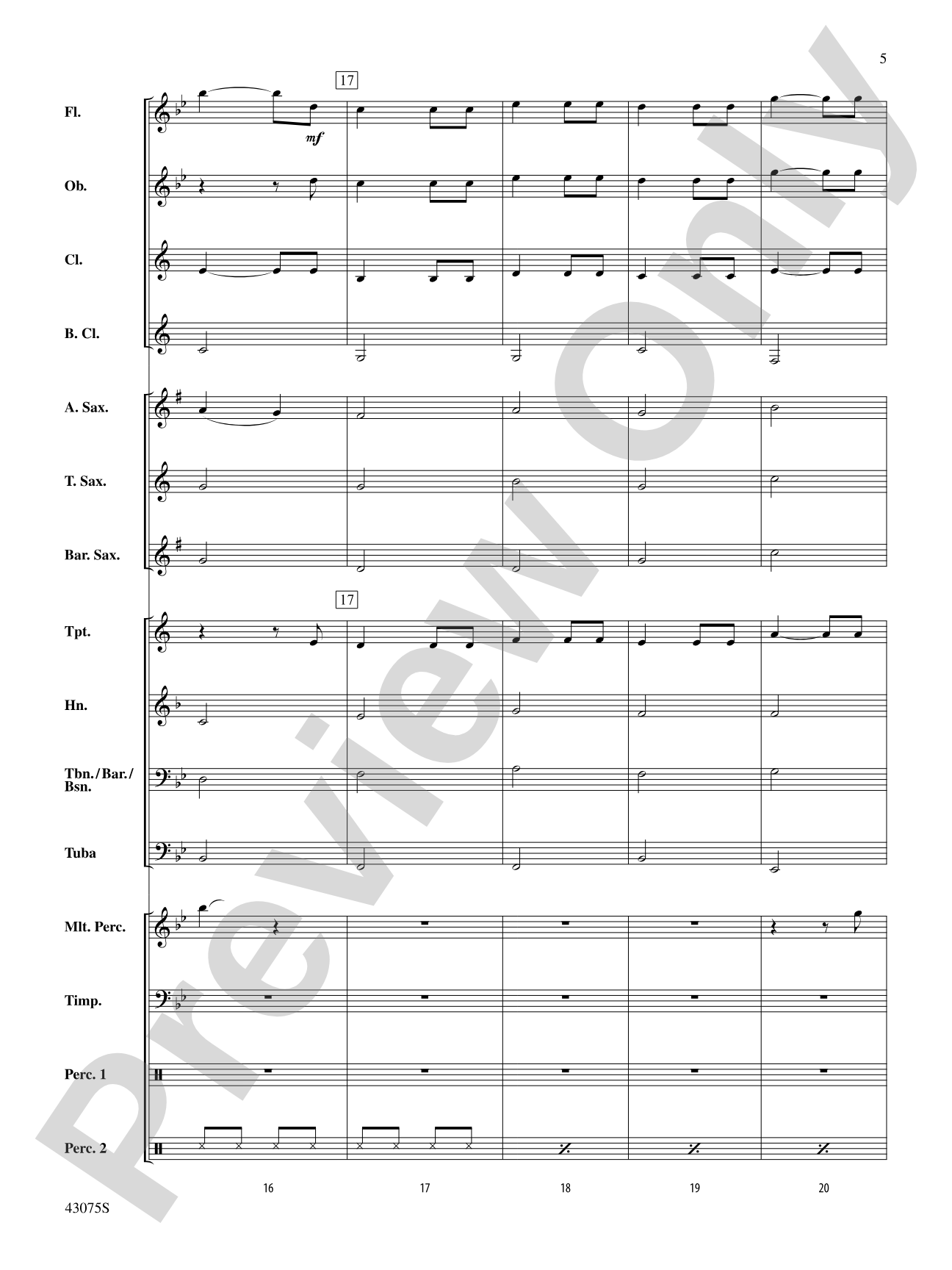
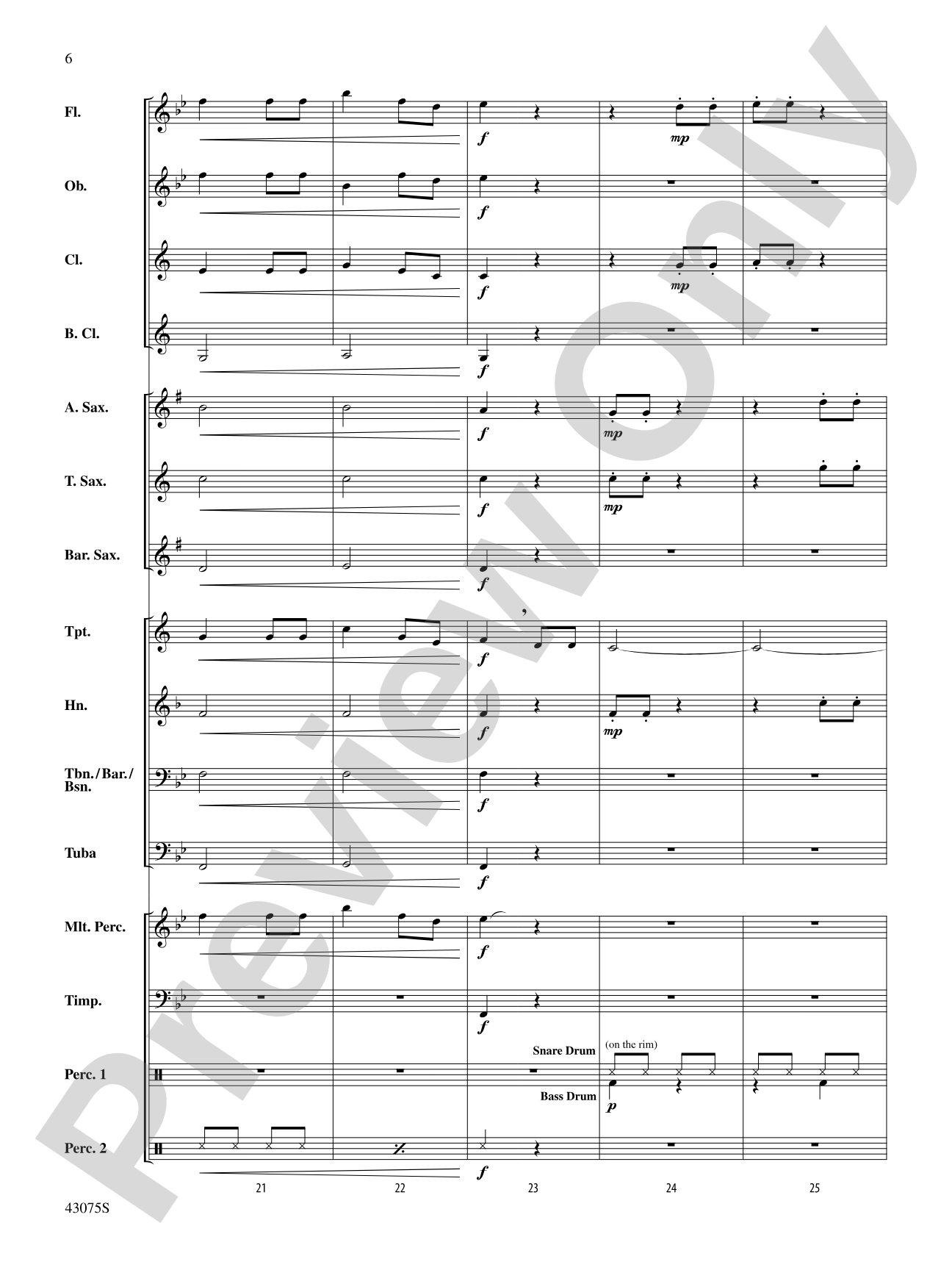
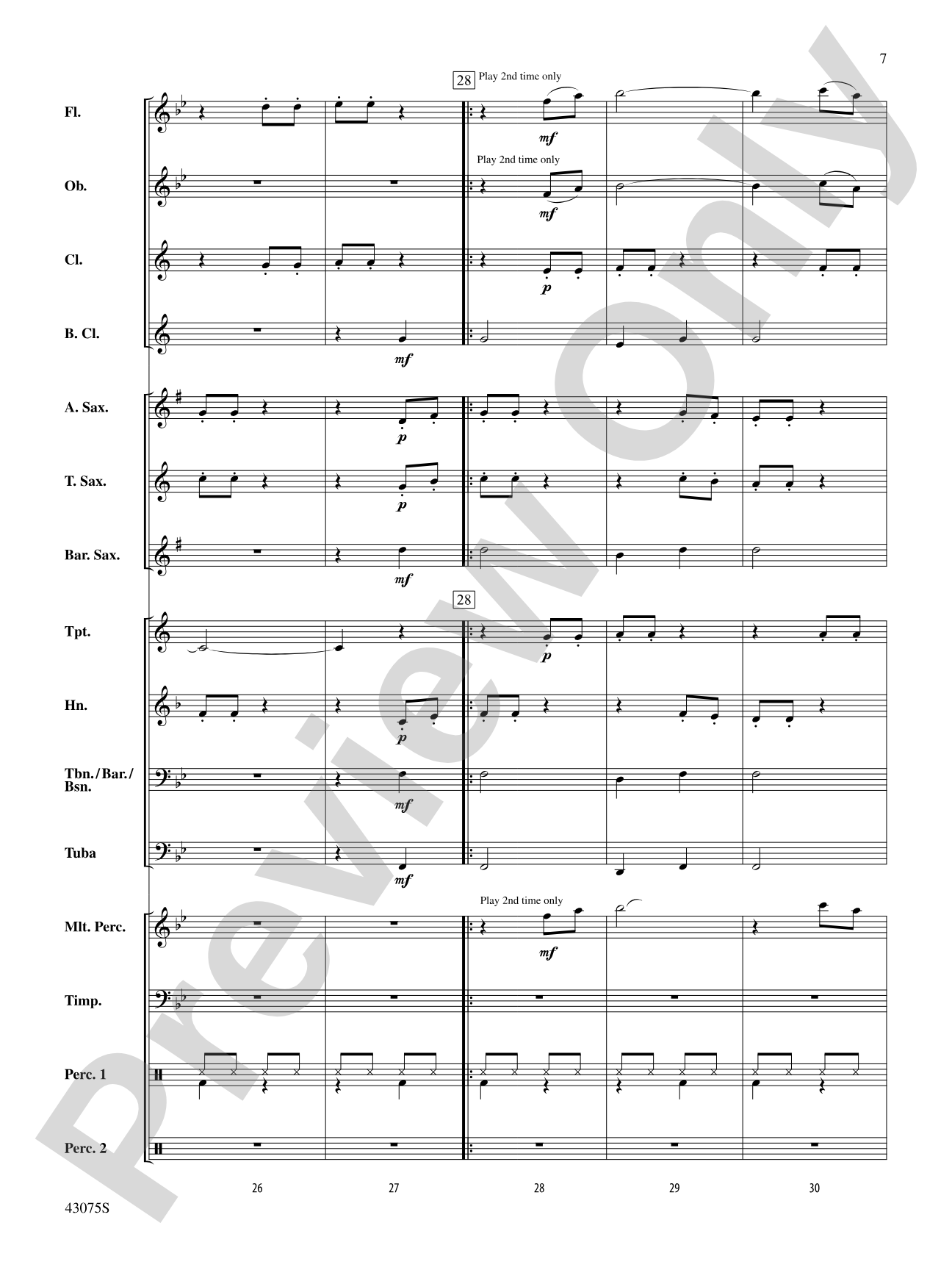
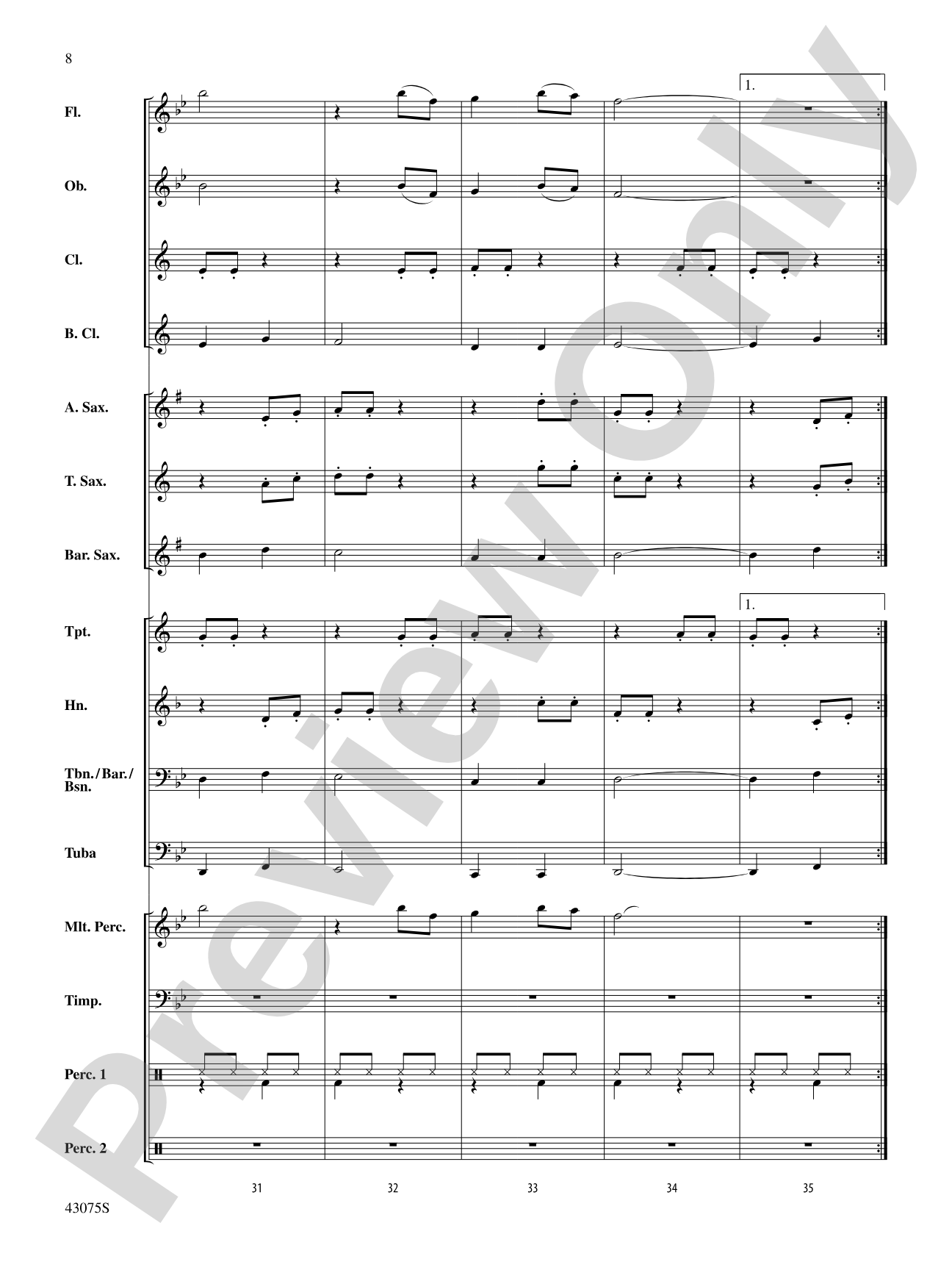
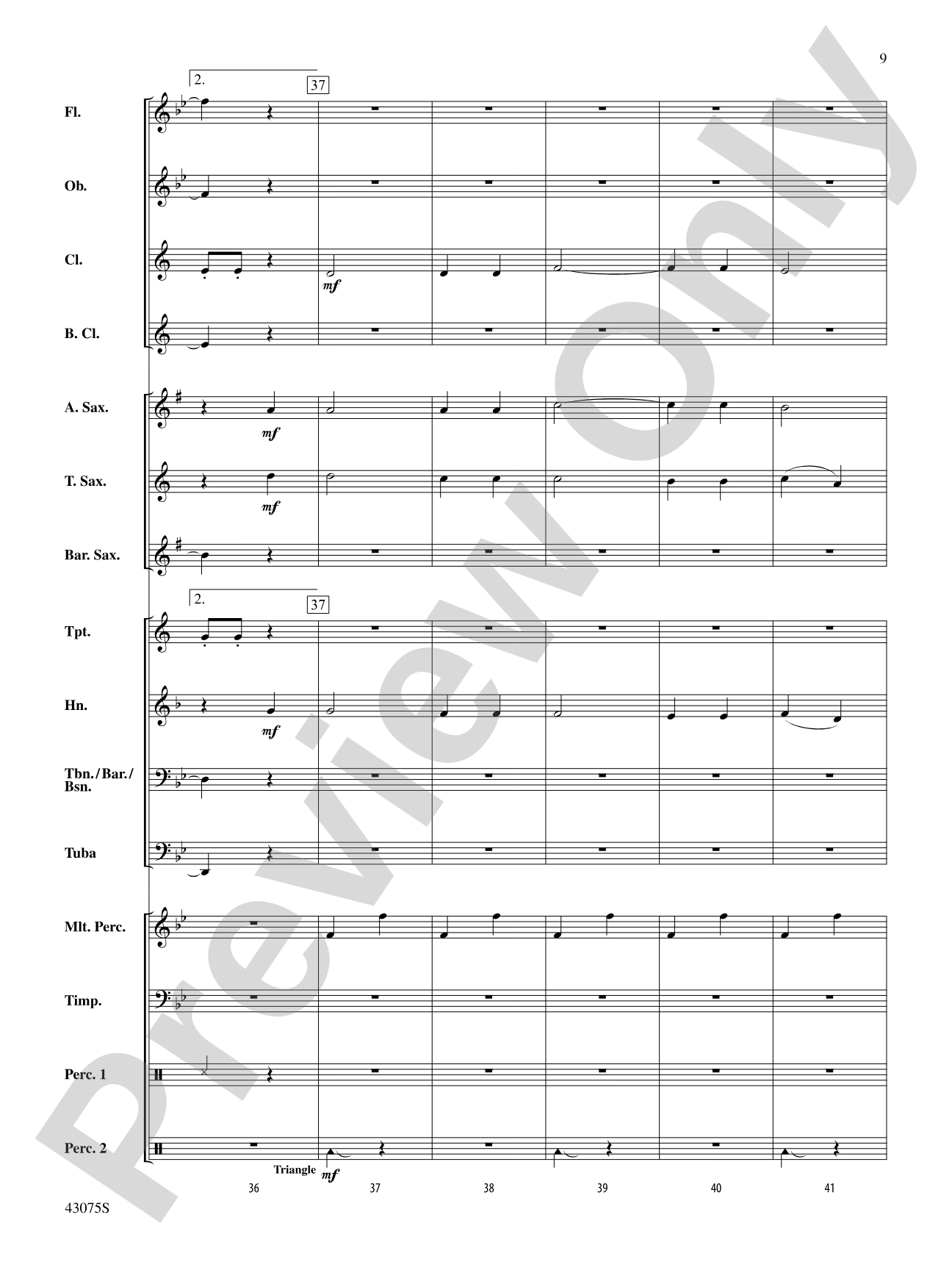
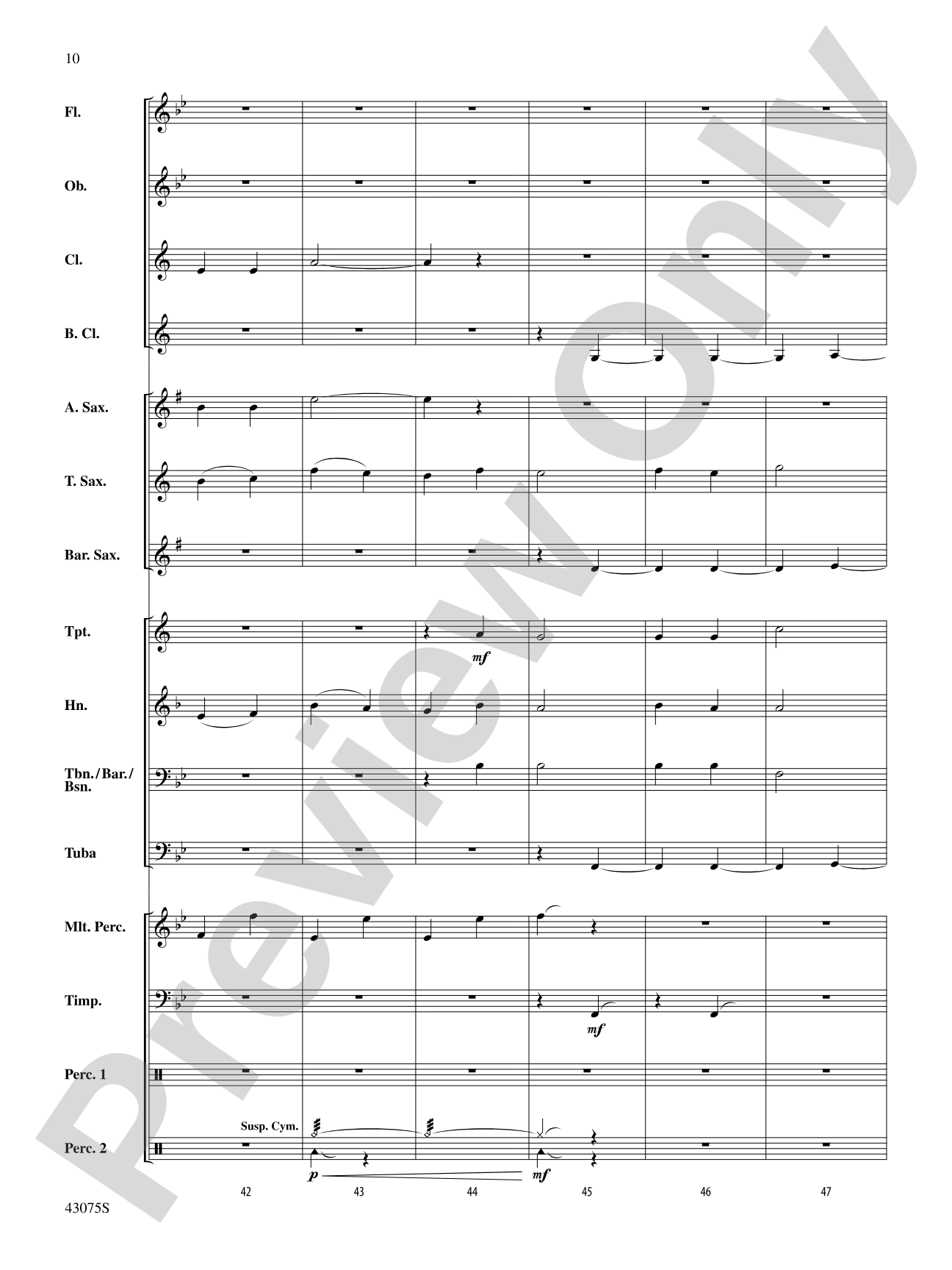
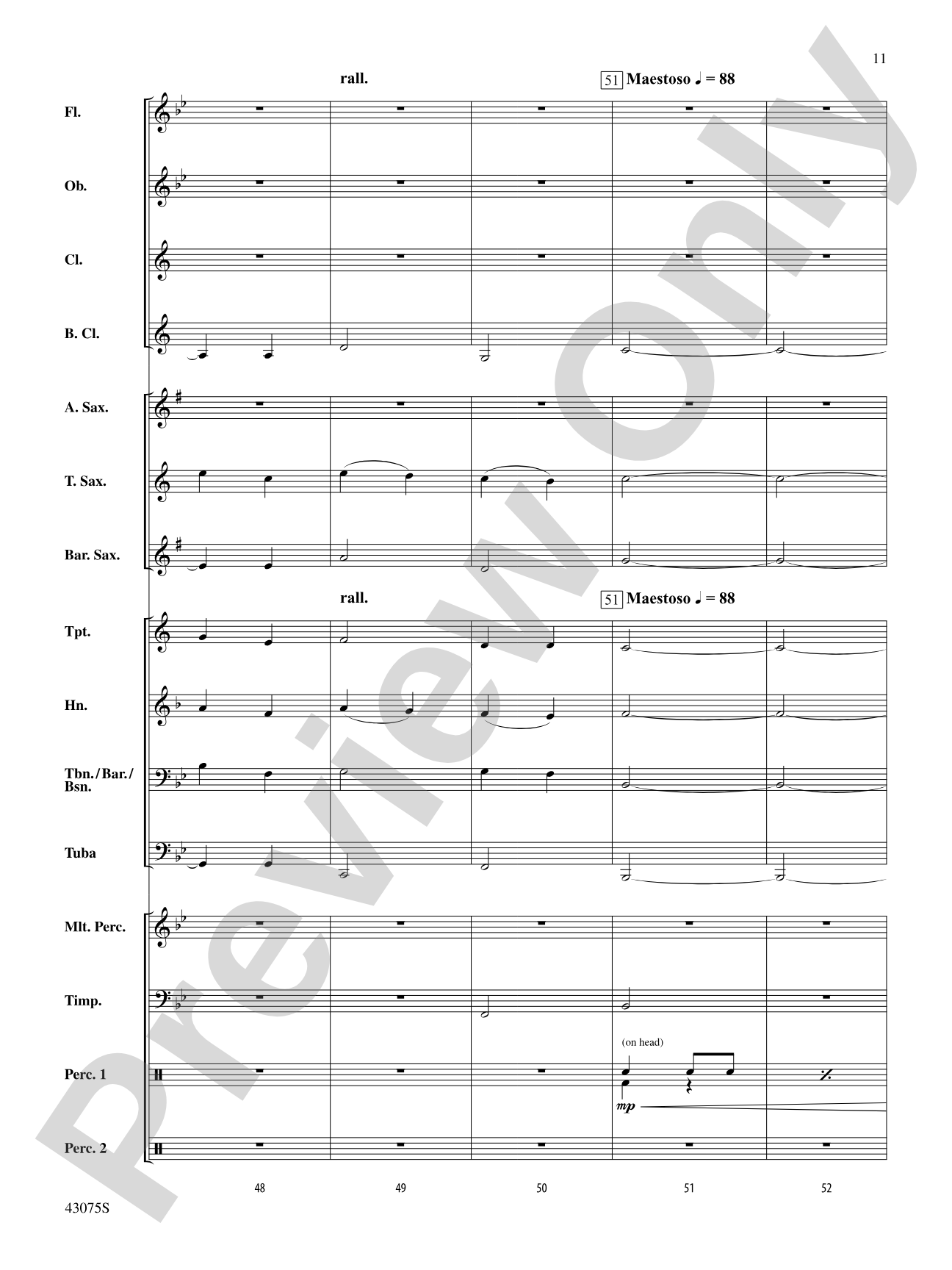
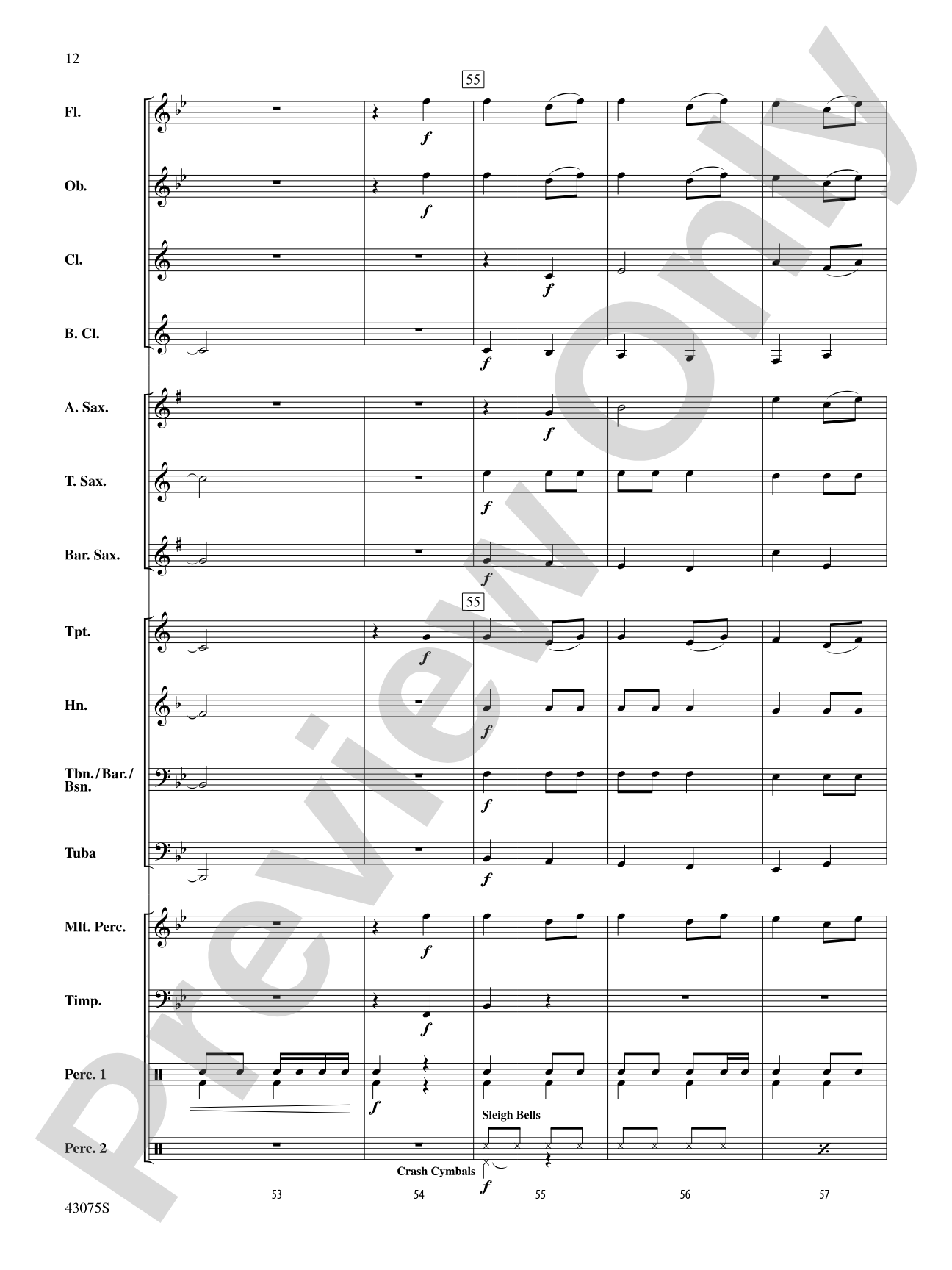
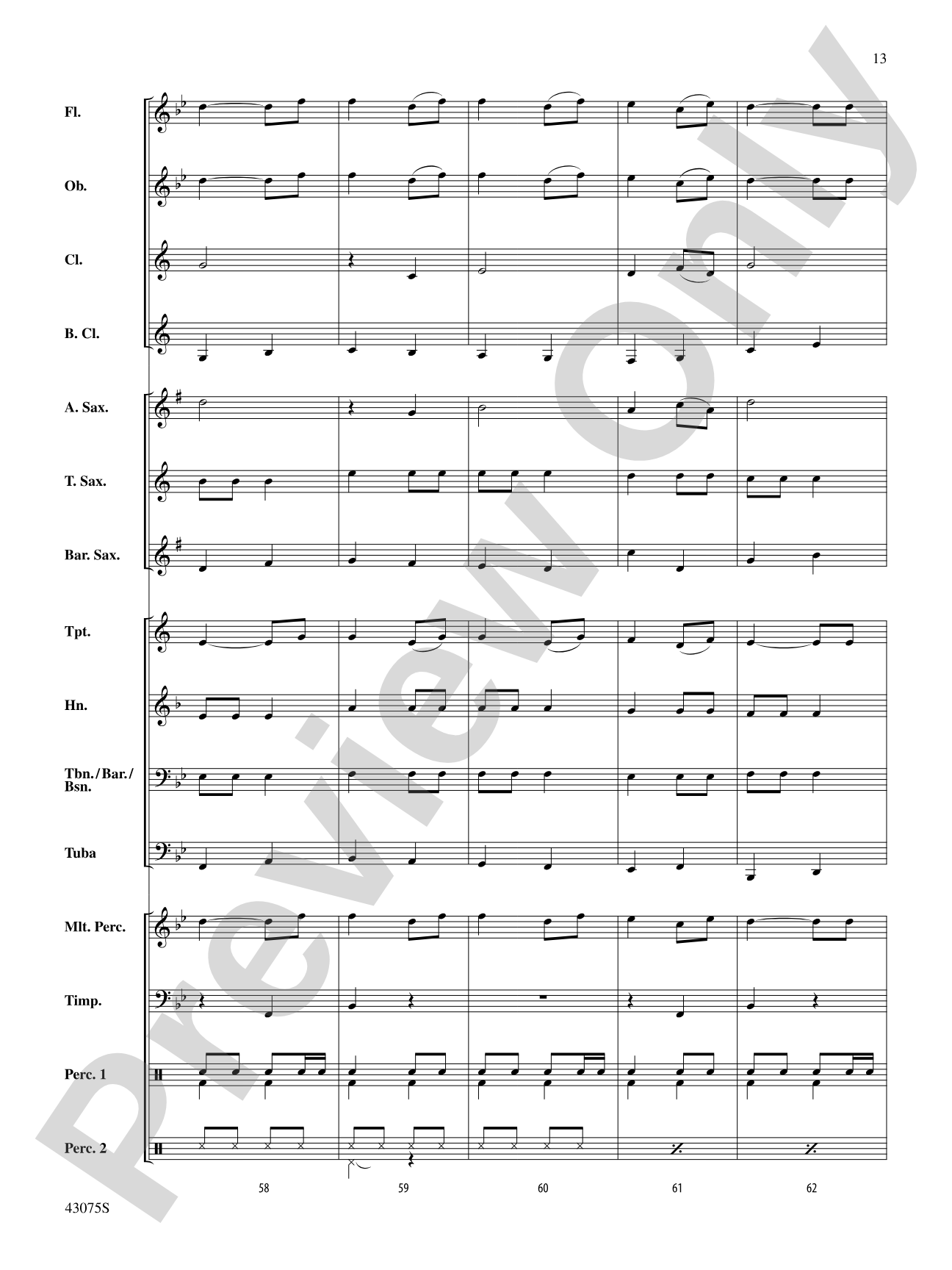
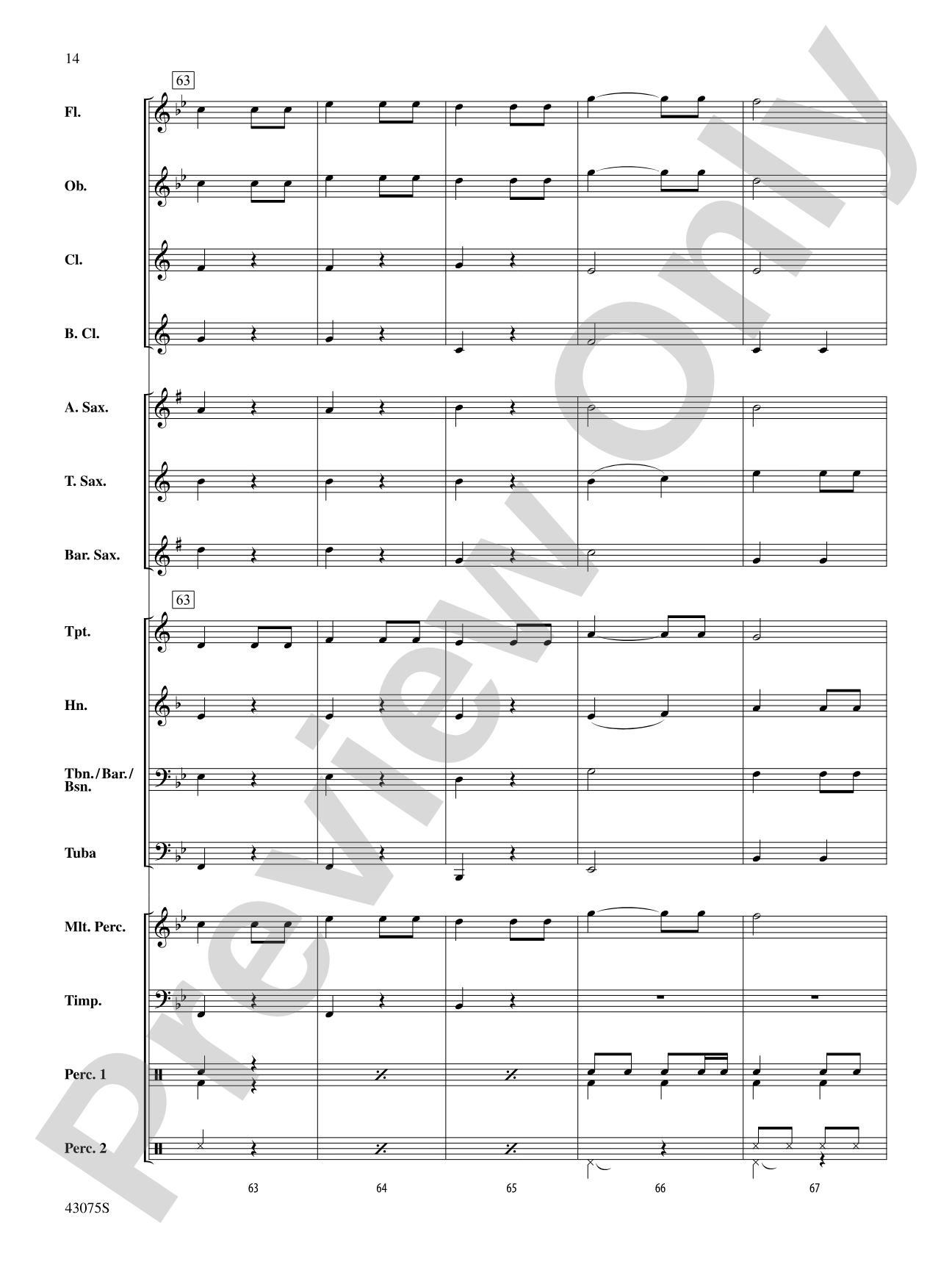
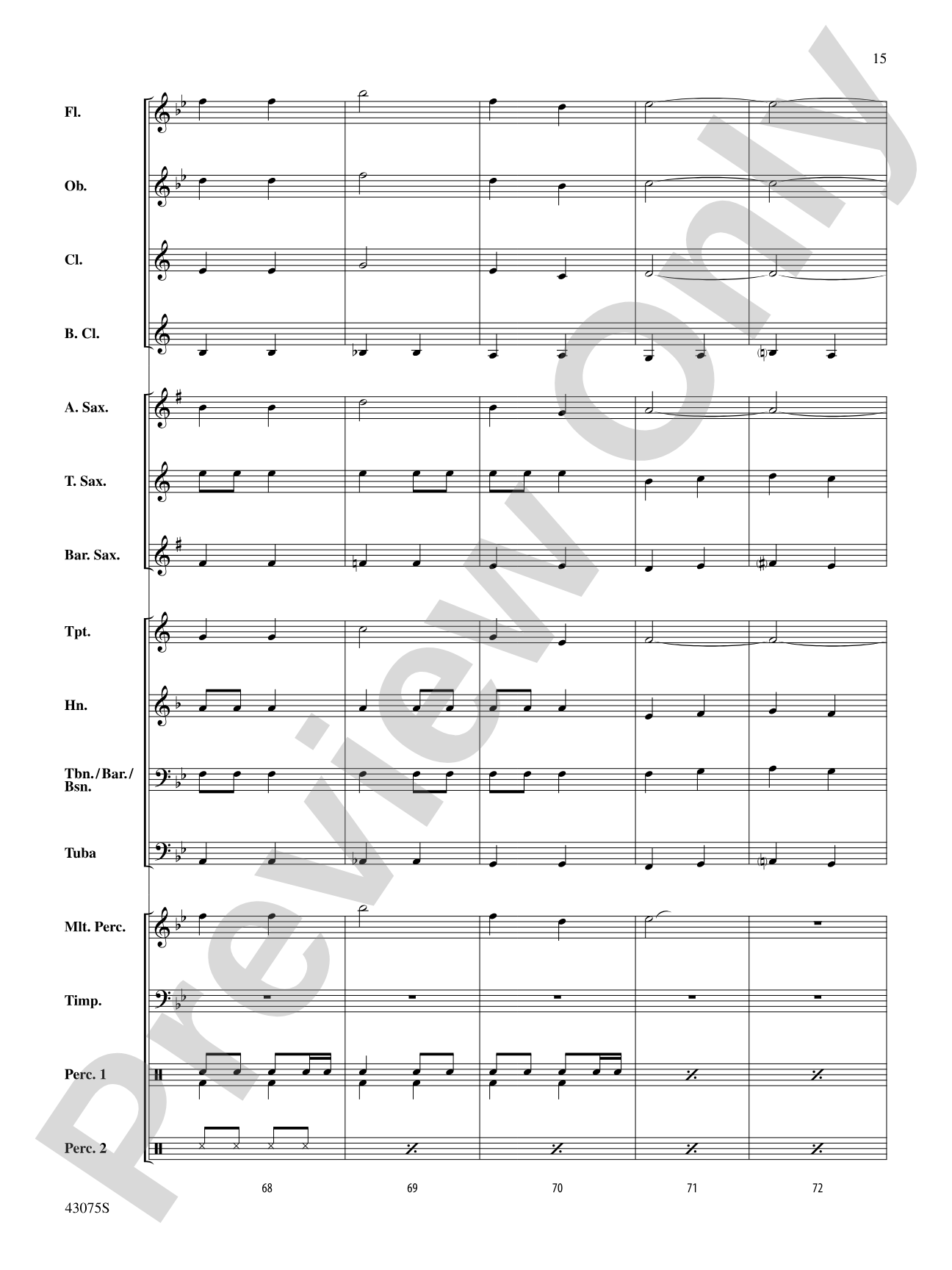
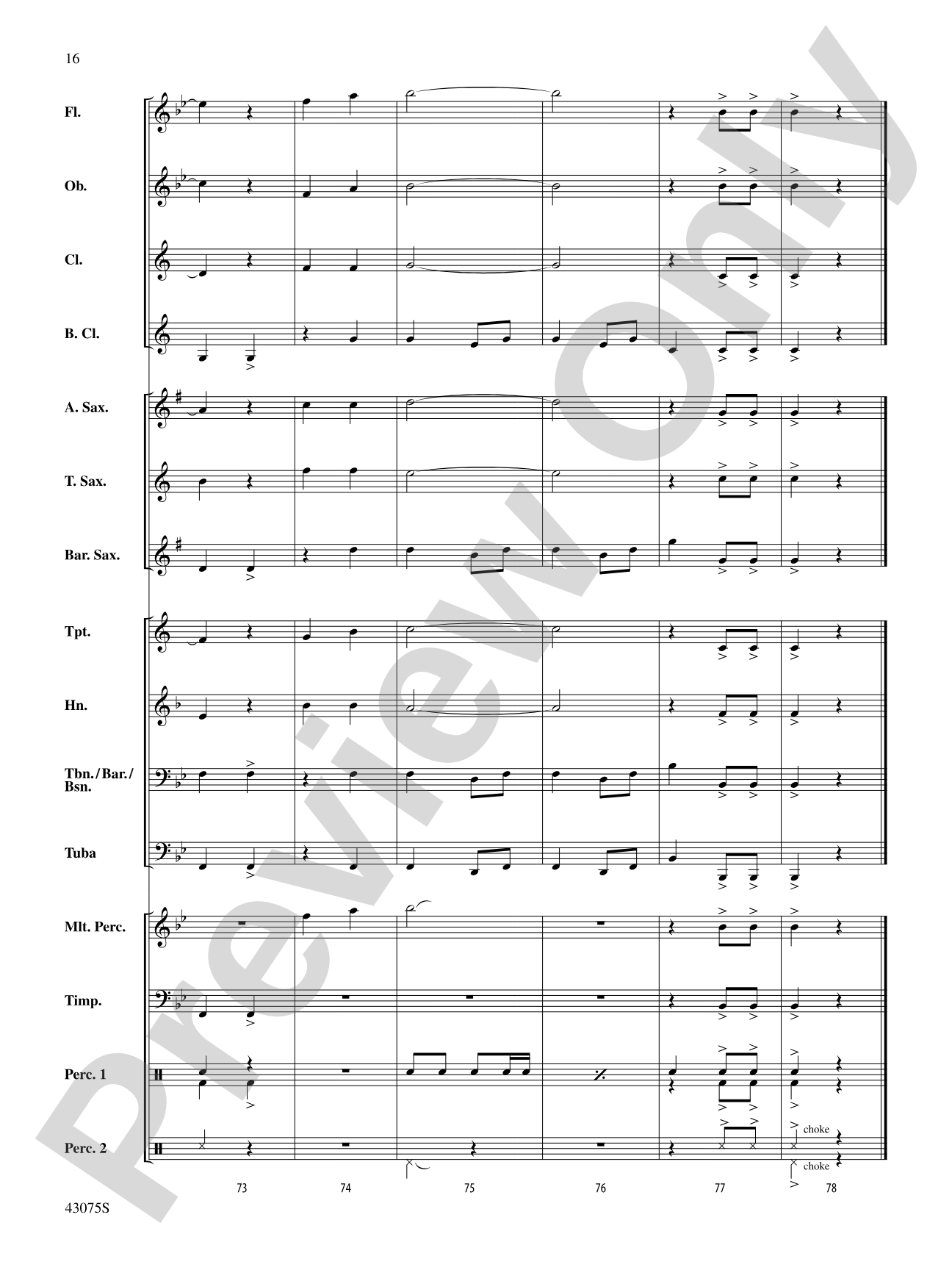

Glorious Sight: Score
By Johann Abraham Peter Schultz / arr. Michael Kamuf
Grade: 1 (Very Easy)
Item: 00-PR-0005016
$9.00
Pickup currently not available
Description
This setting of the German Carol, "Ihr Kinderlein, kommet," or "O, Come Little Children" features changing textures, rich harmonies, and effective percussion writing for your beginners' holiday program. Both your students and audiences will enjoy this new setting of this beloved carol. (1:45)


Don't just read it, hear it, play along with it, and watch your students grow with it. In MakeMusic Cloud, Glorious Sight: Score comes alive with professional accompaniment, adjustable tempo, and built-in practice tools that turn solo practice into real progress.
Open in the Player
Jump straight in and assign it today.
Start Your Free Trial
Open this title and explore the full library in minutes.
Sample Audio
1
Audio File
--:--
0:00
0:00
Sample Video
Additional Details
Series:
Belwin Beginning Band
Publisher:
Alfred Music
Page Count:
136
SKU:
00-PR-0005016
More about this title
About the Composer: Johann Abraham Peter Schultz
Johann Abraham Peter Schultz (1747-1800) was a German composer and organist whose sacred music became foundational to Lutheran church traditions. His melodies are among the most enduring in German hymnody, prized for their clarity, singability, and emotional directness. "Ihr Kinderlein, kommet" remains one of his most widely performed works, adapted and arranged countless times across centuries and instrumental settings.
Schultz's gift lay in creating melodies that sound simple but carry deep musical integrity. His carols avoid sentimentality while remaining accessible to amateur musicians and young performers, making them ideal vehicles for teaching ensemble balance, phrasing, and the art of accompanying a memorable tune with thoughtful harmony.
Why we love this
Michael Kamuf's arrangement proves that a Grade 1 setting need not sacrifice musical substance. The changing textures keep young players engaged without overwhelming them, and the percussion writing gives every section meaningful work. You get a carol that sounds polished and intentional in performance while remaining genuinely accessible in the parts.
What to expect
Warm and inviting, with the clarity of a familiar melody grounding richer harmonies than the carol's original simplicity might suggest. The arrangement feels like a celebration rather than a recital obligation, combining reverence for the carol's heritage with the energy that comes from young performers discovering they can make something sound genuinely beautiful.
Who it's for
Beginning band directors building holiday programs that honor the source material while staying within the technical reach of Grade 1 ensembles. Your students get to perform a recognized masterwork, not a dumbed-down novelty, and audiences hear genuine musicianship from young players.
How to get the most out of it
- Balance the melody against the supporting harmonies by asking non-melody sections to listen for where the tune lives. Young ensembles often play chordal backgrounds too loudly out of eagerness.
- Let the changing textures breathe. Mark in your score where sections enter and drop out, and use that architecture to shape phrasing rather than playing straight through.
- Attend to the percussion parts with the same care you give the winds. These young players will feel ownership of the arrangement when their parts serve clear musical purposes rather than filling time.
- Take the overall tempo at a pace that allows articulation clarity without rushing. A carol performed too briskly loses its character.
How to use it
This works perfectly as a closer on a winter concert, offering emotional resolution after more energetic pieces. It also pairs naturally with other Grade 1 holiday selections if you're building a full seasonal set, or stands alone as your concert's accessible entry point for family audiences.
Skills your students will build
- Balancing melodic lines against harmonic accompaniment
- Responding to texture changes and sectional transitions within a single piece
- Coordinating with percussion while maintaining ensemble integrity
- Sustaining legato phrasing in a hymnic context
- Reading and performing parts that serve architectural rather than decorative roles