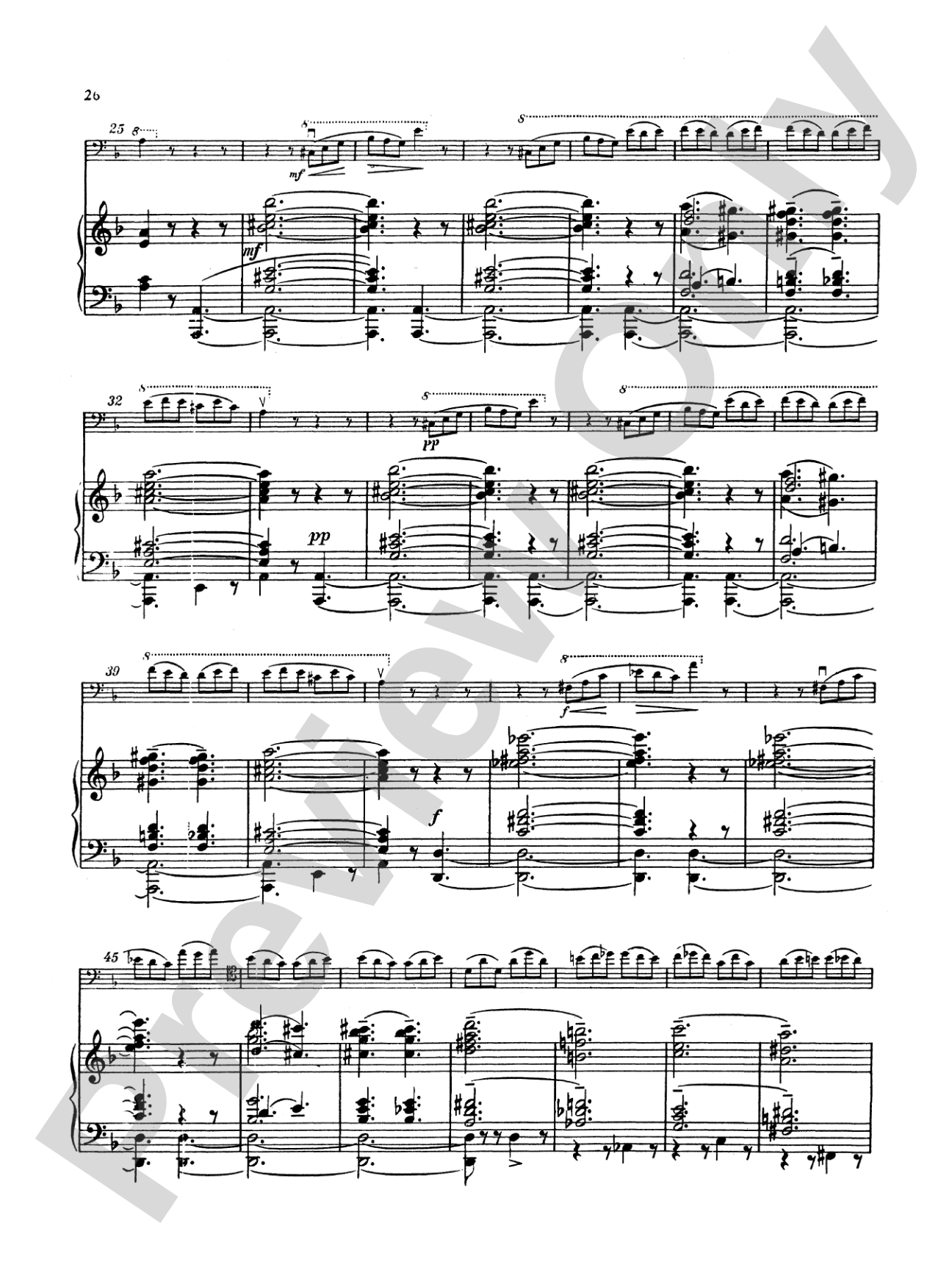
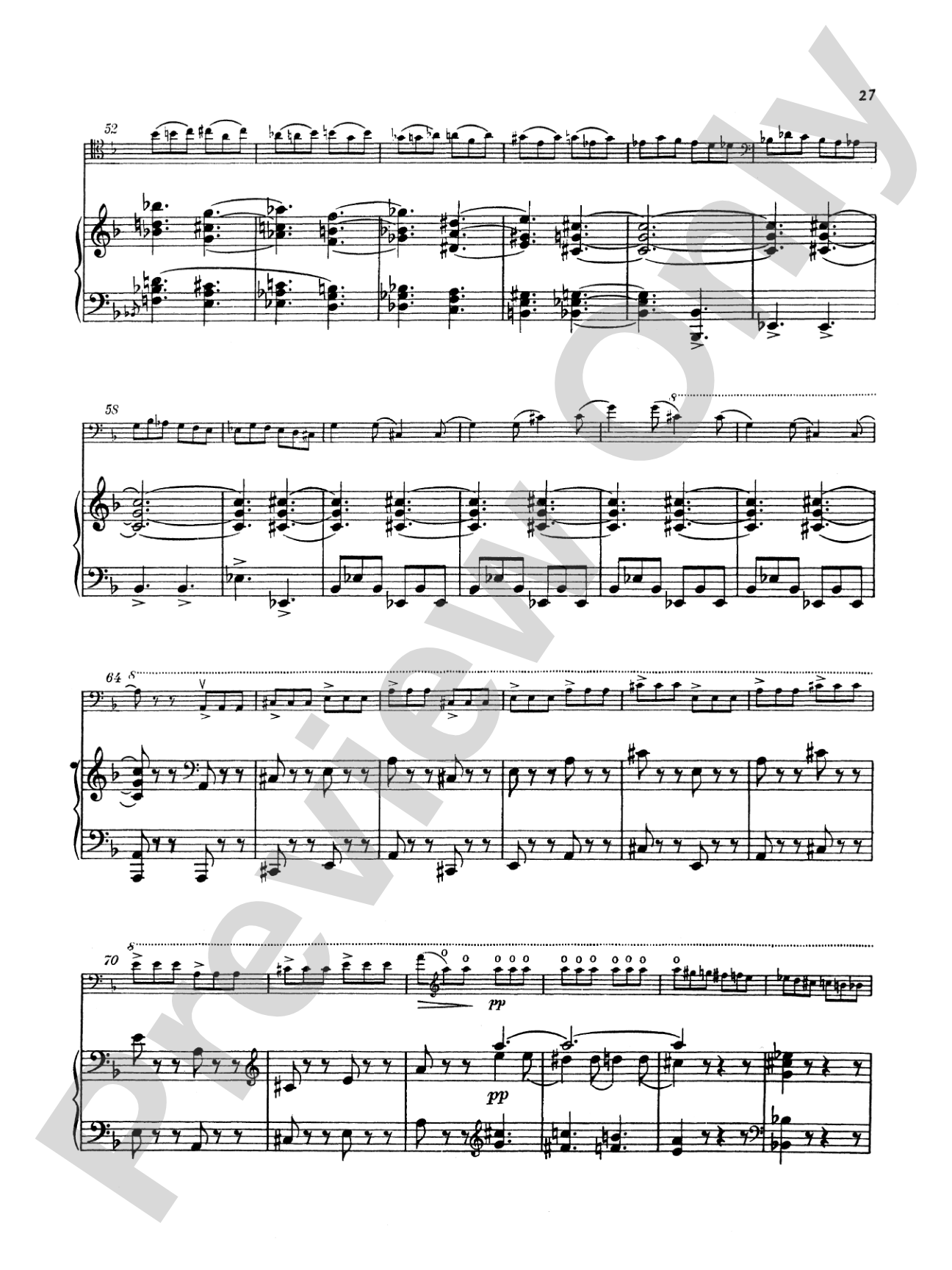
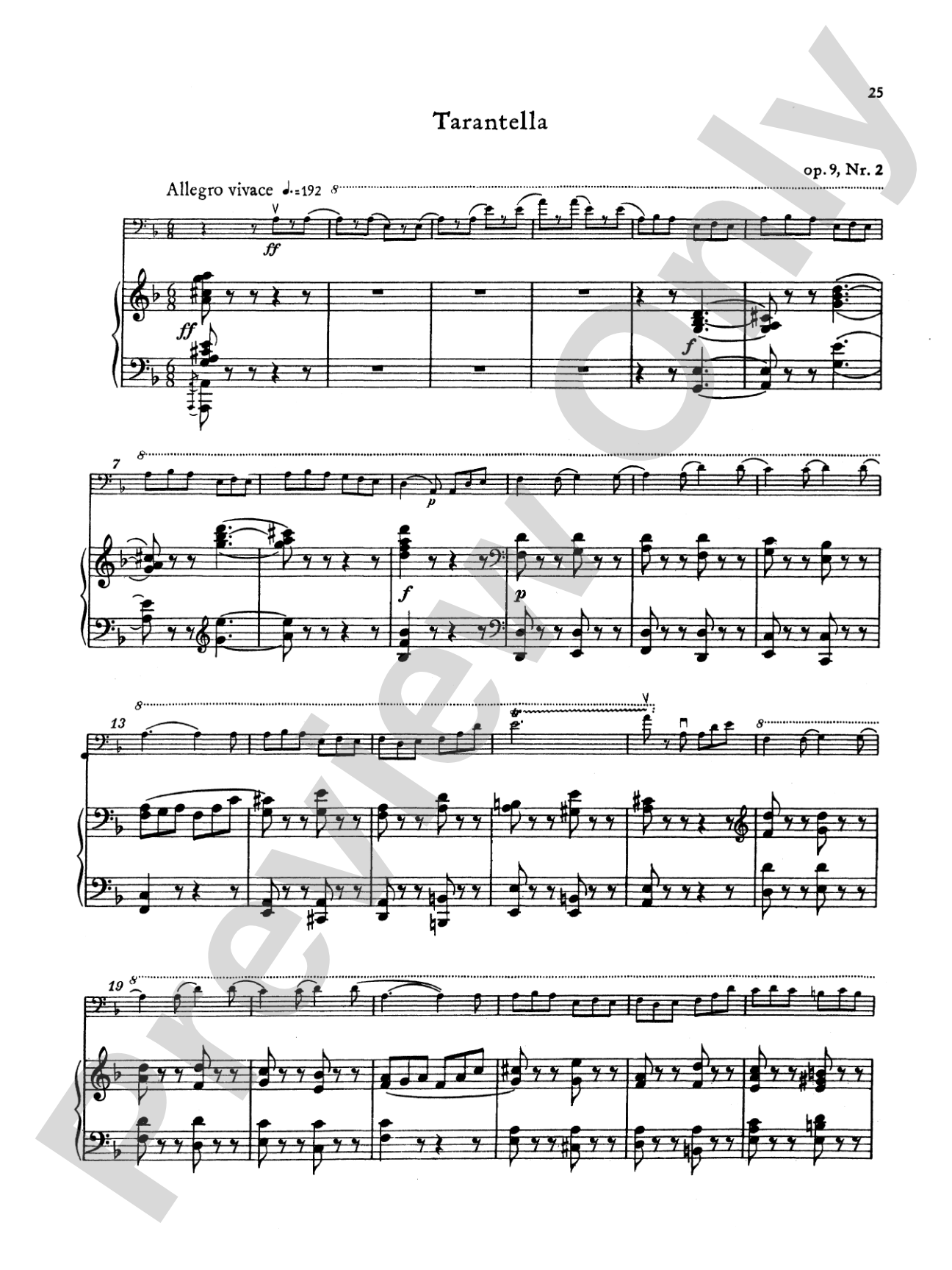
Glière: Four Pieces Sheet Music Preview

Glière: Four Pieces

By Reinhold Glière

Item: 00-PC-0010485

Digital Download
$0.99
Description
Expertly arranged String Concerto for Bass and Piano by Reinhold Glière from the Kalmus Edition series. This is from the 20th Century and Romantic eras.

Don't just read it, hear it, play along with it, and watch your students grow with it. In MakeMusic Cloud, Glière: Four Pieces comes alive with professional accompaniment, adjustable tempo, and built-in practice tools that turn solo practice into real progress.

Sample Audio
No sample audio found.
Sample Video
Additional Details
Series: Kalmus Edition
Publisher: Alfred Music
Page Count: 40
SKU: 00-PC-0010485
Instrumentation: String Bass & Piano

More about this title

About the Composer: Reinhold Glière

Reinhold Glière (1875–1956) was a Russian composer and conductor whose prolific output spanned orchestral works, concertos, and chamber music. He studied at the Moscow Conservatory and later taught composition there, influencing generations of Soviet composers. His writing combines Romantic lyricism with orchestral sophistication, and his concertos remain staples for advanced string players seeking substantial, musically mature repertoire.

Glière's bass concerto exemplifies his gift for writing idiomatically for solo instruments. Rather than treating the bass as a supporting voice, he crafted a work that showcases the instrument's lyrical warmth and technical range, making it essential repertoire for serious bass students and professionals.

Why we love this

This concerto gives bass players access to authentic concert repertoire that demands both musicianship and technique without the weight of a full orchestral score. Unlike many bass pieces that lean on pizzicato and rhythmic support, Glière writes substantive melodic lines that invite serious interpretation. It's the kind of work that changes how a player thinks about their instrument.

What to expect

The Glière concerto unfolds with the grandeur and emotional directness of late Romantic writing. Lyrical melodies soar over energetic piano accompaniment, shifting between moments of introspective warmth and virtuosic brilliance. The work feels generous to the soloist; Glière genuinely loves the bass voice and writes music that celebrates it.

Who it's for

Advanced high school bass students preparing for all-state auditions and college repertoire juries will find a work of genuine artistic substance here. Music schools and private studios use it with advanced undergraduates as a bridge to professional-level expectations. This is not entry-level repertoire; it assumes secure fundamentals and genuine musicianship.

How to get the most out of it

  • Shape long phrases with steady bow control; the piano part moves busily beneath, so maintain tonal clarity through dynamic changes without sacrificing legato.
  • Balance projection in the upper register carefully. The bass easily overpowers the piano in these passages, so practice with a collaborator early and often.
  • Treat rhythmic complexity as a feature, not a hurdle. Glière writes for precision, but the reward is genuine virtuosity that audiences hear as musical maturity, not technical display.
  • Work on thumb position shifts cleanly. This piece sits comfortably high enough that avoidable position noise will distract from the musical line.

How to use it

Feature this in a chamber concert alongside other Romantic concertos or in a student recital that showcases serious musical development. Pair it with smaller bass works (perhaps a folk arrangement or contemporary piece) to demonstrate range, or program it as a standalone showcase for an accomplished player. It works equally well in a string festival or competition where adjudicators expect to hear mature artistry.

Skills your students will build

  • Sustaining long melodic lines with consistent tone across registers
  • Managing bow weight and speed in quick accompaniment textures
  • Executing clean thumb position shifts in passage work
  • Balancing dynamics with a piano accompanist across contrasting sections
  • Building interpretive maturity through substantial, concert-level repertoire

You May Also Like