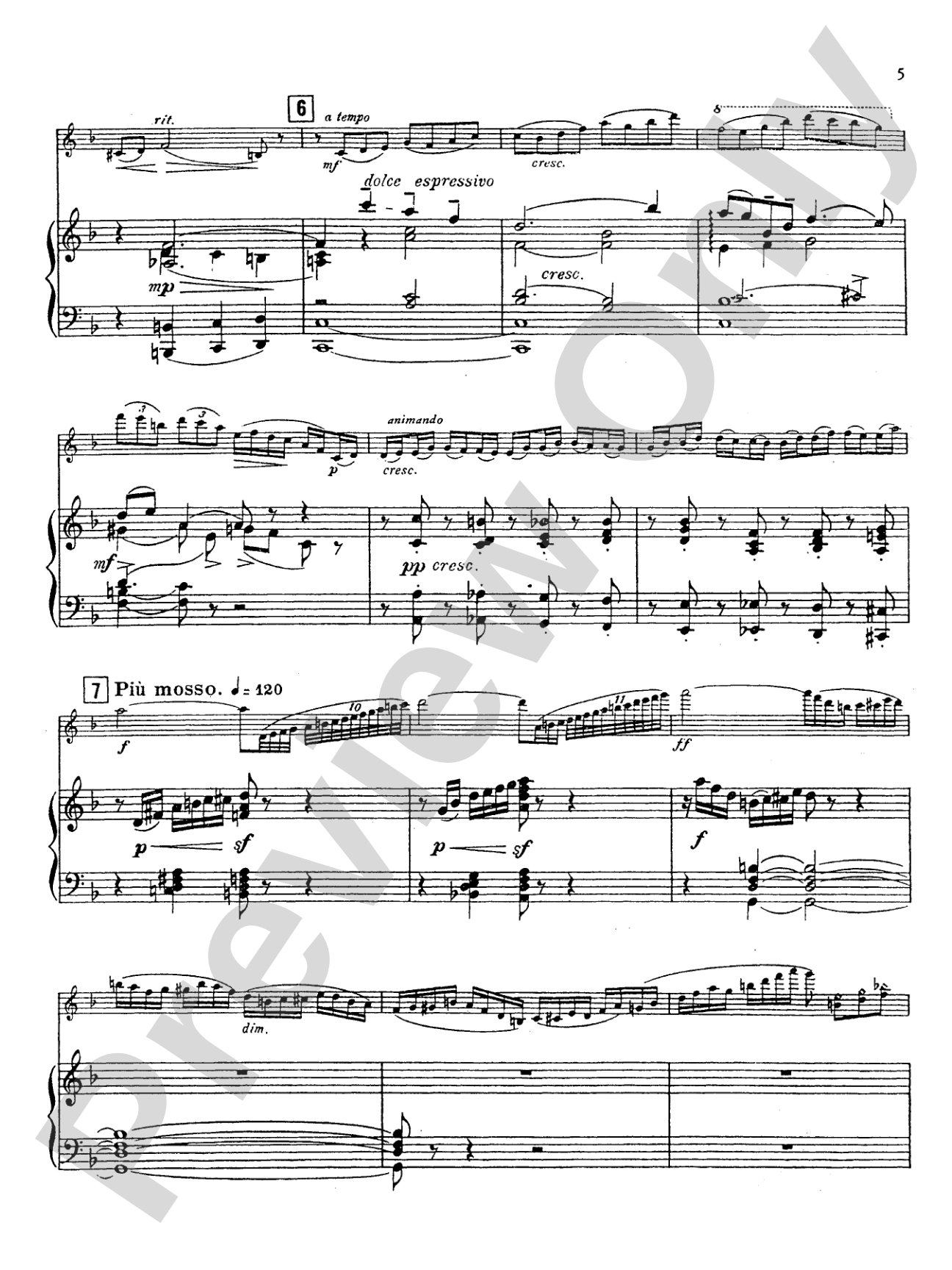
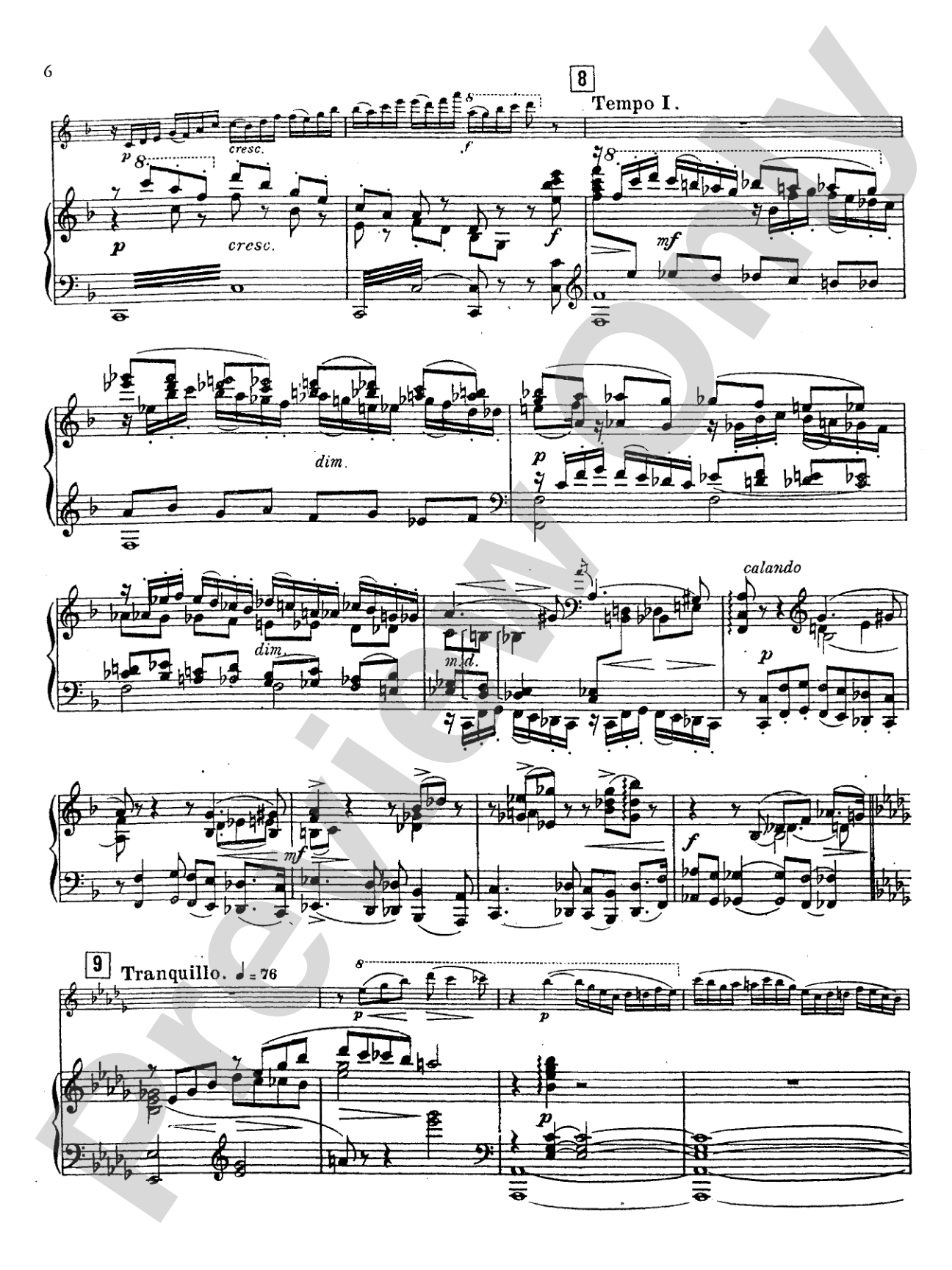
Glazunov: Concerto in A Minor, Op. 82 Sheet Music Preview

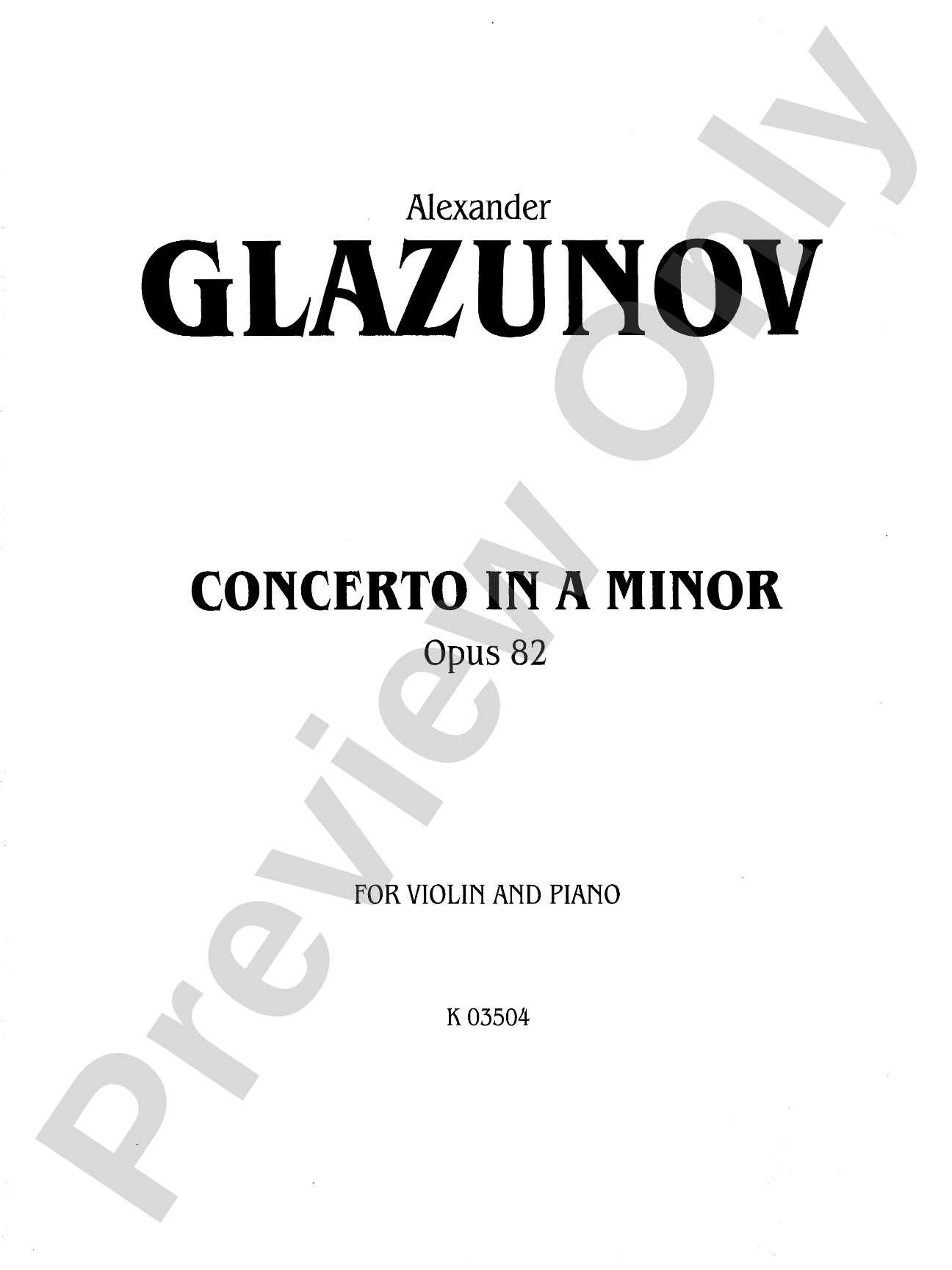
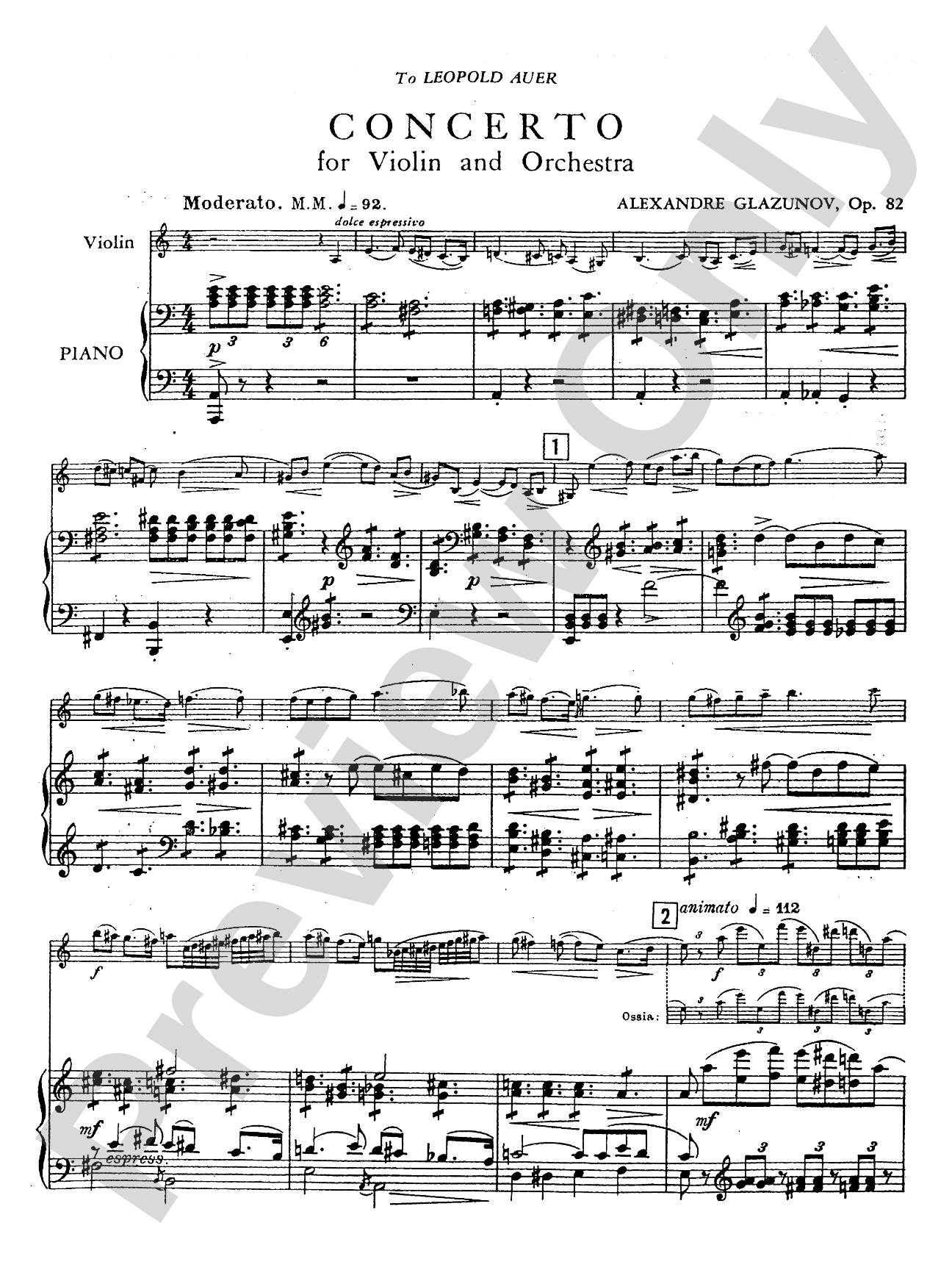
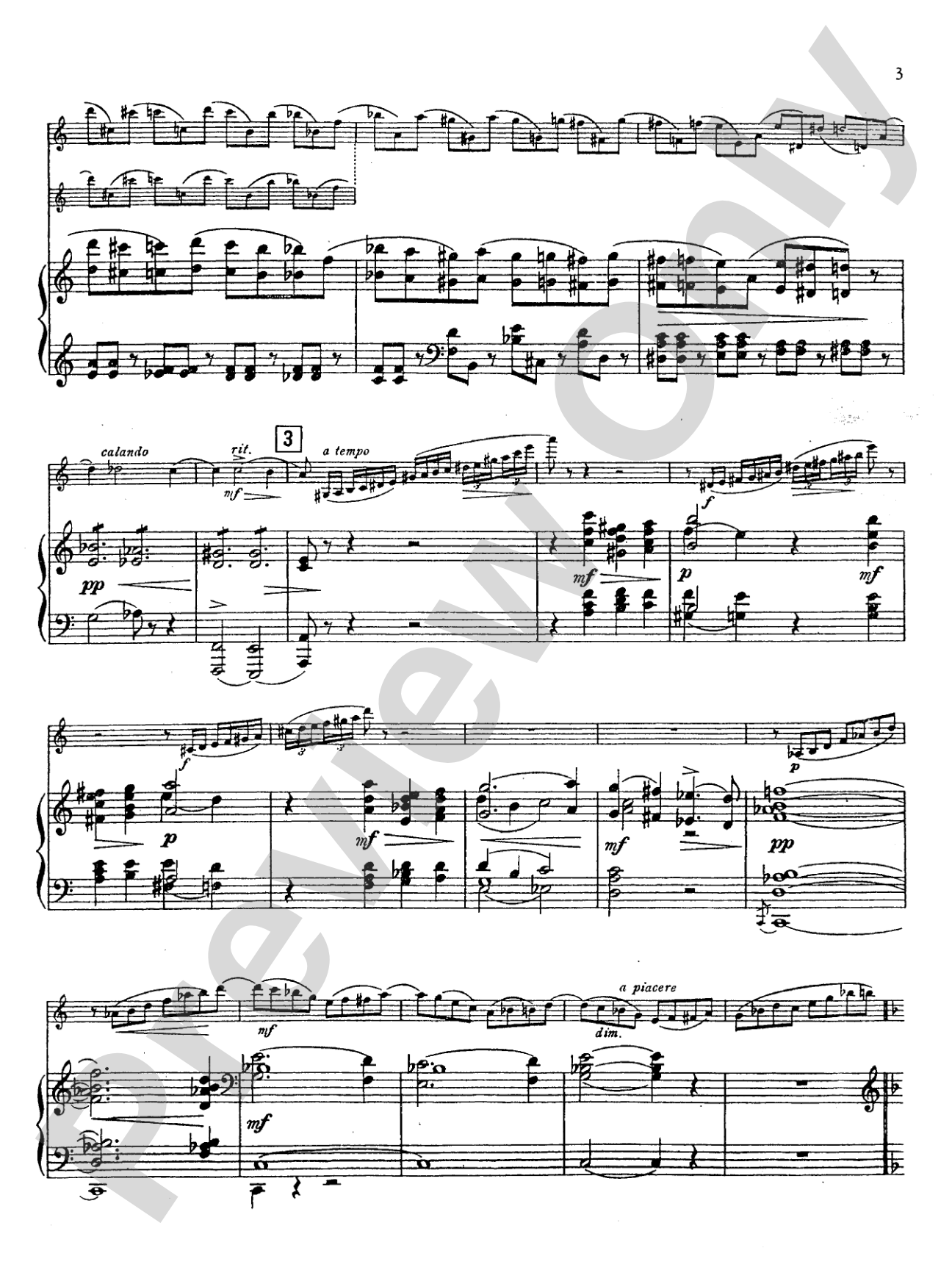
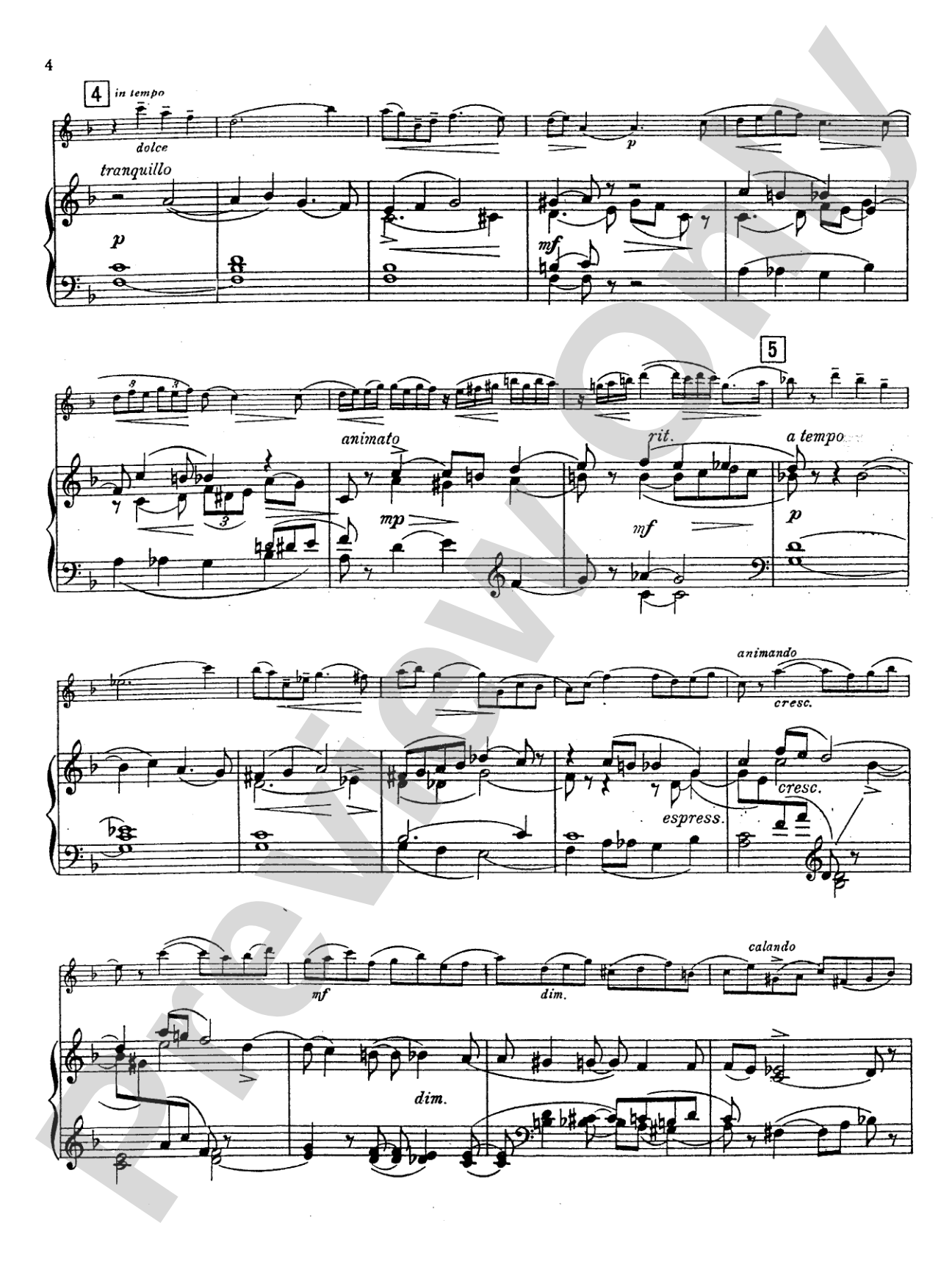
Glazunov: Concerto in A Minor, Op. 82

By Alexander Glazunov

Item: 00-PC-0007487

Digital Download
$5.95
Description
A Violin solo with Piano Accompaniment composed by Alexander Glazunov.

Don't just read it, hear it, play along with it, and watch your students grow with it. In MakeMusic Cloud, Glazunov: Concerto in A Minor, Op. 82 comes alive with professional accompaniment, adjustable tempo, and built-in practice tools that turn solo practice into real progress.

Sample Audio
No sample audio found.
Sample Video
Additional Details
Series: Kalmus Edition
Publisher: Alfred Music
Page Count: 48
SKU: 00-PC-0007487

More about this title

About the Composer: Alexander Glazunov

Alexander Glazunov (1865-1936) was a Russian composer whose prolific output spanned symphonies, ballets, concertos, and chamber works. A student of Nikolai Rimsky-Korsakov, he became one of the most performed Russian composers of his generation, bridging the gap between the Romantic era and early 20th-century modernism. His writing is marked by lyrical melody, orchestral color, and structural clarity that appealed to performers and audiences alike.

Glazunov's violin concerto stands as one of the finest examples of late Romantic concerto writing. Composed in 1904, it remains a cornerstone of the violin repertoire, prized for its singing lines, technical demands, and emotional depth. The work demonstrates his mastery of instrumental writing and his ability to create vehicles that showcase both virtuosity and musicianship.

Why we love this

This concerto strikes the balance that makes for compelling recital programming: it contains passages of genuine virtuosity without sacrificing the lyrical, song-like quality that makes it satisfying to perform and hear. Advanced violinists find real musical substance here, not just technical busywork. The piece has enough structural weight and emotional arc to stand on its own as a complete concert statement.

What to expect

The concerto unfolds with the confidence and breadth of late Romantic instrumental writing. Lyrical passages sing with an almost vocal quality, while faster sections sparkle with technical clarity and energy. The overall arc moves from lyricism to virtuosity to reflective beauty, creating a satisfying emotional journey that feels both substantial and accessible.

Who it's for

Advanced high school violinists and collegiate-level students preparing for competitions, concerto competitions, or advanced recitals. This work suits violinists with solid technical foundation and mature musical sensibility. It is also a valuable addition to the repertoire of professional violinists building a concerto program.

How to get the most out of it

  • Shape the opening theme with a warm, singing tone in the first movement. Glazunov writes for the voice of the instrument first; let technical passages serve the melody rather than dominate it.
  • Balance the dialogue between violin and piano accompaniment carefully, especially in the lyrical sections. The pianist should support without overshadowing your line.
  • Prepare the scalar and arpeggio passages with evenness and clarity. Technical facility matters here, but rhythmic integrity and tone consistency matter more.
  • Pay attention to the marked dynamic contrasts and tempo relationships between movements. Glazunov's architecture depends on clear structural articulation.

How to use it

This work serves as an excellent anchor for a recital featuring 20th-century concerto literature or Romantic-era masterworks. It pairs well with shorter contemporary pieces or Russian repertoire. Consider programming it when you want to showcase a soloist's technical maturity and musical depth in a single, unbroken work.

Skills your students will build

  • Double stops and shifting across multiple positions
  • Sustained legit tone production over long melodic phrases
  • Scalar and arpeggio technique with rhythmic precision
  • Coordination of large technical passages with musical phrasing
  • Interpretation of Romantic-era rubato and expressive timing
  • Ensemble balance and communication with piano accompaniment

You May Also Like