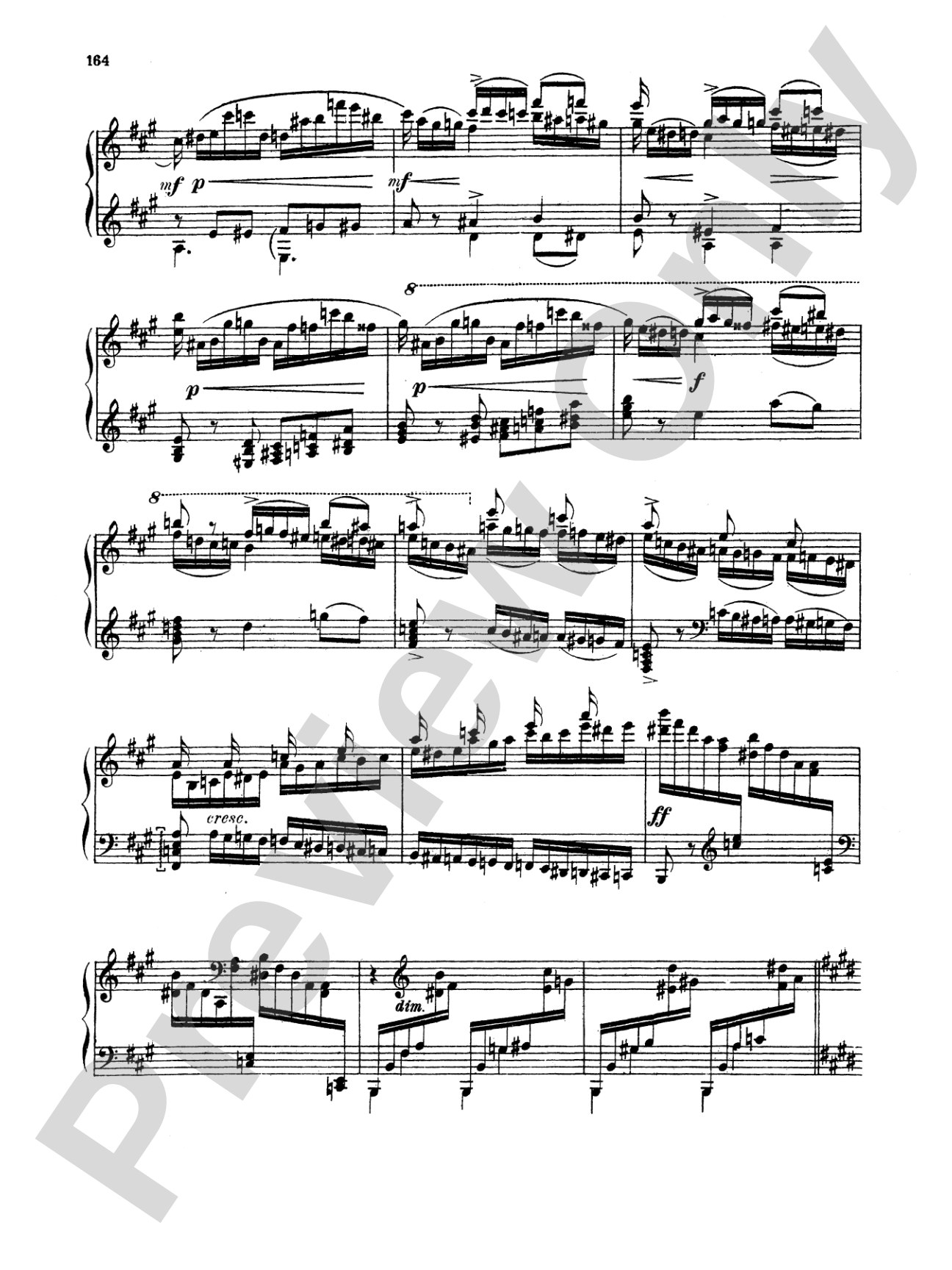
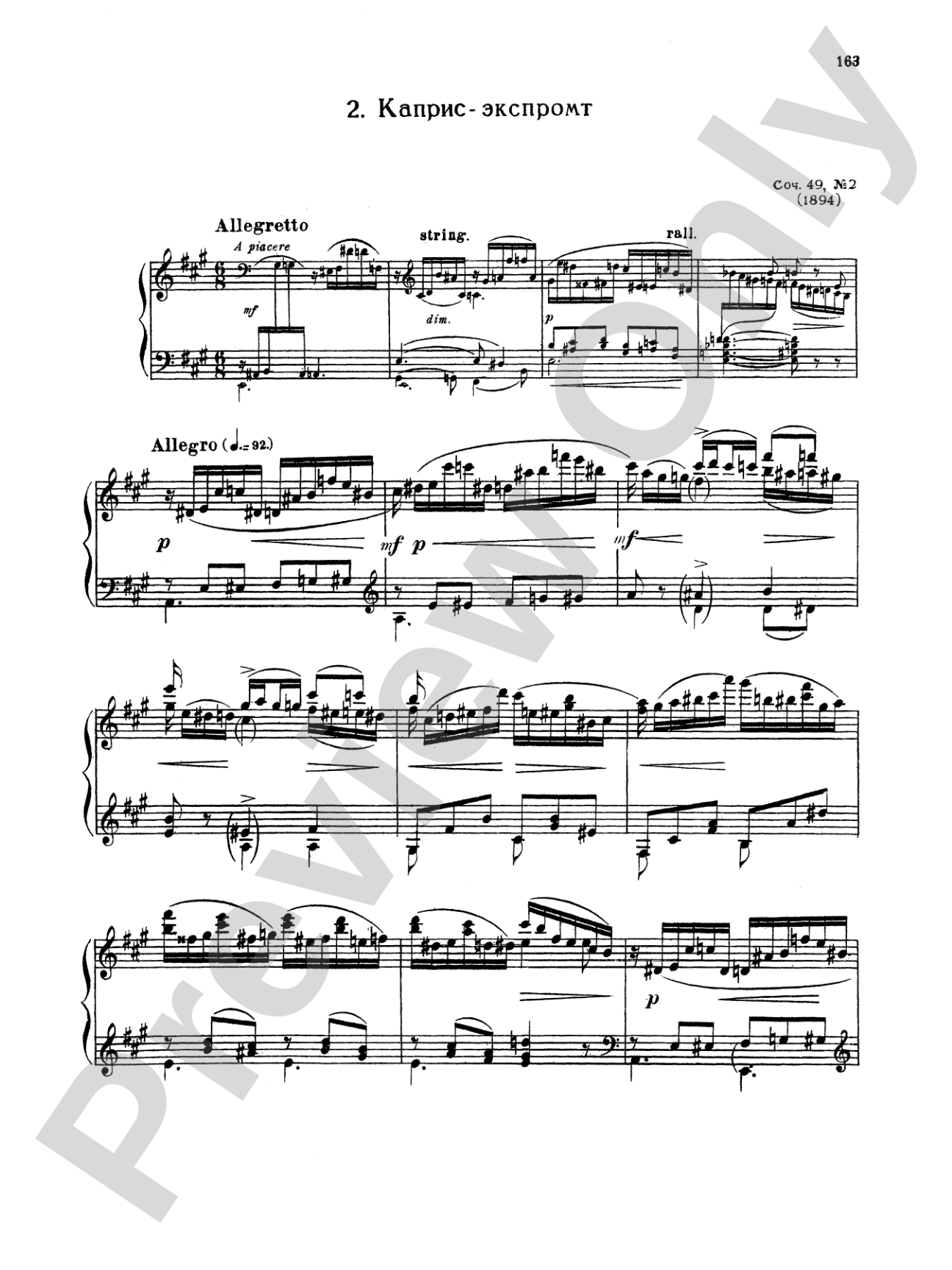
Glazunov: Complete Works (Volume II) Sheet Music Preview

Glazunov: Complete Works (Volume II)

By Alexander Glazunov

Level: Intermediate / Advanced

Item: 00-PC-0012697

Digital Download
$0.99
Description
A collection of Intermediate / Advanced piano solos expertly composed by Alexander Glazunov.

Don't just read it, hear it, play along with it, and watch your students grow with it. In MakeMusic Cloud, Glazunov: Complete Works (Volume II) comes alive with professional accompaniment, adjustable tempo, and built-in practice tools that turn solo practice into real progress.

Sample Audio
No sample audio found.
Sample Video
Additional Details
Series: Kalmus Edition
Publisher: Alfred Music
Page Count: 112
SKU: 00-PC-0012697

More about this title

About the Composer: Alexander Glazunov

Alexander Glazunov (1865-1936) stands as one of the most technically accomplished composers of the late Romantic era. A student of Rimsky-Korsakov and a contemporary of Tchaikovsky, he mastered orchestration and harmonic richness while maintaining melodic clarity that audiences understood immediately. His prolific output across symphonies, concertos, and chamber works established him as a conservative voice during a period of radical musical experimentation, yet his craftsmanship earned respect from both traditionalists and modernists.

For pianists, Glazunov's solo works reveal a composer fully versed in keyboard writing. His pieces balance virtuosic demands with songful lyricism, drawing on the Russian Romantic tradition while incorporating elements of Western European salon music. This collection represents the breadth of his pianistic language and remains essential repertoire for students transitioning into the advanced intermediate repertoire.

Why we love this

Glazunov's piano writing sits at that sweet spot where musical substance meets genuine pianistic pleasure. These pieces demand real technique and interpretive maturity without descending into empty virtuosity, making them ideal for students ready to tackle contemporary repertoire that connects them to the Classical tradition. The collection gives you access to works that appear far less frequently on recital programs than the standard Romantic canon, opening doors to meaningful programming choices.

What to expect

Graceful and contemplative, these pieces evoke the world of late 19th-century Russian salon culture while maintaining the formal discipline of a trained symphonist. Each work unfolds with unhurried elegance, revealing melodic and harmonic sophistication that rewards close listening. There's a uniquely Russian quality to the lyricism, neither as austere as Brahms nor as extroverted as Liszt.

Who it's for

Advanced intermediate pianists ready to engage with substantial concert repertoire from the late Romantic period. Teachers seeking to deepen students' knowledge of Russian piano literature beyond the standard Tchaikovsky and Rachmaninoff selections. Recitalists building programs that demonstrate technical mastery and musical maturity.

How to get the most out of it

  • Pay attention to the harmonic depth beneath the melody; Glazunov layers rich chord progressions that reward deliberate voice leading rather than rapid runs across the surface.
  • Balance the Russian Romantic lyricism with formal clarity. These pieces sit between Brahms and Rachmaninoff stylistically, requiring both warmth and structural precision.
  • Study the pedal markings carefully. Glazunov uses the sustain pedal architecturally to shape harmonic color and phrase architecture, not simply for romantic wash.

How to use it

Feature these works as anchors for recitals exploring the Russian Romantic tradition or the development of piano writing in the late 19th century. A single Glazunov piece adds substantial weight to a program without requiring the interpretive intensity of Rachmaninoff or Scriabin. These works pair particularly well with Brahms or Reger on concert programs exploring conservative compositional voices during the modernist era.

Skills your students will build

  • Executing complex harmonic progressions with clarity and voice independence
  • Maintaining lyrical phrasing across extended formal structures
  • Controlling pedal technique for harmonic color and structural shaping
  • Balancing Romantic expressive demands with structural architectural clarity
  • Reading and interpreting articulation and dynamic markings with period-appropriate sensitivity

You May Also Like