
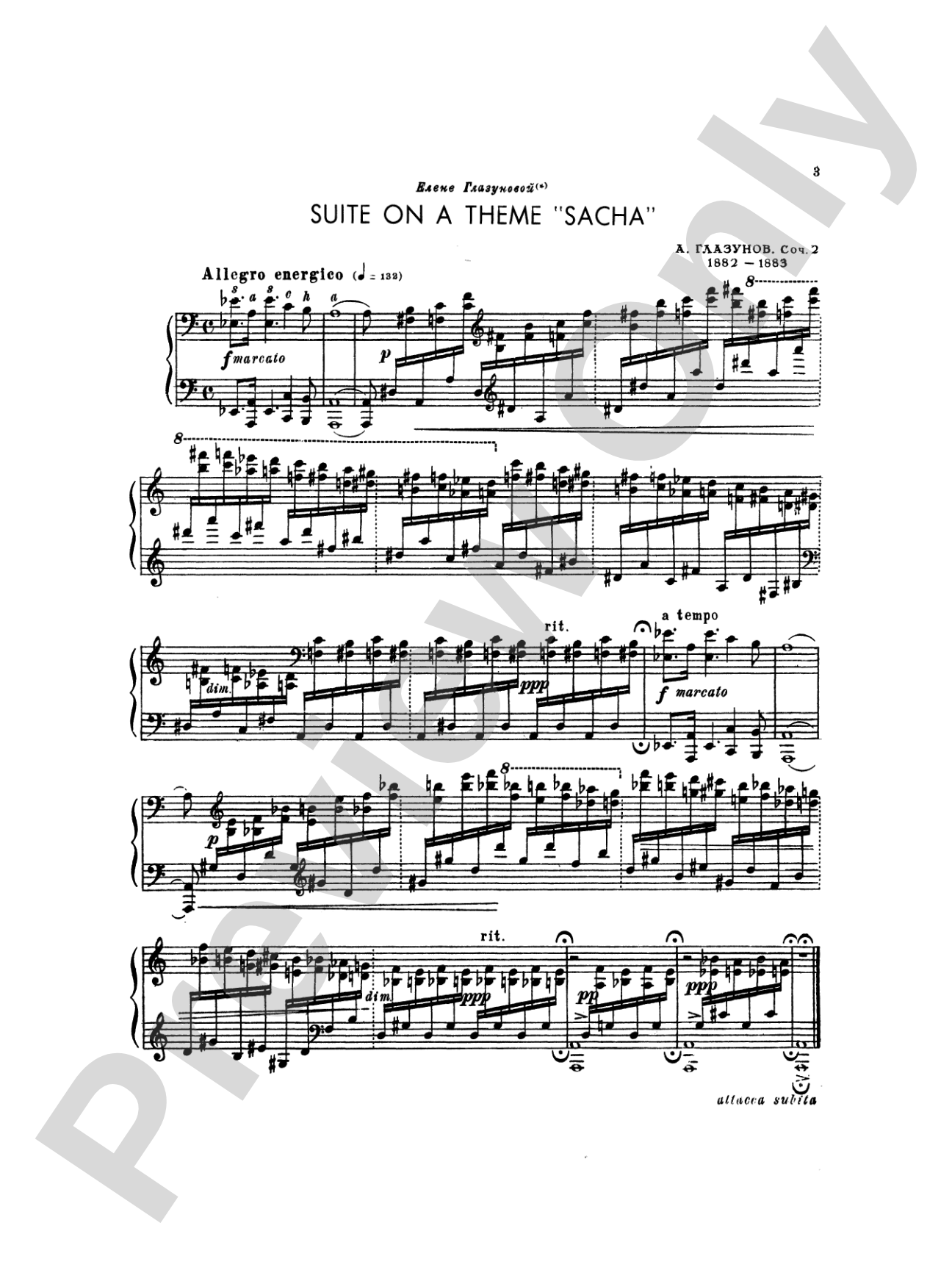
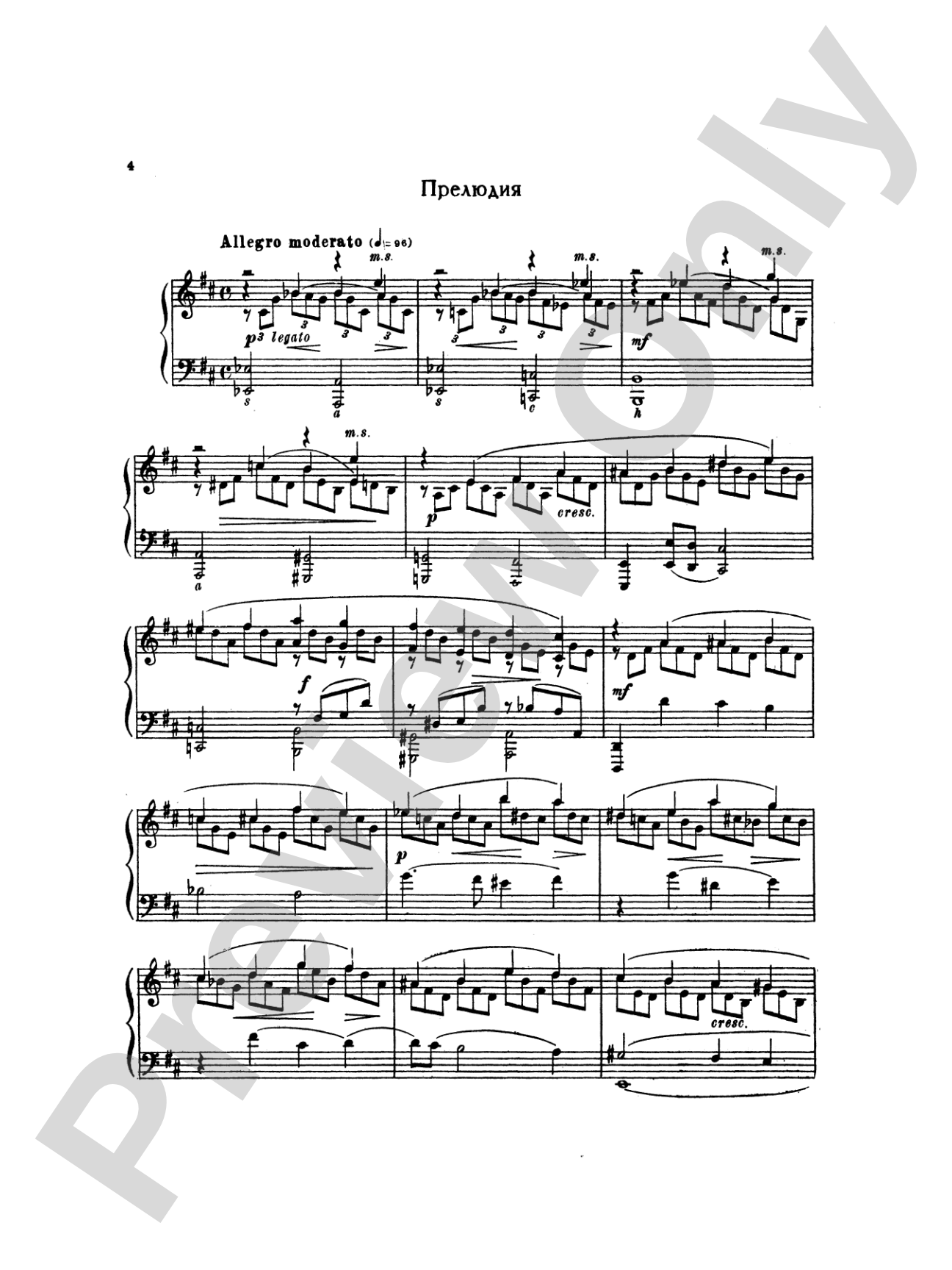
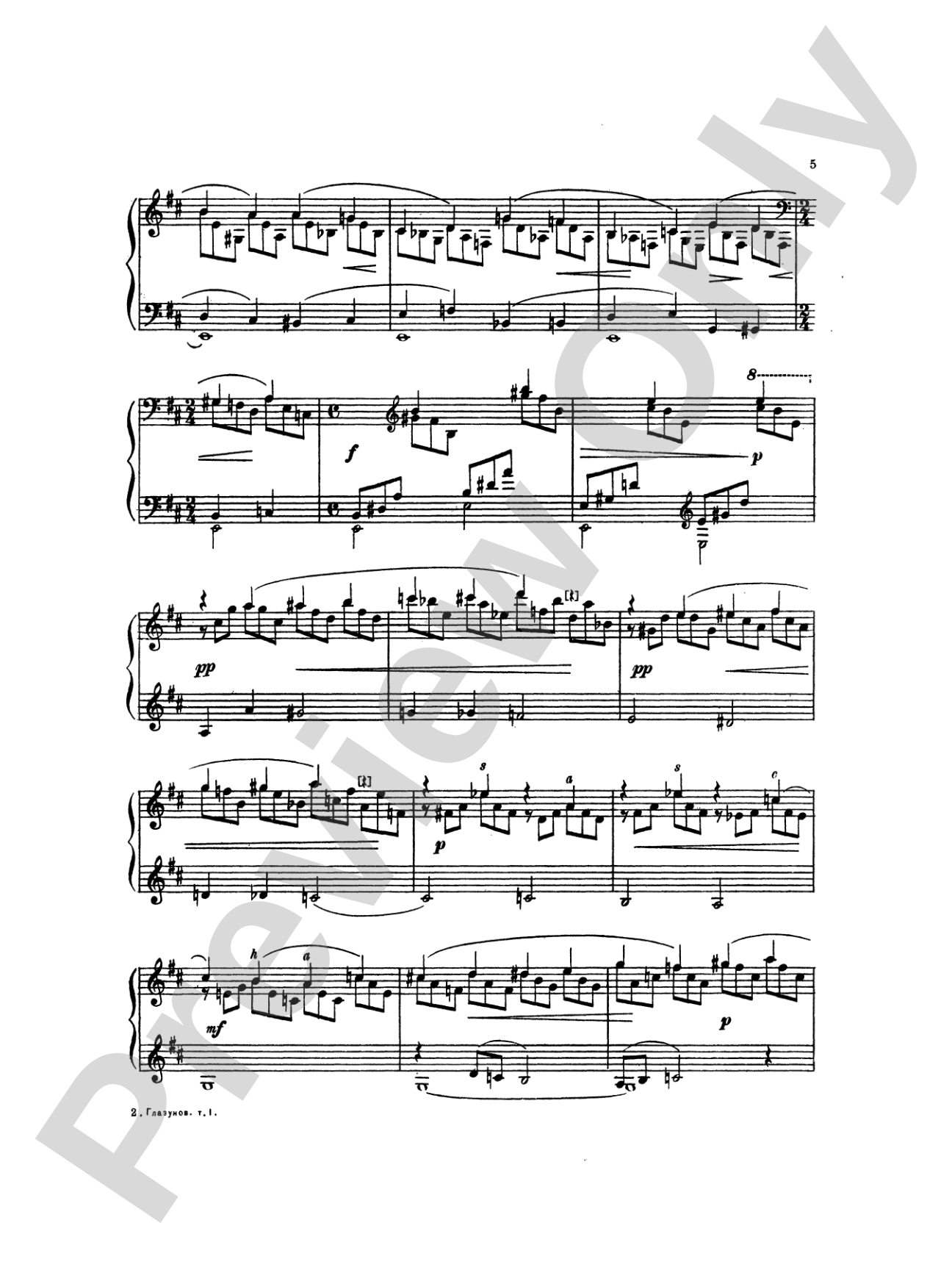
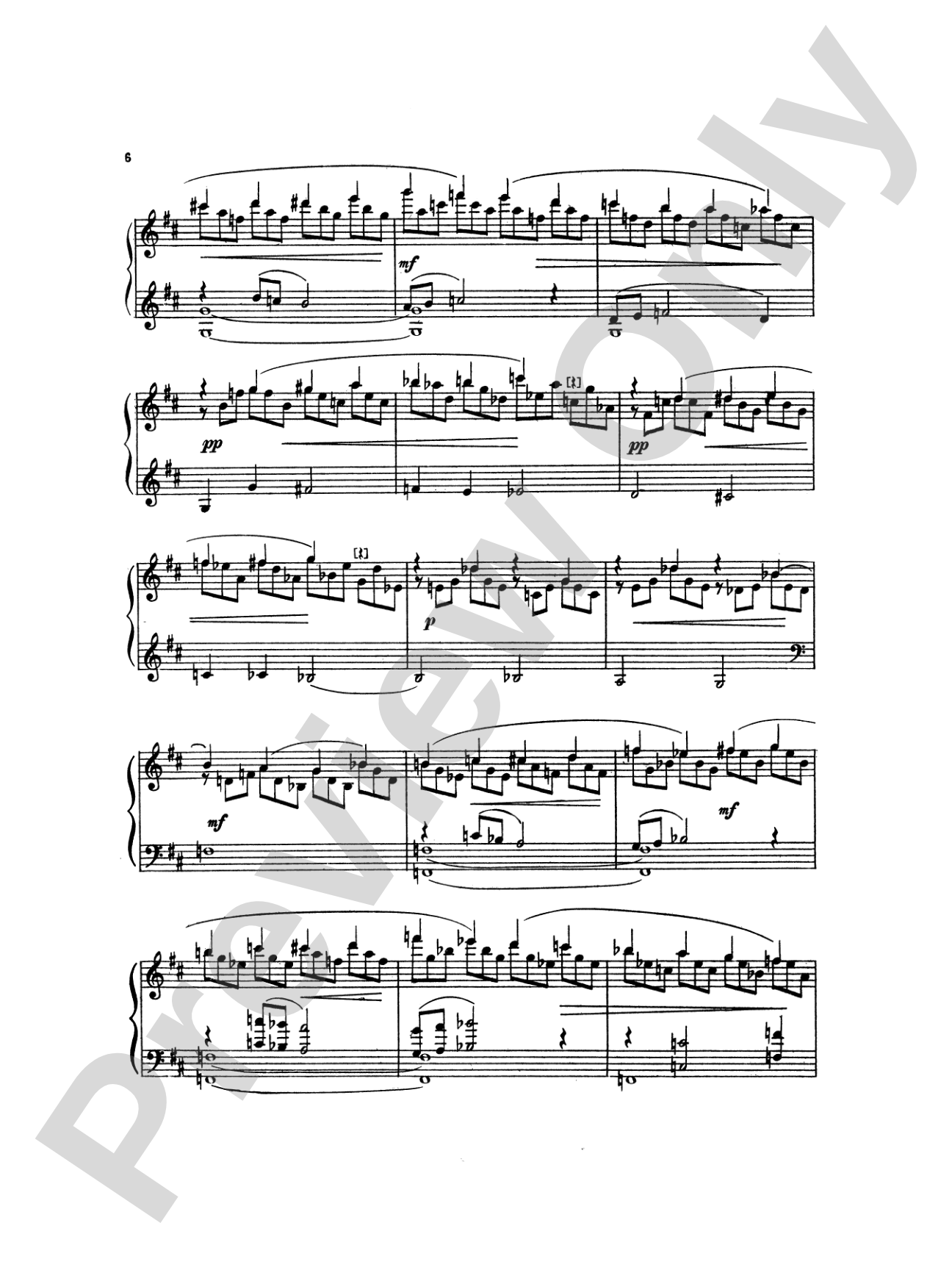
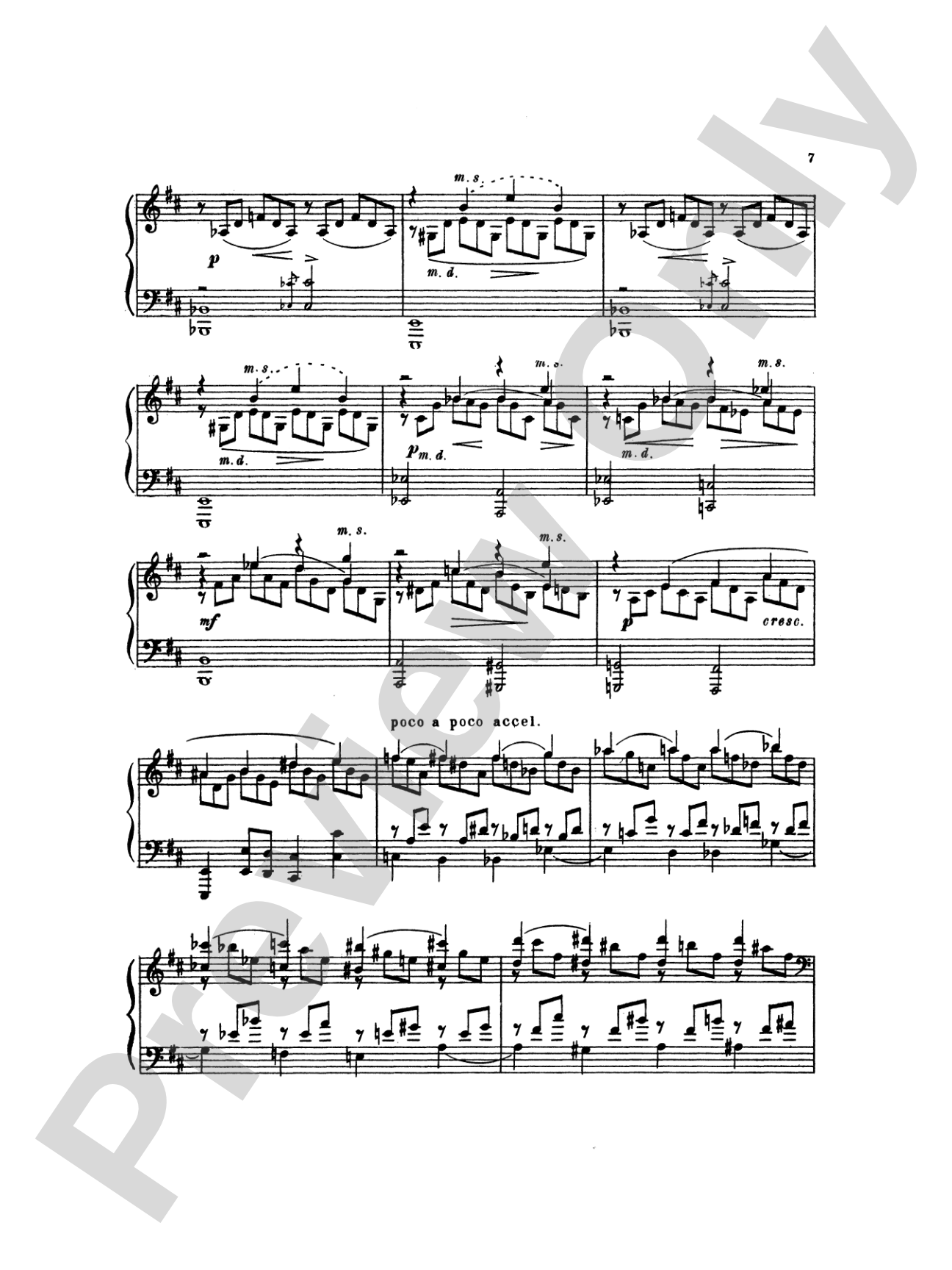
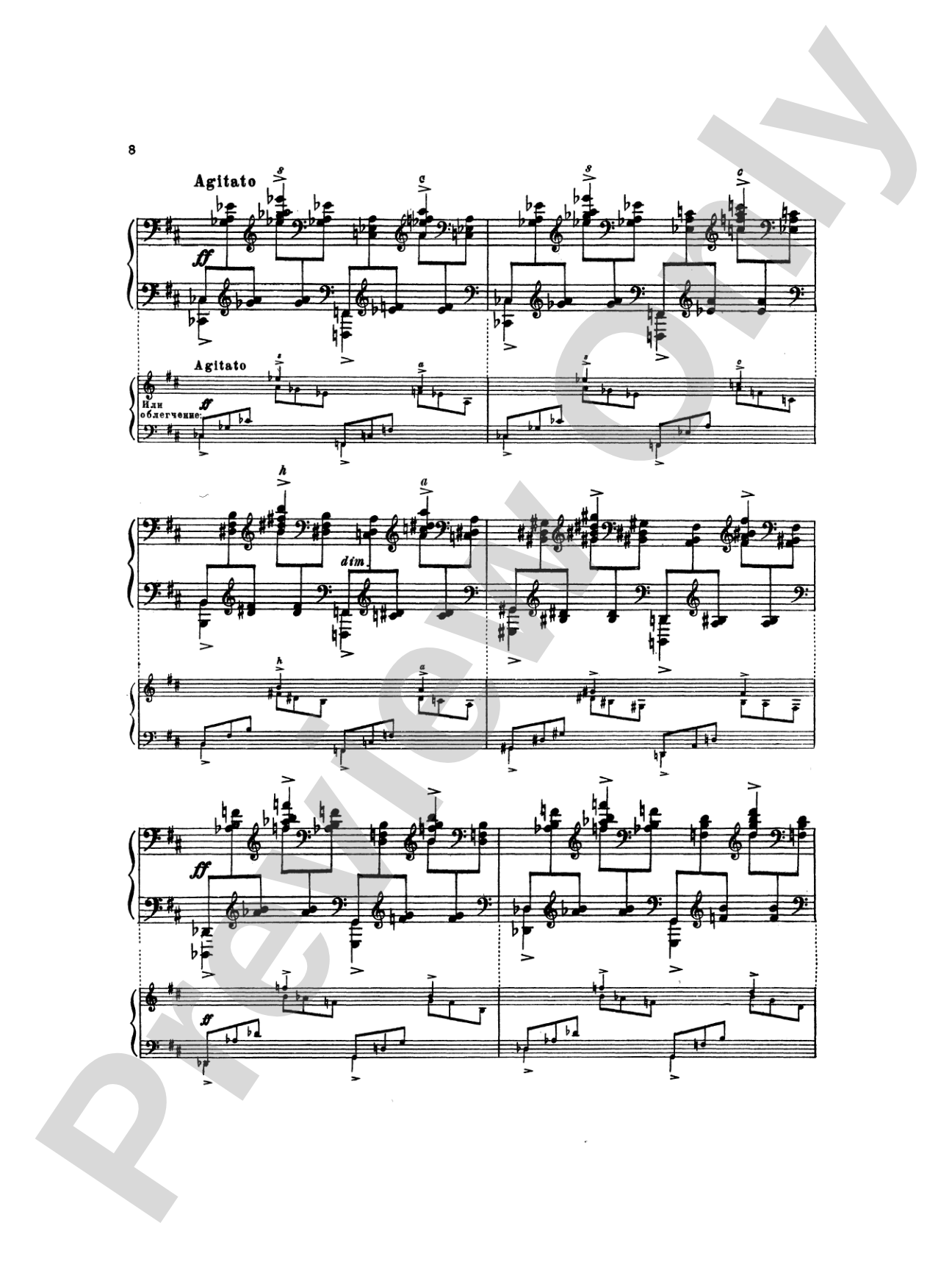
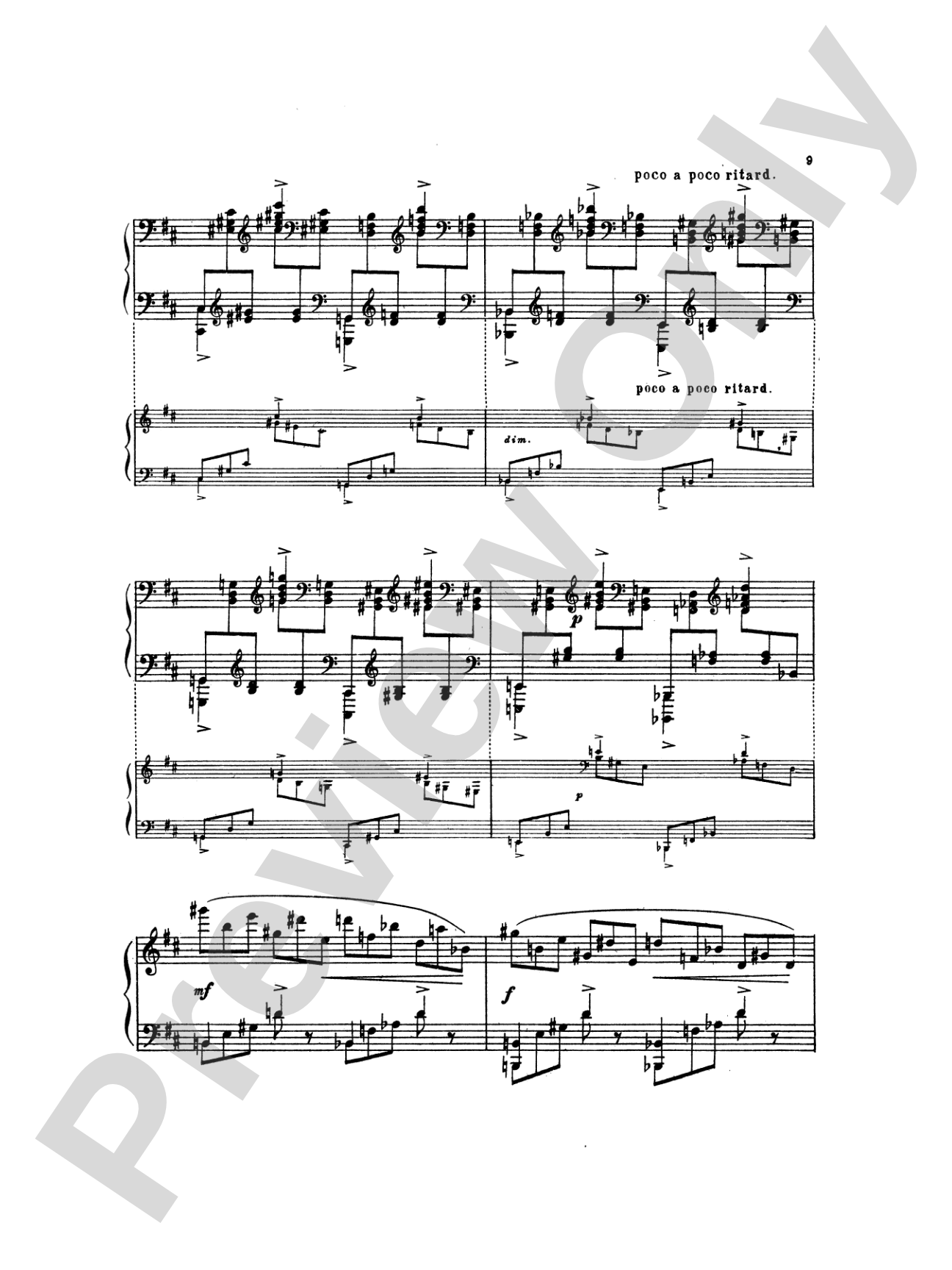
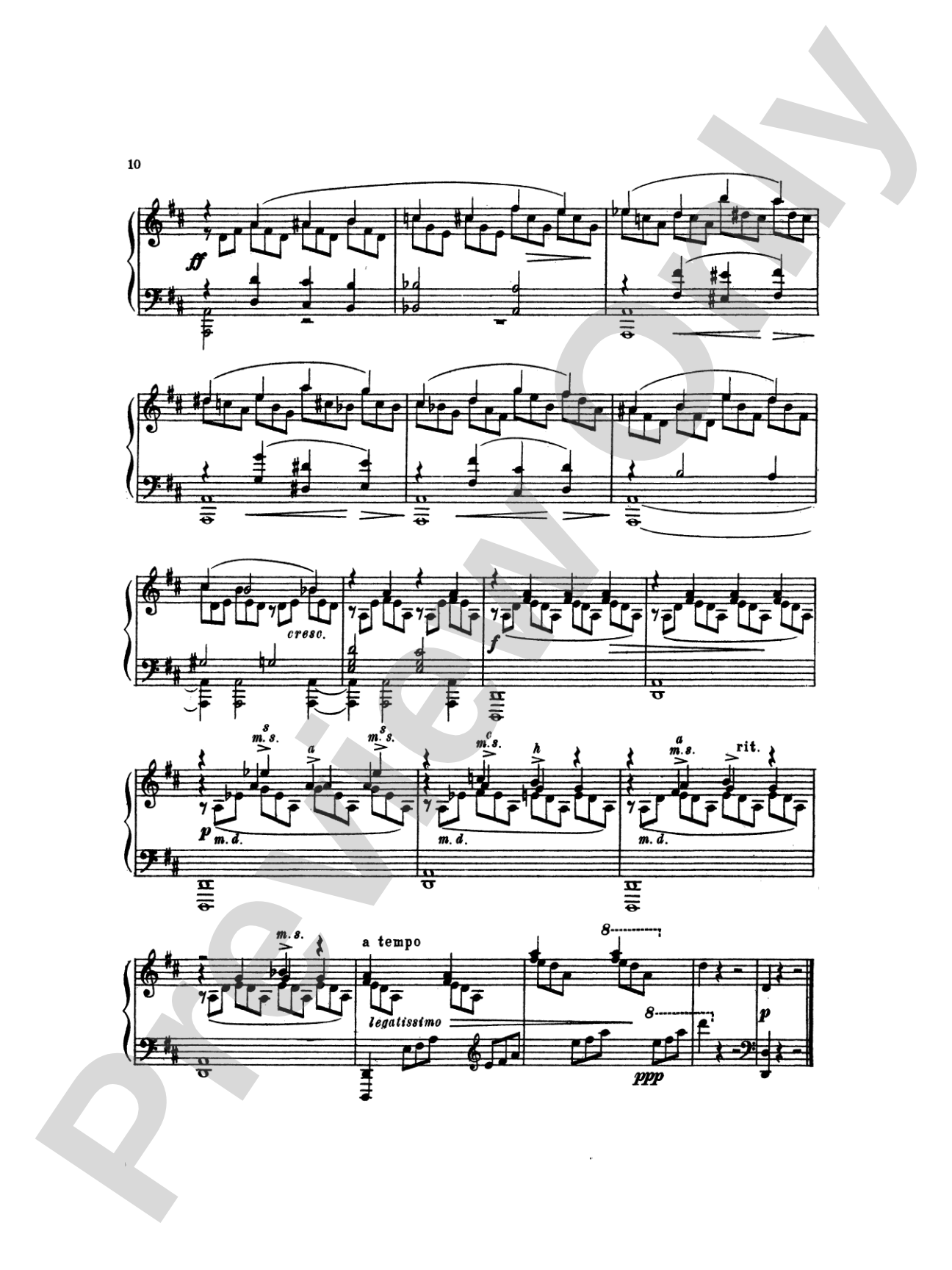
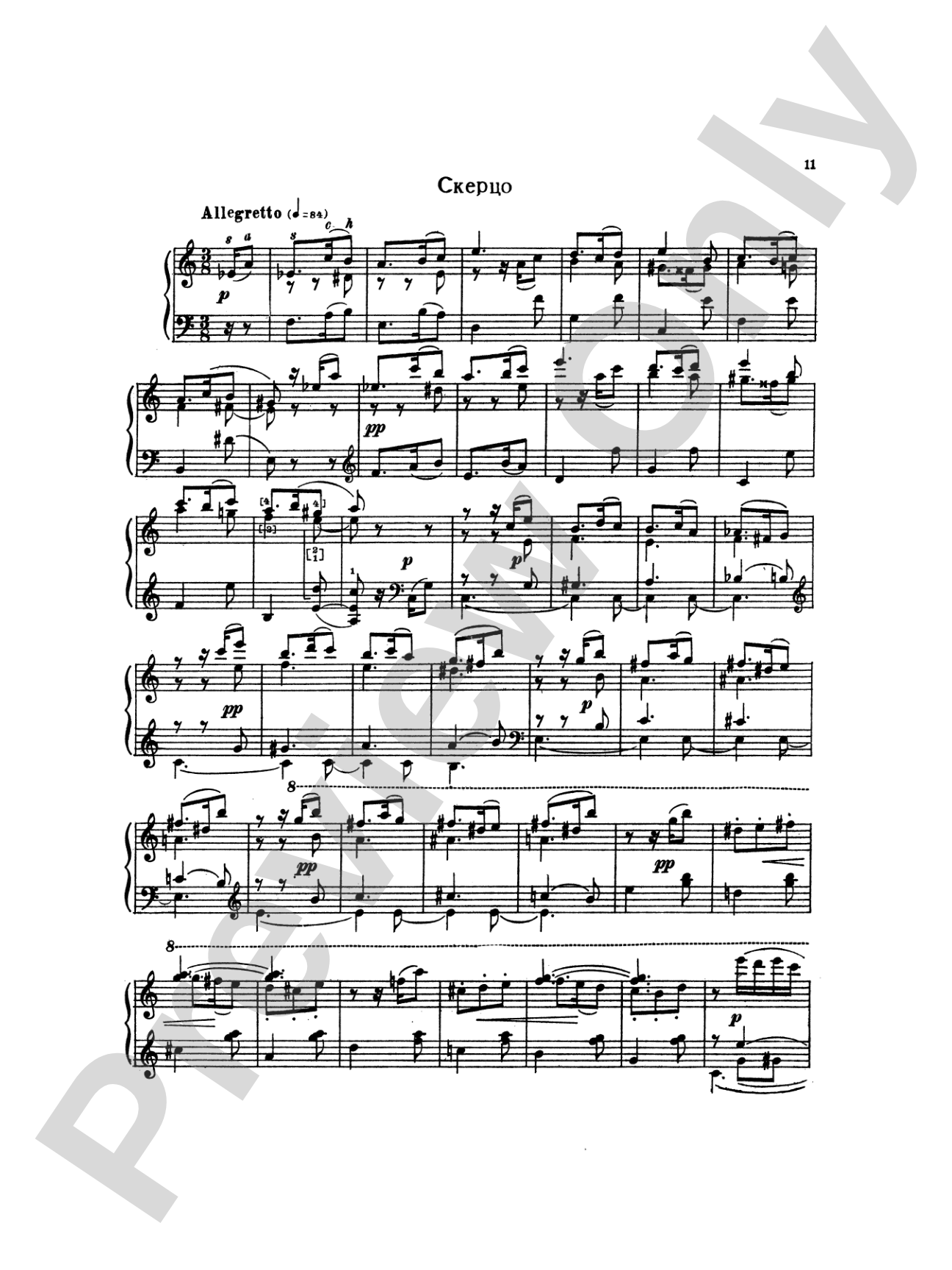
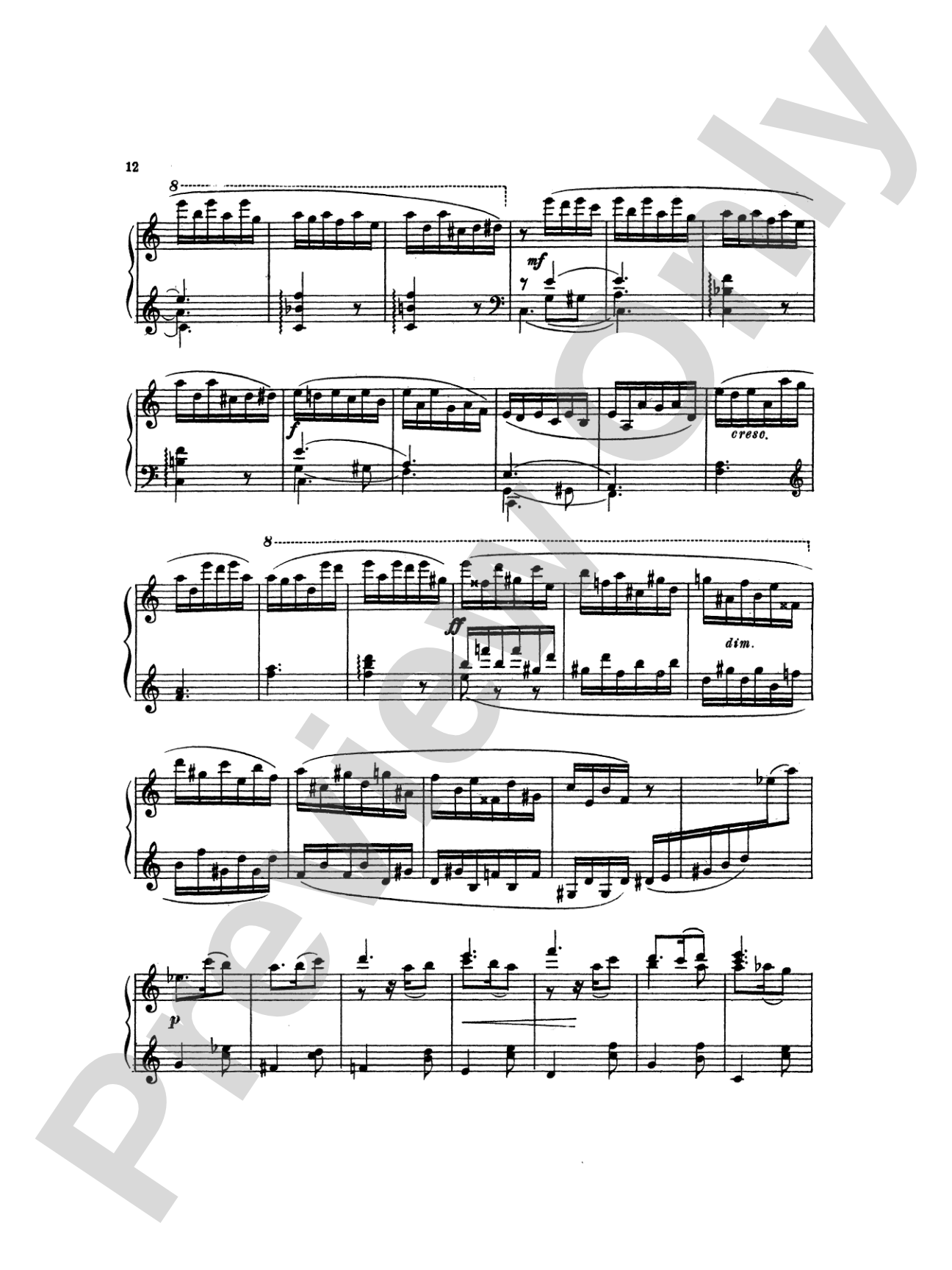
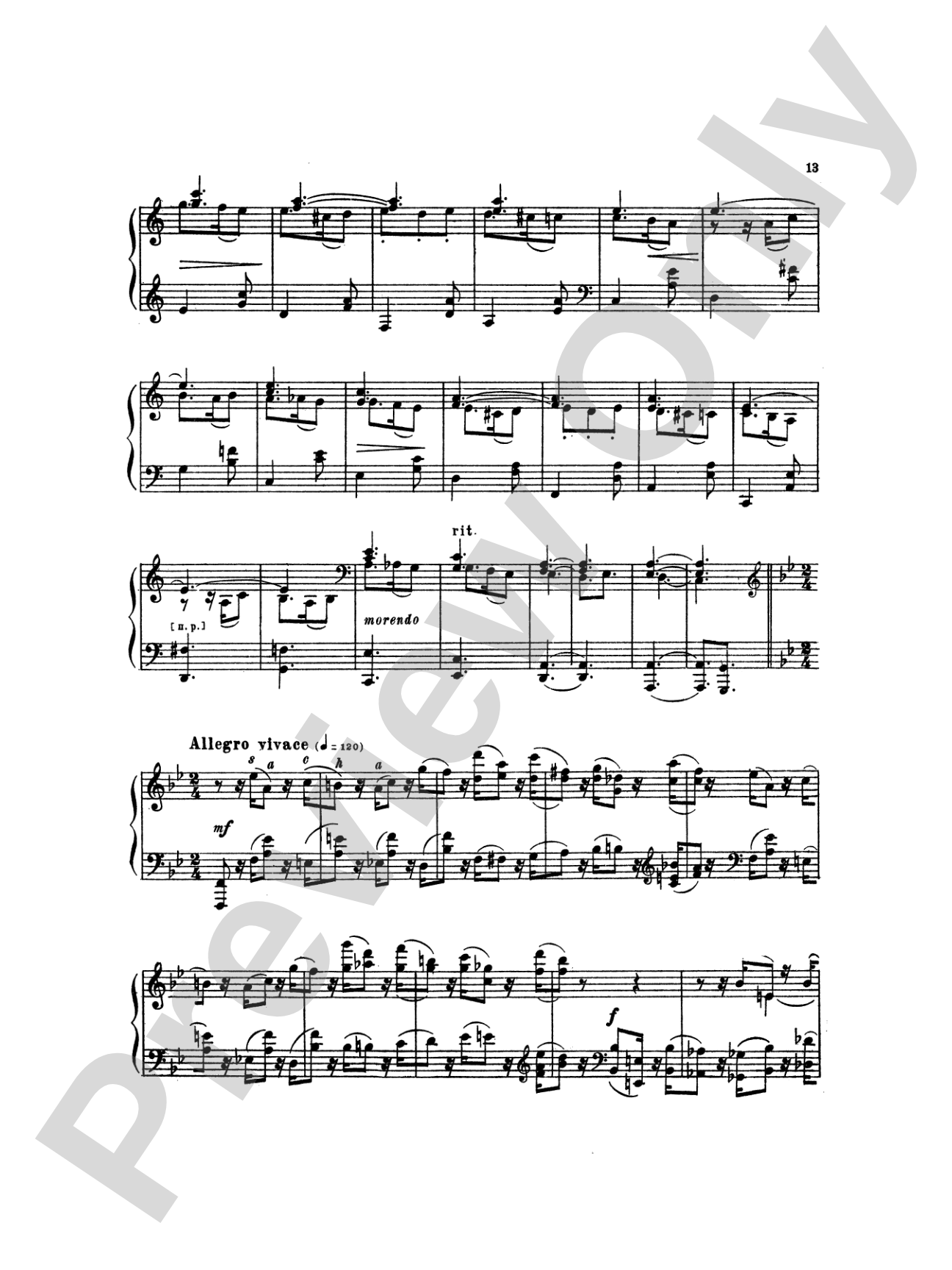
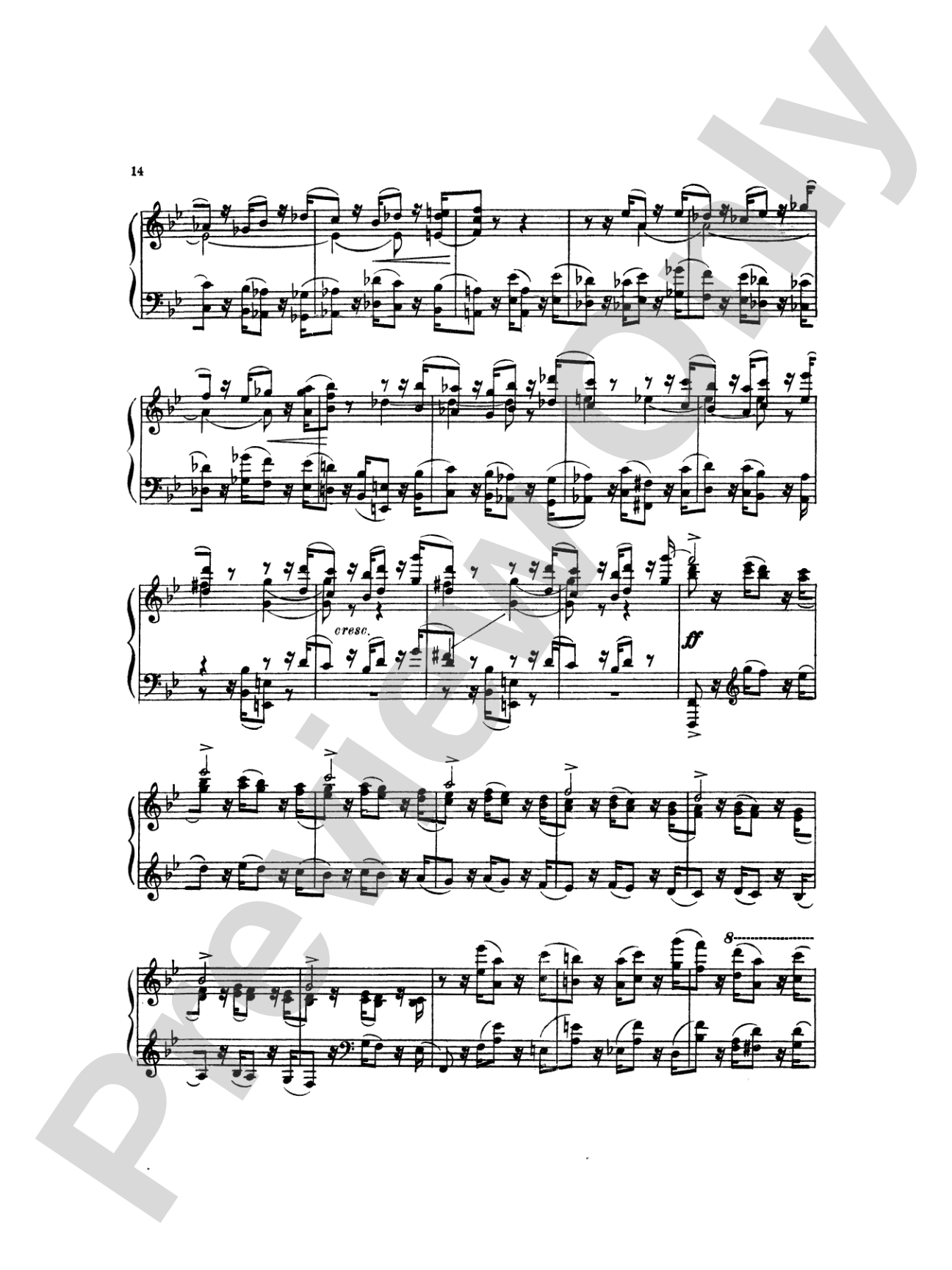
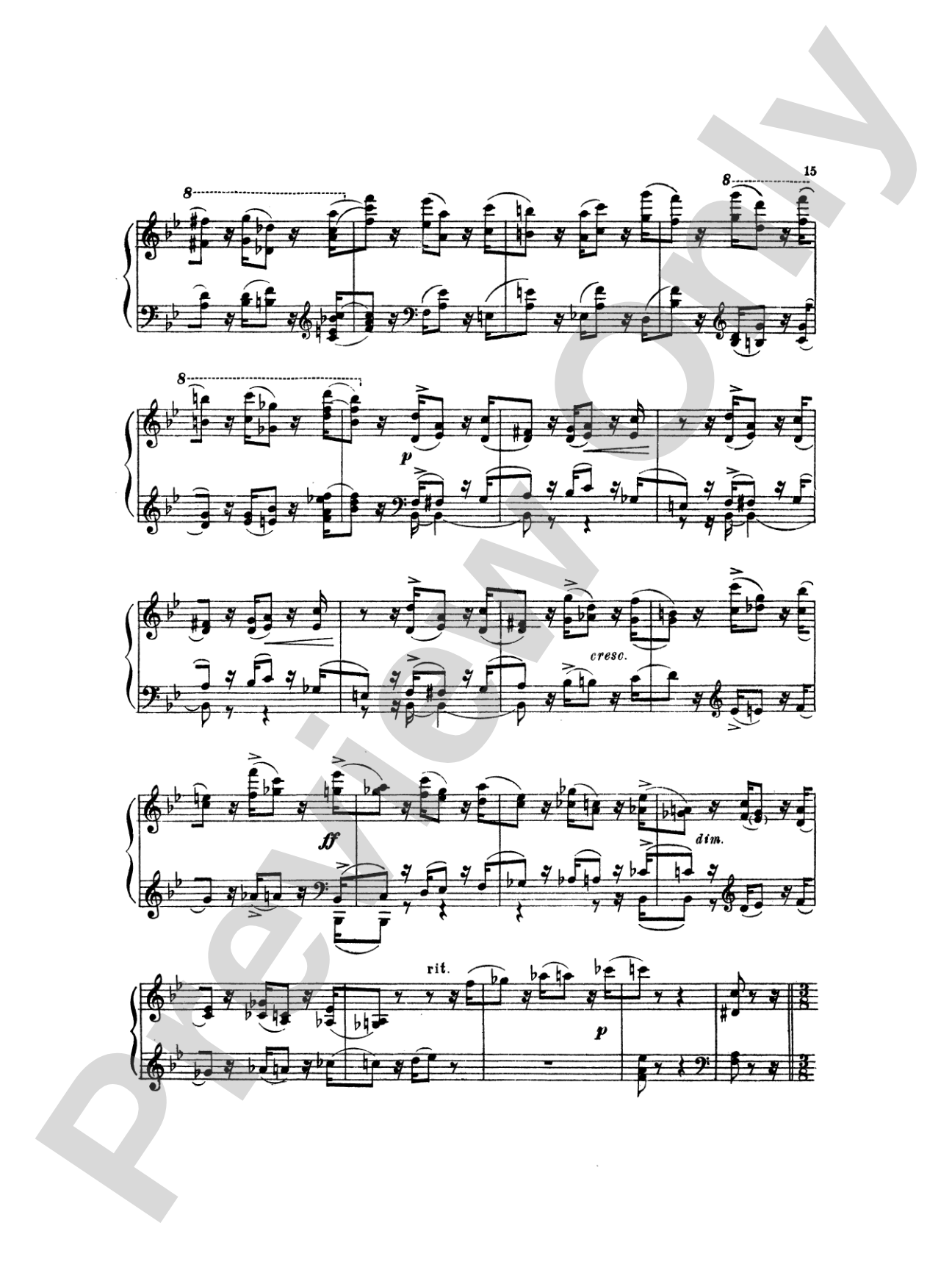
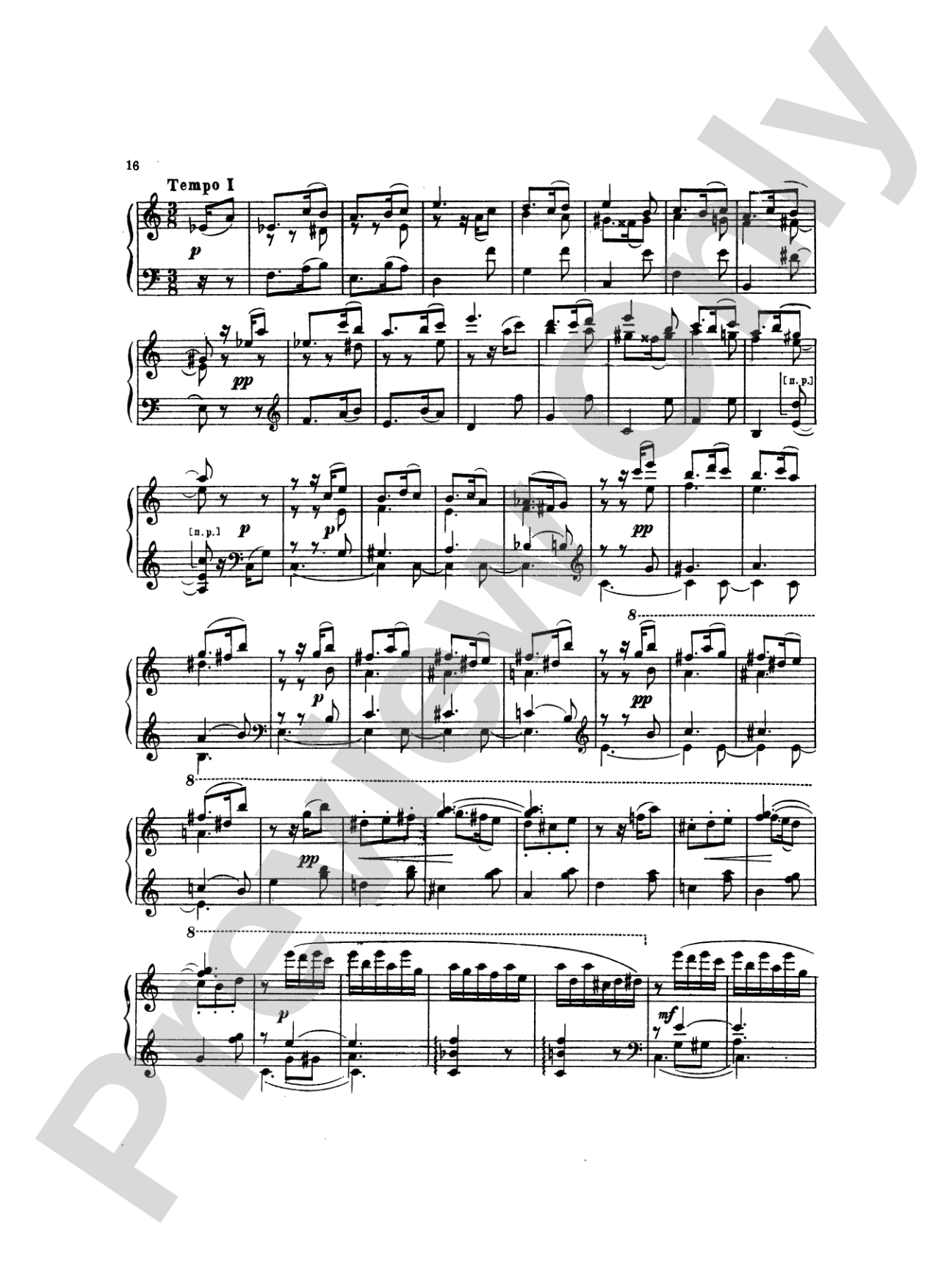
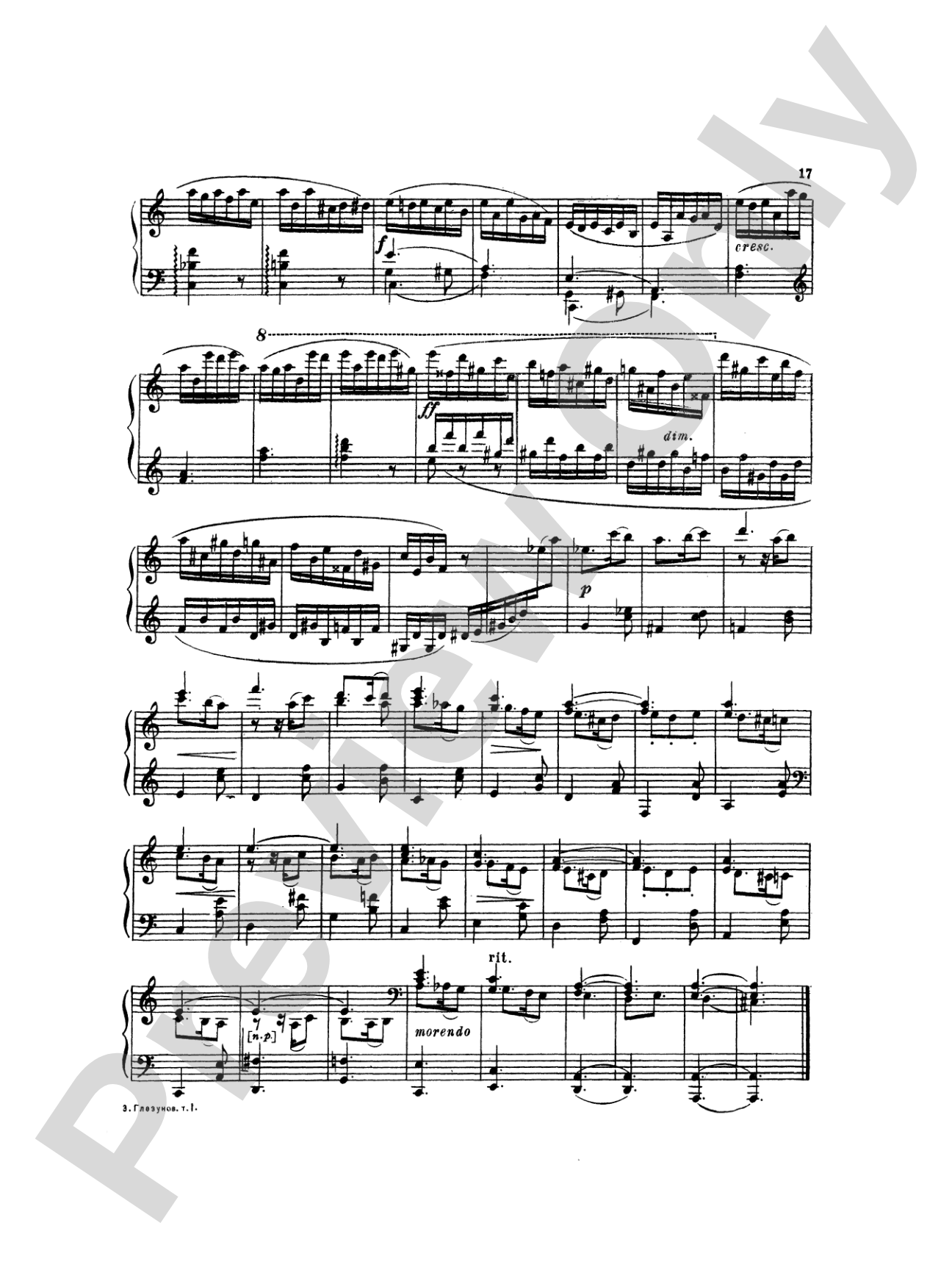
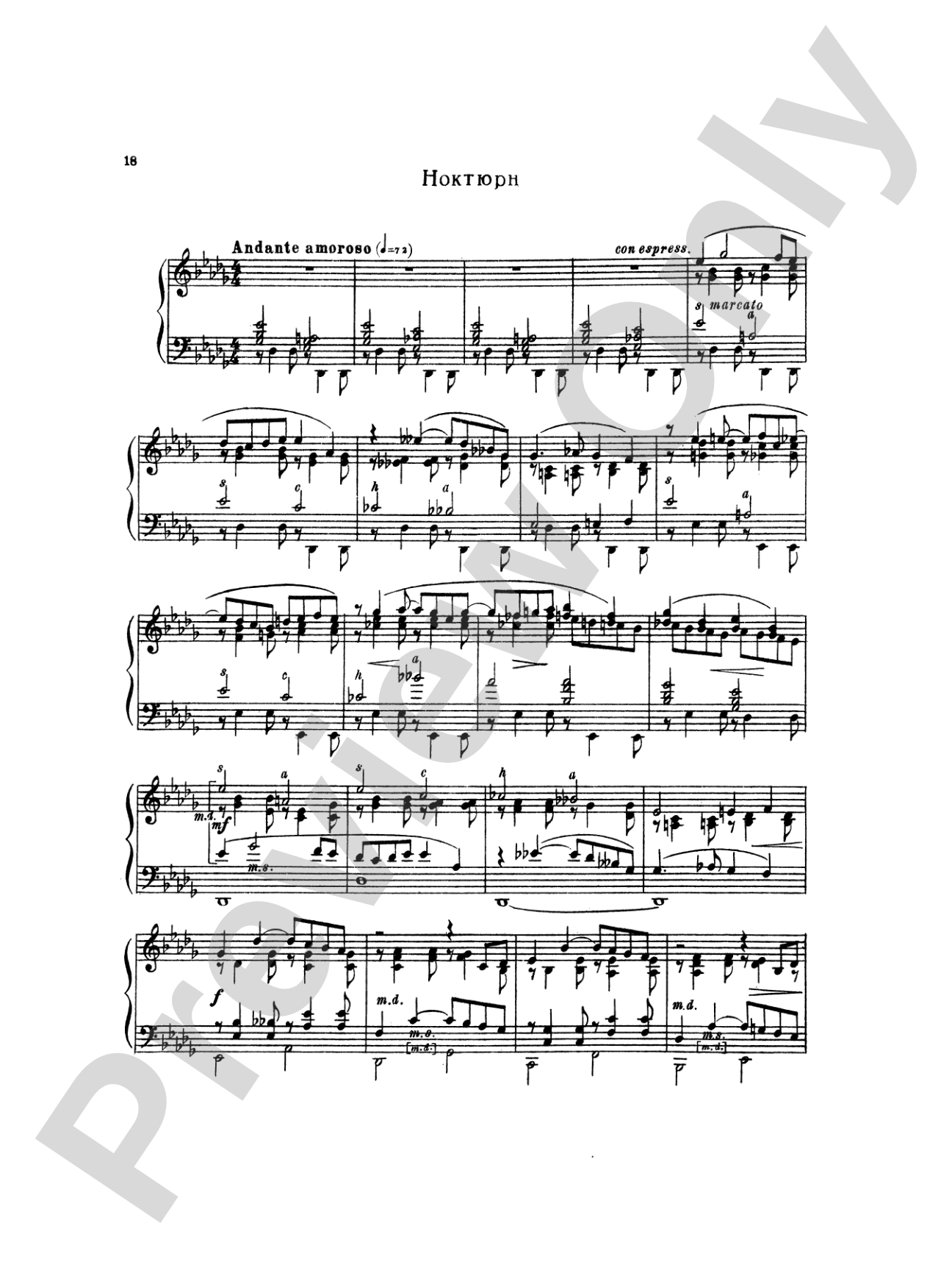
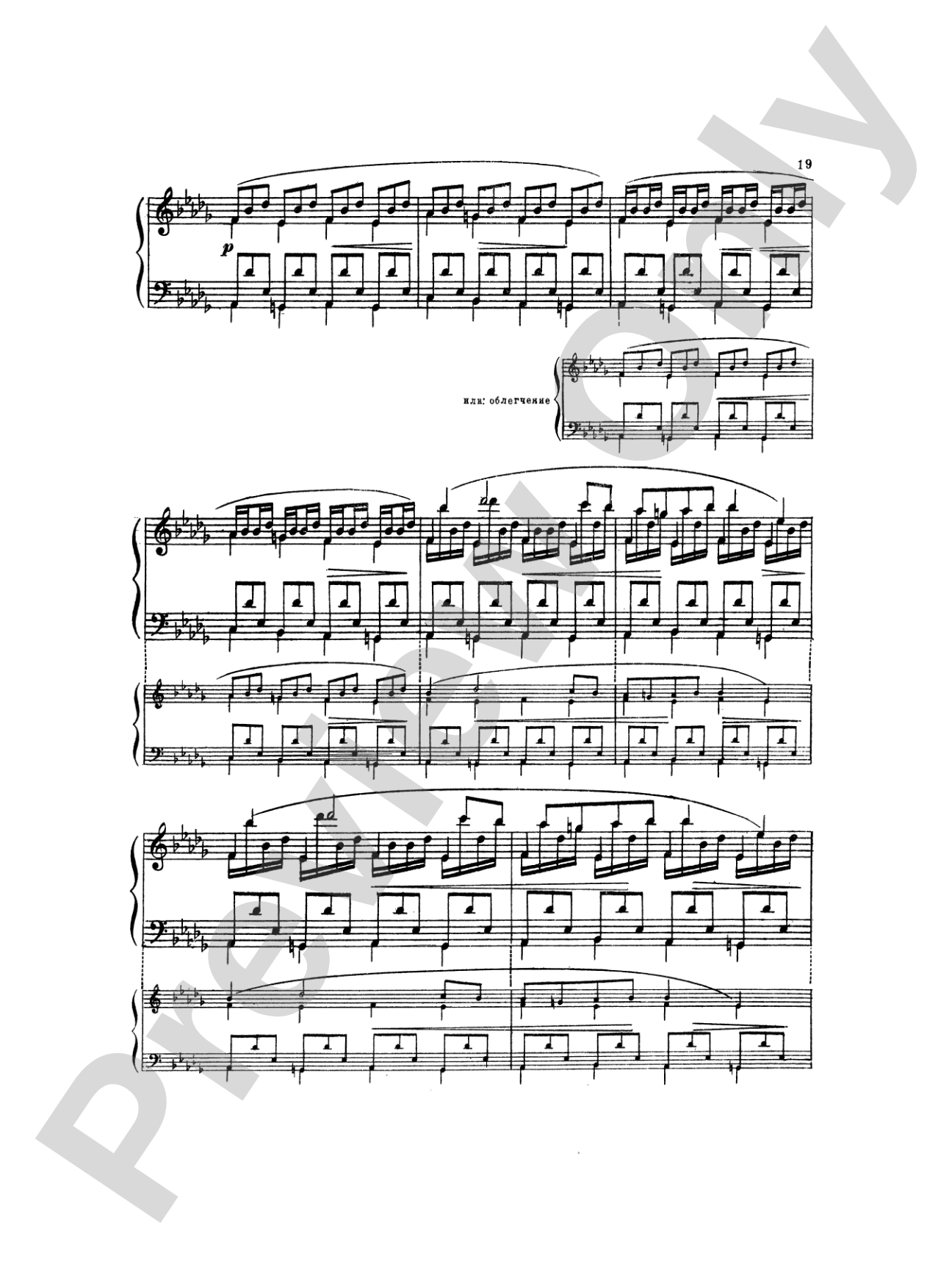
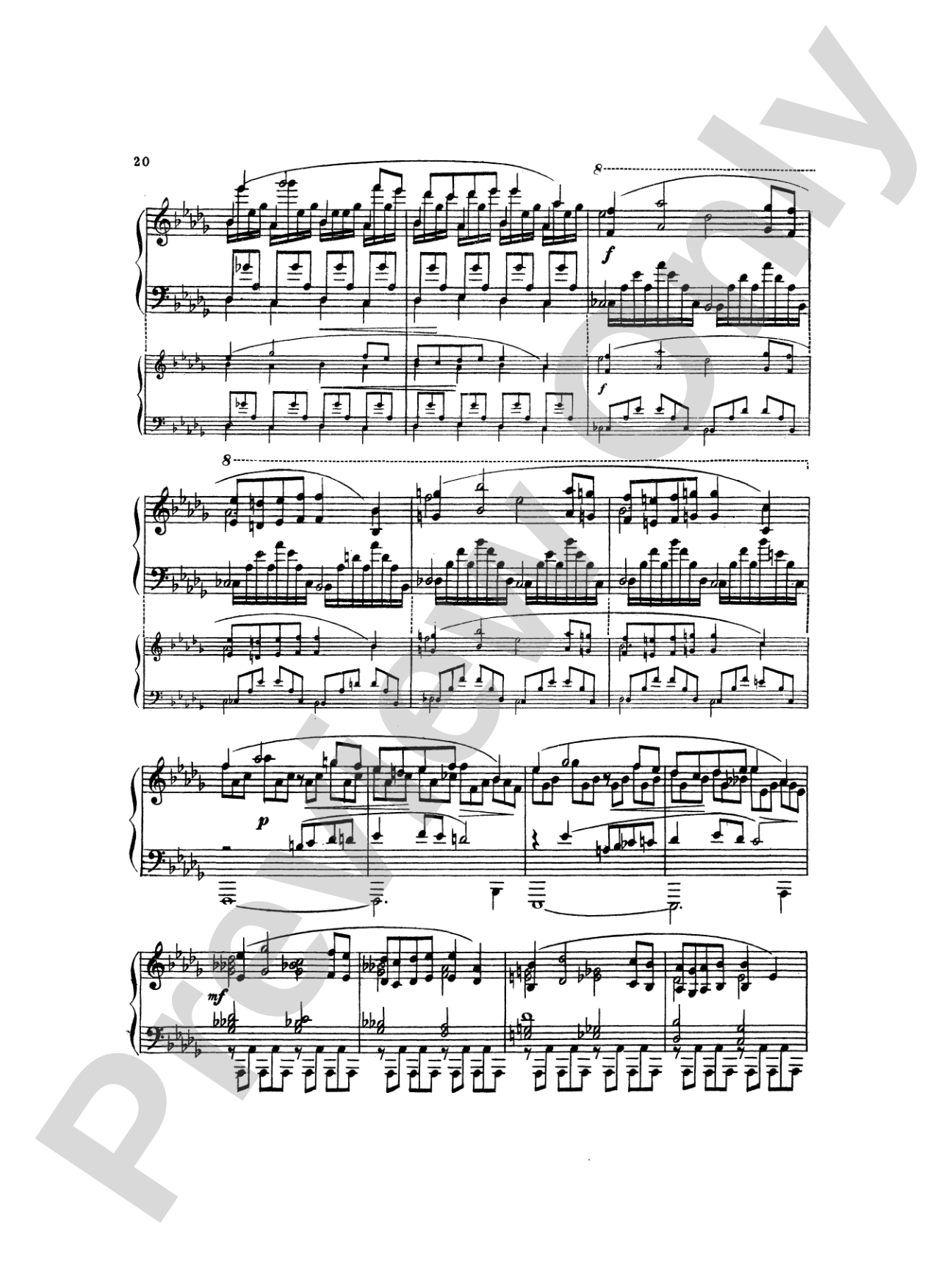
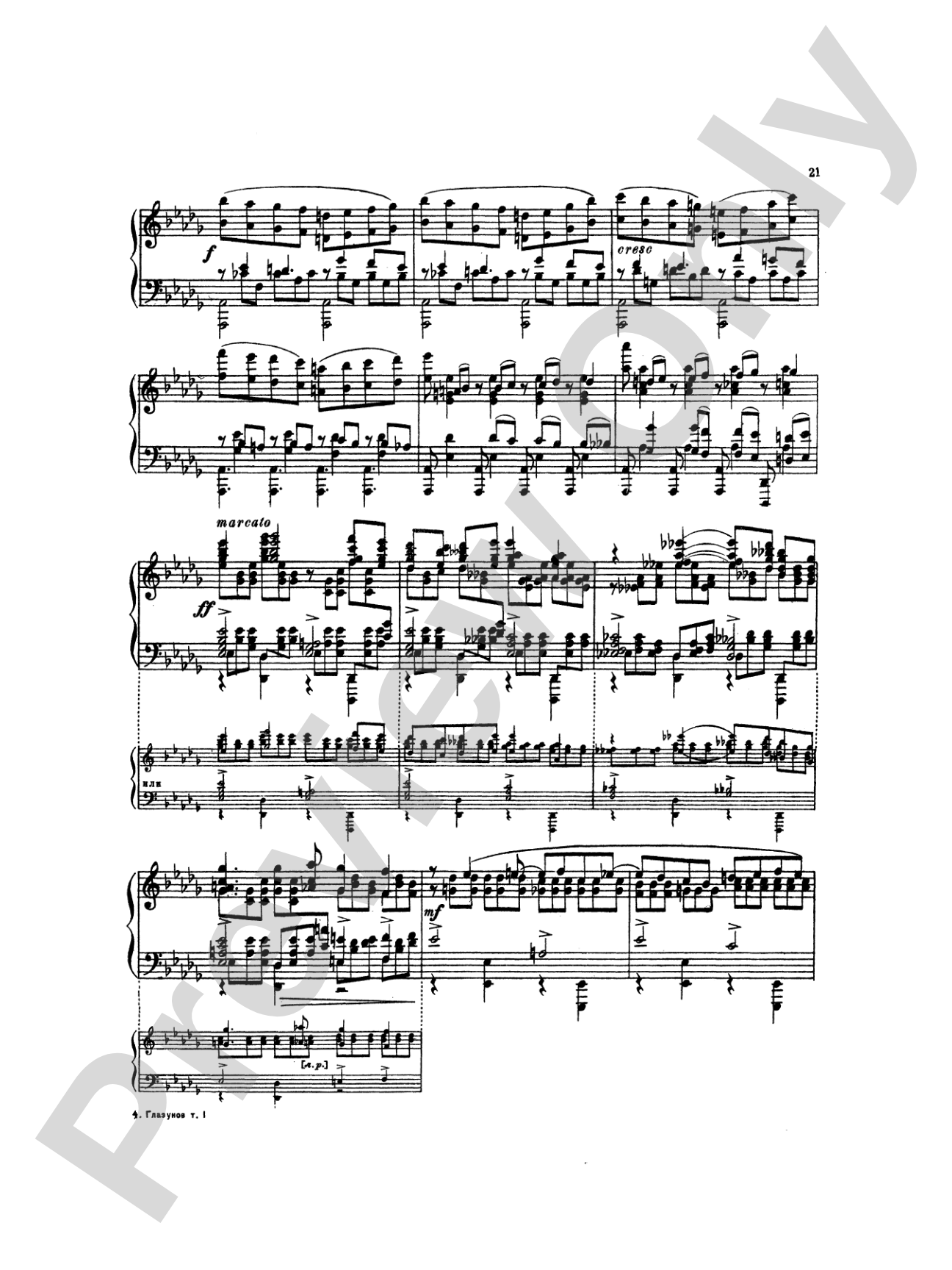
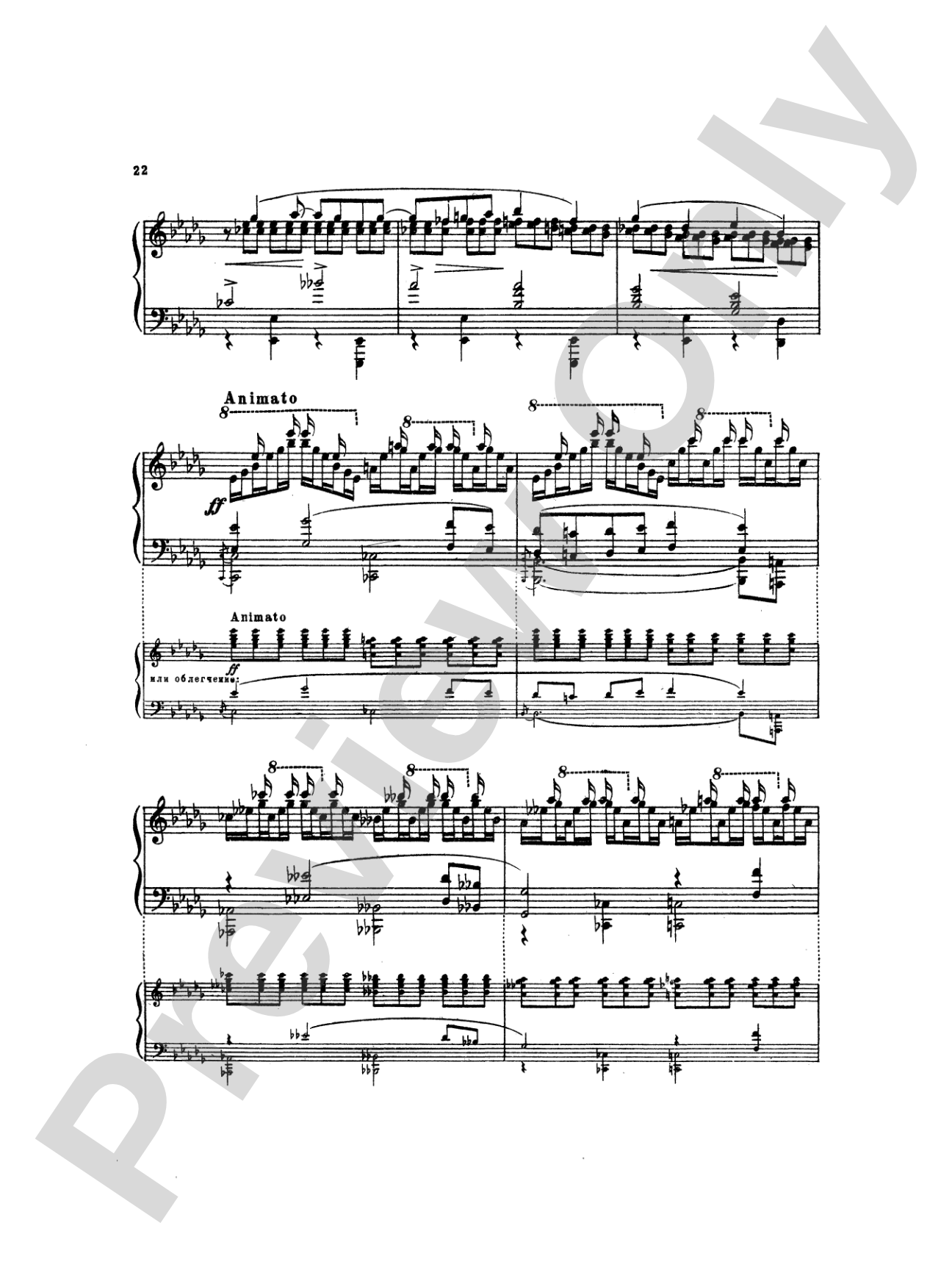
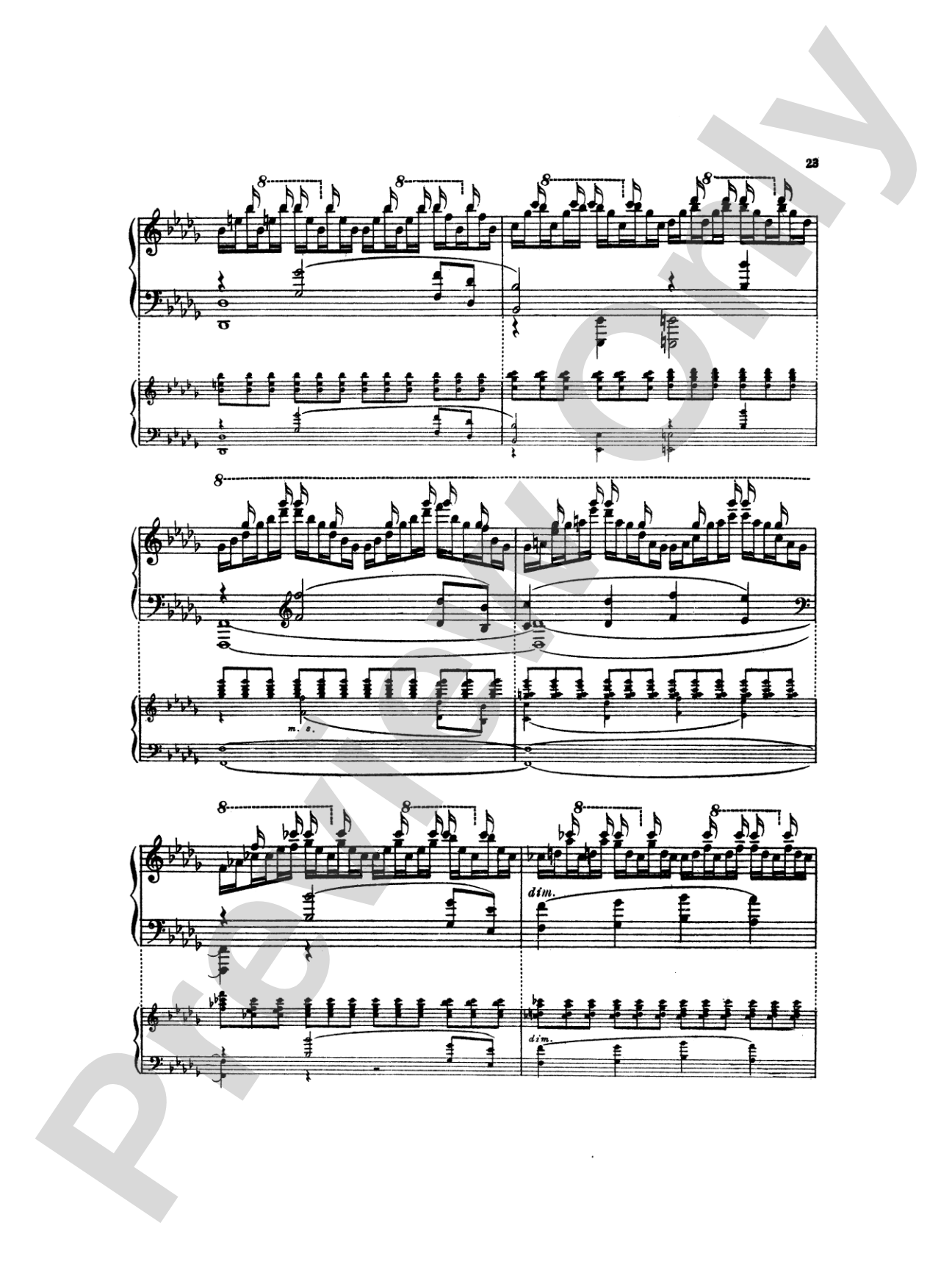
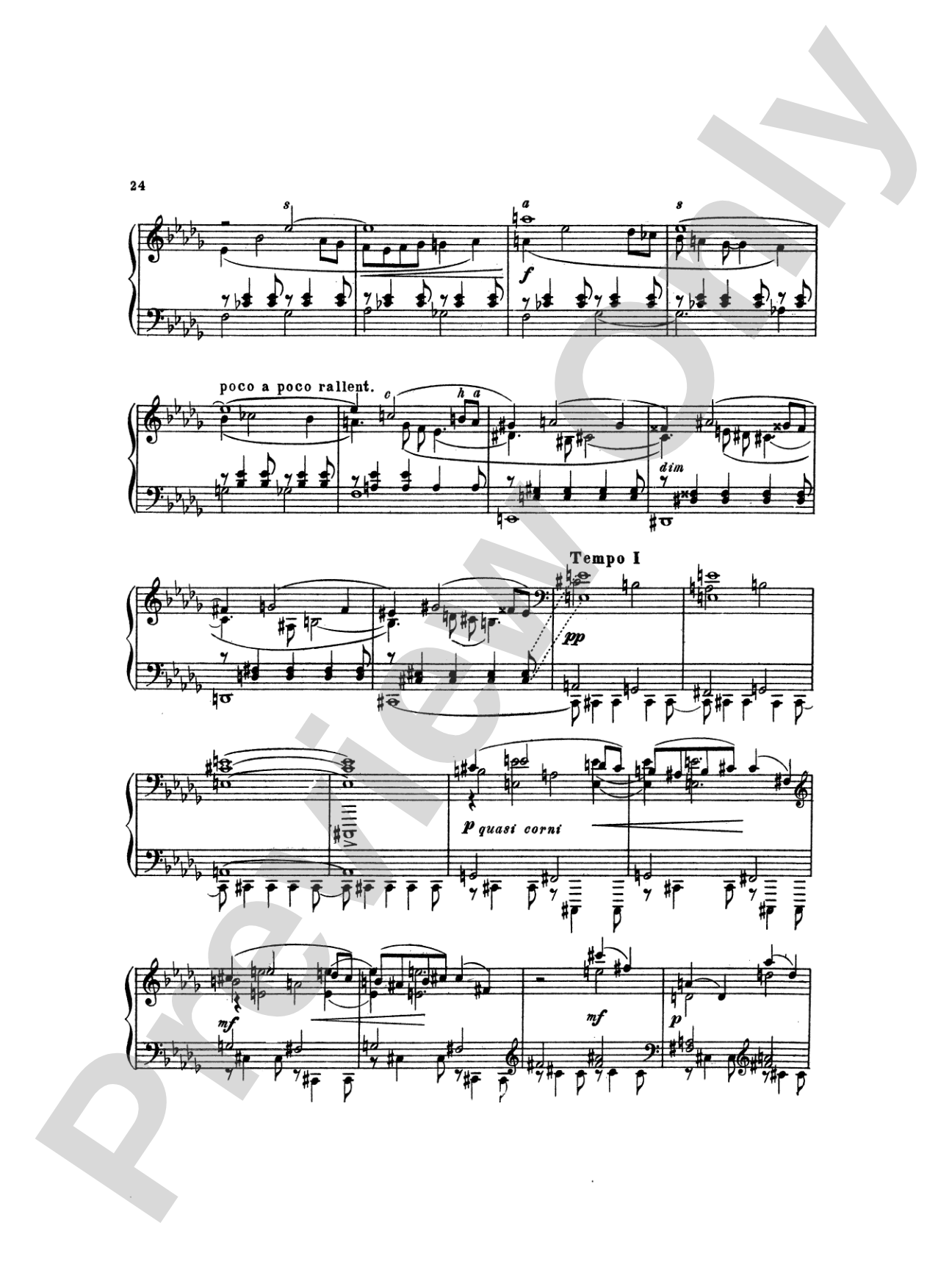
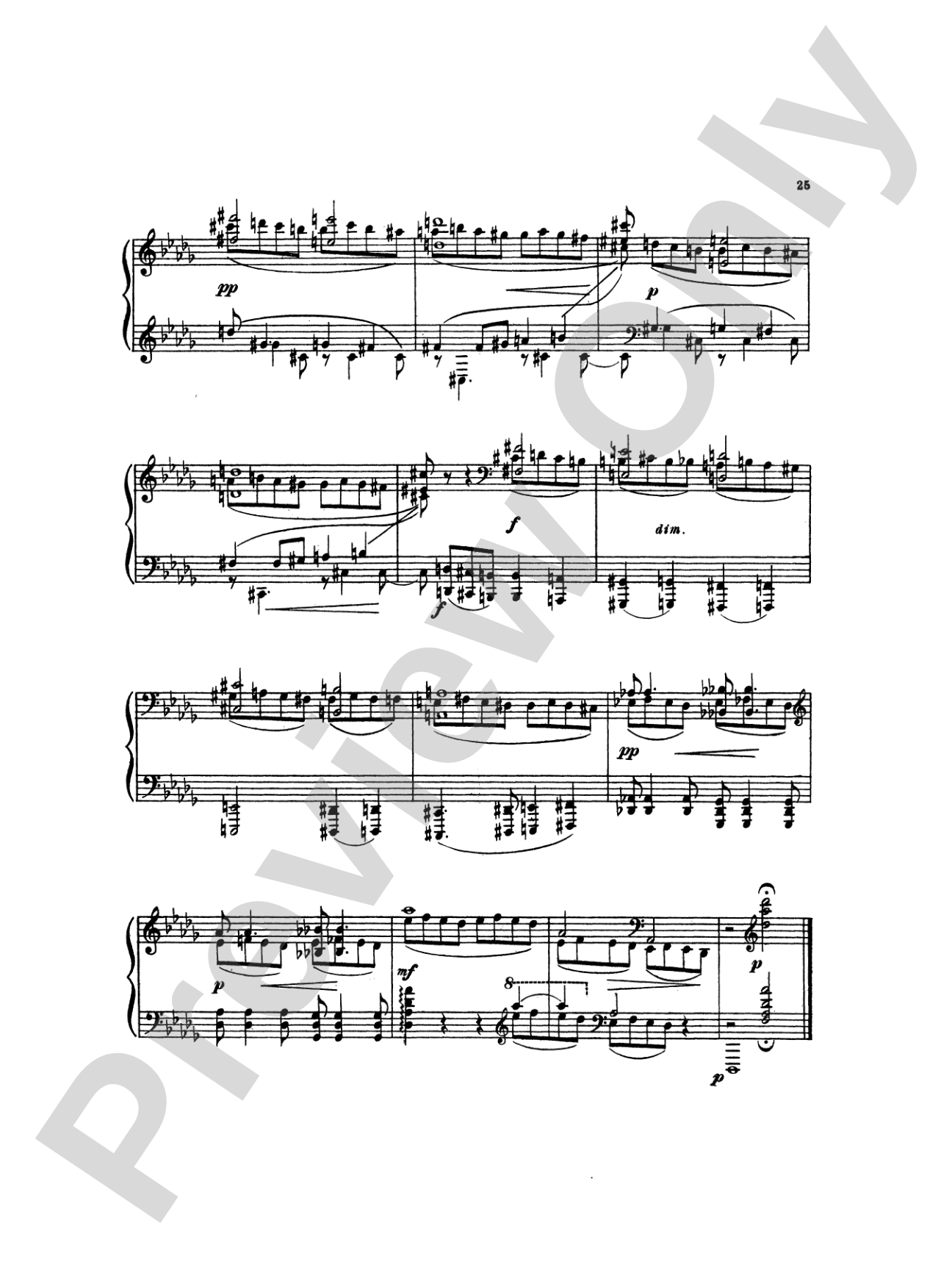
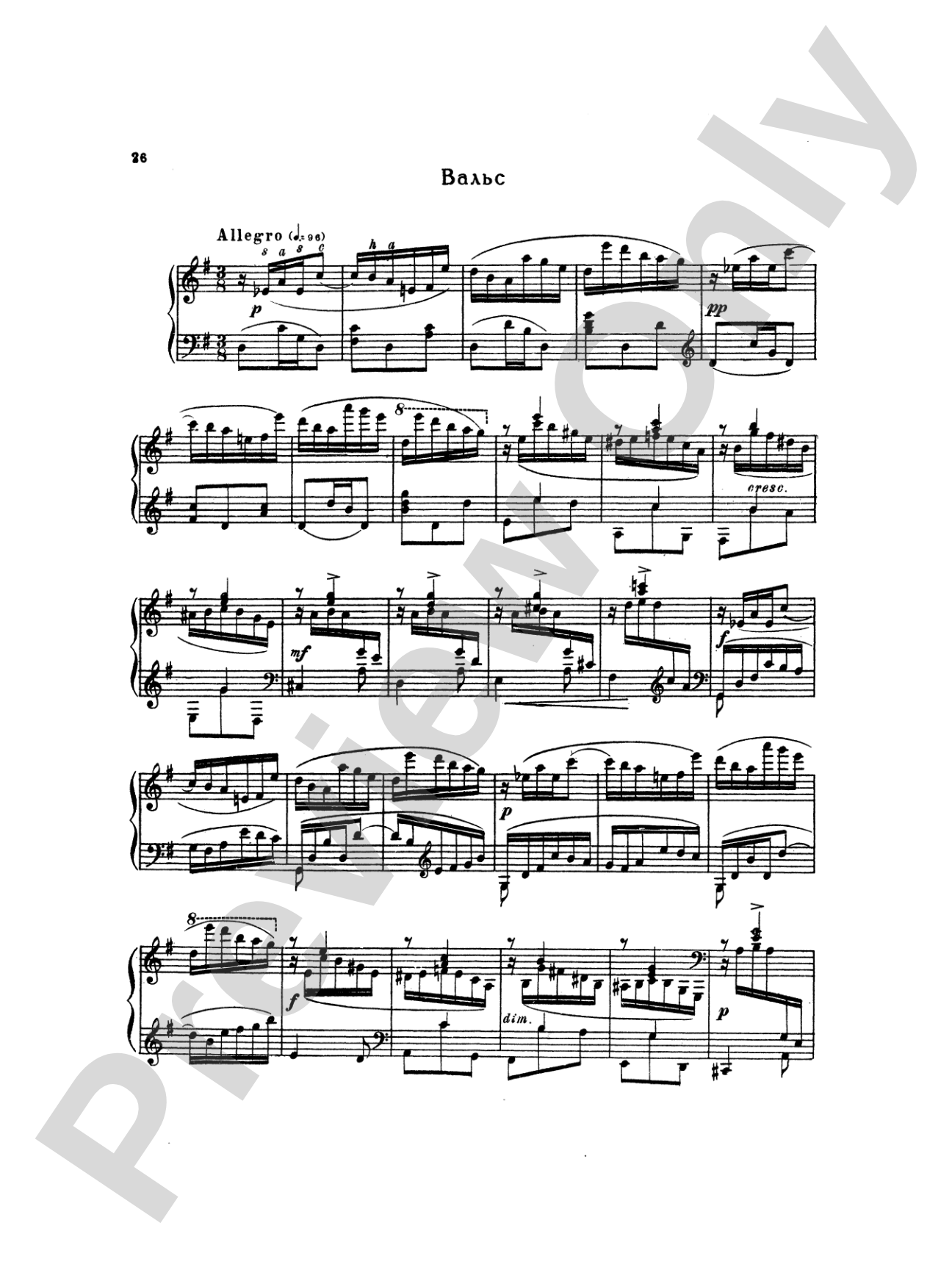
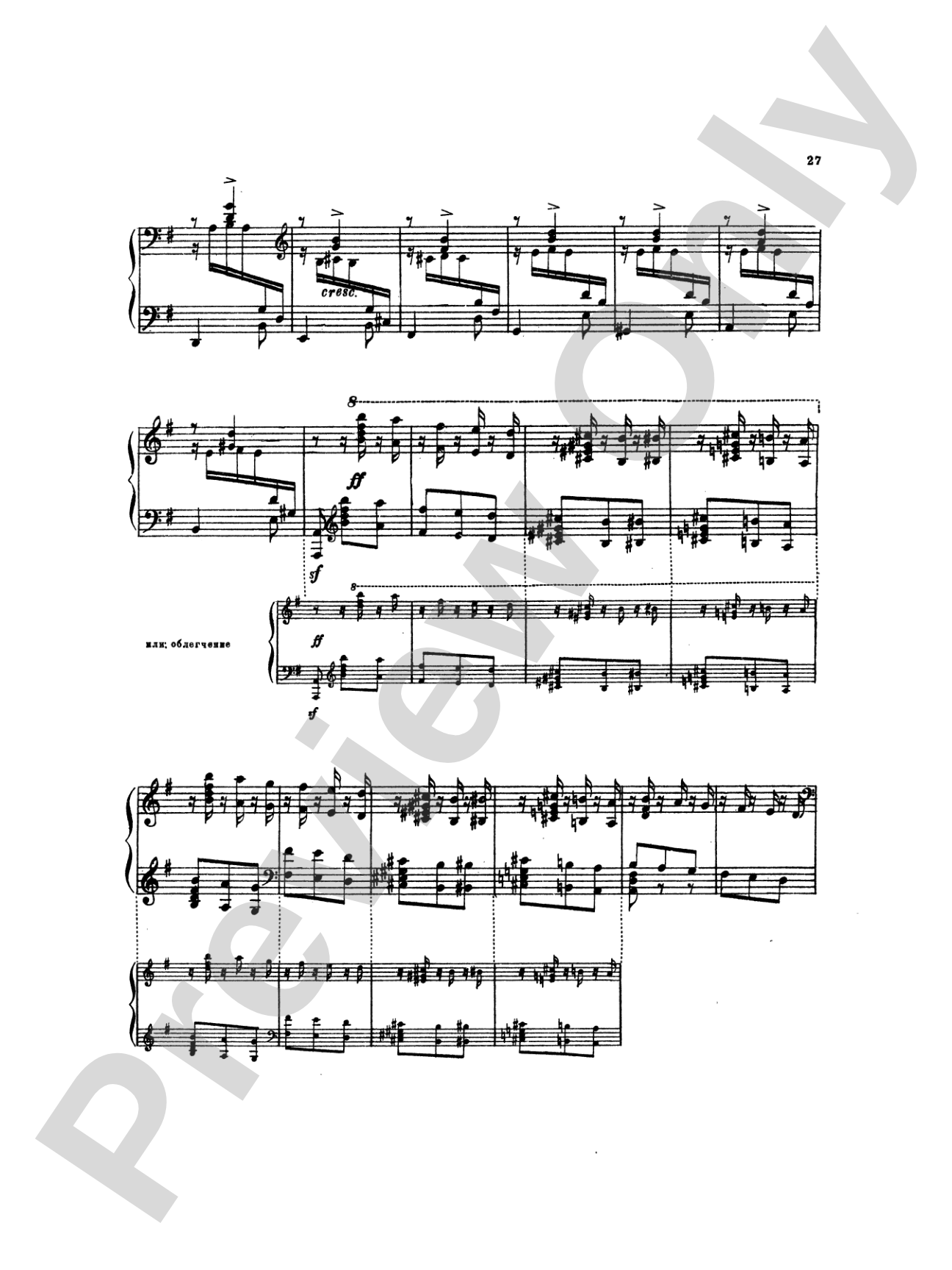
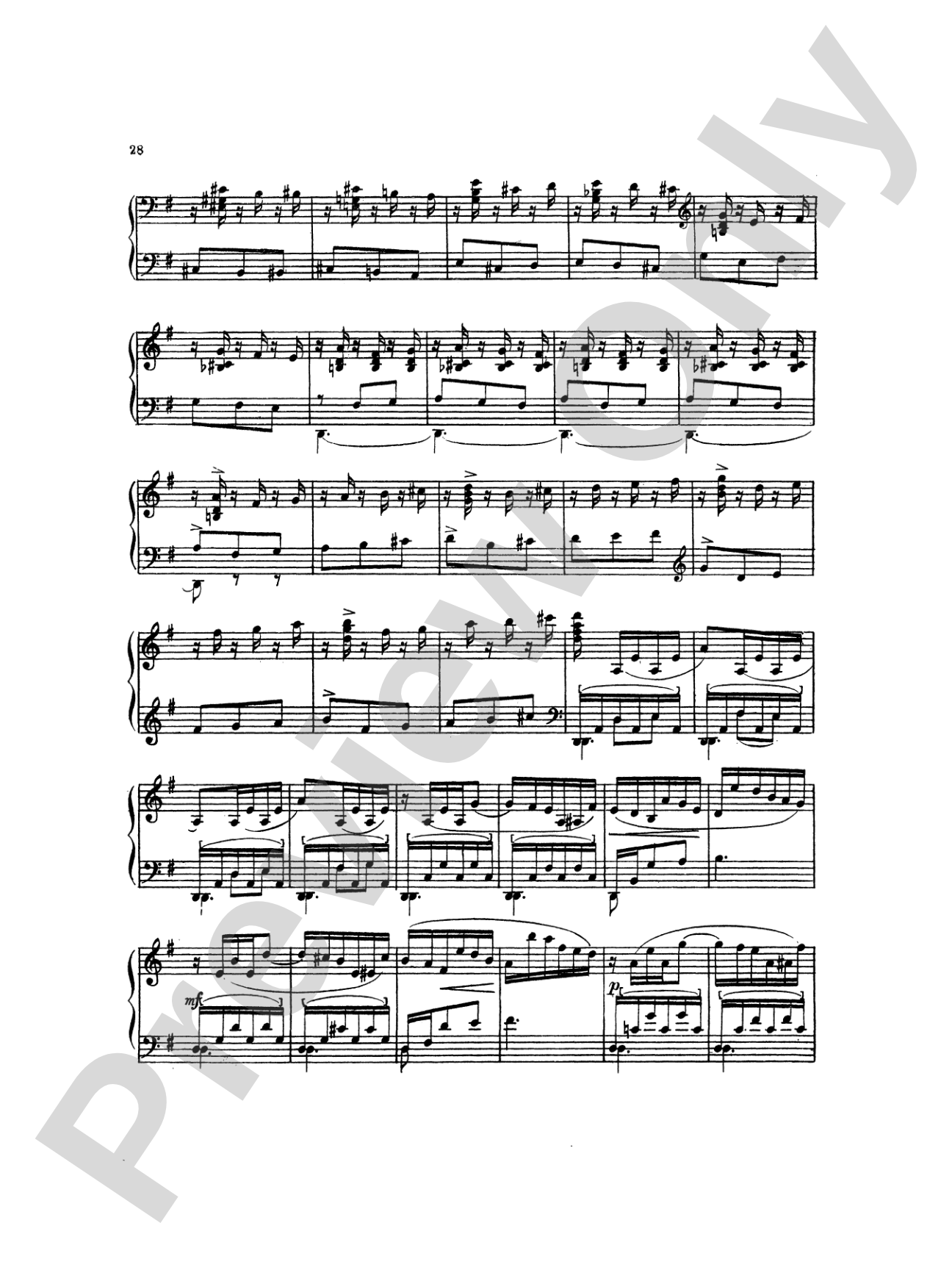
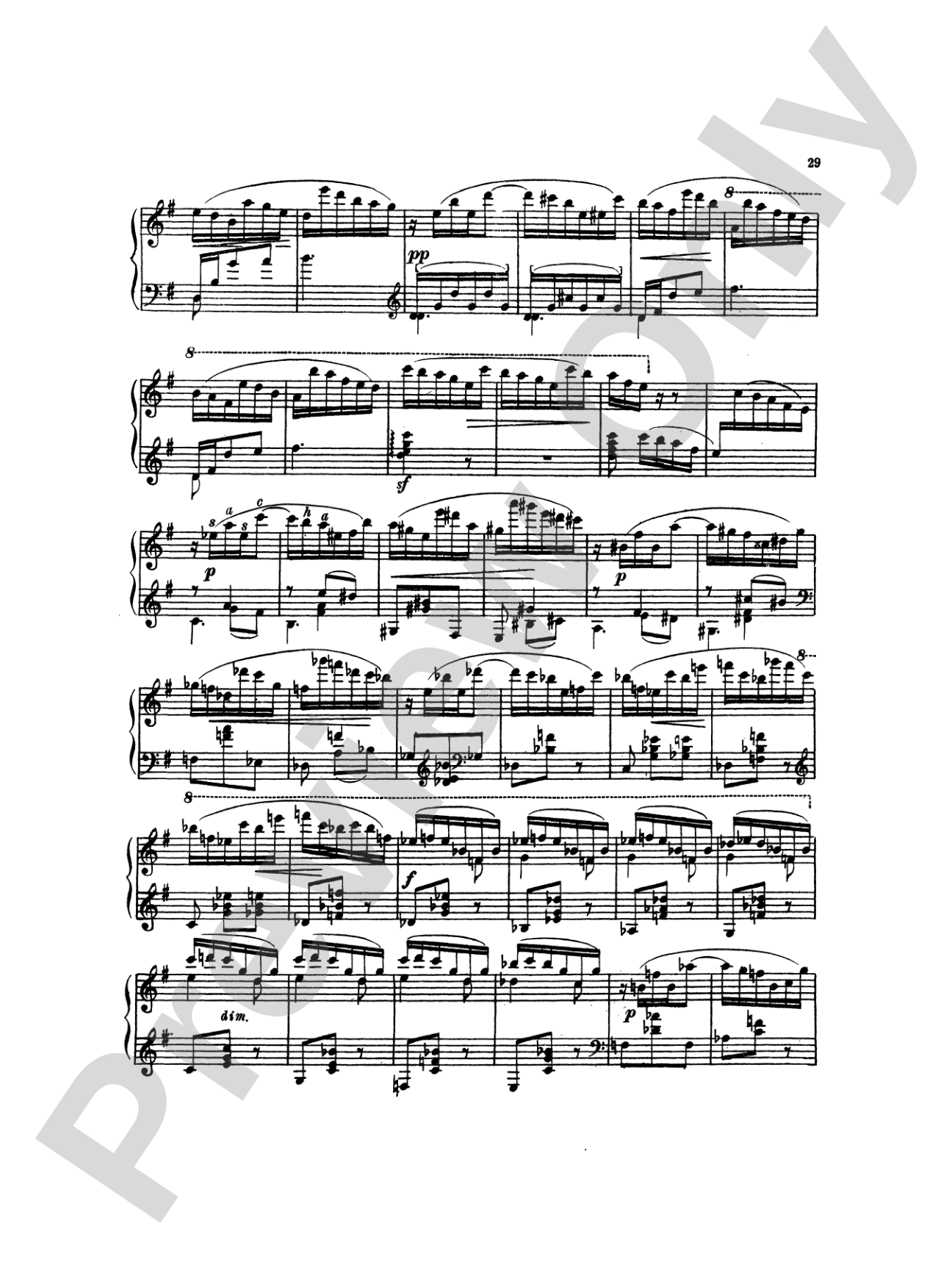
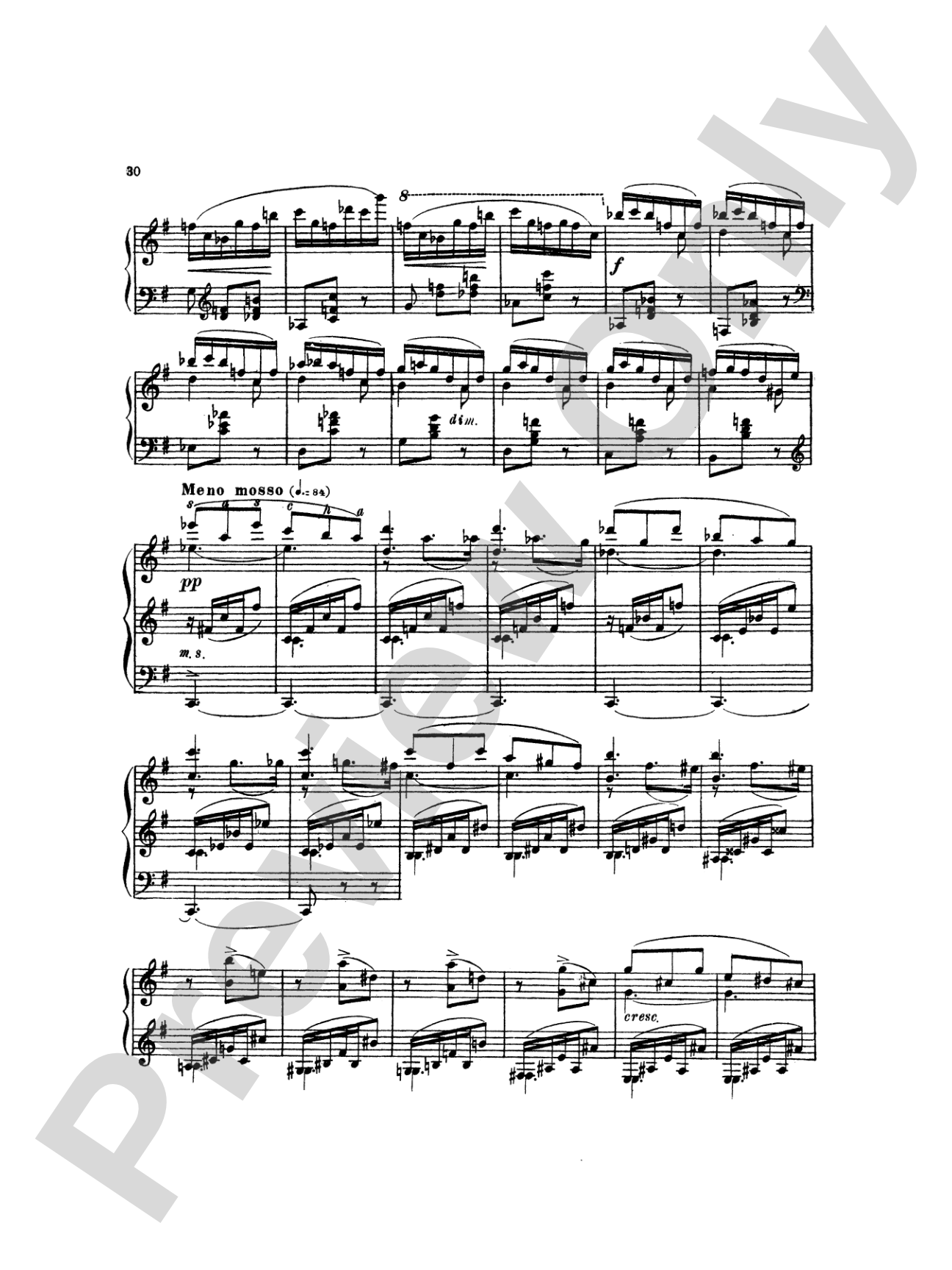
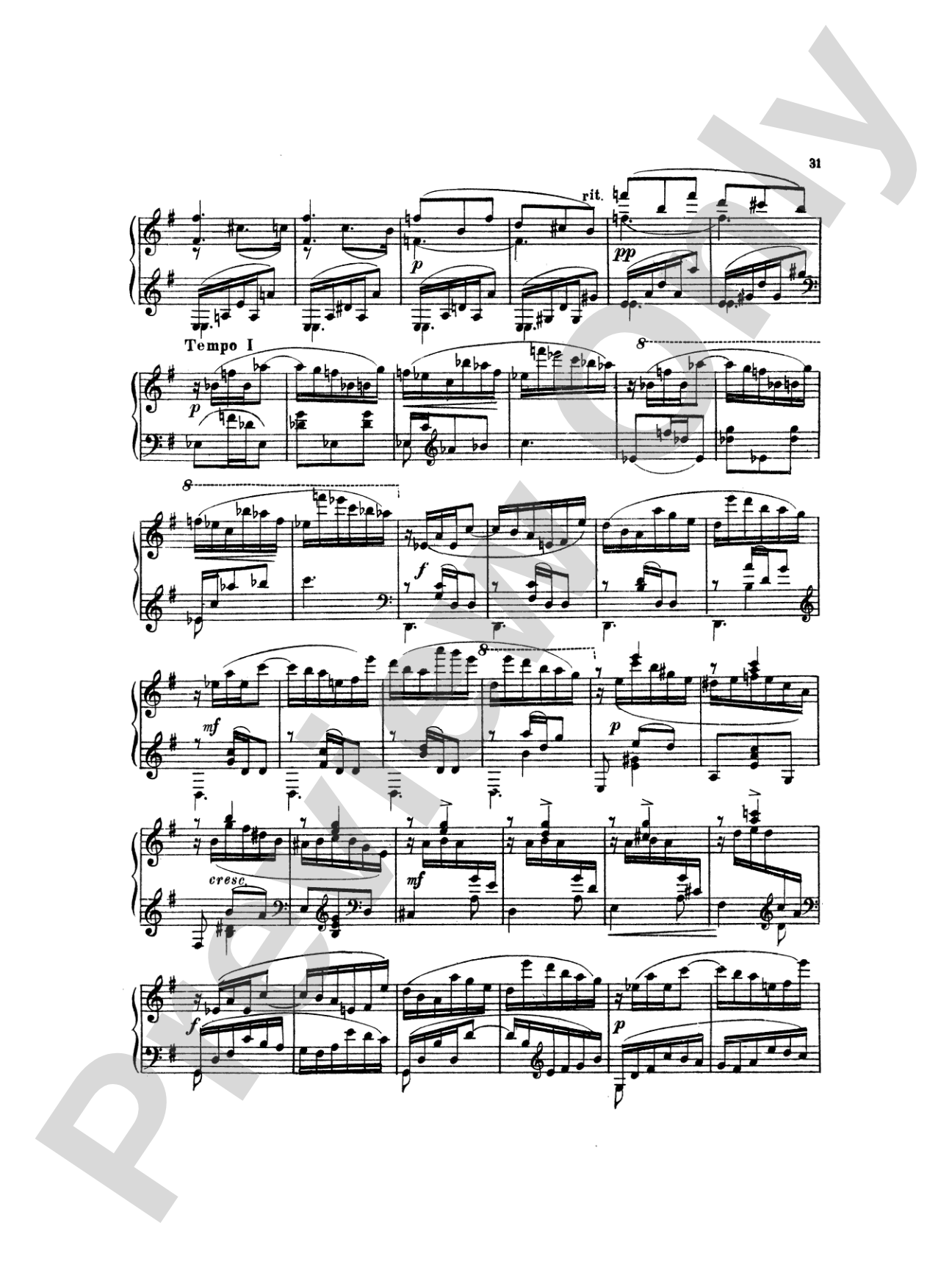
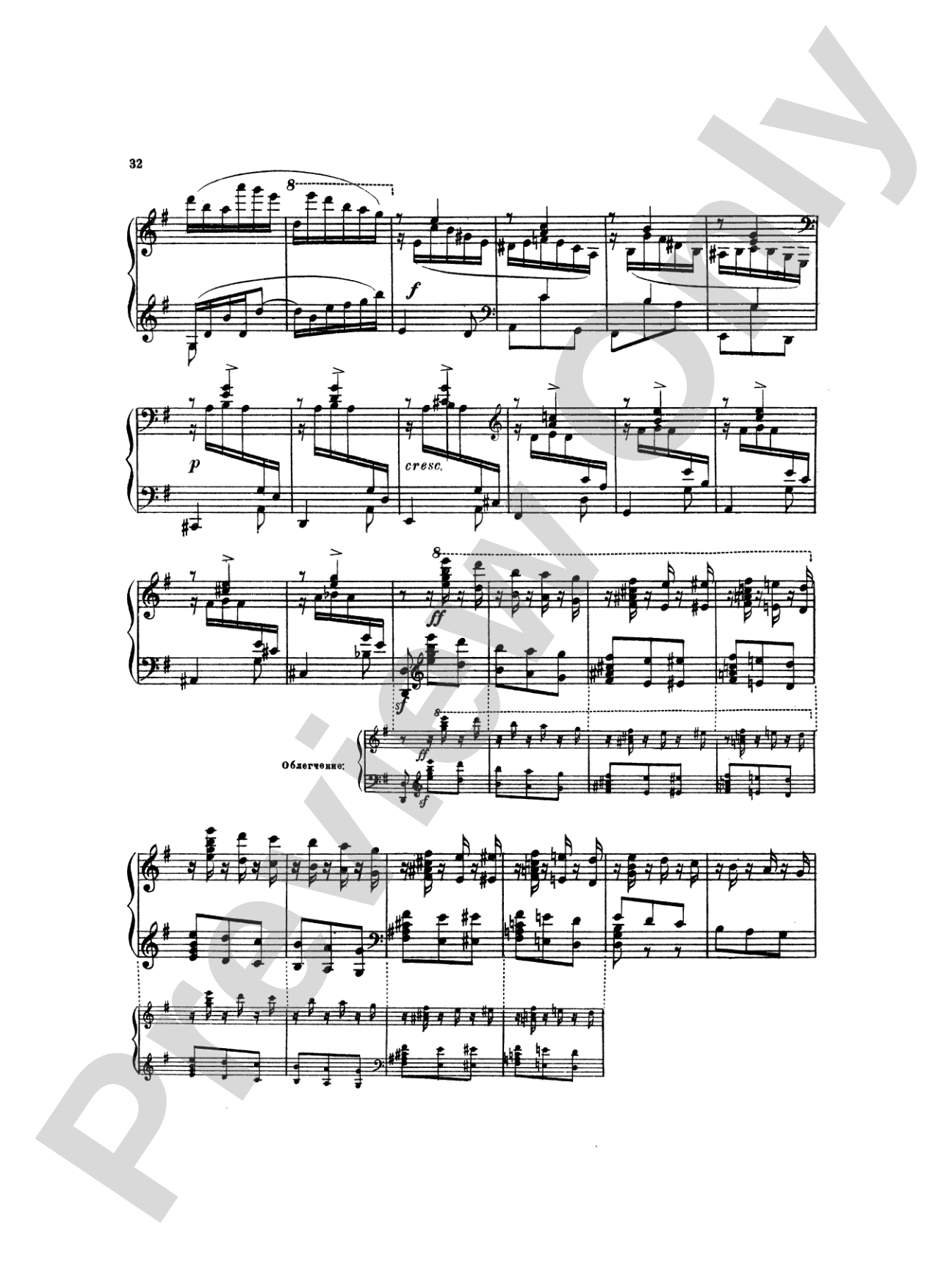
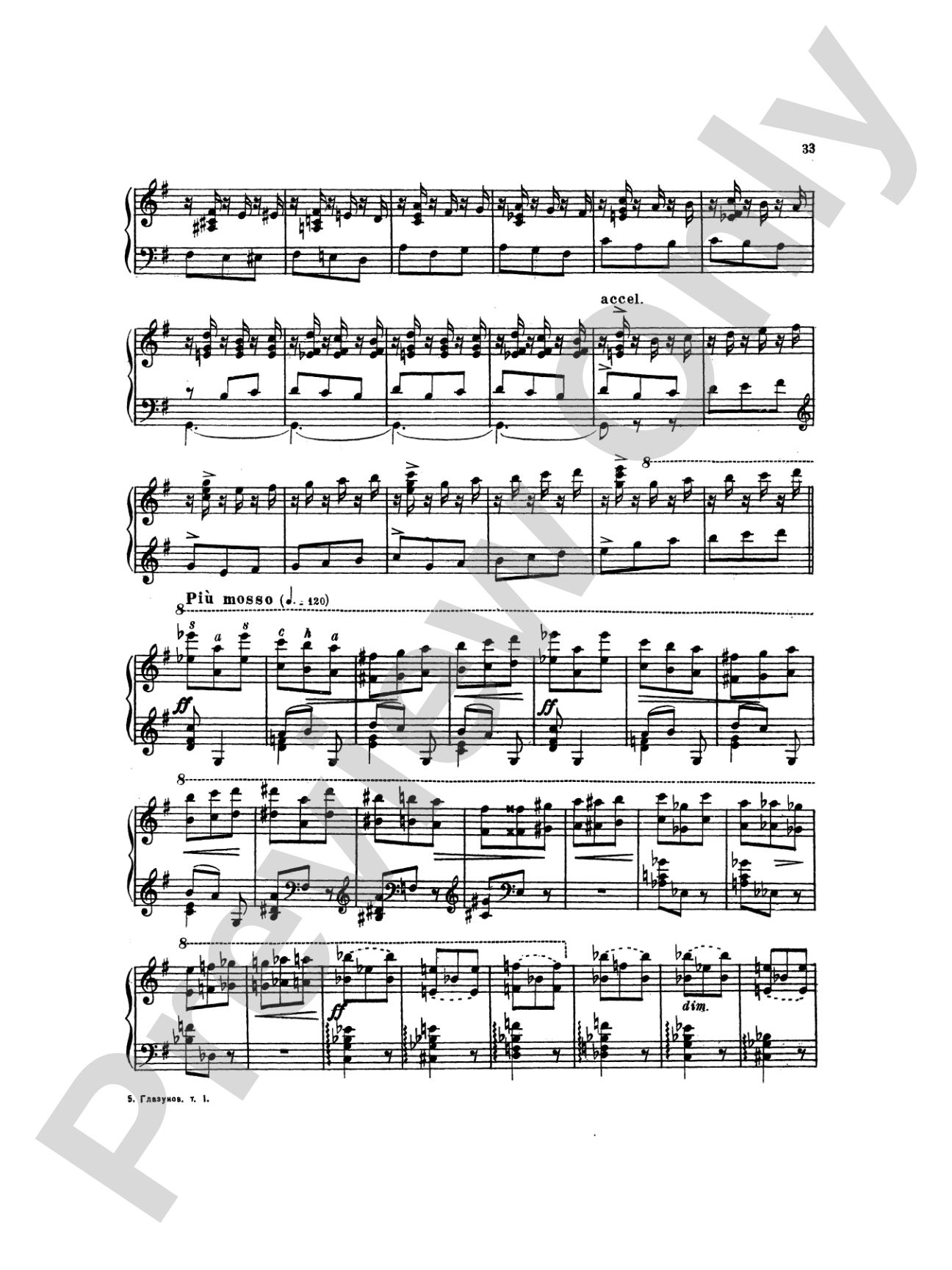
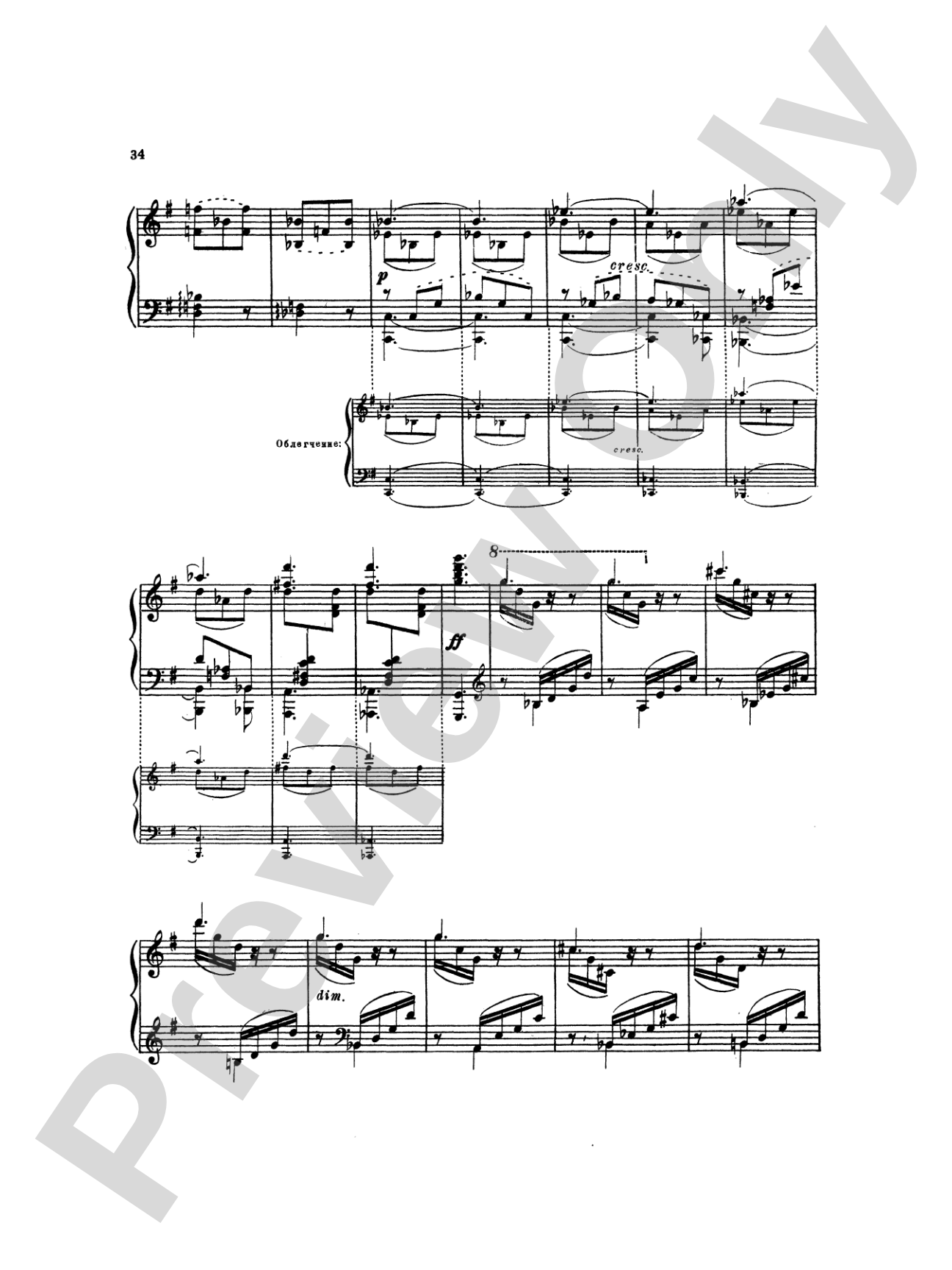

Glazunov: Complete Works (Volume I): Piano Book
By Alexander Glazunov
Level: Intermediate/Advanced
Item: 00-PK-0003766

$19.99
Pickup currently not available
Buy Extra Parts (Digital PDF Download)
| Product | Price | Quantity |
|---|---|---|
| Glazunov: Complete Works (Volume I) | $0.99 | |
| Glazunov: Complete Works (Volume I) | $0.99 | |
| Glazunov: Complete Works (Volume I) | $0.99 | |
| Glazunov: Complete Works (Volume I) | $0.99 | |
| Glazunov: Complete Works (Volume I) | $0.99 | |
| Glazunov: Complete Works (Volume I) | $0.99 | |
| Glazunov: Complete Works (Volume I) | $0.99 | |
| Glazunov: Complete Works (Volume I) | $0.99 | |
| Glazunov: Complete Works (Volume I) | $0.99 | |
| Glazunov: Complete Works (Volume I) | $0.99 | |
| Glazunov: Complete Works (Volume I) | $0.99 | |
| Glazunov: Complete Works (Volume I) | $0.99 |
Parts Added to Cart!
Related Items
Complete Works, Volume I: Piano Book |
$19.95
|
View |
Description
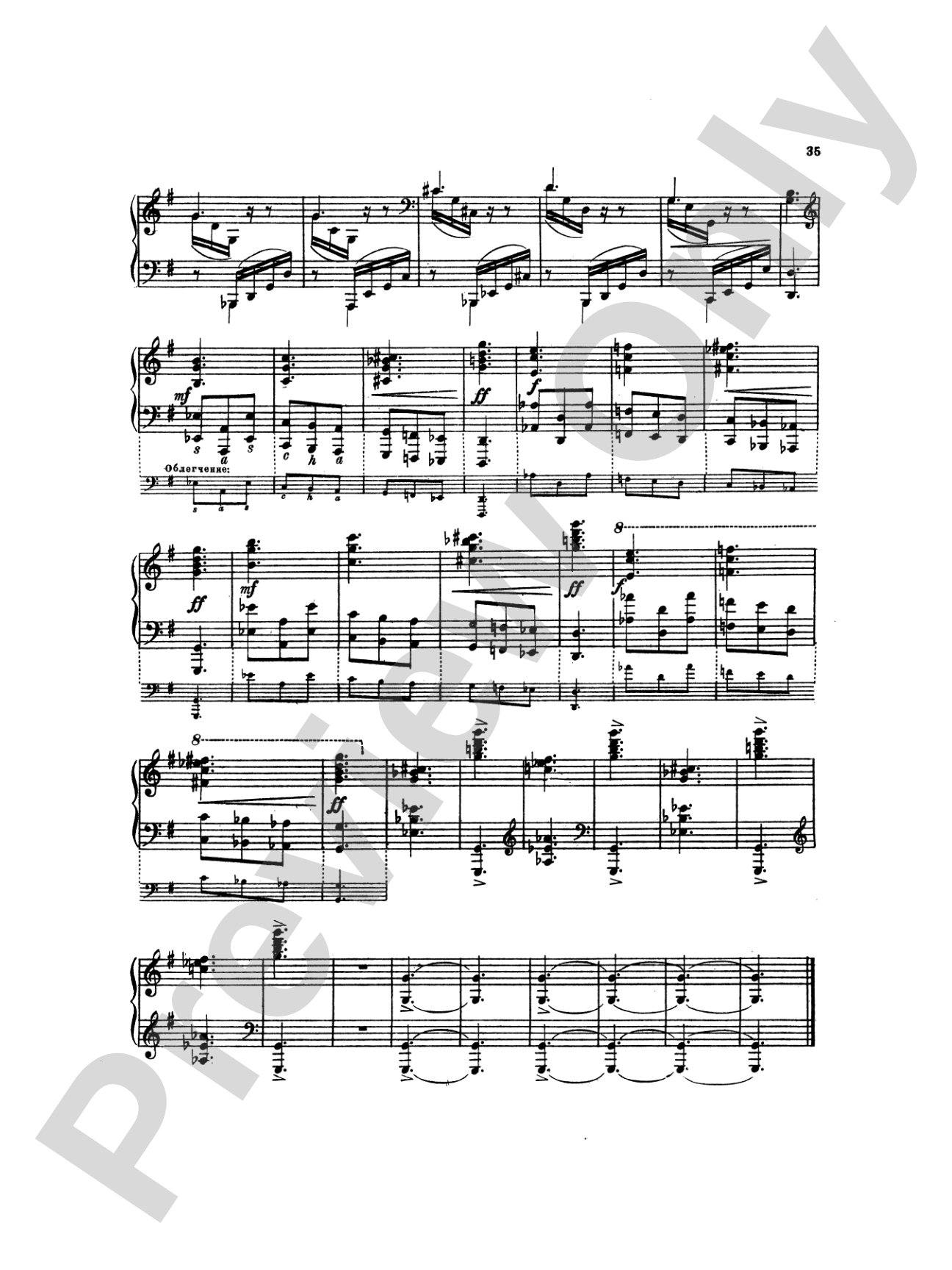
Expertly arranged Piano Collection by Alexander Glazunov from the Kalmus Edition series. This Collection is from the 20th Century and Romantic eras.


Don't just read it, hear it, play along with it, and watch your students grow with it. In MakeMusic Cloud, Glazunov: Complete Works (Volume I): Piano Book comes alive with professional accompaniment, adjustable tempo, and built-in practice tools that turn solo practice into real progress.
Open in the Player
Jump straight in and assign it today.
Start Your Free Trial
Open this title and explore the full library in minutes.
Sample Audio
No sample audio found.
Sample Video
No sample videos found.
Additional Details
Series:
Kalmus Edition
Publisher:
Alfred Music
Page Count:
116
SKU:
00-PK-0003766
More about this title
About the Composer: Alexander Glazunov
Alexander Glazunov (1865-1936) was a Russian composer whose prolific output spanned ballet, orchestral works, concertos, and chamber music. His compositional voice synthesized the romantic tradition with emerging 20th-century harmonic language, earning him respect across Europe even as musical tastes shifted around him. Glazunov held the position of director of the St. Petersburg Conservatory and remained a major figure in Russian musical life until his emigration in 1928.
For pianists and educators, Glazunov's works offer direct access to late romanticism's lyrical voice and structural mastery. His piano writing balances technical demands with genuine lyricism, making his compositions valuable repertoire for advancing students and recital programming.
Why we love this
This comprehensive collection brings substantial Russian romantic piano repertoire into a single, manageable volume, filling a genuine gap for pianists seeking substantial works beyond the familiar canon. Glazunov's piano writing sits at an ideal sweet spot for intermediate-advanced students: technically engaging but rooted in melody and form rather than virtuosic display for its own sake. Programming these pieces signals a serious musical appetite while remaining accessible to accomplished students and early-career recitalists.
What to expect
Glazunov's piano writing unfolds with aristocratic poise and emotional directness, balancing ornamental passages with moments of stark harmonic depth. These pieces inhabit a world of lyrical introspection and structural confidence, where romantic melody emerges naturally from rigorous formal thinking rather than pure virtuosity.
Who it's for
This collection serves intermediate-advanced pianists ready for substantial repertoire beyond Chopin and early Liszt, as well as accomplished students building a recital program with lesser-known romantic masterworks. Teachers seeking to expand their students' exposure to Russian compositional tradition will find immediate, performance-ready material here. Advanced students and recitalists can extract individual works for concert programming or use the collection as a deep study of late-19th-century romantic keyboard writing.
How to get the most out of it
- Attend carefully to Glazunov's texture and orchestration cues written into the piano part; he often scores passages with distinct voice leadings that clarify harmonic movement when brought out clearly.
- Balance the weight between melody and accompaniment phrases using pedal strategically rather than continuously, which preserves clarity in his often-dense romantic harmonies.
- Approach the broader harmonic progressions with patience; Glazunov's tonal language moves deliberately, and rushing the pacing obscures the structural coherence of even shorter pieces.
- Practice hands separately first to isolate the independent figuration patterns, especially in works combining arpeggiated accompaniment with substantial melodic lines in the upper staff.
How to use it
Select individual works to anchor a recital program featuring Russian or lesser-performed romantic composers, pairing them with contemporary works or earlier romantic literature to highlight Glazunov's harmonic language. The collection's scope also supports semester-long studies of single composers or eras, allowing students to explore stylistic evolution across multiple genres and forms. Smaller character pieces work well as recital openers or closing encores, while the more substantial works merit central programming positions.
Skills your students will build
- Voicing in dense romantic harmony with clear textural hierarchy
- Pedal coordination for tonal blending without muddying rapid figuration
- Reading and executing independent hand patterns with controlled weight distribution
- Interpretive phrasing across longer formal structures without overstatement
- Familiarity with late 19th-century Russian compositional idiom and keyboard technique