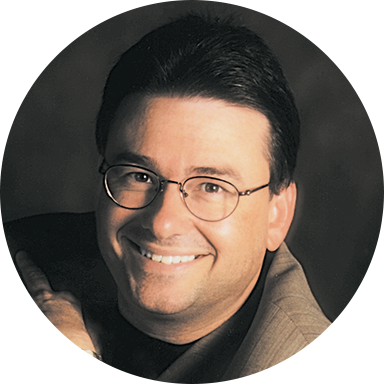
Joseph M. Martin trained at Furman University, where he earned his bachelor's degree in piano performance, then pursued graduate studies at the University of Texas at Austin. He spent five years teaching piano pedagogy at UT Austin while building a performance career that included solo recitals and guest appearances with orchestras in the United States and Mexico, including a prize-winning performance with the Guadalajara Symphony Orchestra.
Martin's compositional voice has found an audience far beyond the concert hall. His works now appear in settings ranging from Carnegie Hall to churches across North America, reflecting his deliberate shift toward sacred music and worship contexts. Based in Austin, Texas, he continues to compose and arrange while remaining active as a church musician and conference presenter.
Why we love this
Martin writes for men's voices with the sensitivity of someone who understands how sparse textures demand musical weight and intention. This octavo respects the capabilities of TTBB singers while offering enough harmonic substance and textural variety to keep an arrangement feeling fresh across multiple verses.
What to expect
A piece that invites rather than demands. The harmonic language is accessible but never generic, with moments of quiet beauty alongside passages that let the choir breathe together with genuine presence. Sacred warmth without sentimentality.
Who it's for
TTBB choirs seeking repertoire that treats the men's voice seriously without demanding virtuosic technique. Directors programming sacred concerts, worship services, or men's chorus festivals will find this a natural fit for groups at intermediate to advanced levels.
How to get the most out of it
Find the natural breath points in the text rather than relying on phrase markings alone; men's choirs often need permission to breathe where the sense of words suggests it.
Balance inner voices carefully in the TB section, as these lines carry crucial harmonic support without the anchoring presence of a second tenor.
Lean into the lyrics as the primary emotional driver; the accompaniment serves the text, so clarity of diction becomes your tuning fork for blend.
How to use it
Anchor a men's choir concert set with this as your centerpiece, pairing it with either contemporary gospel arrangements or classical sacred works depending on your program flow. It also works beautifully in worship settings where a full TTBB sound carries more weight than smaller ensembles.
Skills your students will build
Blend and balance in four-part TTBB writing
Sustaining tone through longer phrases with limited breath points
Clarity of diction in sacred text
Harmonic independence (inner voice security without doubling)
You May Also Like
Scan to Complete Your Purchase
Use your phone's camera to scan the code below
You'll log in on your phone and the order will be added to your account