
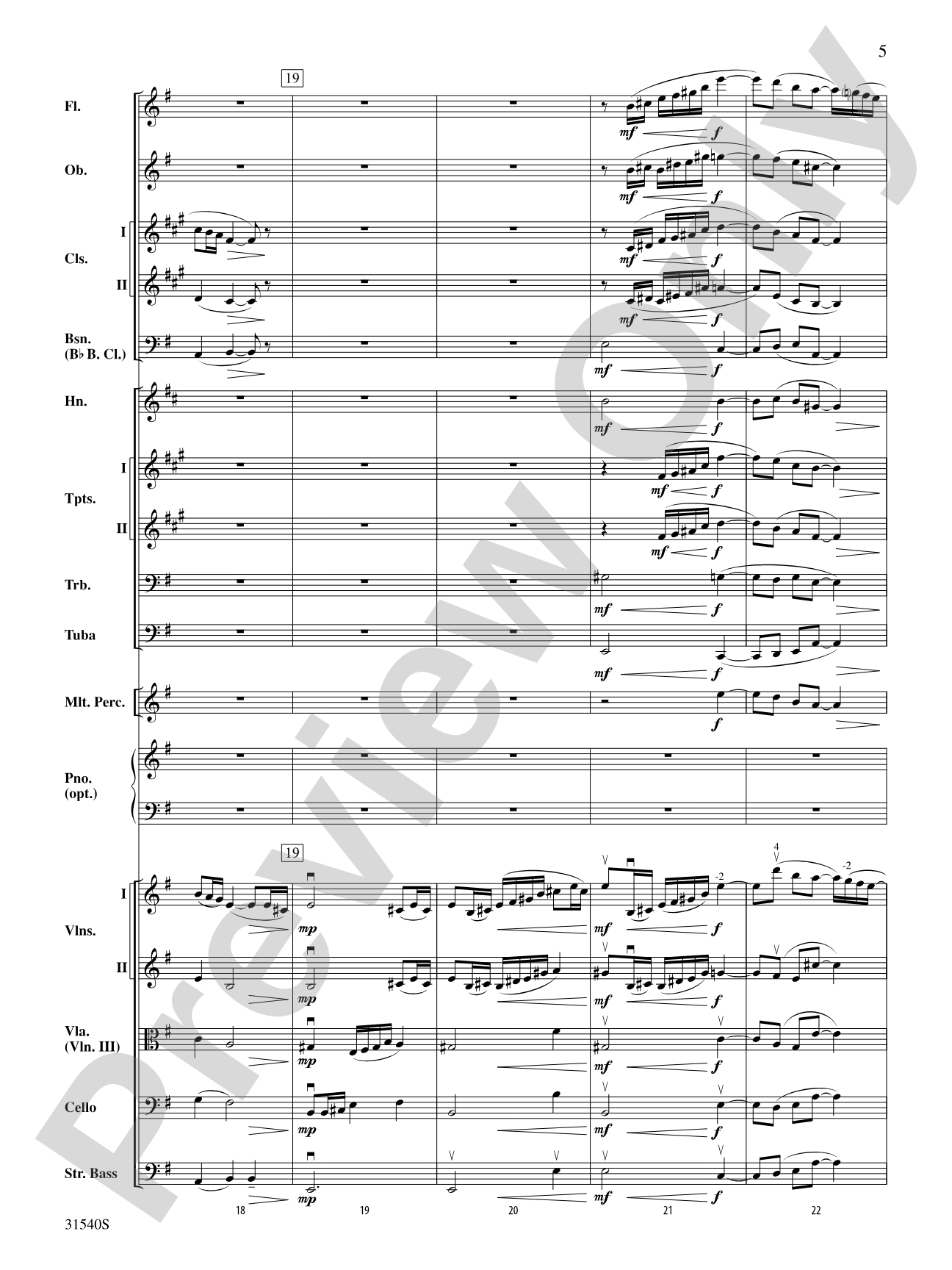
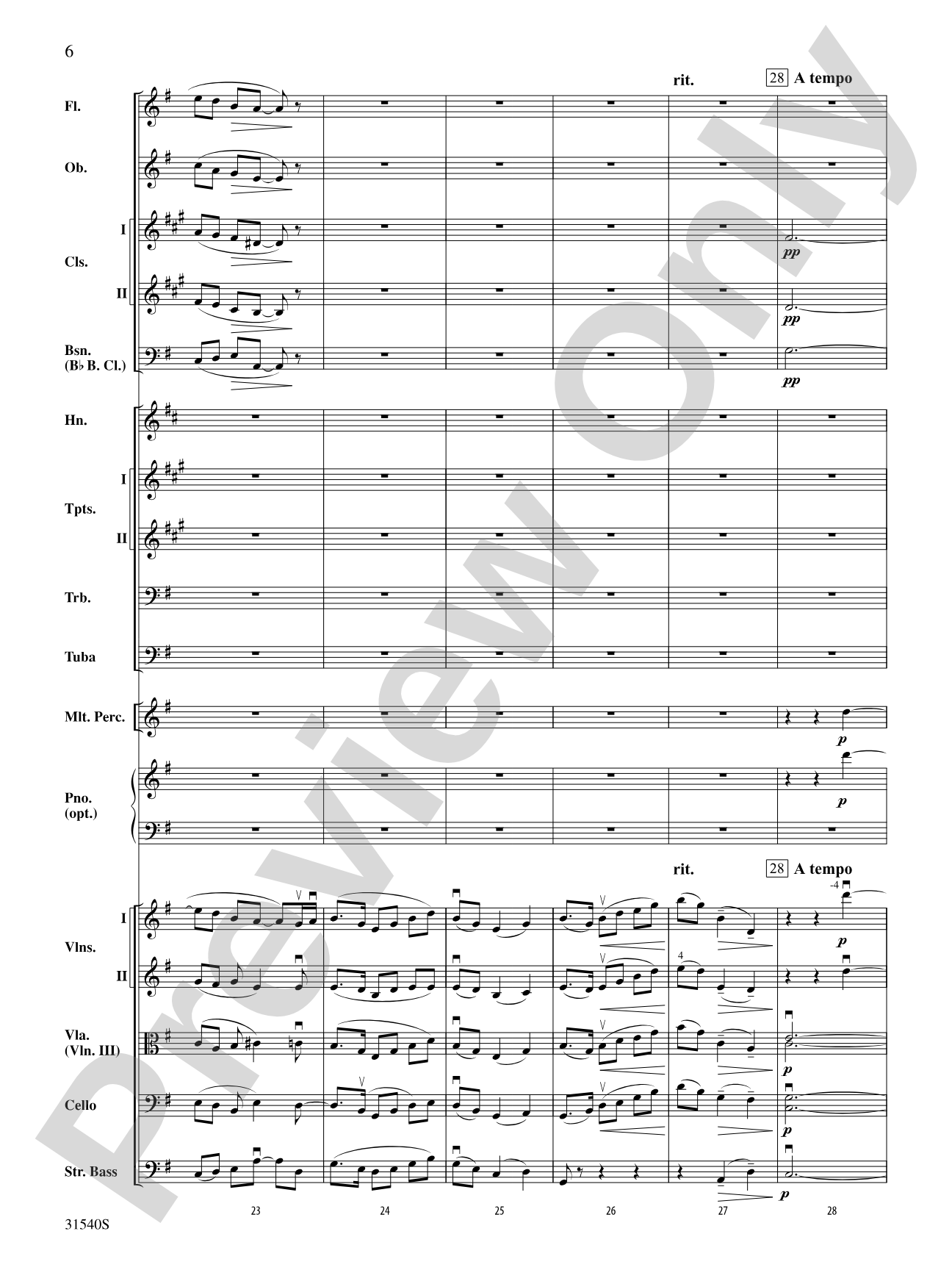
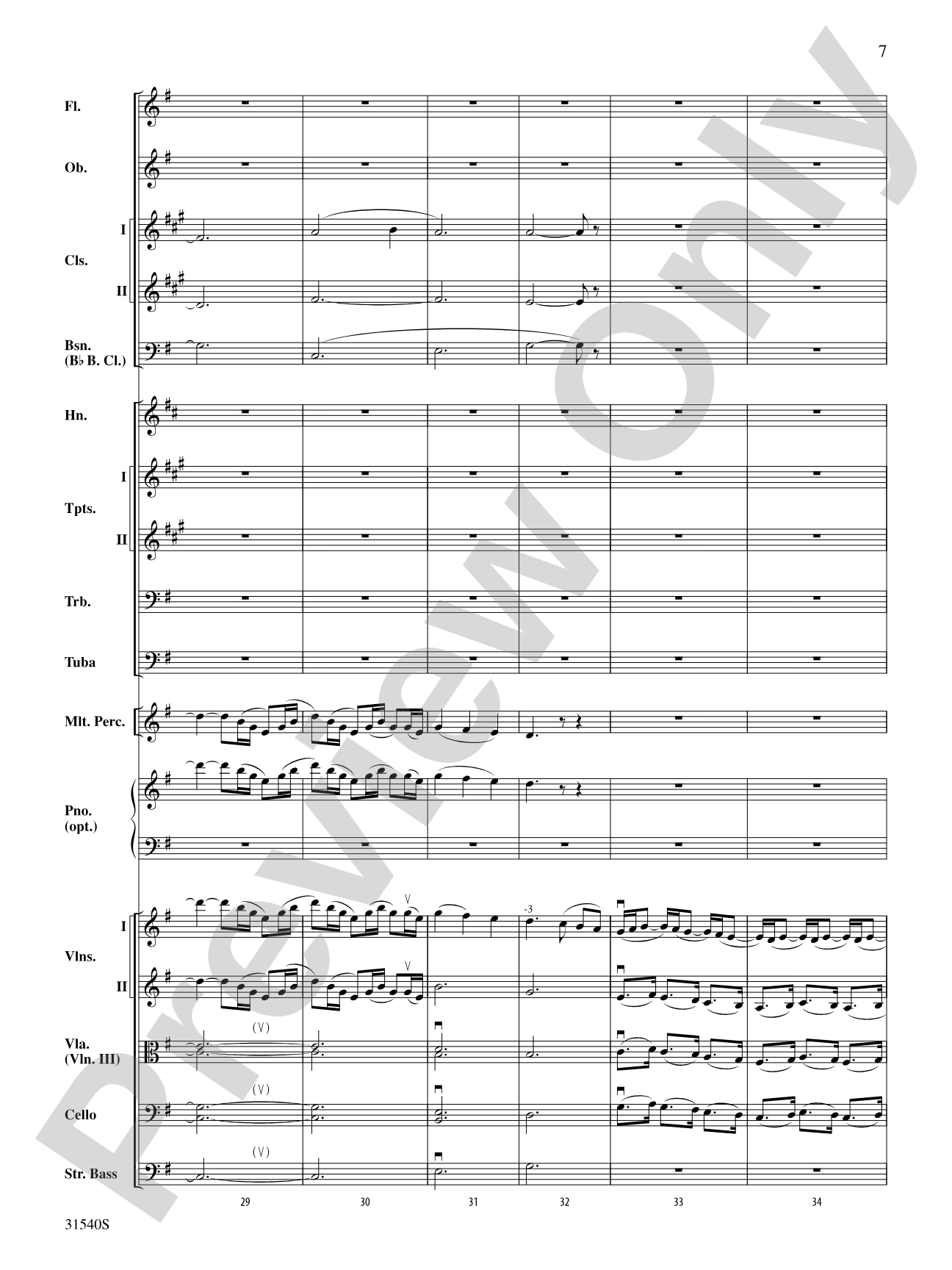
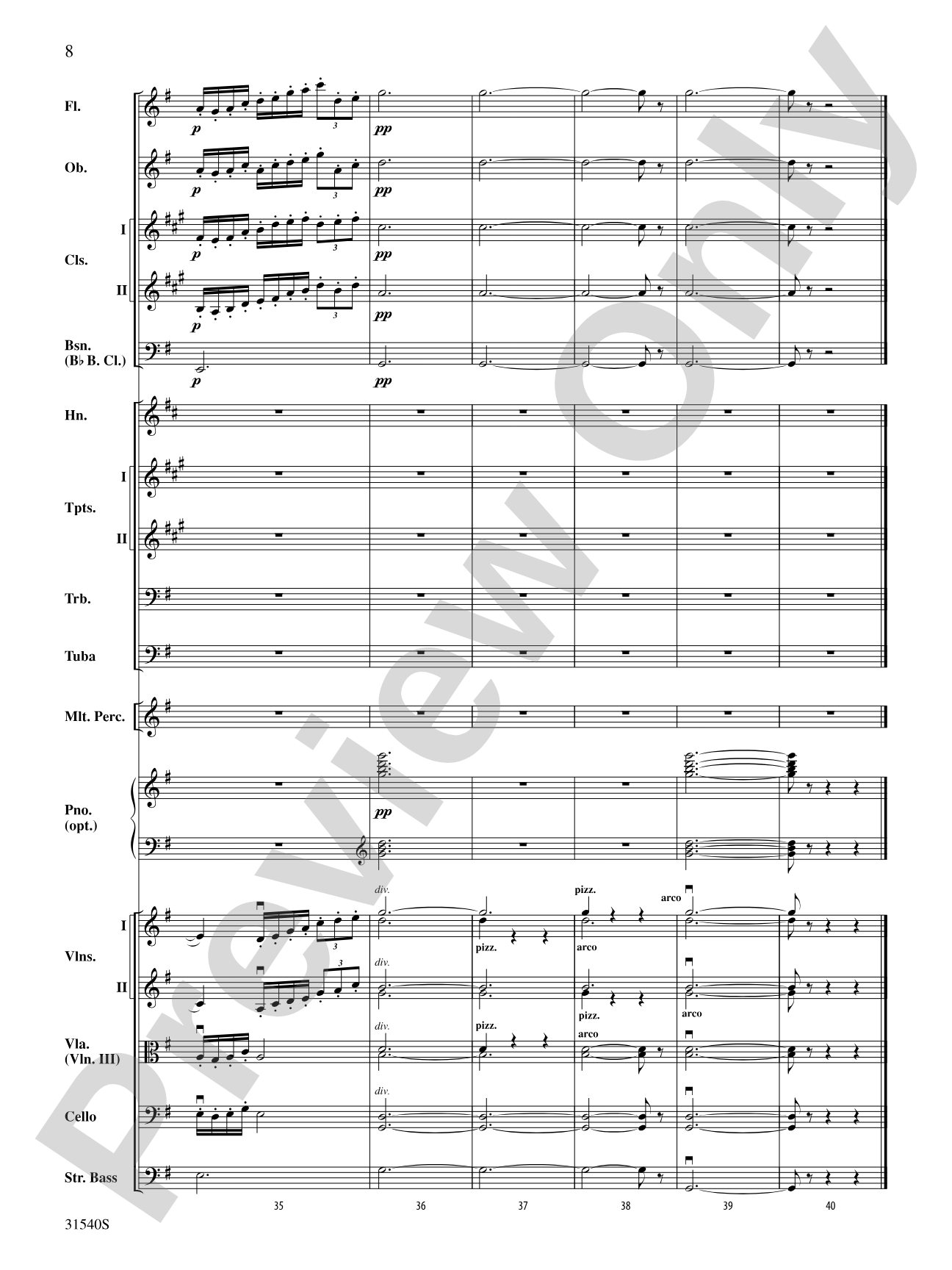

Girl with the Flaxen Hair: Full Orchestra Conductor Score & Parts
By Claude Debussy / arr. Roy Phillippe
Grade: 3
Item: 00-PK-0001737

$59.00
Pickup currently not available
Buy Extra Parts (Digital PDF Download)
Parts Added to Cart!
Description
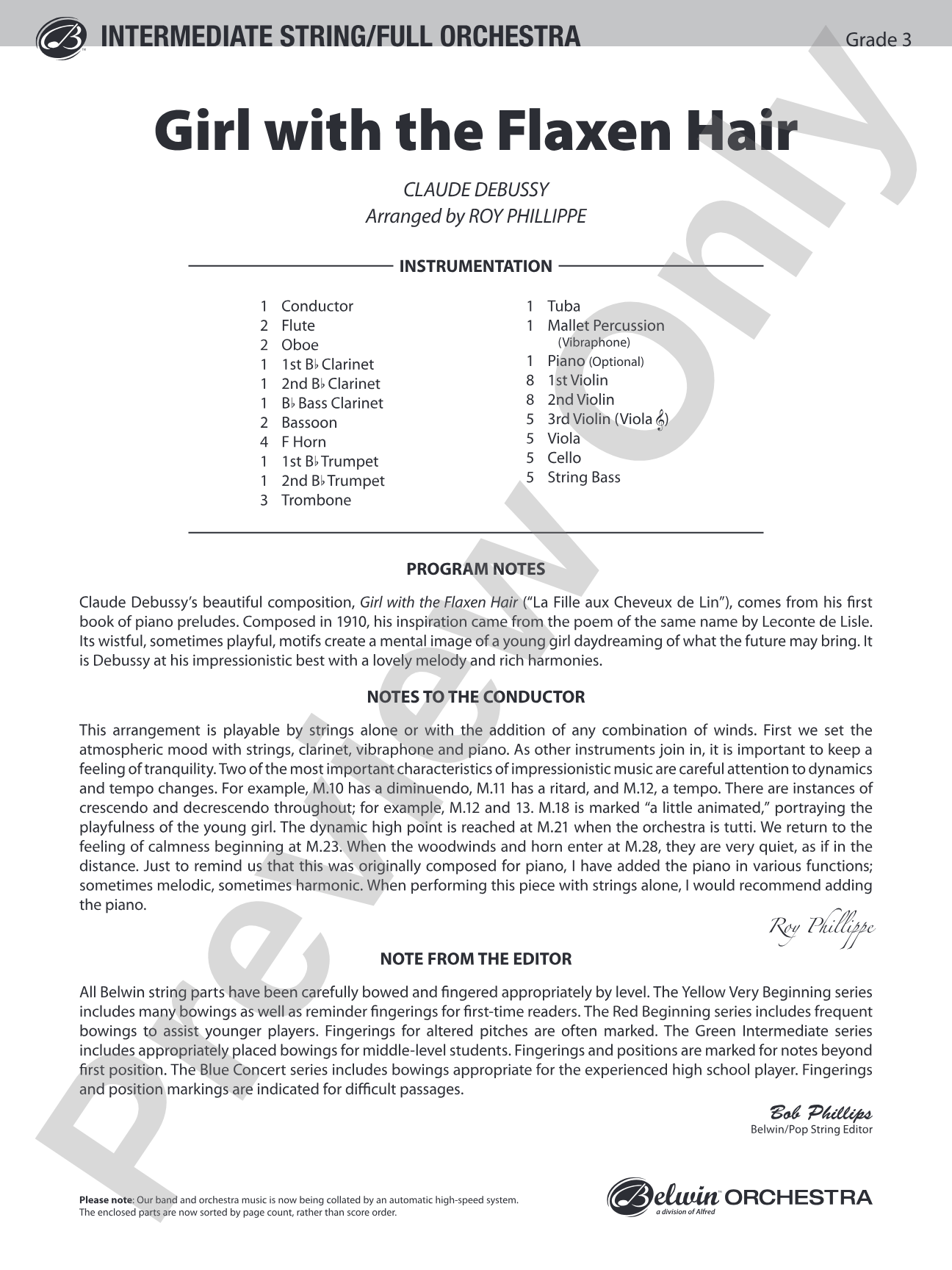
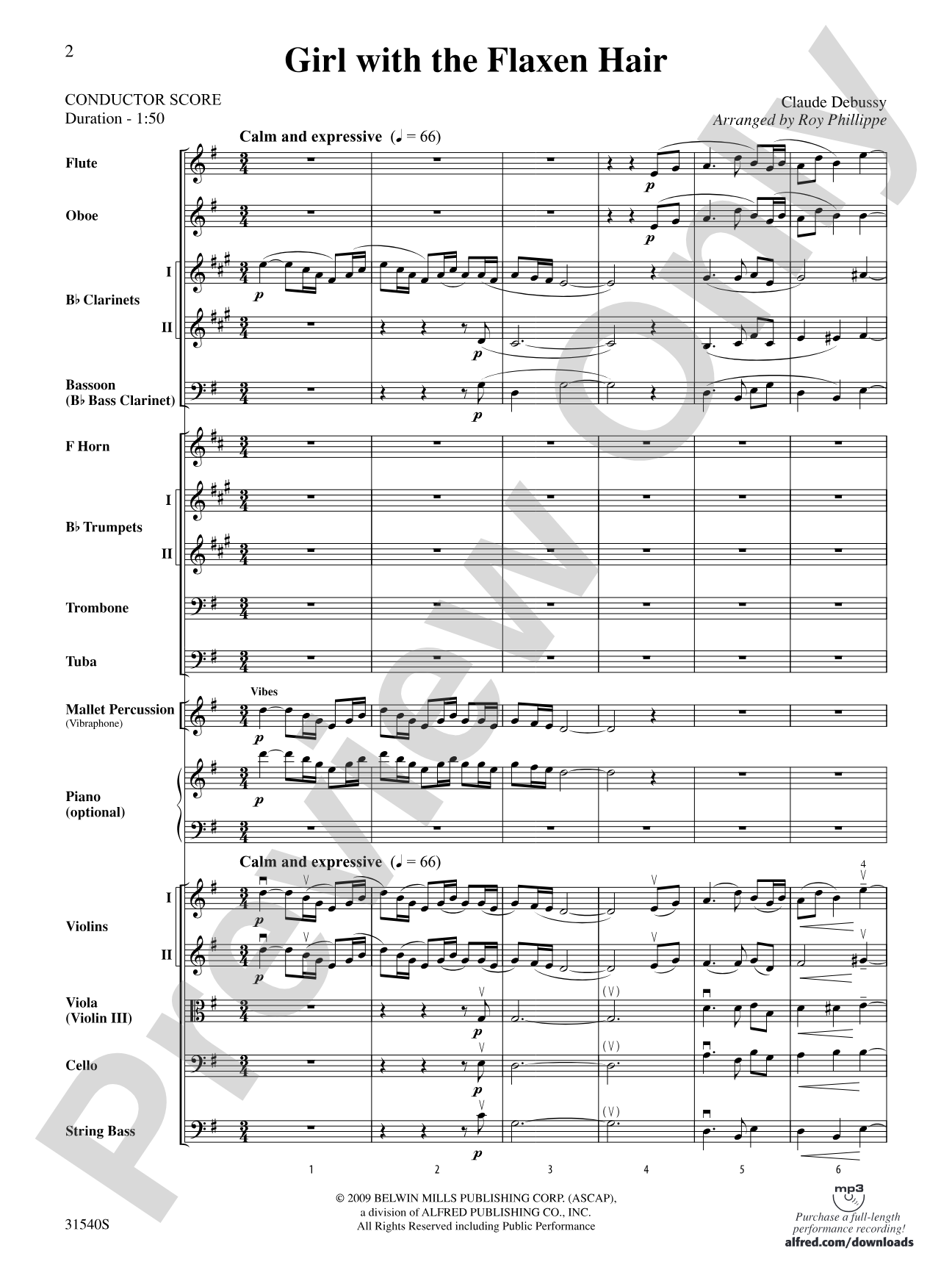
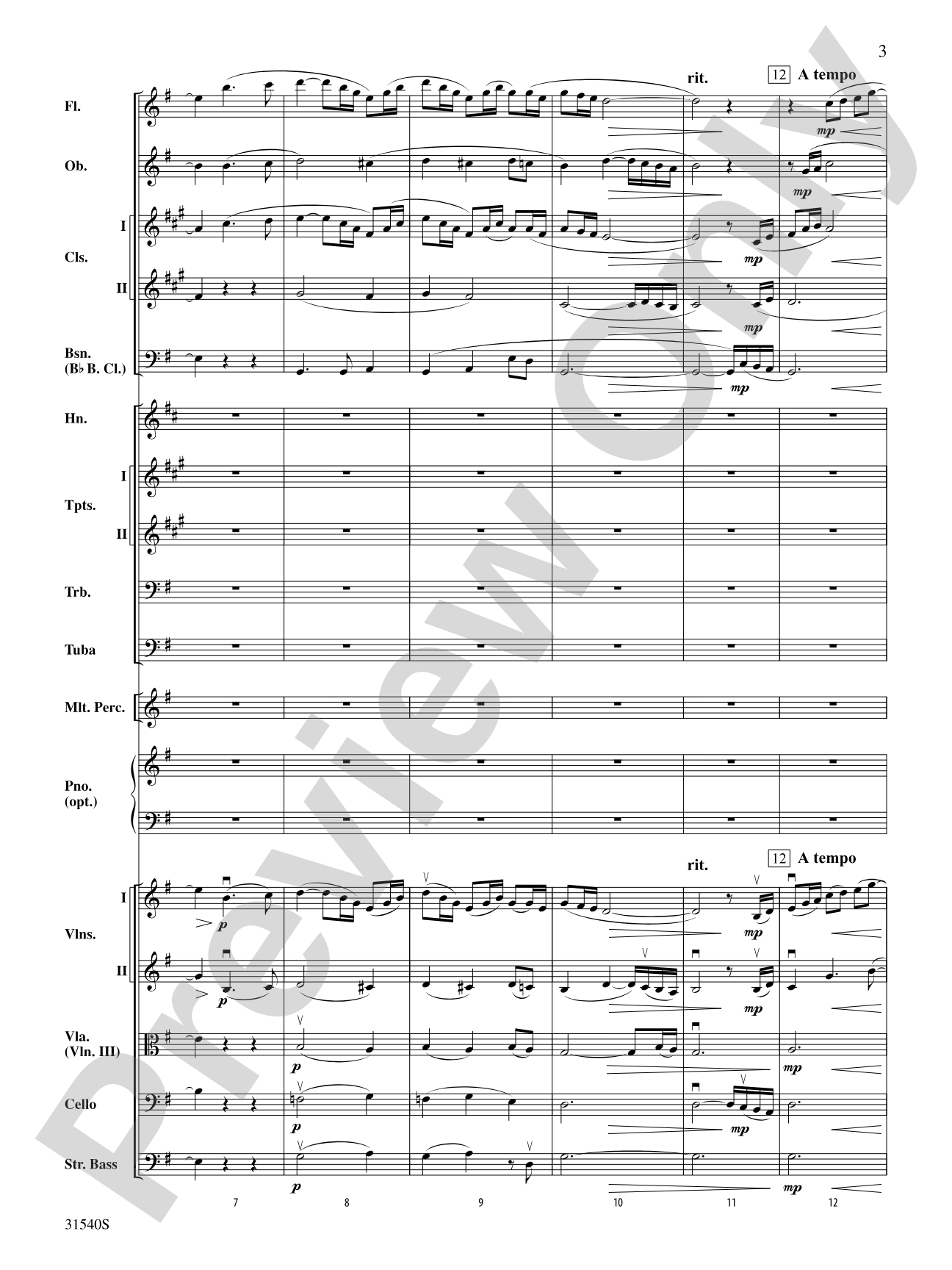
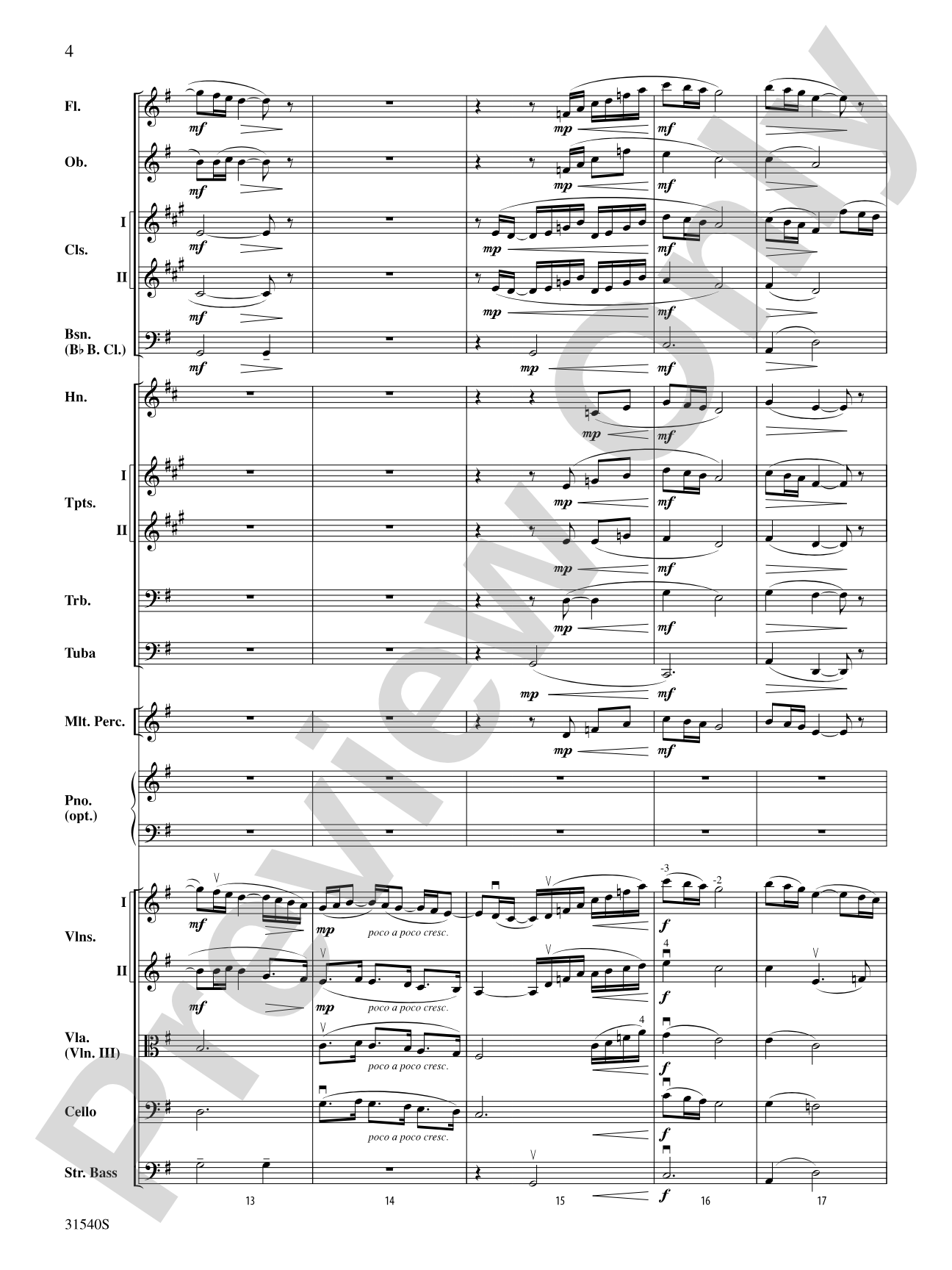
A beloved piano masterpiece artfully arranged for your orchestra. The flowing melody and rich harmonies create an otherworldly atmosphere. Playable by strings alone or with the addition of winds, this piece is perfect for working on dynamics and tempo changes.


Don't just read it, hear it, play along with it, and watch your students grow with it. In MakeMusic Cloud, Girl with the Flaxen Hair: Full Orchestra Conductor Score & Parts comes alive with professional accompaniment, adjustable tempo, and built-in practice tools that turn solo practice into real progress.
Open in the Player
Jump straight in and assign it today.
Start Your Free Trial
Open this title and explore the full library in minutes.
Sample Audio
1
Audio File
--:--
0:00
0:00
Sample Video
No sample videos found.
Additional Details
Series:
Belwin Intermediate String/Full Orchestra
Publisher:
Alfred Music
Page Count:
114
SKU:
00-PK-0001737
More about this title
About the Composer: Claude Debussy
Claude Debussy (1862-1918) fundamentally reshaped how composers approached harmony, orchestration, and musical impressionism. His piano works, particularly those from the early 20th century, broke free from traditional functional harmony and instead treated chords as sonorities in their own right, creating shimmering, atmospheric textures that influenced generations of composers across all media.
For orchestra directors, Debussy's music offers invaluable lessons in color, restraint, and the power of sustained legit playing. His works demand careful attention to balance, dynamic subtlety, and the relationship between melody and accompaniment—skills that transfer directly to any ensemble's overall musicianship.
Why we love this
Roy Phillippe's orchestration captures the ethereal essence of Debussy's original while making it genuinely playable for intermediate ensembles. The flexibility to perform with strings alone or add winds throughout gives you real programming options, and the focus on dynamic control and tempo shaping builds conductor awareness at a manageable level.
What to expect
Soft light filtering through water, shimmering and diffuse. The melody emerges dreamily from beneath layers of sound, never harsh or direct, while harmonies shift like clouds catching afternoon glow. Time feels suspended here; urgency has no place.
Who it's for
Intermediate orchestras ready to tackle impressionistic sound and stylistic nuance beyond standard classical repertoire. This arrangement works for groups with established string sections and developing wind sections, since you can begin with strings and add instrumental colors gradually as the ensemble matures.
How to get the most out of it
- Balance the flowing melody against sustained accompaniment by resisting the urge to bring in the melodic line at full volume; let it float above gently shifting harmonies.
- Clarify the subtle tempo variations by establishing a solid pulse in the ensemble before asking them to breathe with slight ritardandos and accelerandos.
- Use the option to add winds strategically, perhaps entering partway through to color certain phrases rather than doubling strings throughout.
- Shape phrases by thinking horizontally through the line, not vertically in measures; encourage players to listen for where the melody wants to breathe and follow its contours.
How to use it
Pair this with other impressionistic works or light classical masterworks for a concert emphasizing orchestral color and texture over drama. It works beautifully as the opening piece of a program to settle the audience, or as a palate-cleansing moment between more substantial works. For festival play, it demonstrates control and sensitivity rather than technical flash.
Skills your students will build
- Dynamic control and the relationship between melody and harmonic accompaniment
- Phrasing in non-traditional forms; following the line rather than measure-based structures
- Blend and balance with sustained legit playing
- Ensemble listening for pitch clarity in quartal and quintal harmony
- Tempo flexibility and the ability to breathe together without a strict mechanical pulse